Four Days, Three Nights in Beijing: Unlocking the Soul of the Ancient Capital and Tasting Every Authentic Flavor (Complete Route + Food Map Included)
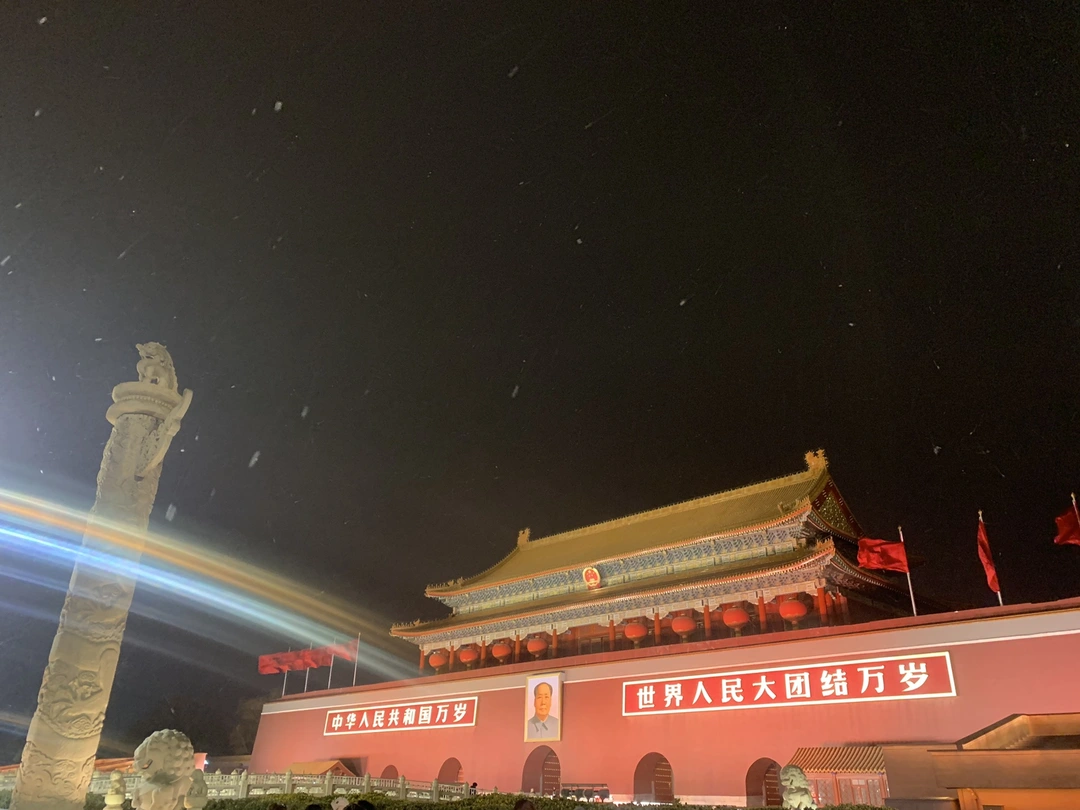
Meta Description: Discover the perfect 4-day Beijing itinerary covering the Forbidden City, Great Wall, hutongs, and local food. Includes a food map, pre-trip tips, and a FAQ section. Plan your trip now!
Introduction: A Long-Overdue Date with the Imperial City
Beijing—a city that carries a thousand years of history while pulsating with the rhythm of modern times—had always been a lingering dream of mine. Work kept getting in the way, and my plans were repeatedly shelved. But this Spring Festival holiday, I finally made up my mind to embark on a spontaneous solo trip. Before setting off, I pored over countless travel guides and combined them with my own experience from multiple independent trips—the sea breeze of Qingdao, the misty rain of Hangzhou, the tranquility of Wuxi, the fiery spice of Wuhan, and the heavy history of Nanjing. With all that in mind, I carefully crafted an itinerary that avoids backtracking, wastes no time, and allows for a deep dive into the authentic charm of old Beijing.
Four days and three nights—from the red walls and golden tiles of the Forbidden City to the winding grandeur of the Great Wall, from the smoky, bustling energy of the hutong (traditional alleyways) to the solemn majesty of Tiananmen, and finally to the local street food that dances on your tongue—this journey let me truly taste the essence of Beijing. If you're planning a similar trip, you can follow this guide exactly as written, saving yourself the hassle of digging through endless online posts. Now, come along with me and let's set off!
Pre-Trip Preparation: The Little Details That Make or Break Your Trip
1. Transportation: The Subway Is King, and Apps Are Your Best Friend
Beijing's rail transit network is like an "underground Great Wall"—almost all attractions in the city center are directly accessible by subway. I strongly recommend downloading the "Yi Tong Xing" (Easy Pass) app in advance so you can scan your phone to get through the gates, saving you the trouble of queuing to buy tickets. However, if you're traveling with elderly relatives or young children who aren't comfortable using a smartphone to scan codes, remember to buy a Beijing Transportation Card at the subway station (deposit 20 RMB, refundable when you leave the city). It works for both buses and the subway, making it very convenient.
2. Accommodation: Choose the Right Location and Save Half a Day
I recommend staying near Qianmen (Front Gate), Dazhalan (Dashilan Street), or Tiananmen. There are three reasons: first, it's close to the core attractions, so you can walk there; second, it's easy to transfer between subway lines, saving commuting time; third, if you want to watch the flag-raising ceremony, you don't have to wake up too early—just a short walk away. We stayed at the Pai Hotel (Beijing Qianmen Dazhalan branch). Although the rooms weren't large, they were clean and cozy, and the front desk service was very attentive.
3. Tickets: Book in Advance to Avoid Being Turned Away

The Forbidden City is a must-visit, but you absolutely need to book tickets on the official website 2 to 3 days in advance. Otherwise, you'll find yourself standing at the gate with nothing but regret. For the Great Wall, we chose the Mutianyu section—fewer crowds and more beautiful scenery, highly recommended. You also need to book the "Mu Bus" (Mu Bus) round-trip tickets in advance (80 RMB per person), which is convenient and worry-free.
4. Documents and Payment: Bring Some Cash, But Your Phone Will Cover Almost Everything
You must carry your ID card with you at all times—it's needed for security checks and ticket purchases at all attractions. Although most places accept WeChat Pay or Alipay, I suggest having some small cash on hand just in case.
Itinerary Overview: Four Days, Three Nights, Precision Check-Ins
- Day 1: Xi'an → Beijing | Beihai Park → Jingshan Park → Nanluoguxiang (South Gong and Drum Lane) → Shichahai → Bell and Drum Towers → Yandai Xiejie (Tobacco Pipe Slanting Street) → Tiananmen Night View
- Day 2: Mutianyu Great Wall → Bird's Nest / Water Cube → Zhengyangmen (Front Gate) → Qianmen Street
- Day 3: Temple of Heaven → Old Summer Palace (Yuanmingyuan) → Summer Palace (Yiheyuan)
- Day 4: Flag-Raising Ceremony → Chairman Mao Memorial Hall → National Museum → Forbidden City → Return Trip
Day 1: First Glimpse of the Capital, From Imperial Gardens to the Smoke of Everyday Life
Beihai Park: Let's Row Our Oars
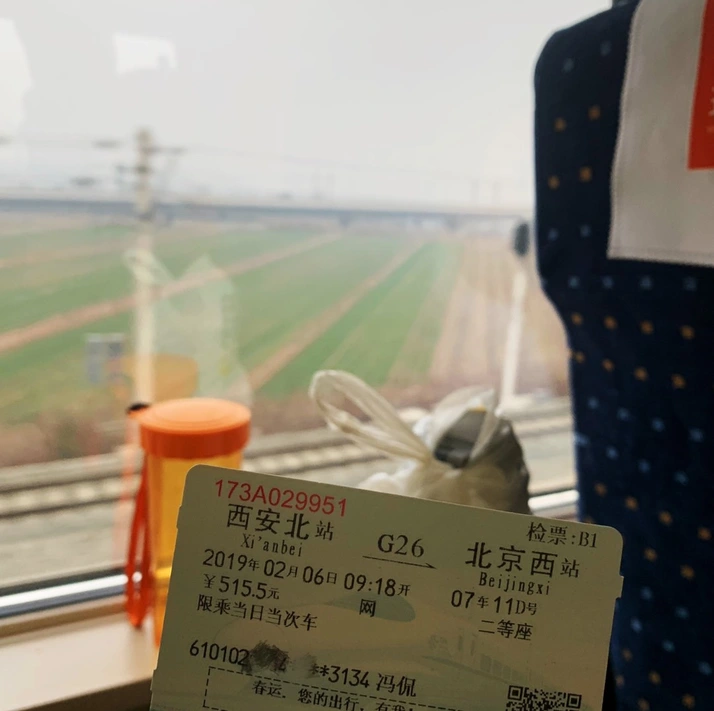
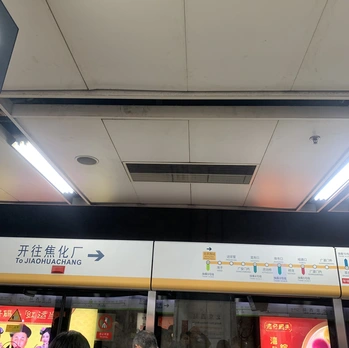
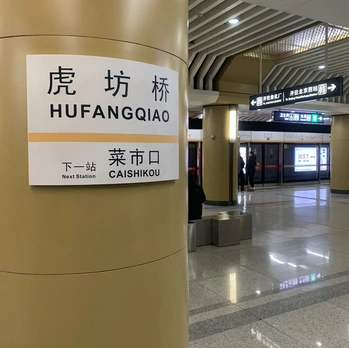
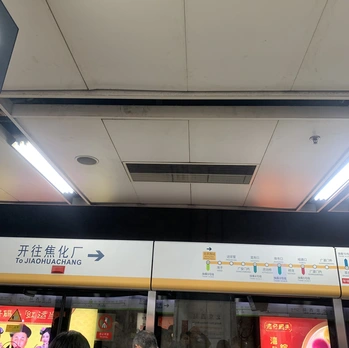
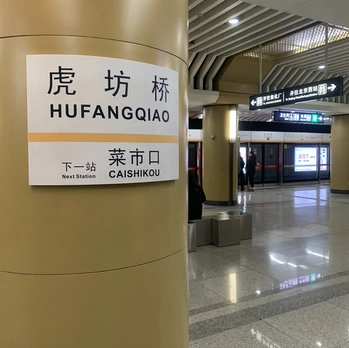
I woke up at 6 a.m., took the G26 high-speed train from Xi'an North Station, and arrived at Beijing West Station 4 hours and 30 minutes later. After exiting the station, I transferred to Subway Line 7 to Hufangqiao Station, exited from Exit B, and walked 10 minutes to the hotel. After dropping off my luggage and taking a short rest, I set off promptly at 2:40 p.m.
My first stop was Beihai Park. Exiting at Beihai North Station, the murals on the walls immediately caught my eye—the White Pagoda, blue sky, and shimmering lake water instantly transported me back to the melody of the childhood song "Let's Row Our Oars." The entrance fee was 5 RMB. Even in the off-season, there were plenty of visitors, but the festive atmosphere of the Spring Festival was everywhere. Remember: after entering through the North Gate of Beihai, be sure to take the left path—all the highlights are there. Strolling along the lakeside, the White Pagoda loomed close at hand. It's best admired from a distance; there's no need to climb it.
Jingshan Park: The Best Spot for a Panoramic View of the Forbidden City
Exiting Beihai Park through the East Gate, you'll find the West Gate of Jingshan Park right across the street. The two parks are practically next to each other—a perfect setup for someone like me who's short on time. The entrance fee was 2 RMB. The park isn't large; you can reach the highest observation platform in just 15 minutes. Standing there, the entire Forbidden City unfolded before my eyes. The red walls and golden tiles gleamed under the setting sun. In that moment, I felt that all the rushing around was absolutely worth it.
Nanluoguxiang: Where Old Beijing's Soul Meets Commercial Hustle
Coming out of the North Gate of Jingshan Park, I walked along Di'anmen East Street and soon spotted the archway of Nanluoguxiang. This alley, with a history of over 740 years, is one of the oldest neighborhoods in Beijing. Although it's heavily commercialized, it's still worth a visit. The shop names along the lane are all very distinctive, and you can capture a great photo almost anywhere you point your camera.
For dinner, I chose "Yuan Yuan Hong Fang" (Yuan Yuan Red House). I ordered tripe (bao du), lǘdagunr (glutinous rice rolls with red bean paste), wandouhuang (pea flour cake), aiwowo (steamed glutinous rice balls with sweet filling), and millet porridge. The total came to 140 RMB. The flavors were decent—not extraordinary, but as a first taste of Beijing cuisine, it was a good start.
Bell and Drum Towers & Yandai Xiejie: The Charm of the Ancient Capital at Night
After eating my fill, I continued north and arrived at the Bell and Drum Towers of Beijing. Compared to those in Xi'an, Beijing's towers seemed taller and more imposing, standing solemnly against the night sky. Along the way, I bought a stick of candied hawthorn (bing tang hulu) for 15 RMB. It was sweet and sour, instantly soothing the fatigue from a day of walking.
Yandai Xiejie (Tobacco Pipe Slanting Street) isn't long—about 300 meters—so you can finish exploring it quickly. In the past, it was a hub for smoking paraphernalia, antiques, and calligraphy supplies. Today, it still retains the flavor of old Beijing. Passing through the slanting street, I arrived at Shichahai. Despite being called a "sea" (hai), it's actually just a small lake, but the surrounding bars and the night view create a very atmospheric scene. Walking along the lakeside, I crossed the Yinding Bridge. To the north is Houhai (Back Sea), and to the south is Qianhai (Front Sea). The entire area is a great place to end your first day.
Day 2: From the Great Wall to Olympic Glory
Mutianyu Great Wall: A Less Crowded, More Scenic Choice
On Day 2, I woke up early and took the "Mu Bus" from the designated pickup point near the city center. The ride to Mutianyu took about 1.5 hours. The bus dropped us off at the base, and from there, I took a cable car up to the wall—round-trip cost 120 RMB. The Mutianyu section is less crowded than Badaling, and the scenery is stunning. I walked along the wall for about 2 hours, stopping at several watchtowers for photos. The views of the surrounding mountains and the winding wall are breathtaking.
Pro Tip: Wear comfortable shoes and bring water. The steps can be steep in some sections.
Bird's Nest & Water Cube: Olympic Legacy
After returning from the Great Wall, I took the subway to the Olympic Green. The Bird's Nest (National Stadium) and Water Cube (National Aquatics Center) are iconic symbols of the 2008 Beijing Olympics. You can walk around the outside for free, or pay to enter. I chose to just admire them from the outside—the architecture is impressive, especially against the evening sky.
Zhengyangmen & Qianmen Street: A Taste of Old Beijing
In the evening, I headed to Zhengyangmen (Front Gate) and Qianmen Street. This area is a great place to explore traditional Beijing architecture and shop for souvenirs. I grabbed dinner at a local restaurant, trying Beijing roast duck (Peking duck) for the first time—it was crispy, juicy, and absolutely delicious. The meal cost around 120 RMB per person.
Day 3: Imperial Grandeur and Royal Gardens
Temple of Heaven: Where Heaven and Earth Meet
Day 3 started at the Temple of Heaven, a UNESCO World Heritage site. The entrance fee was 15 RMB. The highlight is the Hall of Prayer for Good Harvests, a stunning circular building with a blue-tiled roof. The park is also a great place to see locals practicing tai chi, playing chess, or singing opera. I spent about 2 hours here.
Old Summer Palace (Yuanmingyuan): A Haunting Beauty
Next, I took the subway to the Old Summer Palace (Yuanmingyuan). This former imperial garden was destroyed in the 1860s, but its ruins are a poignant reminder of China's history. The entrance fee was 10 RMB. The Western-style ruins are particularly photogenic. I spent about 1.5 hours exploring.
Summer Palace (Yiheyuan): A Masterpiece of Chinese Garden Design
Finally, I visited the Summer Palace, the largest and best-preserved imperial garden in China. The entrance fee was 20 RMB. Highlights include the Long Corridor (a covered walkway with thousands of paintings), Kunming Lake, and the Tower of Buddhist Incense. I spent about 2.5 hours here, taking a boat ride on the lake for an extra 20 RMB.
Day 4: The Heart of Beijing
Flag-Raising Ceremony at Tiananmen Square
I woke up at 5:30 a.m. to watch the flag-raising ceremony at Tiananmen Square. It's a moving experience—the honor guard marches in perfect synchronization, and the national flag is raised at exactly sunrise. Arrive early to get a good spot.
Chairman Mao Memorial Hall & National Museum
After the ceremony, I visited Chairman Mao Memorial Hall (free, but you need to check bags) and the National Museum of China (free, but book in advance). The museum has an incredible collection of Chinese art and artifacts, including the famous "Jade Suit" and "Bronze Chariots."
Forbidden City: The Imperial Palace
The grand finale was the Forbidden City. I entered through the Meridian Gate and spent about 3 hours exploring the main halls, gardens, and exhibition halls. The Hall of Supreme Harmony, the Palace of Heavenly Purity, and the Imperial Garden are must-sees. The entrance fee was 60 RMB. I booked my ticket 3 days in advance, as recommended.
After the Forbidden City, I took the subway back to the hotel, picked up my luggage, and headed to Beijing West Station for my return trip.
Food Map: Must-Try Beijing Dishes
- Peking Duck (Beijing Kaoya): Crispy skin, tender meat, served with pancakes, scallions, and hoisin sauce. Try it at a reputable restaurant near Qianmen.
- Zha Jiang Mian (Noodles with Fried Sauce): A classic Beijing noodle dish with a savory meat sauce and fresh vegetables.
- Douzhi (Fermented Bean Drink): A traditional breakfast drink—an acquired taste, but worth trying for the experience.
- Bao Du (Tripe): Thinly sliced beef tripe, quickly blanched and served with a sesame sauce.
- Lǘdagunr (Glutinous Rice Rolls with Red Bean Paste): A sweet snack made from glutinous rice and red bean paste, rolled in soybean flour.
- Wandouhuang (Pea Flour Cake): A soft, sweet cake made from pea flour and sugar.
- Aiwowo (Steamed Glutinous Rice Balls with Sweet Filling): A traditional dessert filled with sesame, peanut, or red bean paste.
- Bing Tang Hulu (Candied Hawthorn on a Stick): A classic street snack—sweet, sour, and refreshing.
FAQ Section
1. Do I need to book tickets for the Forbidden City in advance?
Yes, absolutely. You must book tickets on the official website 2 to 3 days in advance. Walk-up tickets are not available.
2. What is the best way to get around Beijing?
The subway is the most efficient way to get around the city center. Download the "Yi Tong Xing" app for easy access. For the Great Wall, consider booking a bus tour like "Mu Bus."
3. Is it safe to eat street food in Beijing?
 Yes, street food in Beijing is generally safe and delicious. Stick to busy stalls with high turnover, and avoid raw or undercooked items if you have a sensitive stomach.
4. What should I pack for a winter trip to Beijing?
Winter in Beijing is cold and dry. Pack warm layers, a heavy coat, gloves, a hat, and comfortable walking shoes. Also bring a reusable water bottle and hand sanitizer.
5. Can I visit the Great Wall and the Forbidden City on the same day?
It's possible but not recommended. Both attractions require significant time and energy. It's better to dedicate separate days to each.
Internal Linking Suggestions
- [Link: Best time to visit Beijing]
- [Link: How to book Forbidden City tickets]
- [Link: Top 10 Beijing street food stalls]
- [Link: Beijing subway map and tips]
- [Link: Mutianyu vs. Badaling Great Wall comparison]
Final Call to Action
Ready to unlock the soul of the ancient capital? Download this itinerary, book your tickets, and start planning your own Beijing adventure today. Whether you're a history buff, a foodie, or a solo traveler, this 4-day route is designed to give you the most authentic experience possible. Don't wait—your journey begins now!
This article is based on a personal travel experience. Prices and availability may vary. Always check official websites for the latest information.
You should also read:
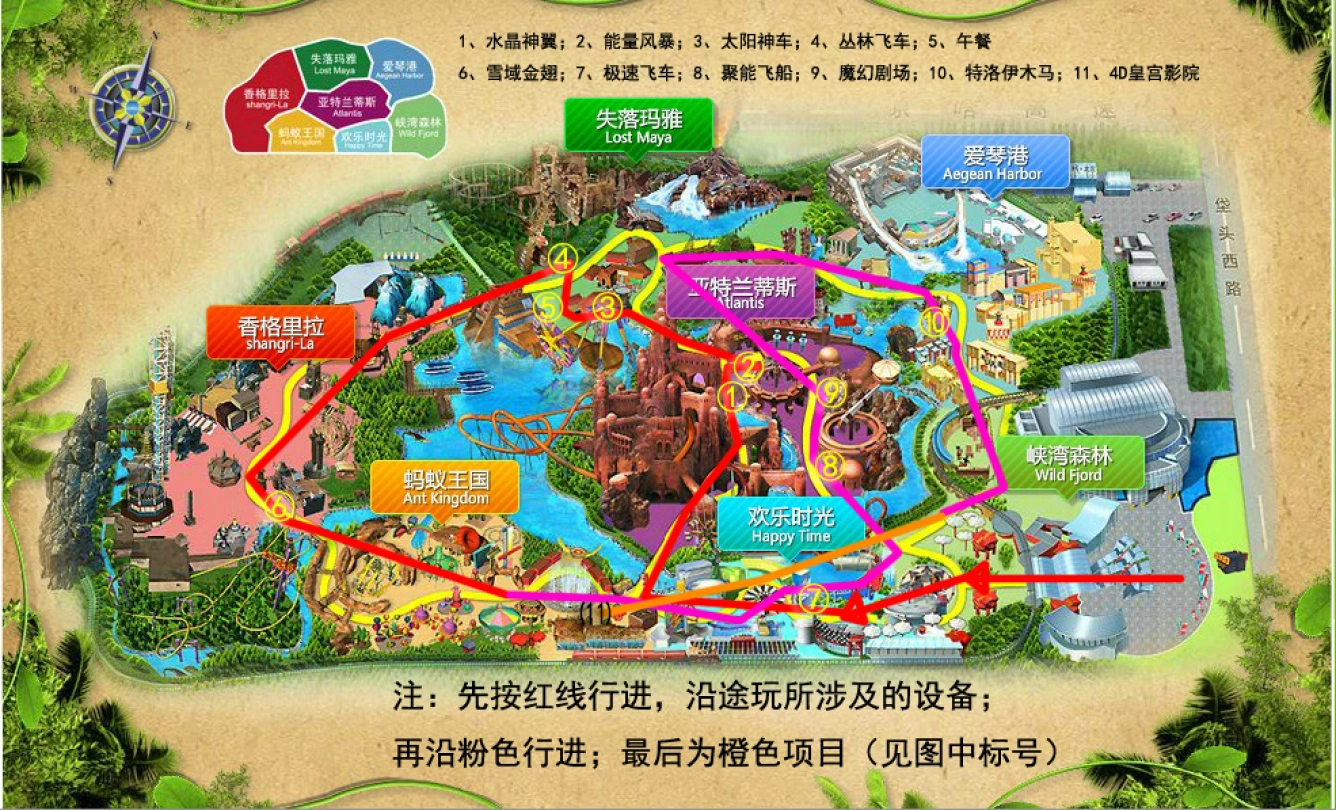
Beijing Happy Valley Ultimate Money-Saving Guide: Ride Everything, See Every Show in One Day
Here is the SEO-optimized, rewritten article based on the source material. It is structured for readability, keyword density, and user engagement, targeting approximately 1500 words. SEO Title: Beijing Happy Valley Ultimate Money-Saving Guide: Ride Everything & See Every Show in One Day Meta Description: Maximize…
Continue reading...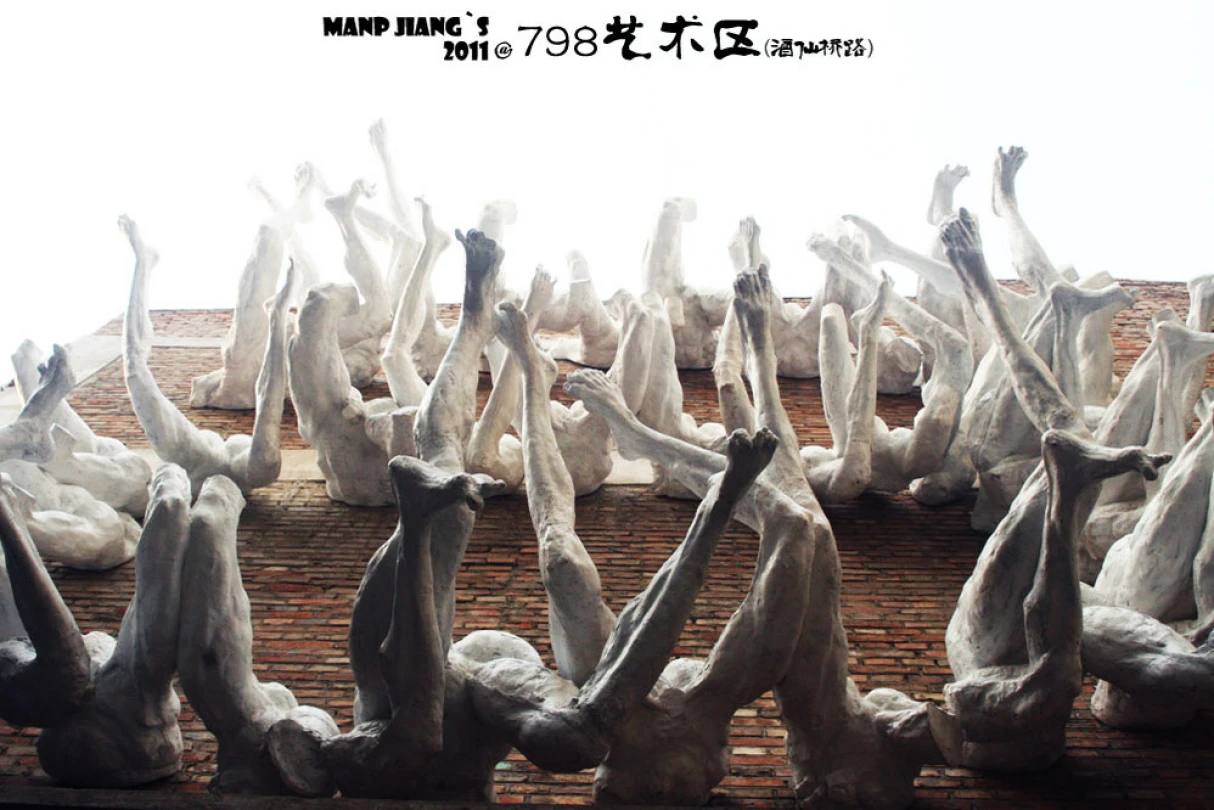
The Journey That Didn't Freeze Me to Death: Beijing – Six Days and Five Nights of Bone-Chilling Cold
Meta Description: Planning a winter trip to Beijing? Read this firsthand account of a spontaneous 6-day Beijing adventure—from ticket battles to 798 Art District, Sanlitun, and survival tips for bone-chilling cold. Perfect for budget travelers and first-timers. Some trips are long-planned romances; others are impulsive…
Continue reading...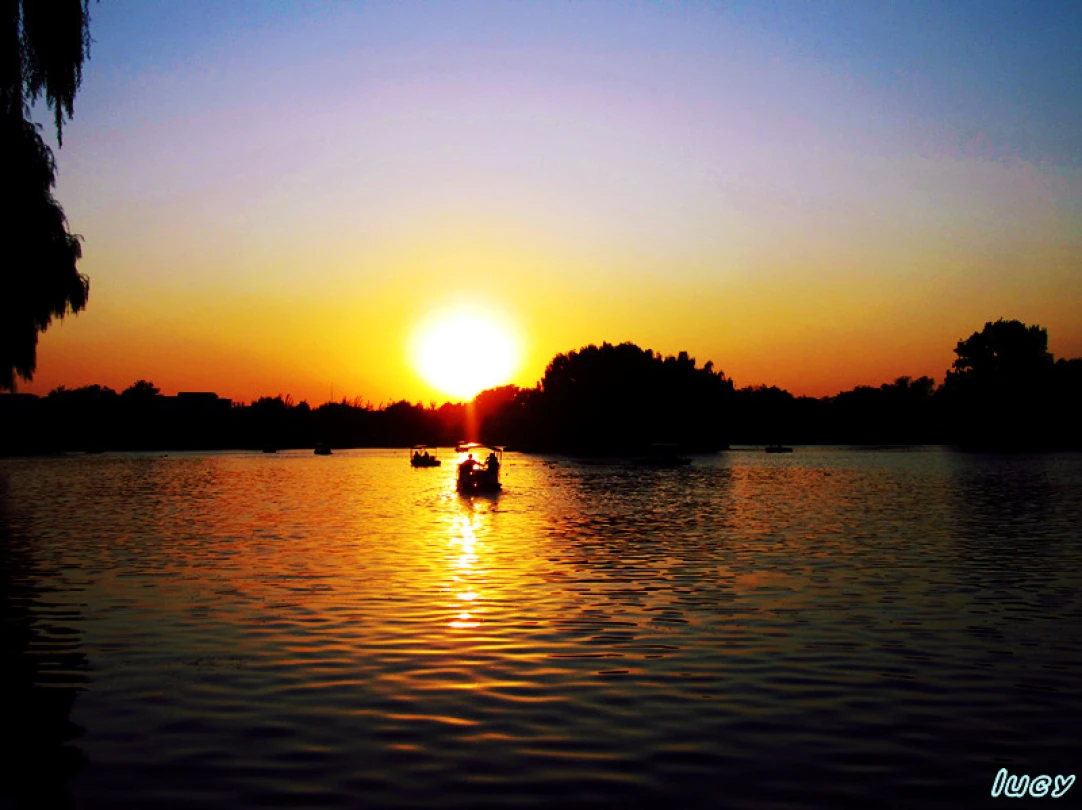
A Solo Journey Through Beijing: One Girl's Seven-Day Adventure
Here is the SEO-optimized, rewritten article based on your source material. It is structured for high readability, keyword density, and user engagement, targeting approximately 1500 words. SEO Title: Solo Travel in Beijing: One Girl’s 7-Day Budget Adventure (2,000 Yuan Itinerary) Meta Description: Discover the ultimate…
Continue reading...