Four Seasons in Beijing: A Complete Guide to the Capital's Year-Round Beauty
Meta Description: Explore Beijing through the seasons with this personal guide to autumn leaves, winter snow, spring blossoms, and summer heat. Discover hidden gems, local tips, and seasonal activities in China's capital.
"Without a direction, you can travel farther." I didn't truly understand this sentence until after I left Beijing.
In September 2014, I dragged my suitcase back to this land, carrying a thousand reluctances. At that time, I never imagined that this city I once despised would, four years later, become a memory I revisit time and again through words and photographs. This is not just a travelogue—it's a love letter to Beijing, written with the seasons as my pen and time as my ink. Whether you're planning a visit or simply curious about Beijing's seasonal transformations, this guide will help you experience the capital like a local.
Autumn in Beijing: God's Spilled Palette
First Encounter with Beijing's Autumn
September in Beijing greeted me with a dusty, sand-swept road called Dalianpo. Tuk-tuks roamed recklessly, foul ditches lined the sidewalks, and the campus was so small you could walk from north to south in just eight minutes. As a child who grew up in Kunming—where the seasons barely change—Beijing's climate was, to put it mildly, "indescribable."
But from mid-September onward, the temperature quietly dropped. When the first leaf fell, Beijing entered its most beautiful season. Autumn here is incredibly short: one day the trees are lush with foliage, the next they stand bare; the ginkgo trees that were still green last week have now laid down a golden carpet by the following week. This fleeting beauty is precisely what makes autumn in Beijing so special.
Best Places for Blue Skies in Beijing

In autumn, Beijing's sky is extreme—either hazy or brilliantly blue, with clouds rarely making an appearance. This pure blue is the truest testament to the crisp, clear autumn air. For the best blue-sky photography, head to these locations:
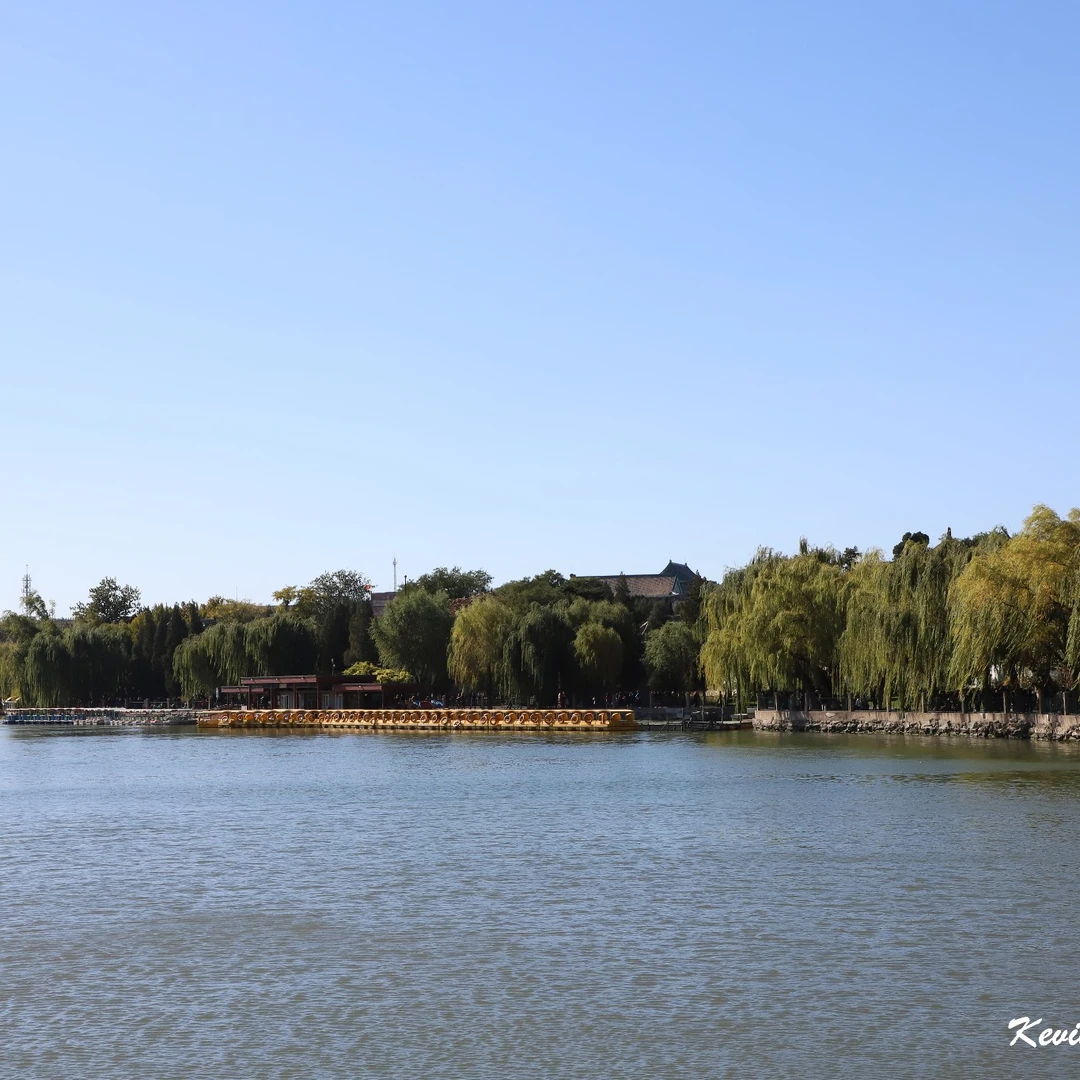
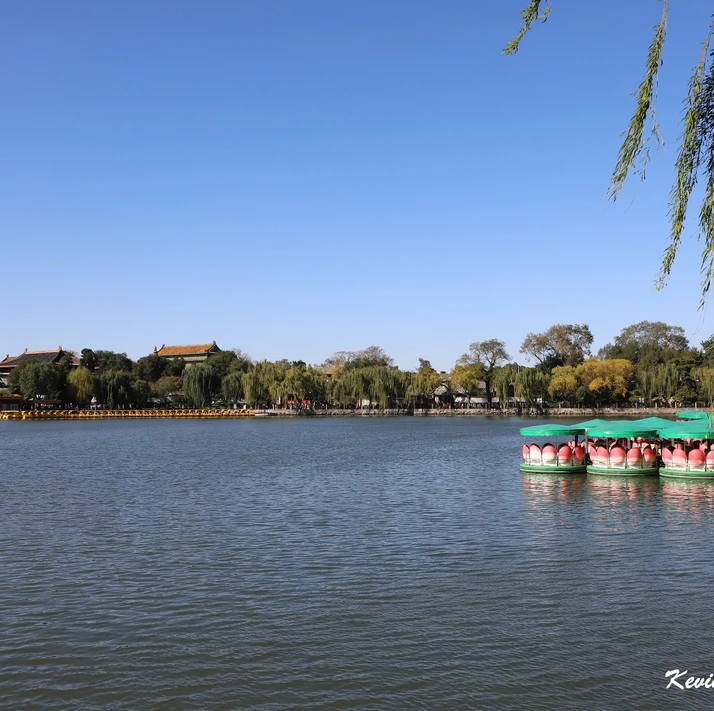
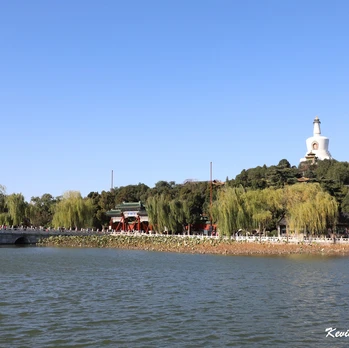
Beihai Park was a place I visited repeatedly. Although the lotus flowers had faded by autumn, the park still brimmed with life. The song "Let's Row Our Oars" is said to have been inspired by the Summer Palace, but I always felt Beihai fit better—"The lake reflects the white pagoda, surrounded by green trees and red walls." In the park, elderly locals practiced stick-fighting with impressive skill, while others showed off traditional arts like diabolo spinning and handkerchief twirling—proving to foreign visitors that China is about more than just square dancing and morning calisthenics. [Link: Beihai Park visitor guide]
Gubei Water Town is one of Beijing's newest imitation ancient towns, officially opening for National Day in 2014. A two-hour tourist bus ride from Dongzhimen costs 48 RMB, and the town's entrance fee is 150 RMB (waived if you stay overnight at a hotel inside). Though it's a man-made attraction with a strong commercial vibe, I still enjoyed wandering through its bridges and alleys. The real highlight is Simatai Great Wall behind it—one of the most dangerous sections of the Wall, with a 100-meter-high "Heavenly Ladder" at an 85-degree slope, nearly vertical. Night tours are a special feature: as the evening breeze blows, the lights of the water town and the Great Wall flicker on one by one, and the water dance show in front of Wangjing Tower is truly breathtaking. [Link: Gubei Water Town night tour tips]
Where to See Ginkgo Leaves in Beijing
The first week of November is the best time to admire ginkgo leaves. The ginkgo avenue in the Sanlitun embassy district is a favorite among locals—the green belt between the vehicle and bicycle lanes is planted with ginkgo trees, while the sidewalks are lined with plane trees. The transition from green to yellow is autumn's most beautiful color.
Ginkgo fruits, also called white nuts, ripen in late October. Workers use poles to hook and pull the branches, sending a rain of white nuts to the ground. But wherever ginkgo trees are abundant, there's always a certain smell—the odor of crushed, rotting fruit. A small price to pay for such beauty.
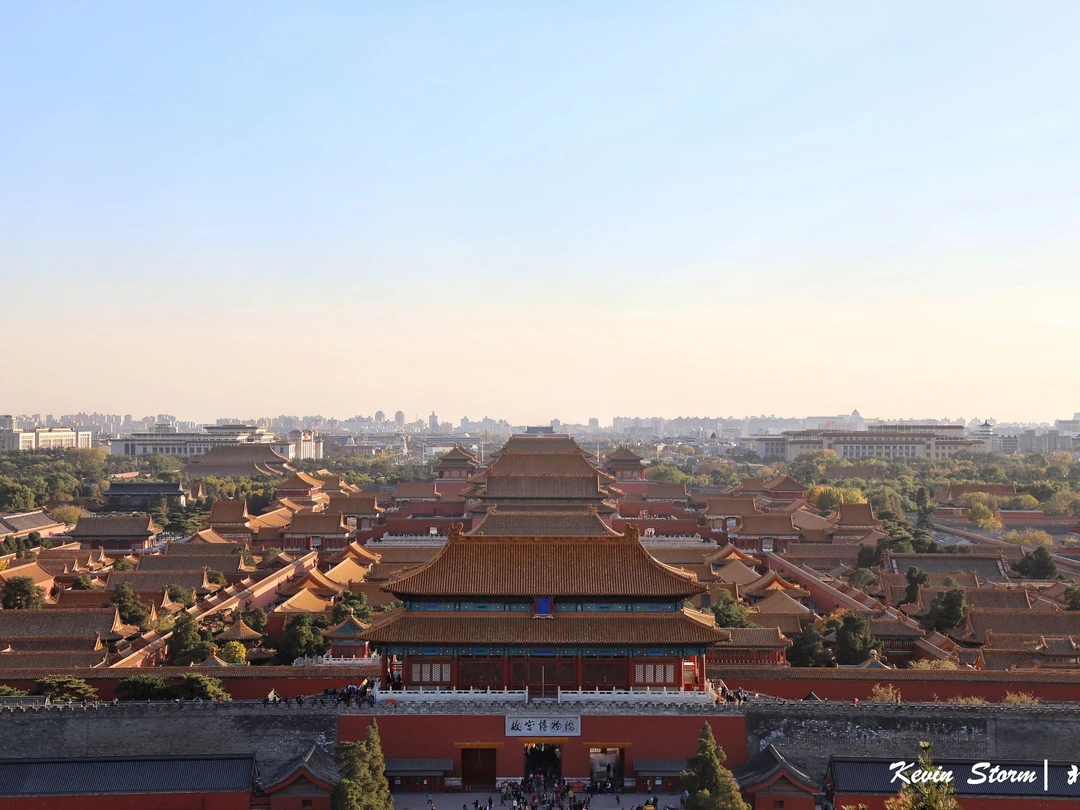
Wanchun Pavilion in Jingshan Park is the highest point within central Beijing, with an entrance fee of just 2 RMB. From here, you get a panoramic view of the Forbidden City—the red walls and green tiles intermingling with the distant steel-and-glass forest, where history and modernity converge. The corner tower on the northwest side of the moat is the most iconic scene in Beijing's promotional videos; whenever the weather is good, photography enthusiasts are always there, waiting. [Link: Jingshan Park photography spots]
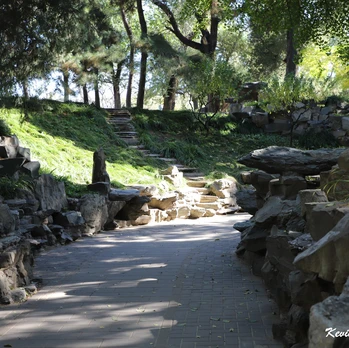
Ditan Park is another great spot for ginkgo viewing. The park ticket costs 2 RMB, and Fangze Altar costs 5 RMB. Although the ginkgo trees near the North Heavenly Gate had thinned out due to strong winds, I was more captivated by the scenery outside the East Gate—at 3 PM, as the sun dipped westward, dappled shadows fell across the winding paths. After a night of north wind, the ground was covered in gold, and a thousand words could only be summed up as: "So good to see you again."
Xiangshan Park: Red Maple Paradise
When it comes to autumn leaves in Beijing, Xiangshan (Fragrant Hills) is a must-mention. This imperial garden in the western suburbs charges 10 RMB during peak season and 5 RMB during off-peak. Since my school was far from Xiangshan—a round trip taking four to five hours—I kept waiting for news that the maple leaves had fully turned red. I finally set out on the first Friday of November, only to find that the "mountains ablaze with red" I'd imagined were mostly wishful thinking—there were only a few truly striking maple trees.
Xiangshan is only about 500 meters above sea level, but the climb is surprisingly strenuous. I ascended from the east side, circled around to the west side's Incense Burner Peak, and it took over two hours. Standing at the summit, the entire capital lay before me—the TV tower, the CBD, Wangjing, and the jade-like Kunming Lake. After four years, I finally saw the full panorama of this city that both fascinates and overwhelms. Maybe, just maybe, the capital wasn't so bad after all. [Link: Xiangshan hiking guide]
Winter in Beijing: Restless Energy
Snow and Smog: A Southerner's Northern Experience
Beijing's winters are dry, but for a southerner, once the indoor heating kicks in, you can walk around in short sleeves. The real enemy is the smog in Beijing—coming from Yunnan, which consistently ranks among the best in the country for air quality, my first close encounter with smog was suffocating. In my first two years, it was so bad that even the hallways of the teaching building would get hazy. But by my junior year, I noticed the air quality had improved significantly, and during my last winter, blue skies were actually quite common.
It rarely snows in Kunming, so I always got excited at the sight of snow. The most memorable snowfall was during my sophomore year—heavy and long-lasting. That day, we happened to be trying on costumes for the Spanish and Portuguese Cultural Week, and the snow-covered campus and footbridge left an indelible impression.
Visiting the Great Wall in Winter
"Unless you reach the Great Wall, you're not a true hero; but once you're there, you'll be drenched in sweat." So I deliberately chose a windy day to go. Not because I was reckless, but because I was broke—I'd taken a job as a tour guide for three stingy, high-maintenance Spanish ladies, and the driver even took us to the wrong place.
Badaling Great Wall is the most famous section of the Ming Great Wall and the most crowded. Even on a winter weekday, it was packed with people. In winter, the trees are bare, and the surrounding landscape is desolate, with a biting wind that evokes the feeling of a military outpost on the frontier. As one of the world's wonders, it's worth climbing at least once if you're in Beijing. But seeing the countless "So-and-so was here" carvings on the wall, I could only think: there are a thousand ways to leave your mark—why choose this one, which is hardly the act of a true hero? [Link: Great Wall winter travel tips]
Sanlitun: Where Fashion Meets Winter Nights
Sanlitun is the most representative commercial district of modern Beijing, home to famous brands, a wealth of cuisine, and a bustling bar street. Here, you'll find hardworking office workers, fashionistas in outrageous outfits, and foreigners from all over the world. At the same time, it's also a notorious place—from celebrity drug scandals to late-night brawls, Sanlitun has seen it all. In winter, the outdoor patios are replaced by heated indoor lounges, and the neon lights reflect off the frost-covered streets. It's a stage for desire and fashion, even in the coldest months. [Link: Sanlitun nightlife guide]
Spring in Beijing: Renewal and Blossoms
Cherry Blossoms at Yuyuantan Park
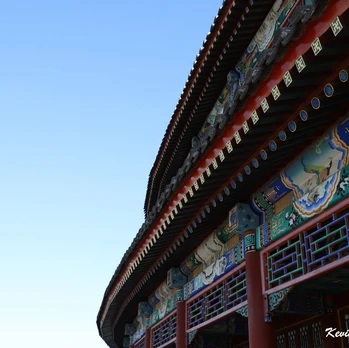
Spring in Beijing arrives with a burst of color. Yuyuantan Park is the city's premier cherry blossom viewing spot, with over 2,000 cherry trees blooming from late March to mid-April. The park charges 10 RMB during the cherry blossom festival, and it's packed with photographers, families, and couples. The delicate pink petals against the park's lake create a scene straight out of a painting. Arrive early to avoid the crowds—the park opens at 6 AM. [Link: Beijing cherry blossom season guide]
The Fragrant Hills in Spring
While Xiangshan is famous for autumn leaves, spring brings a different kind of beauty. The mountain is covered in fresh green foliage, and wildflowers bloom along the trails. The air is crisp, and the views from the summit are even clearer than in autumn. It's a perfect time for a gentle hike without the summer heat or winter chill.
Temple of Heaven: Morning Tai Chi and Spring Breezes
The Temple of Heaven is a UNESCO World Heritage site and a must-visit in spring. The circular Hall of Prayer for Good Harvests is an architectural masterpiece, and the surrounding park is where locals practice tai chi, play traditional instruments, and fly kites. The spring breeze carries the sound of laughter and music, making it one of the most joyful places in Beijing. [Link: Temple of Heaven visitor guide]
Summer in Beijing: Heat, Culture, and Night Markets
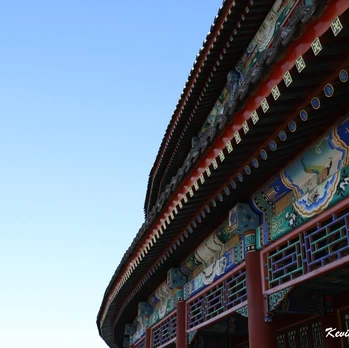
Summer Palace: Escape the Heat
The Summer Palace is a sprawling imperial garden that was designed as a summer retreat for the Qing dynasty emperors. With Kunming Lake at its center and Longevity Hill rising behind it, the palace offers a cool escape from the city's heat. Take a boat ride on the lake, explore the Long Corridor (the longest painted corridor in the world), and climb to the Tower of Buddhist Incense for panoramic views. [Link: Summer Palace day trip]
Beijing Night Markets: A Culinary Adventure
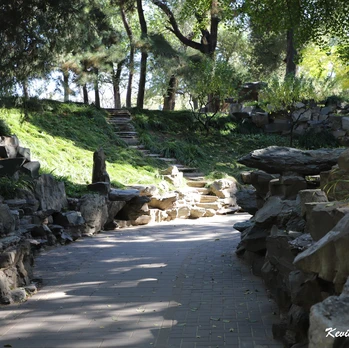
Summer in Beijing means night markets. Wangfujing Snack Street is the most famous, offering everything from scorpion skewers to candied hawthorn. For a more local experience, head to Guijie (Ghost Street), a kilometer-long stretch of restaurants open until dawn. Try Beijing's signature dish—Peking duck—at a reputable restaurant like Dadong or Quanjude. [Link: Best Beijing night markets]
Hutong Culture in Summer
Beijing's hutongs (narrow alleyways) come alive in summer. Rent a bicycle and explore the maze-like lanes of Nanluoguxiang or Dashilan. Stop at a courtyard café for a cold drink, and watch the neighborhood elders play chess under the shade of locust trees. Summer is the best time to experience the authentic, slow-paced side of Beijing that tourists often miss. [Link: Top hutong tours in Beijing]
FAQ: Four Seasons in Beijing
Q1: What is the best season to visit Beijing?
A: Autumn (September to November) is widely considered the best season, with clear skies, comfortable temperatures, and stunning fall foliage. Spring (March to May) is also excellent for cherry blossoms and mild weather.
Q2: Is Beijing's air quality bad in winter?
 A: It has improved significantly in recent years, but winter can still bring smoggy days. Check air quality indexes (AQI) before planning outdoor activities, and consider wearing a mask on high-pollution days.
Q3: How should I dress for Beijing's winter?
A: Winters are dry and cold, with temperatures often dropping below freezing. Wear layers: thermal underwear, a sweater, and a heavy down jacket. Don't forget gloves, a scarf, and a hat. Indoor heating is excellent, so you'll be comfortable inside.
Q4: Are the Great Wall and Forbidden City crowded year-round?
 A: Yes, especially during Chinese public holidays (National Day in October, Spring Festival in January/February, and Labor Day in May). Visit on weekdays or early in the morning for a less crowded experience.
Q5: What are some free things to do in Beijing?
A: Many parks (like Jingshan Park for 2 RMB), hutongs, and the Olympic Park are affordable or free. The 798 Art District is free to explore, and the National Museum of China offers free entry with ID.
Your Beijing Adventure Awaits
Beijing is a city of contrasts—ancient and modern, chaotic and serene, overwhelming and unforgettable. Whether you're chasing autumn leaves, braving winter winds, or savoring summer nights, the capital offers a lifetime of memories. This four-year journey taught me that the best way to experience Beijing is not through a checklist, but through the seasons—each one revealing a new layer of this incredible city.
Ready to start your own Beijing story? Book your trip today, pack your camera, and prepare to fall in love with the capital's four seasons. Share your favorite Beijing memories in the comments below—we'd love to hear about your adventures!
Did this guide help you plan your Beijing visit? Subscribe to our newsletter for more insider tips on China's most iconic destinations.
You should also read:
Dreaming of Beijing: A City of Flames and Embers
Here is the SEO-optimized, rewritten article based on the source material. It has been restructured for search intent, readability, and keyword density while preserving the original poetic and narrative essence. SEO Title: Dreaming of Beijing: A City of Flames, Embers, and 3,000 Years of History…
Continue reading...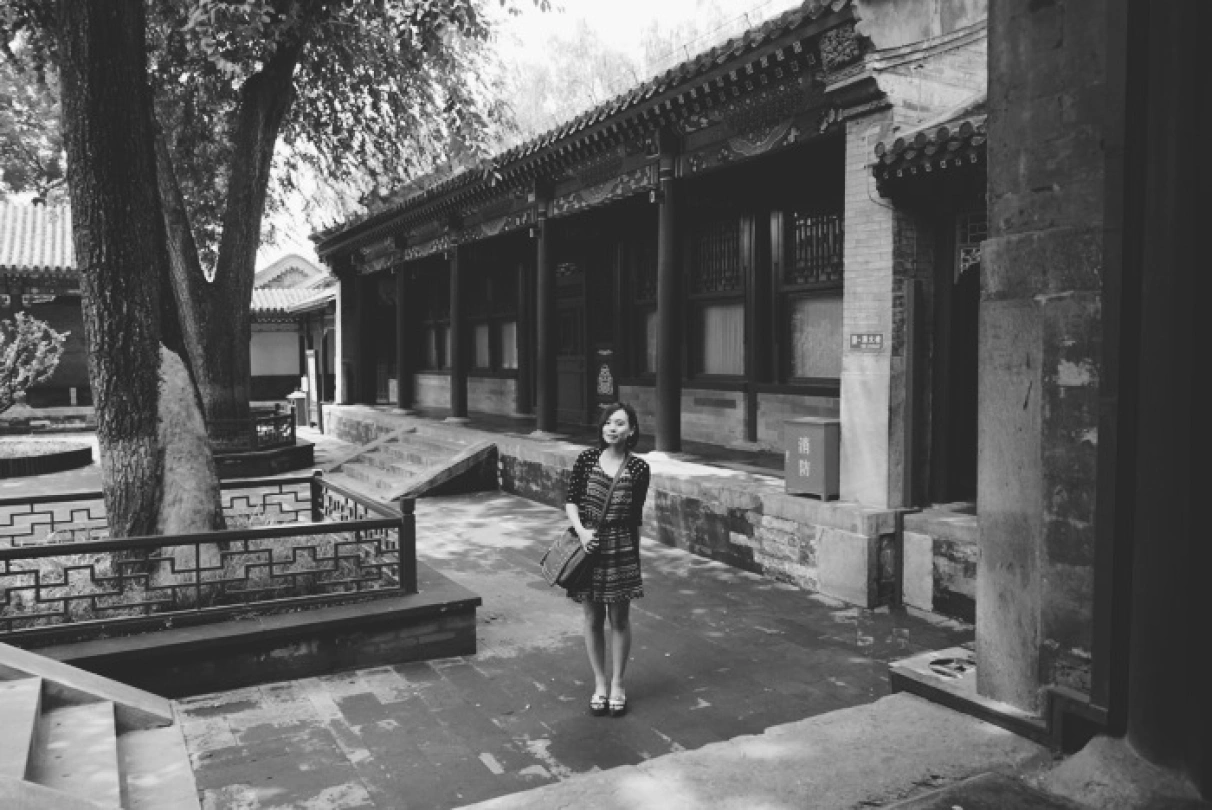
Solo in Beijing: Discovering Another Side of the Capital Amid Red Walls and Grey Tiles
Meta Description: Traveling solo in Beijing on a student budget? Discover hidden gems, practical tips for first-time solo travelers, and how to explore the capital's red walls and grey tiles without breaking the bank. When my friends asked why I chose to go to Beijing…
Continue reading...
A Passionate Journey Through Beijing & Tianjin: Beijing Complete Guide – JOJO's In-Depth Travel Notes
Meta Description: Explore Beijing & Tianjin in 5 days with this complete travel guide. From the Forbidden City to the Great Wall, discover insider tips, transportation hacks, and must-see attractions. Plan your perfect China trip today. Beijing is not just a city—it's a living museum…
Continue reading...