Four Seasons in Beijing: A Personal Journey Through the City's Ever-Changing Beauty
Meta Description: Discover Beijing's seasonal magic through a personal travelogue. From summer sunsets at Jingshan Park to autumn leaves in the Forbidden City, explore the capital's beauty year-round. Your ultimate guide to experiencing Beijing's four seasons.
Introduction: Falling in Love with Beijing's Seasonal Rhythm
In September 2016, I packed my bags and boarded a train from Chongqing to Beijing, setting off alone to begin my university life in a city I barely knew. Three years slipped by like a fleeting dream. Before I knew it, the calendar had flipped to 2019, and I realized I had already lived through three full cycles of spring, summer, autumn, and winter in China's magnificent capital.

Growing up in the south, I had never truly experienced the distinct rhythm of four seasons. Here in Beijing, spring brings blossoms, summer hums with cicadas, autumn paints the streets in gold, and winter wraps everything in white. Each seasonal shift felt like an invitation to grab my camera and chase the transformation. This is my personal journey through Beijing's ever-changing beauty—a story I hope inspires you to explore this incredible city.
Summer in Beijing: The Season of Feverish Energy
Summer in Beijing is intense but mercifully brief. The heat is feverish, the energy electric. A short walk under the midday sun leaves you drenched in sweat, and the flood of tourists during summer break can be overwhelming. But for those who know where to look, summer reveals hidden treasures.
Best Summer Activities in Beijing: Staying Cool While Exploring
For me, the perfect summer day involves air conditioning, a chilled watermelon, and a good anime marathon. But when adventure calls, Beijing's summer offers unforgettable experiences.
Fuyou Street: A Hidden Gem in Xicheng District
Tucked away in the southeastern part of Xicheng District, Fuyou Street runs from West Chang'an Avenue in the south to Xi'anmen Street in the north. Its name comes from its location—it once sat to the right of the presidential palace during the Republic of China era. To its east lies Zhongnanhai, the political heart of the nation, and to its west, the bustling Xidan commercial area.
Because of its proximity to government buildings, Fuyou Street is heavily patrolled by police and sees far fewer tourists than nearby attractions. While the Forbidden City and Xidan are packed with visitors, Fuyou Street offers a rare pocket of tranquility.
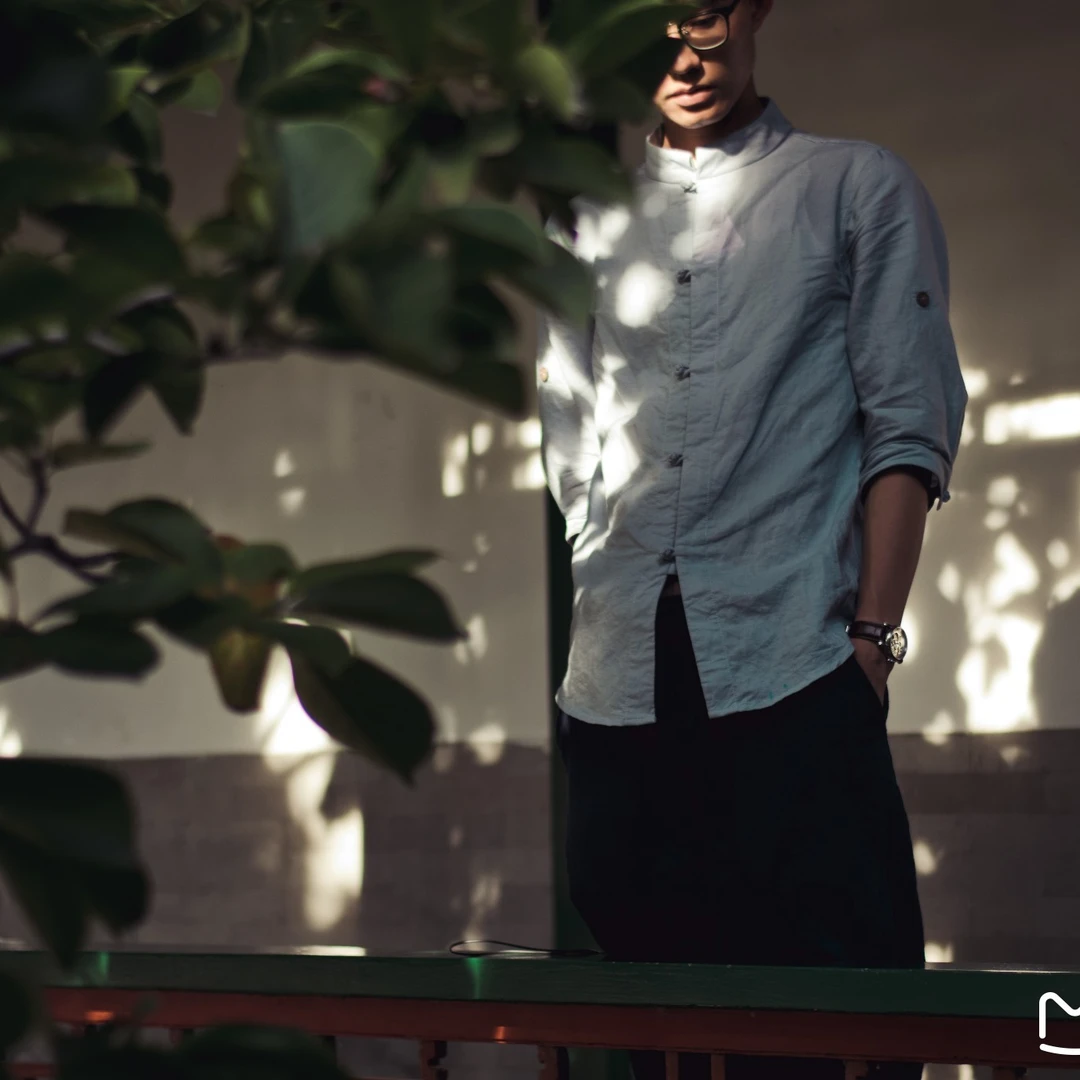
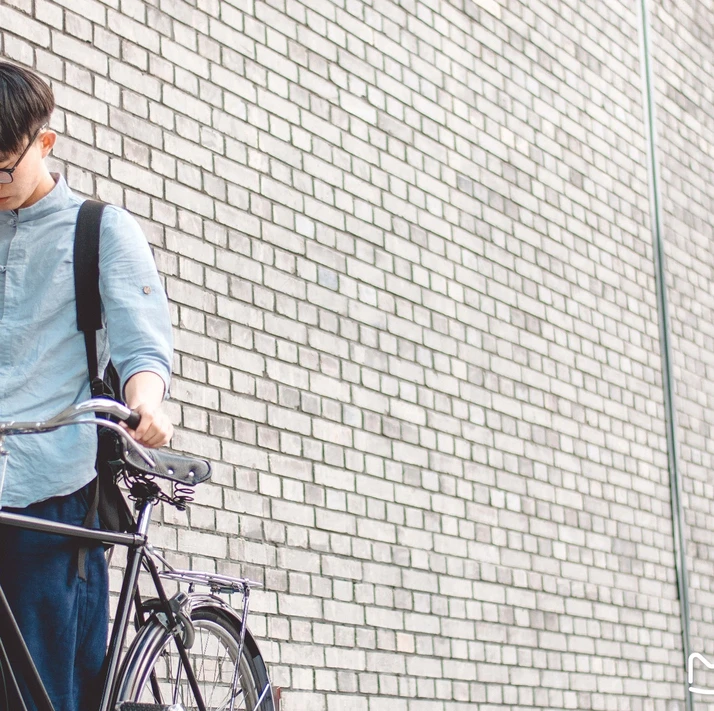
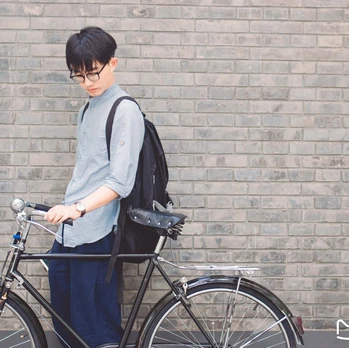
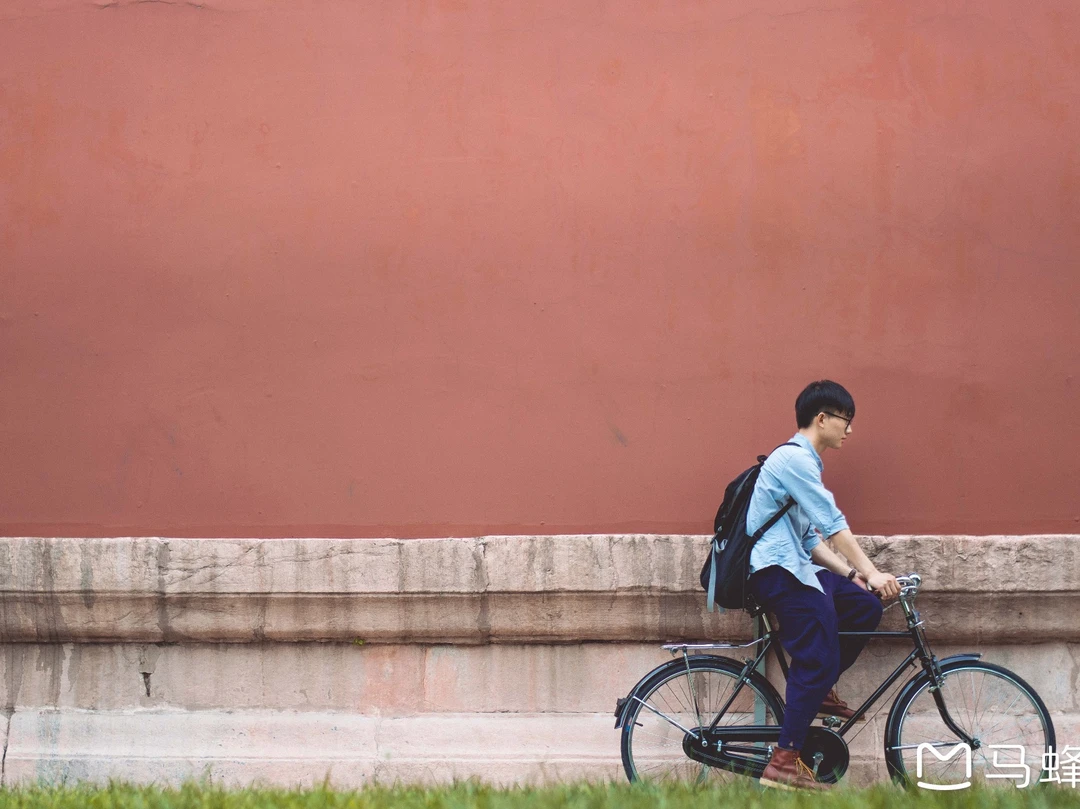
Pro tip: Rent a vintage-style bicycle—a classic "28-inch" model—and spend your days pedaling through Beijing's hutongs. I did this during my first month in Beijing, dreaming of what the city must have felt like in the 1980s and 1990s, a time of reform, ambition, and newfound freedom.
Jingshan Park: Evening Runs and Golden Sunsets
Jingshan Park is a must-visit for anyone who's just toured the Forbidden City. For me, living right at the foot of the imperial city, I've lost count of how many times I've climbed that small hill. Each season brings a different view, and I never tire of it.
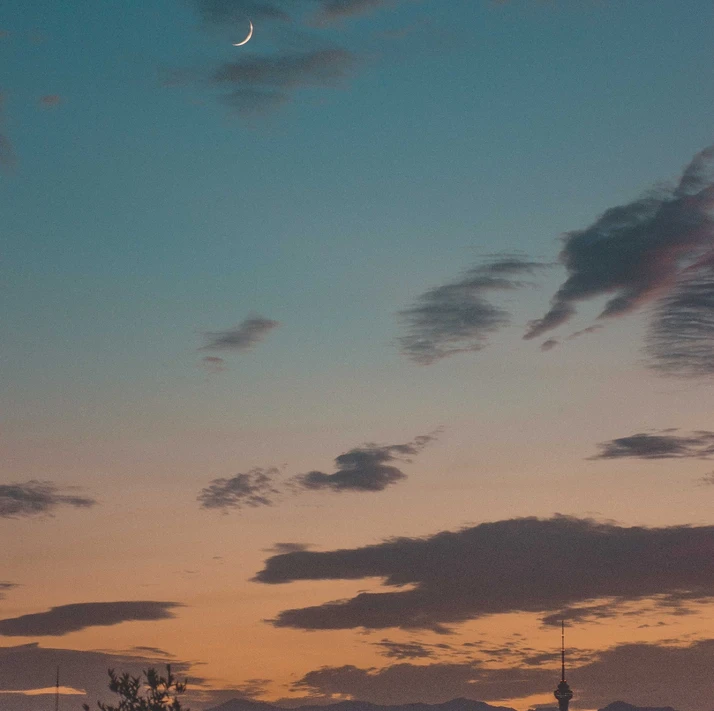
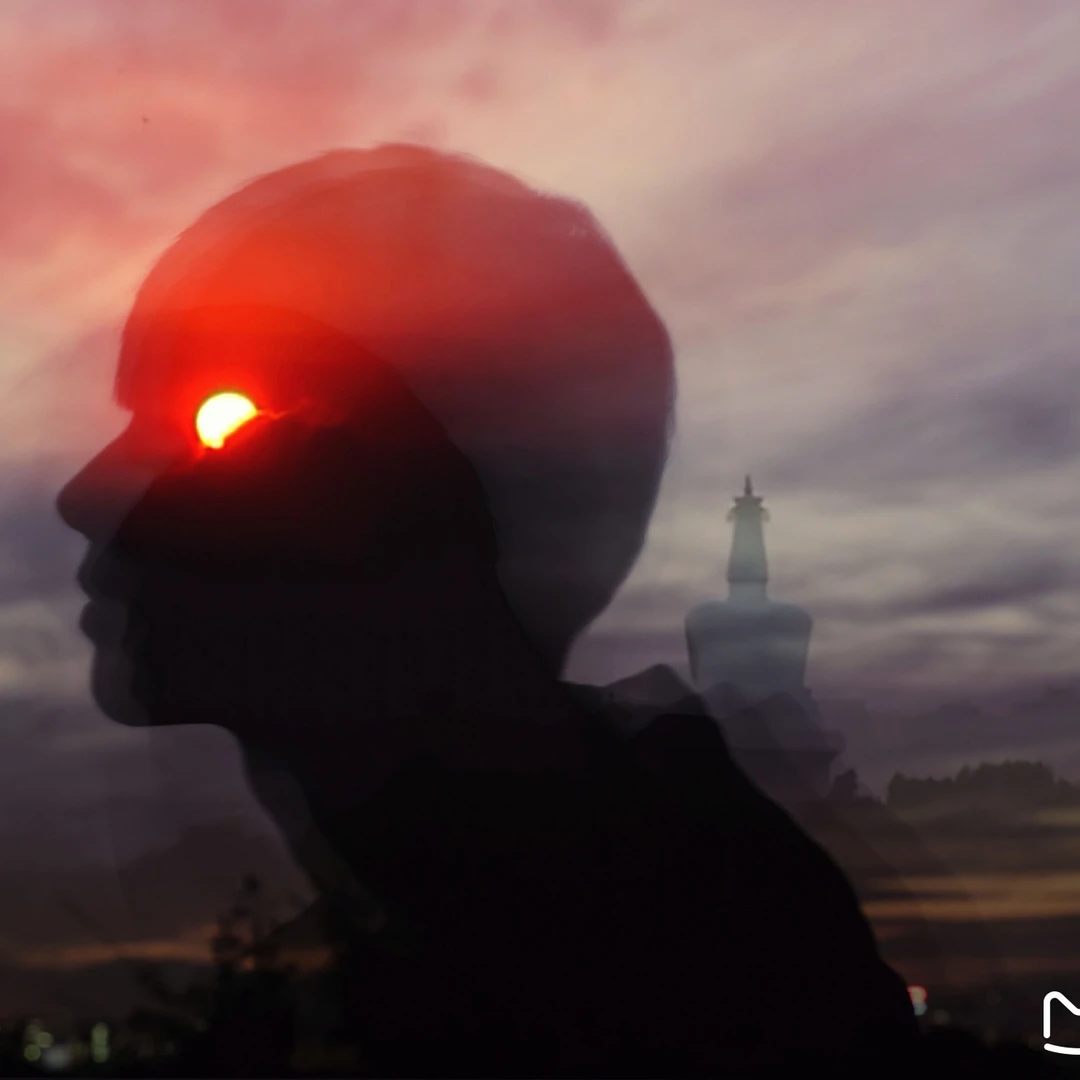
On clear summer evenings, I would go for a run, starting at Beihai Park and then sprinting to Jingshan Park just as the sun began to set. I'd catch my breath at Wanchun Pavilion and watch the sun slowly disappear.
Seasonal observation: In summer, the sun sets to the right of the White Pagoda; in winter, it shifts to the left. This cyclical dance never fails to remind me of the passage of time and the beauty of seasonal change.
On exceptionally clear days, you can even see the Western Hills, though they're about 20 kilometers away from Jingshan Park. Cloudy evenings are rare in Beijing, so when a spectacular sunset appears, it feels like a gift. The moon rises, the city lights flicker on, and night begins to fall.
Red Brick Art Museum: Where Architecture Meets Nature
Located in Cuigezhuang, northeast of the Fifth Ring Road, the Red Brick Art Museum is arguably the most famous private art museum in Beijing. It takes over an hour to get there from the city center, but that doesn't stop the crowds from flocking to this Instagram-worthy spot.
The museum's architecture is built around a simple yet striking concept: red bricks as the primary material, complemented by occasional use of gray bricks. This creates a contemporary garden-style gallery that blends Chinese aesthetics with modern design.
What to expect: Inside, rotating exhibitions keep things fresh. Outside, a garden of red and gray bricks awaits. When you're tired of browsing the galleries, you can step outside to soak up some sun. And when the sun becomes too much, you can retreat back into the air-conditioned comfort of the museum.
A circular arch made of gray bricks, covered in climbing ivy, transported me momentarily to the water towns of Jiangnan. The Red Brick Art Museum is a photographer's paradise, though the entrance fee is steep.
The Temple of Emperors: A Quiet Summer Sanctuary
The Temple of Emperors, located at 131 Fuchengmen Inner Street in Xicheng District, is one of Beijing's lesser-known yet utterly breathtaking attractions. Built in the tenth year of the Jiajing reign of the Ming Dynasty (1531), it served as a site where emperors of the Ming and Qing dynasties paid homage to 188 founding emperors and meritorious ministers from previous dynasties.
I stumbled upon the temple on a lazy summer afternoon. The sun was so bright and the weather so perfect that I couldn't bear to waste it on a nap. I hopped on my bike and started wandering, eventually finding myself at the temple's entrance.
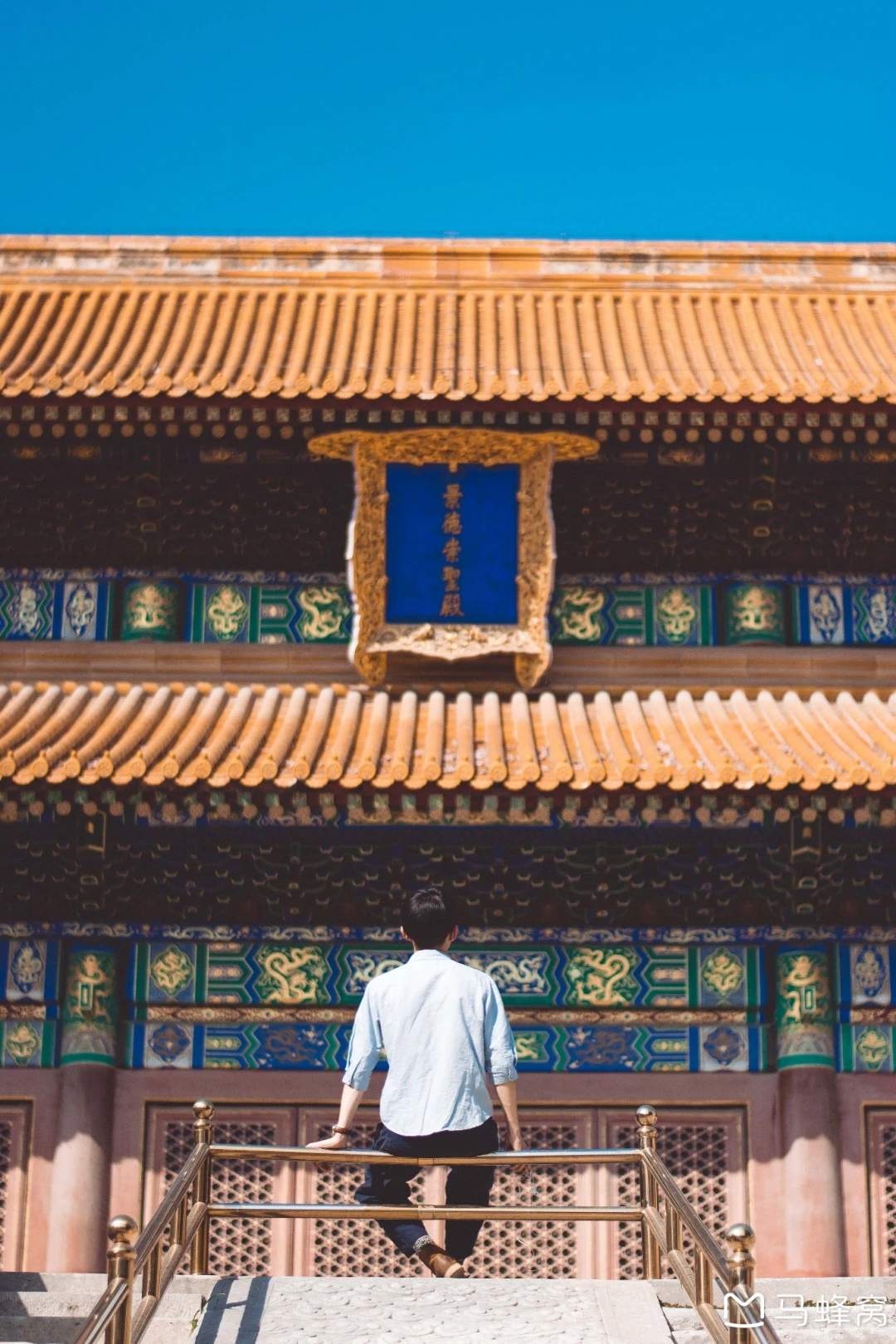
The main hall, Jingde Chongsheng Hall, houses seven niches containing the spirit tablets of 188 Chinese emperors. At the center are the tablets of Fuxi, Huangdi, and Yandi—the legendary Three Sovereigns. Despite the summer tourist season, the temple remained eerily quiet. If I hadn't lived nearby, I probably would never have discovered it.
Autumn in Beijing: A Golden Transformation
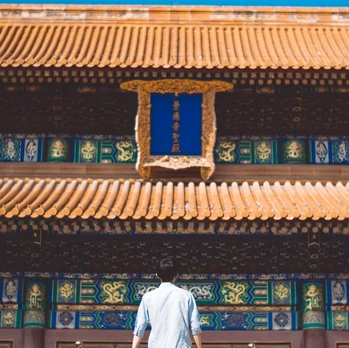
[Link: Best places to see autumn leaves in Beijing]
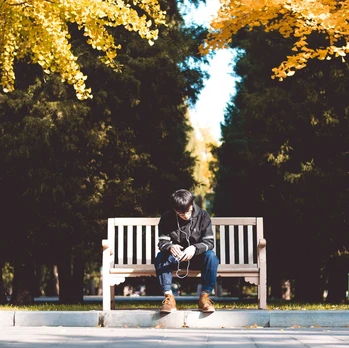
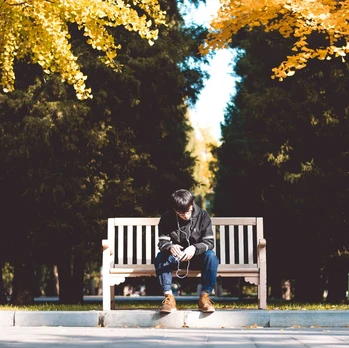
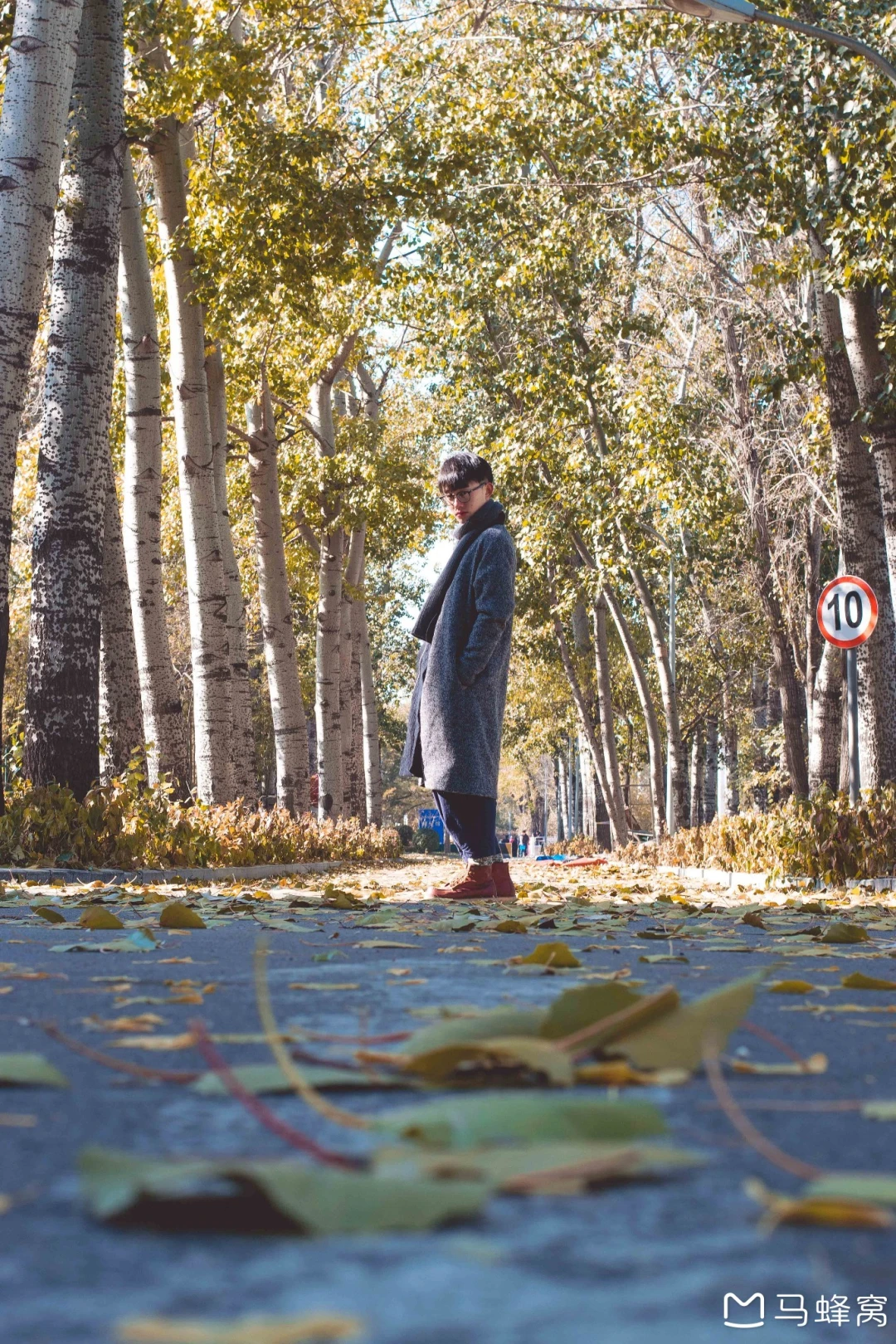
As summer's heat fades, autumn arrives with a burst of color. The city transforms into a canvas of gold, orange, and crimson. The Fragrant Hills become a sea of red leaves, while the Summer Palace's Kunming Lake reflects the changing foliage.
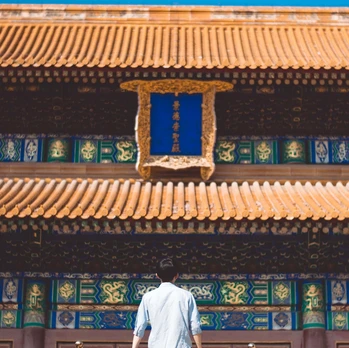
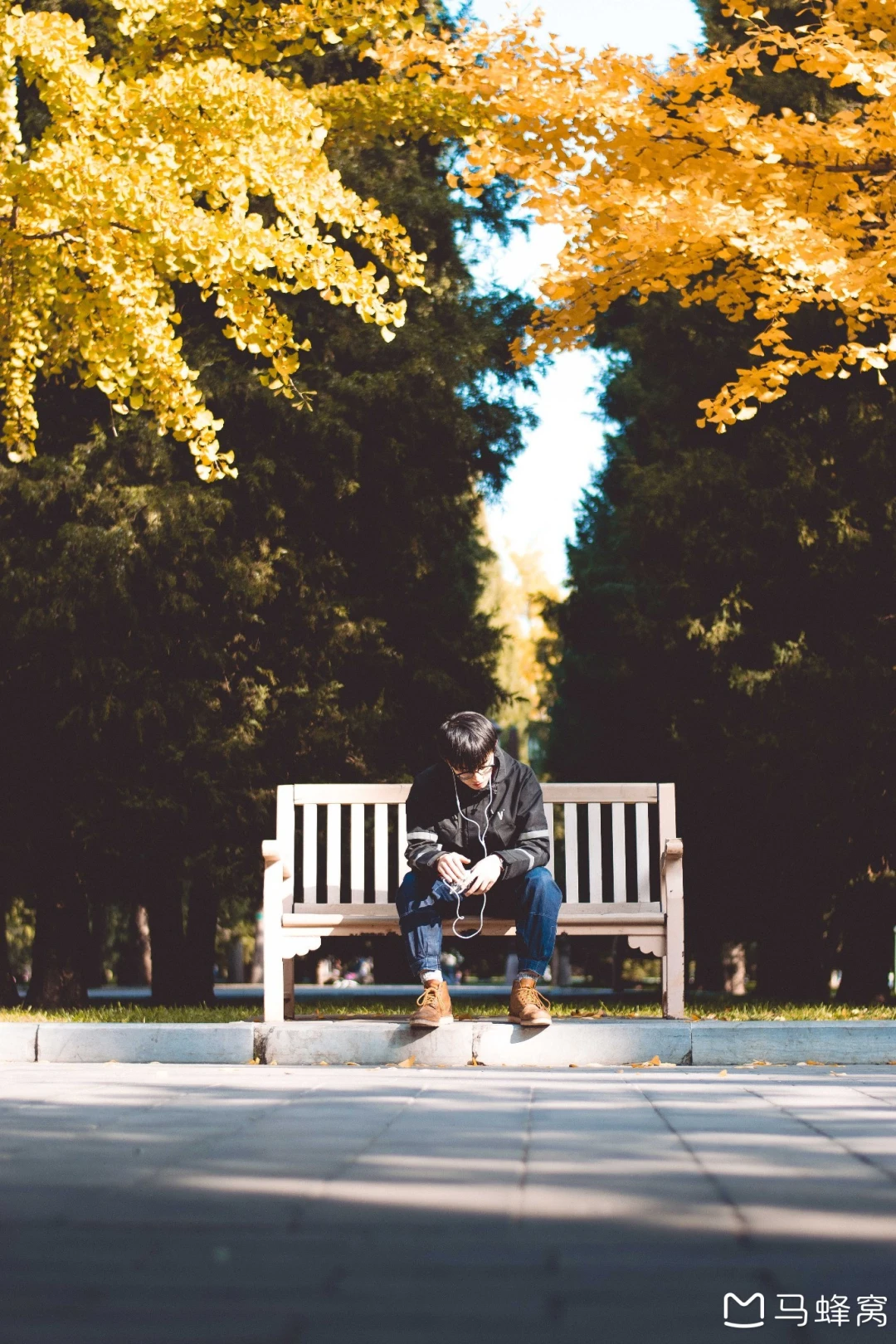
Must-do autumn activity: Take a stroll through the Forbidden City in late October. The contrast between the imperial red walls and the golden ginkgo leaves is nothing short of magical.
Winter in Beijing: A White Wonderland
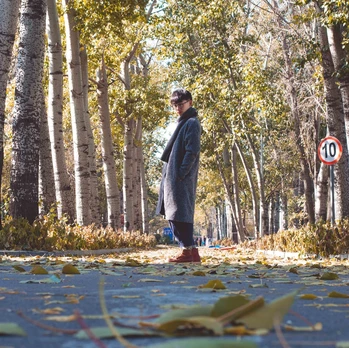
[Link: Winter activities in Beijing for first-time visitors]
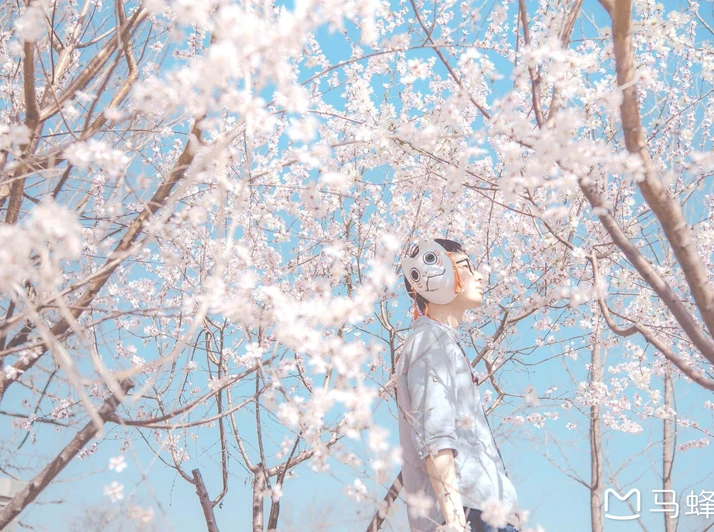
Winter wraps Beijing in a blanket of snow, transforming the city into a serene wonderland. The Great Wall dusted with snow is a sight you'll never forget. The Temple of Heaven looks even more majestic against a winter sky.
Winter survival tip: Layer up! Beijing winters are dry and cold, with temperatures often dropping below -10°C. But the reward is witnessing the city's most peaceful season.
Spring in Beijing: A Rebirth of Color
[Link: Spring festivals and events in Beijing]
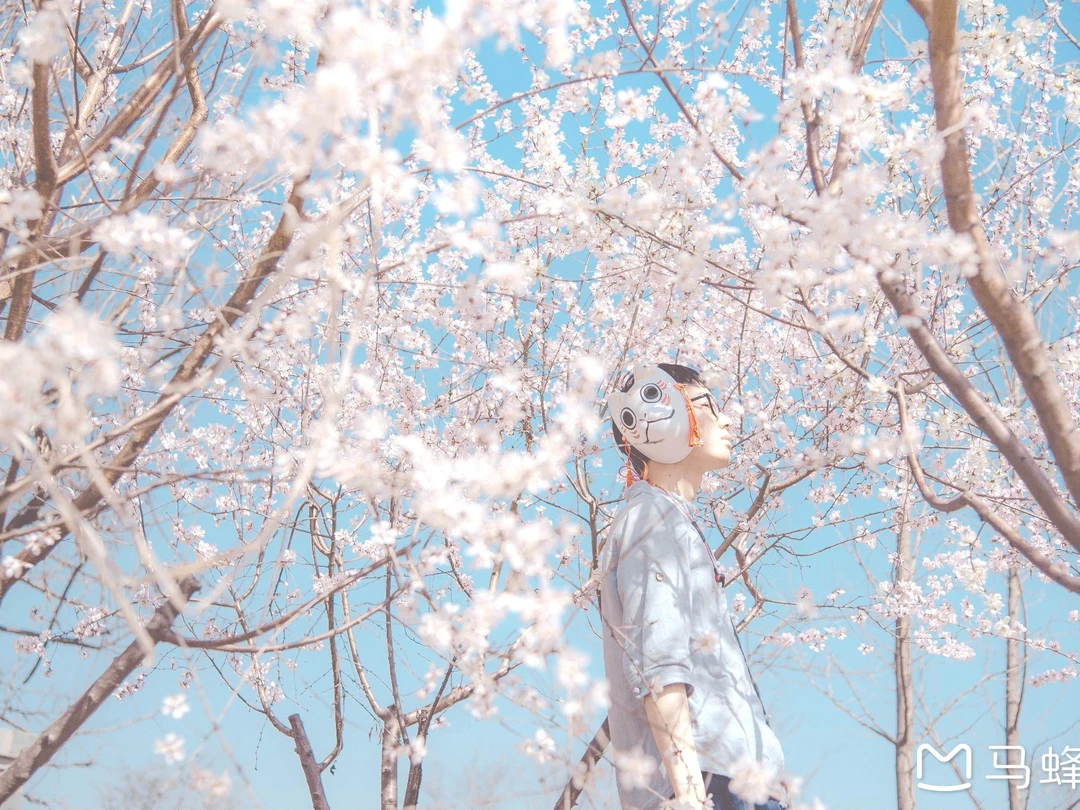
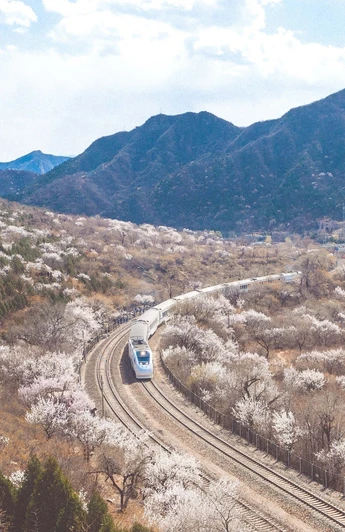
Spring arrives with a whisper, then a roar. Cherry blossoms bloom at Yuyuantan Park, while the Beijing Botanical Garden erupts in a riot of color. The city shakes off winter's chill and comes alive with energy.
Spring highlight: Visit the Summer Palace in early April when the peach blossoms are in full bloom. The combination of ancient architecture and delicate pink petals is unforgettable.
FAQ: Your Questions About Visiting Beijing in Four Seasons
Q1: What is the best season to visit Beijing?
A: Each season offers unique experiences. Autumn (September to November) is widely considered the best time for comfortable weather and stunning foliage. Spring (April to May) is also excellent for blooming flowers and mild temperatures. Avoid summer if you dislike heat and crowds.
Q2: How do I get around Beijing during different seasons?
A: Beijing's public transportation is excellent year-round. The subway system is efficient and affordable. In summer and autumn, renting a bicycle is a wonderful way to explore hutongs. In winter, use the subway or taxis to stay warm. Spring is perfect for walking tours.
Q3: What should I pack for a trip to Beijing?
A: Summer: Light clothing, sunscreen, hat, and plenty of water. Autumn: Layers, a light jacket, and comfortable walking shoes. Winter: Heavy coat, thermal layers, gloves, hat, and scarf. Spring: Light jacket, umbrella, and comfortable shoes.
Q4: Are Beijing's attractions crowded during peak seasons?
A: Yes, especially during National Day (October 1-7) and Chinese New Year. The Forbidden City, Great Wall, and Summer Palace can be extremely crowded. Visit early in the morning or late afternoon to avoid the worst crowds. Consider visiting lesser-known attractions like the Temple of Emperors or Fuyou Street.
Q5: Can I see snow in Beijing during winter?
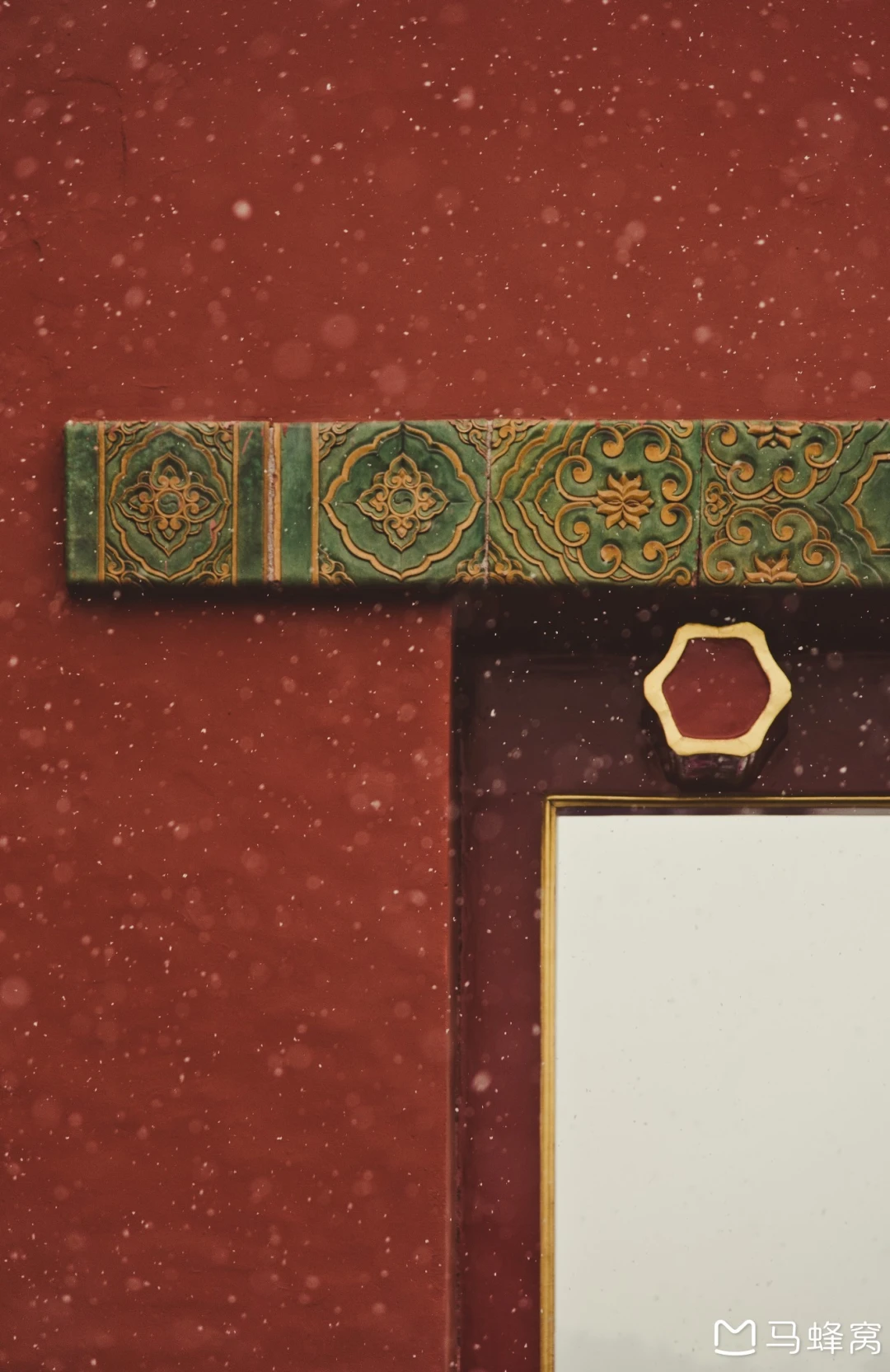
A: Yes, but it's not guaranteed. Beijing receives an average of 5-10 snowy days per year, usually between December and February. If you want to guarantee snow, visit the Great Wall at Mutianyu or Jinshanling, where snow is more common at higher elevations.
Final Thoughts: Your Beijing Adventure Awaits
Beijing is not just a city—it's a living, breathing story that changes with every season. From the feverish energy of summer to the golden tranquility of autumn, from the white silence of winter to the vibrant rebirth of spring, this city has a way of capturing your heart and never letting go.
Whether you're a first-time visitor or a returning traveler, Beijing offers endless opportunities for discovery. So pack your bags, grab your camera, and embark on your own journey through the four seasons of this magnificent capital.
Ready to experience Beijing's seasonal magic? Start planning your trip today. Book your flights, reserve your accommodations, and prepare for an adventure you'll never forget. The city is waiting for you—in every season, in every moment.
Have you visited Beijing during a particular season? Share your experiences in the comments below!
You should also read:
Beijing Travel Guide: A Personal Journey Through Smog, History, and Hidden Stories
Meta Description: Discover Beijing beyond the tourist traps. This personal travel story explores hutong culture, historical sites, and local secrets—from Jingshan Park to Yuanmingyuan. Perfect for travelers seeking authentic experiences. Beijing. The name alone conjures images of smog-shrouded skylines, the majestic Forbidden City, labyrinthine hutong…
Continue reading...
TASTY SUMMER: A Beijing Food Journey — Where Food and Love Are Never to Be Taken for Granted
Meta Description: Explore Beijing's hidden food gems in this SEO-optimized food journey. From vegetarian utopias to state-owned halal eateries, discover where to eat in Beijing like a local. Includes restaurant addresses, tips, and FAQs. Some journeys are destined to be serendipitous encounters. On a cold…
Continue reading...
A Winter Journey in Beijing: Romance and Misery at Minus Five Degrees – An SEO-Optimized Travel Guide
Meta Description: Discover the romance and misery of a winter trip to Beijing at -5°C. Explore snowy Jingshan Park, historic hutongs, and budget-friendly tips for a 4-day Spring Festival adventure. Some say Beijing is a city you both love and hate. You love its profound…
Continue reading...