Four Seasons in Beijing: A Southern Girl's Poetic Youth in the Capital – An SEO-Optimized Travel & Lifestyle Guide

Meta Description: Discover Beijing through the eyes of a southern girl. From summer nights in Nanluoguxiang to winter hot and sour noodles, explore the capital's four seasons with authentic food, hidden gems, and poetic memories. Perfect for expats and travelers seeking real Beijing experiences.
Introduction: Arriving in Beijing – A Southern Girl's First Impression
Three years ago, I dragged my suitcase out of Beijing West Railway Station. A dry, hot wind hit me—mingled with the aroma of jianbing from the subway station and the clamor of the crowd. Growing up in the humid climate of southern China, my first impression of this northern city was that it was like a taciturn northern man—sparing with words, yet possessing his own unique tenderness.
Now, standing at the crossroads of graduation, flipping through thousands of photos on my phone, I realize my connection with this city may only have one last cycle of four seasons left. Those days of getting lost in the hutongs, those nights queuing in the biting wind for a bowl of hot and sour noodles, those afternoons sitting on the grass watching ginkgo leaves drift down—they've all become the most vivid footnotes of my youth.
This isn't a guidebook. It's an ordinary girl's private memories of Beijing. If you've also lived here, drifted through this city, you might find a reflection of yourself in these scattered snapshots.
Summer in Beijing: The Lively Hustle of Nanluoguxiang and Late-Night Eateries

Summer in Beijing is a split personality. By ten in the morning, the sun is already fierce enough to bake the asphalt into shimmering heatwaves; then a sudden storm rolls in, and the wind whips through with a chill. But no matter how the weather shifts, dryness is the city's summer anthem—stay here long enough as a southerner, and even your skin learns to lock in moisture on its own.
Nanluoguxiang at Night: Where Locals Go After Tourists Leave
Step out of Exit E of Nanluoguxiang Station on Subway Line 6, follow the flow of people, and you'll hear the strum of guitars and the shouts of barbecue stalls. By day, Nanluoguxiang belongs to tourists—crowds so thick it's hard to breathe. But at night, once the tour groups have dispersed, the side alleys off the main lane light up with warm yellow lamps, and the low hum of folk music drifts from quiet bars. That's when this place truly comes to life.
My favorites are the hidden spots deep inside Xiaojuer Hutong. They don't flaunt themselves like the shops on the main drag, but they have a pull that keeps you coming back.
Niji Xiaozhan (Niji Bakery) – The Coffee Bun That Defines Summer
Niji Xiaozhan sits at No. 63 Nanluoguxiang. The storefront is modest, but the scent of fresh bread wafts halfway down the street. Their coffee buns, just 10 yuan each, come out of the oven with a crisp crust and a soft, pillowy interior, carrying a hint of coffee's bitterness and the sweetness of milk. Little S recommended them on Kangxi Lai Le, but I trust my own taste buds more—every time I pass by, no matter how long the line, I buy one and eat it as I walk.
[Link: Best coffee shops in Beijing's hutongs]
Suzuki Canteen (Lingmu Shitang) – Hidden Gem in Xiaojuer Hutong
Turn into No. 77 Xiaojuer Hutong, and you'll find Suzuki Canteen (Lingmu Shitang) . The entrance is so small you could almost miss it, but the moment you push the door open, you understand why "good wine needs no bush." Open Tuesday to Sunday, closed on Mondays, with lunch starting at 11:30 AM. I recommend their honey yuzu tea—perfectly balanced between sweet and tart, a sip of it on a sweltering summer day makes you feel refreshed all over. The beef hot pot is their signature, with a rich broth and vegetables soaked through with flavor, every bite a delight. And then there's the Suzuki meat patty—crispy on the outside, tender on the inside, with juices slowly seeping out when you cut into it. Paired with creamy mashed potatoes, it's a glorious celebration of carbs and protein.
[Link: Best hidden restaurants in Beijing hutongs]
Winter in Beijing: The Warmth of a Bowl of Hot and Sour Noodles
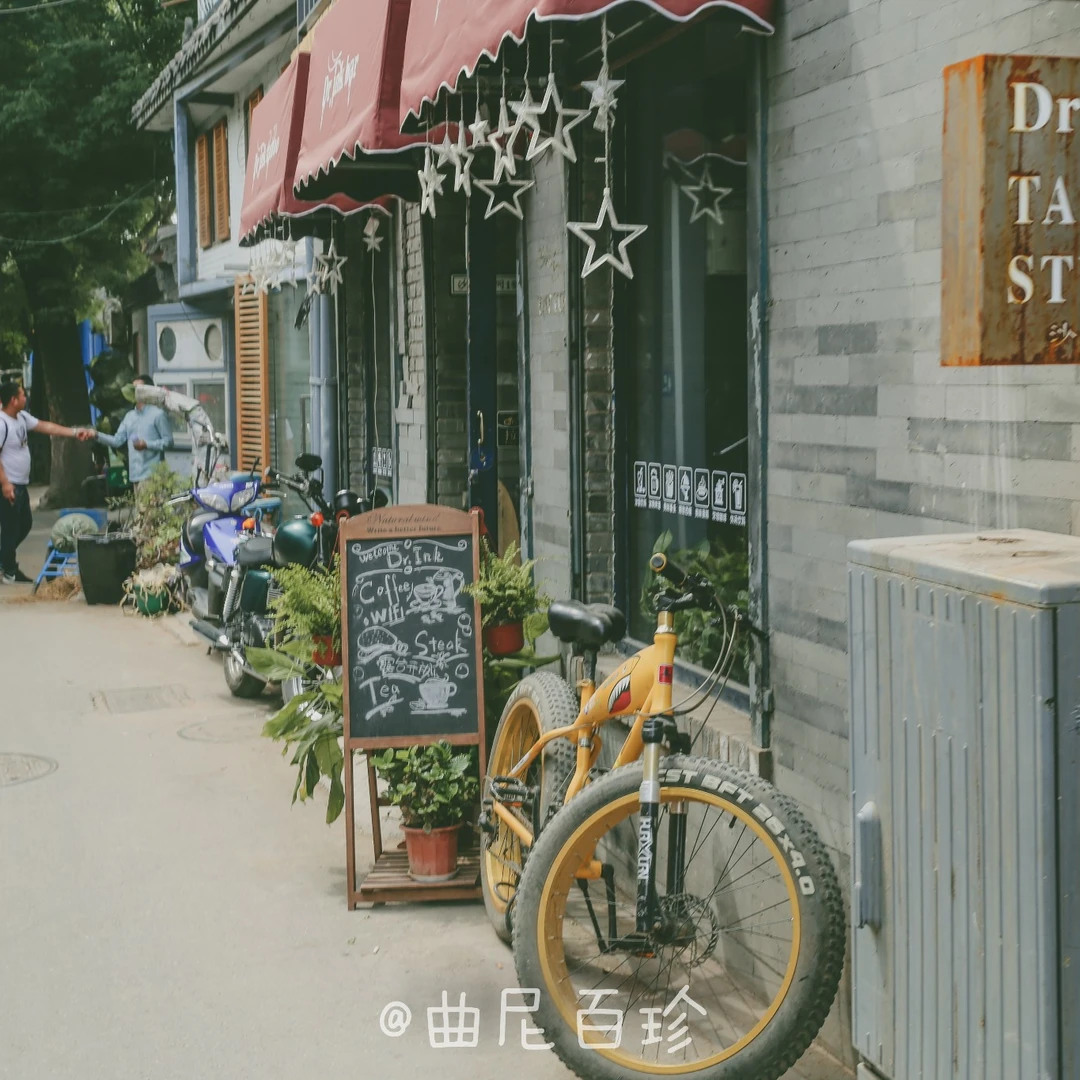
Winter in the north is pure cold. No bone-chilling dampness like the south; here, the cold is like a sharp blade, clean and decisive. The wind stings your face with a clarity that snaps you awake. But this kind of winter has its perks too—the joy of wearing a T-shirt and eating popsicles in a heated room is something a southerner will never understand.
Xidan Food Guide: Standing and Eating, and Loving Every Bite
Down a small alley behind the Xidan Pearl Market, there's a shop called Tianxia Xiaofu Specialty Noodles (Tianxia Xiaofu Tese Fen) . A bowl of hot and sour noodles for 8 yuan is the winter comfort food for countless Beijing students and office workers. The place is tiny—just a few tables—and it's always packed during meal times. But no one minds standing. You grab that steaming bowl, squat by the roadside, and slurp it down noisily. The spicy, sour, scalding broth slides down your throat, warming you from your stomach to your toes.
After finishing the noodles, don't rush off. On the east side of Xidan Pearl Market, Master Bao's Pastry (Bao Shifu Gaodian) always has a long line. Their meat floss cakes are the star of the show, available in two varieties: beef floss and seaweed floss. Each one is generously coated in thick, savory meat floss, with a soft sponge cake and creamy salad dressing inside. Take a bite, and the salty crunch of the floss meets the sweet tenderness of the cake—a satisfaction that can heal the chill of an entire winter.
[Link: Best budget eats in Xidan Beijing]
Autumn in Beijing: A Golden Fairy Tale on Tsinghua's Campus

Autumn in Beijing is a grand farewell ceremony. Overnight, the ginkgo leaves shift from emerald green to brilliant gold, blanketing everything in a spectacular blaze. Autumn in the south is reserved, like a Jiangnan woman gliding slowly under an oil-paper umbrella. But autumn in the north is tragic and heroic, like a northern man standing tall against the wind and sand, silently bracing for the coming winter.
Tsinghua University Ginkgo Avenue: Escaping the Crowds for a Patch of Quiet Gold
Many people recommend Diaoyutai for ginkgo viewing, but it's already overrun with tourists—your photos are filled with heads, not leaves. I'd rather suggest Tsinghua University. The ginkgo avenue on campus peaks in mid-November, with a thick carpet of fallen leaves crunching underfoot. Sunlight filters through the branches, painting the world in shades of gold.
On November 14, 2015, my best friend and I spent an entire afternoon there. She's a bit wild, laughs without a care, but is always reliable when I need her. We fooled around under the ginkgo trees, took photos, picked up leaves, until the sunset stretched our shadows long and thin. That afternoon, time seemed to stand still.
[Link: Best autumn foliage spots in Beijing]
Spring in Beijing: The Ritual of Picnics and Flower Viewing
Spring in Beijing arrives without warning. One day you're shivering in a down jacket, the next you notice peach blossoms blooming by the roadside. This is the perfect time to round up a few friends, grab a picnic mat and some snacks, and spend an afternoon doing nothing in a park.
Beijing Botanical Garden & Yuyuantan Park: When Flowers Bloom, the City Moves
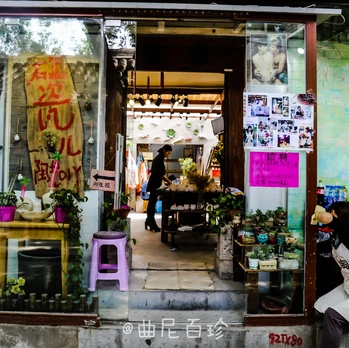
The best time to visit Beijing Botanical Garden is from March 22 to May 11. Take the bus to the Botanical Garden stop, and you'll see hills covered in peach, apricot, and cherry blossoms. Yuyuantan Park is also famous for its cherry blossoms, but the crowds are overwhelming—so many that you'll wonder if the entire city has shown up. If you want to avoid the sea of people, go on a weekday, or just pick a different spot.
Grandma's Home (Waipo Jia): A Taste of Hangzhou in Beijing
After enjoying the flowers, you can stop by Grandma's Home (Waipo Jia) for a meal. This Hangzhou-style restaurant has several branches in Beijing, including at Wangfujing apm, Chaoyang Joy City, and Solana. They start taking lunch numbers around 10:30 AM; arrive late, and you'll wait a while. I recommend their mapo tofu—only 3 yuan a serving, but the flavor rivals any high-end restaurant. The green tea biscuits are crispy on the outside and chewy on the inside, so good you'll want another plate. Grandma's braised pork belly is rich but not greasy, the tea-scented chicken is deeply infused with flavor, and the creamy green pea puree, though unassuming, is smooth and comforting.
[Link: Best spring flower viewing spots in Beijing]
FAQ: Everything You Need to Know About Experiencing Beijing's Four Seasons
1. What is the best time to visit Beijing for pleasant weather?
 Spring (April to May) and autumn (September to October) offer the most comfortable temperatures and stunning natural scenery. Spring brings blossoms, while autumn delivers golden ginkgo leaves and crisp air.
2. How can a southerner survive Beijing's dry climate?
Invest in a good humidifier for your home, drink plenty of water, and use rich moisturizers. Many southerners also swear by drinking warm honey water or eating more fruits like pears to combat dryness.
3. Are the hidden eateries in Nanluoguxiang still open?
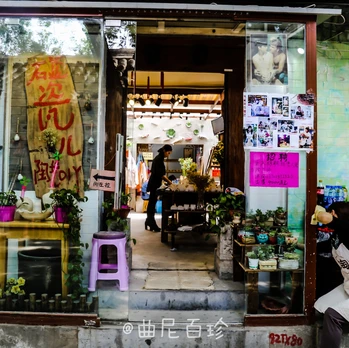 Most of the spots mentioned—Niji Xiaozhan and Suzuki Canteen—are still operating as of 2024, but hours may vary. Always check recent reviews on Dianping or Meituan before visiting.
4. What should I wear for winter in Beijing?
Layered clothing is key. A thermal base layer, a fleece or sweater, and a windproof down jacket are essential. Don't forget a hat, scarf, and gloves—the wind can be biting.
5. Can I visit Tsinghua University's ginkgo avenue as a non-student?
Yes, Tsinghua University is open to the public, but you may need to register in advance with your passport or ID. Check the university's official visitor policy before planning your trip.

Final Thoughts: Your Beijing Story Awaits
Beijing is a city of contrasts—dry yet vibrant, ancient yet youthful, chaotic yet deeply poetic. Whether you're a southerner like me, an expat, or a traveler passing through, this city has a way of etching itself into your soul. The four seasons here aren't just weather patterns; they're chapters of your own story.
So grab your camera, put on comfortable shoes, and start exploring. The hutongs are waiting, the noodles are steaming, and the ginkgo leaves are falling. Your Beijing adventure is just one season away.
Ready to start your own Beijing journey? Bookmark this guide, share it with a friend, and drop a comment below with your favorite Beijing memory. We'd love to hear your story too.
[Link: Complete Beijing travel guide for first-time visitors] [Link: Best time to visit China for seasonal travel] [Link: Southern Chinese food vs Northern Chinese food guide]
You should also read:
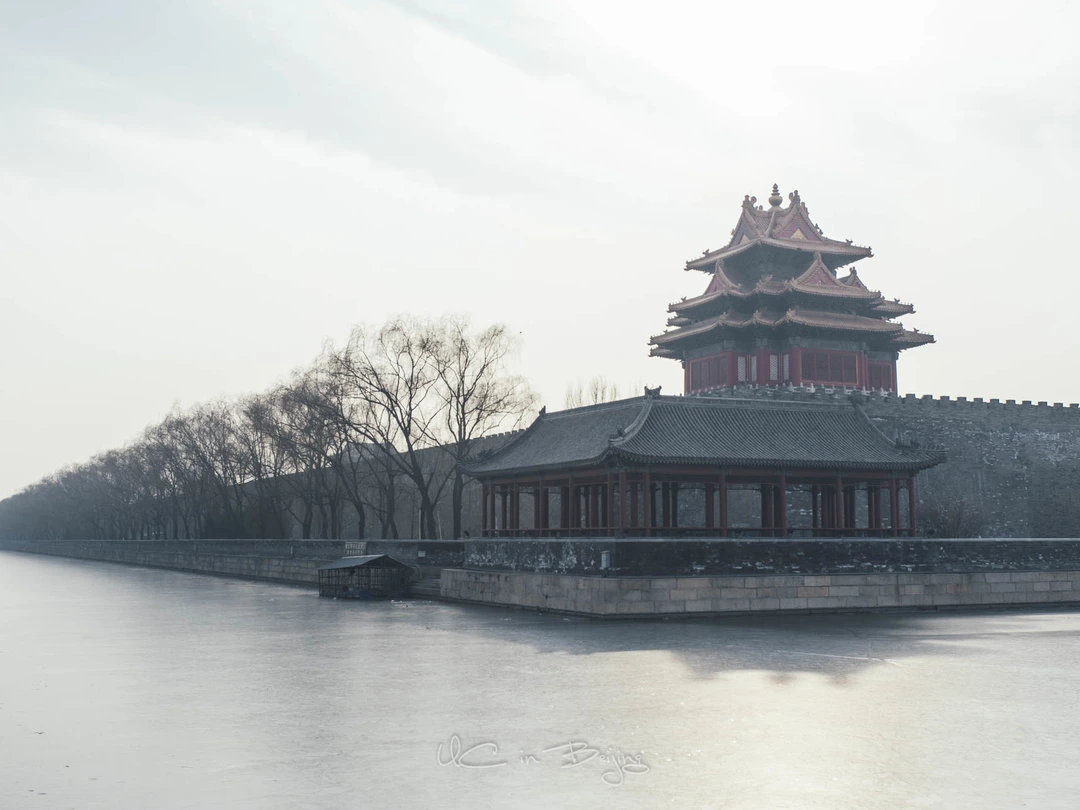
Beijing Through the Lens: One Person's Winter Wanderings – An SEO-Optimized Travel Guide
Meta Description: Discover Beijing's winter charm through a photographer's lens. From Nanluoguxiang's night scenes to Sanlitun's neon glow, explore the city's hidden corners and iconic landmarks in this SEO-friendly travel guide. January in Beijing is so cold you can hear your own breath. But for…
Continue reading...
Dreaming of Beijing: A City of Flames and Embers
Here is the SEO-optimized, rewritten article based on the source material. It has been restructured for search intent, readability, and keyword density while preserving the original poetic and narrative essence. SEO Title: Dreaming of Beijing: A City of Flames, Embers, and 3,000 Years of History…
Continue reading...
Solo in Beijing: Discovering Another Side of the Capital Amid Red Walls and Grey Tiles
Meta Description: Traveling solo in Beijing on a student budget? Discover hidden gems, practical tips for first-time solo travelers, and how to explore the capital's red walls and grey tiles without breaking the bank. When my friends asked why I chose to go to Beijing…
Continue reading...