From Lost to Found: A High School Graduate's Railway Journey Through Hokkaido and Northern Tohoku
Meta Description:
Discover how one high school graduate rediscovered himself on the rails of Hokkaido and Northern Tohoku. A heartfelt travel guide with practical tips, hidden gems, and Ainu culture insights.
Introduction: The Journey That Changed Everything
Have you ever survived a long battle, earned the freedom you craved, only to realize you no longer recognize yourself?
For 18-year-old Lu Jiuyuan, that moment came after the college entrance exam (gaokao). The pressure had stripped away his curiosity, leaving an emptiness that summer break couldn't fill. But he remembered one thing that kept him going through late-night study sessions: Hokkaido.
This isn't just another travel guide. It's the story of a young man finding himself on Japan's railway tracks—from the misty mountains of Hokkaido to the hidden corners of Northern Tohoku. If you're tired of cookie-cutter itineraries and want a journey that feels personal, keep reading.
Pre-Trip Preparation: Your Practical Guide to Hokkaido and Northern Tohoku
Understanding the Geography: Where Are You Going?

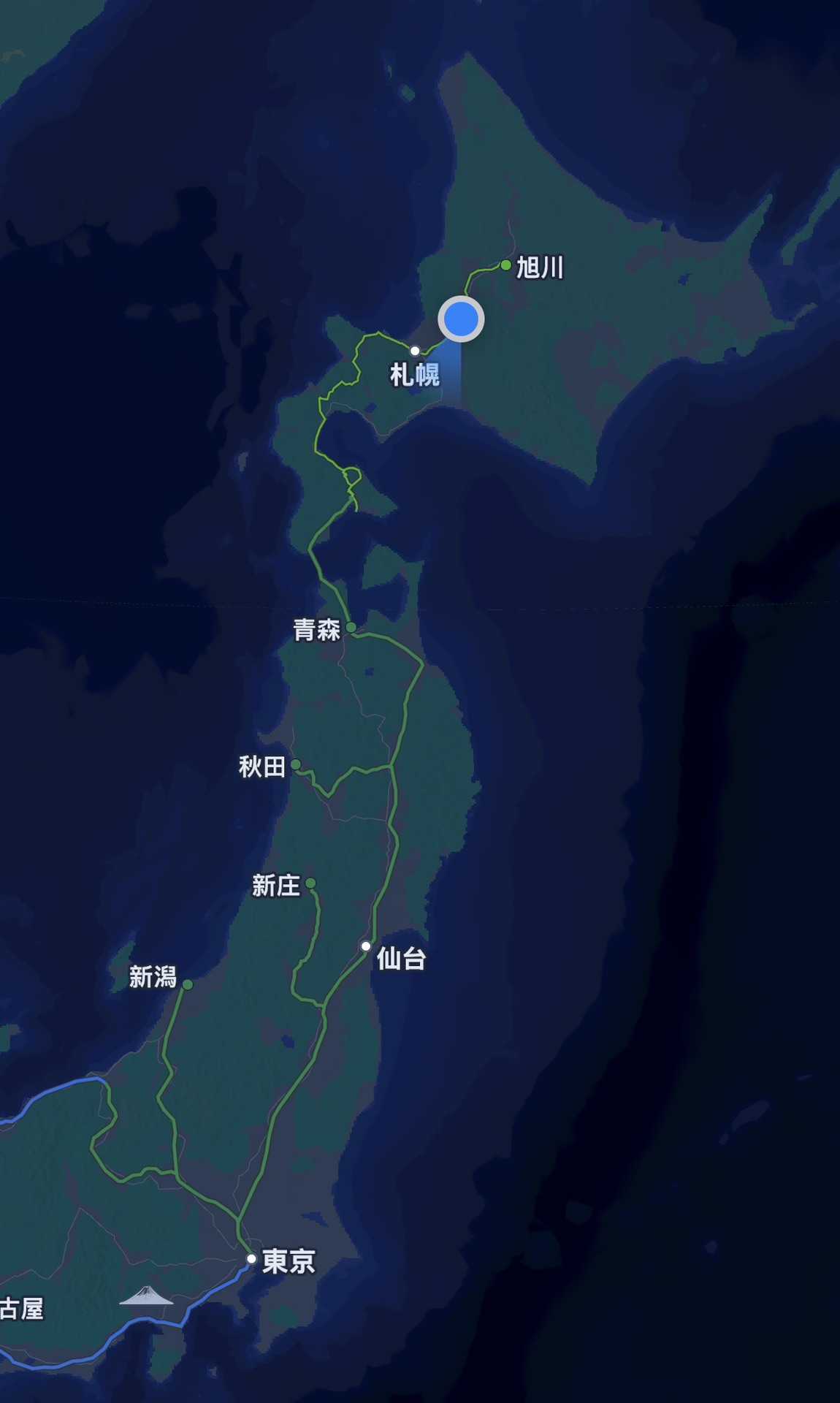
Japan's Tohoku region spans six prefectures: Aomori, Akita, Iwate, Miyagi, Yamagata, and Fukushima. This itinerary focuses on the lesser-visited Aomori and Akita prefectures.
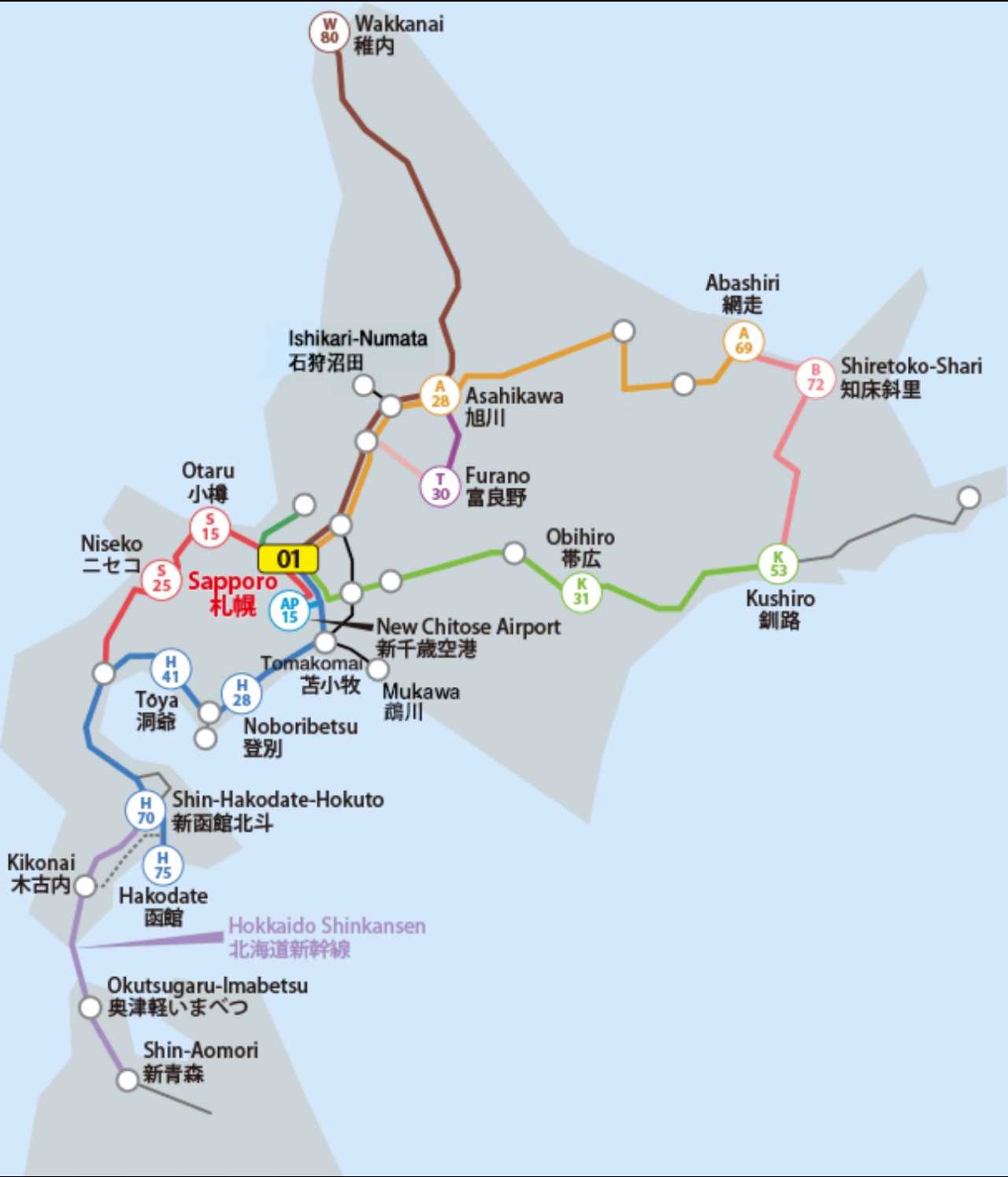
Hokkaido divides into four areas: - Southern Hokkaido (Hakodate) - Central Hokkaido (Sapporo) - Northern Hokkaido (Asahikawa) - Eastern Hokkaido (Kushiro, Abashiri)
Notably, this route skips popular spots like Noboribetsu and Toya. If you want to explore a different side of Hokkaido, this itinerary is for you.
How to Get to Hokkaido: Transportation Options
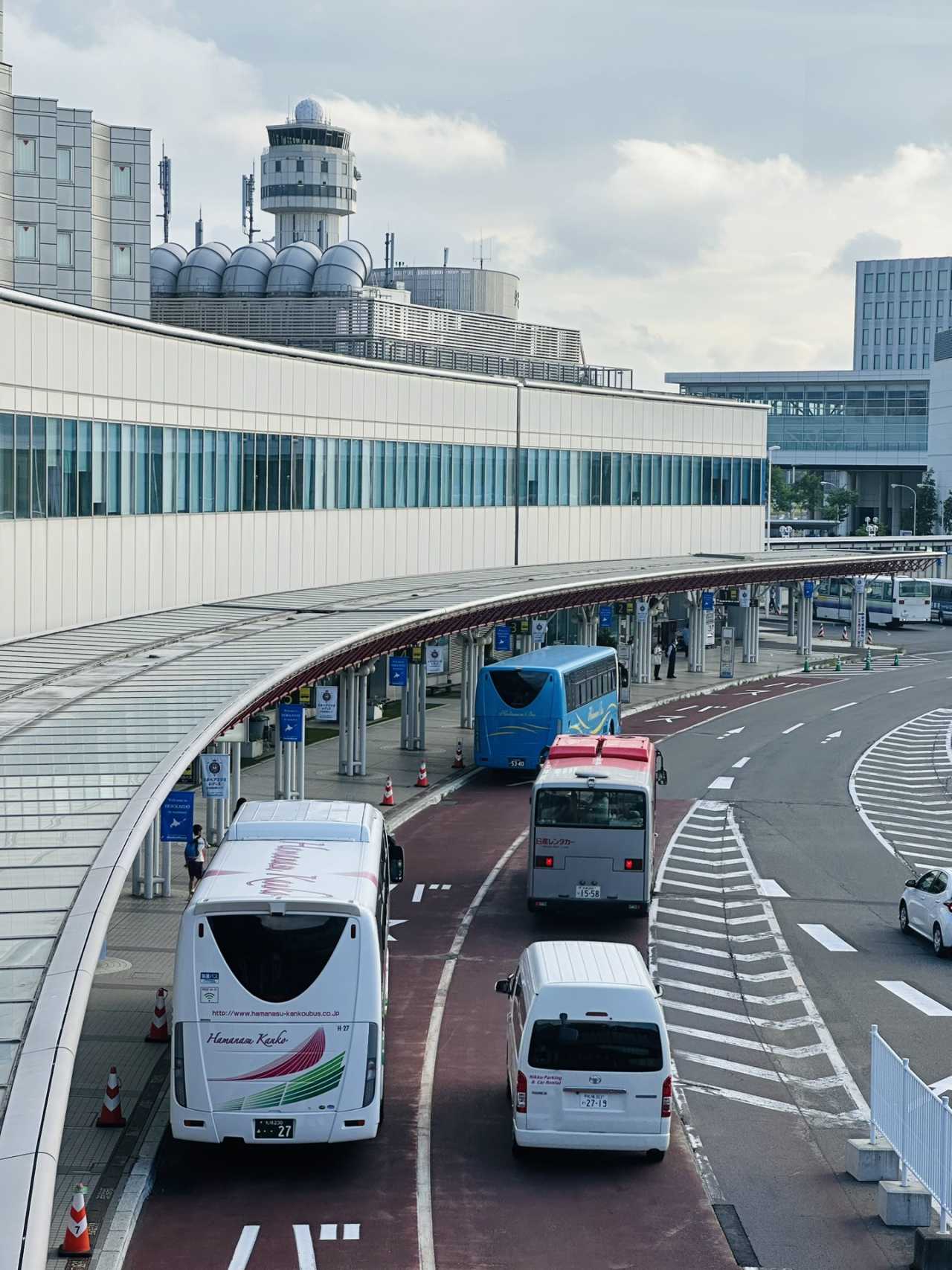
Flying is the most convenient choice. New Chitose Airport is Hokkaido's largest hub, with direct flights from Beijing, Shanghai, Guangzhou, Shenzhen, and Hong Kong. You can also transit through Tokyo. The rapid Airport Express train connects directly to Sapporo Station.
The Hokkaido Shinkansen currently only reaches Hakodate. Tickets often exceed 20,000 yen, and you'll need to transfer to a limited express train for Sapporo. Unless you have a JR Pass covering the Shinkansen, this isn't recommended.
Ferries require online or phone reservations with a Japanese phone number—inconvenient for most travelers. There are no overnight buses from mainland Japan to Hokkaido.
Getting Around: Why the JR Hokkaido Rail Pass Is Essential
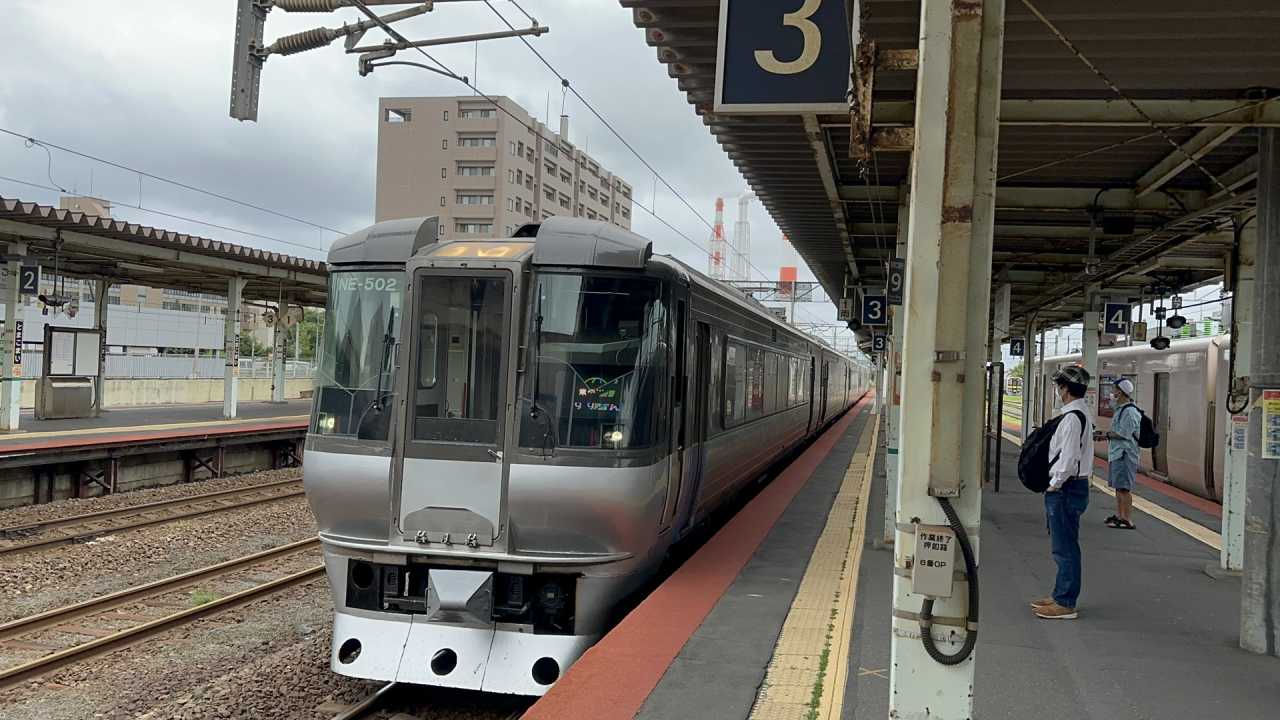
For foreign travelers, the JR Hokkaido Rail Pass offers unbeatable value. Available in 5, 7, or 10-day validity, it allows unlimited rides on: - JR Hokkaido limited express trains (reserved and non-reserved seats) - Regular trains - Some bus routes
Purchase it on the official JR Hokkaido store on Fliggy (Alibaba's travel platform).
Important restrictions: The pass cannot be used on the Hokkaido Shinkansen, South Hokkaido Railway Line, Hakodate City Tram, Sapporo Subway, or certain local bus routes. Always check the official JR Hokkaido website before traveling.
Alternative options: Hokkaido has budget highway buses and quick domestic flights. Note that Sapporo has two airports—New Chitose and Okadama—connected by bus.
[Link: How to choose the best JR Pass for your Japan itinerary]
Day 1: A Heart-Stopping Transit at Haneda Airport
I love cloudy days. But when the clouds over Beijing started darkening on departure day, my heart sank.
After clearing customs, a thunderstorm arrived on schedule, delaying my flight. My itinerary required a cross-terminal transfer at Tokyo's Haneda Airport—and time was already tight.
The critical lesson: Always account for weather delays when booking connecting flights.
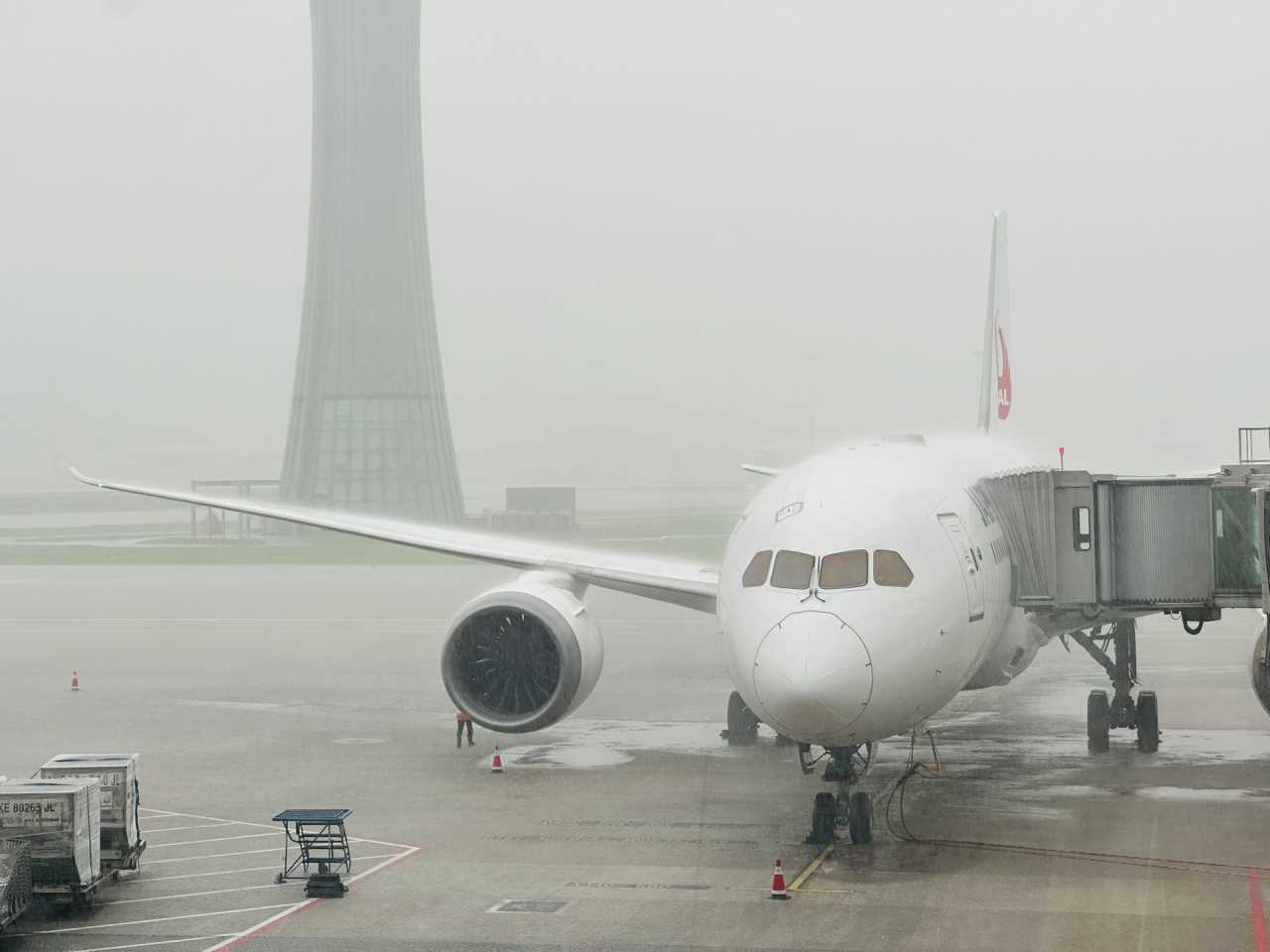
Fortunately, the rain passed quickly. I boarded Japan Airlines' Boeing 787 "Dreamliner"—a unique 2-4-2 seat configuration found only on JAL, offering noticeably more lateral space. The meal service from Beijing that day was unexpectedly excellent.
When we landed at Haneda, the sky was brilliantly clear. But the real test had just begun: I had 1.5 hours to complete the transfer.
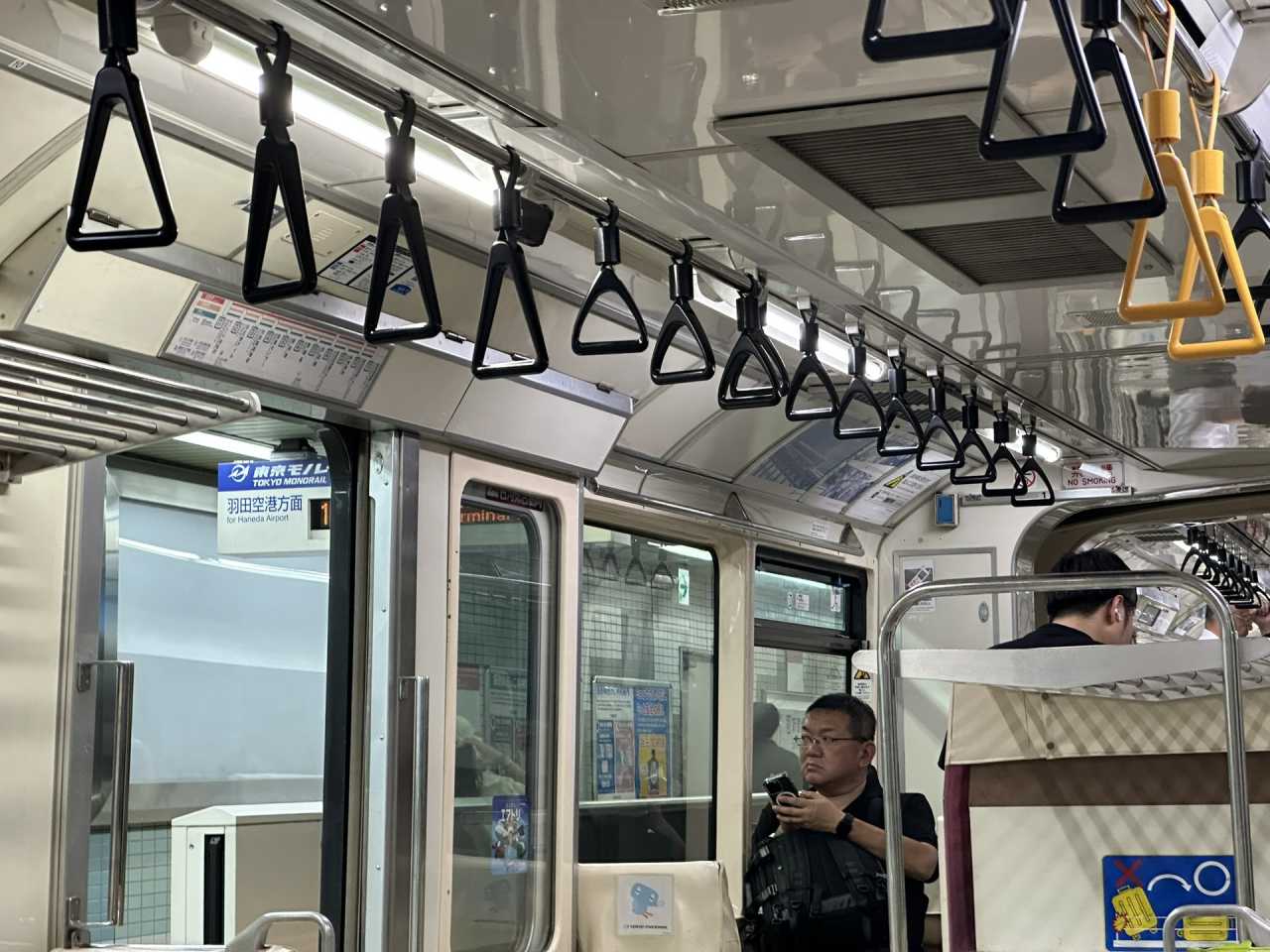
My plane docked at 1:20 PM. My connecting flight departed at 2:30 PM. JAL staff guided us through the employee通道 for quick customs clearance. At Terminal 3's "Entrance Hall," I grabbed a free transfer bus ticket. Pro tip: Head to Terminal 1 (JAL) via the Tokyo Monorail, or Terminal 2 (ANA) via the Keikyu Line.
My costly mistake: I left my phone in Terminal 3. I didn't realize it until I was on the train to Terminal 1. After retrieving it, I didn't arrive until after 2:00 PM. Security was about to close. I rushed through and reached the gate just as boarding continued.
I boarded at 2:20 PM—just in time.
Key takeaway: Even with checked luggage, a transfer time of just over an hour is doable—as long as you don't misplace your belongings.
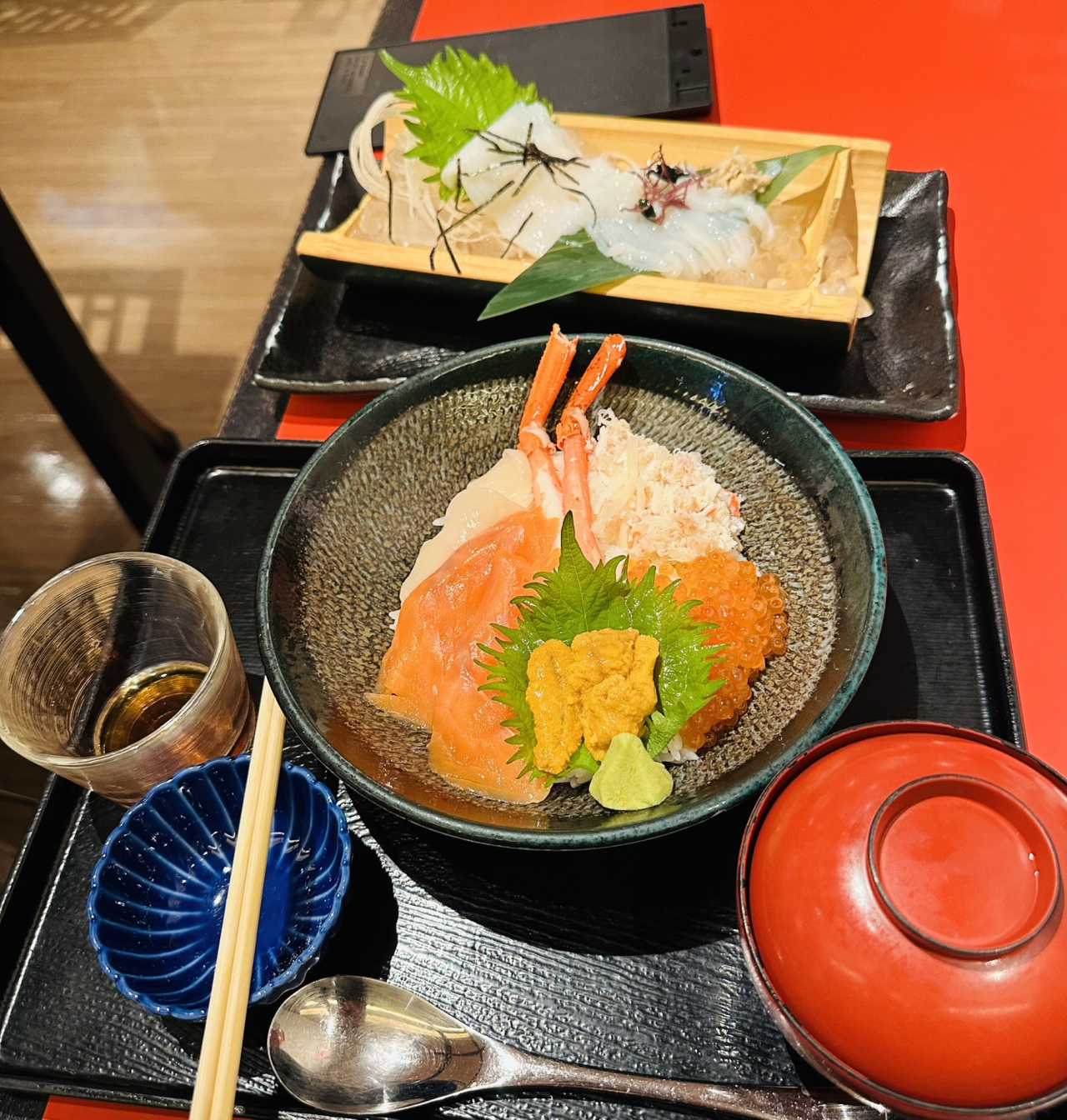
A little over an hour later, I arrived at New Chitose Airport. Starving, I headed straight for seafood rice (海鲜饭). That night, I checked into a hotel in Tomakomai—Hokkaido's fourth-largest city, built on the paper industry. A direct bus runs from New Chitose Airport to the hotel.
[Link: Best hotels near New Chitose Airport for early morning departures]
Day 2: The Resilient Story of the Ainu People
As a history student, I always visit local museums. But a museum dedicated entirely to one ethnic group? That was a first.
From Tomakomai Station, I took a local train to Shiraoi Station—a small town nestled between mountains and sea. Mist clung to the mountains, giving the landscape an air of mystery. At the foot of those mountains, on the shores of Lake Poroto, lay Upopoy (National Ainu Museum and Park) .
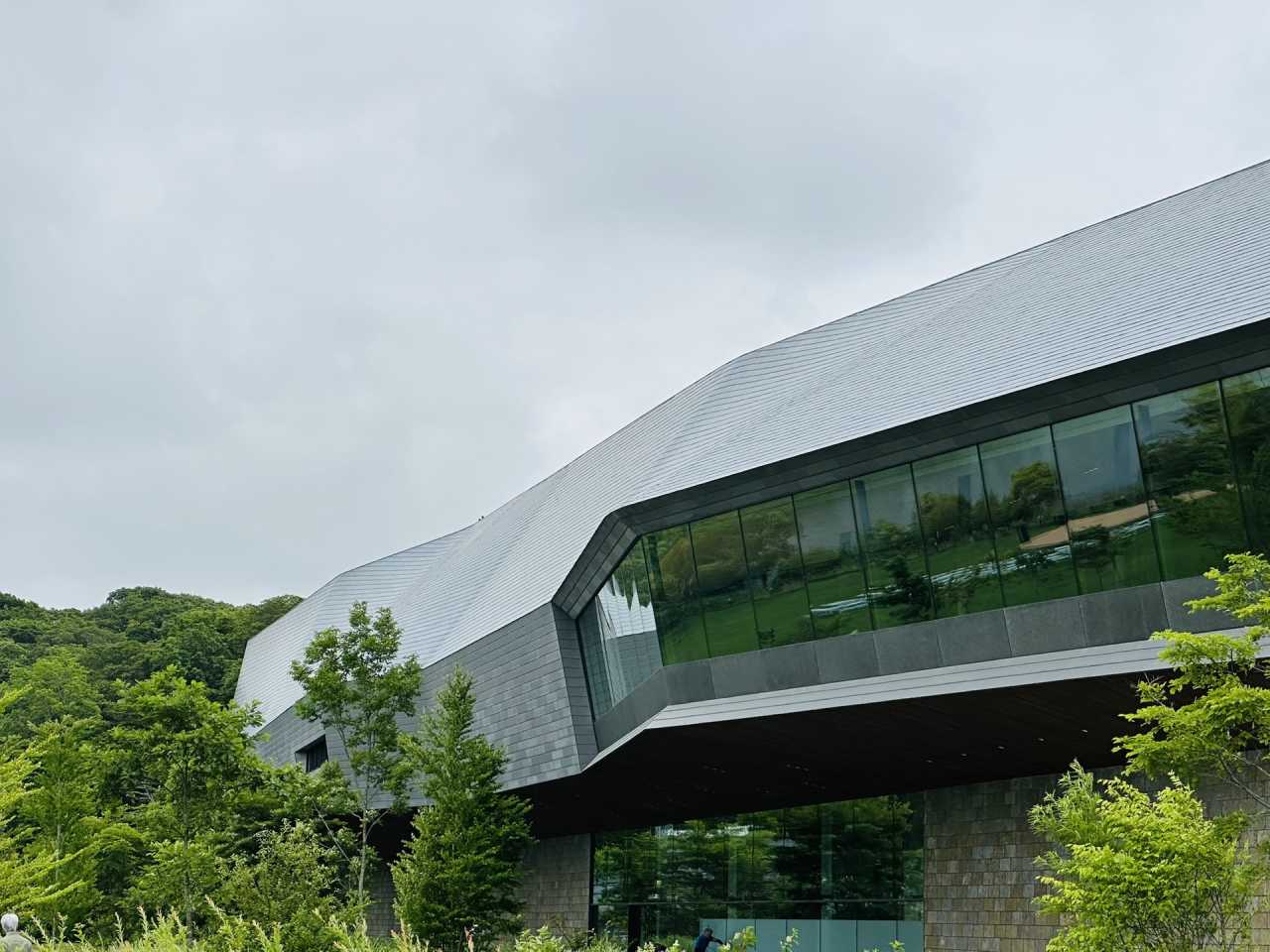
A long, sleek black building stretched along the lake, looking like an oversized lump of freshly mined coal. This was my destination: the National Ainu Museum.
Many people think of Japan as a "single-ethnic nation." But in reality, Hokkaido is home to an indigenous minority—the Ainu. They have their own language (without a writing system), a unique belief system, and a worldview deeply connected to nature.
What I learned at Upopoy: - The Ainu have lived in Hokkaido for centuries, relying on hunting, fishing, and gathering - Their spiritual beliefs center around kamuy (gods) that inhabit natural elements - Traditional Ainu ceremonies involve bear sending rituals and prayer to fire deities - The museum documents the Ainu's struggle for recognition and cultural preservation
The exhibits are immersive and emotional. One section shows how the Japanese government forced assimilation policies on the Ainu, banning their language and customs. Another celebrates their resilience—how they've maintained their identity despite centuries of pressure.
Practical tip: Allow at least 3-4 hours to fully explore Upopoy. The park includes outdoor exhibits, traditional houses, and a performance space where you can watch Ainu dances and music.
[Link: Complete guide to indigenous tourism in Japan]
FAQ: Your Hokkaido Railway Journey Questions Answered

1. Is the JR Hokkaido Rail Pass worth it for a 7-day trip?
Yes, especially if you plan to visit multiple cities. A 7-day pass costs around 24,000 yen—less than a round-trip limited express ticket from Sapporo to Hakodate (20,000+ yen). For a 7-day itinerary covering Sapporo, Asahikawa, and Hakodate, the pass pays for itself.
2. Can I use the JR Pass on the Hokkaido Shinkansen?
No. The JR Hokkaido Rail Pass does not cover the Hokkaido Shinkansen. You'll need a separate ticket or a nationwide JR Pass that includes Shinkansen travel.
3. What's the best time to visit Hokkaido for railway travel?
Late spring (May-June) and autumn (September-October) offer mild weather and fewer crowds. Summer (July-August) is peak season with festivals but higher prices. Winter (December-February) is magical for snow landscapes but many rural lines have reduced schedules.
4. How do I handle language barriers on local trains?
Most JR stations have English signage and automated ticket machines with English menus. For rural lines, download Google Translate and offline maps. Carry a pocket Wi-Fi or SIM card for real-time translation.
5. What should I pack for a Hokkaido railway trip in summer?
Light layers are essential. Mornings and evenings can be cool (15-20°C), while afternoons reach 25-30°C. Bring a light jacket, comfortable walking shoes, sunscreen, and a reusable water bottle. For train travel, pack snacks and a travel pillow for long rides.
[Link: Essential packing list for Japan railway travel]
Conclusion: Finding Yourself on the Rails
As I stood on the shores of Lake Poroto, watching the mist rise over the mountains, I realized something profound: the boy who once brimmed with curiosity hadn't disappeared. He was just buried under years of exam pressure and expectations.
The Ainu people taught me that resilience isn't about forgetting your past—it's about honoring it while moving forward. The railways of Hokkaido and Northern Tohoku aren't just transportation; they're threads connecting you to landscapes, cultures, and ultimately, yourself.
Your turn: If you're feeling lost after a major life transition—whether it's graduation, a career change, or simply the weight of daily life—consider a railway journey through Japan's northern frontier. Let the rhythm of the tracks guide you back to yourself.
Ready to plan your own journey? Start with these steps: 1. Book your JR Hokkaido Rail Pass on Fliggy or the official JR Hokkaido website 2. Reserve your flights to New Chitose Airport (consider a transit through Tokyo for better deals) 3. Download offline maps and translation apps 4. Pack light—you'll be on trains, not hiking mountains 5. Leave room for spontaneity—the best discoveries happen when you least expect them
The rails are waiting. Are you ready to find yourself?
[Link: Complete Hokkaido itinerary for first-time visitors] [Link: Budget tips for Japan railway travel under $100/day]
Have you taken a transformative railway journey? Share your story in the comments below—we'd love to hear how travel changed your perspective.
You should also read:
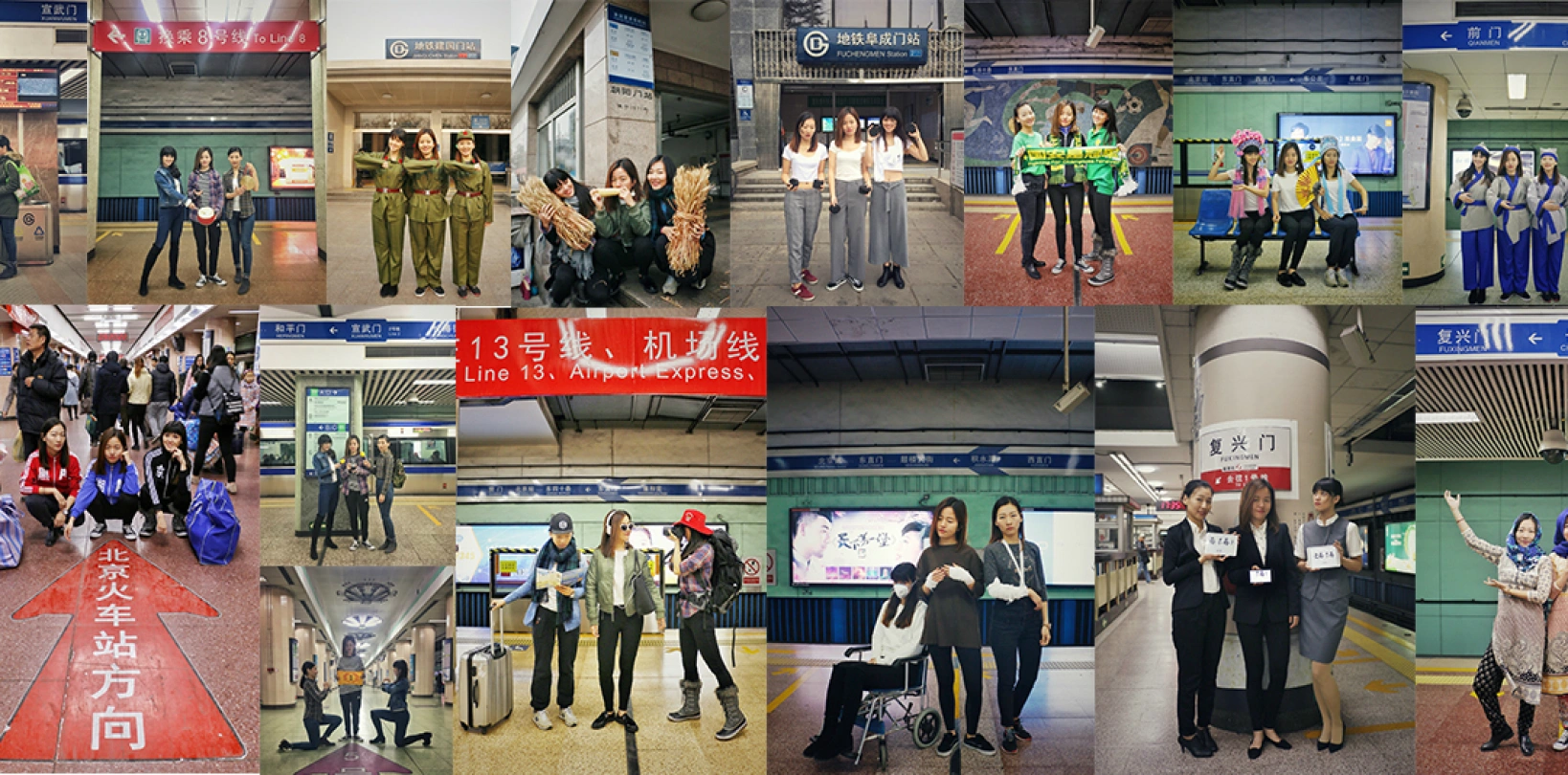
170+ Beijing | A Complete Guide to Line 2: Unlocking a City's Soul Through 18 Stops
Meta Description: Discover Beijing's hidden stories through Line 2's 18 stops. From ancient city gates to modern landmarks, this SEO-optimized guide reveals the soul of China's capital. Perfect for travelers and locals alike. After living in Beijing for a while, you find yourself caught in…
Continue reading...
Beijing Travel Guide: A Personal Journey Through Smog, History, and Hidden Stories
Meta Description: Discover Beijing beyond the tourist traps. This personal travel story explores hutong culture, historical sites, and local secrets—from Jingshan Park to Yuanmingyuan. Perfect for travelers seeking authentic experiences. Beijing. The name alone conjures images of smog-shrouded skylines, the majestic Forbidden City, labyrinthine hutong…
Continue reading...
Beijing Through the Lens: One Person's Winter Wanderings – An SEO-Optimized Travel Guide
Meta Description: Discover Beijing's winter charm through a photographer's lens. From Nanluoguxiang's night scenes to Sanlitun's neon glow, explore the city's hidden corners and iconic landmarks in this SEO-friendly travel guide. January in Beijing is so cold you can hear your own breath. But for…
Continue reading...