From Zero to Featured: The Ultimate Guide to Writing a Top-Tier Travelogue That Gets Noticed
Meta Description: Learn how to write a travelogue that earns "Featured" status. From structuring your story to optimizing for SEO, this guide covers everything you need to turn your travel memories into a viral hit.
Introduction: Why Your Travel Story Deserves to Be Heard
Have you ever found yourself scrolling through travel photos late at night, suddenly overcome with an urge to capture those stunning sunsets, the narrow alleyways you stumbled upon while lost, and the exotic flavors dancing on your tongue—all in words? But then your fingers hover over the keyboard, and you have no idea where to begin. You worry your writing isn't elegant enough, your photos aren't professional enough, and your stories aren't exciting enough.

Let go of those concerns. A truly great travelogue is never a contest entry for a literary prize. It's a window—a way for readers to see a world they've never reached through your eyes. It's both a faithful record of your own journey and a gift that can spark someone else's travel inspiration.
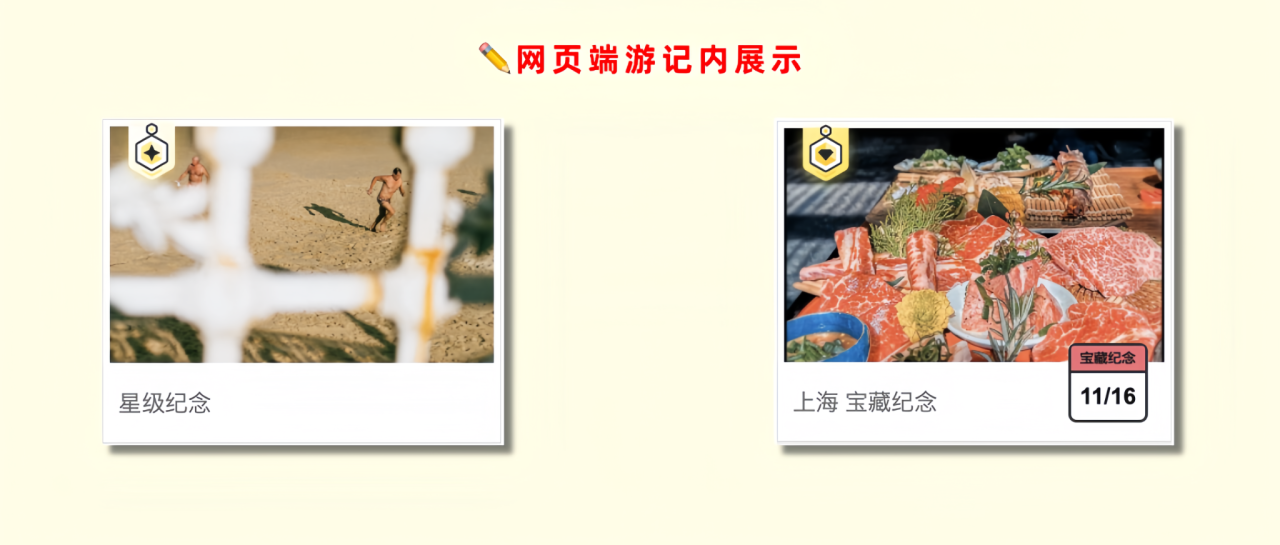
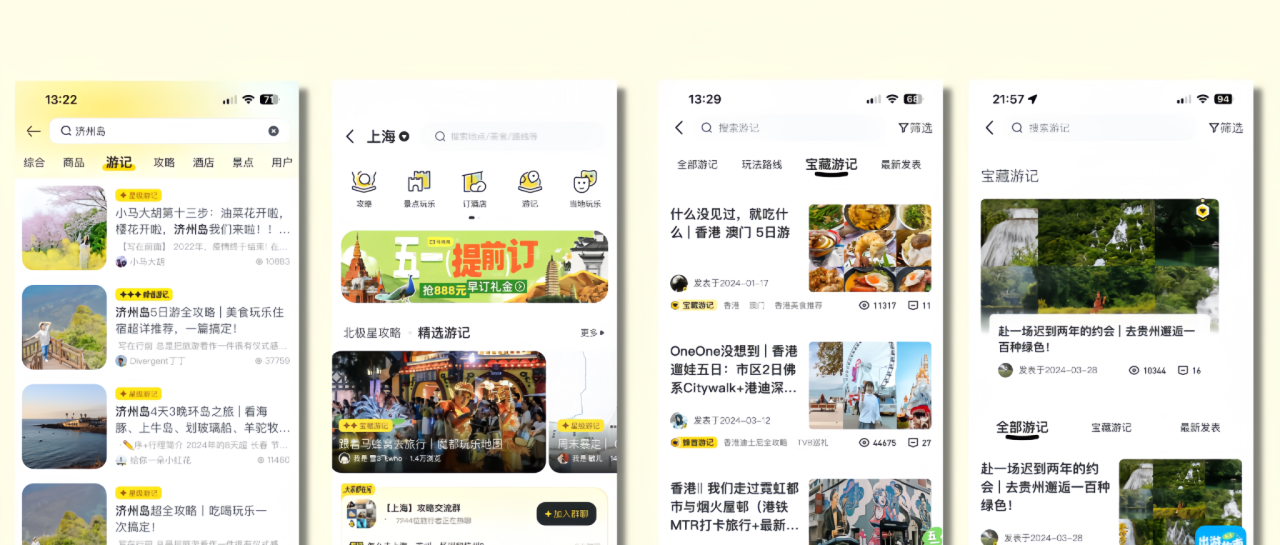
In the global community of travelers, those heartfelt, well-crafted travelogues with stunning visuals are awarded badges like "Star," "Treasure," or even "Featured." But these honors are just the result. The real value lies in this: your words might become a stranger's travel guide, your story might give someone the courage to set off, and your experience might help another person avoid every pitfall.
So, how do you write a truly "good travelogue" that ranks well and resonates? Let's break it down step by step.
Step One: Lay the Foundation—A Creative Mindset from Scratch
Before you start writing, you need to complete one "mental journey." Recall those moments that made your heart race: was it the city lights outside the window as your plane descended, or a bowl of instant noodles shared with a stranger at a hostel? Was it a painting in a museum that held your attention for half an hour, or a local phrase a street vendor taught you?
The starting point of any great travelogue is always genuine feeling. Don't try to imitate someone else's style. Don't fabricate stories just to make things "look good." Your unique perspective and honest expression are what will make your content truly captivating.
Basic Preparation Checklist for Travel Writing
- Organize your photos: Sort them chronologically. Delete blurry and duplicate shots. Select 30–50 photos that best represent the highlights of your trip.
- Collect memorabilia: Tickets, maps, menus, train tickets—photos of these physical items add a layer of authenticity.
- Review your notes: Go back through your travel journal, social media posts, and chat logs to revive those forgotten details.
- Plan your structure: Decide whether to tell your story chronologically or organize it by theme (food, attractions, transportation, etc.).
[Link: How to Organize Travel Photos for Blogging]
Step Two: The Four Qualities That Elevate a "Star" Travelogue
Once your travelogue has the basic content, these four qualities can lift it from "passable" to "excellent," making it more visible and appreciated by fellow travelers.
1. Be Genuinely Useful—Be the Reader's "Travel Advisor"
Don't worry if you're not a professional writer or photographer. The most practical content is often the most helpful. The more complete your practical information, the greater its value. But remember: do not copy and paste from generic sources. Your personal experience is irreplaceable.
Practical information worth recording includes:
- The real process and key points for applying for a visa
- Honest reviews of hotels and restaurants, along with value-for-money analysis
- Transportation options and tips for avoiding common pitfalls
- Ticket booking tricks and hidden discounts
- Local customs and cultural "minefields" to watch out for
- Details on rental car insurance and road conditions for self-driving trips
Example of excellence: A travelogue about Singapore listed the latest visa policies and which attractions were under renovation, saving later visitors a lot of trouble. A self-driving guide to France marked the location and payment method of every gas station—that's true "step-by-step guidance."
2. Showcase Your Interests—Let Your Travelogue Have a "Personality"
The most captivating travelogues aren't just about "where you went," but "how you went." Redefine a trip through your own interests and hobbies, creating a theme that's uniquely yours.
Theme Inspiration Library for Travel Writing:
- Film & TV Pilgrimage: Follow the footsteps of a show like The Knockout through Jiangmen, or take identical photos at the filming locations of The Genius.
- Foodie Quest: Spend three days eating your way through every Michelin-recommended street stall in Bangkok.
- Hand-drawn Journal: Draw a hand-drawn map of every city you visit, recording both taste and visual impressions.
- Extreme Experiences: Ice diving, liveaboard diving, temple retreats, couchsurfing—these unique experiences are the best stories in themselves.
When your travelogue carries a distinct personal label, readers remember not just a destination, but the interesting person who went there.
3. Inspire Wanderlust—Use Words and Images to "Seduce" Readers into Traveling
"Inspiring wanderlust" is an art. You're not writing a manual; you're painting a dream that makes people's hearts yearn. A good "wanderlust-inducing" article will have readers opening flight-booking apps the moment they finish it.
Tips for Boosting Wanderlust in Your Travel Writing:
- Start with a bang: Grab the reader with the most stunning moment, like the first rays of dawn hitting the snow-capped mountain road on the Pamir Plateau.
- Describe details: Don't say "the scenery was beautiful." Say, "As the car rounded the bend, that impossibly blue lake suddenly crashed into my view, and I instinctively held my breath."
- Create emotional resonance: In a travelogue about Dalian, the author wrote, "Walking beside the tram tracks felt like stepping into a movie scene." That kind of empathy is more moving than any guidebook.
- Combine practicality with beauty: When describing a summer in Nanjing, write about the dappled light under the plane trees, but also include the best time and spot for taking photos.
4. Be Genuinely Emotional—Your Story Is the Most Precious Thing
Travel, like life, isn't just about highlight reels. The anxiety of getting lost, the anger of being ripped off, the loneliness of being alone in a foreign country—these "imperfect" moments often resonate the most.
The Power of Authenticity in Travel Writing:
- One traveler spent 20 days living with a Pakistani family, documenting their real lives. It was warmer and more touching than any official tourism campaign.
- During a 72-hour stay on a lake island, the author returned to their childhood. That pure joy made every reader remember their own "younger days."
- In a model travelogue about Dali, the author honestly shared how they reconciled their "old soul and small-town sentiments," striking a chord with countless readers.
Remember: a travelogue comes from the vibrant "you." Your emotions, your thoughts, your growth—that's the soul of your story.
Step Three: The Path to Advancement—From "Star" to "Treasure"
If your "Star" travelogue already has the qualities above, congratulations—you're on the threshold of a "Treasure" travelogue. A "Treasure" travelogue is the "best ambassador" for a destination. It's comprehensive enough, deep enough, and unique enough that readers can directly copy your itinerary and go.
Be Comprehensive—Create the Ultimate "Read This One and You're Set" Guide
The first hallmark of a "Treasure" travelogue is its encyclopedic completeness. It records every step in detail, from itinerary planning and pre-trip preparation to on-the-ground details and post-trip summaries.
The Skeleton of a Complete Travel Guide:
- Itinerary Planning: A daily schedule, the logic behind the order of attractions, and backup plans.
- Pre-Trip Preparation: A visa materials checklist, packing tips, and insurance purchase advice.
- On-the-Ground Details: Every step of a transit, menu-ordering tips for restaurants, and hidden entrances to attractions.
- Post-Trip Summary: Budget breakdown, lessons learned, and recommendations for improvement.
[Link: How to Structure a Travel Blog Post for Maximum Readability]
SEO Best Practices for Travel Writing

To ensure your travelogue gets found by search engines and readers alike, follow these SEO tips:
Keyword Research for Travel Content
- Primary keyword: "How to write a travelogue" or "travel writing guide"
- Long-tail variations: "tips for writing a travel blog," "how to get featured on travel platforms," "travelogue structure template," "best travel writing examples"
- Location-based keywords: "travelogue about Singapore," "self-driving guide to France"
On-Page SEO Optimization
- Title tag: Include primary keyword near the beginning
- Meta description: 150–160 characters, compelling and keyword-rich
- Headings (H2/H3): Use keyword variations naturally
- Image alt text: Describe each photo with relevant keywords
- Internal linking: Link to related content on your site
- External linking: Cite authoritative sources (e.g., tourism boards, visa offices)
Content Formatting for Readability
- Use short paragraphs (2–3 sentences max)
- Include bullet points and numbered lists
- Add bold text for key takeaways
- Use subheadings to break up long sections
- Keep sentences under 25 words where possible
Frequently Asked Questions About Travel Writing
1. How long should a travelogue be for the best SEO results?
Aim for 1,500–2,500 words. This length allows you to cover practical details, personal stories, and visual descriptions without overwhelming readers. Google tends to favor in-depth content that answers user intent.
2. What's the best way to organize photos in a travel blog?
Sort photos chronologically and select 30–50 high-quality images that tell a story. Use descriptive file names (e.g., "sunset-over-boracay-beach.jpg") and add alt text with keywords. Insert photos near relevant text, not all at the end.
3. How do I make my travelogue stand out from thousands of others?
Focus on your unique angle—whether it's a specific theme (food, film locations, extreme sports) or an emotional journey. Share honest, imperfect moments. Provide practical, first-hand advice that generic guides don't offer. Add personal photos and stories that no one else can replicate.
4. Should I write chronologically or by theme?
Both work, but thematic organization often performs better for SEO because it targets specific search intents (e.g., "best restaurants in Tokyo," "how to get a visa for Thailand"). Chronological storytelling works well for personal narratives. Consider combining both: use a chronological framework with thematic sections.
5. How important are practical tips in a travelogue?
Extremely important. Practical information—visa processes, transportation hacks, restaurant reviews, budget breakdowns—drives organic traffic because users search for these specifics. Personal stories keep readers engaged, but practical tips make your content shareable and bookmarkable.
Conclusion: Your Story Starts Now
Writing a top-tier travelogue isn't about perfection—it's about connection. It's about sharing your unique perspective, your honest emotions, and your practical wisdom with a world that's hungry for authentic travel inspiration.
Start with your most vivid memory. Add your most helpful tip. Include your most stunning photo. Then, let your words flow.
Your call to action: Open a new document right now. Write the first 200 words about your most recent trip. Don't edit—just write. Then, tomorrow, add 200 more. Before you know it, you'll have a "Featured"-worthy travelogue that not only ranks well but truly helps someone plan their next adventure.
The world is waiting to see through your eyes. Start writing today.
Did you find this guide helpful? Share it with a fellow traveler who's struggling to start their travel blog. And if you have questions about travel writing or SEO, drop them in the comments below—I'd love to help you get featured.
You should also read:
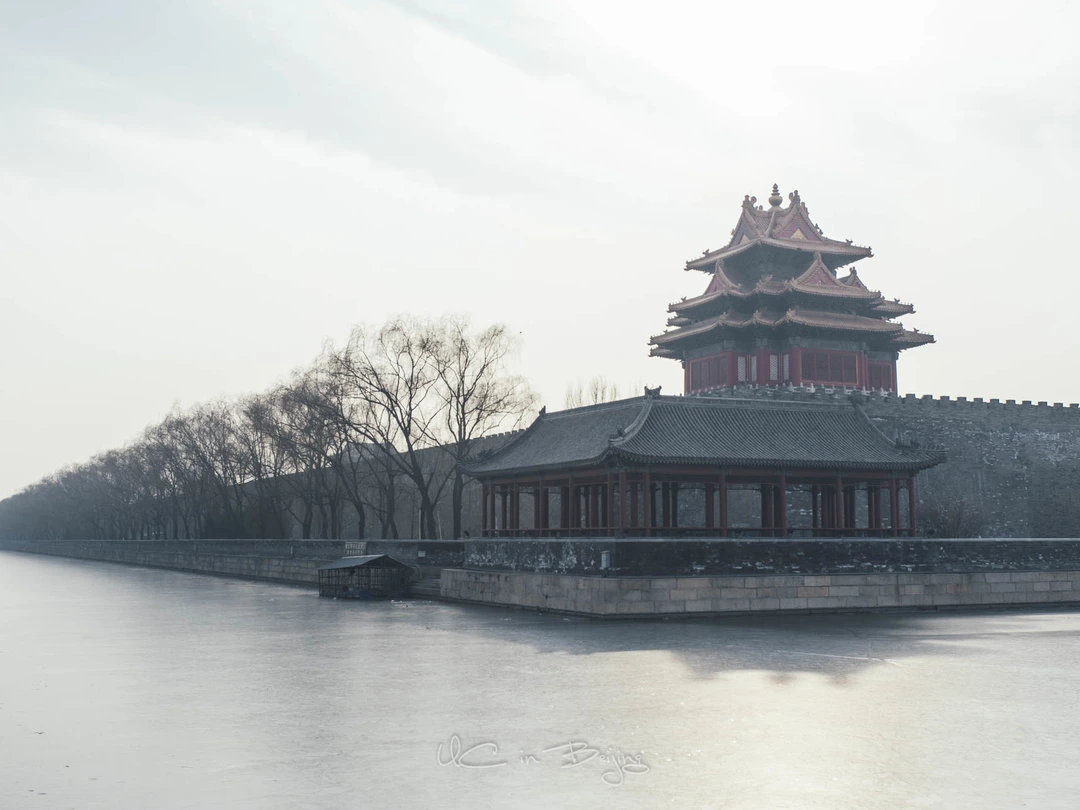
Beijing Through the Lens: One Person's Winter Wanderings – An SEO-Optimized Travel Guide
Meta Description: Discover Beijing's winter charm through a photographer's lens. From Nanluoguxiang's night scenes to Sanlitun's neon glow, explore the city's hidden corners and iconic landmarks in this SEO-friendly travel guide. January in Beijing is so cold you can hear your own breath. But for…
Continue reading...
Four Days, Three Nights in Beijing: A Super Practical Self-Guided Travel Guide (Including Food, Stay, and Transport Tips)
Here is the SEO-optimized, rewritten version of your article, structured for maximum search visibility and reader engagement. SEO Title: 4 Days 3 Nights in Beijing: The Ultimate Self-Guided Travel Guide (Food, Stay & Transport) Meta Description (160 chars): Plan the perfect 4-day Beijing itinerary. From…
Continue reading...
A Passionate Journey Through Beijing & Tianjin: Beijing Complete Guide – JOJO's In-Depth Travel Notes
Meta Description: Explore Beijing & Tianjin in 5 days with this complete travel guide. From the Forbidden City to the Great Wall, discover insider tips, transportation hacks, and must-see attractions. Plan your perfect China trip today. Beijing is not just a city—it's a living museum…
Continue reading...