Gubei Water Town Mini-Holiday Guide: The Ultimate Guide to Accommodation, Dining, and Off-Peak Travel
Meta Description: Plan your perfect Gubei Water Town escape with our expert guide. Discover the best hotels, guesthouses, restaurants, and off-peak travel tips for a stress-free Beijing suburb getaway.
Introduction: Why Gubei Water Town Deserves a Spot on Your Beijing Bucket List
As a long-time Beijing resident, I've learned that when the city's concrete jungle starts closing in, a quick escape to the outskirts can work wonders. Gubei Water Town, a meticulously crafted replica of an ancient village nestled at the foot of the Simatai Great Wall, has become my go-to destination for mini-holidays.
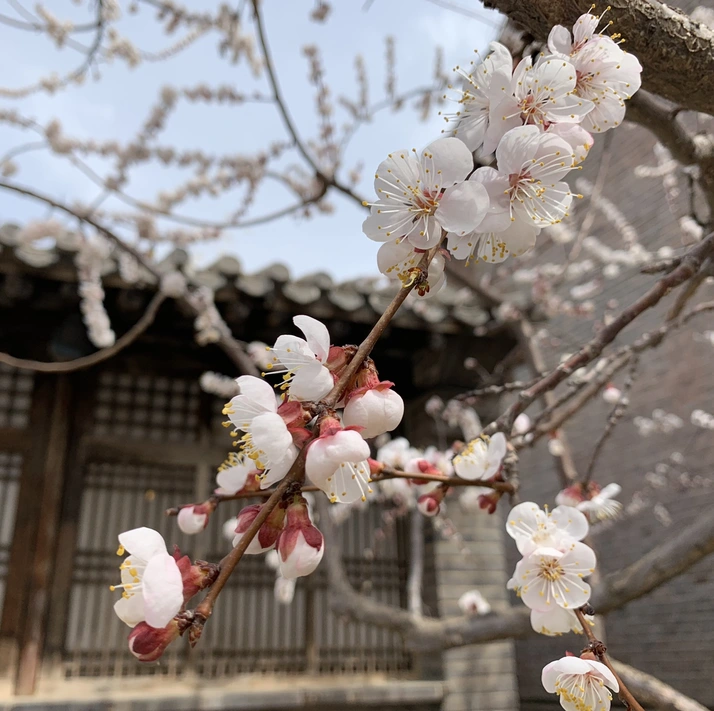
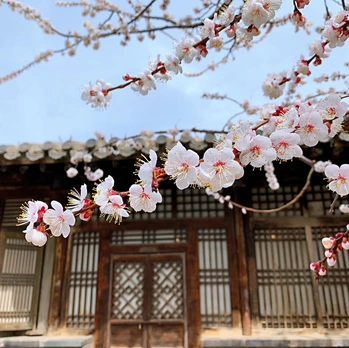
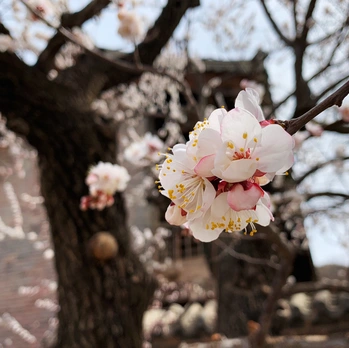
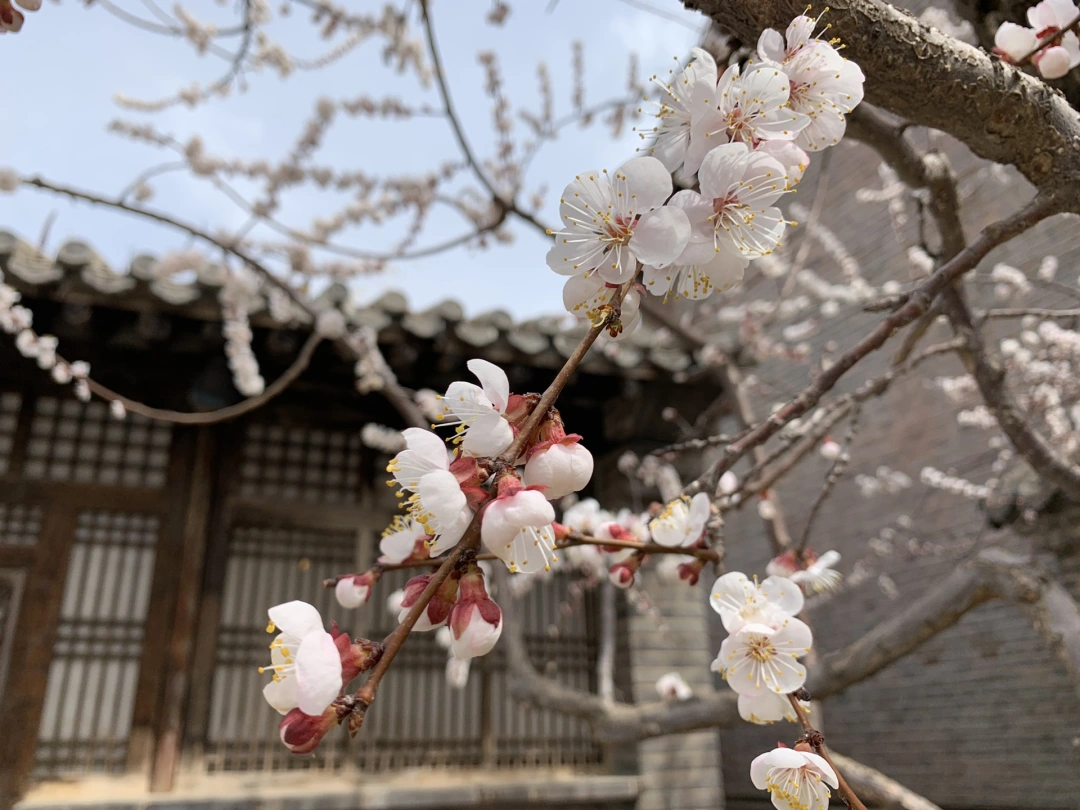
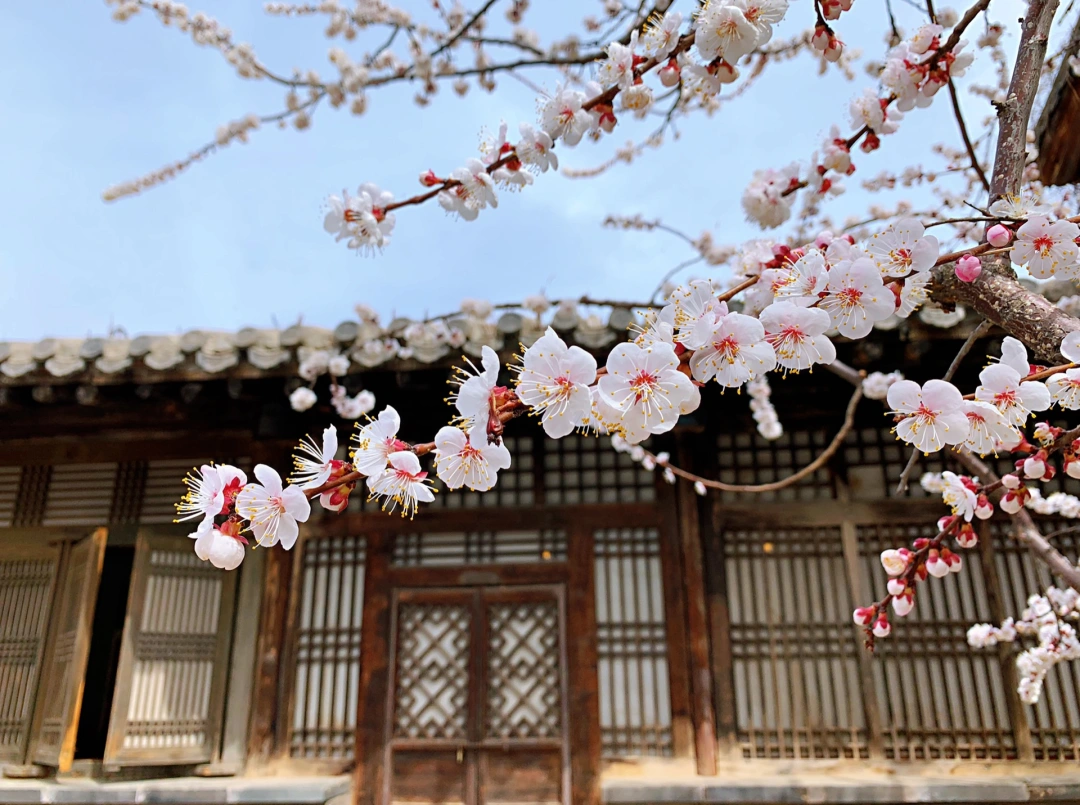
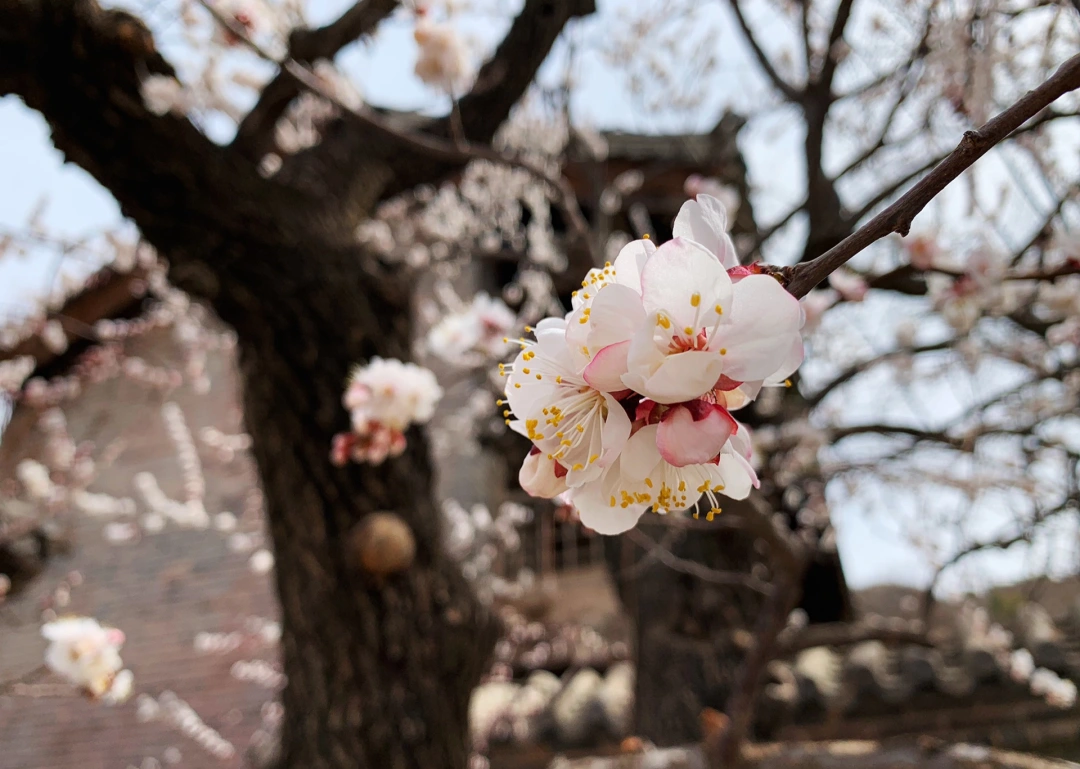
Let's be honest—this isn't the soft, misty water town of southern China. Here in Beijing's suburbs, wind-blown dust and stark mountains take center stage. But if you lower your expectations, Gubei Water Town can surprise you. In spring, apricot blossoms peek from alleyways. In winter, snow-dusted rooftops resemble ink-wash paintings.
Think of it as a well-designed amusement park for all moods: want to exercise? Climb the Simatai Great Wall. Need to unwind? Hit a café or browse the shops. Bringing kids? There's an indoor playground. Feeling romantic? Bars, movie theaters, and bowling alleys have you covered.
However, as its popularity has soared, Gubei Water Town is no longer the carefree paradise it once was. Smart planning and off-peak travel are essential. But with a little strategy, it's still far better than scrolling through your phone at home.
Accommodation: Choosing the Right Place Determines Your Vacation

Hotels Inside the Scenic Area: Pricey, But Worth It
For our latest trip, I chose the Gubei Light Hotel (古北之光酒店). Booking a room comes with two hot spring tickets and admission tickets—though children don't get the same deal. You'll need to buy half-price tickets for them separately. Honestly, this "give half, hold back half" approach feels a bit stingy.
That said, the hotel's design is impressive. The atrium adds extra living space, rooms are comfortable, and the breakfast is abundant—though taste is average. Since breakfast is included in the room rate, I won't complain too much.
Price note: A king room during the mini-holiday has shot up to 2,600–3,000 RMB per night, with high demand. I booked two months in advance and barely snagged one. It makes you wonder: suburban Beijing hotels are now priced on par with Europe, America, or Japan, but service details still have room for improvement.
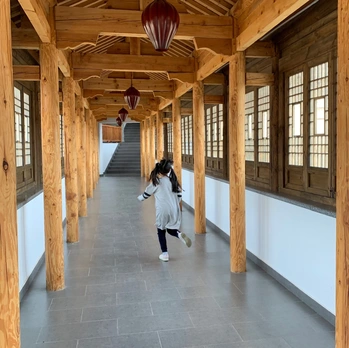
Pro tip: The corridor on the sixth floor leads to the hot springs. During the day, it's almost empty, beautifully designed, and perfect for photos. Our room had a small rooftop terrace—my kid declared it a "secret base." But one side had no railing, so I wouldn't recommend letting young children go up there.
Guesthouses Inside the Scenic Area: Charm Over Convenience
When Gubei Water Town first opened, I stayed at the guesthouses several times. Each inn has its own theme. In the morning, you'd eat a rustic farm breakfast in the courtyard, then wander out—it had real character.
One perk of staying inside the scenic area: the shuttle bus from Parking Lot 1 is free. Guests at inns near the entrance have to pay 10 RMB for a ticket.
Inns Near the Entrance: A Last Resort
This New Year's, I stayed at an inn near the entrance. Basically, it's a local renting out apartments in a residential complex, with a front desk on the ground floor. The room was clean, but when it hit -20°C in Miyun, the place was so cold we could only huddle under the covers.
The front desk staff were friendly but inefficient—if you needed something, you had to get it yourself. The worst part: coming back from the ancient town on a winter night, walking back in pitch darkness, shivering the whole way. The community gate was strict, and the first time we entered, we had to wait for someone to pick us up.
And the price wasn't cheap, especially during holidays. Unless there's no other option, I won't stay there again.
[Link: Best hotels near Simatai Great Wall]
Dining: Three Days Without Repetition, But You Have to Know Where to Go
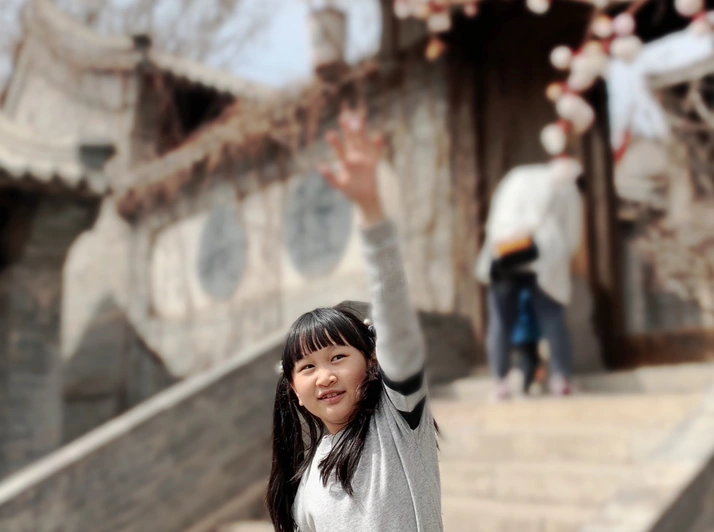
Western and Japanese Food: Ambiance Wins
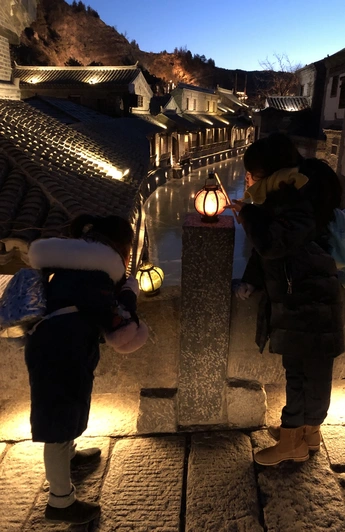
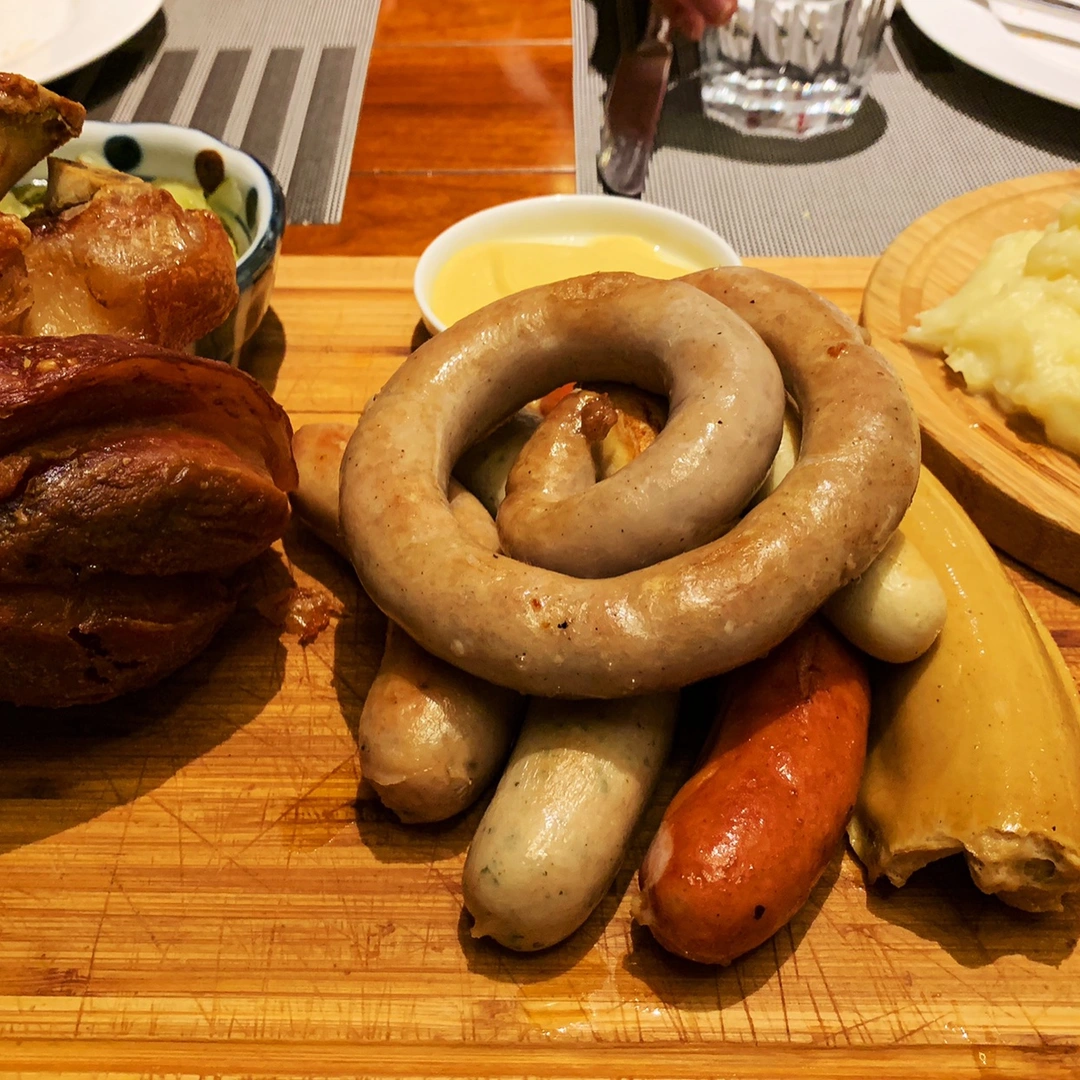
On the first night, we visited William Edgar Restaurant (威廉埃德加西餐厅) and ordered pork knuckle and sausages. The knuckle was a bit salty, but the house-brewed beer was decent. The steak was average—I wouldn't recommend it.
The Wagu Japanese Restaurant (和谷日餐厅) is attached to the Yushe Hot Spring Hotel (御舍温泉酒店), with a beautiful courtyard view. It only has three stars online because many people say the ramen is bad. But I'd give it four stars—the extra one is for the atmosphere. The sweet potato rolls, curry rice, and beef rice were tasty, though the tuna rolls were mediocre.
Chinese Restaurants: State-Owned Style, Decent Food
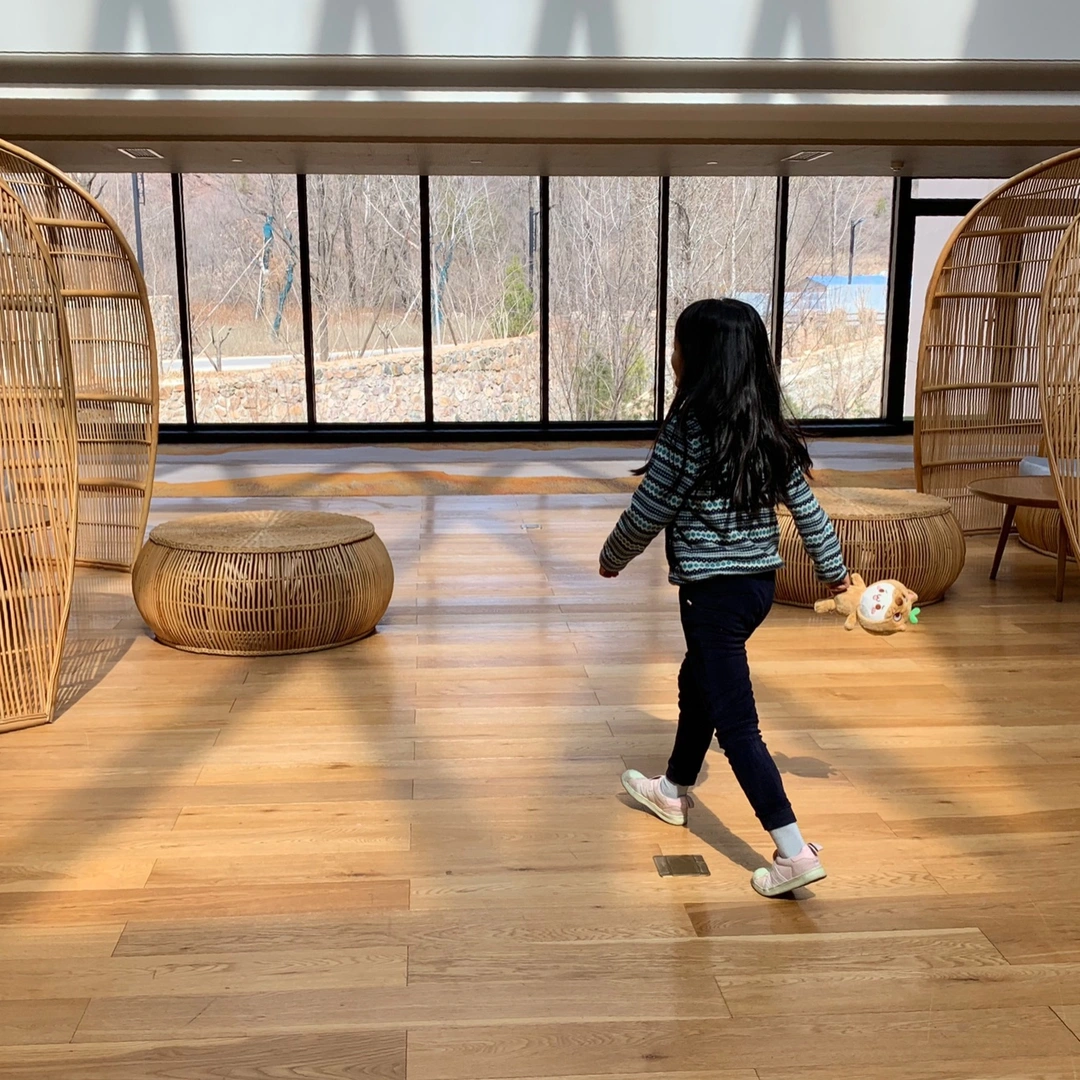
The Gubei Roast Meat Restaurant (古北烧肉馆) is one of the earliest eateries in the scenic area, but it still operates like a state-owned enterprise—it actually closes for a mid-day nap! On holidays, you'd think they'd be running at full throttle. The roast meat had a bit too much fat, but the sesame cakes were crispy.
Simagang Restaurant (司马缸大酒楼) also closes for lunch. The home-style dishes are on the heavier side, but the braised bamboo shoots with beef in a clay pot were good.
The Old Beijing Hot Pot at Gubei Hot Pot City (古关火锅城) has authentic sesame sauce—my standard for choosing hot pot. I don't bother with other dipping sauces.
Street Food: Worth the Wait
Around Sun Moon Square (日月广场), the roasted sweet potato stall always has a long line. You can smell it from across the bridge. Skip the chestnuts next door—they taste old and stale.
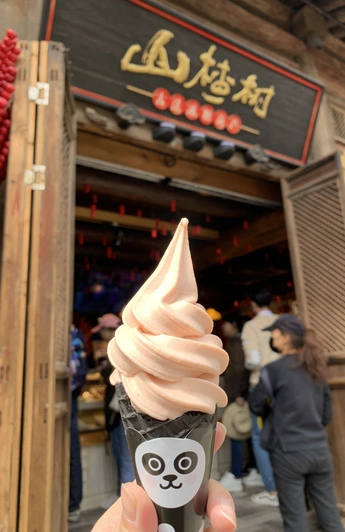
The sugar-coated hawthorn skewers at Hawthorn Tree (山楂树) are a must-order every time. The hawthorns and strawberries are supposedly picked fresh that day, and my kid always insists on a visit.
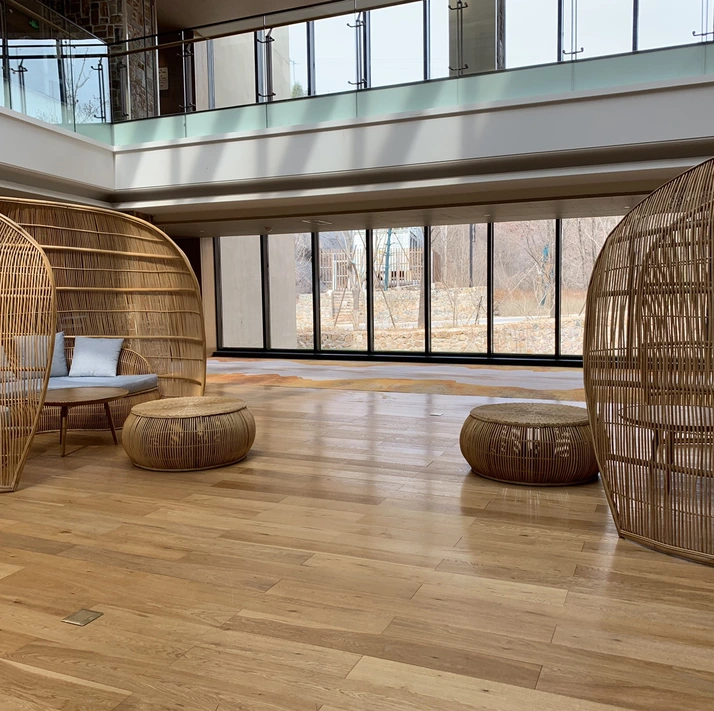
In spring, as you enter the commercial street, the grilled fish shop offers takeout fried small yellow croaker and fish tofu—also delicious.
Food court tips: At the main entrance commercial street, the meigan cai (preserved mustard greens) baked cake is the top pick. Near Sun Moon Square, the Bridge Head Cake (桥头糕) is incredibly popular, with a line that never seems to end.
[Link: Best street food in Beijing suburbs]
Entertainment: Something for Everyone, Kids to Adults
For Kids: Sugar Art, Crafts, and the Playground
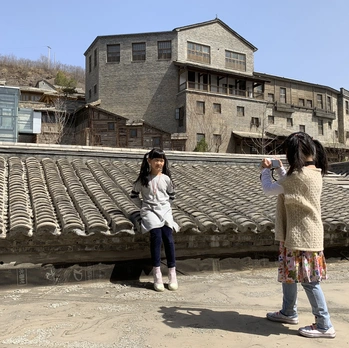
During holidays, the sugar art performance is the biggest hit with kids. The sugar figures made from maltose are sticky and hard, so kids can't eat much, but watching the master perform is fascinating. He confidently says, "Tell me what you want, and I can make it!" Little girls asked for Pikachu. The master was baffled at first, but after looking at a picture on a phone, he actually pulled it off—impressive craftsmanship!
The town is full of small paths that twist and turn, leading to hidden courtyards. Some are museums, others have activities. I usually skip the map and just wander in.
- Escort agency (镖局): Archery and pitch-pot games, but bows are only suitable for adults.
- Dyeing workshop courtyard: Offers tie-dye activities. Explanations are a bit sparse, but if kids choose a simple pattern, they can finish a small handkerchief in about an hour.
- Kids' Playhouse (童玩馆): Huge—180 RMB for one adult and one child, open until 9 PM. It has slides, tricycles, fishing, and more, suitable for ages 2–12, though kids over 6 might find it boring.
For Adults: Coffee, Bars, and Night Views
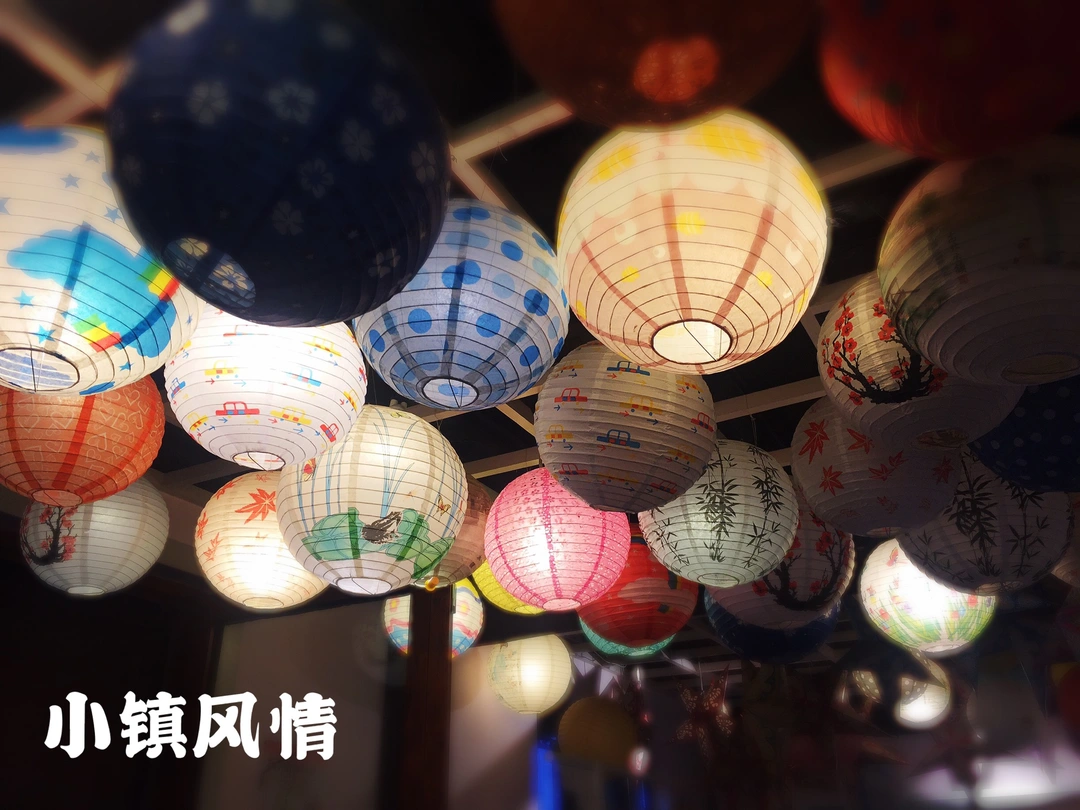
For a laid-back trip, coffee is essential. The Cloud Café offers a peaceful retreat with views of the water town. As night falls, the town transforms—lanterns reflect on the canals, and the Simatai Great Wall lights up in the distance.
For evening entertainment, head to the bar street near Sun Moon Square. Live music, craft cocktails, and a lively atmosphere make it perfect for couples or solo travelers.
[Link: Family-friendly activities in Gubei Water Town]
Off-Peak Travel Tips: How to Beat the Crowds
- Book accommodation 2–3 months in advance for holidays.
- Visit on weekdays if possible—weekends are packed.
- Arrive early morning (before 10 AM) to avoid shuttle bus lines.
- Dine early (11:30 AM for lunch, 5:30 PM for dinner) to skip queues.
- Explore hidden alleys—most tourists stick to main paths.
FAQ: Your Gubei Water Town Questions Answered
Q1: Is Gubei Water Town worth visiting in winter?
 A: Absolutely! Winter offers fewer crowds, snow-covered rooftops, and a magical atmosphere. Just dress warmly—temperatures can drop to -20°C in Miyun.
Q2: How much does a trip to Gubei Water Town cost?
 A: Budget at least 2,500–3,500 RMB per person for a 2-day trip including accommodation, meals, and activities. Hotels inside the scenic area cost 2,600–3,000 RMB per night during holidays.
Q3: Can I visit Gubei Water Town without staying overnight?
 A: Yes, but I strongly recommend staying overnight. The night views of the illuminated water town and Simatai Great Wall are unforgettable, and you'll avoid the worst crowds.
Q4: Is Gubei Water Town kid-friendly?
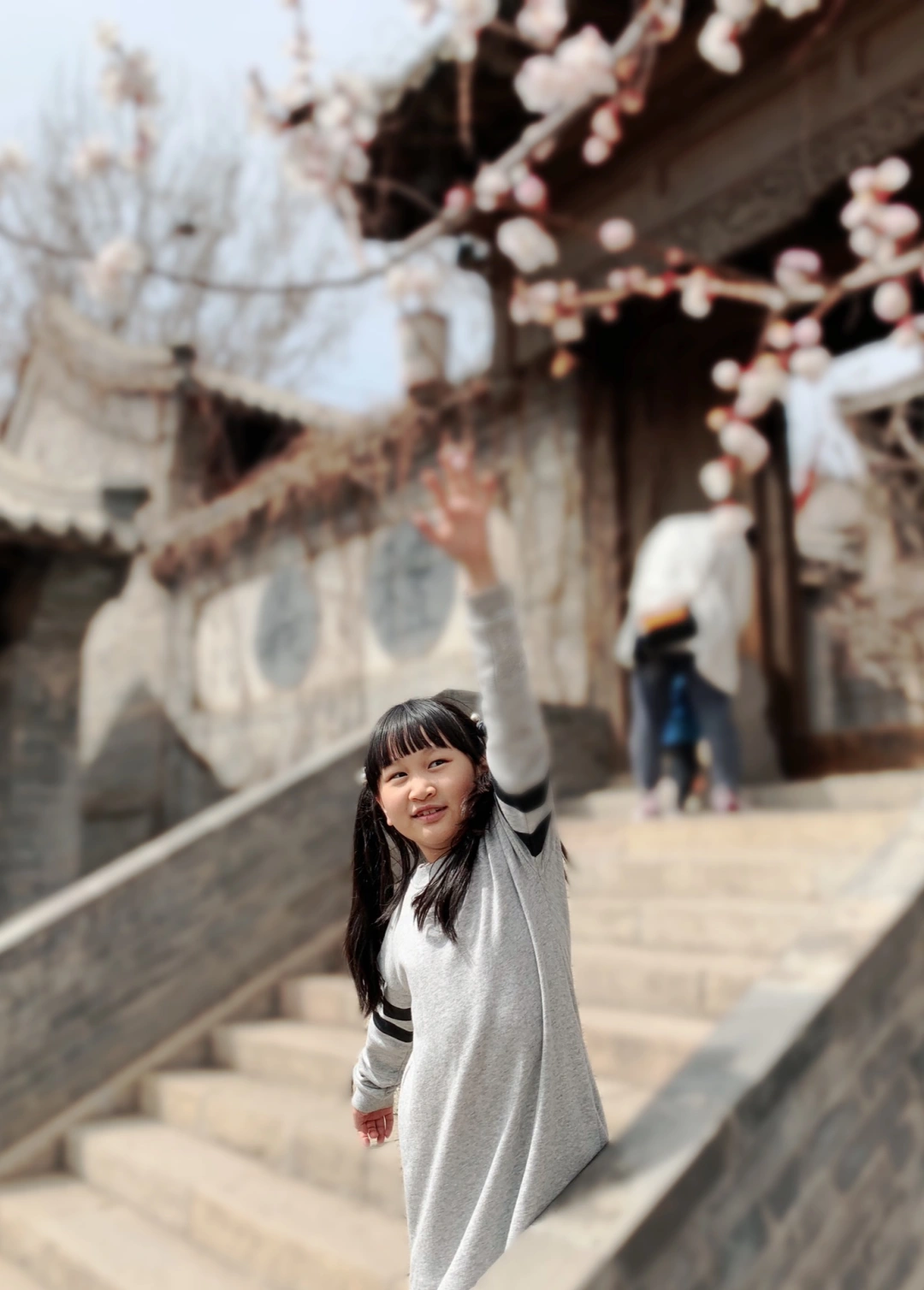
 A: Very! The Kids' Playhouse, sugar art performances, tie-dye activities, and small paths for wandering make it perfect for families. However, older kids (12+) might find some activities boring.
Q5: What's the best time of year to visit?
A: Spring (apricot blossoms) and autumn (mild weather, fewer crowds) are ideal. Winter is magical but cold. Summer is hot and crowded.
Conclusion: Your Gubei Water Town Adventure Awaits
Gubei Water Town isn't perfect—it's a man-made replica, prices are high, and service can be inconsistent. But for a quick escape from Beijing's chaos, it delivers. Whether you're climbing the Simatai Great Wall, savoring street food, or simply wandering lantern-lit alleys, this water town offers a unique blend of history, nature, and entertainment.
Ready to plan your trip? Book your accommodation early, pack for the weather, and embrace the unexpected. Trust me—it's better than scrolling through your phone at home.
[Link: How to get to Gubei Water Town from Beijing]
Plan your Gubei Water Town mini-holiday today—your escape from the city awaits!
You should also read:
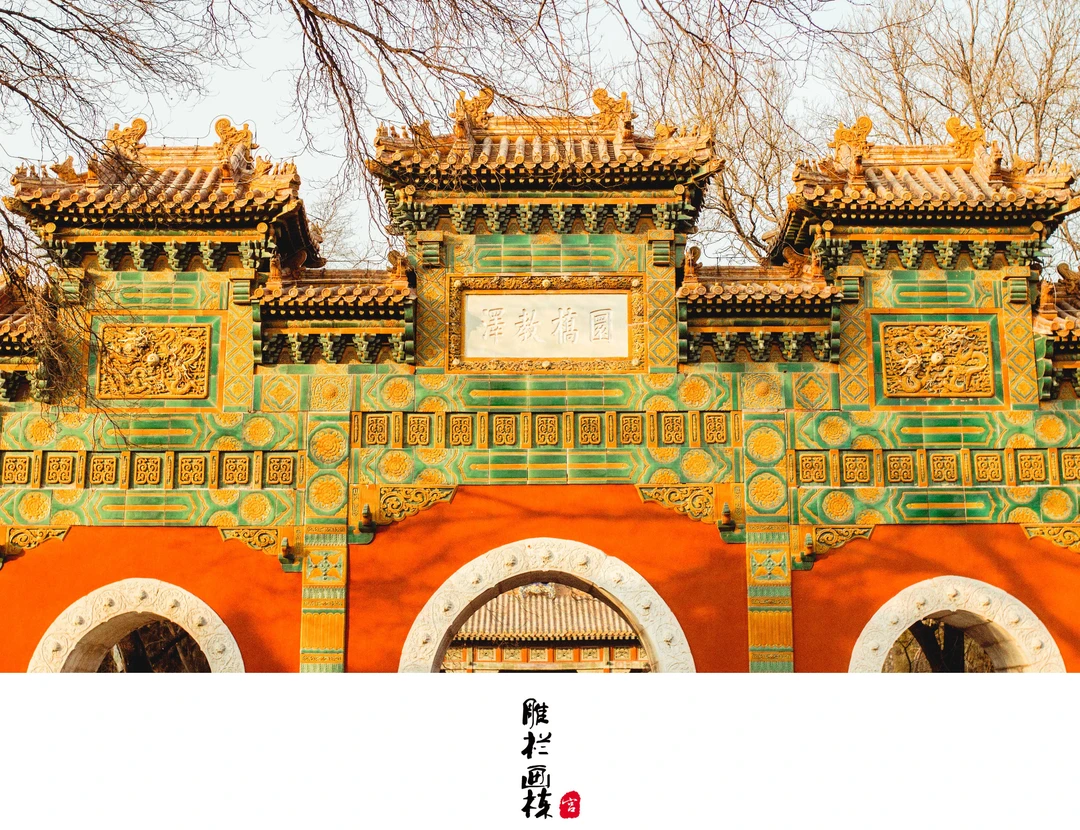
A Southerner's View of Beijing: One Imperial City, Two Winters – A First-Timer's Guide to Winter Travel in Beijing
Meta Description: A Sichuan native shares her first winter trip to Beijing—frozen rivers, bare trees, and the Forbidden City's majesty. Discover what it's like to see the imperial city through southern eyes, plus practical tips for winter travel. I've never quite known how to write…
Continue reading...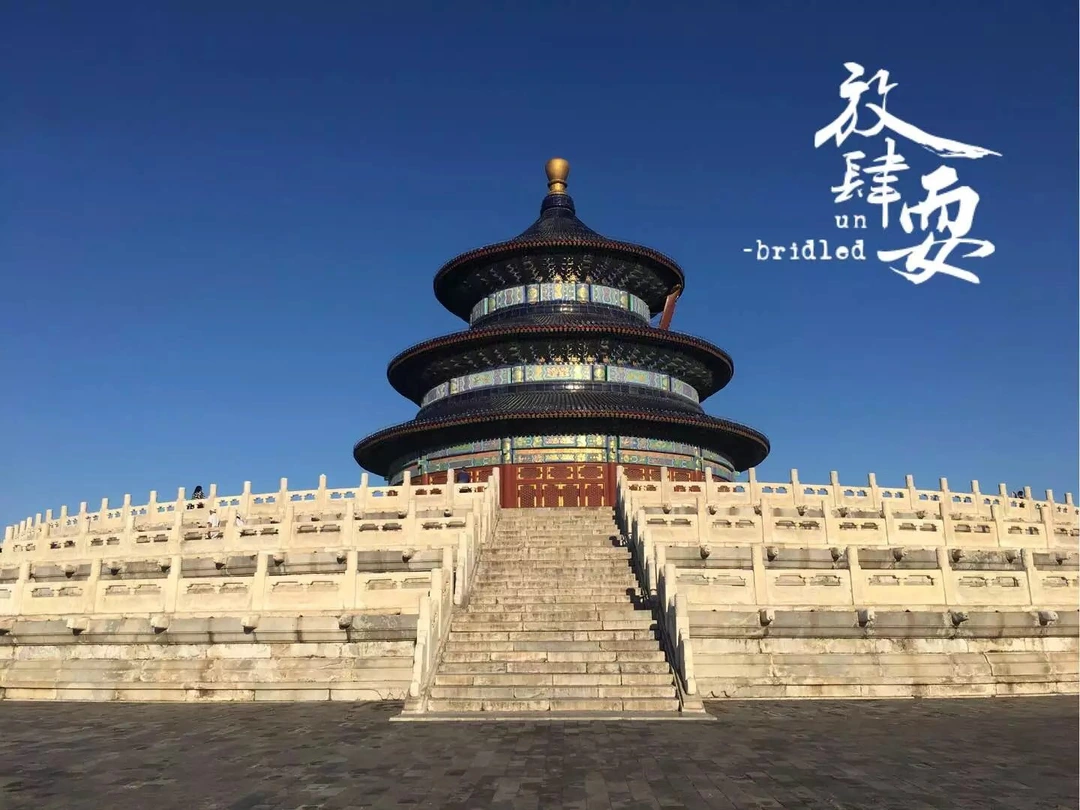
Early Autumn at the Foot of the Imperial City: Slow Travel Notes from Beijing, Chengde, and Tianjin
Meta Description: Discover slow travel in early autumn through Beijing, Chengde, and Tianjin. Expert tips on high-speed rail, Beijing Yikatong, budget accommodation near Qianmen, and hidden gems. Perfect for first-time visitors and family trips. Early autumn in northern China brings crisp air, golden sunlight, and…
Continue reading...
Beijing Travel Guide: An Ancient Capital's New Face – A Five-Day Wandering Chronicle
Meta Description: Explore Beijing's modern transformation in this SEO-optimized travel guide. From Sanlitun nights to hidden hutong gems, discover the ancient capital's new face in five unforgettable days. Perfect for first-time visitors and returning travelers. When I first visited Beijing as a kid on a…
Continue reading...