Hello, Shanghai: A Never-Ending Magic Theater – Your Ultimate Travel Guide to Shanghai's Hidden Gems
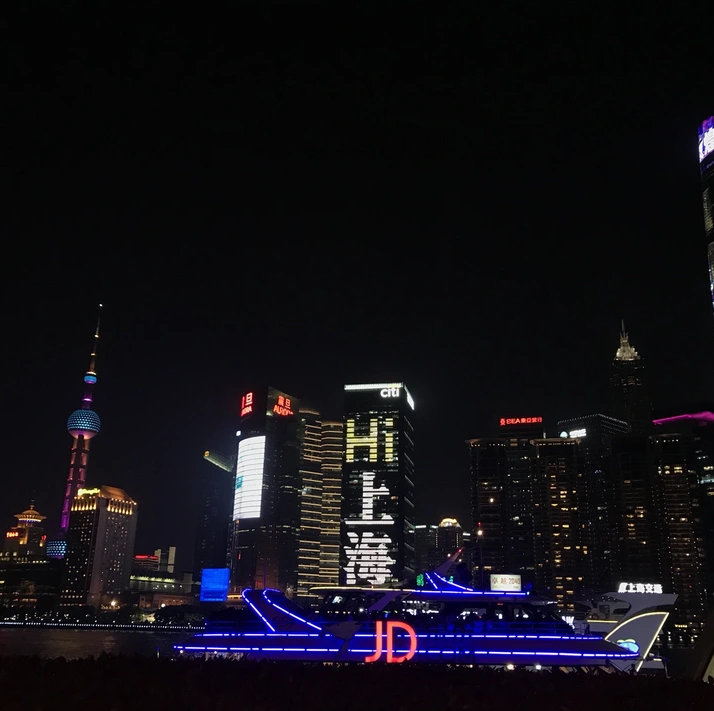
Meta Description: Discover Shanghai's magic beyond the Bund and Lujiazui. Explore hidden lanes, celebrity mansions, and local secrets in this 1500-word guide to the "Magic Capital." Perfect for first-time visitors and seasoned travelers alike.
Introduction: Why Shanghai Never Stops Surprising You
Two years ago, I stepped off the train at Hongqiao Railway Station into an unexpected downpour. The rain splattered against century-old buildings along the Bund, sending up fine mist—a fitting introduction to a city that feels both ancient and youthful, elegant and wild. Shanghai, nicknamed "Mó Dū" (the Magic Capital), has a way of keeping you on your toes.
After nearly two years living here, I still feel like a tourist—backpack slung over my shoulder, camera in hand, weaving between alleyways and skyscrapers every weekend. It's not intentional. This city simply hides too many surprises. Someone once asked me: "How many days does it take to see all of Shanghai?" I smiled and shook my head. Not days. Not even two years. I'd only dare say I've barely scratched the surface.
This guide isn't just a list of attractions. It's a deep dive into Shanghai's soul—from the glittering Bund to the quiet, tree-lined lanes where history whispers. Whether you're planning your first trip or returning for a deeper experience, you'll find secrets most tourists miss.
The Bund: Shanghai's Timeless Cover Photo

The Bund's International Architecture: A Frozen Epic
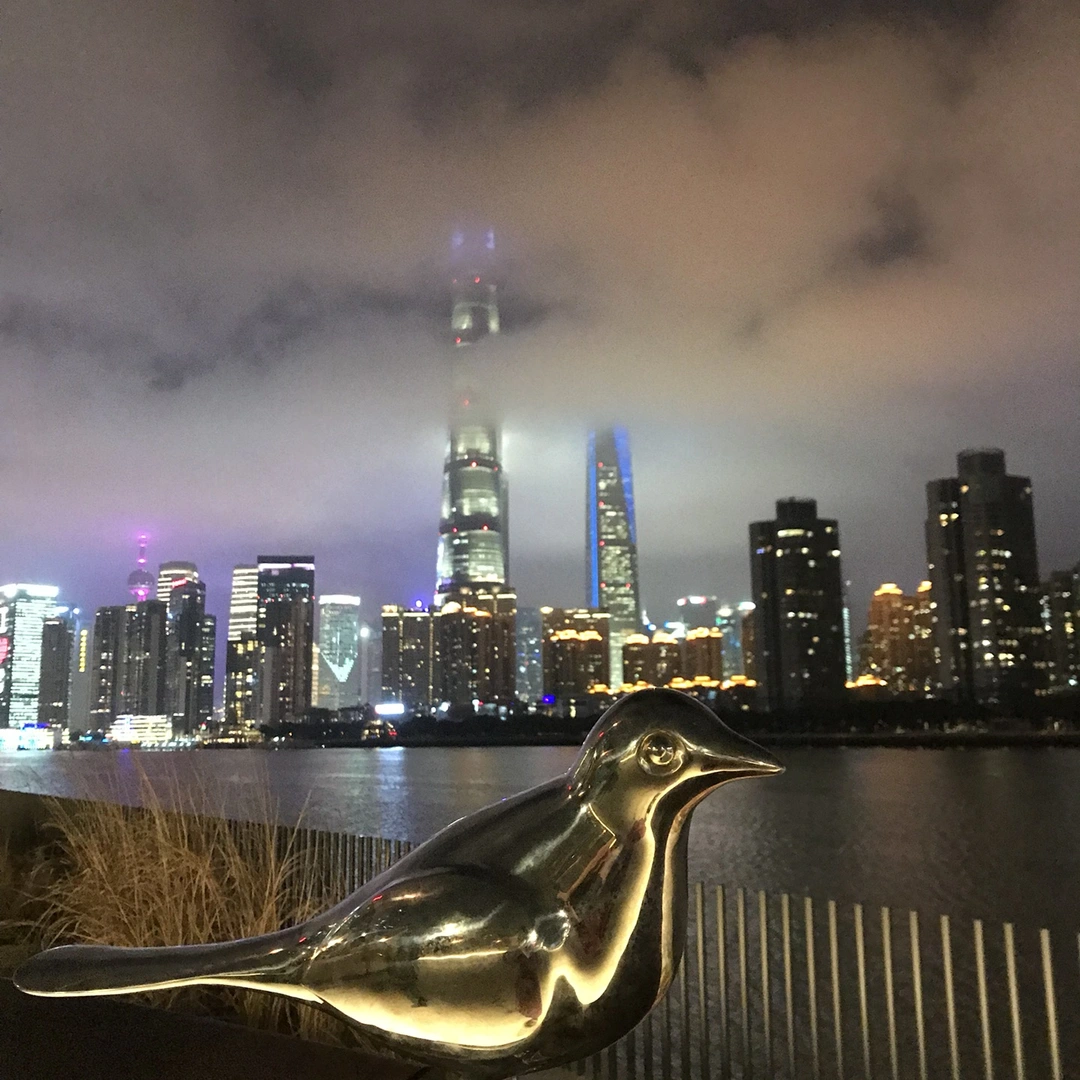
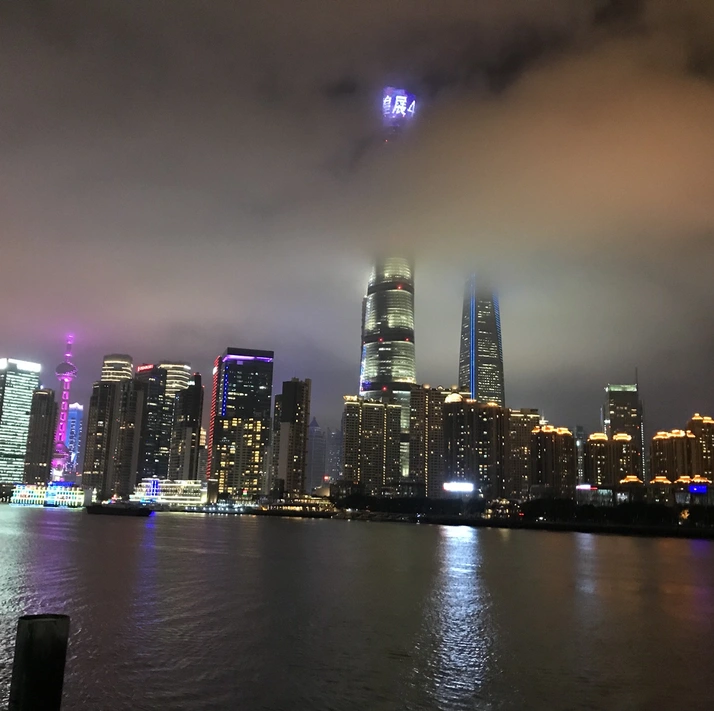
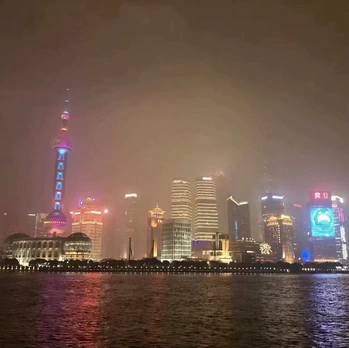
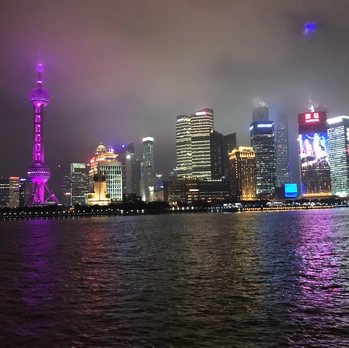
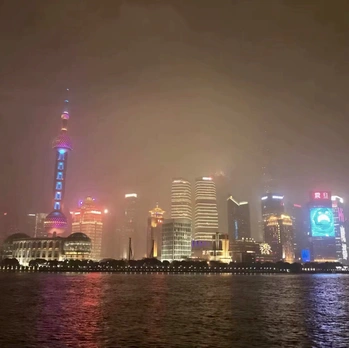
The Bund—so over-photographed it's almost cliché—remains my endless source of wonder. On sunny days, it's a watercolor painting; on overcast days, a hazy poem; on foggy days, a dreamscape where the Oriental Pearl Tower appears and disappears like a sci-fi city floating midair.
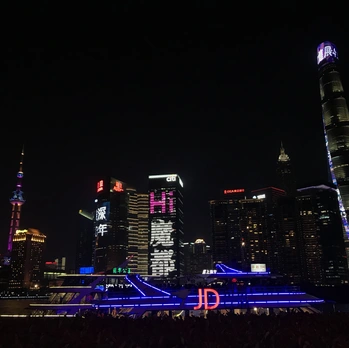
Those European-style buildings known as the "International Architecture Cluster" might seem repetitive at first glance. But once you learn their stories, each reveals its own personality. From No.1 to No.18 on the Bund, these aren't just piles of bricks—they're a hands-on "Lego" history book. The Peace Hotel's green pyramid roof, the Customs House's chimes, the bronze lions in front of the HSBC Building... every detail whispers a century of Shanghai's dramatic changes.
Practical Tip: To avoid crowds, visit at 6 AM or after 11 PM. Early mornings belong to joggers; late nights to lovers and solitary thinkers. Walk along the river from Waibaidu Bridge to Shiliupu Pier—about 2 kilometers—the best way to experience the Bund.
[Link: Best time to visit the Bund]
Lujiazui: Surreal Reality Above the Clouds
The "Kitchen Trio" and the Oriental Pearl
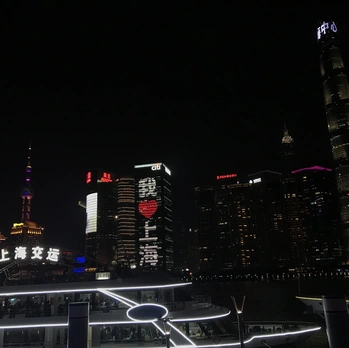
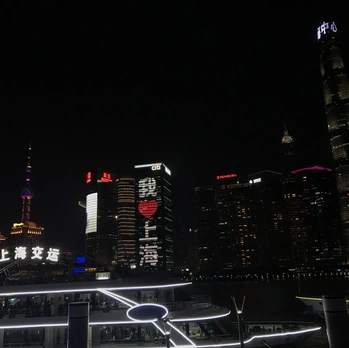
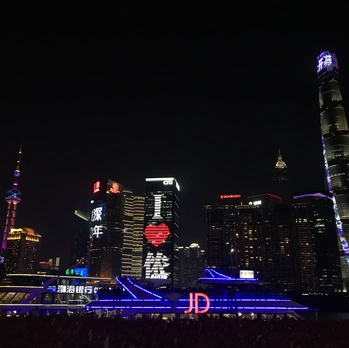
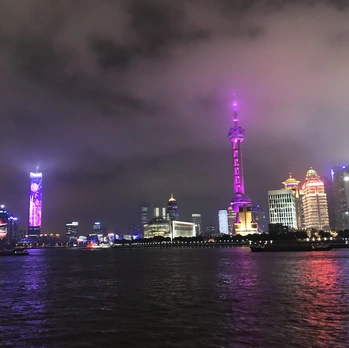
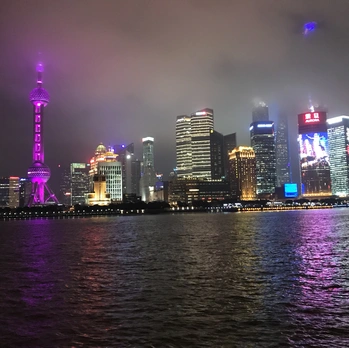
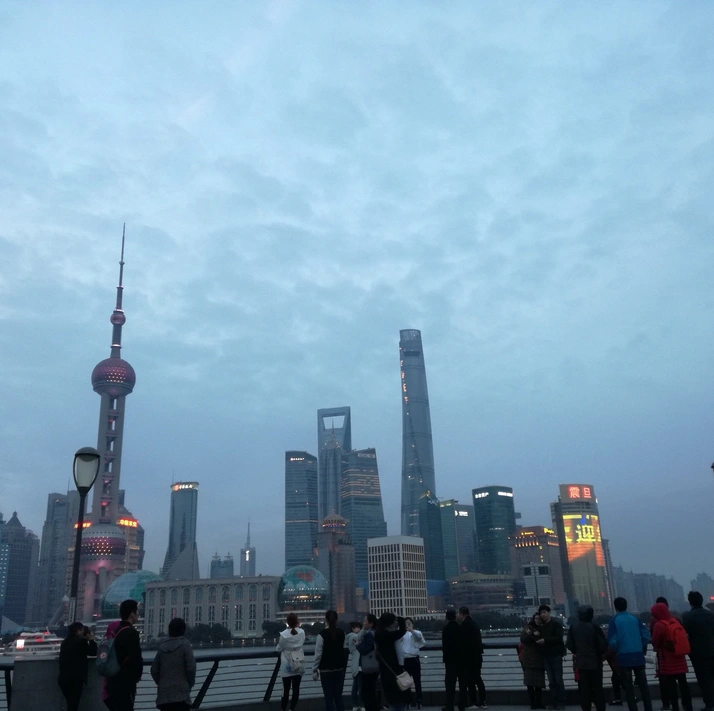
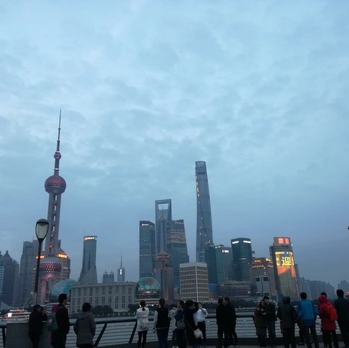
Standing on Lujiazui Ring Road and looking up, you'll see Shanghai's most surreal sight: the Shanghai Tower (the egg beater), the Shanghai World Financial Center (the bottle opener), and the Jin Mao Tower (the syringe)—nicknamed the "Kitchen Trio." Together with the Oriental Pearl TV Tower, they define Shanghai's skyline.
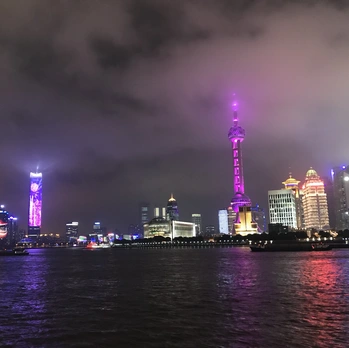
The Oriental Pearl is like Beijing's Tiananmen—the city's ID card. But what fascinates me most is Lujiazui's day-to-night transformation. By day, it's a battlefield for suited financial elites. At dusk, when the lights flicker on, the small building in front of the Disney flagship store puts on a mini light show set to music—a reminder that even the most serious city has a fairy-tale side.
Hidden Gem: Lujiazui Central Green is a treasure many overlook. Amid the concrete jungle, this green patch shines like an emerald. Sit in the pavilion, feel the breeze, watch office workers sunbathing on the lawn during lunch breaks—you'll glimpse the city's gentle side.
[Link: Shanghai skyline viewing spots]
The Side Streets: Shanghai's True Soul
If the Bund and Lujiazui are Shanghai's "face," then streets like Hengshan Road, Sinan Road, Yuyuan Road, Julu Road, and Wukang Road—lined with plane trees—are its "heart." Here, there's no oppressive skyscraper canyon, only dappled shadows cast by French plane trees and century-old villas quietly telling their tales.
Hengshan Road: A Time Tunnel of Exotic Charm
Hengshan Road stretches south to Xujiahui and north to Huaihai Road, acting as a "mute button" between two bustling hubs. The French plane trees and eclectic European architecture make you feel like you're strolling down a Parisian street. Once the upscale residential area of the French Concession, every villa hides a legend—Song Ziwen's mansion, Chiang Kai-shek and Soong Mei-ling's love nest, Lan Ni's residence. Today, most have been converted into restaurants, bars, or galleries, where history and modernity coexist.
Sinan Road: Huaihai Road's "Inner Chamber"
Named after French composer Jules Massenet, Sinan Road is a clean, romantic one-way street. Rows of plane trees connect Huaihai Road with Xujiahui. The garden villas here come in British, French, and Spanish styles, showcasing nearly every residential form of old Shanghai—a "living textbook of urban history."
Must-Visits: The Former Residence of Zhou Enlai, the Former Residence of Sun Yat-sen, and the Former Residence of Mei Lanfang (a four-story Spanish-style villa). When you're tired, grab a coffee at the Starbucks in Sinan Mansions—during cherry blossom season, its outdoor seating looks like a painting.
Yuyuan Road: Alleyways of Republican-Era Memories
Yuyuan Road is a street full of surprises. Wander into any alley, and you might stumble upon a 1930s garden villa—Tudor-style dark pebble walls, stained-glass windows—every detail dripping with Republican-era charm.
Exclusive Recommendation: The "Shanghai Miniature City Memory Museum" on Yuyuan Road is the best place to understand old Shanghai's alley culture. It traces the street's history, from Cai Yuanpei and Qian Xuesen to Zhang Ailing—countless luminaries left their footprints here.
[Link: Shanghai French Concession walking tour]
Julu Road: Shanghai's "Lan Kwai Fong"
Julu Road is one of the few streets in Shanghai without bus routes. Quiet and lively interweave here. Heading east from Maoming South Road, the shops get smaller and the exotic vibe stronger. The stretch from Fumin Road to Changshu Road is packed with dozens of bars—small in scale but earning the nickname "Lan Kwai Fong."
Wukang Road: The Highest Density of Celebrity Residences
Wukang Road boasts the highest concentration of celebrity residences in Shanghai. Spanish, French Renaissance, and other architectural styles chronicle the city's development. Walking here isn't just a stroll—it's reading a three-dimensional history of modern Shanghai.
Alleys and Lilong: Shanghai's "Living Theater"
Jing'an Villa: The Largest Modern Lilong Complex
Jing'an Villa is Shanghai's largest modern lilong (lane) residential complex and the heart of the Nanjing West Road Historical and Cultural District. Residents still live the old Shanghai way—clothes hanging on bamboo poles, old men playing chess at the alley entrance, the smell of scallion pancakes drifting from kitchens. Everything here feels frozen in the last century.
Xinhua Villa: The Legend of the "Foreign Alley"
Xinhua Road's lanes 211 and 329 connect to form a horseshoe—the famous "Foreign Alley." Foreigners from many countries once lived here, with Spain, Portugal, Britain, and Sweden establishing consulates nearby. Today, though the old villas are weatherworn, they still exude elegance.
Zhang's Garden: Rise and Fall of Shanghai's "Top Garden"
Zhang's Garden was once known as "Shanghai's Number One Garden." In 1882, wealthy Wuxi merchant Zhang Shuhe bought it and named it "Weichun Garden" (Pure Taste Garden). At its peak, it hosted all kinds of entertainment—the city's trendiest social venue. Today, its glory has faded, but strolling through, you can still sense the bustle of a century ago.
Lan Ni Alley: The Legend of the Miao Princess
On West Fuxing Road, Lan Ni Alley is named after Lan Ni, a descendant of the Miao king of Yunnan. Known as the "Miao Princess," her life was full of legend—from a fallen family to marrying Sun Ke, Sun Yat-sen's son. Her story is like the alley itself: quiet, yet rippling with hidden currents.
[Link: Shanghai historic alley tours]
Parks: Shanghai's Green Sanctuaries
While skyscrapers dominate the skyline, Shanghai's parks offer breathing room. Fuxing Park is a favorite among locals practicing tai chi and ballroom dancing. Century Park in Pudong is the largest, perfect for cycling and picnics. Zhongshan Park blends history with recreation, while Gucun Park in Baoshan is famous for its cherry blossoms in spring.
Insider Tip: Visit Fuxing Park early morning (6-8 AM) to see locals practicing calligraphy on the ground with water, practicing tai chi, or playing traditional instruments. It's Shanghai's most authentic cultural experience—and it's free.
FAQ: Everything You Need to Know About Visiting Shanghai
1. How many days do I need to see Shanghai?
 At minimum, 3-4 days to cover major attractions like the Bund, Lujiazui, and the French Concession. For a deeper experience including hidden alleys and day trips to water towns, plan 5-7 days.
2. What's the best time of year to visit Shanghai?
Spring (March-May) and autumn (September-November) offer the most pleasant weather. Avoid Chinese New Year (January/February) and National Day (October 1-7) when the city is packed with domestic tourists.
3. Is Shanghai expensive for tourists?
 Shanghai can be budget-friendly or luxurious. Street food meals cost $3-5, while fine dining can exceed $100 per person. Accommodation ranges from $20/night hostels to $500+ luxury hotels. Public transport is cheap and efficient.
4. What should I not miss in Shanghai besides the Bund?
 Don't miss the Yuyuan Garden bazaar, the Shanghai Museum (free entry), a Huangpu River night cruise, and the Jing'an Temple. For food lovers, a xiaolongbao (soup dumpling) tasting tour is essential.
5. How do I get around Shanghai?
The metro is the best option—clean, fast, and covers most attractions. Taxis and ride-hailing apps like Didi are affordable. For the French Concession, walking or renting a bike is ideal.
[Link: Shanghai metro guide for tourists]
Your Shanghai Adventure Awaits
Shanghai isn't a city you "finish." It's a city you live with, return to, and rediscover. Whether you're standing on the Bund at sunrise, getting lost in the alleys of Jing'an Villa, or sipping coffee on Sinan Road during cherry blossom season, every moment adds a new layer to your understanding of this magical place.
Ready to explore Shanghai like a local? Start planning your trip today. Book your flight, download a metro app, and leave room in your itinerary for spontaneous discoveries. The Magic Capital is waiting—and it never stops surprising.
Share your Shanghai story! Tag us in your photos or leave a comment below. What hidden gem did you discover? What surprised you most about this city? Your insights might inspire another traveler's adventure.
Planning a trip to Shanghai? Check out our complete Shanghai travel guide for itineraries, food recommendations, and insider tips. [Link: Shanghai travel planning guide]
You should also read:
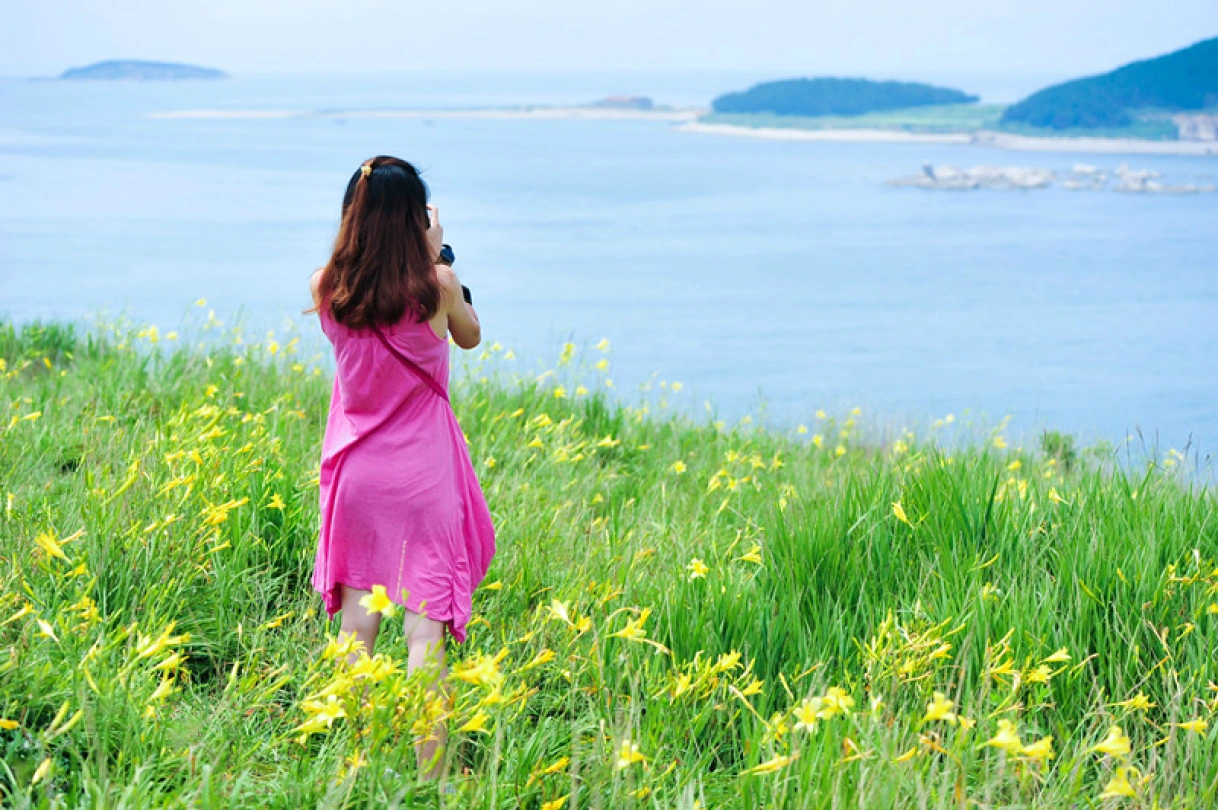
A Spontaneous Escape Through Tianjin, Beijing, and Shandong: An Unforgettable Solo Travel Adventure
Meta Description: Discover the raw beauty of a spontaneous solo journey through Tianjin, Beijing, and Shandong. From Quanjude roast duck to Tanggu night views, read this heartfelt travelogue of escape and self-discovery. The July wind carried restlessness and unease. After abruptly ending a ten-day job…
Continue reading...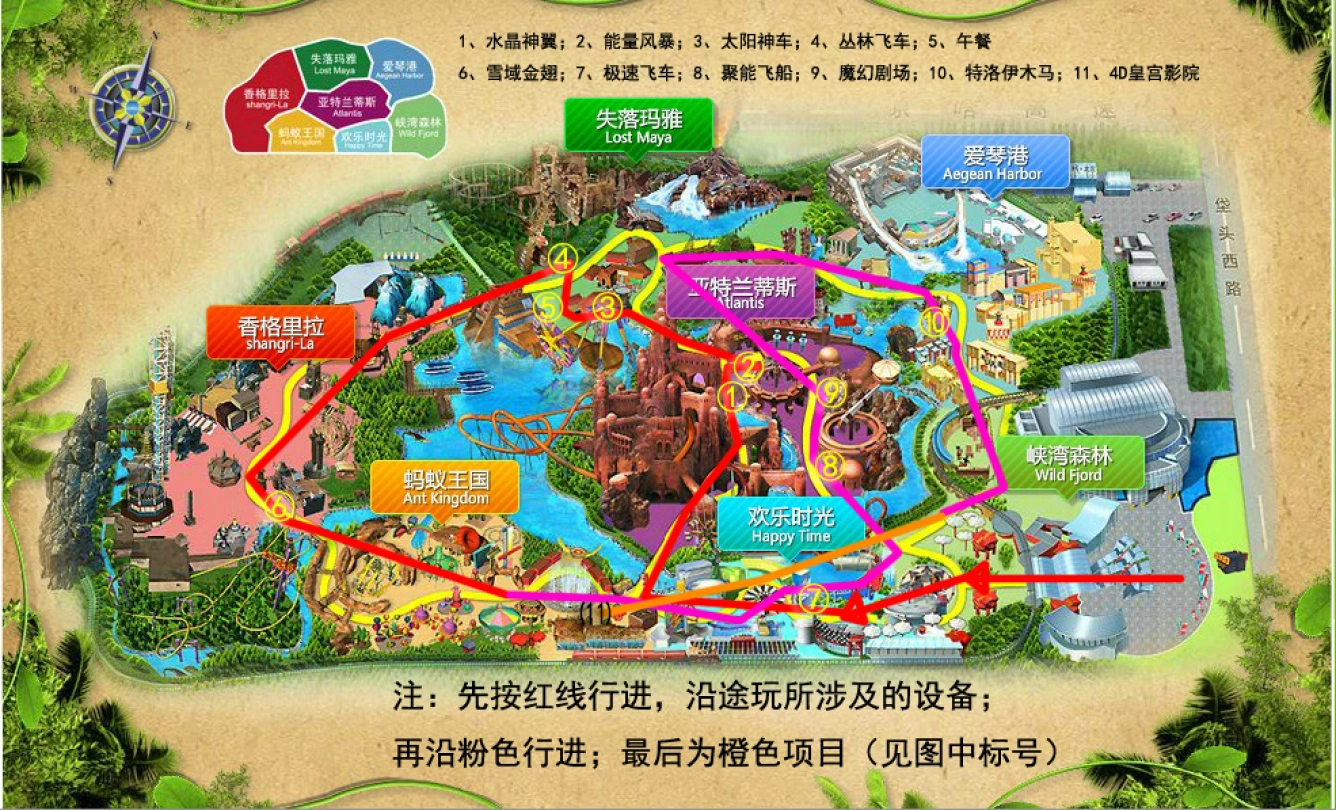
Beijing Happy Valley Ultimate Money-Saving Guide: Ride Everything, See Every Show in One Day
Here is the SEO-optimized, rewritten article based on the source material. It is structured for readability, keyword density, and user engagement, targeting approximately 1500 words. SEO Title: Beijing Happy Valley Ultimate Money-Saving Guide: Ride Everything & See Every Show in One Day Meta Description: Maximize…
Continue reading...
A Passionate Journey Through Beijing & Tianjin: Beijing Complete Guide – JOJO's In-Depth Travel Notes
Meta Description: Explore Beijing & Tianjin in 5 days with this complete travel guide. From the Forbidden City to the Great Wall, discover insider tips, transportation hacks, and must-see attractions. Plan your perfect China trip today. Beijing is not just a city—it's a living museum…
Continue reading...