Hometown is Beijing: A Native's Memories and Life in the Capital – An Insider's Guide to Authentic Beijing
Meta Description: Discover Beijing through the eyes of a native. From hutong memories to hidden gems like Zizhuyuan Park, this insider's guide reveals the real capital beyond tourist traps. Perfect for travelers seeking authentic experiences.
Introduction: More Than a Travel Guide – A Beijinger's Heartfelt Chronicle
If you opened this article expecting a standard Beijing travel guide, you might be disappointed. There's no "Three Days to See Beijing" itinerary here, nor any "Top Ten Must-Visit Attractions" list. This is simply the fragmented memories of someone who grew up in Beijing's hutongs (traditional alleyways), accumulated over more than a decade.
From 2005 to the present, I've used my camera to capture Beijing's many faces—the sun-drenched corner towers of the Forbidden City, the Central TV Tower shrouded in smog, the bustling Nanluoguxiang, and the now-vanished Yangjiajing Hutong. My photography skills are far from professional, but these photos hold real life.
Some say Beijing is a city you both love and hate. You love its profound heritage, you hate its breakneck pace. But for me, this is home—a place where the sound of pigeon whistles tells you it's morning, and neighbors in the alley ask, "Have you eaten yet?" (吃了么您内) as they pass.
18 Little-Known Facts About Beijing from a Local's Perspective

Before we dive deeper, here are some cold facts and personal observations about this city. These aren't official statistics, but slices of real life through a Beijinger's eyes:
- The Flag-Raising Ceremony? Honestly, I've never seen it once. I did catch the flag-lowering once—only because the road was closed for it, and I got a "convenience version" stuck in traffic.
- The Great Wall—the only time I went was on a middle school field trip, and we just wandered around at the base without setting foot on a single step.
- Tiananmen Square—the place where I joined the Young Pioneers. Qianmen (the Front Gate) no longer looks like it used to. Nowadays, I go there mostly for the National Museum or to catch a show at the "Boiled Egg" (the National Centre for the Performing Arts).
- I've rowed on Beihai, listened to echoes at the Temple of Heaven, and seen just how huge Tsinghua and Peking University are—these places feel like backyard playgrounds to Beijing kids.
- Growing up in a hutong—using the toilet was indeed inconvenient, but the warmth of neighborly life is something apartment dwellers will never understand.
- The sound of Beijing, to me, is the pigeon whistle. Waking up to it in the morning is the gentlest way to start the day.
- The Bird's Nest—even free tickets for the 2008 Olympics couldn't get me there. I still have no desire to go inside.
- The Water Cube, I did visit—because it has a water park inside, perfect for taking kids to play in summer.
- The Forbidden City, the Summer Palace—I've been dozens of times and never get tired of them. A heads-up: guided tours usually only cover about one-third of the entire complex.
- Xidan and Wangfujing are definitely worth visiting—great places for movies and food. But skip Wangfujing's so-called "snack street." Blue Harbor (Solana), Wudaoying, Parkview Green, and Sanlitun are much better choices.
- Shichahai's snacks? Save your money. The Huguosi snacks (a local chain) found everywhere are just fine.
- Beijing roast duck—Quanjude? Heard of it, never been. Da Yali, Sijiminfu, Xiyusanli, Da Dong—these are the local favorites.
- Guozijian (the Imperial College) for exam success, Baiyun Guan (the White Cloud Temple) for protection from the year's zodiac deity, Badachu (the Eight Great Sites) for enlightenment and health. There's an old saying: "For men, Yonghe Temple; for women, Hongluo Temple; Tanzhe Temple came first, then came Beijing City."
- Ghost Street (Guijie) has no ghosts—it's packed with grilled fish and spicy crayfish joints. Even at 2 a.m., it's buzzing with noise.
- Liulichang (the Antique Street) and Panjiayuan (the Antique Market)—these are the places to visit in Beijing for a real experience. Just feast your eyes; don't actually spend money.
- The Prince Gong Mansion—visit it and you'll understand the saying, "When Heshen fell, Jiaqing ate his fill."
- Beijing's museums—there are countless big and small ones. If you've got nothing better to do, it's a waste not to visit them. The National Museum, the Capital Museum, Guanfu Museum, the Film Museum—oh, and the Forbidden City is a museum too.
- Aquariums—Beijing is seriously lacking in large ones. The biggest is still the one inside Beijing Zoo.
Haidian District: My Roots, My Childhood – A Native's Beijing Story
I was born in Haidian, grew up in Haidian, and never left this district from elementary through high school. I watched with my own eyes as Zhongguancun transformed from an electronics market into a forest of office buildings, and as the area around the Summer Palace turned from vast farmland into wide roads.
When I was little, I lived in a bungalow, and life in the hutong remains unforgettable. We didn't have air conditioning at home, and Beijing wasn't as hot as it is now. Looking back, I have no idea how we got through it. My deepest summer vacation memories are of buying a whole box of popsicles for 20 yuan (about $3)—pure bliss. Back then, TV stations had no programming on Tuesday afternoons, and Yunnan TV would always play "The Legend of White Snake" (New White Lady Legend) all summer. Neighborhood kids would hang out and play together; the more advanced entertainment was video games. Winter vacation's highlight was Chinese New Year—buying a big bag of fireworks for just a few dozen yuan.
As Beijing developed, Haidian's IT genes were fully activated. The presence of the College Road (Xueyuan Lu) and two top-tier universities made Zhongguancun, Shangdi, and Wudaokou the cradle of China's internet industry. To this day, Haidian remains home to major internet companies.
Finally, let me commemorate the hutong where I was born—Yangjiajing Hutong in Haidian District. It has disappeared from Haidian's map, but those memories will never fade.
Tsinghua University: A Campus That Feels Like a Park
My grandfather was a retired cadre from Tsinghua, so I grew up playing on the campuses of both Tsinghua and Peking University. But honestly, I didn't absorb any "academic nourishment." Later, after Zhongguancun relocated, I didn't set foot in Tsinghua for over a decade. It wasn't until the offline meetup for "National Treasure" (a popular TV show) was held here that I returned.
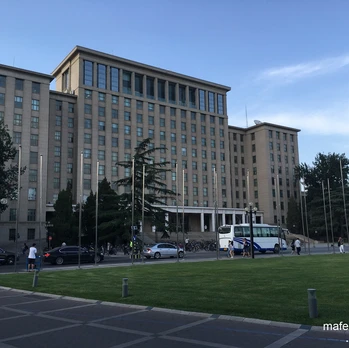
Tsinghua's campus is much larger than Peking University's—best to rent a bike. Walking? It's a good workout. As I strolled around, I couldn't help but scold myself: "Why didn't I study harder back then…"
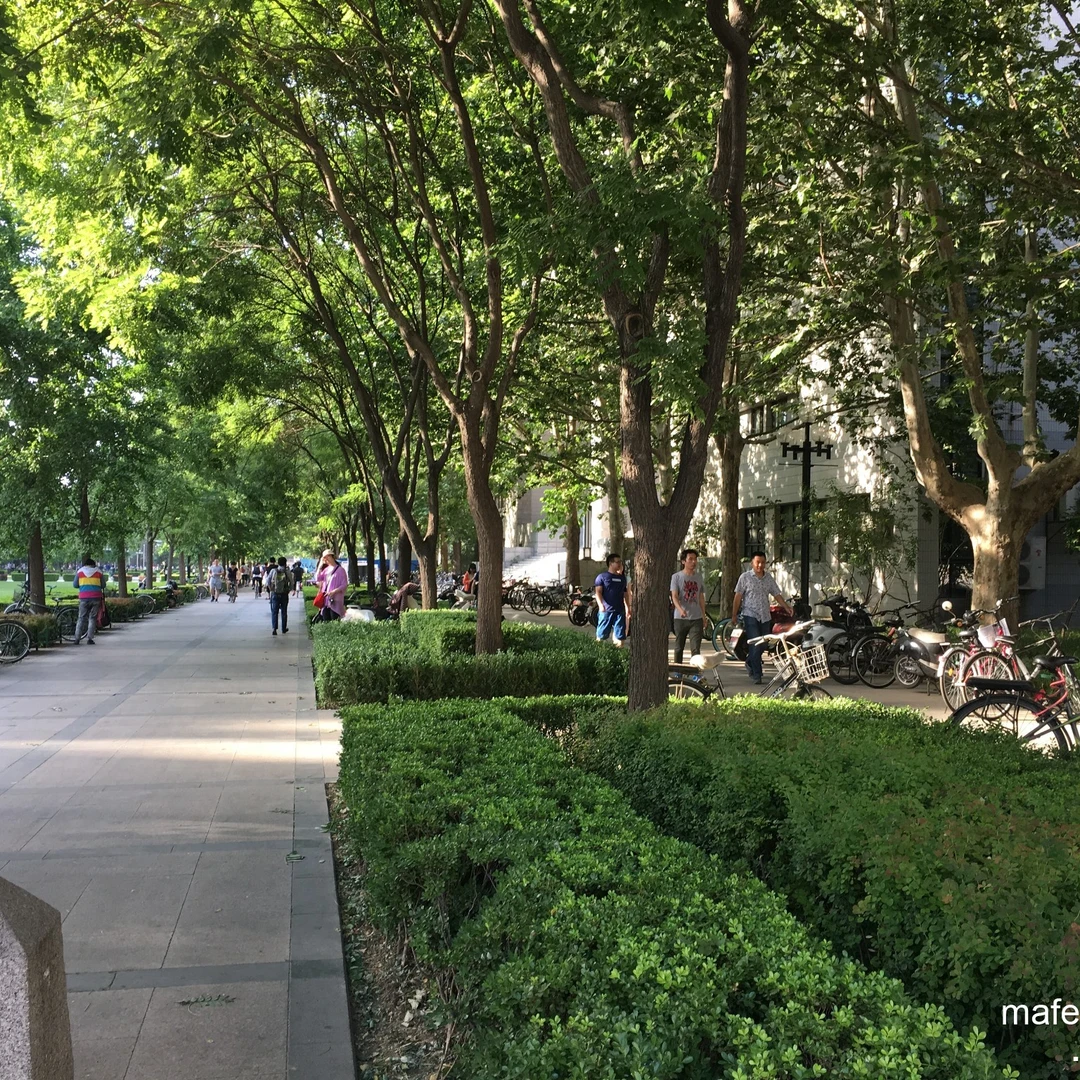
Tsinghua has an incredibly high green coverage rate—it's like they built a school inside a park. The square in front of the centennial auditorium remains, in my mind, the most beautiful campus scenery.
The Summer Palace (Yiheyuan): Beijing's Imperial Garden Gem
Tiananmen, the Great Wall, and the Summer Palace—the three must-visit places for anyone coming to Beijing. Because of family connections, I came here often as a child and explored nearly every corner of the garden. The open area is now larger than before, and aside from the increasing crowds, it still feels the same.
As one of the best-preserved imperial gardens, it offers much more to see than the nearby Old Summer Palace (Yuanmingyuan). Its intact buildings and clear historical features let you truly feel the grandeur of an imperial garden. Climb the Longevity Hill to the Tower of Buddhist Incense for a view, take a boat on Kunming Lake to admire the Seventeen-Arch Bridge, stroll through Suzhou Street for a taste of Jiangnan (south of the Yangtze River) charm, or walk the full perimeter of the lake for a different perspective. In short, the Summer Palace is worth visiting and worth savoring slowly.
I recommend renting an audio guide. A full tour takes about 5 hours; a half-tour hitting the main attractions is usually enough.
Zizhuyuan Park (Purple Bamboo Park): A Hidden Local Favorite
Built in 1953, Zizhuyuan Park is named after the "Fuyin Zizhuyuan" (Blessed Shade Purple Bamboo Garden). This park is a beloved retreat for locals, offering a peaceful escape from the city's hustle. With its serene bamboo groves, tranquil lakes, and traditional pavilions, it's perfect for a leisurely stroll or a morning tai chi session. Unlike the tourist-packed attractions, Zizhuyuan feels authentically Beijing—a place where grandpas fly kites and couples row paddleboats under willow trees.
Beijing Travel Tips: What Locals Really Recommend
Where to Eat Like a Beijinger
- Beijing Roast Duck: Skip Quanjude. Head to Da Yali, Sijiminfu, Xiyusanli, or Da Dong for the real deal.
- Snacks: Avoid Shichahai's overpriced stalls. Huguosi snacks (a local chain) are affordable and authentic.
- Nightlife: Ghost Street (Guijie) is open 24/7 for grilled fish and spicy crayfish. For a more refined evening, try Sanlitun or Wudaoying.
What to Skip and What to See
- Skip: Wangfujing's "snack street" (it's a tourist trap).
- See: Liulichang (Antique Street) and Panjiayuan (Antique Market) for cultural immersion—just look, don't buy.
- Don't Miss: The Prince Gong Mansion to understand the saying, "When Heshen fell, Jiaqing ate his fill."
Museums Worth Your Time
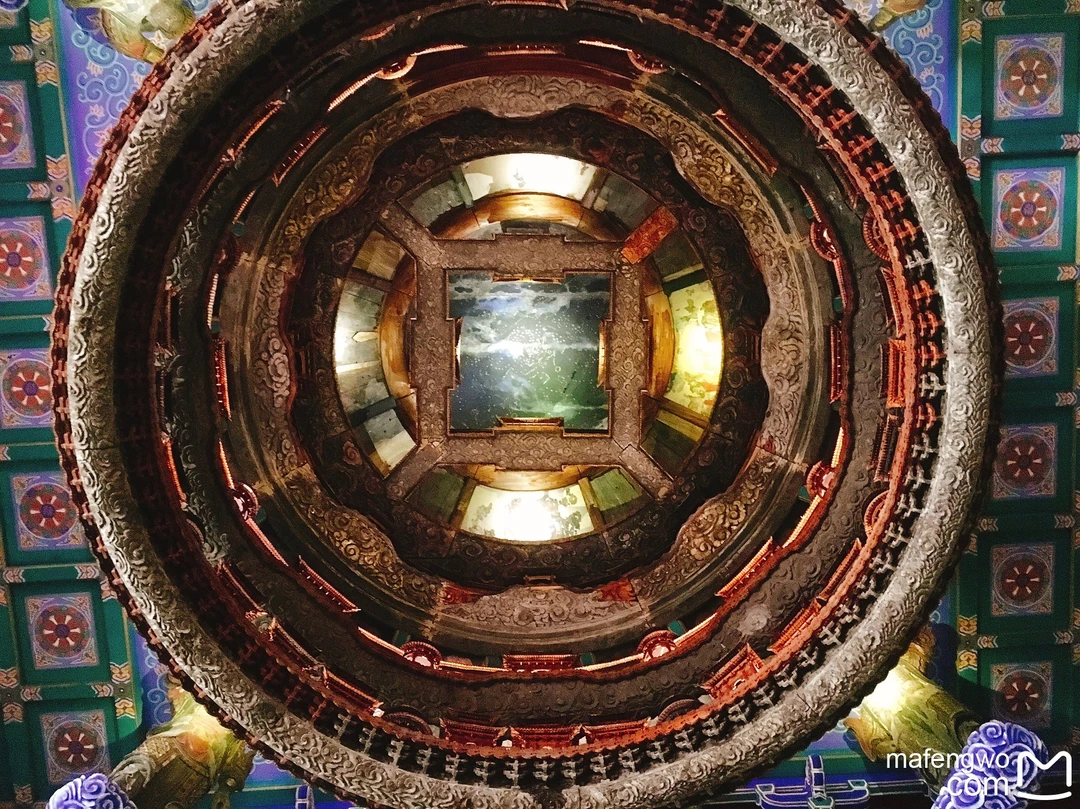
Beijing's museum scene is world-class. The National Museum, Capital Museum, Guanfu Museum, and the Film Museum are all excellent. And yes, the Forbidden City is a museum too—don't forget that.
FAQ: Your Beijing Questions Answered
1. Is Beijing safe for solo travelers?
 Absolutely. Beijing is one of the safest major cities in the world. Violent crime is rare, and the public is generally helpful. Just watch your belongings in crowded areas like markets and subway stations.
2. What's the best time to visit Beijing?
Spring (April-May) and autumn (September-October) offer the most pleasant weather—mild temperatures and clear skies. Summer is hot and humid, while winter is cold but less crowded.
3. How do I get around Beijing efficiently?
 The Beijing subway is extensive, affordable, and English-friendly. For shorter trips, use Didi (China's Uber) or taxis. Avoid driving during peak hours—traffic jams are legendary.
4. Is Beijing expensive for tourists?
It can be, but it doesn't have to be. Street food and local eateries are cheap. Attractions like the Forbidden City and Summer Palace have reasonable entrance fees. Budget around $50–$100 per day for a comfortable trip.
5. What's the best way to experience hutong culture?
Take a rickshaw tour or simply walk through hutongs like Nanluoguxiang, Wudaoying, or Yangmeizhu. Visit a local family's home if you can, or join a cooking class to learn Beijing-style dishes.
Conclusion: Your Beijing Adventure Awaits
Beijing is not just a city—it's a living museum, a culinary paradise, and a place where ancient traditions meet modern innovation. Whether you're exploring the majestic Summer Palace, wandering through hutongs, or savoring a plate of Peking duck, every moment here tells a story.
Your turn: Ready to experience Beijing like a local? Start planning your trip today. Book your flights, pack your camera, and prepare to fall in love with this incredible capital. And when you're here, remember: the best memories aren't found in guidebooks—they're made in the moments you least expect.
Share your Beijing story in the comments below, or tag us on social media with #RealBeijing. We'd love to hear about your adventures!
[Internal Linking Suggestions] - [Link: Best Beijing street food guide] - [Link: How to visit the Forbidden City without crowds] - [Link: Top 10 Beijing museums for history lovers] - [Link: Complete guide to Beijing hutongs] - [Link: Beijing vs Shanghai: Which city to visit first?]
You should also read:
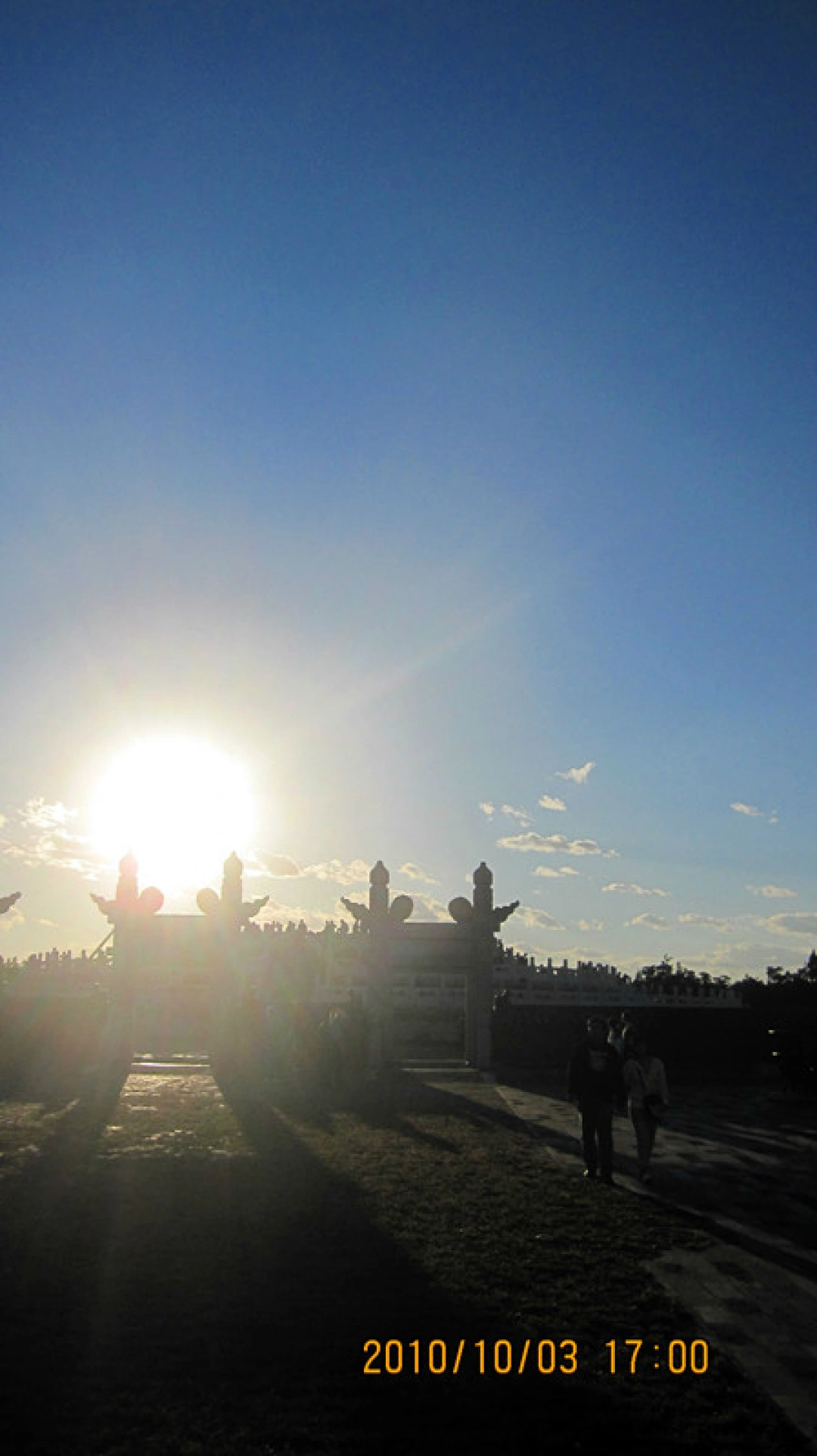
A Passionate Journey Through Beijing & Tianjin: Beijing Complete Guide – JOJO's In-Depth Travel Notes
Meta Description: Explore Beijing & Tianjin in 5 days with this complete travel guide. From the Forbidden City to the Great Wall, discover insider tips, transportation hacks, and must-see attractions. Plan your perfect China trip today. Beijing is not just a city—it's a living museum…
Continue reading...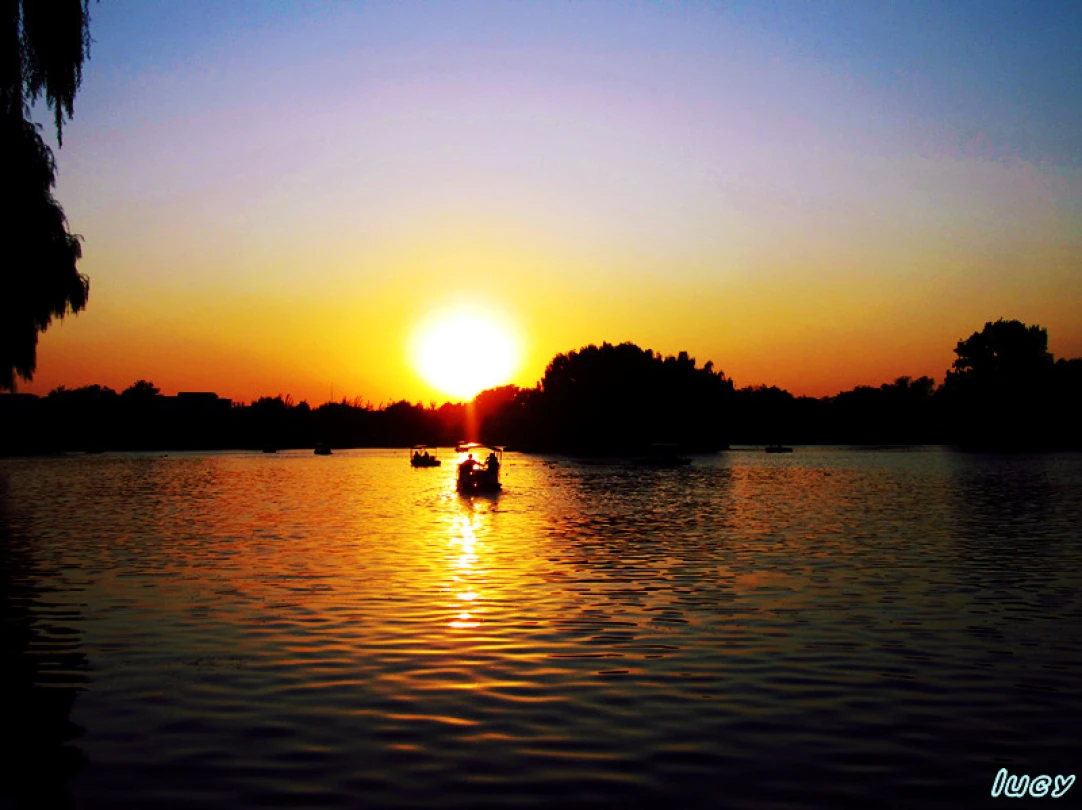
A Solo Journey Through Beijing: One Girl's Seven-Day Adventure
Here is the SEO-optimized, rewritten article based on your source material. It is structured for high readability, keyword density, and user engagement, targeting approximately 1500 words. SEO Title: Solo Travel in Beijing: One Girl’s 7-Day Budget Adventure (2,000 Yuan Itinerary) Meta Description: Discover the ultimate…
Continue reading...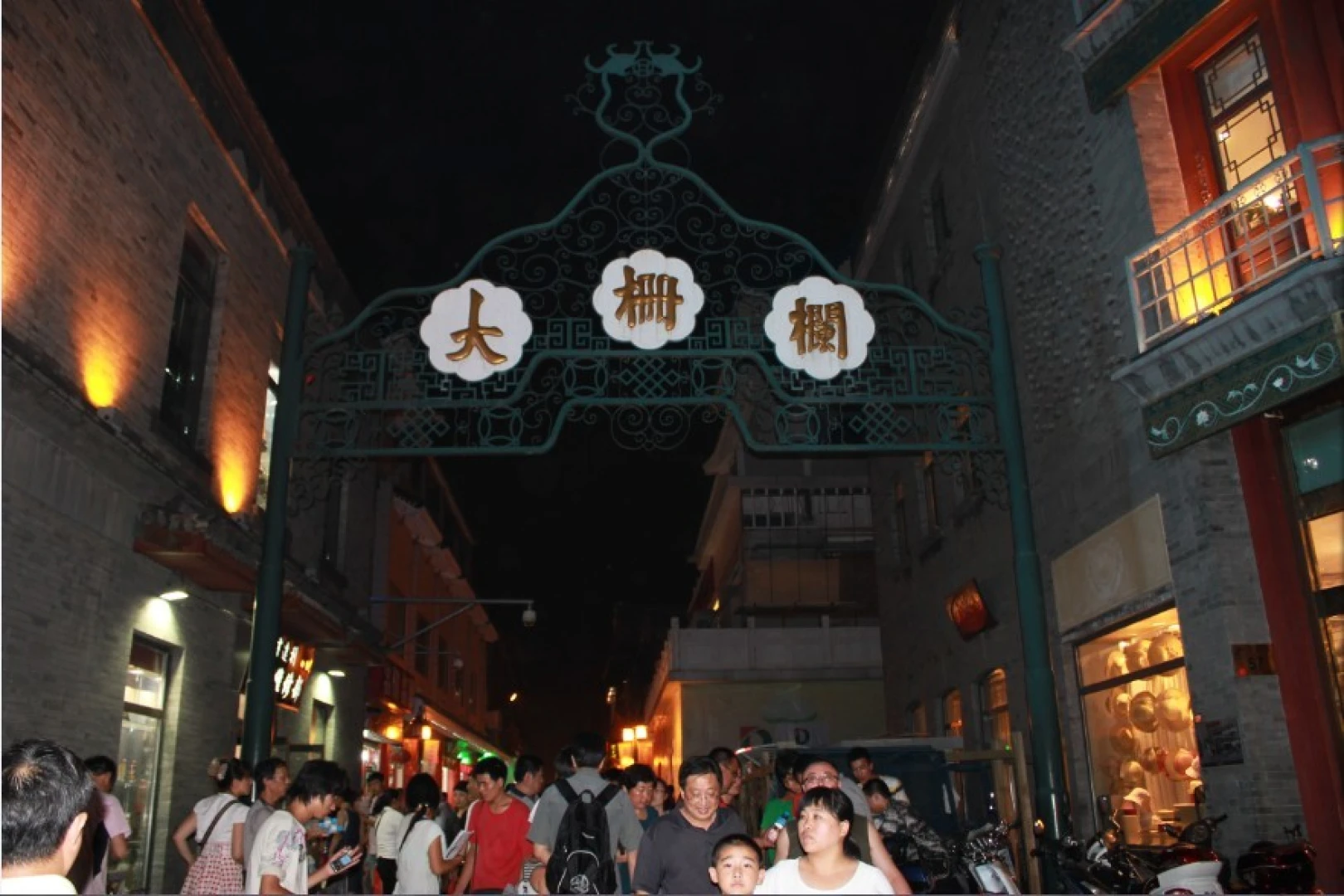
28 Hours Hard Seat to Beijing: A Poor Student's 16-Day Fantasy Journey Through the Capital
Meta Description: Discover how one budget traveler survived a 28-hour hard seat train ride from Nanning to Beijing for just 2,200 yuan. Explore Beijing on a shoestring with insider tips, hidden costs, and honest reviews of hostels, food, and attractions. "Are you out of your…
Continue reading...