How Fortunate We Are to Be Born in China: A Journey Through Time – A Complete Travel Guide to Beijing's Historic Wonders
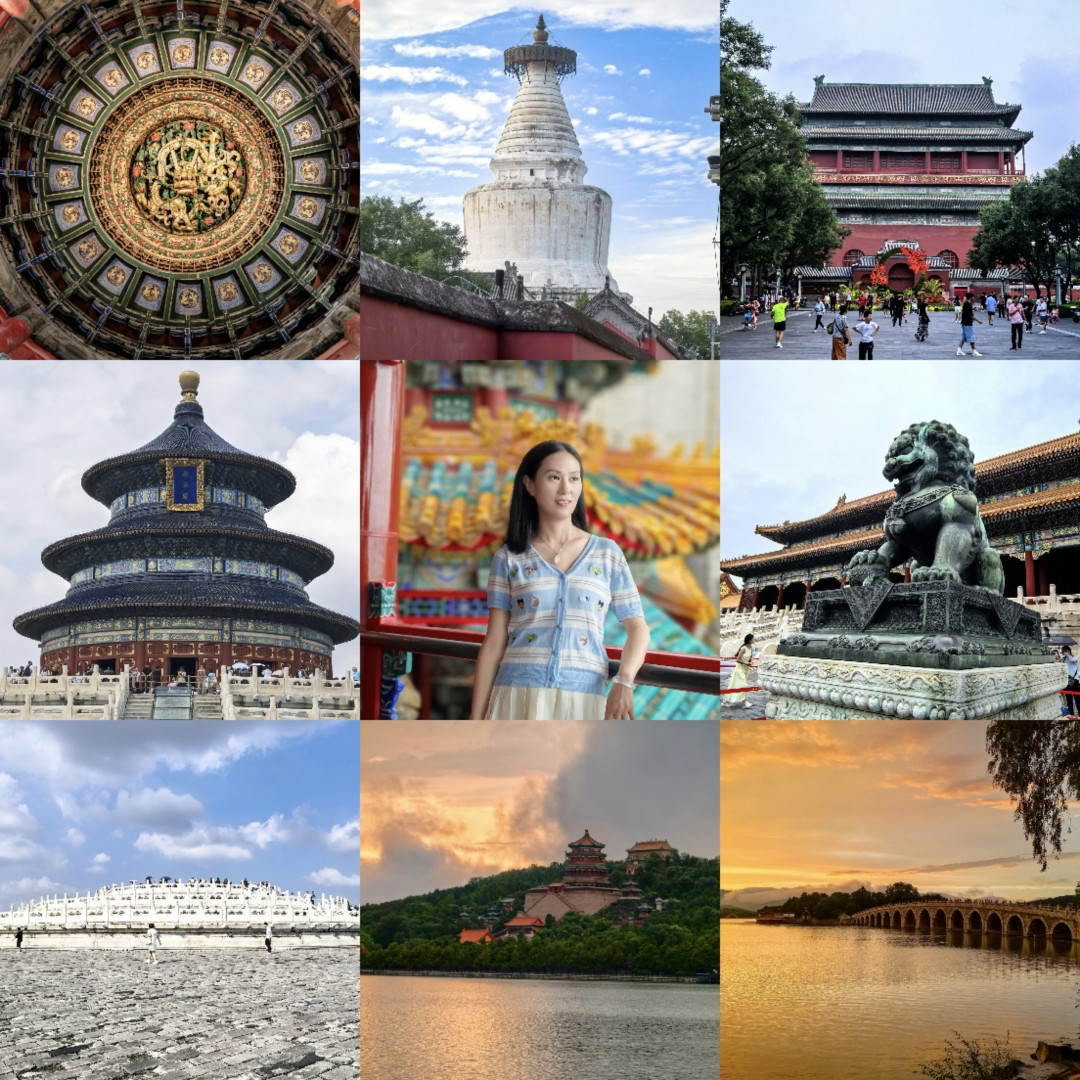
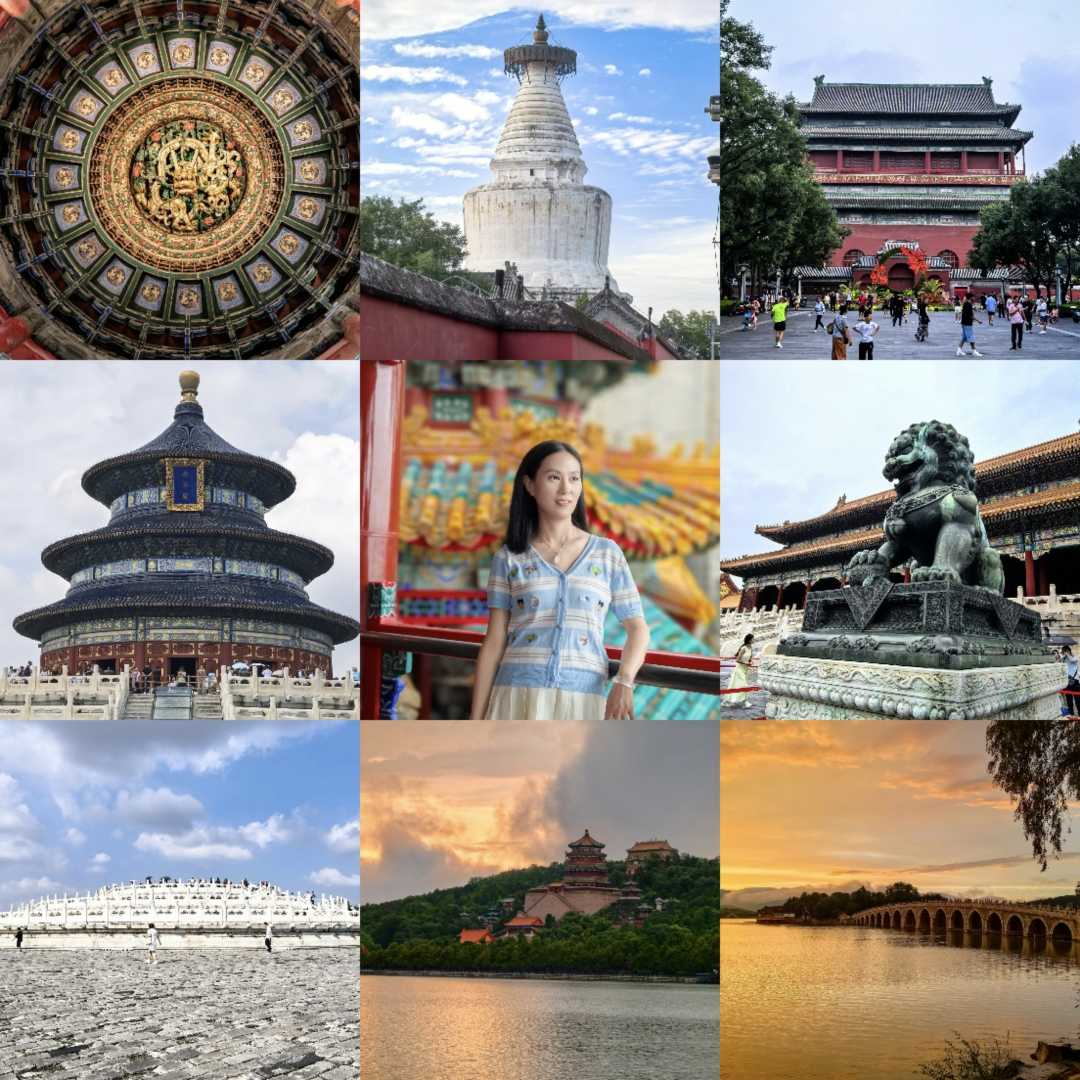
Meta Description: Discover why being born in China is a blessing. Explore Beijing's Forbidden City, Temple of Heaven, and ancient hutongs in this SEO-optimized travel guide. Experience 600 years of Chinese history firsthand.
Introduction: The Fortune of Being Born in China
To be born in China—what kind of fortune is that? It is the ability to push open a door and touch six hundred years of history. It is standing on a bridge and glimpsing the shadow of a dynasty. It is walking into a hutong (traditional alleyway) and hearing echoes from the depths of time. Every inch of mountain and river, every brick and tile on this land silently tells the stories of the Chinese people. And Beijing is where all these stories begin and end.
In this comprehensive guide, we take you on a journey through China's imperial capital—exploring its ancient architecture, cultural heritage, and timeless beauty. Whether you are planning a trip to Beijing or simply want to understand why Chinese history is so profoundly moving, this article will inspire you to appreciate the fortune of being born in this great civilization.
Beijing: A City to Be Savored Slowly
Some say Beijing is a city to be "savored." It is grand yet delicate, ancient yet modern, solemn yet steeped in everyday life. Within the crimson walls of the Forbidden City lie six centuries of change, while beneath the locust trees at hutong entrances wafts the sour aroma of douzhi (fermented mung bean drink). It's hard to define Beijing in a single sentence, but you can remember it through countless moments.
The writer Lao She once wrote: "One must live in Peking in autumn. What paradise looks like, I do not know. But judging from my life experience, autumn in Peking is paradise."
Two dynasties, three eras, six hundred years—this is the history of the imperial capital, the ancient home of Chang'an. Listen to the palace walls, walk along the long corridors, where reflections of pavilions shimmer in the water. The golden and magnificent Forbidden City—before, my understanding came only from period TV dramas. Only after walking through it in person did I realize that no description can compare to the shock of seeing it with your own eyes. The red bricks and green tiles must be witnessed firsthand.
Tiananmen Square and the Temple of Heaven: Echoes of History
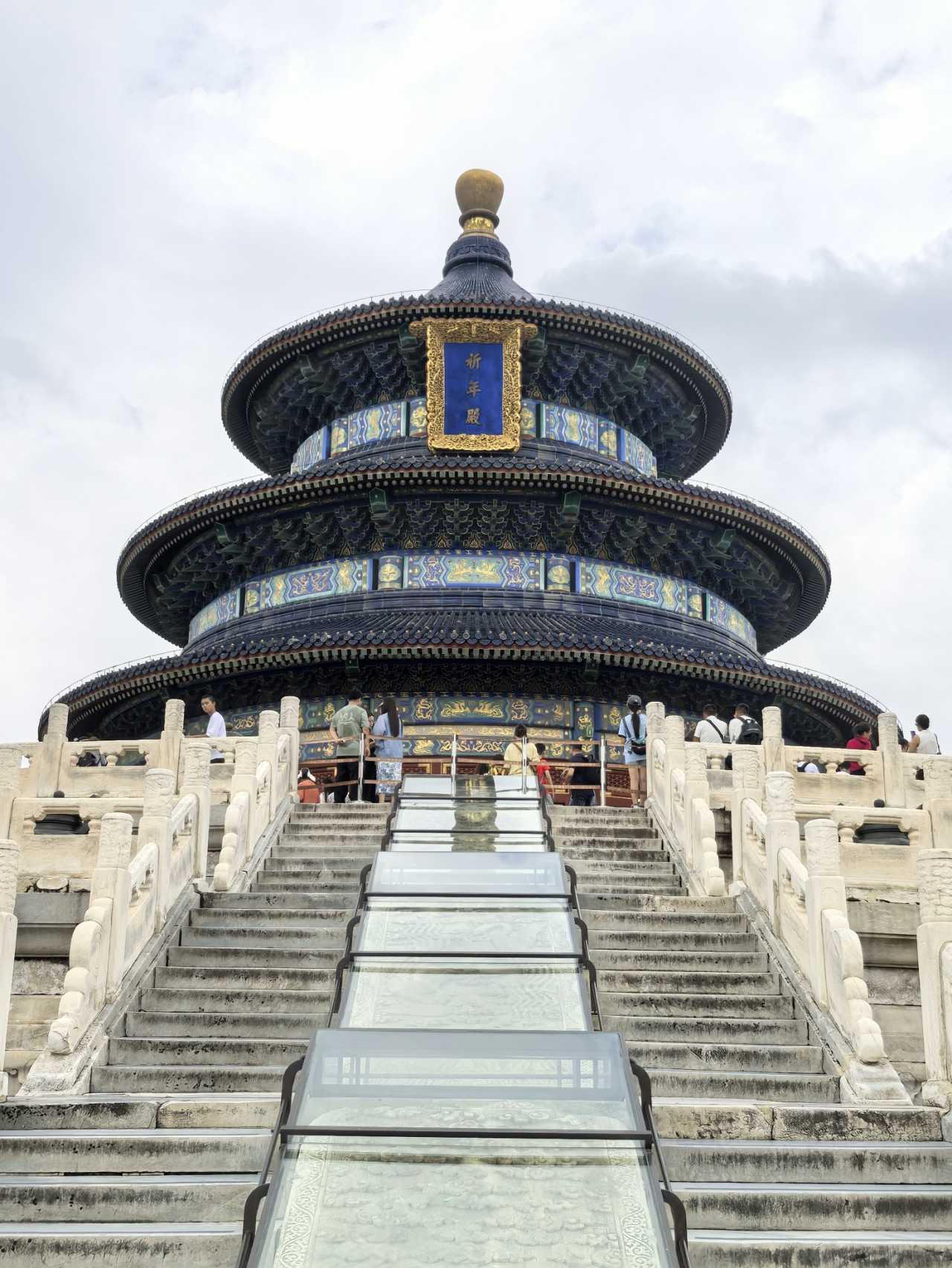
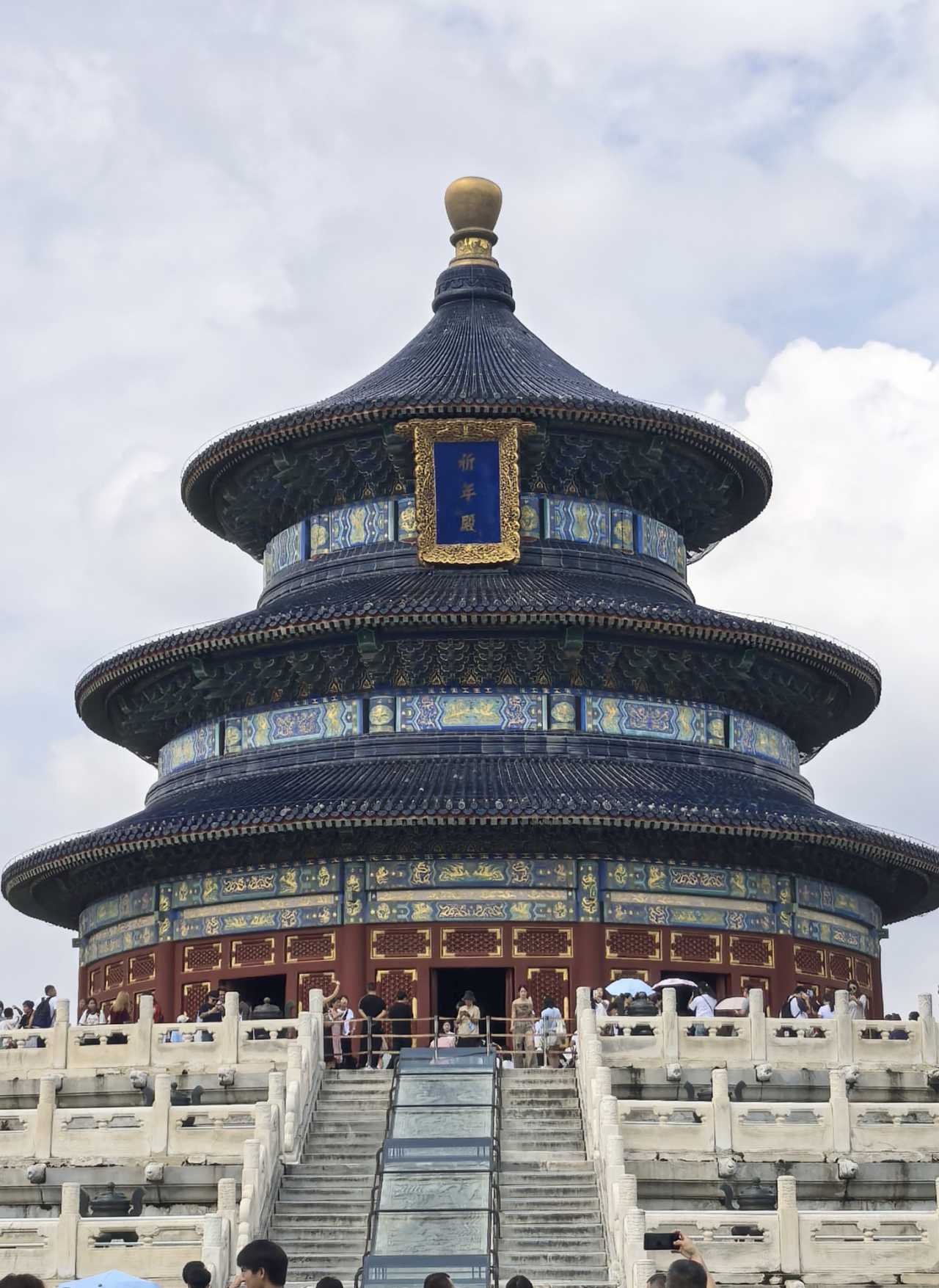
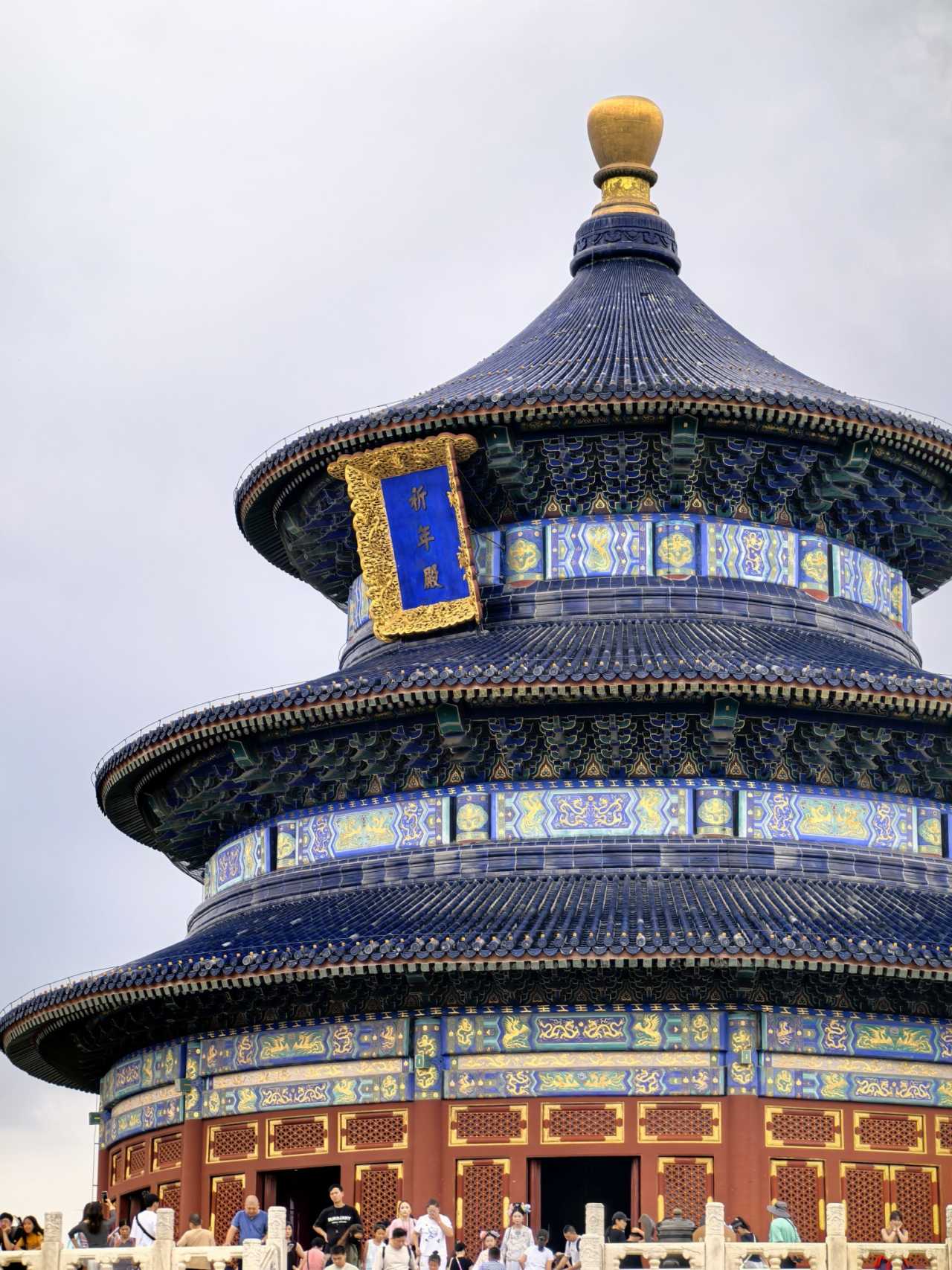
I visited Tiananmen and felt the majesty of the capital—that is the faith and strength of every Chinese person. At the Hall of Prayer for Good Harvests in the Temple of Heaven, I felt the echoes of history resonating with the modern age. Standing at a certain node of history, sensing the breaths of the past, was profoundly awe-inspiring.
When in Beijing, you must visit the Empress Dowager's back garden, feel the wind off Kunming Lake, take in the sights of the Summer Palace, experience the grandeur of the imperial gardens, and hear them whisper of the Qing Dynasty's glory and decline.
In Beijing, there are countless stories—every corner is steeped in the weight of history and the charm of culture. The endless hutongs are like tunnels through time, carrying the vicissitudes and memories of the ages, telling one moving story after another.
The power of history flows endlessly; the river of culture never dries up. Beijing is the starting point for all Chinese people, and the spiritual home to which every Chinese heart returns.
[Link: Forbidden City travel guide] [Link: Best time to visit Beijing]
The Temple of Heaven: A Dialogue Between Heaven and Earth
A Sacred Site for Heaven Worship

The Temple of Heaven Park, located in Beijing's Dongcheng District, was the site where emperors of the Ming and Qing dynasties performed rituals to "worship Heaven" and "pray for good harvests." Covering approximately 273 hectares, it is the largest existing ancient sacrificial building complex in China.
In ancient times, the emperor, as the "Son of Heaven," regularly performed sacrifices to Heaven, asserting the legitimacy and sanctity of his rule, and cementing the concept of the "Mandate of Heaven" in the minds of the people. Thus, the Temple of Heaven, as the venue for Ming and Qing emperors to pray for rain and bountiful harvests, held immense significance. It is also the largest, best-preserved, and most representative ancient sacrificial complex in the world.
The Temple of Heaven was first built during the Yongle reign of the Ming Dynasty, over 600 years ago. Its symbolic meaning embodies the ancient Chinese cosmology, the concept of divine right, and philosophical wisdom. Its layout, structure, and decorative elements all reflect a profound understanding of and reverence for Heaven, Earth, and nature.
The Hall of Prayer for Good Harvests: Pinnacle of Ancient Chinese Architecture
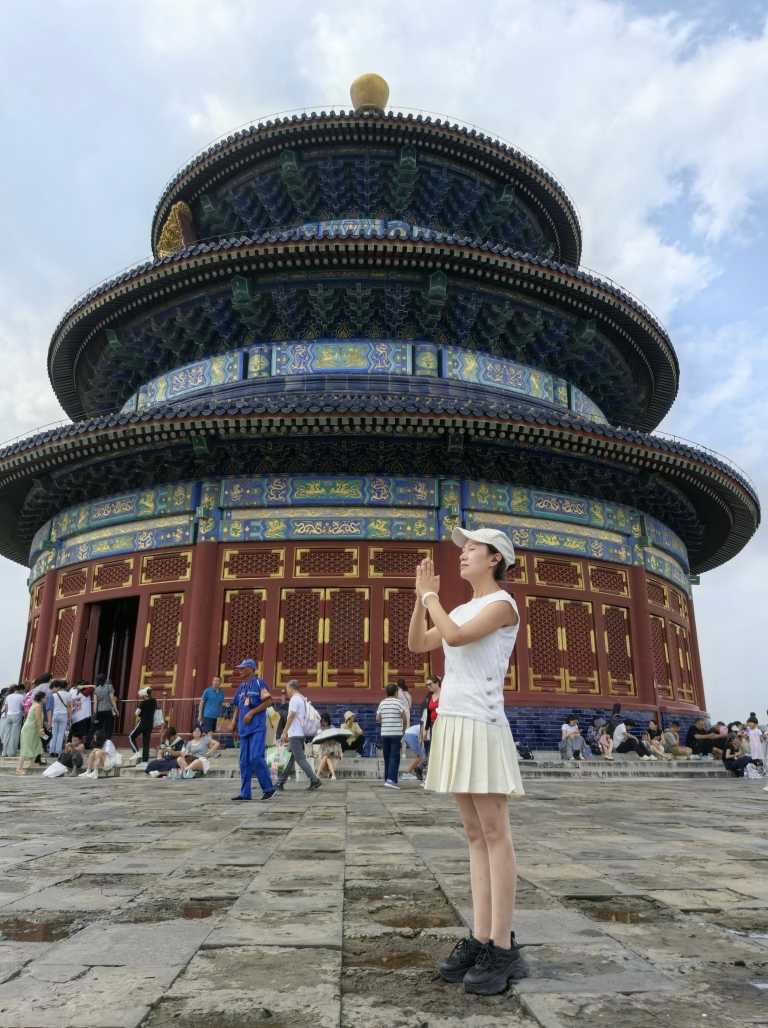
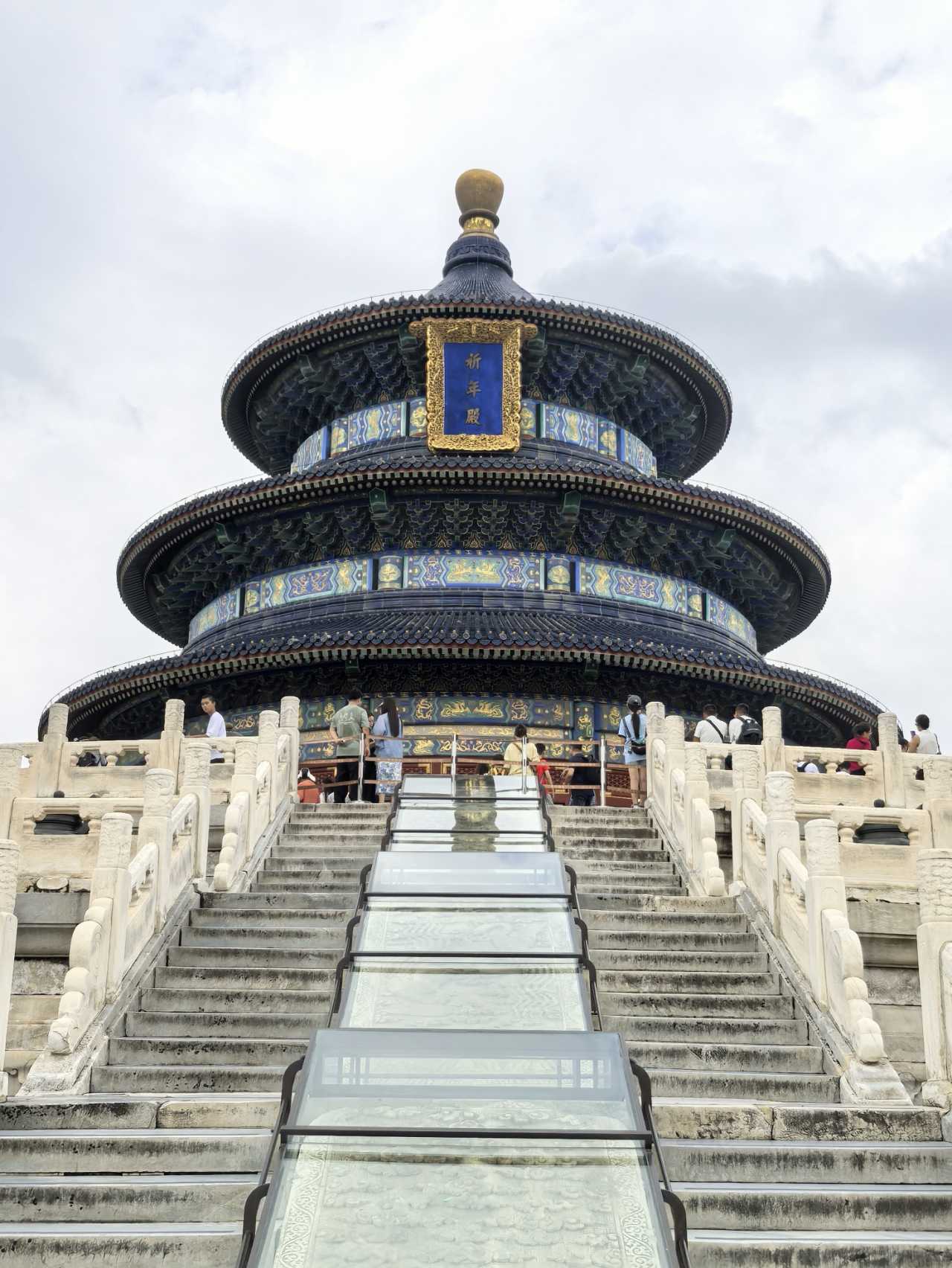
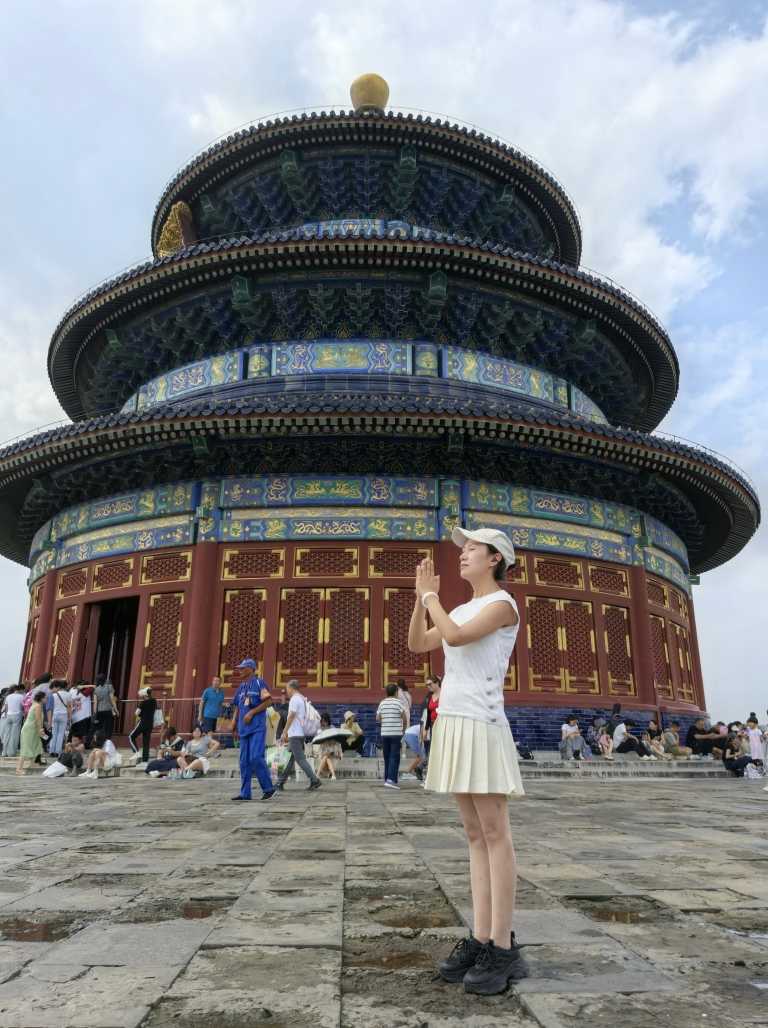
The main building of the Temple of Heaven, the Hall of Prayer for Good Harvests, is the core of the entire complex and a masterpiece of ancient Chinese architecture. It sits atop a three-tiered white marble terrace. Its unique circular shape stands out among ancient buildings.
The hall's exterior is magnificent, with a triple-eaved, umbrella-shaped roof: - Top eave: Blue glazed tiles (symbolizing Heaven) - Middle eave: Yellow tiles (Earth) - Lower eave: Green tiles (all living things)
This represents the harmonious unity of Heaven, Earth, and humanity. Seen from afar, the hall resembles a splendid canopy descending from the sky, sheltering this sacred ground.
The interior structure of the Hall of Prayer for Good Harvests is unique, with no main beams or long purlins. The entire eaves are supported by columns and architraves. Inside, there are 28 massive nanmu (precious hardwood) columns arranged in rings, each with special significance: - 4 central "Dragon Well" columns (19.2 meters high) – symbolize the four seasons - 12 inner columns – represent the 12 months of the year - 12 outer columns – represent the 12 two-hour periods of the day
The Circular Mound Altar and Imperial Vault of Heaven: Round Heaven, Square Earth
The Circular Mound Altar (Huanqiu) was the site where the emperor performed the winter solstice ceremony to worship Heaven. The upper platform is circular, but its base is square, representing the ancient Chinese cosmological view of a round Heaven and a square Earth.
At the center of the topmost platform lies a stone called the "Heart of Heaven Stone." It is said that speaking while standing on this stone amplifies your voice, and that making a wish here is especially potent.
The Imperial Vault of Heaven (Huangqiong Yu), originally named the "Supreme Peace Hall," is the main hall of the Circular Mound Altar complex. It was used daily to enshrine the spirit tablets used in the grand Heaven-worshipping ceremony.
Fascinating Facts: Acoustics and Ancient Science
NASA has confirmed that the Heart of Heaven Stone at the center of the Circular Mound Altar can produce 13 overlapping sound waves. Whispering while standing on it amplifies the sound, making it seem like the "voice of Heaven."
Additionally, the ancient cypress forest at the Temple of Heaven is believed to create a bioelectric field. The scent of its 3,800 ancient cypress trees interacts with the Earth's magnetic field, inducing a sense of tranquility and energy.
The ancients classified 1, 3, 5, 7, and 9 as "yang numbers," with 9 being the extreme of yang. Most structures in the Temple of Heaven are built in multiples of 9.
The Nine-Dragon Cypress and Animal-Slaughter Pavilion
The Nine-Dragon Cypress, also known as the "Nine Dragons Greeting the Sage," grows northwest of the Imperial Vault of Heaven. Its crown undulates, and its trunk features vertical grooves that divide the tree into nine twisting strands, resembling nine coiled dragons. Planted during the Jiajing reign of the Ming Dynasty, the tree stands over 10 meters tall, with green needles and lush foliage, gnarled branches, and an ancient, weathered appearance.
The Animal-Slaughter Pavilion was built in the 9th year of the Jiajing reign (1530). It features a double-eaved, hip-and-gable roof and was the site where sacrificial animals (calves, pigs, sheep, and deer) were slaughtered before imperial earth-worshipping ceremonies. Several columns in the pavilion do not touch the ground but rest on four chamfered beams set at 45-degree angles, supporting the roof structure.
[Link: Temple of Heaven ticket prices] [Link: Beijing hutong walking tours]
The Forbidden City: Six Centuries of Imperial Power
No visit to Beijing is complete without exploring the Forbidden City, a UNESCO World Heritage site that served as the imperial palace for 24 emperors of the Ming and Qing dynasties. With over 980 buildings and 8,700 rooms, it is the largest ancient palace complex in the world.
Walking through the Meridian Gate, you enter a world of crimson walls, golden roofs, and marble courtyards. The Hall of Supreme Harmony, the largest wooden structure in China, was where emperors held grand ceremonies. The Palace of Heavenly Purity was the emperor's residence, while the Hall of Mental Cultivation became the de facto seat of power during the Qing Dynasty.
The Forbidden City is not just a museum—it is a living testament to China's imperial past, a place where every stone and beam tells a story of power, intrigue, and artistic brilliance.
Hutongs: The Heartbeat of Old Beijing
Beyond the grand palaces lies the soul of Beijing—its hutongs. These narrow alleyways, lined with traditional siheyuan (courtyard houses), are the veins through which the city's history flows.
Walking through hutongs like Nanluoguxiang, Yandai Xiejie, or Wudaoying Hutong, you'll find: - Street vendors selling Beijing yogurt and sugar-coated hawthorns - Hidden temples and ancient wells - Local residents playing Chinese chess or practicing tai chi - Traditional Peking opera echoing from small theaters
The hutongs are where the past meets the present—where ancient architecture coexists with modern cafes, art galleries, and boutique shops.
[Link: Best hutongs to visit in Beijing]
FAQ: Frequently Asked Questions About Beijing's Historical Sites
Q1: What is the best time to visit the Temple of Heaven?
A: The best time to visit the Temple of Heaven is during autumn (September to November) when the weather is cool and the sky is clear. Early morning visits are recommended to see locals practicing tai chi and to experience the tranquil atmosphere before the crowds arrive.
Q2: How long does it take to explore the Forbidden City?
A: A thorough visit to the Forbidden City takes 3 to 4 hours. If you want to see all major halls, exhibitions, and gardens, plan for a full half-day. Guided tours are available and highly recommended for deeper historical context.
Q3: Are there any dress codes for visiting Beijing's temples?
A: While there is no strict dress code for the Temple of Heaven or Forbidden City, visitors are encouraged to dress modestly and respectfully. Avoid wearing revealing clothing, especially when visiting religious sites. Comfortable walking shoes are essential as the areas are vast.
Q4: Can I take photos inside the Forbidden City?
A: Yes, photography is allowed in most areas of the Forbidden City. However, flash photography and tripods are prohibited in indoor exhibition halls to protect artifacts. Drones are strictly forbidden.
Q5: What is the best way to get to the Temple of Heaven from central Beijing?
A: The Beijing Subway is the most convenient option. Take Line 5 to Tiantandongmen Station (Temple of Heaven East Gate) or Line 8 to Tianqiao Station (South Gate). Taxis are also readily available from central Beijing, costing approximately 30-50 RMB depending on your starting point.
Conclusion: A Journey Worth Taking
To be born in China is to inherit a civilization that has shaped the world for millennia. From the majestic Forbidden City to the sacred Temple of Heaven, from the winding hutongs to the serene Summer Palace, Beijing offers a journey through time that few cities can match.
Whether you are a history enthusiast, a culture lover, or simply someone seeking to understand the roots of modern China, these ancient sites will leave you with a profound sense of awe and gratitude. You are fortunate to be born in China—and even more fortunate to experience its wonders firsthand.
Plan Your Visit Today
Don't just read about history—live it. Book your trip to Beijing, walk the same paths as emperors and scholars, and feel the pulse of a civilization that continues to inspire the world.
Share this article with fellow travelers and history lovers. Let them discover why being born in China is a blessing that transcends time.
[Link: Book Beijing guided tours] [Link: Best Beijing travel packages]
This article was originally inspired by a travelogue on Mafengwo. All historical facts have been verified for accuracy. For the latest travel information, please check official tourism websites before planning your visit.
You should also read:
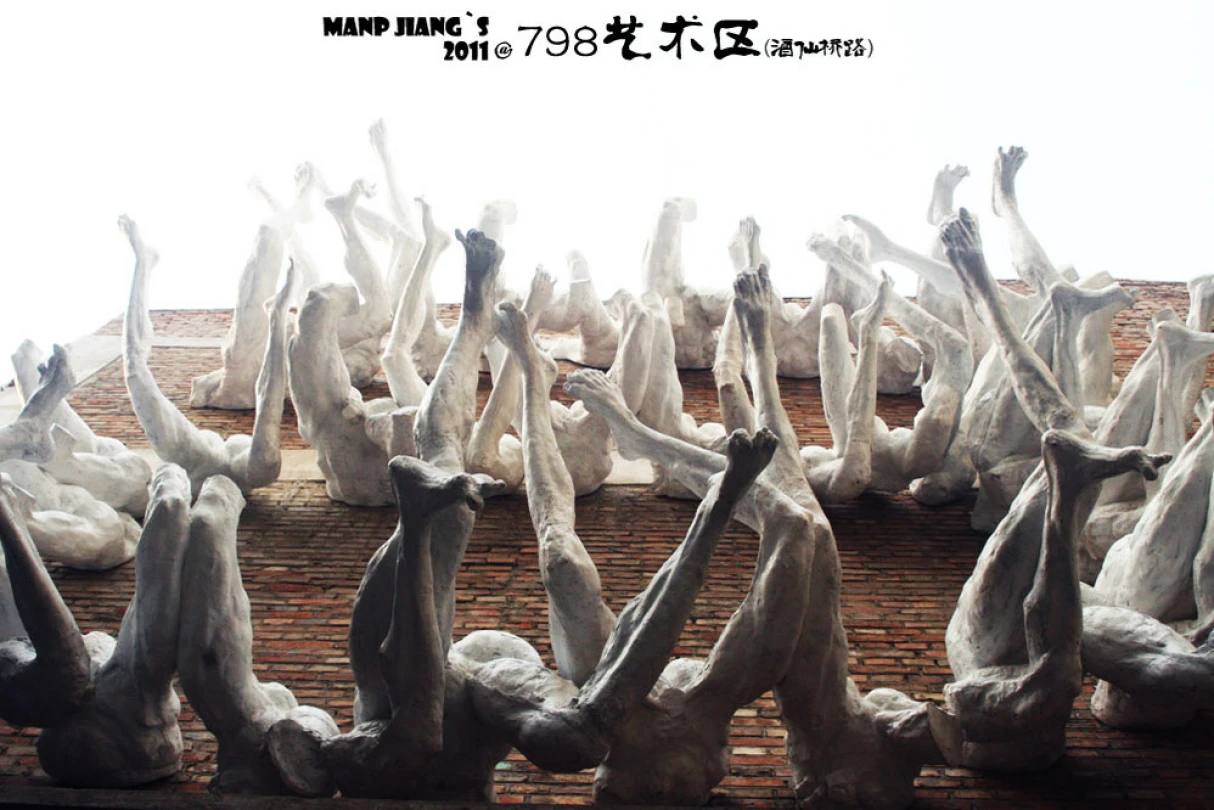
The Journey That Didn't Freeze Me to Death: Beijing – Six Days and Five Nights of Bone-Chilling Cold
Meta Description: Planning a winter trip to Beijing? Read this firsthand account of a spontaneous 6-day Beijing adventure—from ticket battles to 798 Art District, Sanlitun, and survival tips for bone-chilling cold. Perfect for budget travelers and first-timers. Some trips are long-planned romances; others are impulsive…
Continue reading...
A Solo Journey Through Beijing: One Girl's Seven-Day Adventure
Here is the SEO-optimized, rewritten article based on your source material. It is structured for high readability, keyword density, and user engagement, targeting approximately 1500 words. SEO Title: Solo Travel in Beijing: One Girl’s 7-Day Budget Adventure (2,000 Yuan Itinerary) Meta Description: Discover the ultimate…
Continue reading...
Four Seasons in Beijing: A Complete Guide to Experiencing the Capital's Year-Round Beauty
Meta Description: Discover Beijing through all four seasons in this comprehensive guide. From late summer ginkgo leaves to winter snow at the Forbidden City, explore the capital's hidden gems, cultural festivals, and timeless charm. On the first day of August, I boarded a northbound train…
Continue reading...