Imperial Capital: The Myriad Gates Within Crimson Walls – A Half-Day Leisurely Stroll Through the Forbidden City
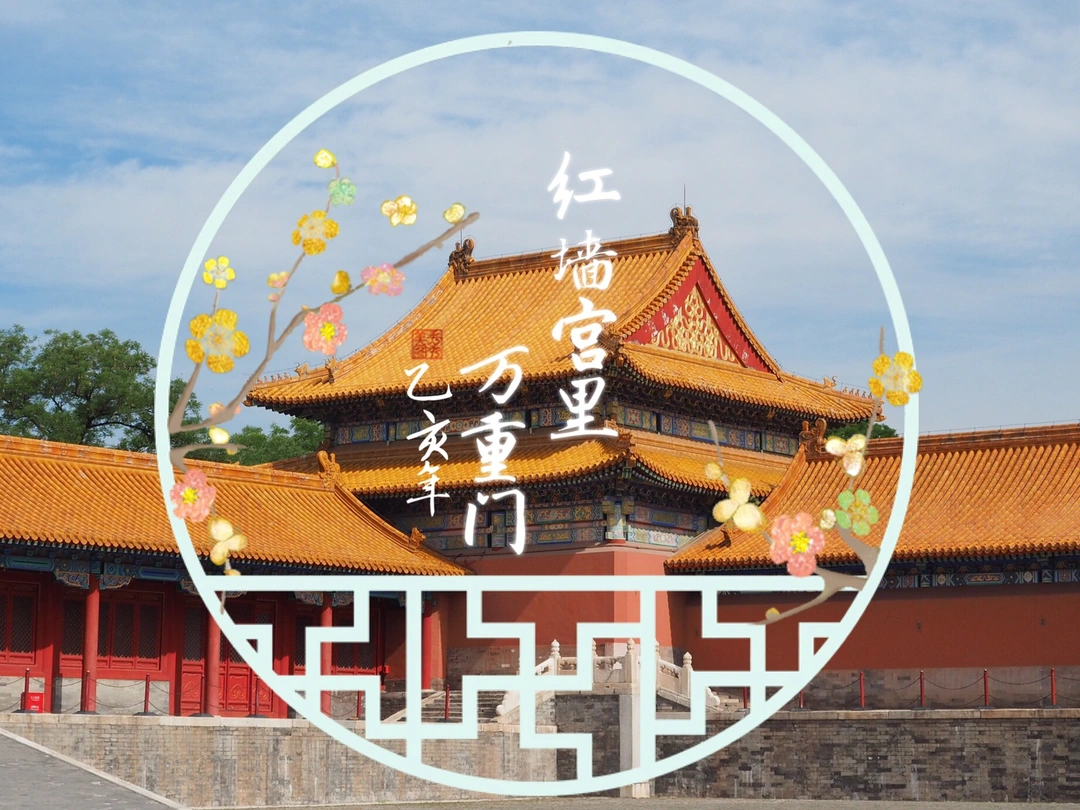
Meta Description: Discover the ultimate half-day Forbidden City itinerary. Learn insider tips to avoid crowds, photography secrets for empty palace shots, and the best entry route (Donghuamen). Your guide to a leisurely Beijing imperial tour.
Introduction: Rediscovering the Forbidden City
"Would you go to the Forbidden City again?"
If someone asked me that a few years ago, my answer would have been a firm "No." After all, I had walked the central axis, marveled at the Hall of Supreme Harmony's dazzling splendor, and touched the bronze studs on the Gate of Heavenly Purity. Surely, that was enough.
But life has a way of surprising you. On a recent business trip to Beijing, I found myself with a precious half-day of free time. Inexplicably, I chose to enter the palace once more. That about-face came so quickly—yet I savored every moment.
This Forbidden City half-day tour became the soul of a whirlwind two-day, one-night itinerary: Jingshan Park, the Corner Towers, Wangfujing, the Forbidden City, and Nanluoguxiang. And this time, I discovered a completely different palace—one that rewards the patient, the curious, and the early riser.
How to Enter the Forbidden City: The Donghuamen Route (Recommended)

The Only Entrance: Meridian Gate (Wumen)
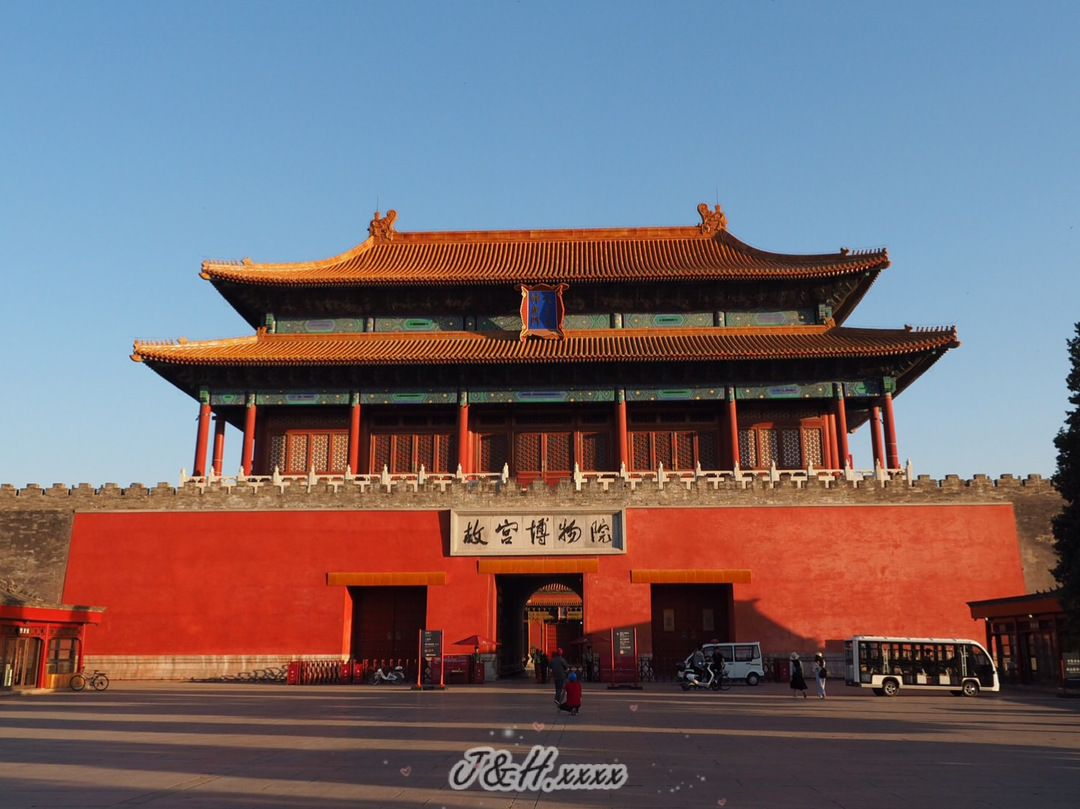
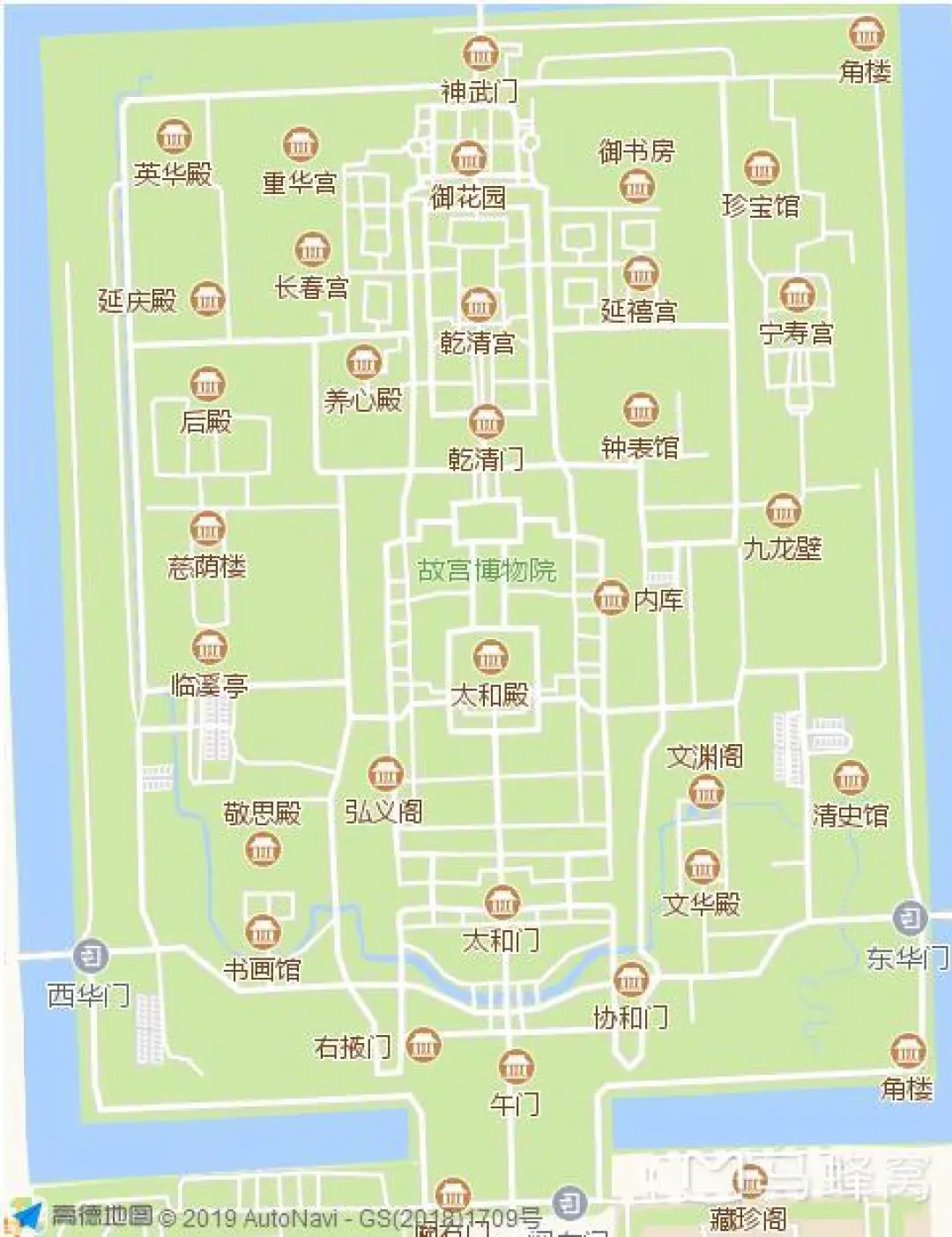
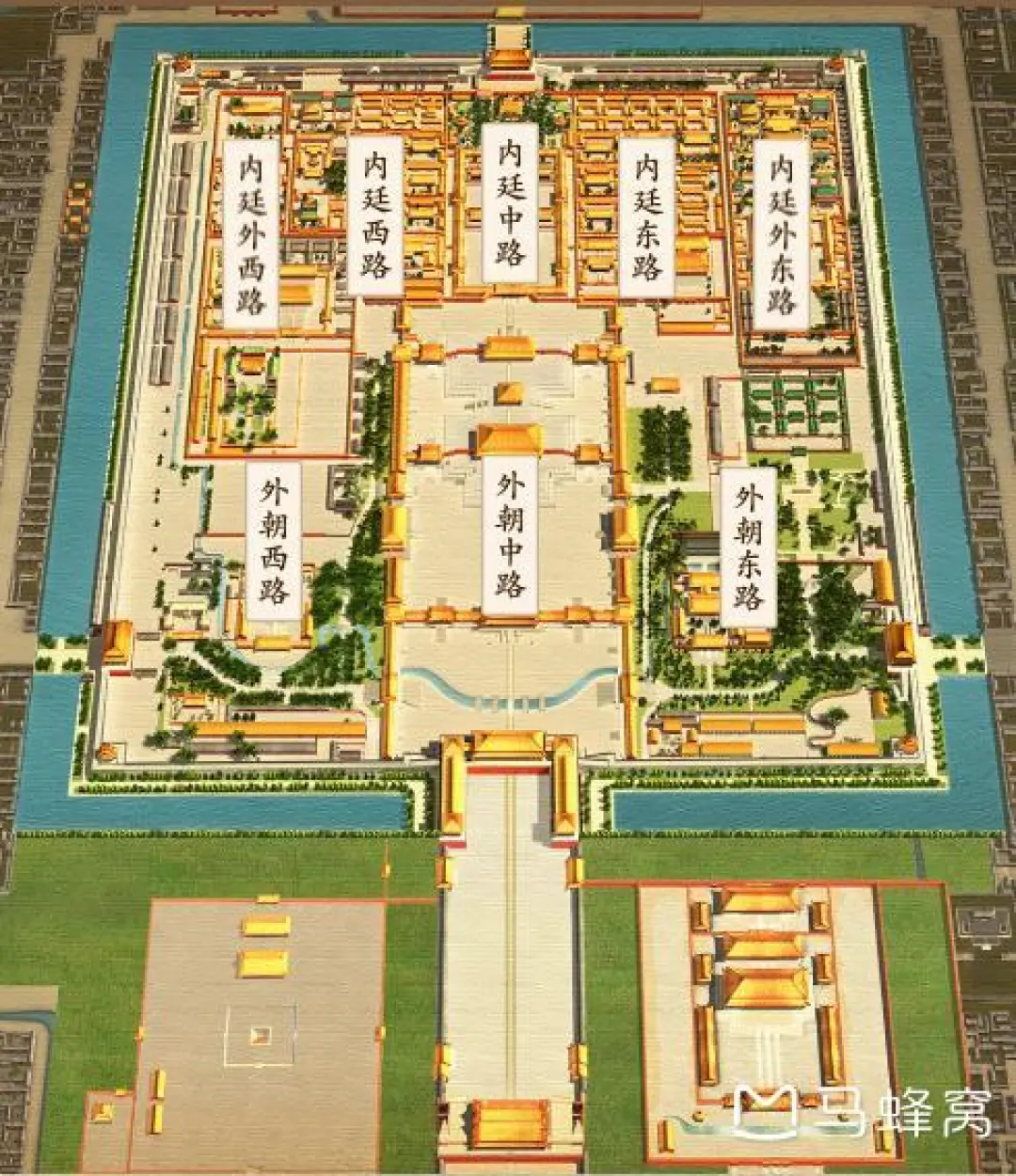
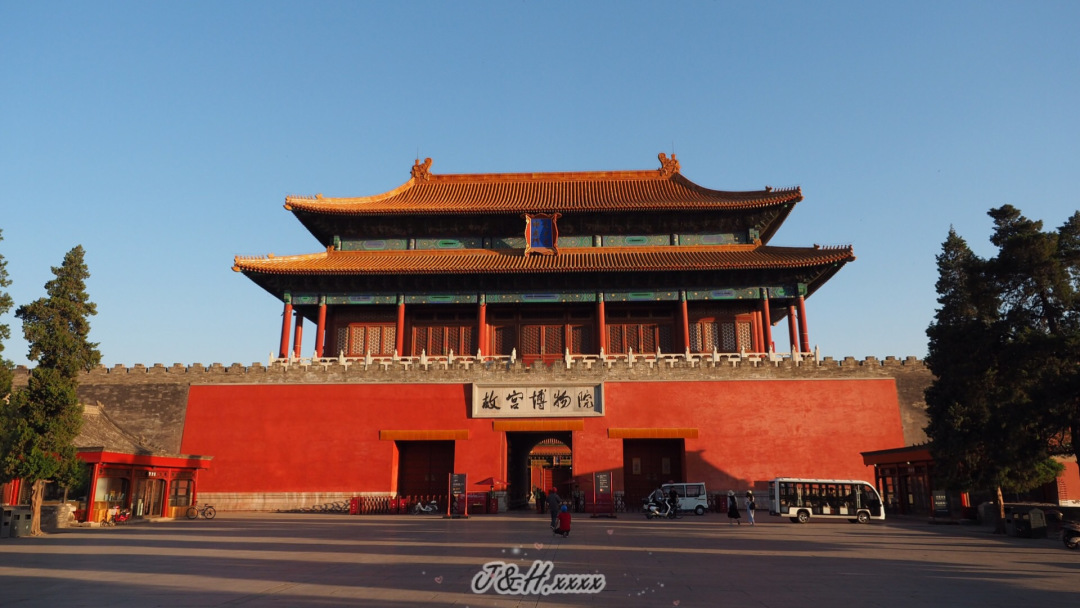
The Meridian Gate is the sole entry point for visitors. Exits are through the Gates of Divine Might (Shenwumen), Eastern Glory (Donghuamen), and Western Glory (Xihuamen). To maximize your time, choose your approach wisely.
Three Ways to Reach Meridian Gate – Avoid the Crowds
1. The Tiananmen Route (Free but Slow)
Enter through Tiananmen, pass the Gate of Uprightness (Duanmen), and arrive at Meridian Gate. It's free—but you'll face an extra security checkpoint with long queues.
2. The Xihuamen Route (Fast, Small Fee)
Enter through Western Glory Gate, cut through Zhongshan Park, and reach Meridian Gate. No security check here. The park ticket costs just 3 yuan.
3. The Donghuamen Route (Recommended – Fast & Scenic)
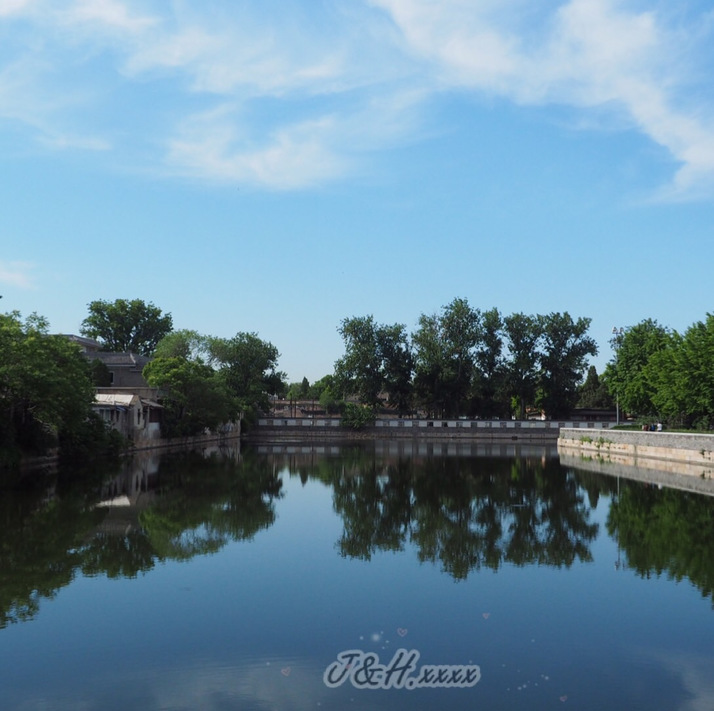
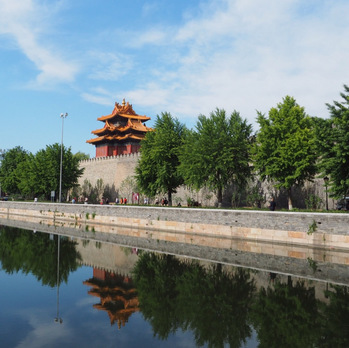
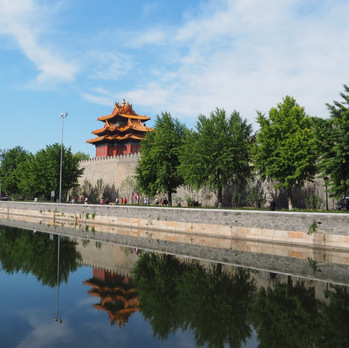
Enter through Eastern Glory Gate, pass the Imperial Ancestral Temple (now Beijing Working People's Cultural Palace), and arrive at Meridian Gate. No security check. The temple ticket costs only 2 yuan. Plus, the scenery outside Donghuamen is stunning—the Corner Tower's reflection in the moat is mirror-clear.
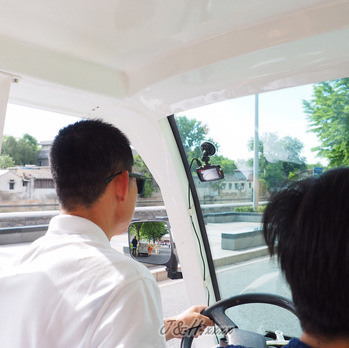
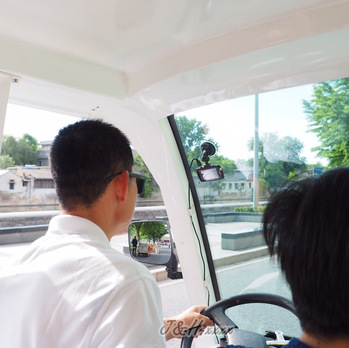
My choice: The Donghuamen route. I spent 2 yuan on a small shuttle, but honestly, the 15-minute walk is delightful. Next time, I'll stroll.
Quick Reference: Forbidden City Tickets & Hours
| Item | Details |
|---|---|
| Opening Hours | Closed every Monday (except statutory holidays) |
| Tickets | Must be purchased online one day in advance; enter with ID card |
| Peak Season (Apr–Oct) | 60 yuan/person |
| Off-Peak Season (Nov–Mar) | 40 yuan/person |
| Treasure Gallery | 10 yuan/person |
| Clock & Watch Gallery | 10 yuan/person |
| Special Discounts | Women's Day (March 8): half price for women; Children's Day (June 1): free for children (parents half price); Army Day (August 1): free for military personnel |
Claiming the Forbidden City: Speed Is the Ultimate Weapon
Never compete with the elderly in waking up early. However, arriving at Meridian Gate before it opens is the key to photographing an empty Forbidden City.
At 8:15 a.m., the area in front of Meridian Gate was already buzzing. The gates opened at 8:30. Individual visitors, mixed with tour groups, swiped their ID cards and passed security. Finally, I stepped into this six-hundred-year-old imperial city.
Many people ask me: "How come there's no one in your photos? Did you have the entire Forbidden City to yourself?"
The secret is simple: Run.
Tour groups linger at each attraction, listening to their guides. I used that time to dash ahead to the next spot and take photos. By the time they finished their讲解, I had already captured my shots and moved on. Staying ahead of the groups is the only way to capture an "empty Forbidden City."
Outer Court Central Axis: A Prelude to Imperial Power
From Meridian Gate to Gate of Supreme Harmony
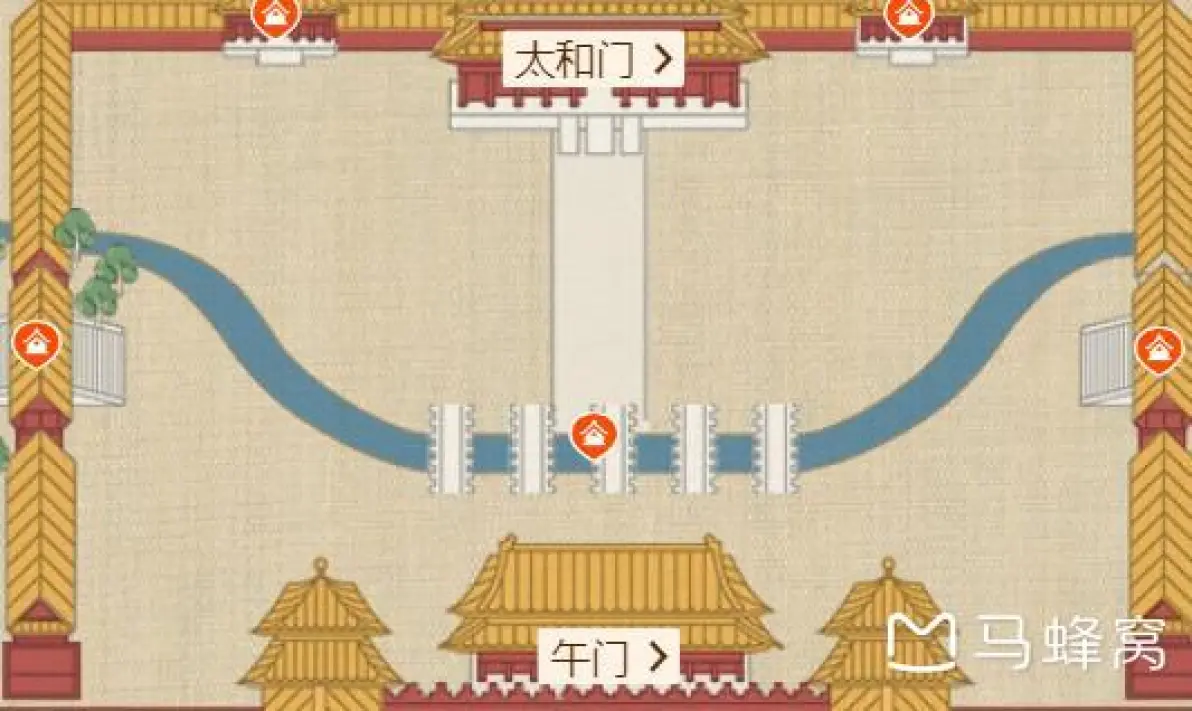
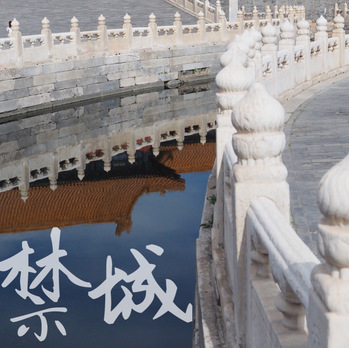
Upon entering Meridian Gate, the first sight is the Inner Golden Water River. Five white marble bridges span it, known as the Inner Golden Water Bridges. On a clear day, the bridges and their reflections create a delightful interplay. I shot in a 16:9 aspect ratio to better convey the grandeur.
Hall of Supreme Harmony: The Heart of the Forbidden City
The Hall of Supreme Harmony (Taihe Dian) is the largest and highest-ranking building in the Forbidden City. Its architectural standards are superb, its decorative techniques exquisite—a pinnacle of ancient Chinese architecture.
What impresses most is its three-tiered white marble base, surrounded by balustrades. Beneath them, stone-carved dragon heads serve as drainage spouts. During heavy rain, they create the spectacular sight of "a thousand dragons spouting water."
Photography Tip: Approach from the left (west) side for morning shots—fewer people and clearer images. Shooting on the east (right) side produces shadows; center shots capture only a sea of heads.
On the terrace, bronze cranes, sundials, grain measures, bronze turtles, and bronze tripods all symbolize supreme imperial authority.
Hall of Central Harmony & Hall of Preserving Harmony
Hall of Central Harmony (Zhonghe Dian): Its name means "to follow the doctrine of the mean and seek peace under heaven." During the Qing dynasty, it served as the emperor's resting place before grand ceremonies or for reviewing prayers and documents before imperial sacrifices.
Hall of Preserving Harmony (Baohe Dian): Meaning "to maintain purity of heart and share harmony with the world," its architecture uses a column-reduction technique—removing six front pillars creates a more spacious interior. In the Ming dynasty, it was used for changing clothes; in the Qing dynasty, for weddings and the imperial examination.
These halls cannot be entered; you can only admire their exteriors.
Inner Court Central Axis: The Emperor's Home
Palace of Heavenly Purity (Qianqing Gong)
"Qianqing" means "pure and upright as heaven." This building, the largest in the inner court, served as the emperor's bedchamber from the Ming dynasty through the Kangxi period of the Qing dynasty. After Emperor Yongzheng moved his residence to the Hall of Mental Cultivation (Yangxindian), the Palace of Heavenly Pure became an important venue for governance and festive ceremonies.
Palace of Earthly Tranquility (Kunning Gong)
"Kunning" means "peaceful as earth." It was the official residence of the empress in both Ming and Qing dynasties, though Qing empresses did not live here daily. It was primarily used as the bridal chamber for imperial weddings.
Hall of Union (Jiaotai Dian)
Located between the Palace of Heavenly Purity and the Palace of Earthly Tranquility, its name comes from the I Ching (Book of Changes), meaning "the union of heaven and earth." During the Ming and Qing dynasties, it was where the empress received congratulations on major festivals. Its appearance resembles the Hall of Central Harmony—small and exquisite.
Imperial Garden: Poetry Within the Deep Palace
From Meridian Gate all the way to the Imperial Garden (Yuhua Yuan), an hour had passed without my noticing. The garden features jagged rockeries and symmetrically arranged pavilions and terraces.
Pavilion of Ten Thousand Springs (Wanchunting): Its round top and square base imitate the ancient Mingtang design concept of "round heaven and square earth." The ceiling inside is painted with paired phoenixes, and the caisson ceiling features a gilded carved coiling dragon holding a pearl.
FAQ: Your Forbidden City Questions Answered
1. How much time do I need for a half-day Forbidden City tour?
A focused half-day (about 3–4 hours) is sufficient to cover the central axis, outer court, inner court, and Imperial Garden. Add 1–2 hours if visiting the Treasure Gallery or Clock & Watch Gallery.
2. Is the Forbidden City crowded on weekdays?
Yes, especially during peak season (April–October). Weekdays are less crowded than weekends, but arriving before 8:30 a.m. is your best bet for empty spaces.
3. Can I enter the Forbidden City without a pre-booked ticket?
No. Tickets must be purchased online at least one day in advance. Walk-up sales are not available. Bring your ID card for entry.
4. What's the best time to photograph the Hall of Supreme Harmony?
Early morning (8:30–9:30 a.m.) for the west side. Late afternoon (3:00–4:00 p.m.) for golden light on the east side. Avoid midday when shadows are harsh.
5. Are there restrooms and food inside the Forbidden City?
Yes. Restrooms are located near major halls. There are also small cafes and vending machines, but prices are higher. Bring a water bottle.
Internal Linking Suggestions
- [Link: Best time to visit Beijing – seasonal guide]
- [Link: Jingshan Park photography tips – panoramic Forbidden City views]
- [Link: Nanluoguxiang food tour – snacks near the palace]
- [Link: Hall of Mental Cultivation – Emperor's living quarters]
Call to Action: Plan Your Own Half-Day Forbidden City Stroll
The Forbidden City is not a place to be "done" once. Each visit reveals new details—the play of light on marble, the silence of empty courtyards, the stories etched into every corner.
Your next step: Book your ticket online tonight. Set your alarm for 7:00 a.m. Choose the Donghuamen route. Walk fast. Photograph wisely. And let the crimson walls whisper their secrets to you.
Have you visited the Forbidden City? Share your favorite hidden spot in the comments below—or tag us in your best empty-palace photo. The gates await.
You should also read:
Dreaming of Beijing: A City of Flames and Embers
Here is the SEO-optimized, rewritten article based on the source material. It has been restructured for search intent, readability, and keyword density while preserving the original poetic and narrative essence. SEO Title: Dreaming of Beijing: A City of Flames, Embers, and 3,000 Years of History…
Continue reading...
Solo in Beijing: Discovering Another Side of the Capital Amid Red Walls and Grey Tiles
Meta Description: Traveling solo in Beijing on a student budget? Discover hidden gems, practical tips for first-time solo travelers, and how to explore the capital's red walls and grey tiles without breaking the bank. When my friends asked why I chose to go to Beijing…
Continue reading...
The Beijing Adventures of "Dunderhead" and "Grumpy": A Heartwarming Journey Through Time and Childlike Wonder
Meta Description: Discover Beijing through the eyes of two playful travelers—"Dunderhead" and "Grumpy." From the Great Wall to the Forbidden City, this SEO-optimized guide blends nostalgia, history, and practical tips for an unforgettable trip. In June, Beijing's sky hung gray, the air thick with an…
Continue reading...