In Beijing's National Museum, a 3,000-Year Encounter with Sanxingdui: The Ultimate Guide to the "Dual Stars Shining" Exhibition
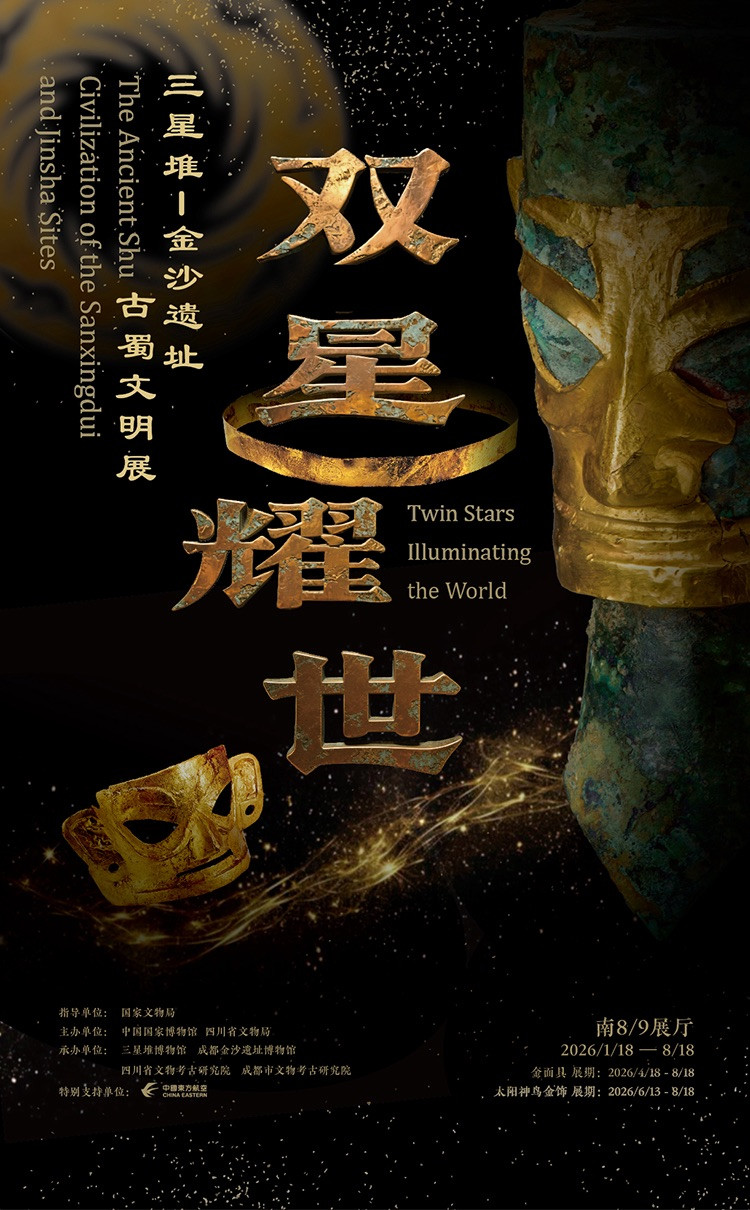
Meta Description: Discover the ancient Shu civilization without leaving Beijing! Our complete guide to the National Museum of China's free "Dual Stars Shining" exhibition covers Sanxingdui & Jinsha artifacts, booking tips, and must-see treasures.
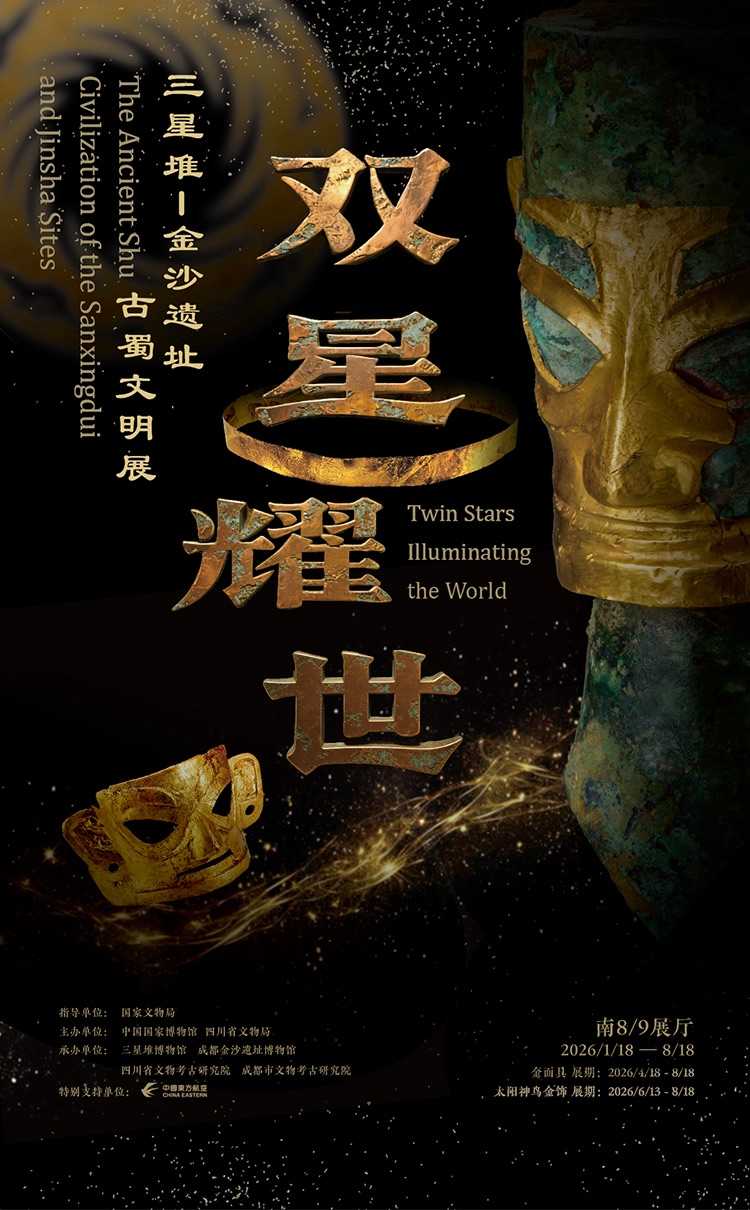
Who says you have to travel to Guanghan to experience the mysteries of Sanxingdui? The National Museum of China's free special exhibition, "Dual Stars Shining: The Ancient Shu Civilization of Sanxingdui and Jinsha Sites," brings 3,000-year-old bronze sacred trees, gold scepters, and divine beasts directly to Beijing. I visited on a March weekend and left with my mind blown—and you can too.
In this comprehensive guide, I'll share everything you need to know: how to book tickets, what to expect inside, which artifacts will leave you speechless, and the fascinating stories behind the ancient Shu people's cosmology. Let's dive into one of the most extraordinary archaeological exhibitions ever staged in the capital.
How to Visit the Sanxingdui Exhibition at the National Museum of China
Booking Your Free Ticket: Plan Ahead or Miss Out
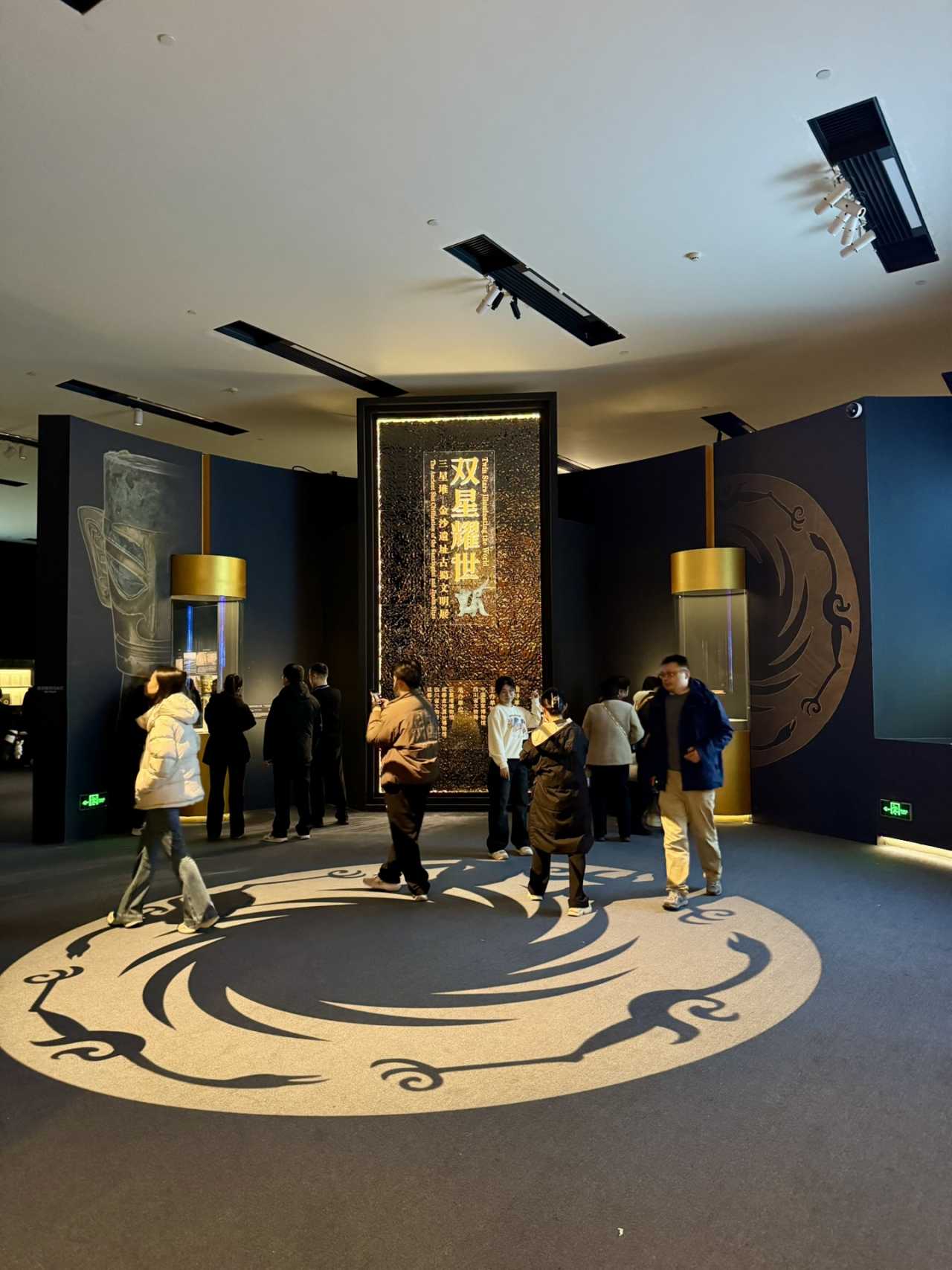
The "Dual Stars Shining" exhibition is completely free, but you must reserve a slot in advance. I booked my Saturday midday entry (11:00–13:30) three days ahead, and I'm glad I did—weekend slots fill quickly.
Pro tip: The museum enforces entry times strictly. Arrive exactly within your booked window to avoid being turned away. If you're flexible, weekday visits offer thinner crowds and a more contemplative experience.
What to Expect Inside the National Museum
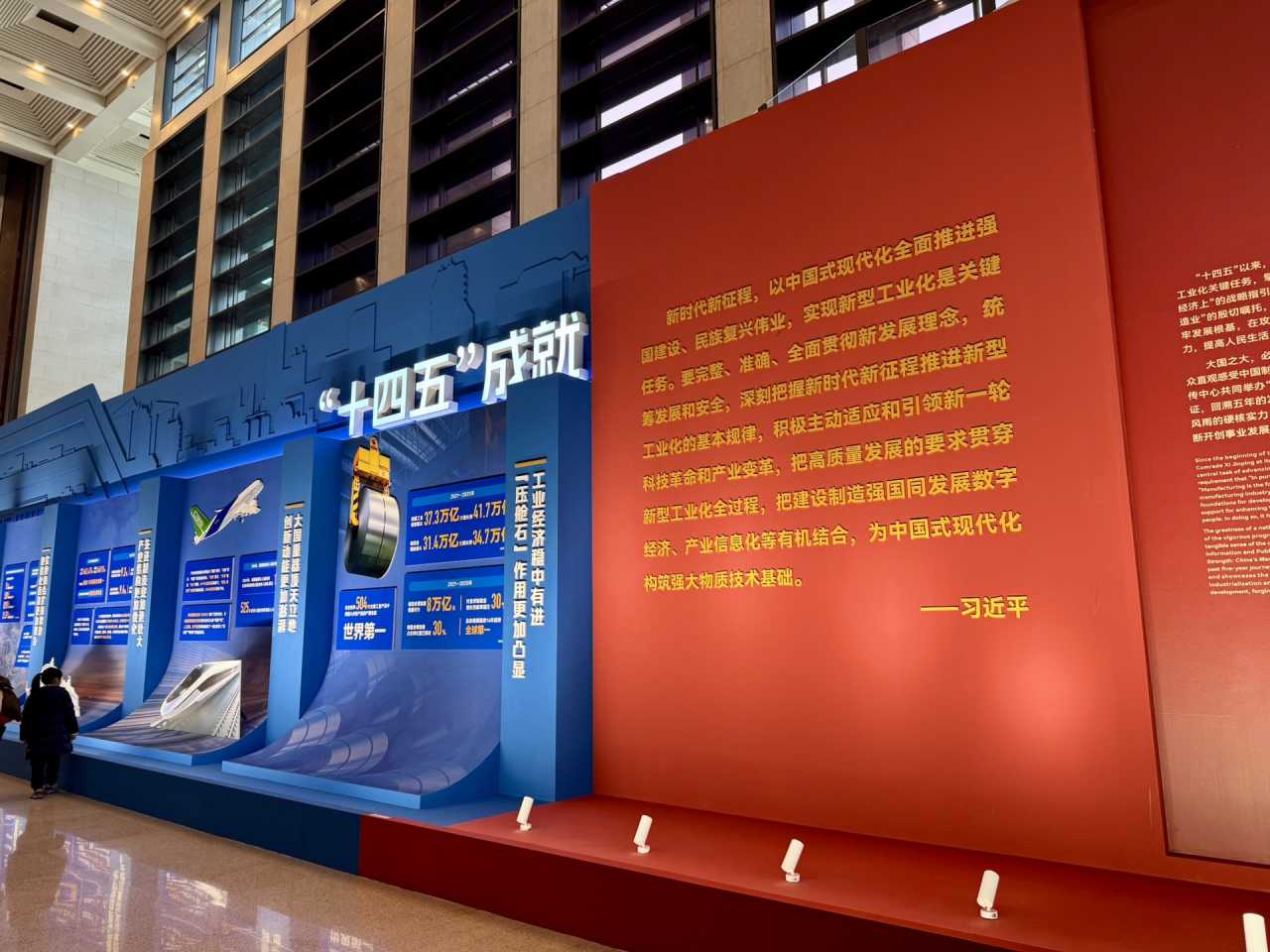
Once you clear security, head to the second floor. You'll pass the "14th Five-Year Plan Achievements Exhibition" first—a bonus if you're interested in China's development milestones. But your real destination lies ahead.
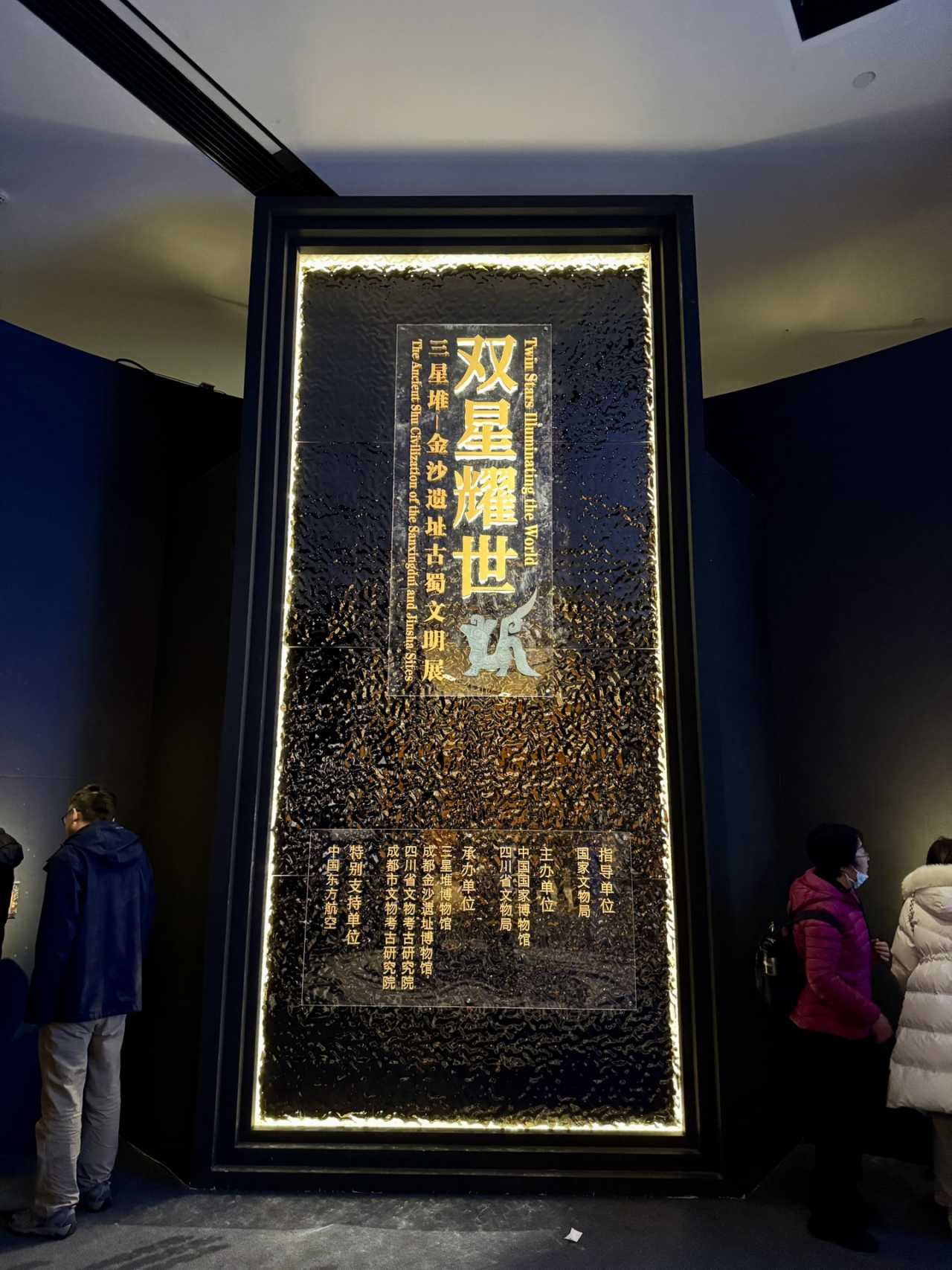
The special exhibition occupies Halls 8–9 on the south wing. Despite my fears of crushing crowds, the space felt remarkably comfortable. I rarely queued for more than a minute or two, even for the most famous pieces.
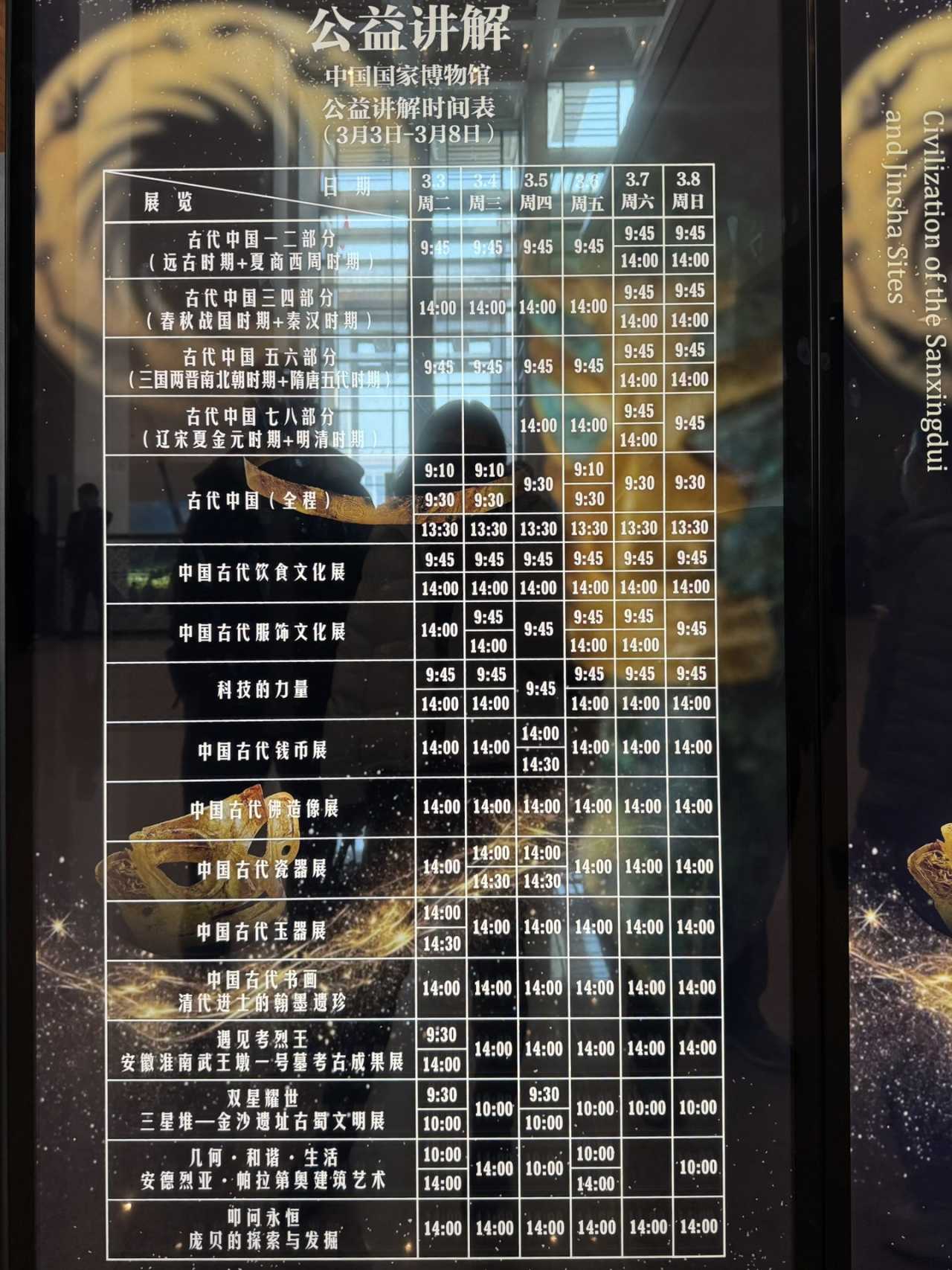
Guided tour tip: Free guided tours are available, but check the day's schedule at the information desk upon arrival. On weekends and holidays, the quality can suffer due to large group sizes—sometimes exploring at your own pace is better.
"Dual Stars Shining": The Exhibition's Core Themes
The exhibition's full title—"Dual Stars Shining: The Ancient Shu Civilization of Sanxingdui and Jinsha Sites"—captures its essence: a dialogue between two archaeological treasures from the same ancient civilization, brought together for the first time in Beijing.
This isn't just a display of artifacts. It's a journey into the cosmology, ritual practices, and artistic genius of the Shu people, who flourished in what is now Sichuan over three millennia ago.
Must-See Artifacts: The Treasures of Sanxingdui and Jinsha
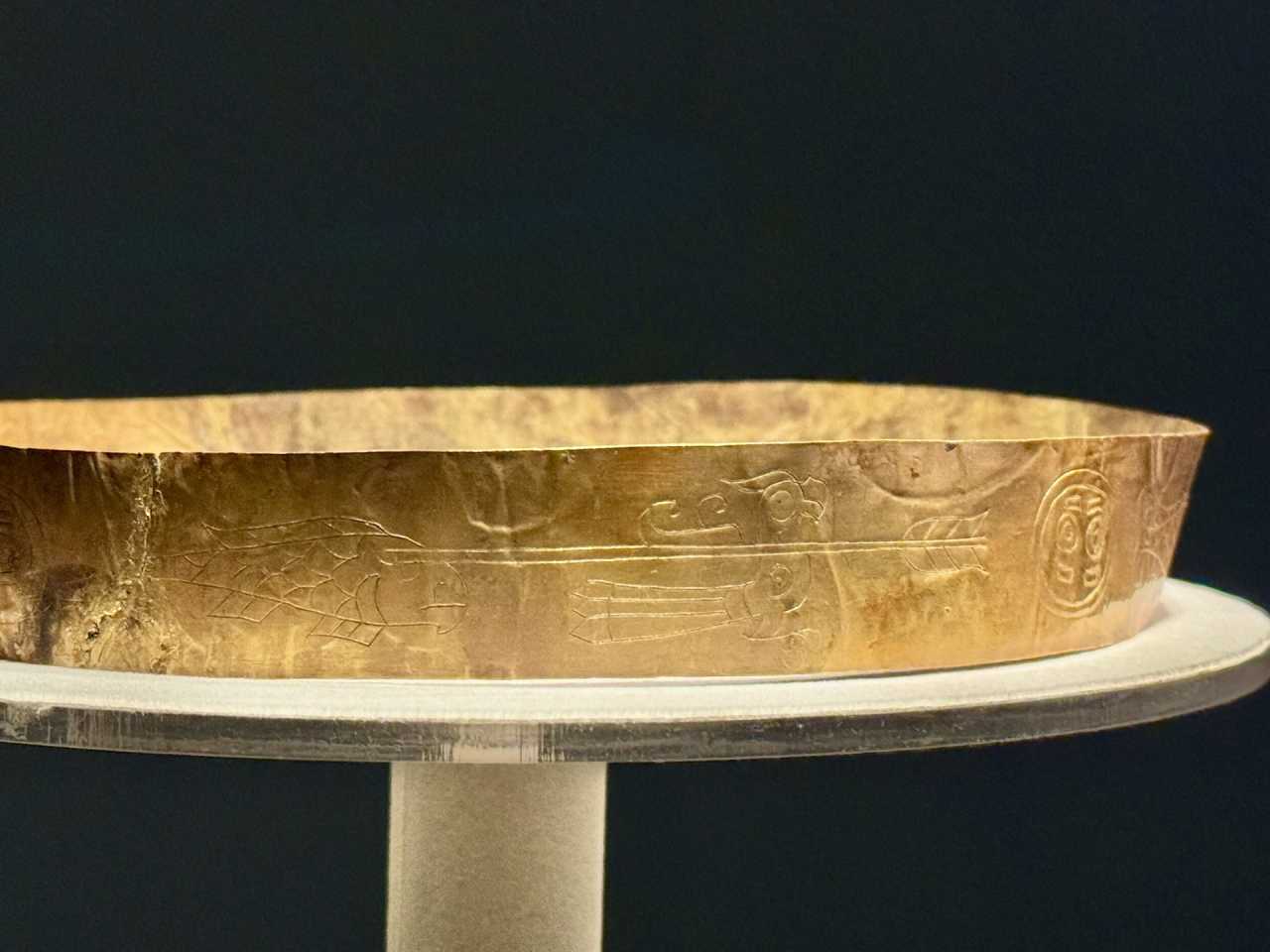
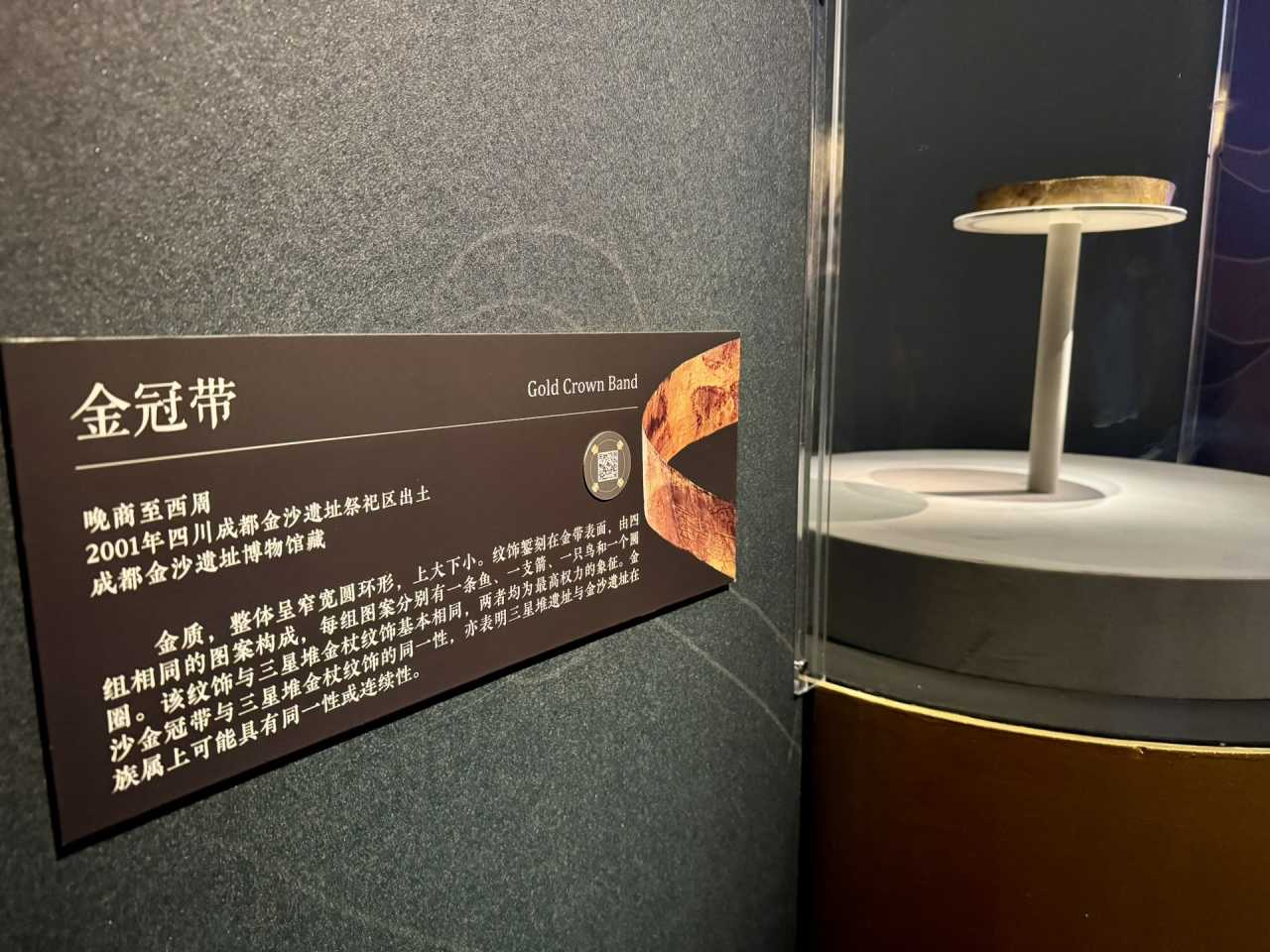
Gold Crown Band: The "Golden Business Card" of Ancient Shu Royalty
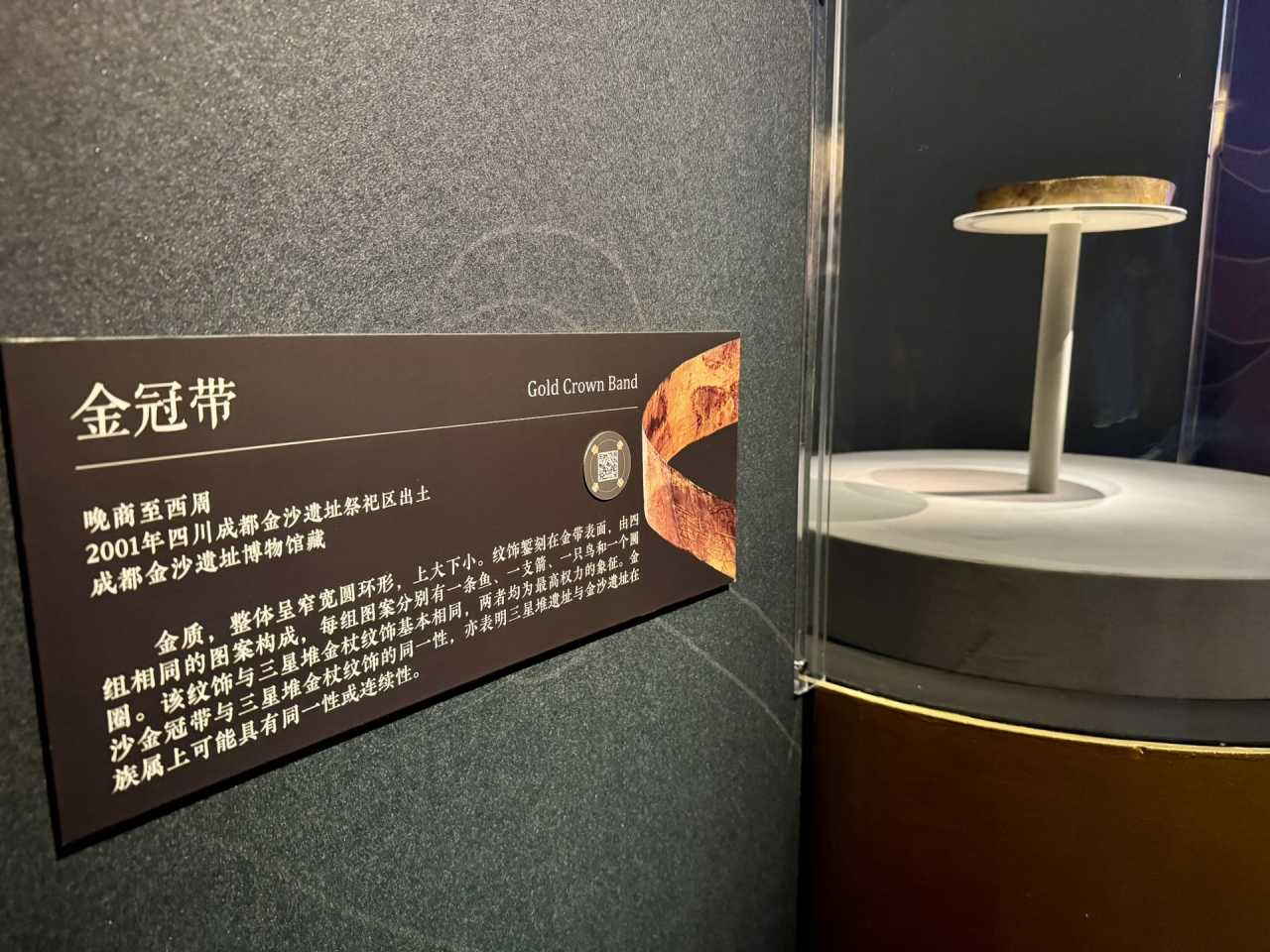
Unearthed at the Jinsha site, this gold crown band is a symbol of royal power that predates the Chinese imperial seal by centuries. It features four identical sets of motifs: fish, arrows, birds, and circular patterns.
What it means: The arrow pierces both fish and bird, while the circle likely represents a human face or the sun. These motifs match those on the Sanxingdui gold scepter, forming the totemic code of the Yufu Dynasty—a visual declaration of the king's divine authority to connect heaven and earth.
Bronze Sacred Tree: The Cosmic Axis Connecting Heaven and Earth
The No. 1 Bronze Sacred Tree is the exhibition's showstopper—even though what's on display is a replica (the original is too fragile to transport). Standing 3.96 meters tall, it's the tallest single bronze artifact ever discovered worldwide.
The story behind it: When excavated, the tree was found shattered into over 200 fragments, with clear signs of deliberate breakage and burning. This wasn't accidental—it was ritual destruction. During major national events, the ancient Shu people would destroy sacred objects and bury them as offerings to the gods.
After more than a decade of meticulous restoration, the tree now stands as a three-tiered structure with nine branches, each holding a sun-bird figure. A tenth branch likely once existed at the very top, completing the Shu people's cosmology of "connecting heaven and earth."
Craftsmanship marvel: The tree wasn't cast as a single piece but using sectional casting—individual parts were cast separately, then assembled through socket casting, riveting, and welding. This level of sophistication from the late Shang Dynasty (c. 1600–1046 BCE) is astonishing.
Gold Scepter and Bronze Human Heads: The Ultimate Code of Ancient Shu Beliefs
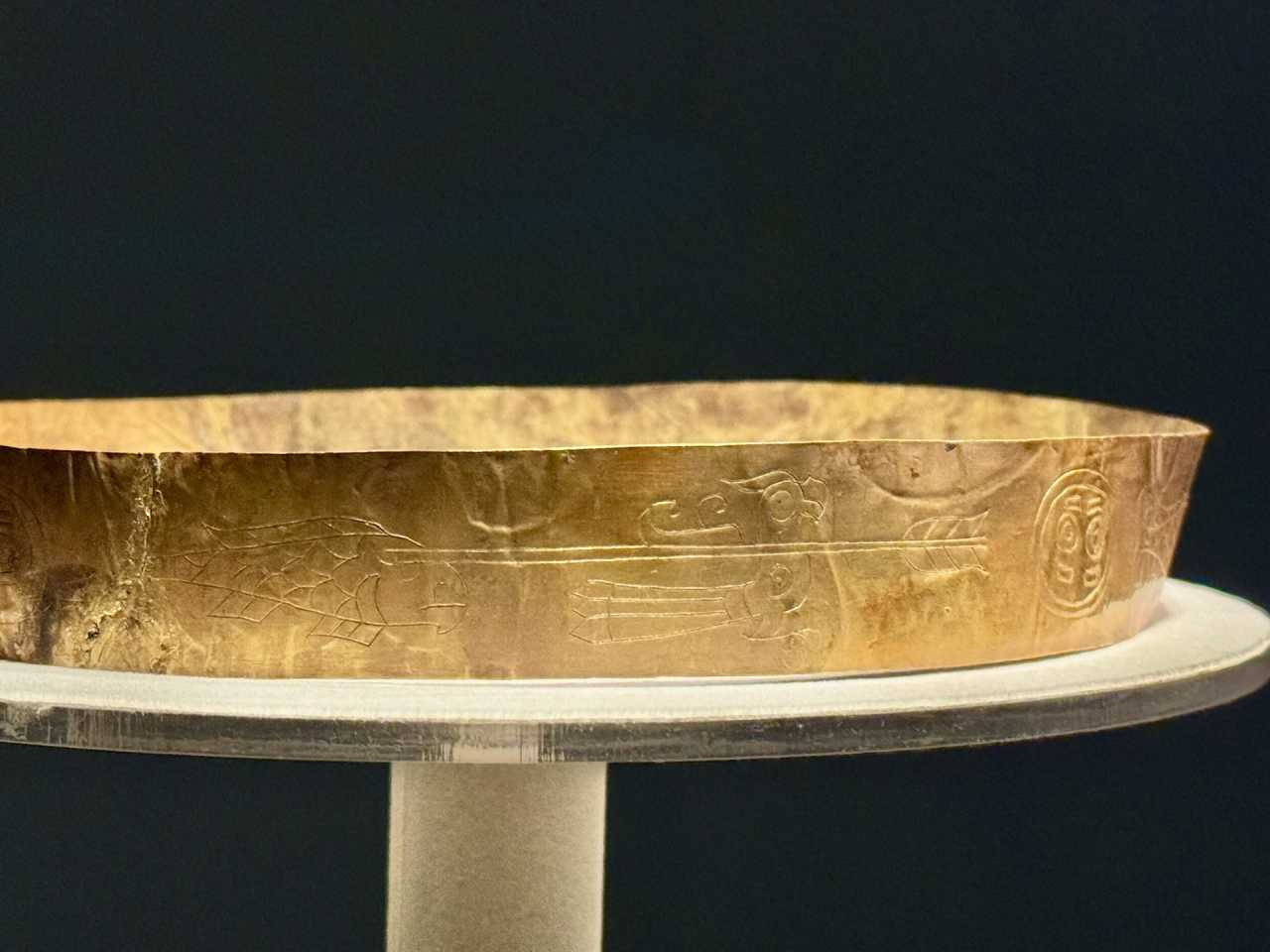
The Sanxingdui gold scepter is engraved with a combination of motifs that scholars call the ancient Shu "constitution" : birds (heaven), fish (water/earth), arrows (the power connecting heaven and earth), and human faces (king and gods). The message? "The king, with the power of birds and fish, connects heaven and earth and rules the mortal world."
The exhibition also features over 140 bronze human head sculptures, all characterized by thick eyebrows, large eyes, protruding pupils, broad noses, flat mouths, pierced earlobes, and solemn expressions. Why only heads? Bronze was more precious than gold 3,000 years ago—only the heads were cast in bronze, while the bodies were made from wood, clay, or other materials.
Sun Wheels and Divine Beasts: The Animism of Ancient Shu

The sun wheel-shaped artifact looks remarkably like a modern steering wheel—but it's actually evidence of the ancient Shu people's sun worship, sharing the same origins as the Jinsha sunbird gold ornament.
The ancient Shu people believed in animal worship—that all things have spirits and that animals are divine. Their five most revered "divine beasts" were:
| Divine Beast | Symbolism |
|---|---|
| Birds | Children of the sun, messengers of heaven |
| Dragons | Divine envoys from the heavenly realm |
| Tigers | Strength, protection, intimidation |
| Fish | Water gods, abundance, source of life |
| Snakes | Spirits of the underworld, mysterious forces |
Bronze Divine Beast: The Adorable "Little Cuteness"
If there's one exhibit that leaves an unforgettable first impression, it's the bronze divine beast. With a large head, wide-open mouth, a single horn, an elephant-like trunk, a perky rear, and a slender waist—it's utterly endearing.
What is it? Three main theories exist: 1. Elephant-inspired: The Chengdu Plain was frequently plagued by floods, and the Rites of Zhou records the use of elephant tusk magic to drive away water monsters. 2. Dog-inspired: The Shan Hai Jing describes a "Kaiming beast" as "tiger-like in body with nine heads, all human-faced, guarding the Kunlun Gate." Since the Shu region is often overcast, dogs bark at the sun—hence "Shu dogs barking at the sun." 3. A mythical composite: A creature that embodies multiple animal powers for maximum spiritual protection.
Why This Exhibition Matters: The Significance of Sanxingdui
The Sanxingdui and Jinsha sites have revolutionized our understanding of ancient Chinese civilization. They reveal a sophisticated Bronze Age culture that developed independently from the Yellow River civilizations, with its own writing system, religious practices, and artistic traditions.
This exhibition matters because it: - Brings rare artifacts to Beijing that rarely travel - Shows the unity and diversity of early Chinese civilization - Demonstrates advanced metallurgy and artistic achievement - Offers a window into ancient cosmology and spiritual life
Frequently Asked Questions About the Sanxingdui Exhibition
1. Is the "Dual Stars Shining" exhibition really free?
Yes! Admission is completely free, but you must reserve a ticket in advance through the National Museum of China's official website or app. Walk-ins without reservations are not accepted.
2. How long should I plan for the visit?
 Allow at least 2–3 hours to fully explore the exhibition. The museum itself has multiple other galleries worth visiting, so consider a half-day trip.
3. Are photos allowed inside the exhibition?
 Yes, photography is permitted. However, flash photography is strictly prohibited to protect the artifacts. Tripods and selfie sticks are also not allowed.
4. Is the exhibition suitable for children?
Absolutely! The dramatic bronze sacred tree, adorable divine beasts, and mysterious gold artifacts captivate visitors of all ages. The exhibition offers a fantastic educational experience about ancient Chinese civilization.
5. When does the exhibition end?
Check the National Museum of China's official website for the most current closing date. Major exhibitions like this often run for several months, but dates can change.
Practical Tips for Your Visit
- Best time to visit: Weekday mornings (9:00–11:00) for the smallest crowds
- What to bring: Valid ID (passport for foreign visitors), comfortable shoes, and a fully charged phone/camera
- What not to bring: Large bags, tripods, food, or drinks (water is allowed)
- Getting there: Take Beijing Subway Line 1 to Tiananmen East Station (Exit B)
- Nearby attractions: Tiananmen Square, Forbidden City, and Wangfujing shopping street
[Link: Best museums in Beijing to visit in 2024] [Link: Complete guide to free exhibitions in Beijing] [Link: Ancient Chinese civilization exhibitions worldwide]
Your 3,000-Year Encounter Awaits
You don't need to fly to Sichuan to witness the wonders of Sanxingdui. Right now, in the heart of Beijing, the National Museum of China is hosting one of the most extraordinary archaeological exhibitions ever mounted. The bronze sacred tree, the gold crown band, the adorable divine beasts—they're all waiting to tell you their stories.
Book your free ticket today. Step into a world where bronze dragons climb cosmic trees, where gold scepters declare divine authority, and where 3,000-year-old artifacts whisper secrets of a civilization that rivaled any in the ancient world.
This isn't just an exhibition. It's a journey through time. And it's happening right now, right here in Beijing.
Have you visited the "Dual Stars Shining" exhibition? Share your favorite artifact in the comments below, or ask any questions about planning your visit—I'd love to help!
You should also read:
Cuandixia Ancient Village: A Gentle Reunion with the Past in Beijing's Memory City
Meta Description: Explore Cuandixia, a 400-year-old Ming-Qing village in Beijing's Mentougou district. Discover how this ancient settlement serves as a living museum of memory, plus travel tips for your visit. (154 characters) Have you ever stood at a street corner, watching the crowds brush past,…
Continue reading...
A Beijing Local’s Secret Guide: Escaping the Crowds to Find the City’s Hidden Artistic Gems
Meta Description: Discover Beijing's secret artistic gems beyond the Forbidden City. This local's guide reveals hidden hutong cafes, underground art museums, and quiet courtyards where true creativity thrives. Escape the tourist crowds today. After living in Beijing for thirty years, I still approach this city…
Continue reading...
A Dali Travelogue: A Journey of the Artistic Soul in Search of Dreams – Your Ultimate Dali Travel Guide
Meta Description: Discover the magic of Dali through this artistic travelogue. From ancient city cobblestones to Shuanglang's lakeside serenity, explore Yunnan’s dreamlike landscapes with insider tips, hidden gems, and soulful experiences. Plan your Dali adventure today. "Is life not quite satisfying? Haven't laughed in so…
Continue reading...