Inside the Ancient Imperial City, Opening the Moonlight Box: A Time-Travel Journey Through Beijing's Forbidden City
Meta Description: Discover the magic of time travel inside Beijing's ancient imperial city. Explore the Forbidden City's Central Axis, hidden history, and why this UNESCO World Heritage site is the ultimate destination for cultural immersion in 2024.
A Thousand-Year Encounter: Time Travel Comes Alive in Beijing
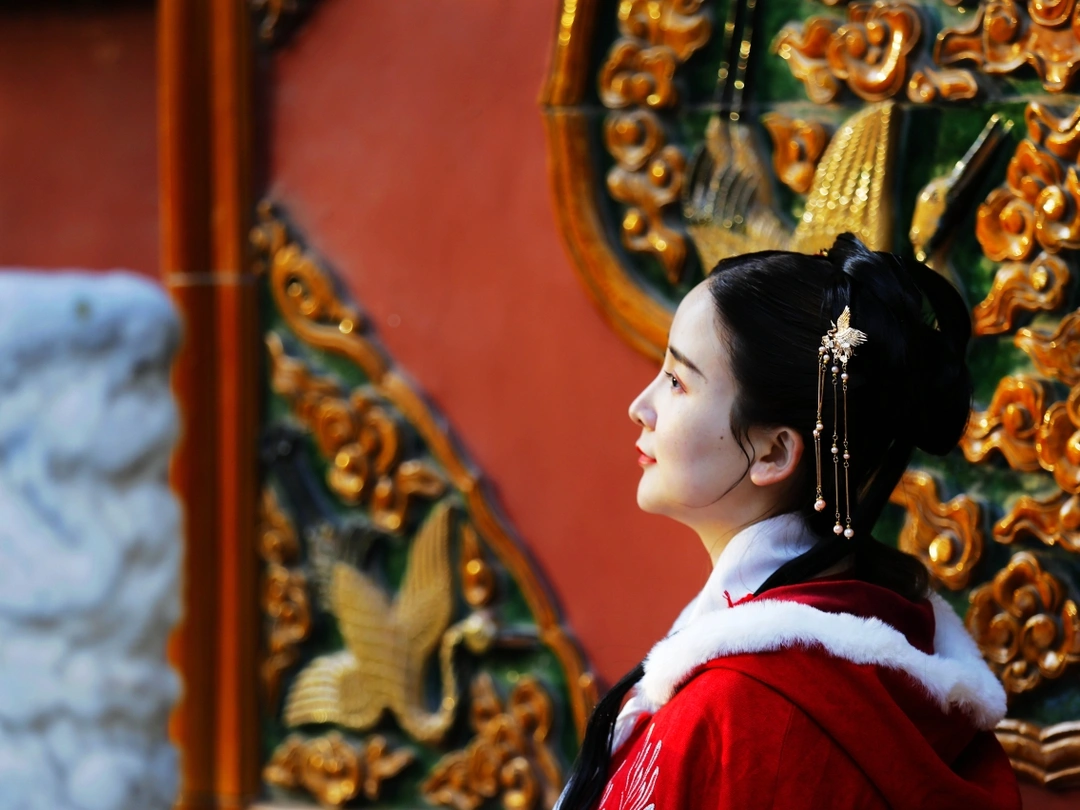
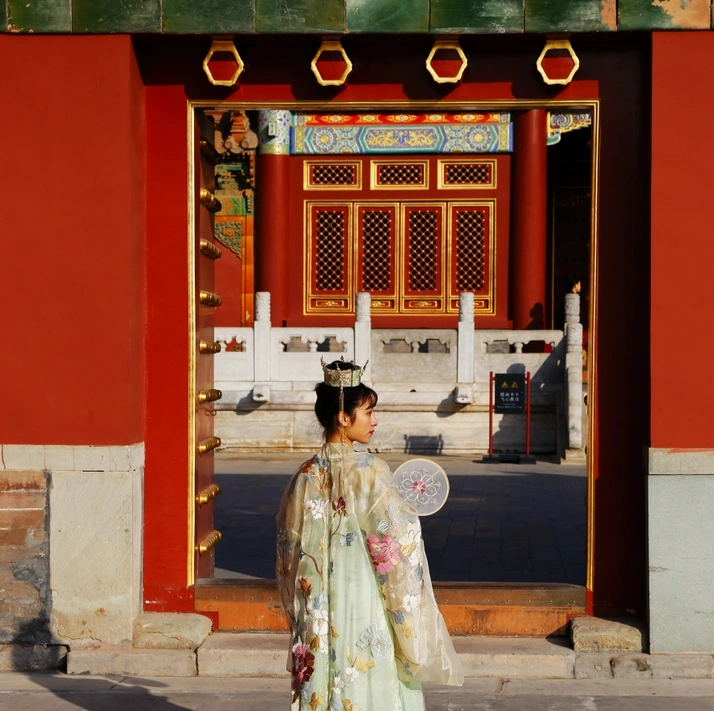
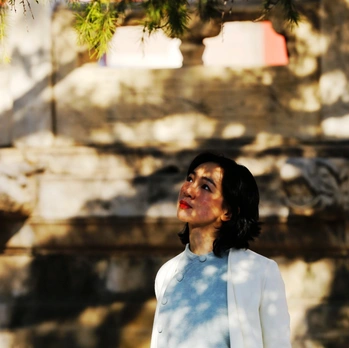
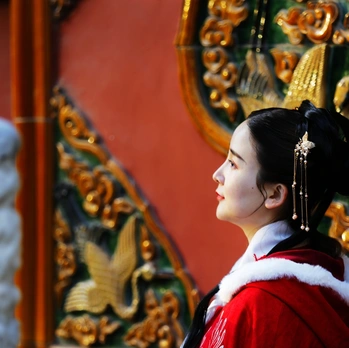
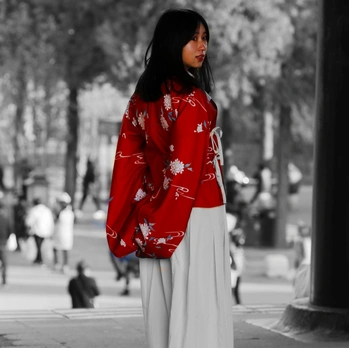
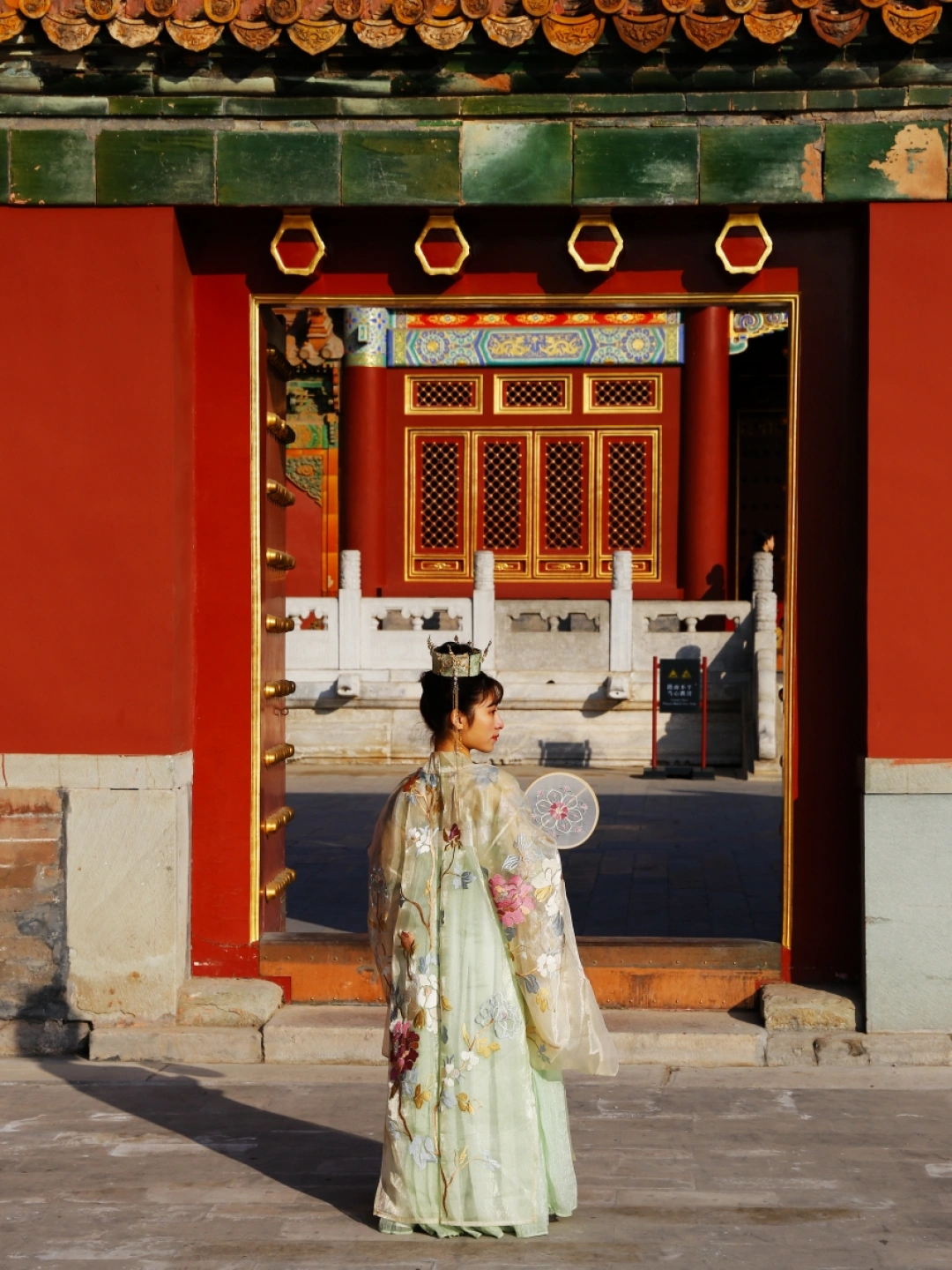
Sunlight slanted across the white marble balustrade. I leaned against the railing, momentarily lost, unsure of the year I was in. Before me, a procession of women in classical attire glided past—the flowing elegance of Tang Dynasty robes, the dignified composure of Hanfu, the refined grace of Ming and Qing garments, even the cheongsam from the Republican era mingling with modern dress. Their makeup was exquisite, their poise varied, and as they moved among the carved beams and painted rafters, it seemed as if each held a "Moonlight Box" in her hand, allowing different eras to converge here.
This wasn't a period drama shoot, nor was it a painting come to life. This was the Forbidden City in Beijing, and the scene before me was the embodiment of today's most popular trend: time travel. From novels to films, from TV dramas to real life, "time travel" has long become a cultural phenomenon. Whether it's traveling from the present to the past or from antiquity to modernity, what people seek is simply a feeling—the wondrous experience of freely switching between reality and fantasy.
To be honest, who hasn't entertained the thought, "If only I could go back..."? Faced with past regrets, we always wish for a do-over; faced with an uncertain future, we are filled with longing. Time travel, precisely, offers us a spiritual escape—it allows us to believe that although life can only be lived once, imagination can be replayed countless times. Perhaps it is this "impossible beauty" that makes time travel so enchanting.
Confessions of a True Beijing Native: Rediscovering the Ancient Capital
I am, without a doubt, a true Beijing native. Though I may not be a pure "old Beijing aborigine," I was born at the foot of the imperial city walls and grew up in the hutong alleyways. I wore cloth shoes and army greatcoats, carried a green canvas satchel, waited for girls at the school gate, and skated on the wild ice of Shichahai Lake. Decades have passed in a flash, but if you were to ask me how much culture and history Beijing holds, I'd have to admit something shameful—all those years, I was too busy running around the country, neglecting the very land that raised me.
Travel, to me, has never been merely about relaxation. It's more like a form of learning—when planning a trip, you unconsciously delve into the destination's history, culture, and customs. I remember once chatting with a friend from Kunming about Dianchi Lake. He looked baffled: "Why do you out-of-towners come to Dianchi? What's there to see?" That remark suddenly made me realize: travel is just going from a place you're tired of to a place others are tired of. So, as a Beijing native, did I truly understand Beijing?

The answer was: no.
Beijing, this ancient capital of five dynasties—the Liao auxiliary capital, the Jin central capital, the Yuan great capital, and the Ming and Qing imperial capitals—boasts over three thousand years of history and holds the most UNESCO World Heritage sites of any city in the world. The Forbidden City, the Temple of Heaven, the Summer Palace, the Great Wall, the Ming Tombs—these iconic landmarks were right at my doorstep. I always thought I could just "drop by" anytime, but gradually I grew numb, even forgetting they existed. The last time I visited Badaling Great Wall was 1995. I couldn't remember when I last went to the Temple of Heaven. I went to Beihai Park and Jingshan Park this year to see the lotus blossoms—the first time in at least a decade. As for the Lama Temple and Prince Gong's Mansion, I had never set foot in them! And the Forbidden City? The last time I visited, I was still a clueless elementary school student.
Since the mood had struck me, I decided to start with the Forbidden City.
The Forbidden City: The Lifeline of Beijing's Imperial Heritage
Understanding the Central Axis: Beijing's Dragon Vein
To explore the Forbidden City, one must first understand Beijing's most important line—the Central Axis. Some call it the dragon vein of the nation, others the source of life. This 7.8-kilometer urban axis, stretching from Yongdingmen Gate to the Bell Tower, centers on the Forbidden City, forming a concentric urban layout. The purpose of establishing this central axis was to emphasize the central position of the feudal emperor, just as the name "China" (Zhongguo) means "the Central Kingdom of the World." This is one of ancient Beijing's most outstanding contributions to world urban planning history. Today, the Central Axis has been extended to the Olympic Forest Park and Beijing's new airport, and its UNESCO World Heritage nomination has been initiated, ready to showcase its glory to the world once more.
The Forbidden City, formerly known as the Purple Forbidden City, sits at the heart of the Central Axis. It is the largest and best-preserved ancient wooden-structured architectural complex in China and the world, hailed as "the foremost of the world's five great palaces" (alongside France's Palace of Versailles, the UK's Buckingham Palace, the White House in the US, and Russia's Kremlin). Today, visiting the Forbidden City requires advance reservations, visitor limits, and a one-way route from south to north. The only southern entrance is Tiananmen.
[Link: How to book Forbidden City tickets in 2024]
From "Gate of Receiving Heaven's Mandate" to "Gate of Heavenly Peace"
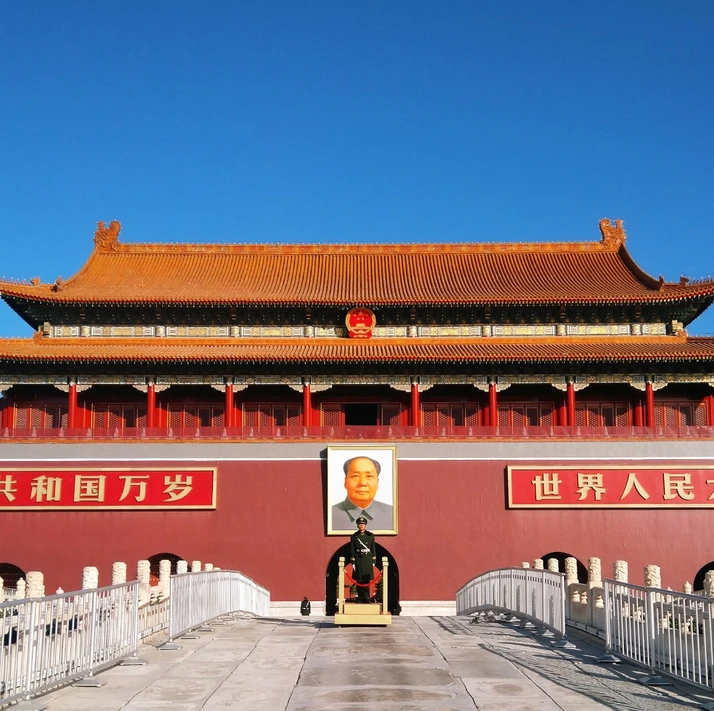
"I love Beijing's Tiananmen, the sun rises over Tiananmen..." This childhood song has accompanied countless people's growth. Tiananmen, the main gate of the imperial city during the Ming and Qing dynasties, was first built during the Yongle reign of the Ming Dynasty. Originally named "Gate of Receiving Heaven's Mandate," it symbolized "receiving heaven's mandate and destiny," and was renamed Tiananmen (Gate of Heavenly Peace) during the Shunzhi reign of the Qing Dynasty. The tower has five gates. The central gate, the tallest and widest, sits on the central axis and was once reserved exclusively for the emperor. Today, a portrait of Chairman Mao hangs above the gate, and the five-starred red flag is carried from here to the square every day, rising into the nation's sky.
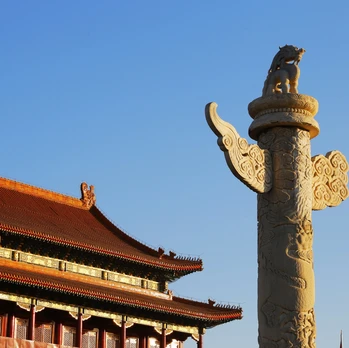
In front of and behind Tiananmen stand pairs of white marble ornamental columns, topped with stone mythical beasts. The beast on the column in front faces outward, named "Wangjunque" (Expecting the Emperor's Return), symbolizing the hope that the emperor would not linger too long outside the palace. The pair behind faces inward, named "Wangjunchu" (Expecting the Emperor's Departure), advising the emperor not to remain secluded in the palace but to understand the people's hardships. These details reveal the spirit and wisdom of traditional Chinese culture.
The Meridian Gate: Not an Execution Ground, but the Entrance of Power
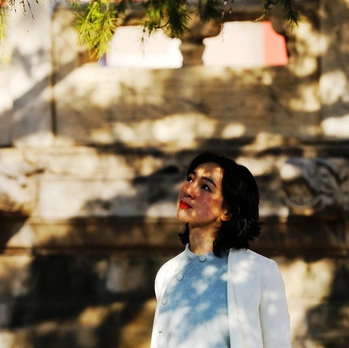
Passing through Tiananmen and Duanmen (Upright Gate), walking along the central axis once reserved only for the emperor, you arrive at the Meridian Gate. In ancient times, "zi" represented due north, and "wu" represented due south. Since the gate lies directly south of the Forbidden City, it is named Wumen (Meridian Gate). The gate has a "three visible, five actual" layout—from the front, only three gateways are visible. The central one was for the emperor, the eastern one for civil and military officials, and the western one for imperial relatives. Looking from behind after passing through the Meridian Gate, the gateways become five—because the entire structure is shaped like a "U," with the east and west wings extending southward like arms stretched forward. The two additional gates are tucked away like armpits, hence named "Left Arm Gate" and "Right Arm Gate."
As for the phrase "dragged out of the Meridian Gate for beheading," it is pure fiction. As a place of supreme honor, the Meridian Gate could never have been an execution ground.
The Three Great Halls: The Pinnacle of Imperial Power
Gate of Supreme Harmony: The Starting Point of Imperial Audiences
Crossing the five parallel single-arch bridges over the Inner Golden Water River, you arrive at the Gate of Supreme Harmony. This is the largest palace gate in the Forbidden City and the site where emperors held morning audiences during the Ming and Qing dynasties. Unlike later periods where audiences moved to the Hall of Supreme Harmony, the gate itself was the primary venue for imperial meetings. The gate is flanked by a pair of gilded bronze lions—the male lion playing with a brocade ball symbolizing unity, and the female lion with a cub representing prosperity.
Hall of Supreme Harmony: The Throne of Heaven
The Hall of Supreme Harmony, commonly known as the "Golden Throne Hall," is the largest and most magnificent hall in the Forbidden City. It was the venue for grand ceremonies such as the emperor's birthday, the winter solstice, and the New Year. The hall sits on a three-tiered white marble terrace, and the interior houses the famous Dragon Throne, carved with nine dragons—the ultimate symbol of imperial authority. The hall's roof is adorned with ten mythical beasts, the highest number in Chinese architecture, signifying the emperor's supreme status.
Hall of Central Harmony and Hall of Preserving Harmony
The Hall of Central Harmony served as a resting place for the emperor before ceremonies. It is a square hall with a pyramidal roof, symbolizing the balance between heaven and earth. The Hall of Preserving Harmony was used for imperial banquets and later for the highest level of the imperial examination—the palace examination. The hall's interior features a magnificent Cloud Dragon Screen and a stunning Celestial Globe, reflecting the emperor's role as the mediator between heaven and earth.
[Link: Top 10 must-see spots in the Forbidden City]
Beyond the Three Great Halls: Hidden Gems of the Forbidden City
The Palace of Heavenly Purity: The Emperor's Private Residence
Behind the Three Great Halls lies the Inner Court, where the emperor and his family lived. The Palace of Heavenly Purity was the emperor's bedchamber during the Ming Dynasty and early Qing Dynasty. It houses a plaque inscribed with "Zhongzheng Renhe" (Upright, Benevolent, and Harmonious), a reminder of the emperor's duty to rule with virtue. The palace also features a Sundial and a Grain Measure, symbolizing the emperor's role in regulating time and agriculture.
The Hall of Union: The Empress's Domain
The Hall of Union sits between the Palace of Heavenly Purity and the Palace of Earthly Tranquility, symbolizing the union of heaven and earth. It was the empress's palace and houses the Imperial Seal and the Twenty-Five Seals of the Qing Dynasty. The hall's interior is adorned with intricate carvings of phoenixes—the symbol of the empress—and features a stunning Clock of the Qianlong Period, a masterpiece of Chinese craftsmanship.
The Imperial Garden: A Serene Escape
The Imperial Garden at the northern end of the Forbidden City offers a peaceful retreat from the grandeur of the palaces. Built during the Ming Dynasty, the garden features ancient cypress trees, rockeries, and pavilions. The Hall of Imperial Peace (Qin'an Hall) is the main building, dedicated to the Taoist deity Xuanwu. The garden's Layered Rockeries and Flower Pavilion are perfect spots for reflection and photography.
Practical Tips for Visiting the Forbidden City in 2024
How to Get Tickets
- Advance booking required: Tickets must be reserved online at least 7 days in advance through the official Forbidden City website or authorized platforms.
- Peak seasons: April to October and Chinese public holidays (National Day, Spring Festival) are extremely busy. Book early.
- Ticket prices: 60 RMB (peak season) / 40 RMB (off-peak). Discounts for students and seniors.
- Opening hours: 8:30 AM to 5:00 PM (April to October) / 8:30 AM to 4:30 PM (November to March). Closed on Mondays.
Best Time to Visit
- Early morning (8:30 AM): Beat the crowds and enjoy the Meridian Gate and Hall of Supreme Harmony in relative peace.
- Late afternoon (3:00 PM): The golden hour light enhances the red walls and yellow glazed tiles.
- Weekdays: Tuesday to Thursday are less crowded than weekends.
What to Wear and Bring
- Comfortable walking shoes: The Forbidden City covers 72 hectares—expect 3-4 hours of walking.
- Sun protection: Hat, sunscreen, and sunglasses, especially in summer.
- Water bottle: Stay hydrated, but note that food and drinks are not allowed inside the halls.
- Camera: Photography is permitted in most areas, but no flash in indoor exhibits.
[Link: Complete guide to Beijing's Central Axis attractions]
Frequently Asked Questions About the Forbidden City
1. Is the Forbidden City worth visiting?
Absolutely. The Forbidden City is the largest and best-preserved ancient wooden palace complex in the world, a UNESCO World Heritage site, and the heart of Beijing's Central Axis. It offers an unparalleled glimpse into China's imperial history, architecture, and culture. Even for locals, rediscovering it is a transformative experience.
2. How long does it take to tour the Forbidden City?
A comprehensive visit takes 3-4 hours. If you want to explore the Treasure Gallery, Clock and Watch Gallery, and Imperial Garden, allocate 4-5 hours. A quick tour focusing on the Three Great Halls and Inner Court can be done in 2-3 hours.
3. Can I take photos inside the Forbidden City?
Yes, photography is allowed in most outdoor areas and many indoor exhibits. However, flash photography is prohibited in galleries with fragile artifacts. Drones are strictly forbidden.
4. What is the best entrance to the Forbidden City?
The only entrance is through Tiananmen and the Meridian Gate from the south. Exit is from the Gate of Divine Might (north gate) or the East Prosperity Gate (east side). Plan your visit as a one-way route from south to north.
5. Are there guided tours available?
Yes. Audio guides (available in multiple languages) and guided tours can be booked at the entrance or online. Private guides offer deeper historical insights and can customize the tour to your interests. [Link: Forbidden City guided tours]
Conclusion: Your Time Travel Awaits
The Forbidden City is more than a museum—it's a portal to China's imperial past. Standing on the Central Axis, surrounded by centuries of history, you'll understand why time travel has captured our collective imagination. Whether you're a history buff, a photography enthusiast, or simply seeking a moment of wonder, the Forbidden City delivers.
As the sun sets over the Hall of Supreme Harmony, casting long shadows across the white marble, you'll realize that the "Moonlight Box" isn't a physical object—it's the experience of stepping into a world where past and present coexist. The women in Tang robes, the children in Hanfu, the tourists from every corner of the globe—they're all part of this timeless dance.
Don't wait another decade. Book your Forbidden City tickets today, and open your own Moonlight Box. The ancient imperial city is waiting to share its secrets with you.
Ready to plan your trip? [Link: Forbidden City ticket booking guide] | [Link: Top 10 Beijing attractions beyond the Forbidden City] | [Link: Best time to visit Beijing]
Share this article with fellow travelers who need a nudge to rediscover their own backyard—or explore a new one.
You should also read:
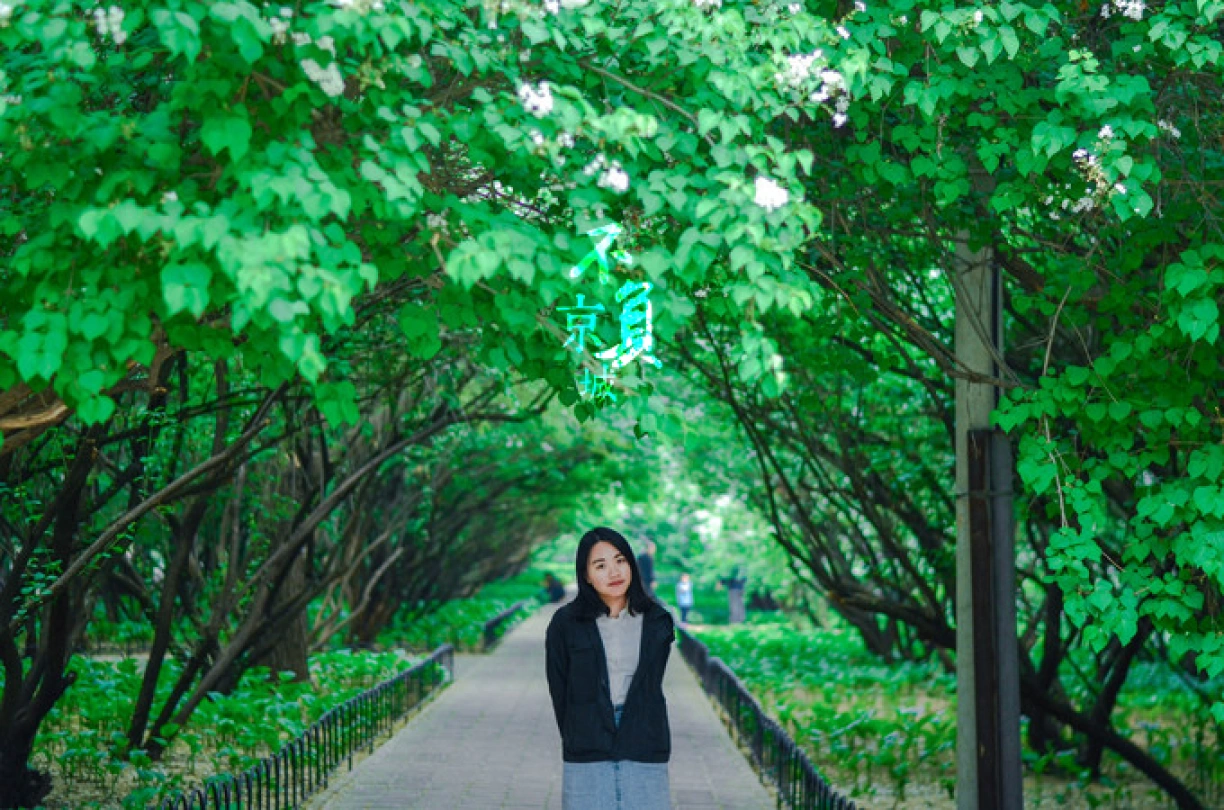
Three Days and Two Nights in Beijing: A Student’s Spring Travel Guide to the Imperial City
Meta Description: Discover Beijing on a student budget with this 3-day spring itinerary. From the Forbidden City to the Temple of Heaven, experience history, culture, and unexpected blue skies. Perfect for solo travelers. There are places you always think you can visit “someday”—until someday finally…
Continue reading...
Beijing Travel Guide: An Ancient Capital's New Face – A Five-Day Wandering Chronicle
Meta Description: Explore Beijing's modern transformation in this SEO-optimized travel guide. From Sanlitun nights to hidden hutong gems, discover the ancient capital's new face in five unforgettable days. Perfect for first-time visitors and returning travelers. When I first visited Beijing as a kid on a…
Continue reading...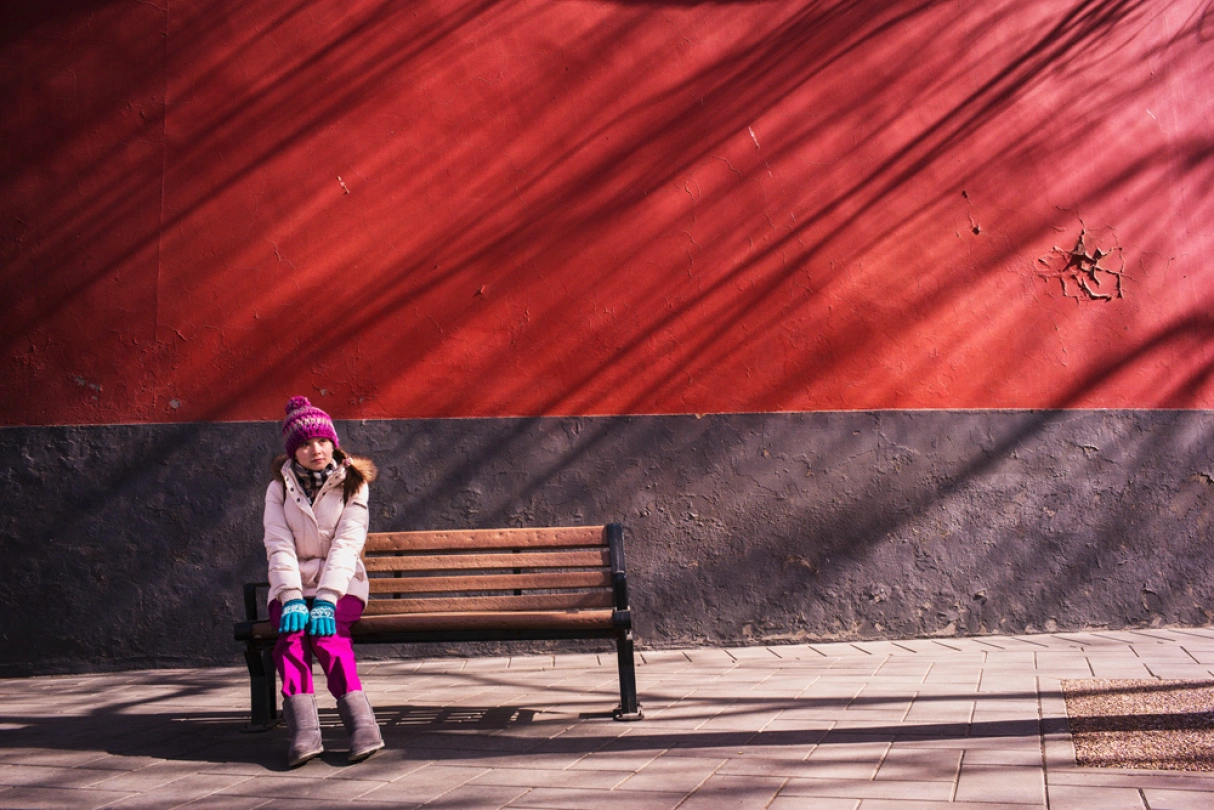
A Winter Journey in Beijing: Romance and Misery at Minus Five Degrees – An SEO-Optimized Travel Guide
Meta Description: Discover the romance and misery of a winter trip to Beijing at -5°C. Explore snowy Jingshan Park, historic hutongs, and budget-friendly tips for a 4-day Spring Festival adventure. Some say Beijing is a city you both love and hate. You love its profound…
Continue reading...