Jeju Island Winter Travel Guide: A 5-Day Wellness Escape to Korea’s Blue Island Paradise
Meta Description: Discover the ultimate Jeju Island winter itinerary—5 days of healing blue seas, local food, and zero shopping stress. Perfect for solo travelers and slow-paced explorers. Budget-friendly tips included.
Why Jeju Island Is the Ultimate Winter Wellness Escape
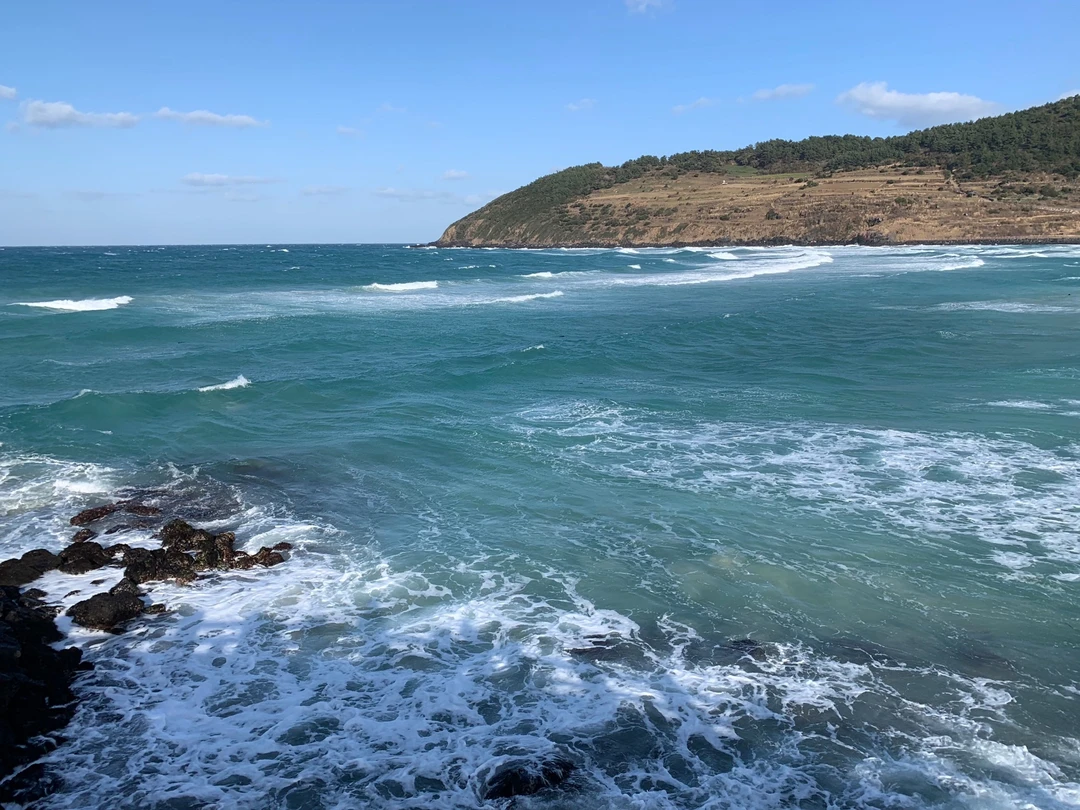
If you're dreaming of a winter getaway that feels like a deep breath for your soul, Jeju Island should be at the top of your list. This volcanic island off the southern coast of South Korea transforms into a serene blue wonderland during the colder months—where sky meets sea in a shade that feels almost otherworldly.
Forget the duty-free crowds and Instagram-famous spots. This Jeju Island winter travel guide is for those who want to slow down, eat well, and let the island's natural healing power do its work. Over five days in January, I discovered that Jeju isn't just a destination—it's a reset button.
Cost per person: Approximately 3,000 RMB (excluding shopping)
Travel dates: January 20–24 (5 days, 4 nights)
Travel companions: One childhood friend
Pre-Trip Planning: Essential Jeju Travel Tips

Flights & Transportation on Jeju Island
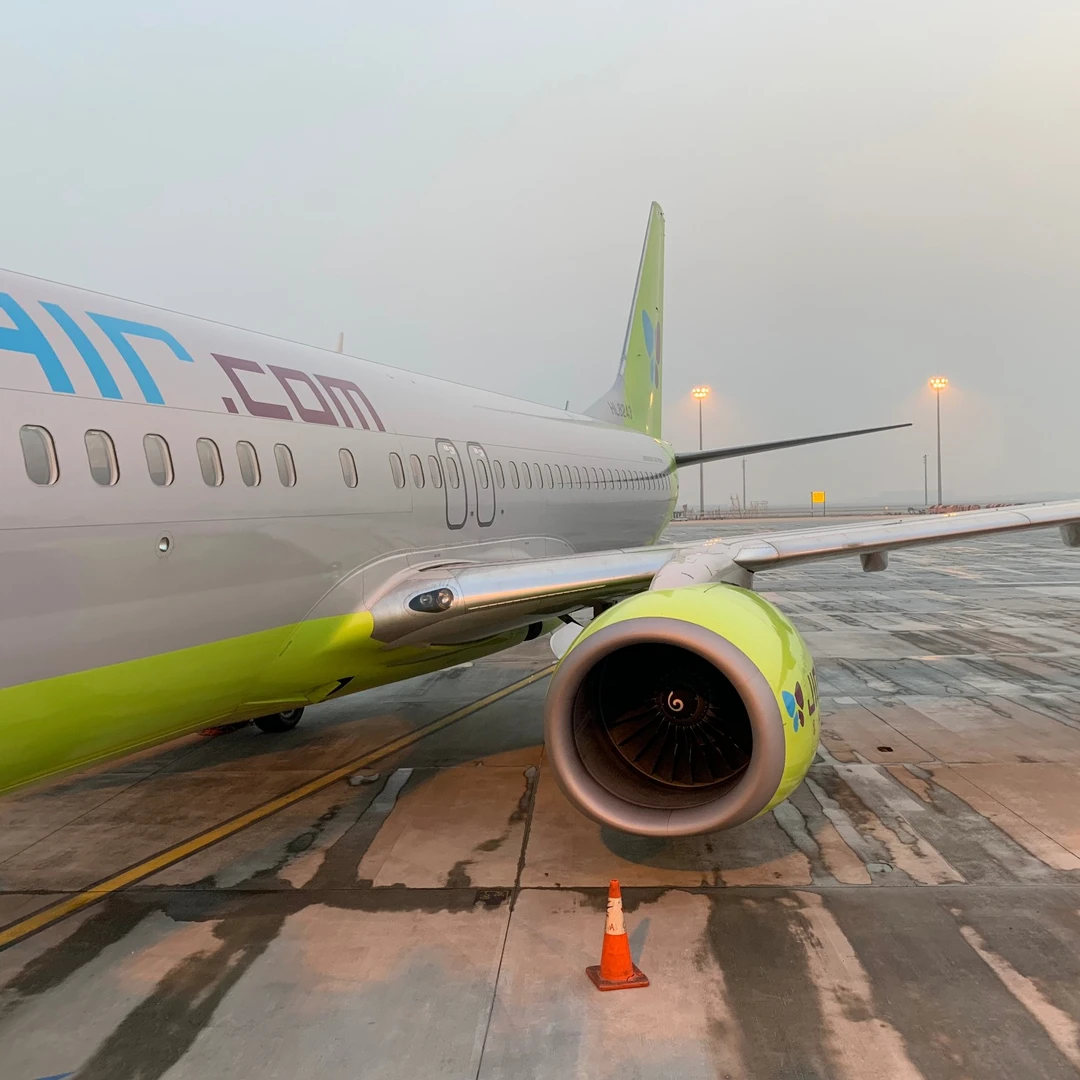
We booked Jin Air tickets 20 days in advance. Round-trip from Shanghai cost about 1,300 RMB per person, with 20 kg checked luggage and 7 kg carry-on allowance—more than enough for a non-shopping trip.
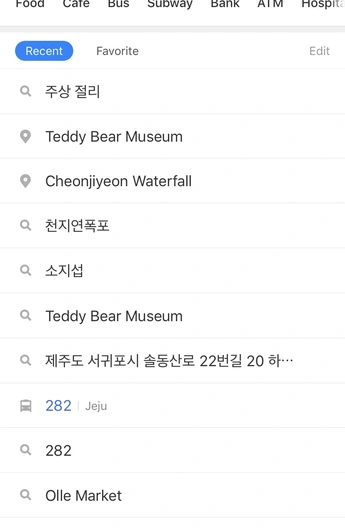
Getting around Jeju Island: - Taxis: Starting fare is 2,800 KRW. For distances under 5 km, taxis are more cost-effective than buses. - Buses: Most economical option. Buy a T Money card at GS25 convenience stores and recharge with 10,000–20,000 KRW—it'll last 4–5 days. Single bus ride: 1,150 KRW. - Navigation lifesaver: Use Naver Map (requires Korean or English input). Pro tip: Find your destination on Dianping, copy the Korean address, and paste it into Naver Map.
Important Jeju Travel Tips for First-Timers
- Waste sorting is strict in South Korea. Few trash bins exist on streets. Separate recyclable paper, plastic, and non-recyclable items.
- Fast food etiquette: Clear your tray and sort trash after eating at KFC or McDonald's.
- Entry documents: Prepare your return flight booking (printed or digital). You'll need to fill out an arrival card and customs declaration form.
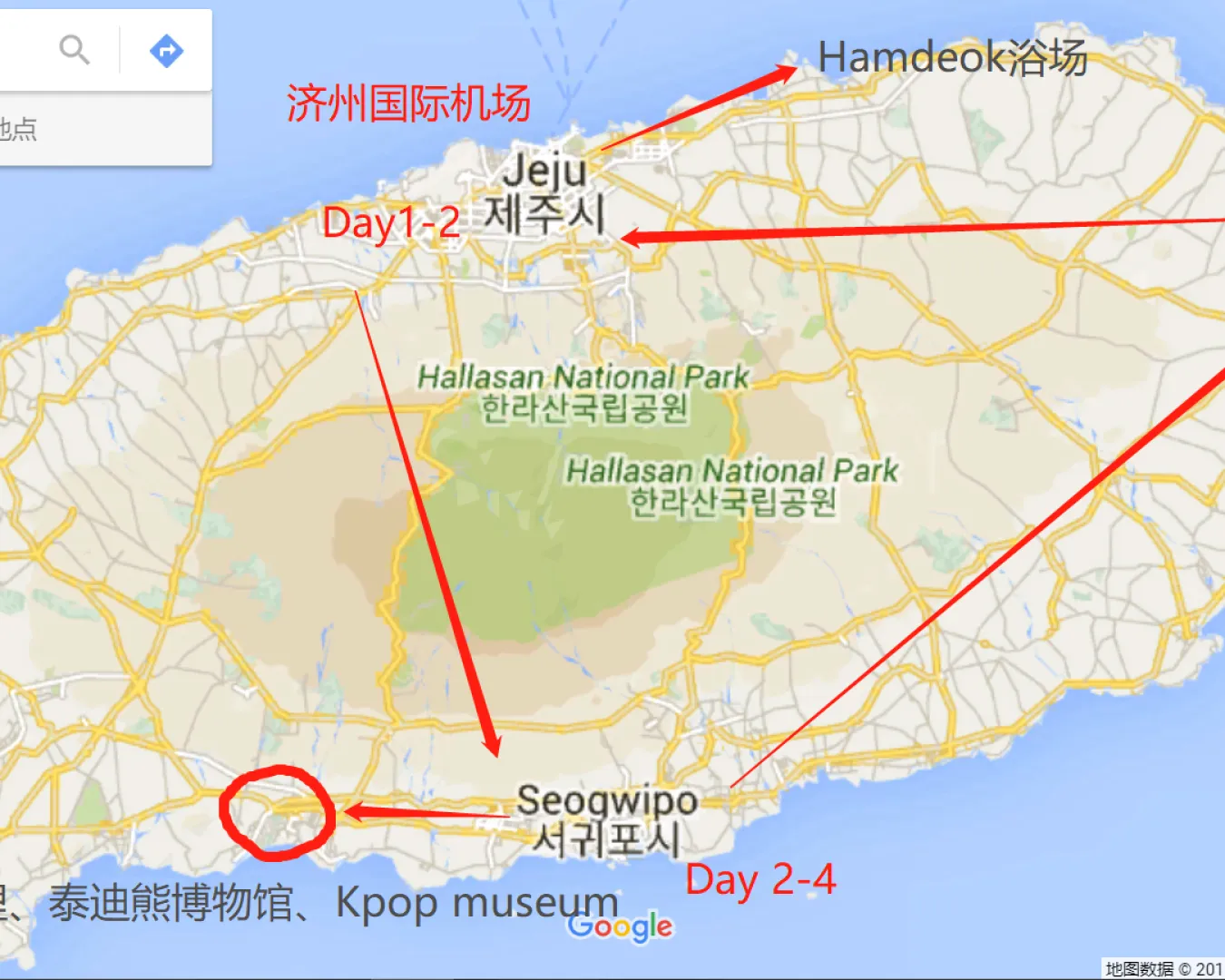
Day 1–2: Jeju City – First Impressions of the Blue Island
Hamdeok Beach: A Local Favorite Winter Escape
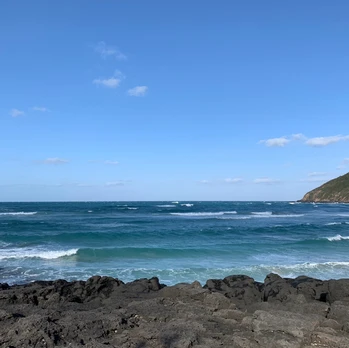
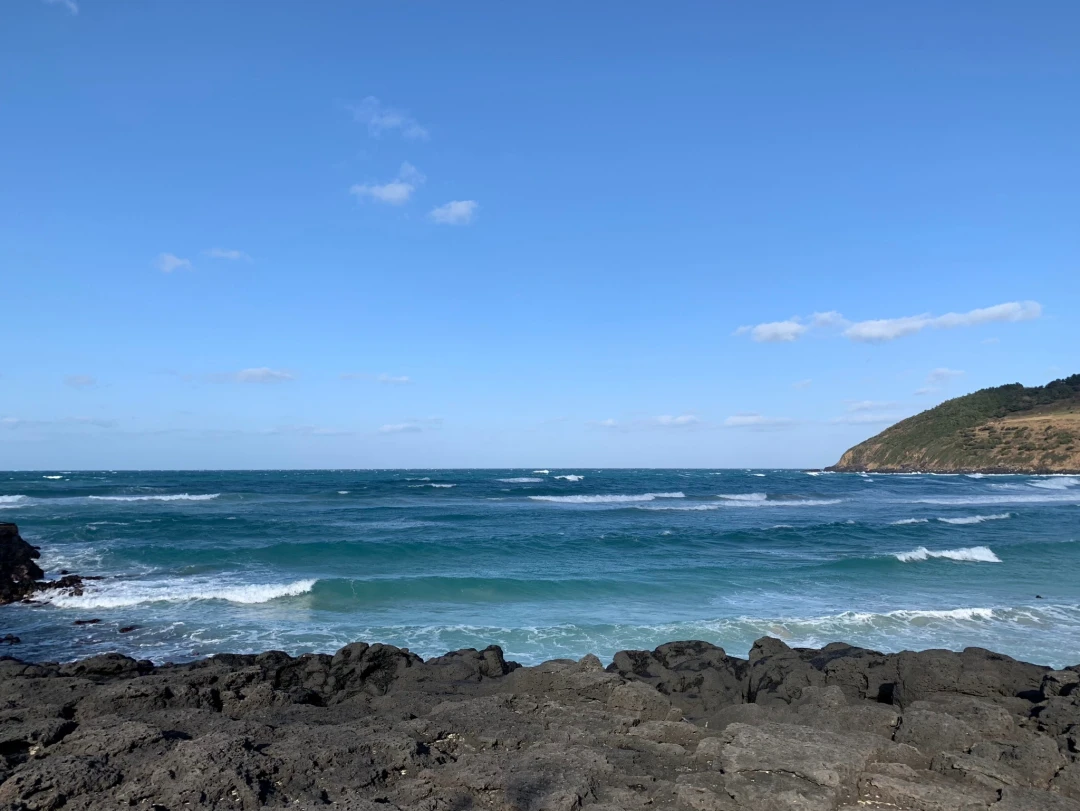
Skip Yongduam Rock (Dragon Head Rock)—our guesthouse host warned us it wasn't worth it. Instead, head to Hamdeok Beach, about an hour by bus from Jeju City. The winter wind is strong, but the view is unforgettable.
The water shifts from transparent to light green, then pale blue, to deep blue—so clear you can see the sand beneath. Many Korean families drive here even in winter. We met an elderly man who tried to offer us snacks; when he realized we were Chinese, he just smiled and nodded.
Pro tip: Visit the beachfront café for a good latte at a reasonable price. Arrive early to grab a seat—locals flock here even in winter. Staff speak English but not Chinese.
Where to Eat in Jeju City Like a Local
- Aeji House BBQ (Love House): Highly recommended online, but we found it average—similar to Chinese barbecue. Our host said any random BBQ place downstairs tastes about the same.
- Fried chicken from the guesthouse downstairs: Dry but crispy and fragrant. One portion (about 100 RMB) was huge. Buy soju from GS25 for 12 RMB a bottle.
- Local eatery downstairs: Full of Korean customers—always a good sign. The food was excellent.
Unexpected Shopping at Lotte Duty-Free
We weren't there to shop, but a friend asked us to pick up items. If you go, remember your passport. Alipay Gold members can get a Gold Card (10% off), and Premium Card holders get 15% off. Payment must be made with the Alipay account used to apply for the card. Pick up purchases at Jeju Airport, opposite Gate 19.
[Link: How to use Alipay in South Korea]
Day 3–4: Seogwipo City – Where Art Meets Nature
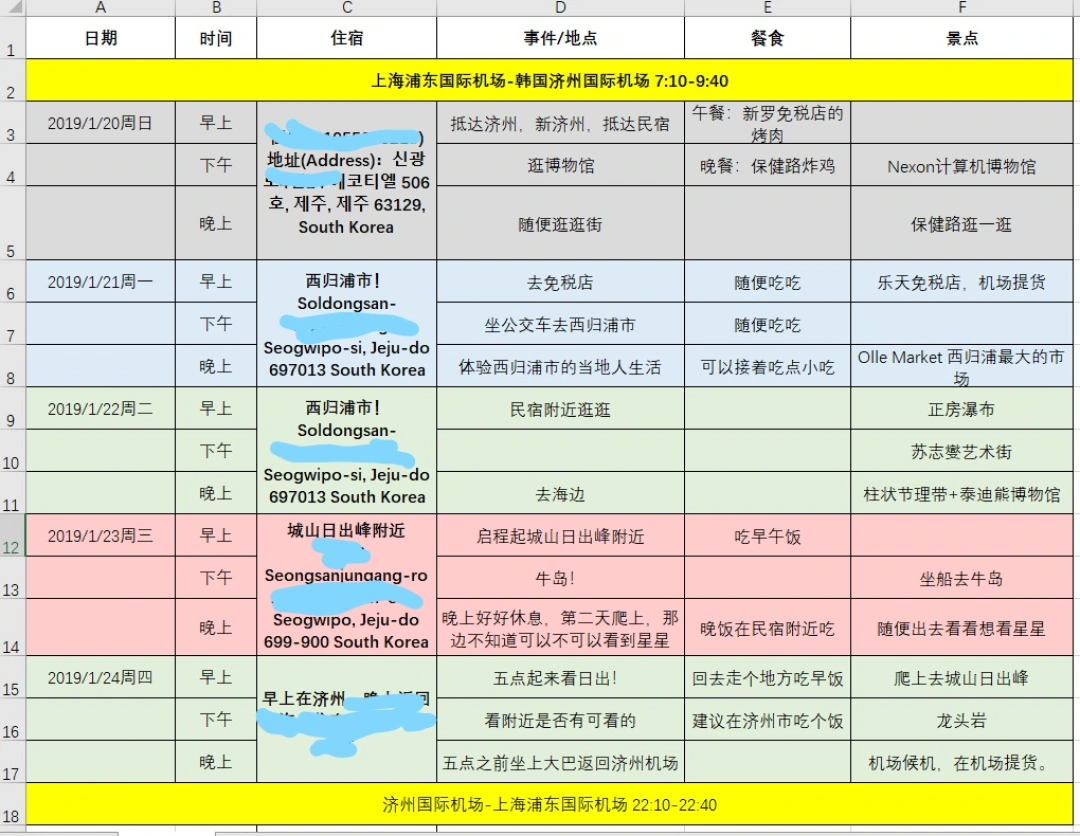
Seogwipo Maeil Olle Market: The Heart of Local Life
On the bus from Jeju City to Seogwipo, our transit card failed—we only had 5,000 KRW in cash. A Korean girl kindly helped us communicate with the driver. (Note: Jeju buses do give change, but it's more expensive than using the card.)
The Seogwipo Maeil Olle Market is huge, clean, and full of life. Locals stroll and eat here every evening.
Must-try foods at Seogwipo Market: - Cheese Grilled Crab: A small stall run by a father and son—long queue, worth the wait. - Grilled Black Pork: A Jeju specialty—absolutely essential. - Hallabong (Jeju Citrus): Three for 5,000 KRW. Near Seongsan Ilchulbong, they cost 10,000 KRW for three—and weren't fresh. Eat your fill in Seogwipo. - Rice cake and blood sausage: A small shop where the owner asked, "Are you Chinese?" when we hesitated ordering. The rice cake, blood sausage, and fish cake were cheap and delicious.
Sightseeing in Seogwipo: What's Worth Your Time

- Lee Jung-seop Street: Three minutes from our accommodation. Features reproductions of the artist's works, but feels like a Chinese water town—narrow lanes lined with shops.
- Cheonjiyeon Waterfall: Admission 2,000 KRW. We got lost at the entrance, but high school students enthusiastically showed us the way despite limited English.
- KPop Museum: We entered by mistake (meant to visit the Teddy Bear Museum). Paid 30,000 KRW to see G-Dragon's hologram. Skip it unless you're a hardcore fan.
- Jusangjeolli Cliff (Columnar Joints): A few kilometers from the Teddy Bear Museum—just a taxi starting fare away. The water is incredibly blue, and evening light is stunning. We missed sunset due to the KPop Museum detour.
Sending Postcards from Jeju: 500 KRW of Warmth
Buy postcards on Lee Jung-seop Street, then mail them from the Seogwipo Post Office near the daily market. Sending one to Shanghai costs only about 500 KRW. Mailing from the post office is more reliable than street mailboxes.
Where to Eat in Seogwipo
- Stir-fried Black Pork with Squid: At the intersection of Lee Jung-seop Street and our guesthouse area. Affordable prices, lots of locals.
- First shop on the right at the exit of Lee Jung-seop Street: The owner speaks Chinese. Rice balls are good, prices similar to the stir-fried black pork place.
- Cartoon candies and cheese sandwich cookies: Sold at the daily market and near tourist attractions—worth a try. Bring your own trash bag.
- Citrus juice: 3,000 KRW per bottle. Delicious!
Day 5: Udo Island – Winter's Cold and Beauty
From Seogwipo, take Bus 201 to Seongsan Ilchulbong—about an hour along the coast. The entire bus ride is a sea-view spectacle. After checking into your guesthouse, take a taxi to the ferry terminal (just the starting fare). The terminal is called Seongsan Port.
Udo Island in winter is a study in contrasts: freezing wind, stunning blue waters, and a raw beauty that feels like the edge of the world. It's worth the cold.
[Link: Complete guide to Udo Island ferry schedules and attractions]
FAQ: Jeju Island Winter Travel
1. Is Jeju Island worth visiting in winter?
Absolutely. Winter offers clear skies, fewer crowds, and a unique sense of serenity. The blue of the sea and sky is more vivid than in summer. Just pack warm clothes—the wind can be fierce.
2. How much does a 5-day Jeju trip cost?
Approximately 3,000 RMB per person (excluding shopping) for flights, accommodation, food, and local transport. Budget-conscious travelers can reduce costs by eating at local markets and using buses.
3. Do I need a visa for Jeju Island?
Chinese citizens can visit Jeju Island visa-free for up to 30 days, provided they arrive directly from China and have a valid passport. Always check current regulations before traveling.
4. What should I pack for Jeju in winter?
Pack layers: thermal underwear, a warm coat, scarf, gloves, and a windproof jacket. Comfortable walking shoes are essential. Don't forget a reusable bag for trash—South Korea has strict waste sorting rules.
5. How do I get around Jeju without a car?
Use the bus system (T Money card recommended) and taxis for short distances. Naver Map is essential for navigation. For remote attractions like Udo Island, combine buses with ferries.
Your Jeju Island Winter Escape Awaits
Jeju Island isn't just a destination—it's a state of mind. Five days here taught me that the best travel experiences aren't about checking off attractions, but about letting the island's blue magic seep into your bones. Whether you're watching the sunset at Jusangjeolli Cliff, eating grilled black pork at a local market, or simply staring at the sea from a beachfront café, Jeju offers something rare: true stillness.
Ready to plan your own Jeju Island winter wellness escape? Start by booking your flights 20 days in advance for the best deals, grab a T Money card at the airport, and let the island guide you. No shopping lists, no crowded queues—just you, the sea, and the sky.
[Link: Best time to visit Jeju Island – seasonal guide] [Link: Budget travel tips for South Korea] [Link: Top 10 Jeju Island winter activities]
This Jeju Island travel guide is based on a personal trip in January 2019. Prices and conditions may have changed. Always check current travel advisories and local regulations before planning your trip.
You should also read:
Five Days in Beijing: Mother-Daughter Travel Guide to China's Capital
Meta Description: Plan the perfect Beijing mother-daughter trip with this 5-day itinerary covering the Great Wall, Forbidden City, Summer Palace, and hutong culture. Expert tips on group tours, packing, and budget-friendly travel. When my mom pulled out her beloved selfie stick and struck the classic…
Continue reading...
Ten Years Later: Chasing Spring in the Imperial City – A 5-Day Beijing Adventure in March 2017
Meta Description: Relive a 5-day Beijing spring itinerary from March 2017—Forbidden City, Great Wall, hutongs & cherry blossoms. Budget tips, bike hacks, and hidden gems for your own imperial city chase. Beijing. Just the name stirs something deep in the chest. It's the heartbeat of…
Continue reading...
Glorious Beijing, Timeless City: A 7-Day In-Depth Journey Through Old Beijing – The Ultimate SEO-Optimized Travel Guide
Meta Description: Discover Beijing in 7 days with this SEO-optimized guide. From Forbidden City tours to hutong homestays, authentic Peking duck, and hidden gems. Perfect for first-time visitors planning a Beijing itinerary. Some encounters are simply destined to happen. In September 2016, as a Southern…
Continue reading...