Kitchen Diary During the Pandemic: A Young Couple's 60-Day Home Cooking Chronicle
Meta Description: Discover how a young Beijing couple survived 60 days of lockdown with creative home cooking. From 140 yuan ribs to homemade fried dough sticks—a pandemic kitchen diary full of recipes, tips, and heartwarming moments.
Introduction: When the World Stopped, the Kitchen Came Alive
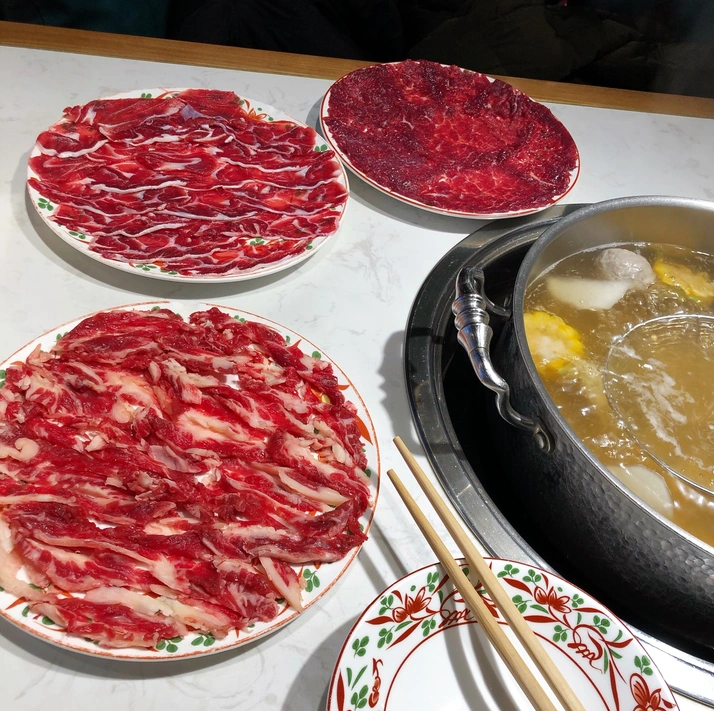
January 23, 2020. Beijing. While most people were celebrating the upcoming Spring Festival holiday, Lulu and I had no idea this would mark the beginning of a long stretch of staying at home. That afternoon, we went to a Chaoshan beef hotpot restaurant near our place, ordered a few plates of tender beef slices, and returned home completely satisfied. Little did we know, this would be our only meal out for the next two months.
What followed was a 60-day journey through home cooking, pantry management, and rediscovering the joy of shared meals. This is our pandemic kitchen diary—a story of resilience, creativity, and the simple comfort of food.
Stocking Up: From Panic to Calm
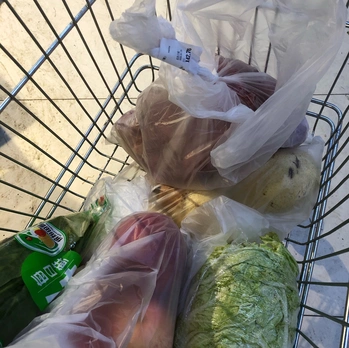
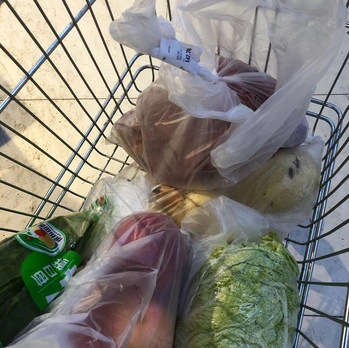
That evening, we did two things that would prove highly symbolic: we canceled all our flight and hotel bookings for the Spring Festival, then rushed into the local Wumart supermarket, stocking up like squirrels preparing for hibernation. Heads of napa cabbage, pork ribs—a whole slab of ribs costing 140 yuan, which would later become the "star" of our kitchen, transformed into four different meals.
Our neighbor ZW, whom we ran into at the supermarket, told us that a confirmed case had already been reported in the next compound. The news spread the following day. Lulu's parents immediately issued a "ban": we were no longer allowed to go out for groceries. From then on, they would drive to a farther supermarket every week, buy our supplies, and drop them off at our compound gate. And so we began our "carefree" quarantine life—though that phrase sounds a bit ironic now.
SEO Tip: For pandemic meal prep ideas, check out our guide on [Link: How to Stock Your Pantry for Long-Term Home Cooking]
Week One: First Kitchen Experiences, Hits and Misses

New Year's Eve Dumplings and Bak Kut Teh
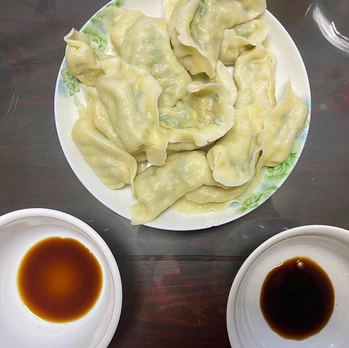
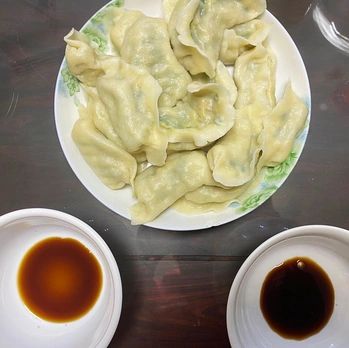
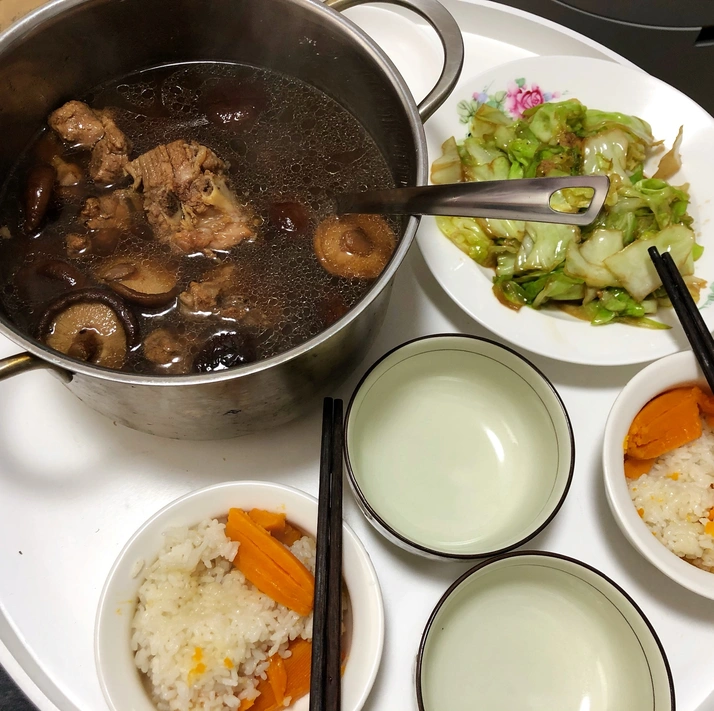
On New Year's Eve, Lulu's mother sent over leek-and-pork dumplings. No photos, no lavish feast—just a plate of steaming dumplings and the constant stream of pandemic news on our phones. At noon on the first day of the new year, I cooked a pot of bak kut teh (herbal pork rib soup)—a pre-made spice packet made it as simple as tossing the ribs in to boil. It tasted okay, but something was missing.
Vegetable Pancakes and Duyichu Takeout
The shredded zucchini pancakes (糊塌子) Lulu made were the highlight of those days. She summed up the secret: use plenty of oil, and fry the edges until they're crispy and golden. The next day, we ordered takeout from Duyichu, a famous Beijing restaurant—lamb shaomai (steamed dumplings) and roasted lamb. The lamb shaomai was fragrant, but it was a completely different style from the ones in Inner Mongolia's Sunite region. The roasted lamb was a bit cold, so we popped it in the oven for five minutes—and it became heavenly.
Braised Everything and Confit Duck Leg
The braised chicken thighs I made followed the principle of "everything can be braised," and I'd gotten pretty good at it by now. The confit duck leg was a semi-finished product that just needed pan-frying; the real effort went into scraping off the fat—after all, with staying at home, our exercise was already minimal. That night, too lazy to cook properly, I made a bowl of Buman beef rice noodles (霸蛮牛肉粉), and the golden broth was so spicy it made me sweat.
Garlic Roasted Ribs and the Fifth-Day Dumplings
The garlic roasted ribs Lulu made were the star of those days. She marinated them in advance, brushed them with honey during roasting, and spent ages scrubbing the baking tray afterward—she gave it an 8 out of 10 for complexity and an 8 for deliciousness. On the fifth day of the new year (破五), Lulu's father sent over dumplings. I can't remember what the filling was, but it definitely wasn't fennel—Lulu's family doesn't eat fennel.
Week Two: Working from Home, the Kitchen Becomes a New Battleground
Beef Curry Rice and the Failed Kimchi Stew
The beef was braised in advance, then cooked with potatoes, carrots, and onions using a curry paste bought online—Lulu's beef curry rice scored an 8. But my kimchi stew was a disaster: the pork belly wasn't seared enough to bring out its flavor, and I couldn't get the amount of doenjang (Korean soybean paste) right—it only got a 5.
Wagyu Fried Rice and Sichuan Pepper Chicken Wings
The Australian M9 wagyu from Daily Fresh was impressive in name only—it was full of tendons and tough to chew. But the beef flavor was strong, and Lulu's fried rice tasted good, though the meat quality let it down. Her Sichuan pepper chicken wings were the real deal: marinated well in advance, with a beautiful golden exterior and juicy interior—an 8, well-deserved.
SEO Tip: Learn how to perfect Sichuan pepper chicken wings with our [Link: Essential Chinese Marinade Techniques Guide]
Week Three: Spring Pancakes for the Start of Spring and Spicy Shredded Pork Learned from TikTok
A Risky Trip Out for Spring Pancakes
On the day marking the Start of Spring (立春), we took a risk and went to Daoxiangcun, a traditional Chinese bakery chain, only to find they had nothing. We bought sauced pork elbow at the supermarket but couldn't find any pancakes, so we had to make them ourselves. The pork elbow was dry and mediocre, but rolled up in our homemade pancakes, it was still delicious. Lulu said if we'd used Daoxiangcun's pork elbow, this dish would have scored a 9.
Four Ways with One Slab of Ribs
That 140-yuan slab of ribs went through four transformations: bak kut teh, garlic roasted, tangerine peel braised, and finally, the tenderloin trimmed off was turned into spicy shredded pork (香辣肉丝) that Lulu learned from a TikTok video. Rich and savory, the lean meat was surprisingly tender, with a numbing, spicy kick—8.5 out of 10.
Week Four: Zhajiang Noodles and the Great Fried Dough Stick Cycle
The Strategic Importance of Zhajiang Noodles
Lulu fried up a batch of zhajiang sauce (fermented soybean paste), which we could store and use to whip up quick meals. Her secret: don't use too much paste, or it'll be too salty. And so, for the next week, we ate zhajiang noodles countless times—lunch, dinner, lunch again the next day. By the end, I couldn't tell whether I actually loved them or was just trying to finish that pot of sauce.
Fried Dough Sticks: Make Too Few and It's a Waste, Make Too Many and It's a Stomach-ache
The fried dough sticks Lulu made were golden and crispy, just like the ones from the street. But the problem was: make too few, and you've wasted the oil and effort; make too many, and you're eating them for all three meals. For lunch, we'd stir-fry some greens with cured meat and eat them with the dough sticks; for dinner, we'd cook quinoa porridge and stir-fry more greens to go with them. Dipped in soy paste, they tasted like the Taiwanese-style fried dough sticks.
Week Five: The Comfort of Hotpot and Korean BBQ
Fine Dining at Home
On Valentine's Day, we wanted to recreate the feeling of eating out. We prepared all the ingredients for Korean BBQ: pork belly and vegetables sizzled on the griddle, served with seaweed bibimbap (mixed rice). It was absolutely delicious, but both sets of parents scolded us: "Don't eat raw lettuce during a pandemic!"
Hotpot: From Shrimp Balls to Dipping Oil
We craved hotpot, and luckily we had lamb slices. Lulu made shrimp balls from scratch, but she might have been too generous with the ingredients—not enough starch, so they didn't have the same bouncy texture as the ones from restaurants. But with the hotpot base and a dipping sauce of sesame oil, garlic, and cilantro, we just threw in whatever vegetables we had at home. By the end, we were so stuffed we had to jump around downstairs to digest.
SEO Tip: For perfect homemade hotpot, explore our [Link: Ultimate Hotpot Dipping Sauce Recipe Collection]
Week Six: From Chongqing Spicy Chicken to Birthday Cake
The Thrill of Hunting for Chicken in a Sea of Chilies
The Chongqing spicy chicken Lulu made was wonderfully numbing and fragrant. But with only two whole chicken thighs and a limited supply of Erjingtiao chilies (a Sichuan variety), we couldn't get that classic experience of digging through piles of chilies to find the meat. She said next time she'd use more chilies, and I said sure—even though I knew she's afraid of spicy food.
Birthday Cake: A Midnight Surprise
On the evening of March 4th, just before midnight, Lulu finished making my birthday cake. It was a simple homemade cake, but it meant the world to me. In a time when everything felt uncertain, this small act of love reminded us that joy can be found in the most ordinary moments.
FAQ: Pandemic Home Cooking Questions Answered
1. How do you stock a pantry for long-term home cooking during a pandemic?
Start with shelf-stable staples like rice, noodles, canned goods, and frozen vegetables. Buy whole cuts of meat (like our 140-yuan slab of ribs) that can be portioned into multiple meals. Don't forget spices and condiments—they transform simple ingredients.
2. What are the best beginner-friendly recipes for lockdown cooking?
Try braised chicken thighs, vegetable pancakes, or zhajiang noodles. These are forgiving, require minimal technique, and can be adjusted to whatever ingredients you have on hand.
3. How do you avoid food waste when cooking at home every day?
Plan meals around a core ingredient. Our 140-yuan ribs became four dishes: bak kut teh, garlic roasted, tangerine peel braised, and spicy shredded pork. Also, learn to repurpose leftovers—fried dough sticks can be served with stir-fry or porridge.
4. What kitchen tools are essential for pandemic home cooking?
A good non-stick pan, a reliable oven, a griddle for Korean BBQ, and a sturdy cutting board. Also, invest in a food scale for precise measurements—especially for baking.
5. How do you keep cooking interesting during a long quarantine?
Experiment with new cuisines. We tried Korean BBQ, hotpot, and even TikTok-inspired dishes. Also, involve your partner or family in the cooking process—it becomes a shared activity, not a chore.
Conclusion: The Kitchen as a Sanctuary
Those 60 days taught us that the kitchen is more than a place to prepare food—it's a sanctuary of creativity, comfort, and connection. From the failed kimchi stew to the perfect birthday cake, every meal was a small victory against the uncertainty outside.
What's your pandemic cooking story? Share your favorite lockdown recipe in the comments below, or tag us on social media with #PandemicKitchenDiary. We'd love to hear how you turned your kitchen into a haven during challenging times.
Ready to start your own home cooking journey? Download our free [Link: 30-Day Home Cooking Challenge Checklist] and transform your kitchen into a source of joy and nourishment.
You should also read:
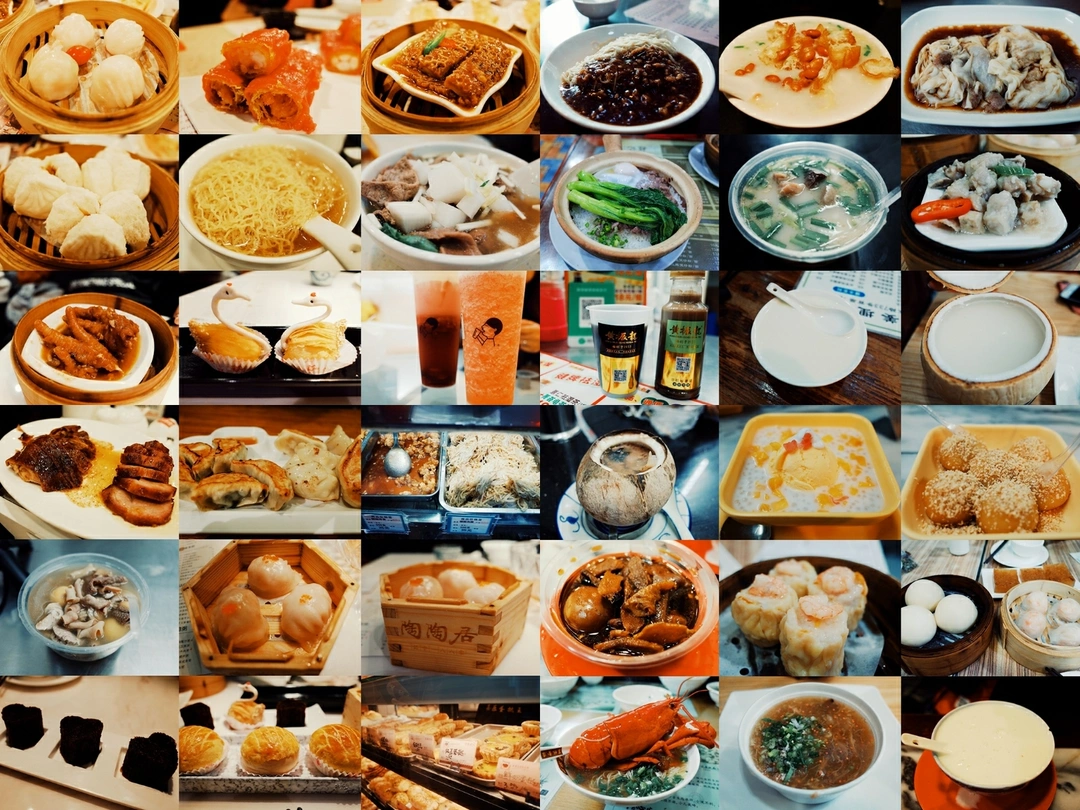
Guangzhou Food Diary: A Three-Day, 25-Restaurant Exploration – The Ultimate Cantonese Culinary Tour
Meta Description: Embark on a 3-day Guangzhou food adventure visiting 25 restaurants. From midnight rice noodle rolls to double-skin milk pudding, discover the best Cantonese cuisine in Liwan, Beijing Road, and more. It started with an airline pricing error—and ended with one of the most…
Continue reading...
Beyond the Veil: Six Days Inside North Korea's Hidden World – An Honest Travel Diary
Meta Description: Discover what it’s really like to visit North Korea. A photographer’s firsthand account of crossing the Yalu River, exploring Pyongyang, and uncovering the hidden realities of the world’s most isolated country. Travel tips, visa advice, and rarely seen photos included. Let me be…
Continue reading...
The Travel Diary of Douzi: A Slow Travel Guide to Cangshan, Erhai & Shaxi Ancient Town
Meta Description: Discover the magic of slow travel through Dali, Cangshan, and Erhai with Douzi's intimate diary. Explore Shaxi Ancient Town, horseback riding, local cuisine, and self-discovery tips in this SEO-optimized travel guide. Sitting on the long-distance bus, the scenery outside the window unfurled like…
Continue reading...