Late Autumn Dream: Following Lao She's Brushstrokes into the Paradise of Peiping Autumn – A 5-Day Offbeat Beijing Travel Guide
Meta Description: Discover the authentic "Peiping Autumn" paradise Lao She described. Follow an offbeat 5-day Beijing itinerary through Bell & Drum Towers, Ditan Park, and hidden hutongs. Experience golden ginkgo, imperial gardens, and old Beijing cuisine.
Introduction: The Paradise Lao She Wrote About
Mr. Lao She once declared, "Autumn in Peiping is paradise." For years, that single line haunted countless travelers with longing for Beijing's fall season. As someone who had visited Beijing three times—but never in autumn—this deep October, I finally embarked on that long-delayed autumn pilgrimage. Not to tick off trendy attractions, but to witness firsthand that paradise of gold and vermillion intertwined, where everyday烟火 (the warmth of daily life) and poetry coexist.
Over five days and four nights, I followed an offbeat route—chasing no internet-famous landmarks, only seeking places that hold the soul of old Beijing. From the morning bells and evening drums of the Bell and Drum Towers to the golden ginkgo leaves in Ditan Park; from the tranquil courtyard of Lu Xun's former residence to the corridor bridges draped in autumn colors at the Summer Palace. This journey brought food, history, surprises, and regrets. But it was precisely these fragments that pieced together the most authentic "Peiping Autumn" in my heart.
[Link: Best time to visit Beijing for autumn foliage]
Day One: Morning Light at the Bell and Drum Towers, Autumn Mood at Beihai
H2: Starting at the Bell and Drum Towers – Feeling the Pulse of Beijing's Central Axis
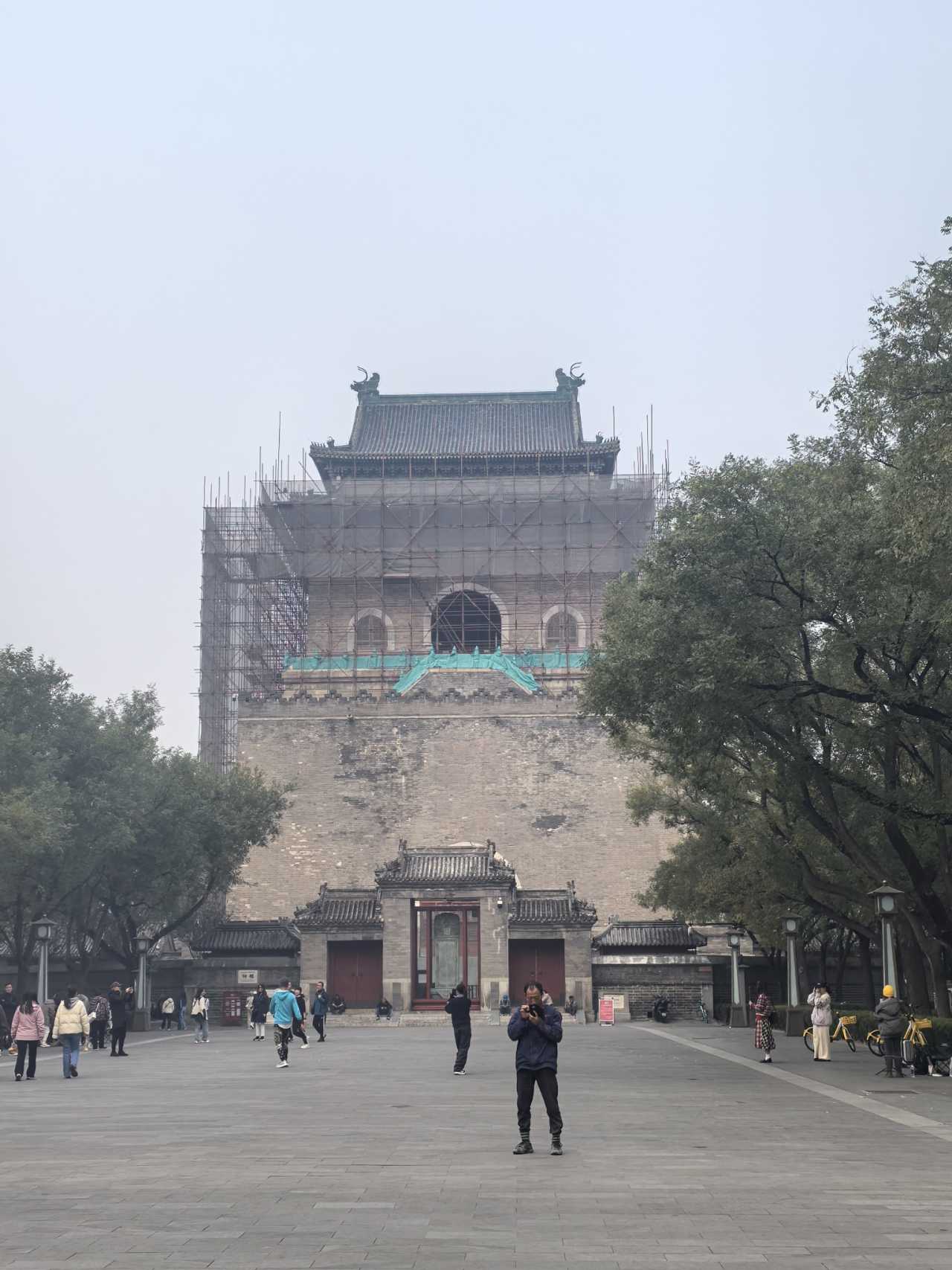
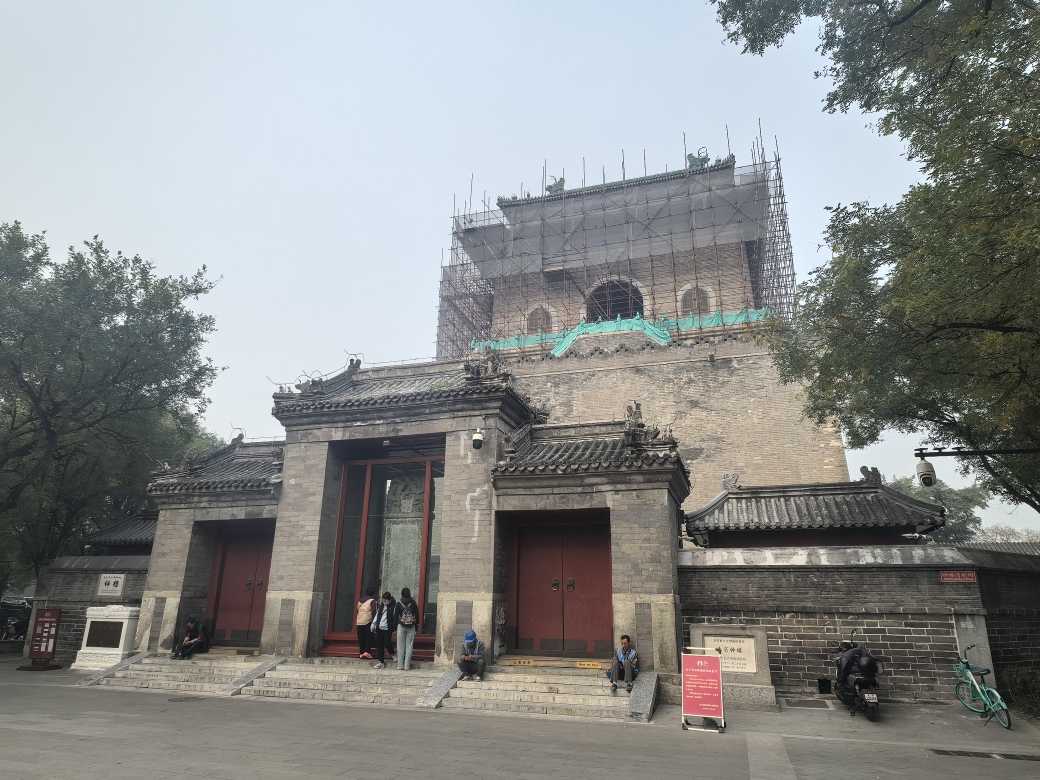
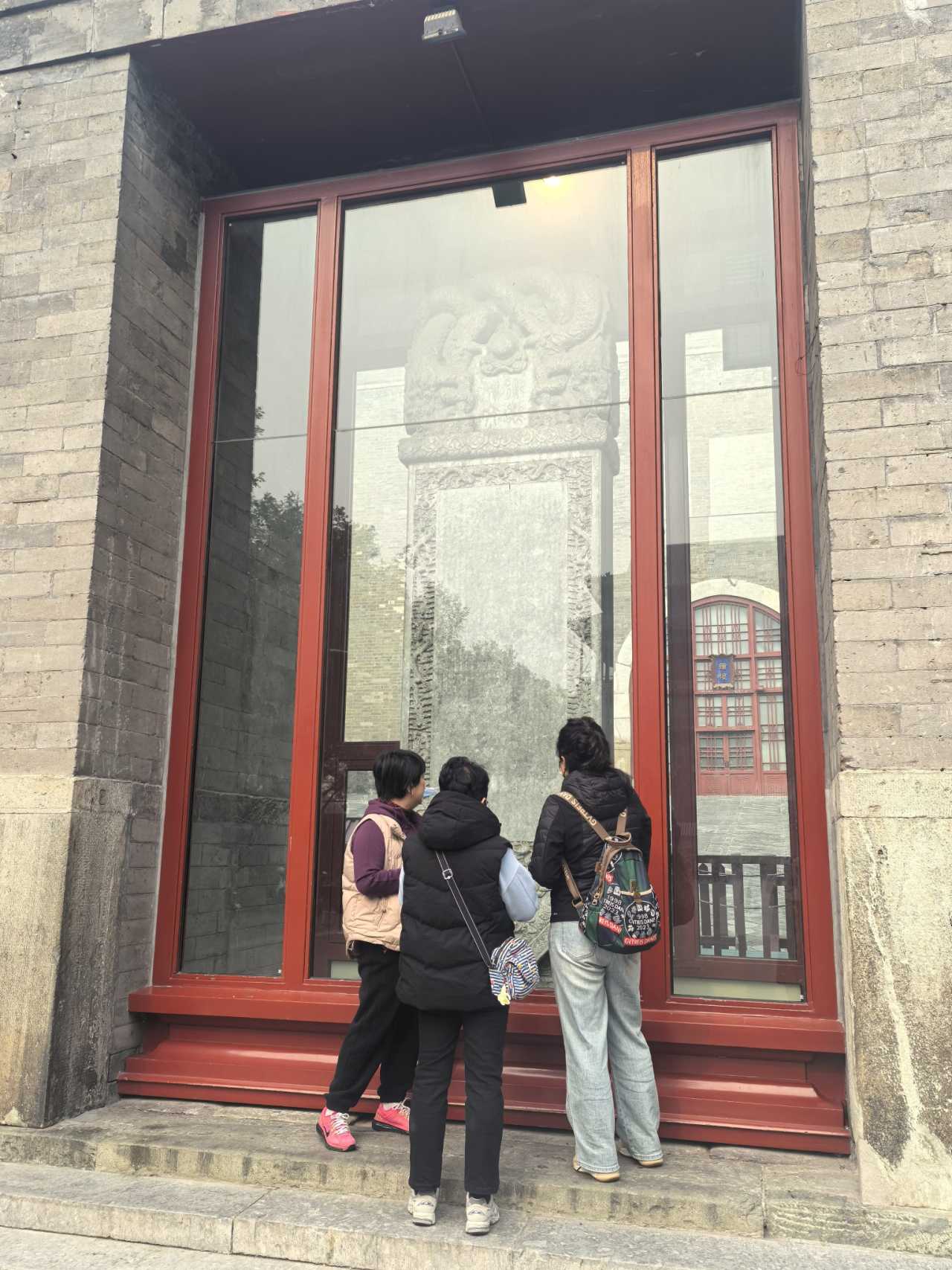
Autumn in Beijing begins at the Bell and Drum Towers. Built in the 9th year of the Zhiyuan era of the Yuan Dynasty (1272 AD), this timekeeping center served as the "heart of time" for Beijing through the Yuan, Ming, and Qing dynasties. Standing at the foot of the Drum Tower, looking up at the plaque inscribed by Emperor Qianlong himself, you could almost hear the chimes of bells and drums from centuries ago, piercing through the dust of time and echoing deep into the hutong alleys.
Unfortunately, the weather didn't cooperate—a haze hung in the air. I snapped a quick photo and hurried to lunch: Yao Ji Chao Gan (Yao's Stir-Fried Liver) near the Drum Tower. I had eaten there two years ago and had been craving it ever since. This time I ordered stir-fried liver, pork-and-scallion buns, rolling donkey (glutinous rice rolls with bean paste), and pea flour cake. Admittedly, the branch near the Drum Tower fell short of the Guijie (Ghost Street) location in both atmosphere and food quality. But that rich garlicky aroma and silky texture of the stir-fried liver still satisfied.
[Link: Best street food near Bell and Drum Towers Beijing]
H2: Beihai Park – A Reunion After 28 Years
The last time I visited Beihai was 28 years ago. I can still hum the tune of "Let's Row Our Oars," a song from my elementary school textbook. But the weather was unkind again—the lake lay gray and misty, lacking that shimmering vitality.
Yet Beihai's grandeur isn't diminished by weather. Entering through the North Gate, I soon reached Jingxin Studio (Studio of Quietude) , a garden-within-a-garden built during the Qianlong era. Originally called Jingqing Studio (Studio of Clear Mirror), it is the most exquisite spot in Beihai. Pavilions, terraces, stone bridges, ponds, and piled rockeries combine the majesty of northern gardens with the delicacy of Jiangnan landscapes. Walking under the Qinquan Corridor (Spring-Play Corridor), watching the pond reflect the vermillion eaves, I felt as if I had time-traveled to Qianlong's Jiangnan.

Continuing on, Xitian Fanjing (Western Heavenly Buddhist Realm) came into view. This building, originally a lama temple from the Ming Dynasty called Xitian Chanlin (Western Heavenly Zen Forest), was rebuilt in the Qing Dynasty with even greater solemnity. It happened to be the Beihai Chrysanthemum Exhibition, a tradition dating back to 1954, now in its 46th edition. Those plump, round flower heads—like embroidered balls in shades from golden yellow to deep purple—layered upon each other, breathtakingly beautiful.
The Nine-Dragon Wall is Beihai's crown jewel. Of the three surviving ancient nine-dragon walls in China, this is the only double-sided one. On each side, nine colorful coiled dragons frolic among waves and clouds, chasing pearls. The glazed tiles shimmer in the light. Standing before the wall, I couldn't resist photographing both Side A and Side B—each face a flowing painting.
Five-Dragon Pavilion was built during the Jiajing era of the Ming Dynasty. The central pavilion, Longze Ting (Dragon Abundance Pavilion), offers the best vantage point for viewing the White Pagoda. But I was so busy taking photos that I forgot to look up at the caisson ceiling in Longze Ting. A regret to save for next time—after all, I haven't explored Beihai's southern section yet. I need to leave something to look forward to.
[Link: Beihai Park autumn photography tips]
H2: Shichahai at Dusk and the Smoke of Kaorou Ji
Exiting Beihai, I crossed one street to reach Shichahai. By the Yinding Bridge, the flagship store of Kaorou Ji (Roast Meat Ji) glowed with lights. This century-old establishment, with over 170 years of history, is a national-level intangible cultural heritage site, famous for its roasted lamb.
I ordered Qianlong cabbage—sweet, crunchy cabbage dressed with sesame paste and black sesame seeds, refreshing and appetizing. The autumn-winter roasted lamb, with alternating lean and fatty slices, melted in the mouth with lingering flavor, paired with a skewer of large lamb cubes, tender and well-seasoned. The fermented bean curd had an odd texture—I tried it and moved on. The sesame flatbread and blanched loofah tips were decent, but that sip of Beibingyang (Beijing-style soda) instantly pulled my memory back to childhood.
After dinner, I strolled through Yandai Xiejie (Tobacco Pipe Slant Street) . This commercialized hutong had shops with little character, so I took a quick loop and left. Passing by Ziguang Yuan, I bought a milk-skin yogurt. Compared to the ones in Hohhot, it fell far short.
[Link: Best traditional restaurants near Shichahai Beijing]
Day Two: The Gold of Ditan and the Quiet of the Hutongs
H2: Ditan Park – An Autumn Feast Amid the Crowds
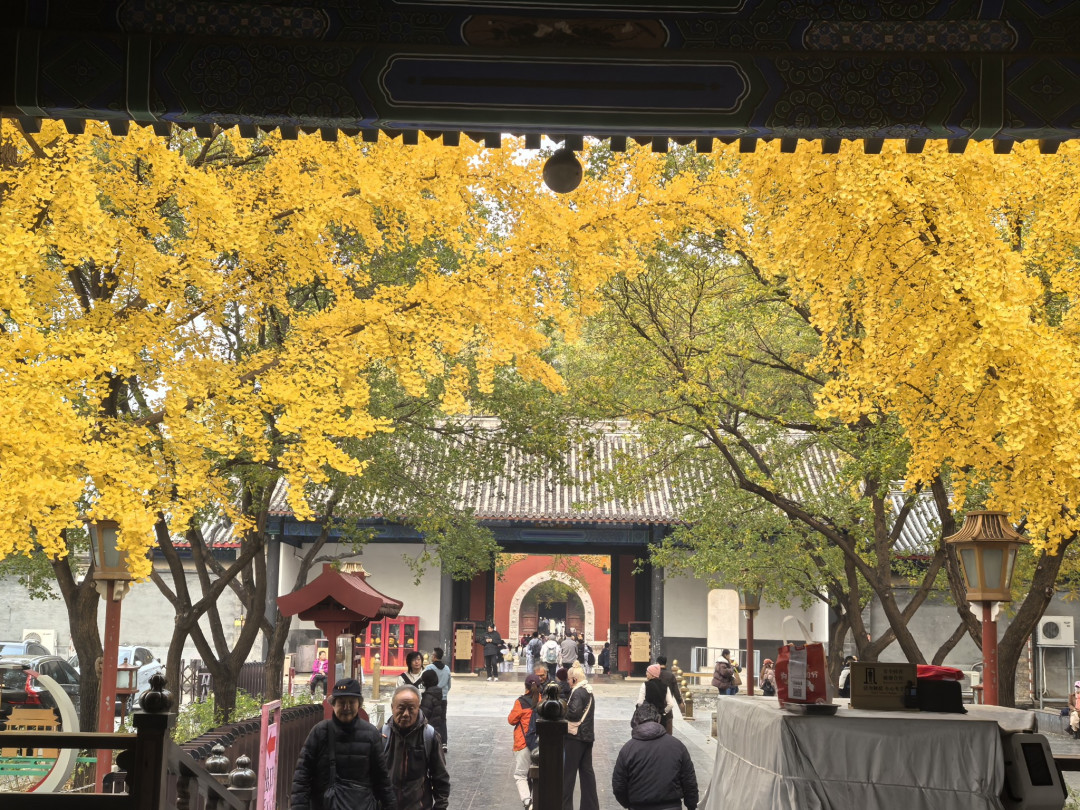
The next morning, Ditan Park was already packed. Amid the crowds of autumn-leaf viewers, we could only take selfies for amusement. But Ditan's autumn is worth the crush. Ginkgo leaves carpeted the ground in gold, sunlight filtering through the branches to cast dappled shadows. Today we made the "newspaper"—not a real one, but those photo-op signs in the park reading "Ditan's Sea." One snap and it's a viral post on social media.
[Link: Ditan Park ginkgo viewing best spots]
H2: Wudaoying Hutong and the Imperial College – A Time Tunnel of Old Beijing
Leaving Ditan, I crossed the street into Wudaoying Hutong. During the Ming Dynasty, this area belonged to Chongjiao Ward and was known as Wude Garrison Camp, said to be the station of city-defense troops. In the Qing Dynasty, it fell under the Bordered Yellow Banner and was renamed Wudaoying. Today, the hutong preserves the texture of old Beijing while adding a touch of bohemian flair. Walking between the gray bricks and black tiles, occasionally catching a Beijing accent drifting from deep within the alley—this is what old Beijing should feel like.
Walking on to the Imperial College (Guozijian) , founded in the 24th year of the Zhiyuan era of the Yuan Dynasty (1287 AD), this highest institution of learning was once the heart of national education through the Yuan, Ming, and Qing dynasties. Standing before the Dacheng Gate (Gate of Great Achievement), you could almost hear the recitations of students from centuries past.
[Link: Hidden hutongs near Guozijian Beijing]
H2: Fangzhuanchang Zhajiang Mian – A Bowl of Noodles, a World of Flavor
Lunch was at Fangzhuanchang Zhajiang Mian (Fangzhuanchang Fried Sauce Noodles) near Beixinqiao. The toppings were generous—shredded cucumber, bean sprouts, green beans, diced celery, all neatly arranged. The fried sauce was the soul: salty, fragrant, rich, coating the chewy noodles perfectly. Every bite was satisfying. The laba garlic (garlic pickled in vinegar) was also superb—sweet, sour, crunchy, cutting through the richness.
[Link: Best zhajiang mian in Beijing]
H2: Lu Xun Museum – Old Times Under the Lilac Trees
In the afternoon, I visited the Lu Xun Museum. In one corner of the courtyard, a lilac tree planted by Lu Xun himself still stands. The museum houses manuscripts, letters, and personal belongings of the great writer. Walking through the quiet halls, I felt a deep connection to the literary giant who once called Beijing home. The autumn light filtering through the windows cast a golden glow on the exhibits—a perfect end to a day of old Beijing exploration.
[Link: Lu Xun Museum visiting hours and tips]
FAQ: Planning Your Peiping Autumn Trip
Q1: When is the best time to see autumn foliage in Beijing?
A: Mid-to-late October to early November is the peak season for autumn colors in Beijing. Ginkgo trees turn golden around late October, while maple leaves reach their peak in early November. Ditan Park and the Summer Palace are prime locations.
Q2: Is Ditan Park crowded during autumn?
A: Yes, Ditan Park becomes extremely crowded during autumn foliage season, especially on weekends. Visit early in the morning (before 9 AM) or on weekdays for a more peaceful experience.
Q3: What traditional Beijing dishes should I try in autumn?
 A: Must-try dishes include Kaorou Ji roasted lamb (perfect for cool autumn evenings), Fangzhuanchang zhajiang mian (fried sauce noodles), and Yao Ji Chao Gan (stir-fried liver). Don't miss Beibingyang soda for a nostalgic touch.
Q4: How many days do I need to explore old Beijing off the beaten path?
A: A minimum of 3-5 days is recommended. This allows you to visit major sites like Beihai Park, Ditan Park, and the Bell and Drum Towers while leaving time for hidden hutongs and local food experiences.
Q5: Are the Bell and Drum Towers worth visiting in autumn?
A: Absolutely. The Bell and Drum Towers offer stunning views of Beijing's central axis, and the surrounding hutongs are especially atmospheric in autumn. The nearby Yao Ji Chao Gan is a great lunch stop.
Conclusion: Your Own Peiping Autumn Awaits
Lao She was right—autumn in Peiping is indeed paradise. But paradise isn't found in a single postcard-perfect moment. It's discovered in the golden ginkgo leaves of Ditan Park, the quiet courtyards of Lu Xun's museum, the smoky aroma of Kaorou Ji's roasted lamb, and the unexpected regret of forgetting to look up at a caisson ceiling.
This journey taught me that the true "Peiping Autumn" isn't about checking off attractions—it's about letting the city's soul seep into you, one hutong, one bowl of noodles, one golden leaf at a time.
Ready to experience your own Peiping autumn? Book your Beijing trip for late October and follow this offbeat itinerary. Pack comfortable walking shoes, an empty stomach, and a willingness to get lost in the hutongs. The paradise Lao She wrote about is still there—waiting for you to discover it.
[Link: Book Beijing accommodation near Bell and Drum Towers] [Link: Beijing autumn travel packages]
Have you visited Beijing in autumn? Share your favorite Peiping autumn memory in the comments below!
You should also read:
Four Days, Three Nights in Beijing: A Super Practical Self-Guided Travel Guide (Including Food, Stay, and Transport Tips)
Here is the SEO-optimized, rewritten version of your article, structured for maximum search visibility and reader engagement. SEO Title: 4 Days 3 Nights in Beijing: The Ultimate Self-Guided Travel Guide (Food, Stay & Transport) Meta Description (160 chars): Plan the perfect 4-day Beijing itinerary. From…
Continue reading...
A Spontaneous Escape Through Tianjin, Beijing, and Shandong: An Unforgettable Solo Travel Adventure
Meta Description: Discover the raw beauty of a spontaneous solo journey through Tianjin, Beijing, and Shandong. From Quanjude roast duck to Tanggu night views, read this heartfelt travelogue of escape and self-discovery. The July wind carried restlessness and unease. After abruptly ending a ten-day job…
Continue reading...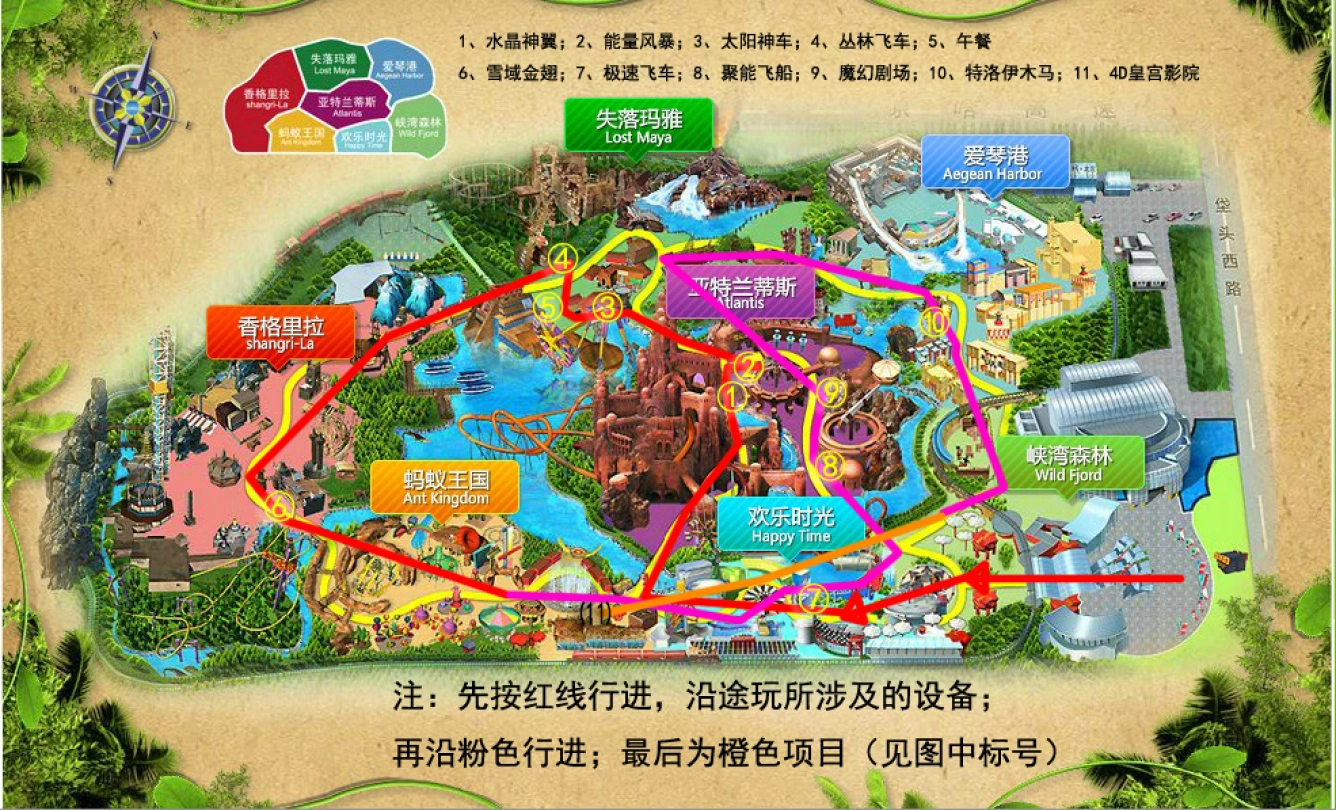
Beijing Happy Valley Ultimate Money-Saving Guide: Ride Everything, See Every Show in One Day
Here is the SEO-optimized, rewritten article based on the source material. It is structured for readability, keyword density, and user engagement, targeting approximately 1500 words. SEO Title: Beijing Happy Valley Ultimate Money-Saving Guide: Ride Everything & See Every Show in One Day Meta Description: Maximize…
Continue reading...