Lilacs Falling in the Buddhist Realm: Fajing Temple, Hidden in the Alleyways, Holds Half of Beijing's History
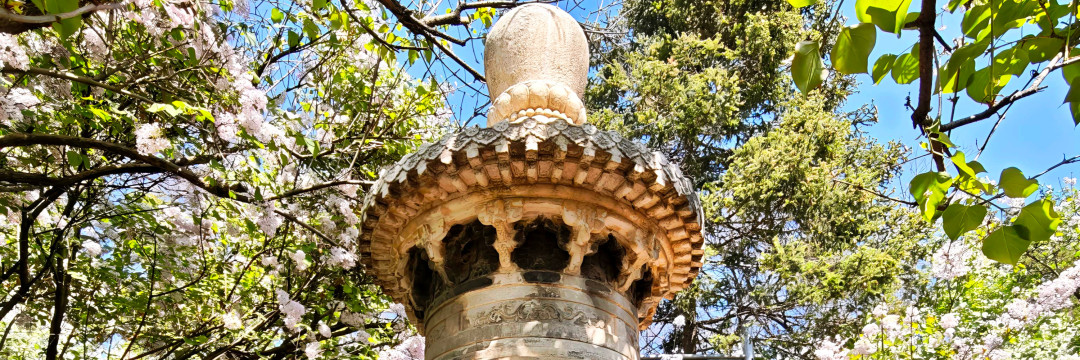
Here is the SEO-optimized, rewritten article based on the source material. It is structured for readability, keyword density, and user engagement while strictly adhering to the factual details provided.
SEO Title: Fajing Temple & Lanman Hutong: A Guide to Beijing’s Hidden Lilac Sanctuary
Meta Description: Discover Fajing Temple, Beijing's oldest monastery, hidden in the alleys of Xicheng. Explore the lilac "Fragrant Snow Ocean," the history of Lanman Hutong, and the secrets of the Xuannan Bookstore.
Fajing Temple & Lanman Hutong: Uncovering Beijing’s Hidden History & Lilac Blooms
In Beijing, the most profound discoveries often lie just a ten-minute walk from the city’s frantic pulse. Tucked deep within the hutong (traditional alleyways) of Xicheng District, Fajing Temple is one such place. For generations of locals, it was a name on a map—a place you thought you knew, until you finally stepped through its gates. For me, that moment came in April, when the lilacs erupted in bloom, pulling me away from the clamor of Caishikou Street into a world that feels centuries removed.
This is not just a temple visit; it is a journey through the "Xuannan" scholar culture, a walk through the poetic lanes of Lanman Hutong, and a deep dive into a site that holds half of Beijing’s history.
Finding Fajing Temple: The Three Flavors of Lanman Hutong
Almost every first-time visitor will tell you: Fajing Temple is hard to find. But the difficulty is part of the charm. Whether arriving via Caishikou Station (Lines 7 or 4, Exit D), the walk is a pilgrimage in itself. Wear comfortable shoes, because the path is worth taking slowly.
Turn off the bustling Caishikou Street, and the world goes quiet. Your GPS might tell you to turn right in 50 meters, but you will be distracted by the scenery. This area is a designated historic district, and the lane that lingers longest in memory is Lanman Hutong.
From "Soggy Noodles" to "Radiance": The Evolution of a Hutong
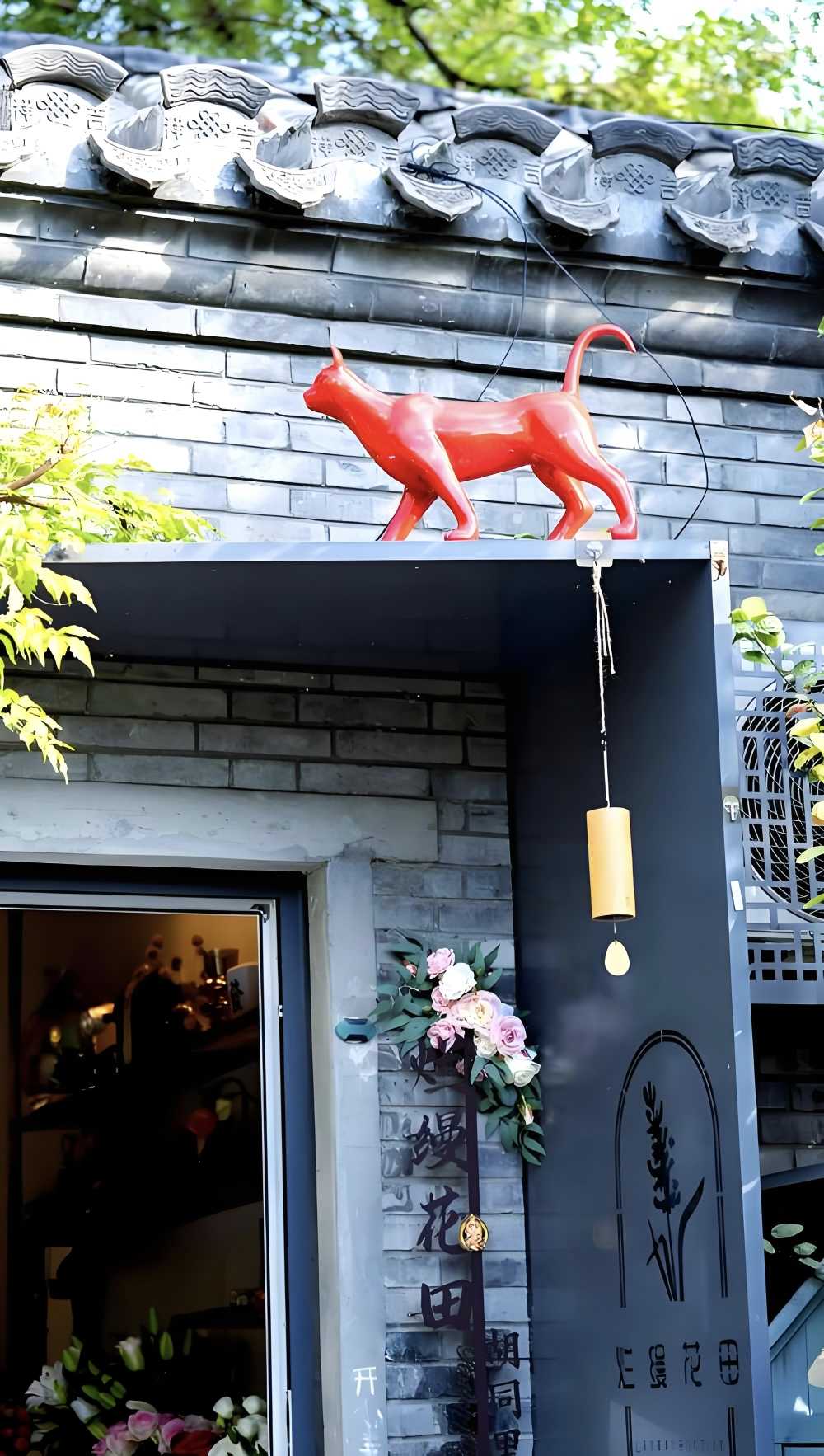
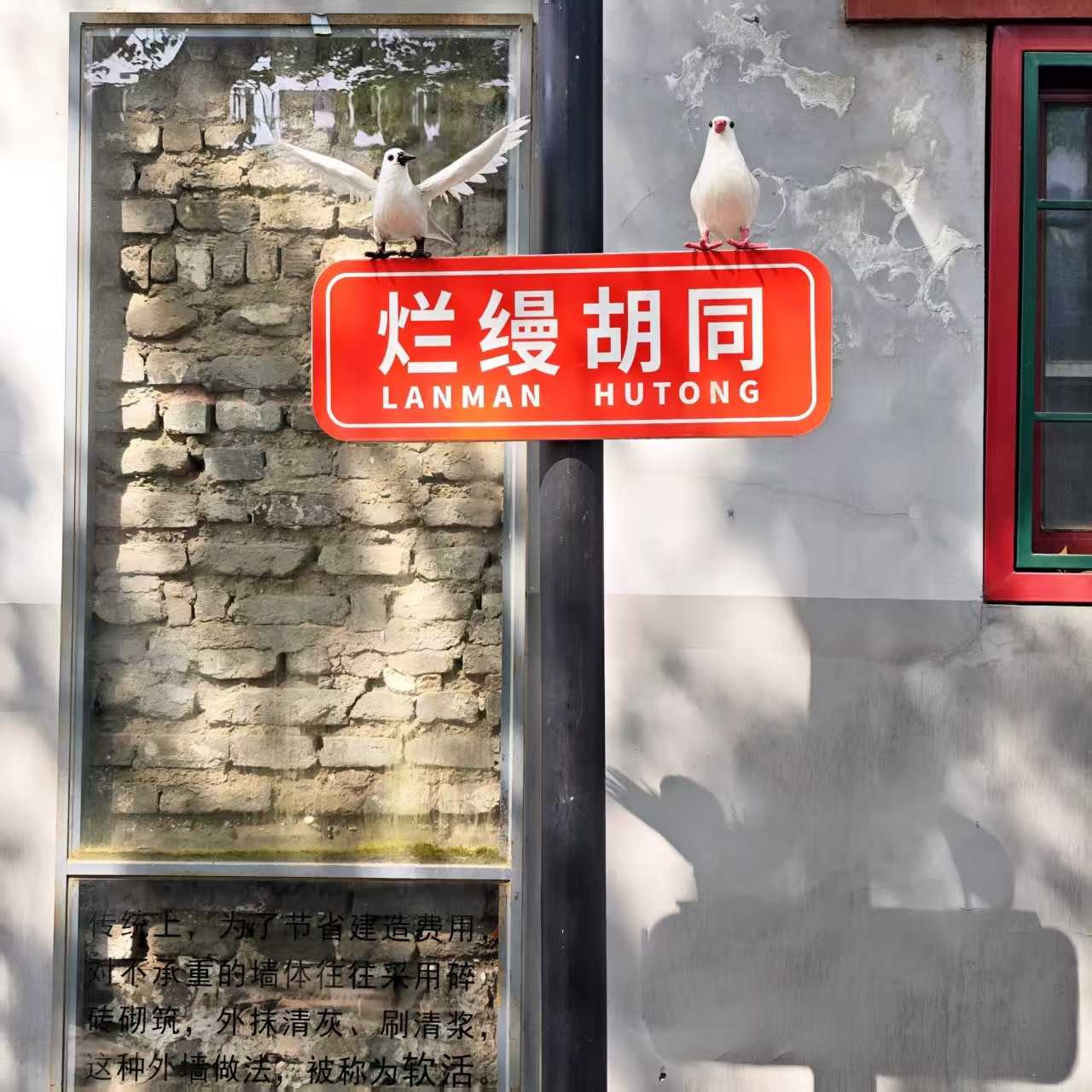
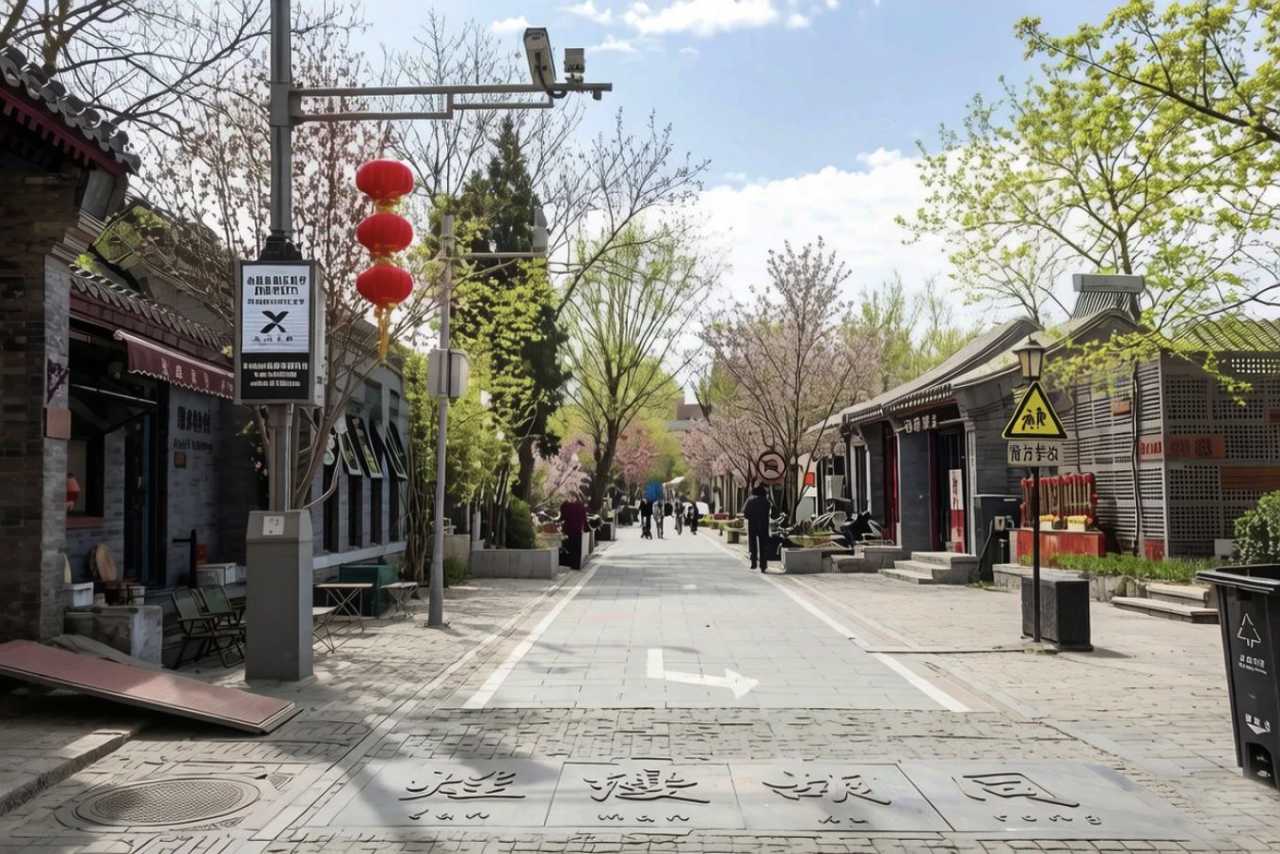
Stretching 390 meters from north to south, Lanman Hutong unfolds like an open book. Its original Ming Dynasty name was Lanmian Hutong ("Soggy Noodles Hutong"). The origin story is delightfully down-to-earth: it refers to the foul-smelling silt of a Liao Dynasty moat, or perhaps a noodle shop that cooked its noodles to mush. By the late Qing era, literati found the name too vulgar. They replaced it with a homophone: Lanman, meaning "radiant and gentle," inspired by the ancient song Qingyun Ge.
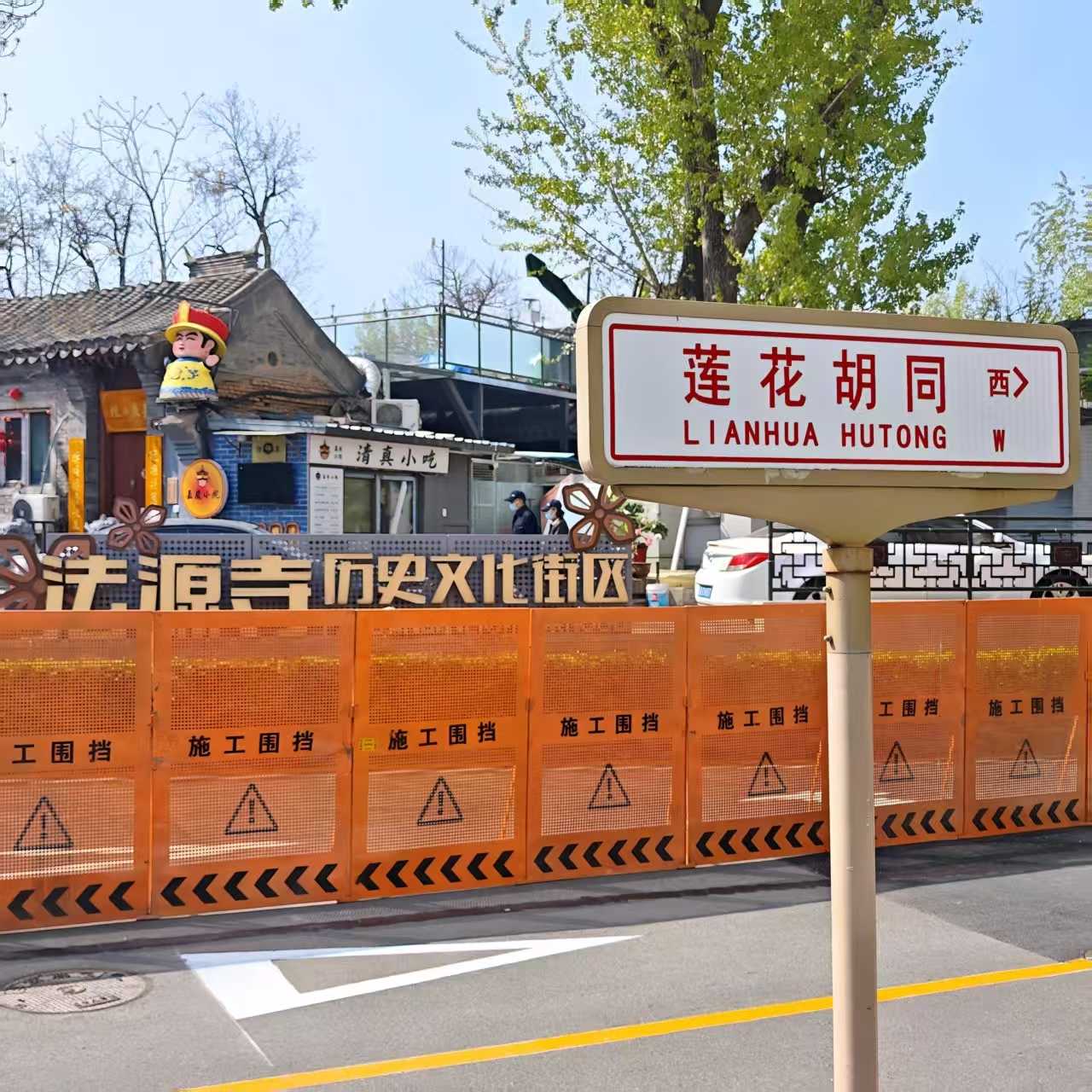
Today, Lanman Hutong is a hotspot for young artists. Flower-covered walls, romantic cascades of roses, and heart-shaped installations line the street. It is a perfect blend of Beijing hutong photography and modern creative culture.
Photo Spots & Hidden Gems in the Alley
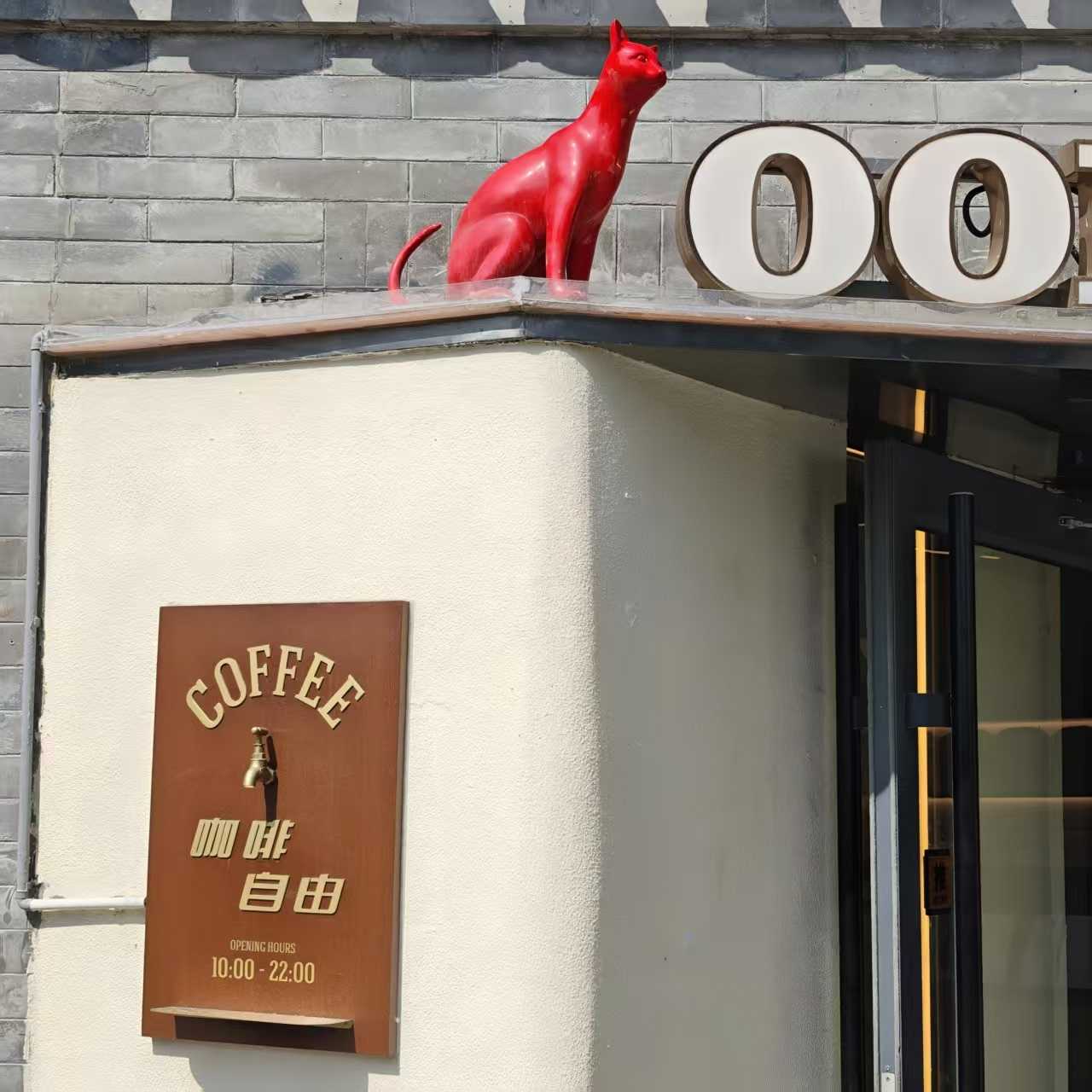
- The Glass Dovecote: A viral photo spot. Hu Shi’s poem The Dove is engraved on the blue-and-yellow glass wall, making it a cultural symbol of the area.
- The Red Reception Hall (No. 108): Originally the Jiangning Prefecture Hall (built during the Jiaqing reign of the Qing Dynasty). After a 2019 renovation, it became the first public shared courtyard in the Fajing Temple historic district.
- The Xuannan Bookstore: A hidden gem open 24 hours a day. Converted from a Qing Dynasty courtyard, it features a flowing glass waterfall and a rooftop terrace. From here, you can look down over the gray-tiled roofs of the hutong and the red walls of Fajing Temple. It is the perfect spot for a coffee break.
- The Hunan Guild Hall (No. 101): An important site for Mao Zedong during his early years in Beijing. While not open to the public, the preserved exterior is a significant historical marker.
Fajing Temple: One Monastery, Half of Beijing's History

Leaving the south end of Lanman Hutong, just a few minutes' walk brings you to the main attraction. The square in front of Fajing Temple is bursting with spring greenery, but the real magic lies within its ancient walls.
A Millennium-Old Monastery with Five "Bests"
Fajing Temple’s history stretches back to AD 645 (the 19th year of the Tang Dynasty’s Zhenguan reign). Emperor Taizong ordered its construction to honor fallen soldiers. Over the Liao, Jin, Yuan, Ming, and Qing dynasties, it was repeatedly renovated. Emperor Yongzheng bestowed the name Fayuan Si ("Temple of the Dharma Source"), making it a rare imperial monastery dedicated solely to the transmission of Buddhist precepts.
Today, it is home to the Chinese Buddhist Academy and the Chinese Buddhist Library and Museum. To summarize its five standout features:
- Beijing’s oldest monastery.
- The finest lilac blossoms in the capital.
- The Yongzheng Emperor’s naming as a "Vinaya School Ancestral Temple."
- A historic gathering place for literati.
- A treasure trove of national relics.
The "Fragrant Snow Ocean": A Guide to the Lilac Blooms
Fajing Temple’s beauty lies not only in its architecture but in its flora. It is the only fully preserved site among the "Four Great Monastery Flower Festivals" of Ming-Qing Beijing (the others were peonies at Chongxiao Temple, crabapple blossoms at Jile Temple, and herbaceous peonies at Tianning Temple).
Every April, purple, pink, and white lilacs burst into bloom, covering the branches like snow. The entire monastery fills with a delicate fragrance. When the wind blows, the petals fall in a cascade, creating the legendary "fragrant snow ocean." For the best Beijing spring travel experience, visit in mid-to-late April. The grounds also feature crabapple trees, ginkgo trees, and ancient pines, making it a year-round destination for Zen beauty.
A Gathering Place for Literati and Poets
From the Qing Dynasty to the modern era, writers and artists have gathered here to compose poetry and enjoy the scenery. Gong Zizhen, Lin Zexu, Xu Zhimo, and Lin Huiyin all lingered in these halls. The most iconic moment came on April 26, 1924, when a famous literary gathering took place here, cementing its status as a cultural landmark.
FAQ: Visiting Fajing Temple and Lanman Hutong
Q: What is the best time to visit Fajing Temple for the lilacs? A: The peak bloom period is typically mid-to-late April. The "Fragrant Snow Ocean" is at its most spectacular during this time.
Q: Is Fajing Temple easy to find? A: It is hidden deep in the hutong. The best way is to take the subway to Caishikou Station (Lines 7 or 4, Exit D) and walk through Lanman Hutong. Wear comfortable shoes.
Q: Is the Xuannan Bookstore open to the public? A: Yes. It is open 24 hours a day and features a rooftop terrace with views of the temple. It is a great spot for work or relaxation.
Q: Are there other historical sites nearby? A: Yes. The area is rich with Beijing guild halls (Huiguan). The Hunan Guild Hall and the Red Reception Hall are within walking distance.
Q: Can I take photos inside Fajing Temple? A: Yes, photography is generally allowed in the courtyards and gardens, especially of the lilacs and architecture. Always be respectful of worshippers and monks.
Conclusion: Your Journey Awaits
Fajing Temple is more than a tourist destination; it is a living museum of Beijing’s soul. From the poetic evolution of Lanman Hutong to the silent, fragrant halls of the monastery, this journey offers a rare glimpse into the city’s layered history.
[Link: Best Beijing Hutong Tours] [Link: Top 10 Historical Sites in Xicheng District] [Link: Spring Flower Viewing Guide for Beijing]
Ready to walk through history? Plan your visit for next April, or go now to enjoy the quiet beauty of the ancient ginkgo trees. Share your photos from the "Fragrant Snow Ocean" with us on social media using #FajingTemple.
Book your Beijing cultural tour today and step off the beaten path!
You should also read:
A Beijing Journey Through Time: Climbing the Great Wall and Exploring the Forbidden City on New Year's Day – A Romantic Adventure in Conversation with History
Meta Description: Plan your perfect New Year's Day Beijing trip with this guide to climbing the Great Wall and exploring the Forbidden City. Discover winter travel tips, must-see attractions, and romantic experiences in China's ancient capital. Beijing in winter has a unique charm that few…
Continue reading...
Beijing Hutongs: Discovering the Soul of China’s Ancient Capital Through Culture, Food & Hidden Gems
Meta Description: Explore Beijing’s soul beyond the tourist trail. From Liulichang brush shops to hutong bookstores and hidden hotpot, discover the city’s authentic flavor. Your guide to Beijing’s cultural heart. Beijing. The name alone conjures images of the Forbidden City’s red walls, the Great Wall…
Continue reading...
Parkview Green Beijing: A Hidden Art & Shopping Gem Near CBD You Can't Miss
Meta Description: Discover Parkview Green Beijing – a surrealist art museum disguised as a mall. Explore free Dalí sculptures, affordable tea rooms, and hidden galleries near Guomao CBD. Your ultimate guide to this architectural wonder. Beijing isn't just a city of skyscrapers and historical landmarks—it's…
Continue reading...