My 2018: A Year That Began with 63 Days Across South America
Here is the SEO-optimized, rewritten article based on your source material. It has been expanded to approximately 1500 words, structured for search engines, and enhanced with a FAQ, CTA, and internal linking suggestions.
SEO Title: 63 Days Across South America: My 2018 Travel Odyssey Through Peru, Bolivia & Patagonia
Meta Description (160 chars): A 63-day South America backpacking route from Machu Picchu to Easter Island. Discover budget tips, glacier trekking in Patagonia, and the Uyuni Salt Flats in this epic 2018 travel story.
My 2018: A Year That Began with 63 Days Across South America
"Live as a traveler of life, walking with a simple heart."
There are years that slip by unnoticed, and then there are years that leave permanent marks on your soul. For me, 2018 was the latter—the kind of year that rewires how you see the world. It marked a full decade of meaningful travel, but ironically, it was the tenth year that delivered the most extraordinary chapter of all: a 63-day odyssey through South America that began on January 13th and ended on March 16th.
The landscapes may blur with time, but the stories? They become part of who you are. Every encounter, every stranger who became a friend, every shared laugh under foreign skies—these are the memories that outlast any photograph. To everyone I met along the way: thank you for making the journey feel less like travel and more like home.
The Year in Review: Where My Feet Took Me in 2018
Before diving into the epic South American journey, here is a snapshot of my 2018 wanderings. This itinerary highlights how to balance a mega-trip with shorter domestic escapes.

- January 13 – March 16: 63 days across five South American countries—Peru, Bolivia, Brazil, Argentina, and Chile
- April 2–4: A reunion with old friends in Xi'an, the ancient capital of China [Link: Best time to visit Xi'an]
- July 18–22: The endless poetry of nature—Saihanba Grassland and Beijing
- August: Nanjing's lingering Republican-era charm
- October 1–7: A canal journey through northern Jiangsu—Xuzhou, Suqian, Huai'an, Gaoyou, Yangzhou
- November 3–4: Autumn's golden embrace in Dawu, Dabie Mountains
- December 13–16: A three-day escape to savor Lingnan's cuisine and ancient soul—Shunde and Foshan
And of course, the year ended as it should: crossing into 2019 in Guangzhou, the journey continuing.
The Main Event: A 63-Day South America Backpacking Route
The Route That Changed Everything
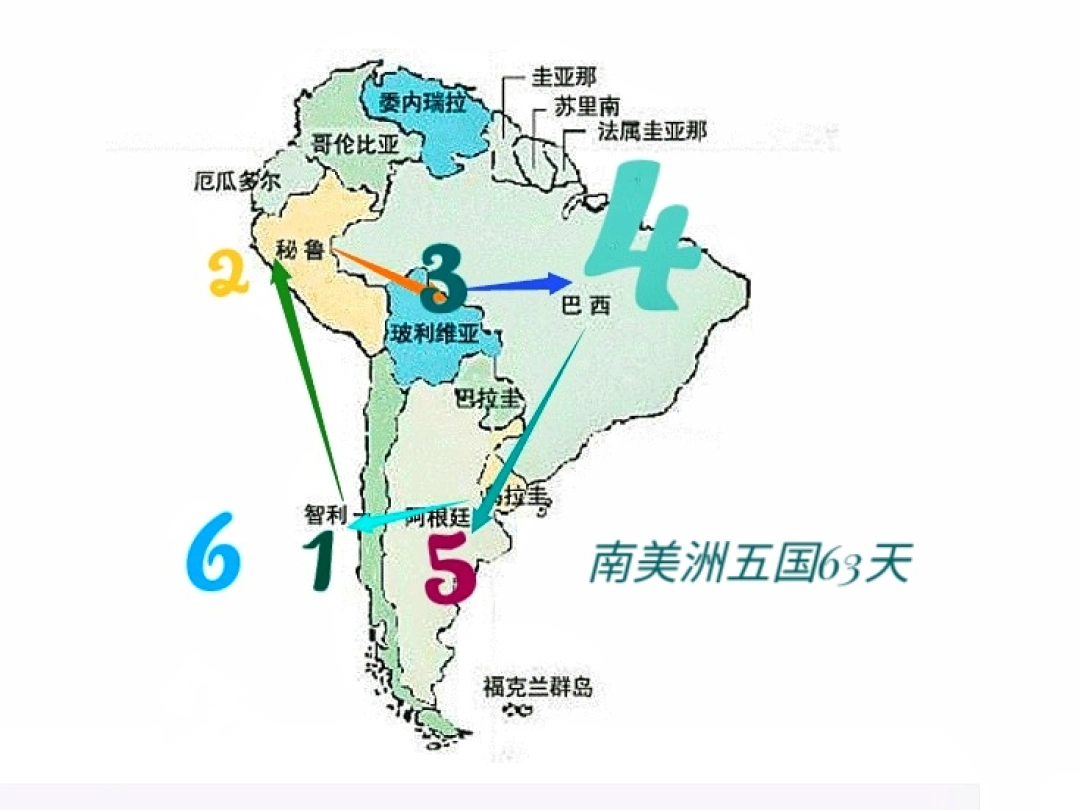
Chile → Peru → Bolivia → Brazil → Argentina → Chile
Day 1–2: Santiago, Chile (with a return to Easter Island from March 7–16) Days 3–10: Peru (Lima → Arequipa → Cusco → Machu Picchu) Days 11–17: Bolivia (La Paz → Uyuni → Sucre) Days 18–35: Brazil (Bonito → Brasília → Ouro Preto → Rio de Janeiro → Paraty → São Paulo → Iguazu) Days 36–63: Argentina (Iguazú → Buenos Aires → Córdoba → El Calafate → El Chaltén)
Sixty-three days of pure, unadulterated adventure. We started in summer and ended in autumn, traversing every kind of landscape imaginable. From the lost city of the Incas to the mirror-like salt flats, from thundering waterfalls to ancient stone guardians on a remote Pacific island—this was a journey that demanded everything and gave back tenfold.
The Eight Most Unforgettable South America Travel Experiences
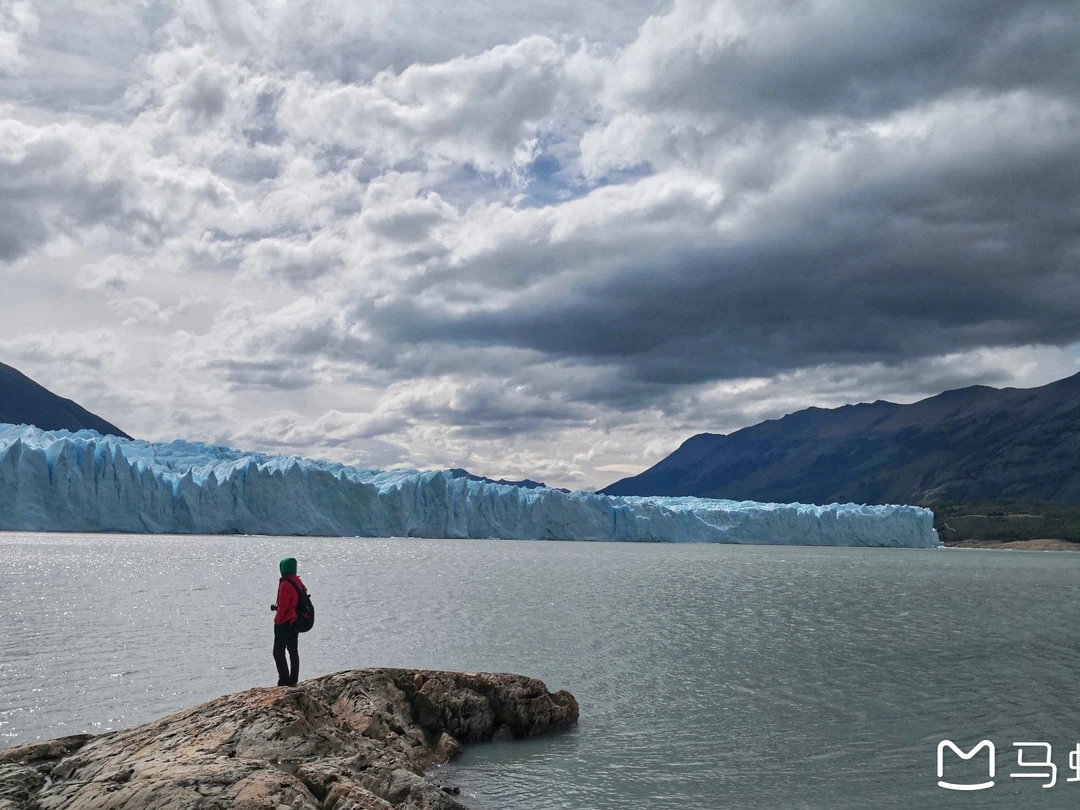
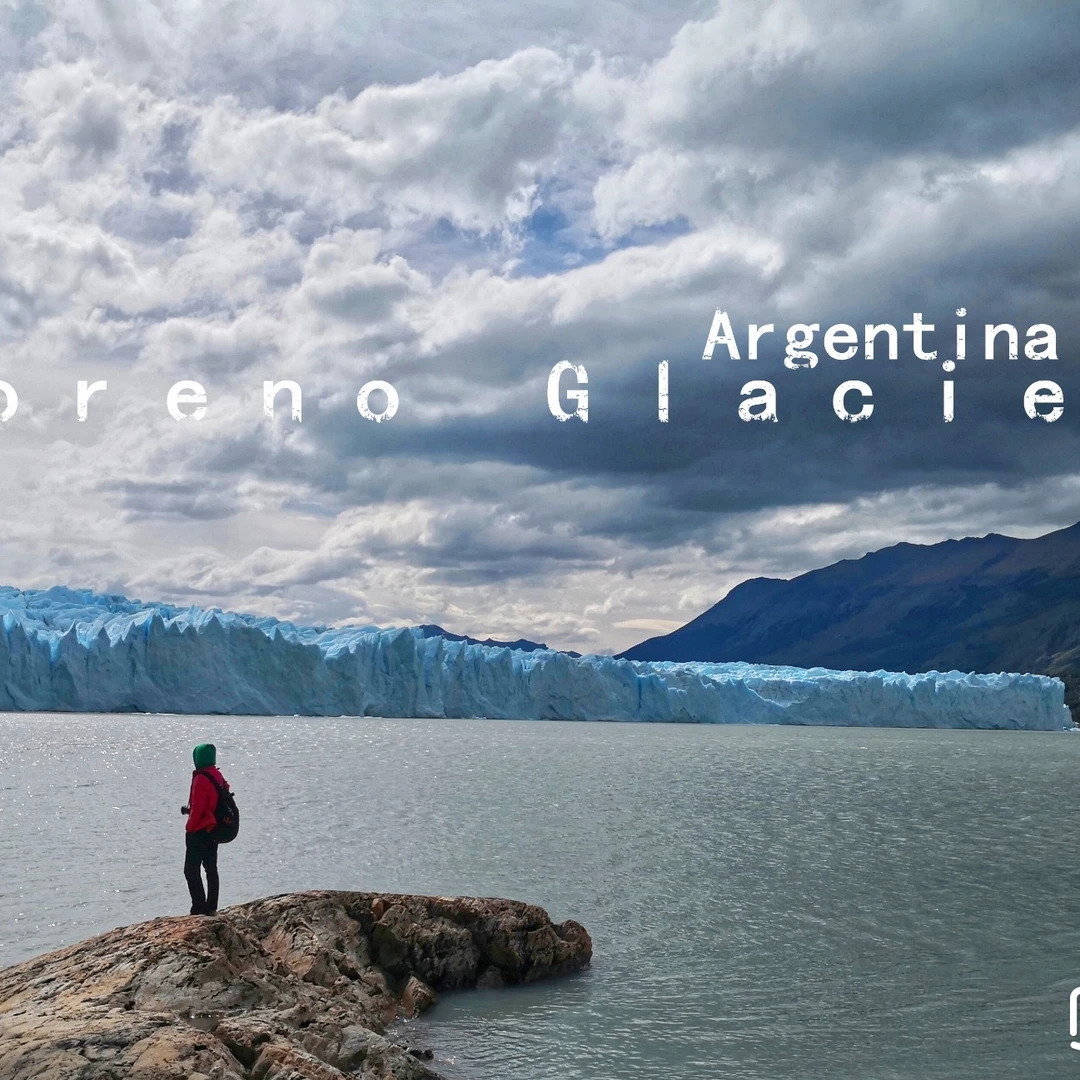
1. Walking on Ancient Ice: Glacier Trekking in Argentina
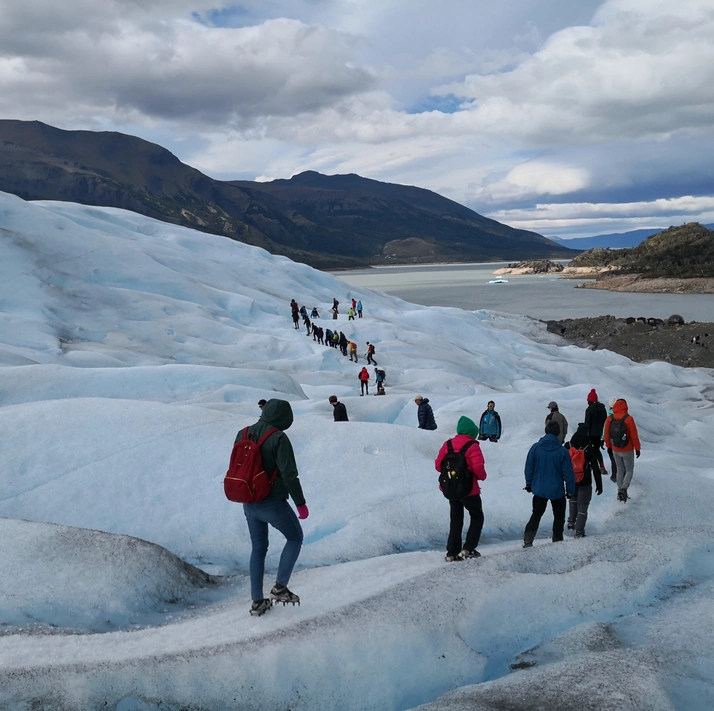
Crampons digging into the brilliant blue ice, each step sending tiny shards scattering like crushed diamonds. The silence was deafening, broken only by the crunch of our boots. I couldn't help but wonder: were we disturbing some ancient ice god sleeping beneath this frozen world for millennia? The glaciers of Patagonia don't just impress—they humble you. [Link: Patagonia packing list]
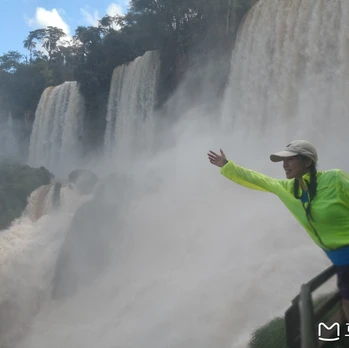
2. Iguazu Falls: When Photographs Fail
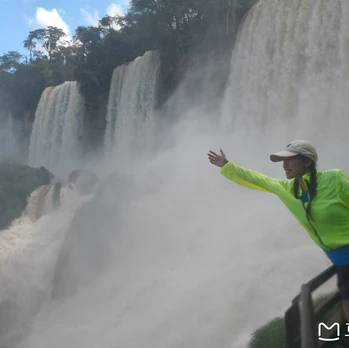
No camera, no video, no words can capture the raw power of Iguazu. Standing there, drenched in mist, feeling the ground tremble beneath the relentless cascade of water—it's an assault on the senses in the best possible way. The phrase "vast waters reaching the sky" isn't poetry; it's the only accurate description.
3. Easter Island's Moai: Guardians of Mystery
On the "navel of the world," as the island is called, the Moai statues stand watch. No one knows their true story—how they were carved, moved, or what they truly represent. That mystery, spanning a thousand years, draws travelers from every corner of the globe. Standing before them, you feel something ancient and inexplicable.
4. Uyuni Salt Flats: Where Sky and Earth Merge
At sunrise and sunset, the Salar de Uyuni transforms into a painter's palette. The colors shift—from fiery orange to soft pink to deep violet—as the sky reflects perfectly on the mirror-like surface. You lose all sense of up and down, earth and heaven. And when the colors fade, leaving only a silent, dreamlike horizon, a quiet melancholy settles in. It's the kind of beauty that makes you ache.
5. Machu Picchu: The Lost City Found
People come for the mystery, but they stay for the genius. This "lost city" of the Incas, perched on a narrow ridge between two peaks at 2,400 meters, is a testament to human ingenuity. On January 22, 2018, I crossed the mountain to find it—and discovered that sometimes, the best thing about arriving is the journey itself. [Link: How to book Machu Picchu tickets]
6. Cusco: Where Santería Meets Everyday Life
Cusco is the kind of city that stays with you. Walking its cobblestone streets after a summer rain, the stones glistening, the colonial buildings painted in warm hues—it felt like stepping into a novel. And in that novel, I found echoes of another traveler: Sanmao, the beloved Chinese writer who wandered these same streets 38 years ago.
I sat in a café, sipping coca tea to ease the altitude sickness, watching the rain fall on the Plaza de Armas. Sanmao had written about this exact feeling—the waiting, the rain, the quiet melancholy of a foreign city. Her words came back to me:
"Every morning, I would go to the train station in the sunshine, and they would always say the trains would run tomorrow. I'd return in the rain, full of hope, only to find no trains the next day either."
I understood her then, in a way I never could from just reading her book.
7. Rio de Janeiro: More Than Carnival
Rio surprised me. From the top of Sugarloaf Mountain, watching the sunset paint the city in gold and pink, I felt something shift inside. The city of samba and beaches revealed a quieter, more profound beauty. "From dusk to nightfall, from city lights to the vast sea," I wrote in my journal. "Rio is no longer just about Carnival for me."
And speaking of Carnival—we experienced the world's biggest party firsthand. We'd booked our tickets four months in advance (about 1,100 RMB each for mid-tier seating). Arriving at 5 PM to queue in the blazing sun, we didn't enter until 6:30 PM. The show lasted 11 hours straight, ending at sunrise. It was exhausting, exhilarating, and utterly unforgettable.
One thing that struck me: Brazilian men's love for femininity during Carnival is unmatched. Puffy skirts, sequins, even adult diapers as costumes—everyone, regardless of gender, embraced the spirit of playful self-expression.
8. The High-Altitude Wonders: Flamingos and Alpacas of the Andes
At 4,000 meters above sea level, on the barren Altiplano, life finds a way. Flamingos wading in shallow lakes, alpacas grazing on sparse grass—these creatures are the true residents of this harsh, beautiful land. I found myself wishing I could be their neighbor.
Country by Country: A Deeper Dive into South America
Chile: The Land at the End of the World
Santiago was our arrival point and our reset button. After a grueling 34-hour journey (26 hours flying, 19,518 kilometers, with an 8-hour layover in Mexico City), we landed in the city that sits on the opposite side of the Earth from China.
The highlight? The fruit market. At the time, world-famous Chilean cherries and blueberries cost just 5 RMB per kilogram. We bought a kilo of each and ate until we couldn't move.
Easter Island deserves its own chapter. The Moai statues, the volcanic craters, the fierce Pacific waves crashing against the shore—it's a place that feels both ancient and timeless. The islanders themselves, with their warm smiles and deep connection to their heritage, made the experience even richer.
Peru: The Heart of the Inca Empire
Lima is a city of contrasts. The old town feels like a colonial time capsule, with narrow streets and buildings that tell stories of conquest and resilience. We dined at Central, ranked South America's best restaurant in 2016, where each of the twelve courses represented a different altitude of the Peruvian landscape. [Link: Best restaurants in Lima]
FAQ: Planning Your Own South America Adventure
1. How much does a 63-day South America trip cost? While costs vary, a mid-range backpacking budget for this route (including flights, accommodation, food, and tours) typically ranges from $4,000 to $6,000 USD per person. Key expenses include the Easter Island flight, Machu Picchu entrance fees, and the Patagonia trek. Budget travelers can reduce costs by staying in hostels and cooking their own meals.
2. What is the best time of year for a South America backpacking route? The ideal window is January to March (Southern Hemisphere summer). This allows you to experience the Brazilian Carnival (usually in February), enjoy warm weather in Patagonia, and avoid the rainy season in the Andes. However, this is peak season, so book flights and tours 4-6 months in advance.
3. Is it safe to travel solo through South America? Yes, but with precautions. Stick to well-traveled routes (like the "Gringo Trail" through Peru and Bolivia). Avoid walking alone at night in big cities like Lima or Rio de Janeiro. Use reputable bus companies (like Cruz del Sur in Peru) and always keep copies of your passport.
4. Do I need a visa for South America? Visa requirements vary by nationality. For most passport holders (including US, UK, and EU), Brazil requires a visa (apply online or at the embassy). Bolivia requires a visa for US citizens (obtainable at the border). Peru, Argentina, and Chile are generally visa-free for tourism for up to 90 days.
5. How do I handle altitude sickness in Peru and Bolivia? Acclimatization is key. Spend 2-3 days in Cusco (3,400m) before attempting Machu Picchu. Drink plenty of coca tea, stay hydrated, and avoid heavy meals. For the Uyuni Salt Flats (3,700m) and La Paz (3,640m), consider taking acetazolamide (Diamox) after consulting your doctor.
Ready to Plan Your Own 63-Day South America Odyssey?
This journey changed how I see the world. It taught me that the best travel experiences aren't about checking boxes—they're about the people you meet, the stories you collect, and the way a foreign landscape can make you feel more at home than you ever expected.
Your adventure starts with a single step. Whether you have 63 days or just 2 weeks, South America is waiting.
What's your dream South America destination? Drop a comment below, share this article with your travel buddy, or start building your itinerary today.
Safe travels, and remember: the world is a book, and those who do not travel read only one page.
You should also read:
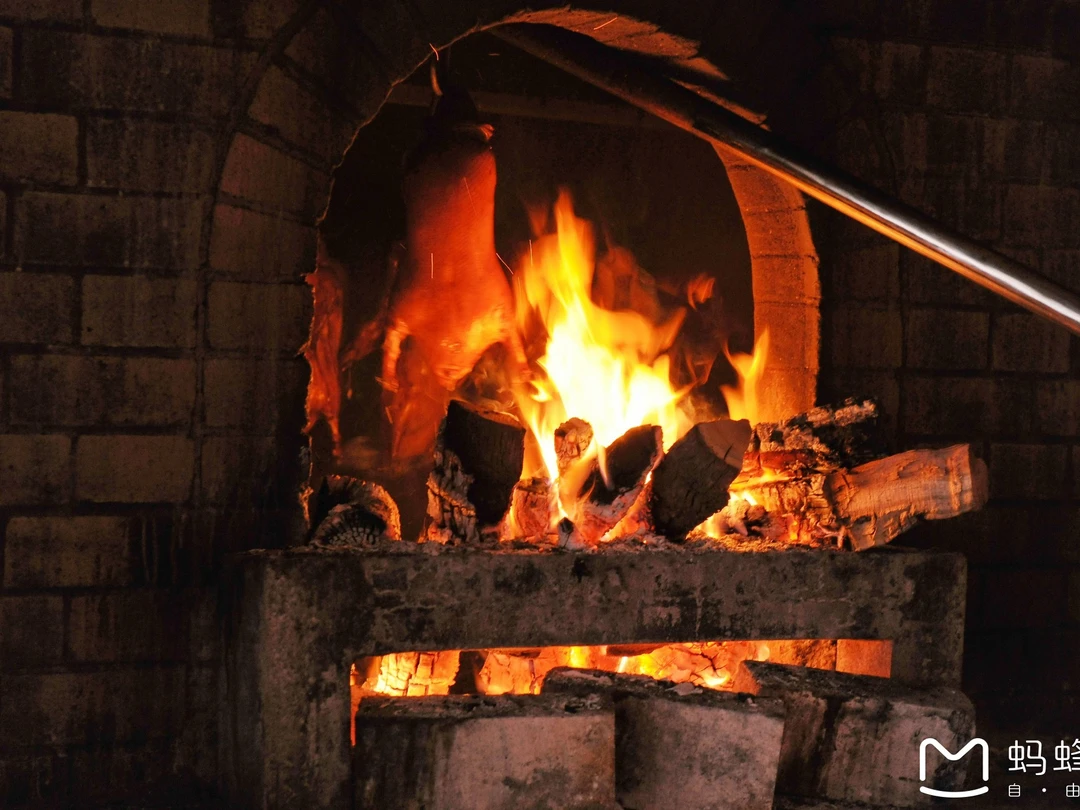
The Ultimate Beijing Foodie Frenzy: Three Days, Two Nights – Measuring the Imperial Capital with Your Taste Buds
Meta Description: Explore Beijing beyond Peking duck! This 3-day foodie itinerary covers Ghost Street crayfish, hutong lamb offal soup, imperial pea paste, and more. Your ultimate guide to Beijing street food and hidden eats. If you think Beijing is only about Peking duck and zhajiangmian…
Continue reading...
Four Days in Beijing and Tianjin: The Ultimate Pre-Summer Solstice Travel Guide to Northern China's Twin Cities
Meta Description: Plan the perfect 4-day Beijing and Tianjin itinerary before summer crowds arrive. Discover Mutianyu Great Wall tips, Forbidden City secrets, and hidden gems in this SEO-optimized travel guide. When the May breeze, wrapped in early summer warmth, gently brushes across the North China…
Continue reading...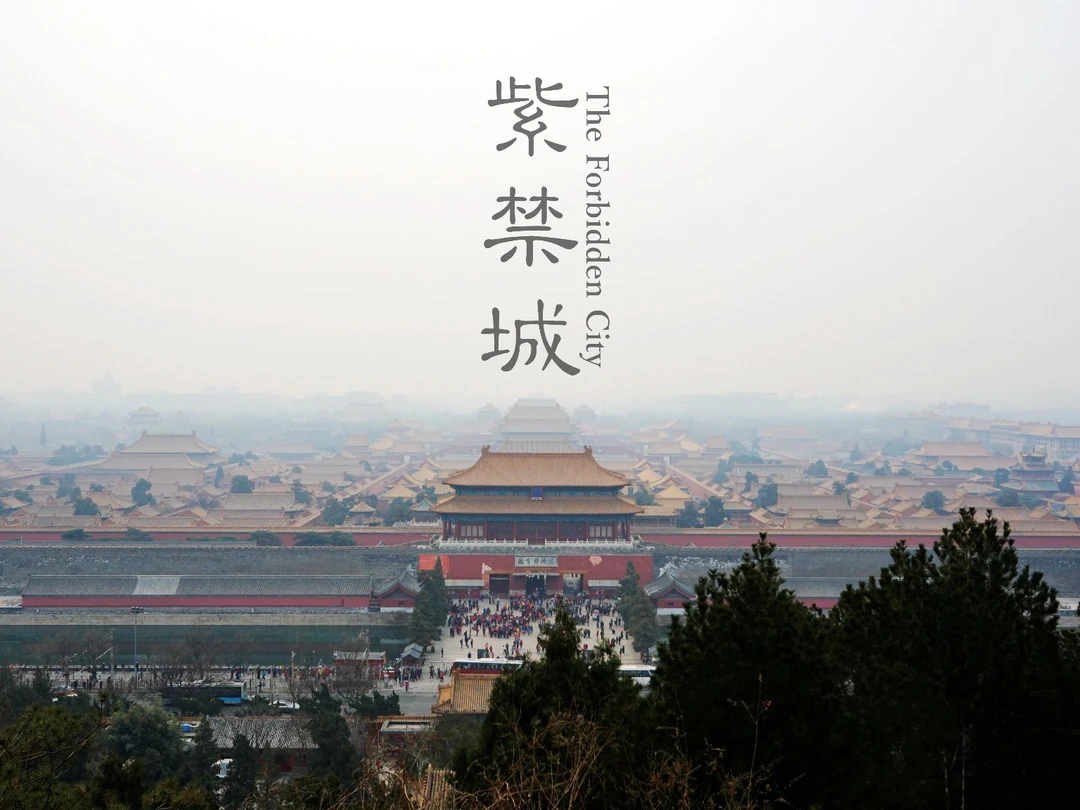
Ten Years Later: Chasing Spring in the Imperial City – A 5-Day Beijing Adventure in March 2017
Meta Description: Relive a 5-day Beijing spring itinerary from March 2017—Forbidden City, Great Wall, hutongs & cherry blossoms. Budget tips, bike hacks, and hidden gems for your own imperial city chase. Beijing. Just the name stirs something deep in the chest. It's the heartbeat of…
Continue reading...