My 2018 Vietnam Journey: An 80% Check-In Index Report [Eat & Explore DEMO]
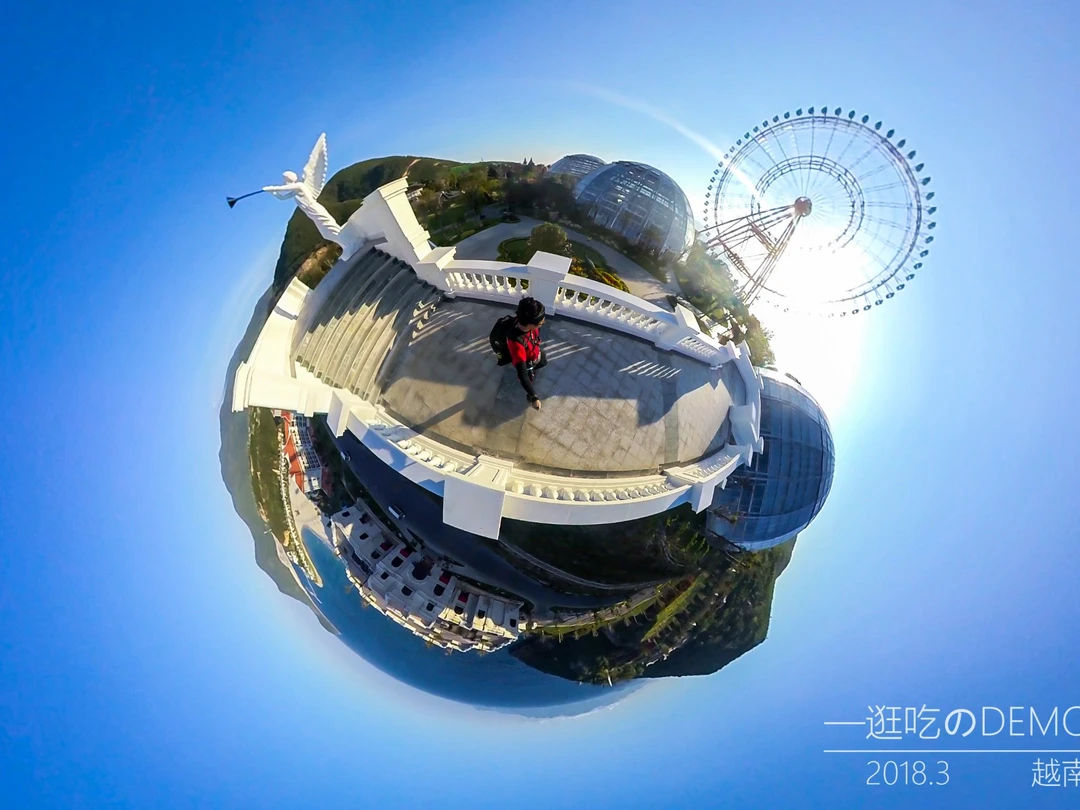
Meta Description: Discover Vietnam through a 14-day solo journey from Hanoi to Ho Chi Minh City. This 80% check-in index report covers authentic food, hidden gems, and practical travel tips for an unforgettable Southeast Asian adventure.
Foreword: The World as My Classroom
"Let the world be my university, nature and human affairs my textbooks, direct observation my method of study, and wind, rain, frost, scorching sun, morning stars, and moonlit nights my rewards."
This quote has always been my guiding philosophy. I'm Eat & Explore DEMO, a traveler obsessed with measuring the world on foot and exploring it through taste buds. For me, travel has never been about resort-style relaxation—it's a deep dive into understanding cultures, histories, and flavors. Pre-trip research is the preview, the journey itself is the classroom, and the post-trip record is the exam I turn in.
On March 1, 2018, I set foot in Vietnam alone, spending 14 days completing 80% of my check-in experiences across this captivating country. This detailed Vietnam travel report is my "report card"—and your ultimate guide to planning your own journey.
Why Vietnam? A Traveler's Perspective
Starting from Zero: My Preconceptions vs. Reality
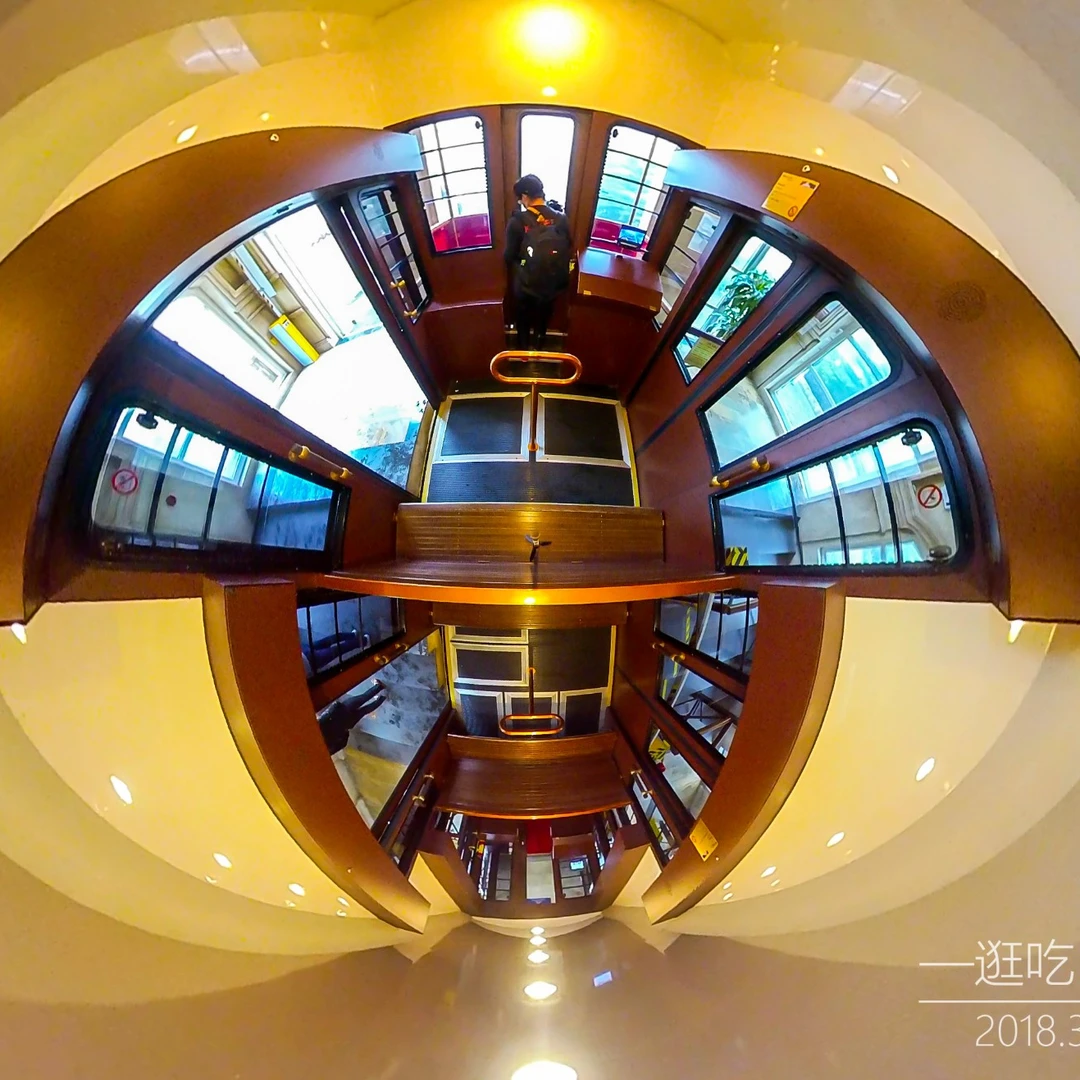
Honestly, before I left, my knowledge of Vietnam was almost nonexistent. I only remembered someone saying, "It's like China in the 1980s." So the image in my mind was: rundown streets, basic facilities, impoverished life. But when I started researching, I discovered this country was far richer than I imagined—it boasts over 3,260 kilometers of coastline, and from north to south, every stretch of coast has its own personality.
And after actually traveling through it, Vietnam surprised me far beyond just its coastline. It's a land of chaotic charm, warm hospitality, and culinary genius.
Pre-Trip OCD "Battle Preparation"
As a traveler with "pre-trip OCD," my research is never just a quick browse through travel websites. A month before departure, I had already marked on a map all the cities I wanted to visit, restaurants I wanted to try, and attractions I wanted to see. I even calculated the best connections for intercity transport.
This trip happened after the Chinese New Year holiday, but the planning was still meticulous. Vietnam travel tips like visas, currency, transportation, accommodation, and food lists—every item was carefully planned. If you're also thinking of going to Vietnam, I'll share some practical advice later.
Where Did I Go in 14 Days? A North-to-South Vietnam Itinerary
Northern Vietnam: Hanoi—A Timeless Old Town
My first stop was Hanoi. This thousand-year-old capital left me with a first impression: chaos and order coexisting. Motorbikes surged through the streets like a flood, horns blaring endlessly, yet everyone seemed to find their own rhythm amid the noise.
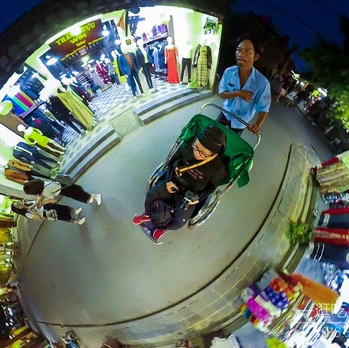
I spent two days exploring the 36 Streets (三十六行街) —each street named after a trade: shoe sellers, fabric merchants, silversmiths... It felt like stepping back in time to an ancient commercial district. In the evening, by Hoan Kiem Lake (还剑湖, "Lake of the Returned Sword") , I watched locals practicing tai chi and playing chess. The slow pace of life made even me, a "research fanatic," unconsciously slow down.
Must-Eat Recommendation: Hanoi Beef Noodle Soup (Pho Bo, 河内牛肉粉). The broth is clear but rich in flavor. Squeeze in some lime, add mint leaves, and one sip will tell you why Vietnamese people can't start their day without it.
[Link: Best street food in Hanoi Old Quarter]
Central Vietnam: Da Nang—An Underrated Coastal City
I took an overnight train from Hanoi to Da Nang, and when I woke up, the view outside the window was already blue skies and turquoise sea. Da Nang's beaches were cleaner and quieter than I expected—without Nha Trang's hustle, but with equally mesmerizing sunsets.
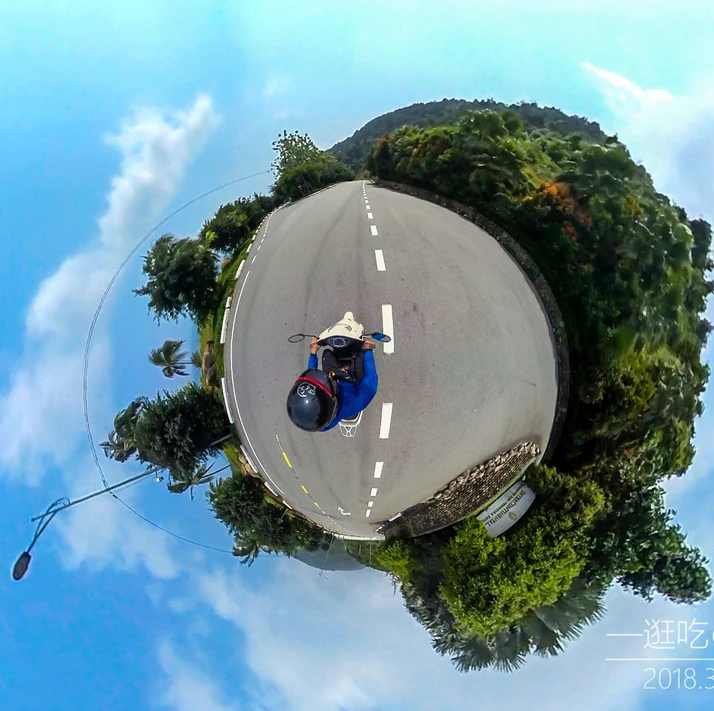
Da Nang's charm lies in its "duality": on one side, the relaxed resort vibe of My Khe Beach (美溪海滩) ; on the other, the wild, untouched beauty of Son Tra Peninsula (山茶半岛) . I rented a motorbike and rode along the coast, the wind blowing through my hair—a feeling I still remember vividly.
Unexpected Surprise: In Hoi An Ancient Town (会安古城) , I found the corner of Vietnam that touched me most. This UNESCO World Heritage site is a quiet ancient town by day and transforms into a sea of lanterns by night. Sitting in a café by the Thu Bon River (秋盆河) , watching boatmen slowly pole their vessels along, time seemed to stand still.
[Link: How to spend 3 days in Hoi An]
Southern Vietnam: Ho Chi Minh City—Youth and Memory Intertwined
My final stop was Ho Chi Minh City (formerly Saigon). This city felt to me "young yet nostalgic"—skyscrapers stand alongside French colonial buildings, motorbike armies zip through the streets, and in corner coffee shops, elderly locals still reminisce over drip coffee.
I spent a day at the War Remnants Museum (战争遗迹博物馆) . The black-and-white photos and artifacts gave me a stark understanding of war's brutality. Then, on Bui Vien Street (范五老街) , I saw another side of Vietnam—backpacker revelry, the aroma of street food, music from bars—everything bursting with energy.
Strong Recommendation: Bánh Mì (法棍三明治, Vietnamese baguette sandwich). The Vietnamese twist on the baguette is a masterpiece—crispy on the outside, generously filled inside with grilled pork, pickled radish, cilantro, and chili. One bite delivers a perfect fusion of French and Vietnamese flavors.
[Link: Ho Chi Minh City travel guide for first-timers]
The Experiences That Made My "80% Check-In"
Vietnamese Food: More Than Just Pho and Spring Rolls
Many people's impression of Vietnamese cuisine stops at pho and spring rolls, but once you dig deeper, you realize this is an underrated food kingdom.
- Vietnamese Coffee: Drip coffee (滴漏咖啡) is a must-try. The sweetness of condensed milk clashes with the bitterness of coffee in your mouth. Over ice, it's the perfect drink for a hot afternoon.
- Crab Noodle Soup (Bún Riêu, 蟹肉汤粉): A Hanoi street food staple. The broth is made from crab—so savory you'll want to lick the bowl clean.
- Grilled Pork Skewers (Nem Nướng, 烤猪肉串): Dipped in fish sauce and peanut butter, they're aromatic without being greasy.
Pro Tip: For the most authentic Vietnamese street food, skip the trendy spots. Follow the locals to street stalls and markets—that's where you'll find the real flavors.
Transportation in Vietnam: From Motorbikes to Overnight Trains
In Vietnam, transportation itself is a travel experience.
- Motorbike: Renting a motorbike is the best way to explore cities and nearby attractions. But be warned: traffic rules in Vietnam are "non-existent"—motorbikes, cars, and pedestrians all "freestyle" on the same roads. Newbies need to adapt.
- Overnight Train: From Hanoi to Da Nang, I chose the overnight train. The carriages were basic, but lying on the bunk, listening to the rhythm of the tracks, with dark fields and occasional lights flickering past the window—it was strangely magical.
- Open Bus: From Da Nang to Ho Chi Minh City, I used an Open Bus service. These buses offer a "hop-on, hop-off" option, allowing stops at Hoi An, Nha Trang, Mui Ne, and other cities along the way—perfect for independent travelers.
[Link: Vietnam transportation guide for backpackers]
People: Vietnam's "Slow" and "Warm"
Vietnamese people live at a slow pace—so slow that it took some getting used to for someone like me, accustomed to "efficiency." But it's precisely this "slowness" that made me feel their warmth.

In Hoi An, when I asked for directions, an elderly lady who didn't speak English took my hand and walked me three blocks until she got me to my destination. In Ho Chi Minh City, a motorbike driver took an extra half hour because my navigation was wrong, but only charged me the base fare.
These moments stay with me more than any scenic spot.
Practical Guide: What to Prepare Before Going to Vietnam
Visa and Currency
- Vietnam Visa: You can apply for a Vietnamese visa in advance or get a visa on arrival. I recommend applying online in advance (e.g., through Taobao) for about 30–40 USD. No need to mail your passport—just a photo will do. Note: The visa is a separate paper (另纸签, a loose-leaf visa) that must be used together with your passport.
- Currency: The Vietnamese Dong (VND) has large denominations—1 USD is roughly 23,000 VND. It's best to exchange USD in your home country and then convert to VND in Vietnam for a better rate.
Suggested Vietnam Itinerary
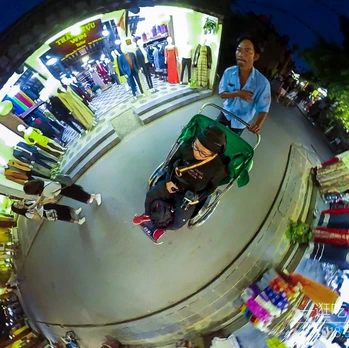
- Duration: 14 days is ideal for a north-to-south route. If time is tight, choose either the north (Hanoi + Ha Long Bay) or the south (Ho Chi Minh City + Mekong Delta).
Best Time to Visit Vietnam
Vietnam stretches over 1,650 km from north to south, so weather varies significantly. Generally: - North (Hanoi, Ha Long Bay): October–April (cool, dry) - Central (Da Nang, Hoi An): February–August (sunny, warm) - South (Ho Chi Minh City, Mekong Delta): November–April (dry season)
FAQ: Your Vietnam Travel Questions Answered
1. Is Vietnam safe for solo female travelers?

Yes, Vietnam is generally safe for solo female travelers. However, practice common sense: avoid walking alone late at night in deserted areas, keep valuables secure, and use reputable transport services. Vietnamese people are generally friendly and helpful.
2. How much does a 14-day Vietnam trip cost?
A budget-friendly 14-day Vietnam trip costs approximately $500–$800 USD, including accommodation, food, local transport, and attractions. Mid-range travelers can expect $1,000–$1,500 USD. Costs vary based on your travel style and cities visited.
3. Do I need to speak Vietnamese to travel in Vietnam?
No. English is widely spoken in tourist areas, hotels, and restaurants. However, learning a few basic phrases like "Xin chào" (hello), "Cảm ơn" (thank you), and "Bao nhiêu?" (how much?) will enhance your experience and earn you smiles from locals.
4. What should I pack for a Vietnam trip?
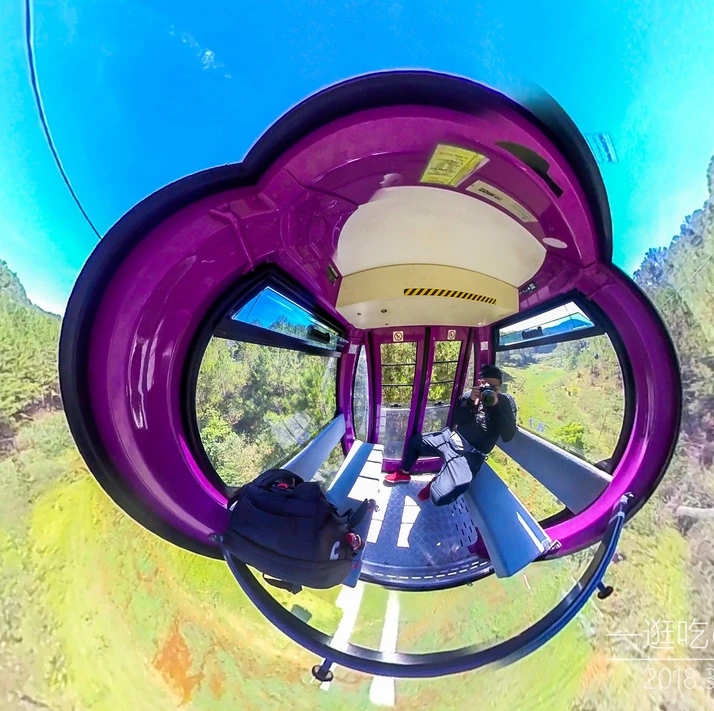
Pack light, breathable clothing (cotton, linen), comfortable walking shoes, a rain jacket (especially if traveling during rainy season), sunscreen, insect repellent, a power bank, and a travel adapter (Vietnam uses types A, C, and F plugs). Don't forget a scarf or shawl for temple visits.
5. Is street food safe to eat in Vietnam?
Yes, street food is generally safe and is the best way to experience authentic Vietnamese cuisine. Choose stalls with high turnover (busy with locals), where food is cooked fresh. Avoid raw vegetables if you have a sensitive stomach, and drink bottled water.
Ready to Plan Your Own Vietnam Adventure?
Vietnam is a country that rewards the curious traveler. From the chaotic charm of Hanoi's Old Quarter to the lantern-lit streets of Hoi An, from the turquoise waters of Da Nang to the vibrant energy of Ho Chi Minh City—every corner offers something unforgettable.
Whether you're a food lover, history buff, beach enthusiast, or budget backpacker, Vietnam travel has something for everyone. Start planning your trip today—book your flights, map your route, and prepare your taste buds for an explosion of flavors.
Your adventure awaits. Will you answer the call?
Follow Eat & Explore DEMO for more travel guides, food recommendations, and off-the-beaten-path discoveries. Share your own Vietnam travel stories in the comments below—we'd love to hear about your journey!
[Link: Vietnam travel insurance options] [Link: Best Vietnam travel apps for navigation and translation]
You should also read:
My 2018: A Global Drift Without a Script – A Year of Unplanned Travel Adventures
Meta Description: Discover a year of unscripted travel in 2018—from UAE with parents to a -30°C wedding in Harbin, Bali cliffside ceremonies, and Nepal's chaotic charm. Explore global drift without a plan. Does the New Year's Eve countdown really mean anything? I was pondering this…
Continue reading...
Guangzhou Foodie & Chimelong Safari Park Ultimate Guide: Three Days, Two Nights – Eat Your Way Through the City and Explore Every Corner
Meta Description: Plan the perfect Guangzhou family trip with our 3-day guide. From Cantonese morning tea at time-honored teahouses to Chimelong Safari Park tips, this SEO-optimized itinerary covers authentic local cuisine and kid-friendly attractions. If you ask me what the best thing to do in…
Continue reading...
Beijing · A Solo Journey: Finding a City's Warmth in Solitude
Here is the SEO-optimized and rewritten article based on your source material. It is structured to target high-intent keywords while preserving the authentic, personal narrative of the original journey. SEO Title: Beijing Solo Travel Guide: Finding Warmth & Connection on a Solo Trip to China’s…
Continue reading...