My 2025 Travel Keywords: Culture, The Scent of Life, and Relaxation
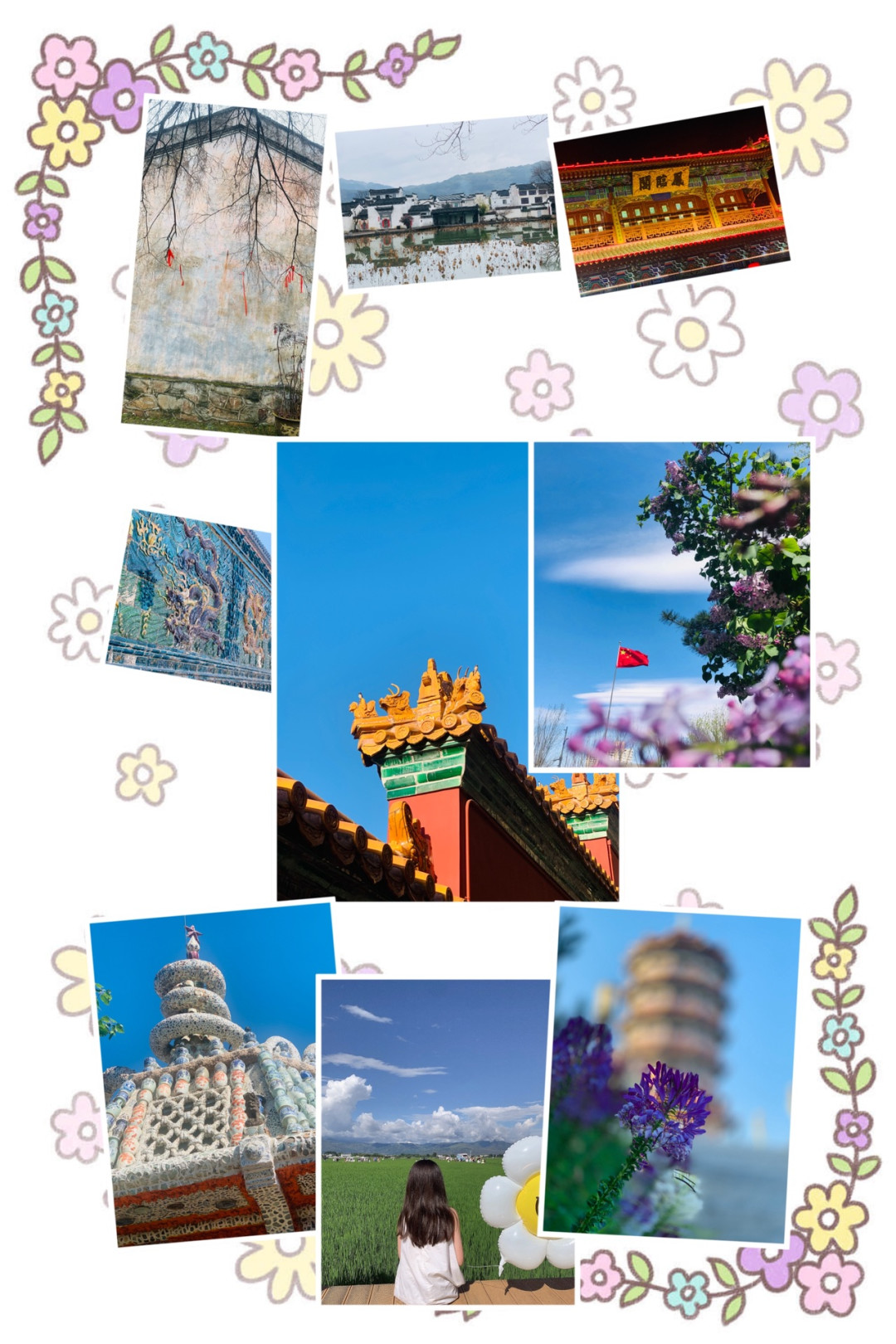
Here is the SEO-optimized rewrite of your travel article, designed to rank for "2025 travel keywords," "cultural travel China," and related long-tail terms. The article maintains the poetic voice of the original while structuring it for search engines and reader engagement.
2025 Travel Keywords: Culture, The Scent of Life, and Relaxation – A Journey Through 13 Chinese Cities
Meta Description: Discover the 2025 travel keywords that redefine exploration. From Jingdezhen's porcelain to Huangshan's ink-wash villages, join a journey of culture, scent, and relaxation across 13 Chinese cities.
Travel, for me, has never been about ticking off checklists or rushing from one landmark to another. It is a gentle dialogue with myself and with the world. In 2025, I set out with three keywords in mind—Culture, the echo of history; the Scent of Life, the warmth of everyday existence; and Relaxation, the breath of the soul. From a city of tech innovation to a millennium-old porcelain capital, from ink-wash Huizhou to the grasslands of northern China, I traversed thirteen cities on foot, each stop like a pearl strung together, capturing the light and emotion of the past year.
Hefei Travel Guide: Where Innovation and Ancient Charm Embrace
The morning mist over Chao Lake still clung to the branches as I stepped into the streets of Hefei. This city is like a bespectacled scholar, holding the sharp edge of technology in one hand and the warmth of everyday life in the other.
Hechai 1972: China’s First Prison-Turned-Creative Park
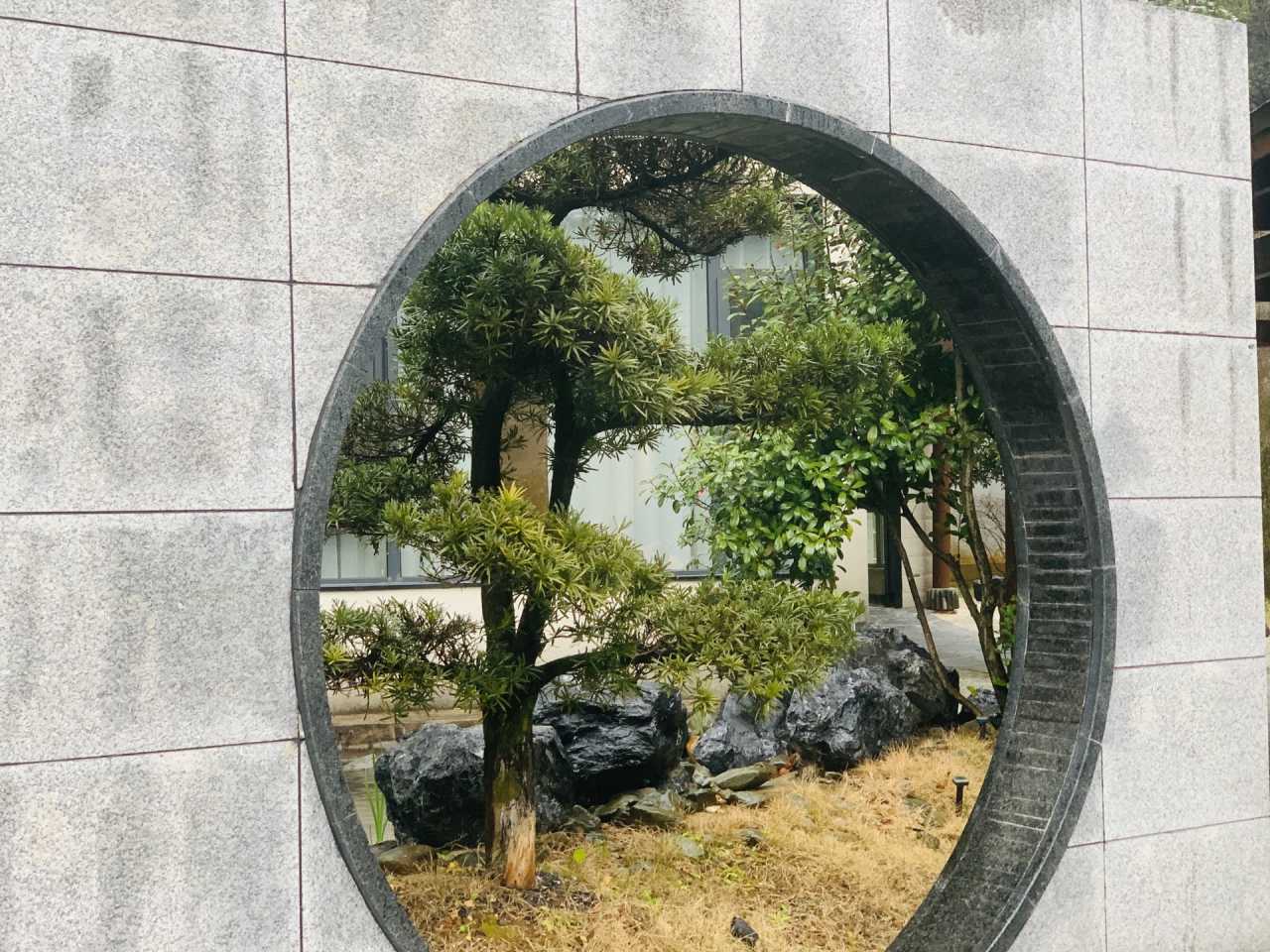
Hechai 1972 is China's first cultural and creative park transformed from a former prison. The mottled red brick walls tell the story of forgotten years, but now, this place has become a cradle for art and creativity. Industrial relics interweave with modern design, with cafes, galleries, and handcraft workshops scattered throughout, exuding an artistic atmosphere. Standing here, I suddenly understood that history is not meant to be locked away; it can be gently and lovingly reawakened.
Anhui Museum: A Dual-Venue Cultural Experience
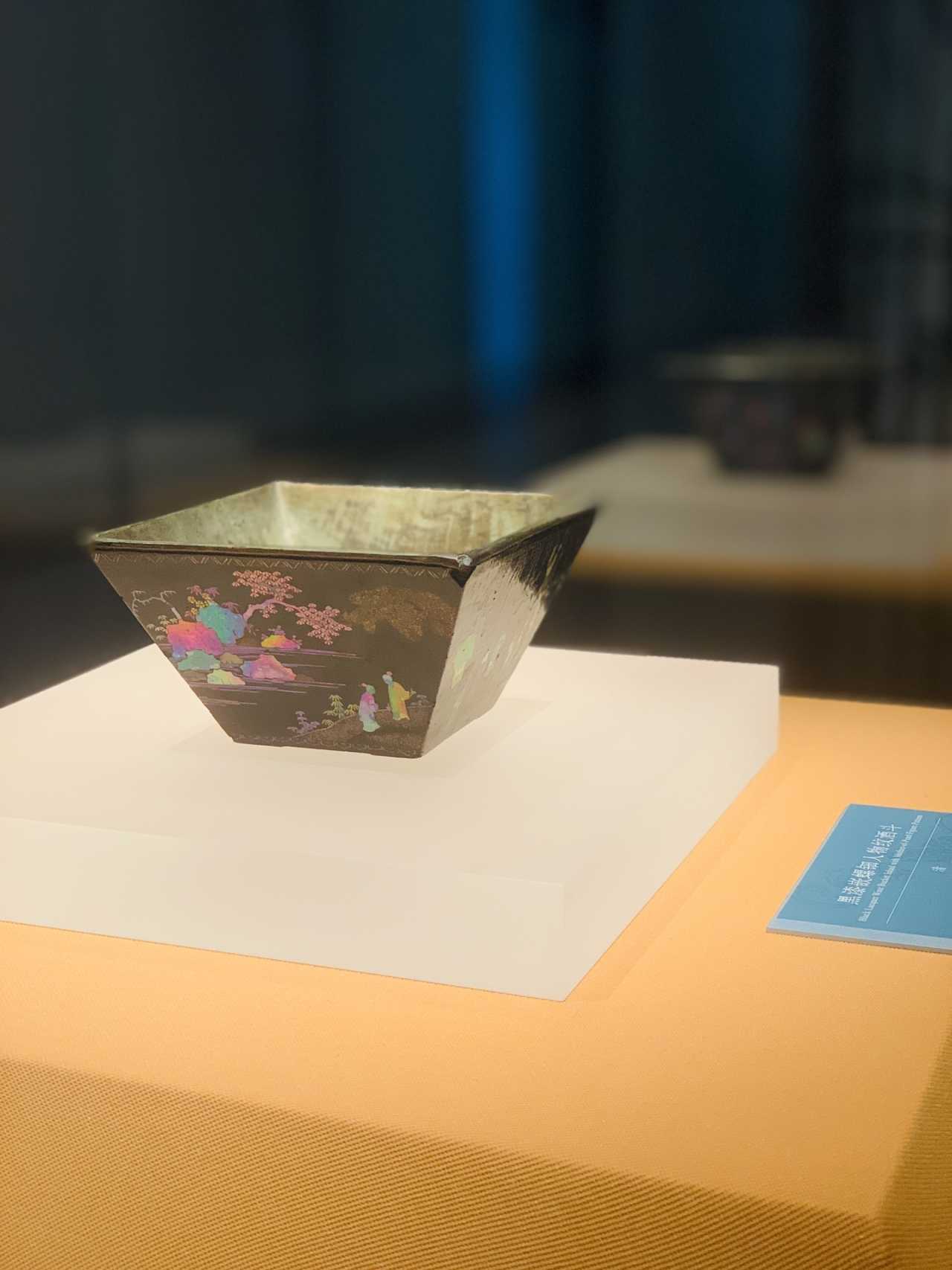
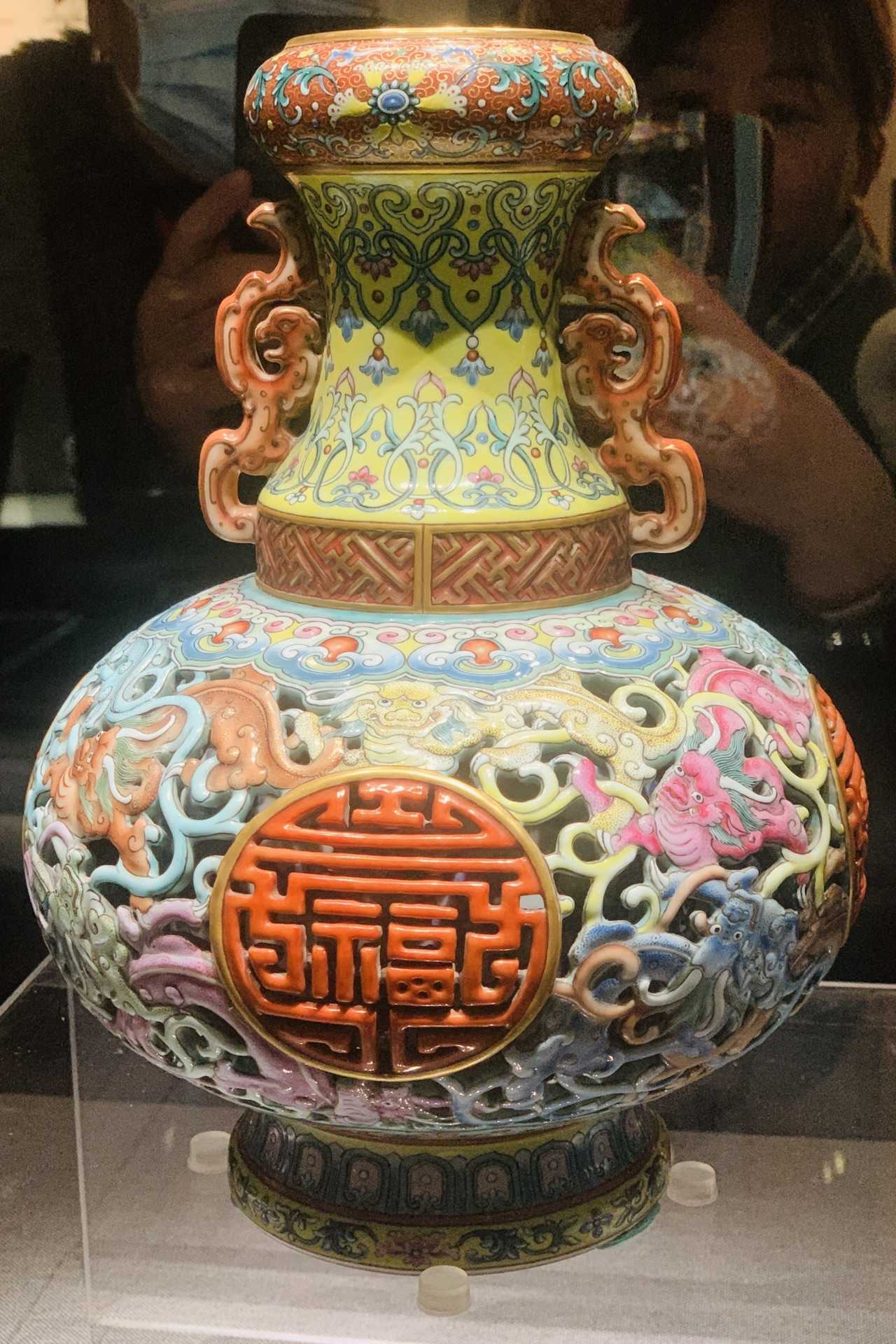
Anhui Museum operates under a "one museum, two venues" model. The old building is a Soviet-style structure, solemn and steady, while the new one adopts Huizhou architectural design, with white walls and black tiles reflecting the elegance of the Jiangnan region. The museum houses over 310,000 artifacts, from the weight of bronze vessels to the warmth of porcelain and the grace of calligraphy, all quietly telling the story of Anhui's civilization in the interplay of light and shadow. I was particularly drawn to the "E Jun Qi Jie" (a bronze tally for passage), its inscriptions still clearly visible, as if I could hear the camel bells of merchants from a thousand years ago.
Sanhe Ancient Town: Cobblestones and Comfort Food
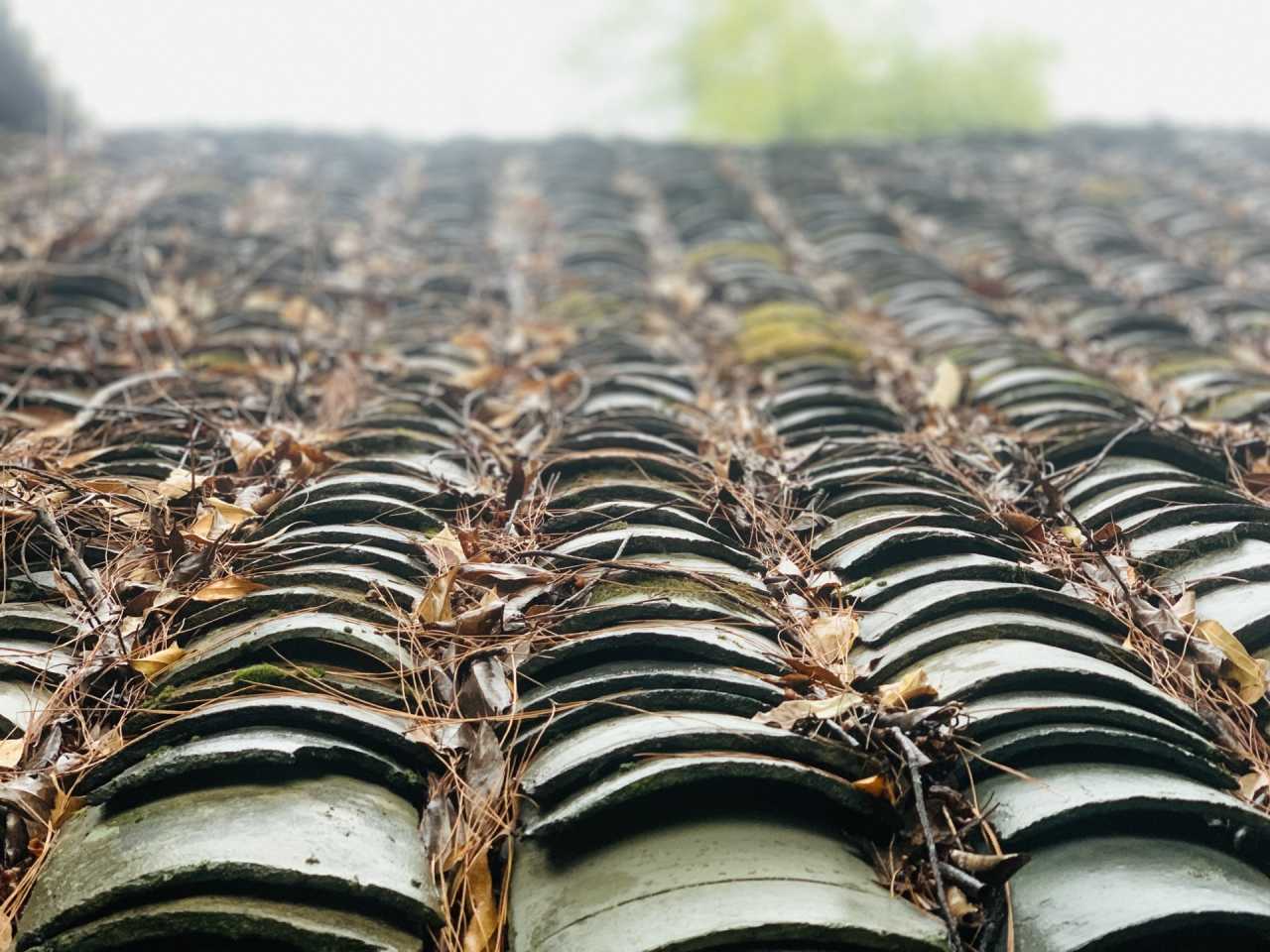
In the afternoon, I wandered into Sanhe Ancient Town. The cobblestone paths, polished smooth by time, led me past white-walled, black-tiled Huizhou-style homes. At a street corner, the aroma of old hen soup with puffed rice (lao mu ji tang pao chao mi) filled the air. One sip, and warmth spread from my throat to my heart—this is Hefei's unique character, combining the sharpness of innovation with the tenderness of everyday life.
[Link: Best things to do in Hefei for culture lovers]
Jingdezhen Travel: A Journey of Craftsmanship Through a Thousand Years of Porcelain Fire
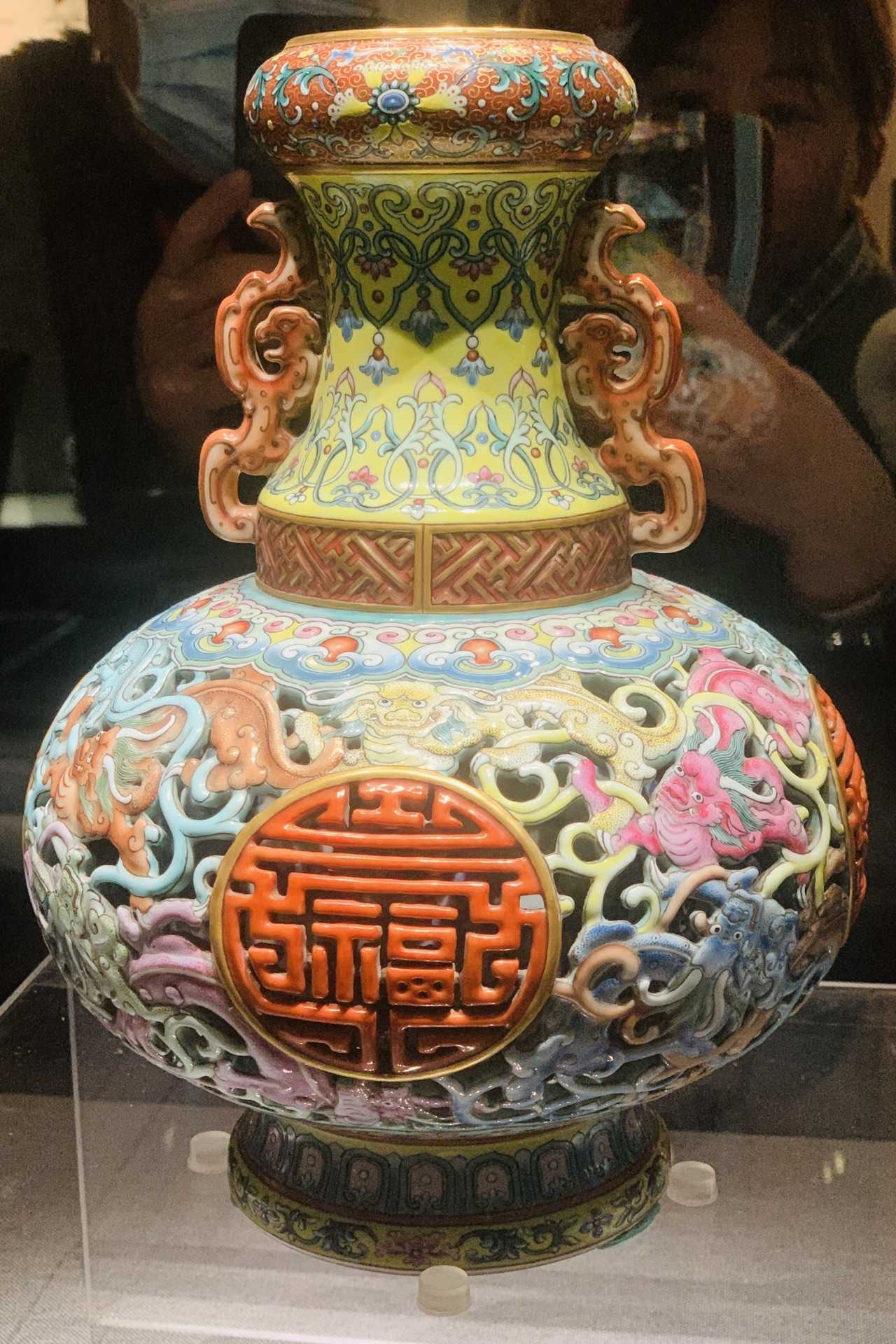
The charm of the "Millennium Porcelain Capital" lies within the bricks and tiles of Taoyangli and the lingering warmth of the kiln fires.
Imperial Kiln Museum: Fragments of Royal History
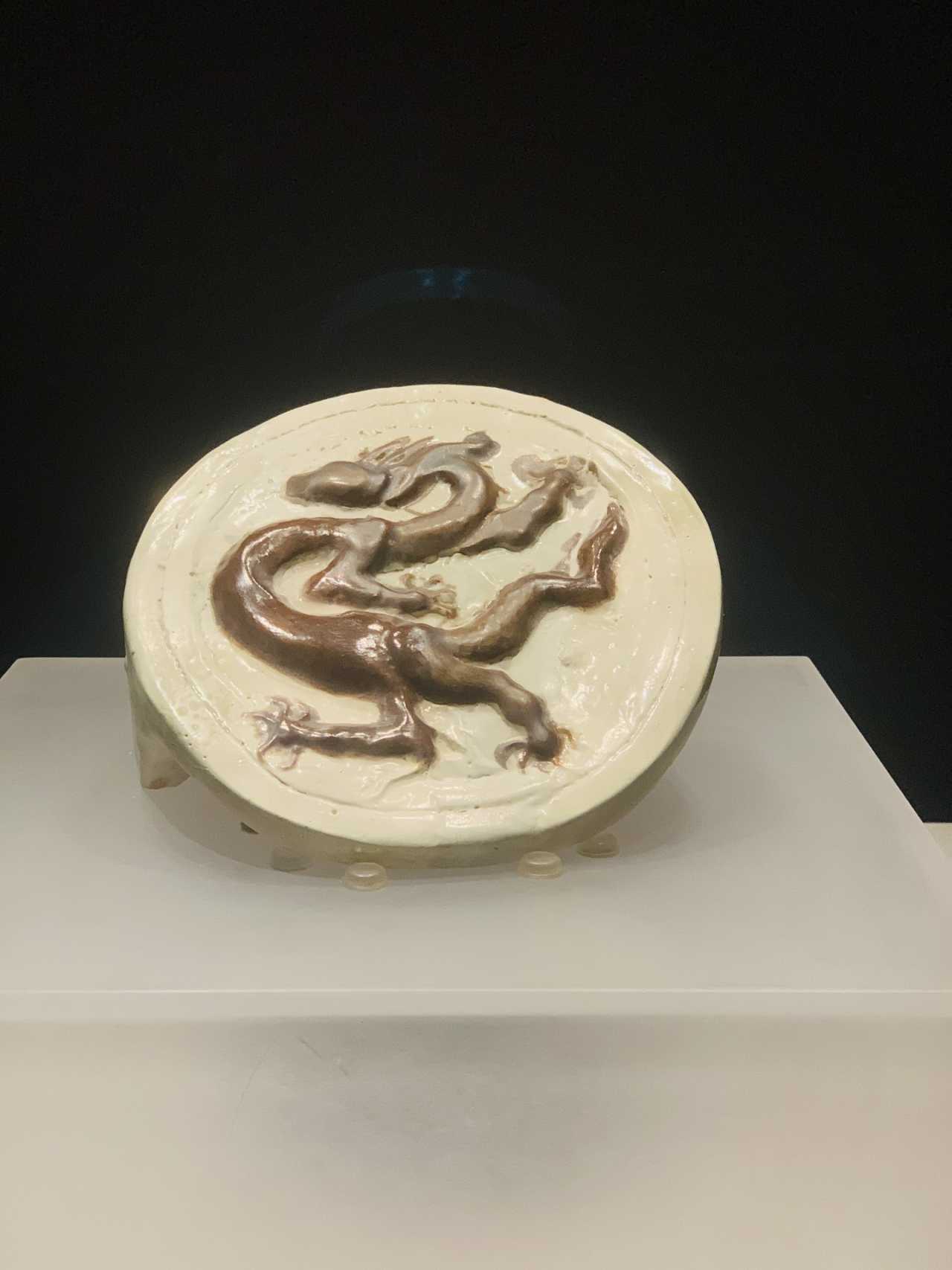
The red brick arches of the Imperial Kiln Museum reflect on the water's surface, like a giant piece of porcelain art. I bent down to touch the fragments from the Ming and Qing dynasty imperial kiln sites. The smooth, lustrous feel under my fingertips seemed to convey the opulence and refinement of the royal porcelain of old. Every shard of broken porcelain here is a footnote to time.
Ancient Kiln Folk Custom Museum: Living Heritage
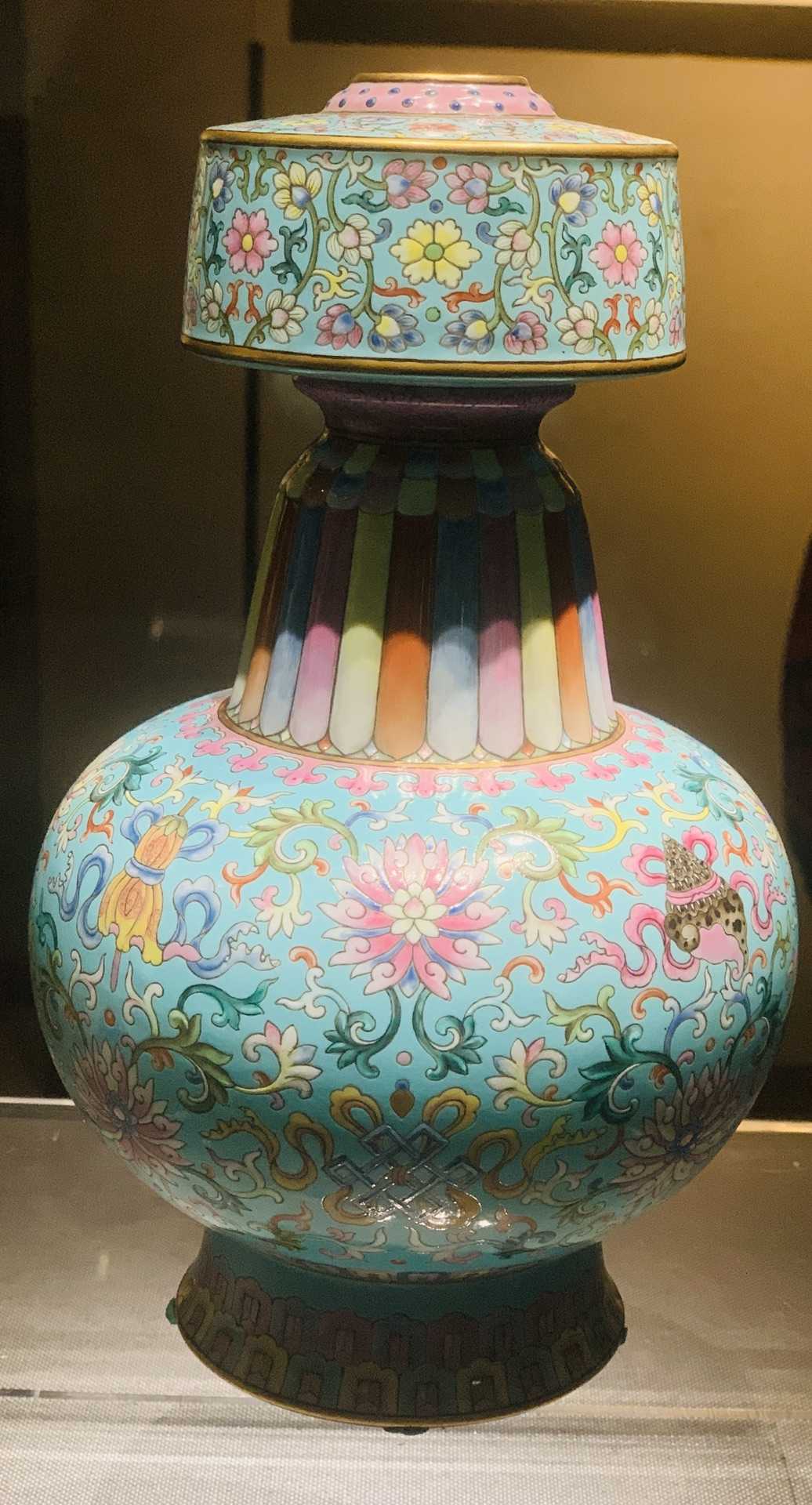
At the Ancient Kiln Folk Custom Museum, intangible cultural heritage inheritors worked their magic. Throwing clay, painting blue-and-white patterns—it was all done in one fluid motion. The clay came to life in their hands. The celestial sounds of a porcelain musical performance lingered in the air, clear as spring water hitting stone, melodious as a mountain breeze rustling through a bamboo grove. I stood there, mesmerized, and in that moment, I understood what it means to "devote a lifetime to one thing."
Taoxichuan Night Market: Where Tradition Meets Modern Design
At night, Taoxichuan was bustling with activity. In the creative spaces converted from old porcelain factories, young artisans blended traditional patterns with modern designs. Every small porcelain piece held a clever idea. I bought a blue-and-white teacup, with the artisan's name engraved on the bottom, as if I were taking the spirit of Jingdezhen's craftsmanship home with me.
Sanbao Ceramic Art Village: Art in Nature

During a stroll through the mountains of Sanbao Ceramic Art Village, walls inlaid with blue-and-white porcelain shards complemented the babbling brooks. I sat on a rock by the stream, watching the water carry away fallen leaves. It struck me that this city, over a thousand years, has focused on just one thing: turning clay into art.
[Link: Top 10 things to do in Jingdezhen for art lovers]
Huangshan Travel: Twin Gems in the Ink-Wash Landscape of Huizhou
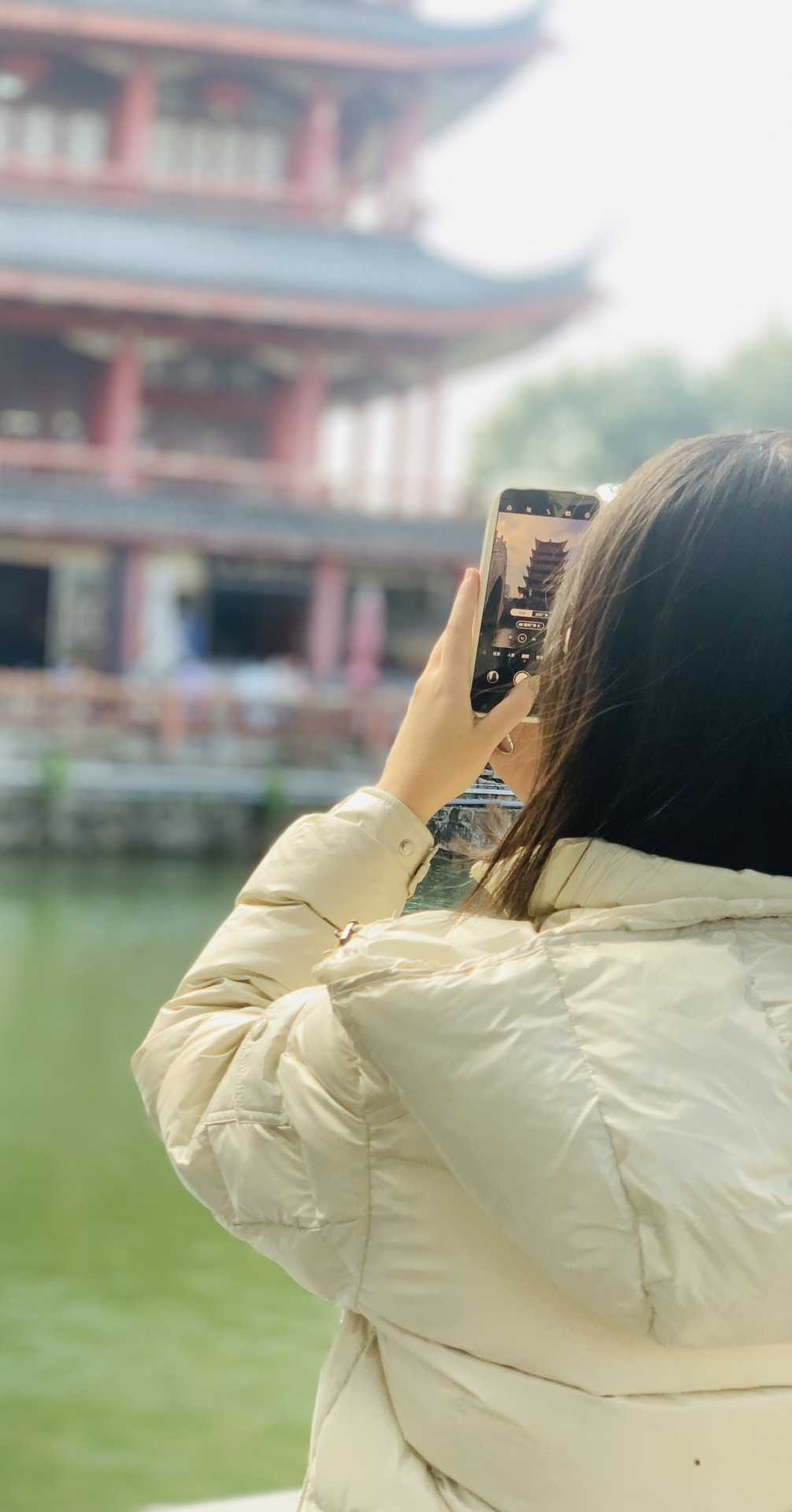
Within the landscape painting of Huangshan, Chengkan and Tunxi Old Street shine like two brilliant pearls—one holding the quiet charm of antiquity, the other displaying the bustling life of a market town.
Chengkan Ancient Village: The Number One Village South of the Yangtze
Chengkan, an ancient village praised by the scholar Zhu Xi as "the number one village south of the Yangtze River," has been steeped in the mysteries of the I Ching (Book of Changes) since its founding in the Eastern Han dynasty. The village is laid out according to the eight trigrams (bagua), with three main streets and ninety-nine lanes crisscrossing like a natural maze. I walked along the cobblestone paths, past white-walled, black-tiled ancient homes standing in neat rows, their horse-head walls (matou qiang) silent sentinels of time. The wood and stone carvings in the ancestral halls were lifelike, and the clear water in the irrigation channels flowed gently, reflecting a thousand years of tranquility. Every brick and tile here holds the secrets of the rise and fall of Huizhou clans; every alleyway is filled with the legendary stories of Huizhou merchants.
Tunxi Old Street: The Living Riverside Scene
In contrast, Tunxi Old Street pulses with the scent of everyday life. This commercial street, dating back to the Southern Song dynasty, is known as the "Living Riverside Scene at the Qingming Festival." The long, cobblestone street winds forward, the brick-and-wood structures of Huizhou architecture exuding an ancient charm. Carved window lattices and upturned eaves are full of the flavor of time. On the old street, the fragrance of ink from the Hu Kaiwen Ink Shop wafts gently, the medicinal scent from the Tongde Ren Pharmacy is refreshing, and the aroma of Huangshan Maofeng tea rises from the teahouses. I bought a pack of crispy pastries (su bing). One bite, and it crumbled in my mouth. Paired with a cup of Maofeng tea, it was the authentic taste of Huizhou.
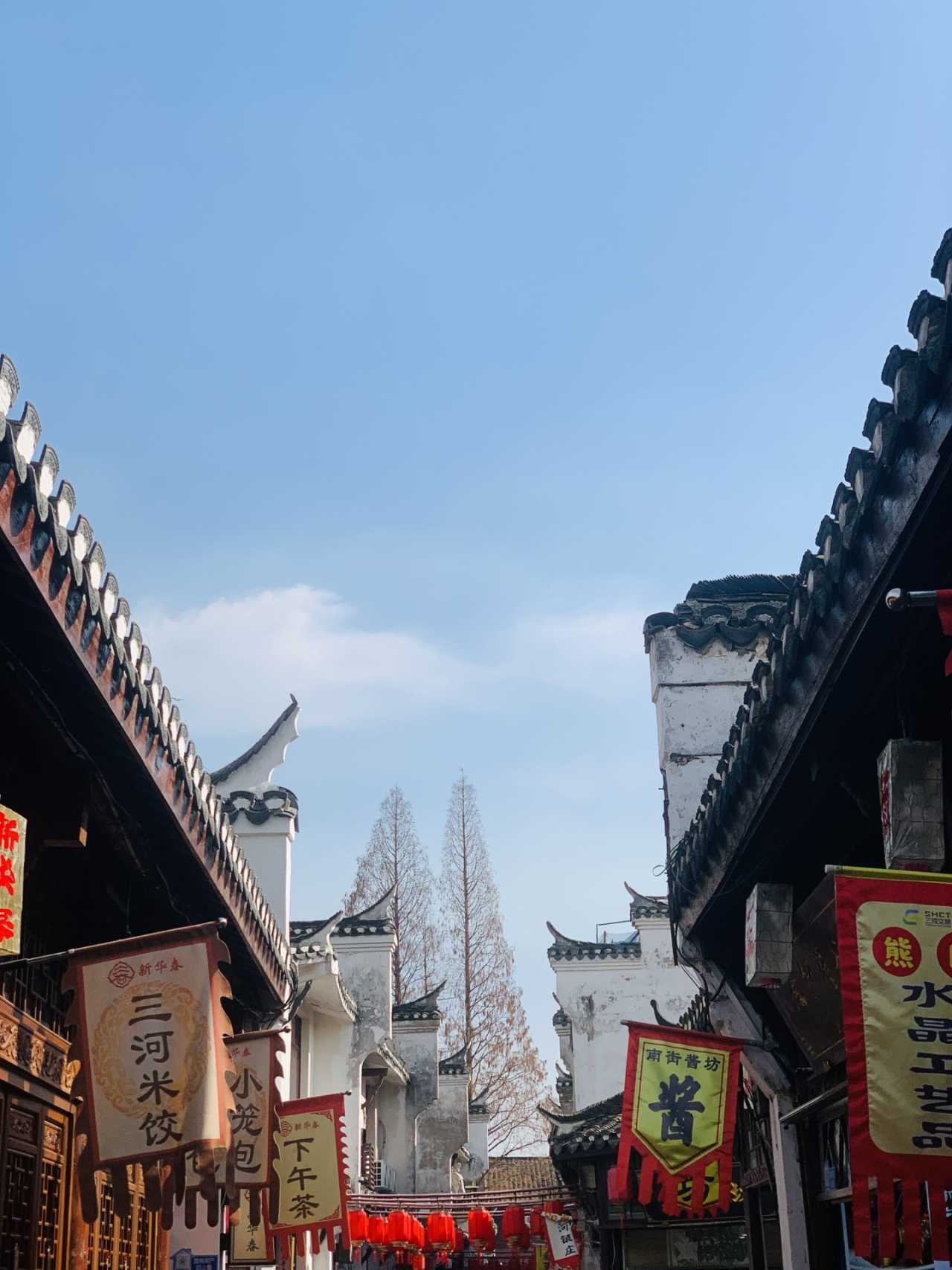
An ancient village, an old street—one quiet, one lively—together they tell the full story of Huangshan's cultural depth.
[Link: How to spend 3 days in Huangshan]
Datong Travel Guide: Ancient City Smoke and Fire Amidst the Legacy of the Northern Wei
The giant Buddha of the Yungang Grottoes wears a compassionate smile, still vivid after a thousand years of wind and rain. The open-air sculpture in Cave 20 is awe-inspiring, with flowing robe lines and intricate stone carvings that bear witness to the masterful craftsmanship of the Northern Wei artisans. I stood at the foot of the Buddha, looking up as sunlight streamed down from its shoulders. In that moment, I felt I could hear the sound of chisels on stone from a millennium ago.
Huayan Temple: The Oriental Venus and Liao Dynasty Marvels
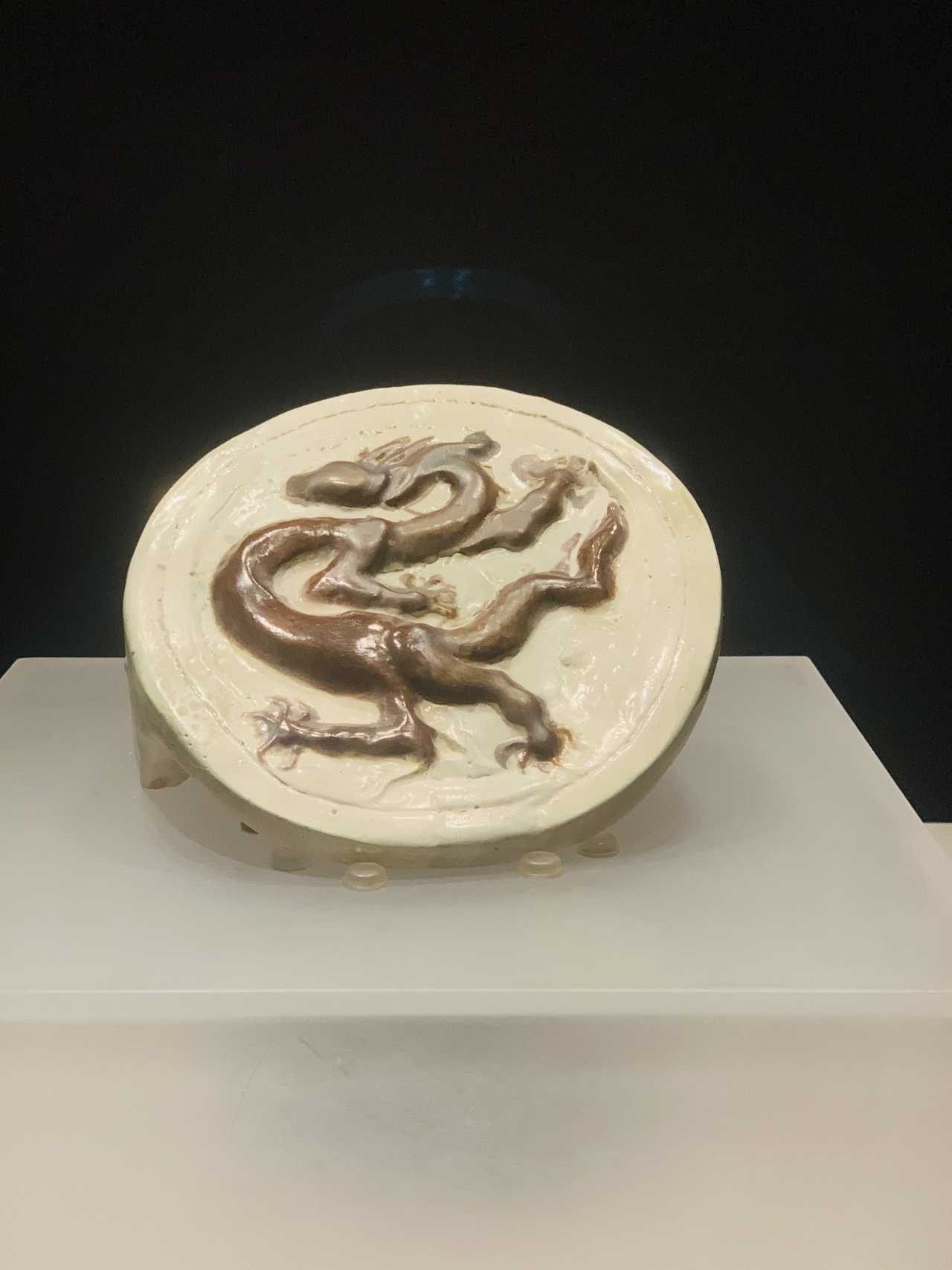
Inside Huayan Temple, the "Oriental Venus" from the Liao and Jin dynasties—a Bodhisattva with hands clasped and teeth showing in a gentle smile—exudes a tender grace. The bracket systems (dougong) of the halls are marvels of engineering. I walked around the temple, gazing at the upturned eaves and flying corners, and felt that the wisdom of the ancients is carved into the very wood.
Datong Ancient City: Night Rides and Knife-Cut Noodles
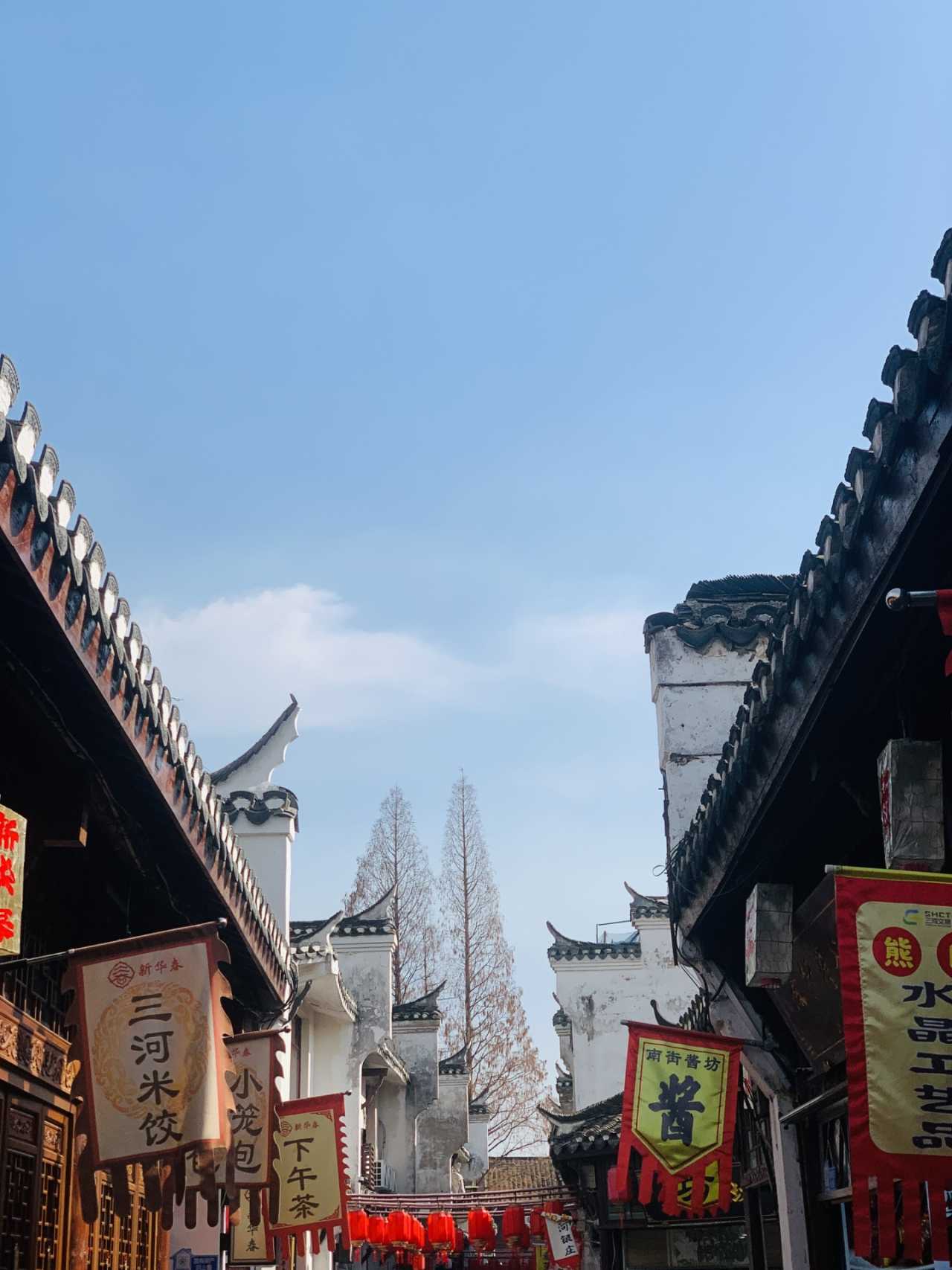
Strolling through Datong Ancient City, the cobblestone paths meandered. In the old shops on Gulou East Street, the aroma of knife-cut noodles (daoxiao mian) mingled with the steam from shaomai (pork and crab roe dumplings). I went into Fenglin Pavilion and ordered a basket of shaomai. The skin was thin, the filling generous, and one bite released a burst of savory juice—pure satisfaction. As night fell, the ancient city walls were brilliantly lit. I rented a bicycle and rode along the top, where the modern cityscape and the ancient ramparts merged into a single, breathtaking panorama.
[Link: Datong travel itinerary – 2 days exploring Northern Wei history]
Why These 2025 Travel Keywords Matter
Culture is not just about visiting museums; it is about feeling the weight of a bronze tally in Hefei or the smoothness of Ming dynasty porcelain in Jingdezhen. The Scent of Life is the steam rising from a bowl of knife-cut noodles in Datong or the ink fragrance wafting through Tunxi Old Street. Relaxation is sitting by a stream in Sanbao Village, watching leaves drift by, knowing that the world will wait.
These 2025 travel keywords are not trends—they are a return to slow, meaningful exploration. They remind us that the best journeys are not about how many places you see, but how deeply you feel them.
Frequently Asked Questions (FAQ)
1. What are the top 2025 travel keywords for cultural tourism in China?
The top 2025 travel keywords for cultural tourism are Culture (historical depth), The Scent of Life (local daily experiences), and Relaxation (mindful, slow travel). These three pillars guide travelers toward immersive, authentic journeys rather than rushed sightseeing.
2. Which Chinese city is best for porcelain and ceramic art?
 Jingdezhen is the undisputed "Millennium Porcelain Capital." Must-visit spots include the Imperial Kiln Museum, Taoxichuan night market, and Sanbao Ceramic Art Village for hands-on experiences and ancient craftsmanship.
3. How can I experience authentic Huizhou culture in Huangshan?
 Visit Chengkan Ancient Village for its bagua-layout architecture and Tunxi Old Street for market life. Pair these with a cup of Huangshan Maofeng tea and local crispy pastries for a full sensory experience.
4. What is unique about the Yungang Grottoes in Datong?
The Yungang Grottoes are a UNESCO World Heritage site featuring over 50,000 Buddhist statues carved during the Northern Wei dynasty. Cave 20's open-air Buddha is particularly famous for its serene, weathered expression.
5. What food should I try in Datong?
Don't miss knife-cut noodles (daoxiao mian) and pork and crab roe shaomai at Fenglin Pavilion. The local street food scene on Gulou East Street is vibrant and affordable.
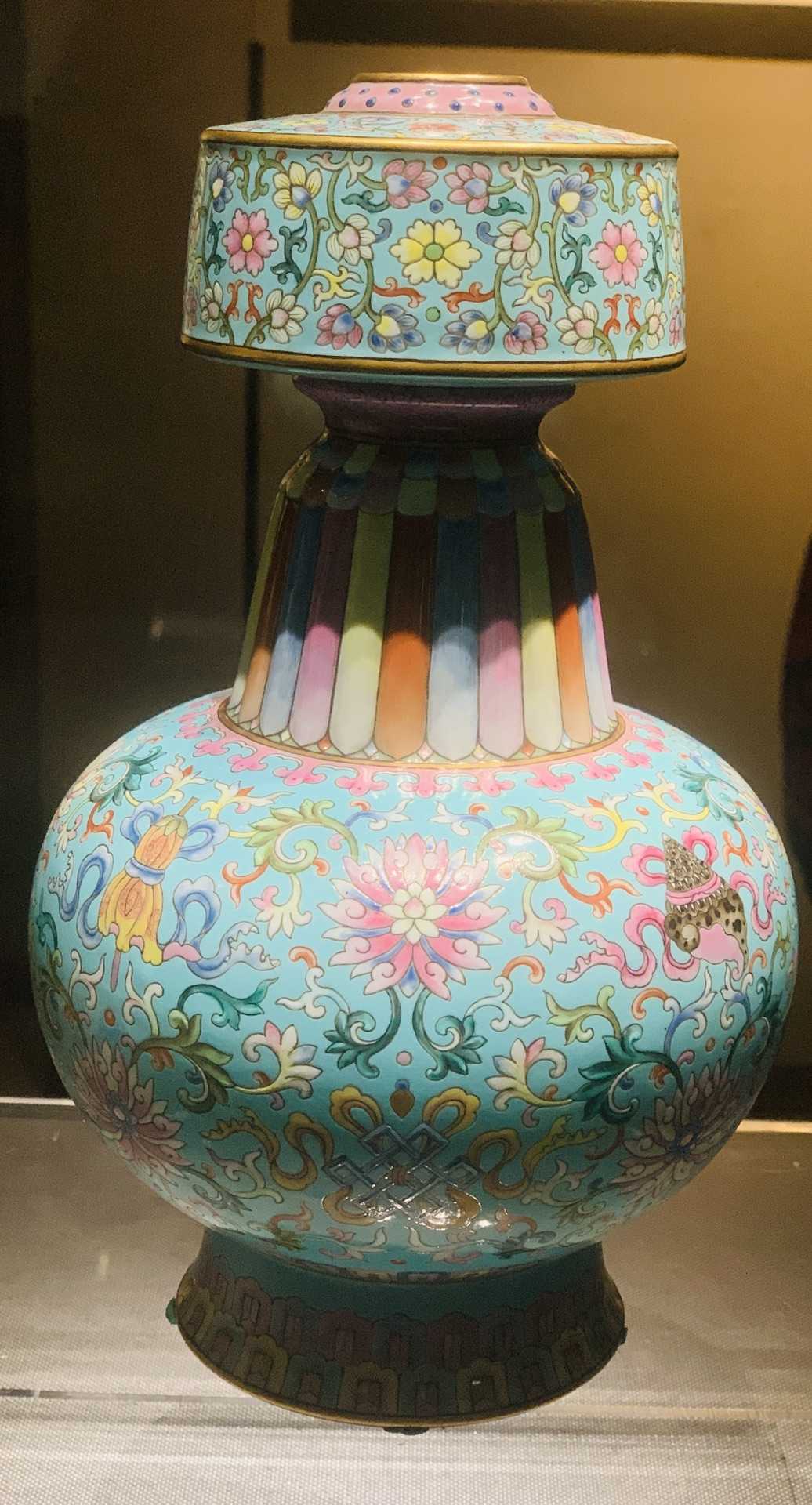
Your 2025 Travel Adventure Awaits
Whether you are a history buff, a foodie, or a seeker of quiet moments, these 13 cities offer something profound. Let Culture guide your itinerary, The Scent of Life flavor your meals, and Relaxation pace your days.
Ready to plan your own journey? [Link: Download our free 2025 China travel itinerary planner] or [Link: Book a custom cultural tour with local guides]. Your story begins with a single step—and the scent of a thousand-year-old kiln fire.
Traveled and written by [Author Name]. All experiences are firsthand from a 13-city journey across China in 2025.
You should also read:
Beijing Travel Guide: An Ancient Capital's New Face – A Five-Day Wandering Chronicle
Meta Description: Explore Beijing's modern transformation in this SEO-optimized travel guide. From Sanlitun nights to hidden hutong gems, discover the ancient capital's new face in five unforgettable days. Perfect for first-time visitors and returning travelers. When I first visited Beijing as a kid on a…
Continue reading...
Beijing Travel Guide: A Personal Journey Through Smog, History, and Hidden Stories
Meta Description: Discover Beijing beyond the tourist traps. This personal travel story explores hutong culture, historical sites, and local secrets—from Jingshan Park to Yuanmingyuan. Perfect for travelers seeking authentic experiences. Beijing. The name alone conjures images of smog-shrouded skylines, the majestic Forbidden City, labyrinthine hutong…
Continue reading...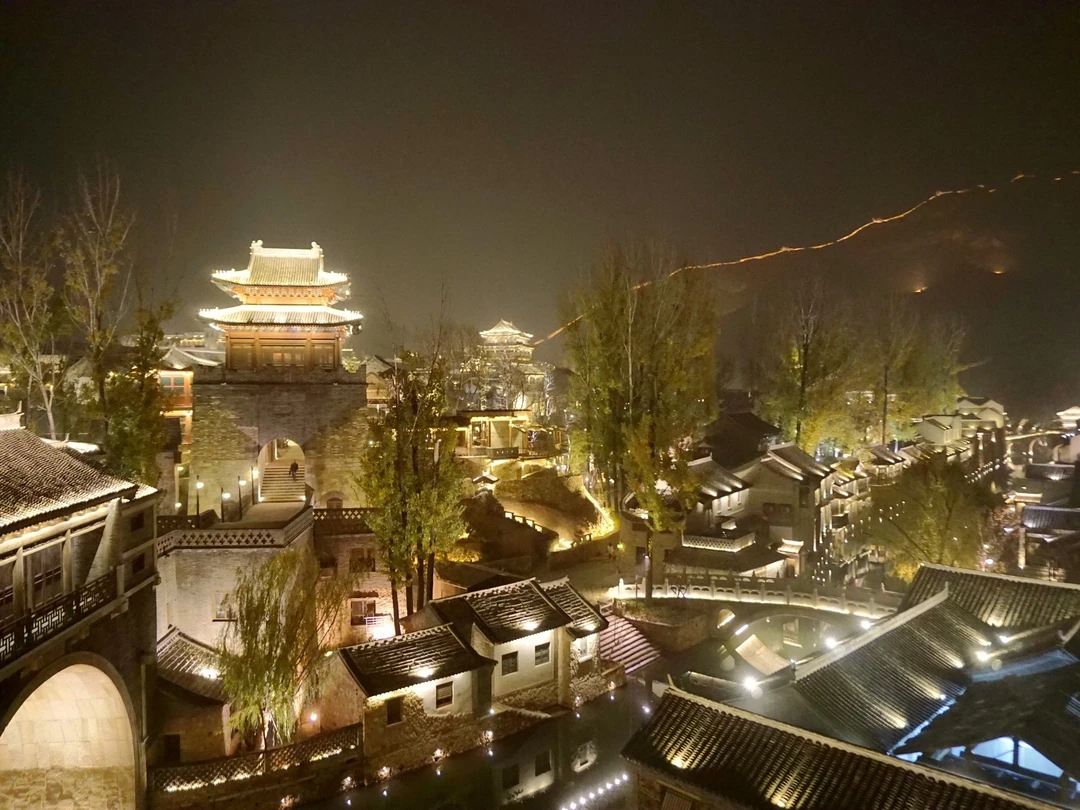
A Jiangnan Dream on Beijing's Outskirts: The Ultimate Gubei Water Town Travel Guide (November 2015)
Meta Description: Discover Gubei Water Town, Beijing's Jiangnan-inspired getaway at the foot of Simatai Great Wall. Read this detailed November 2015 travelogue with costs, tips, and must-see spots. The world is vast, yet life is fleeting. Sometimes, all it takes is a weekend—a spontaneous short…
Continue reading...