National Museum of China: Beyond the Top Treasures – A Surprisingly Fun Guide to Beijing's Cultural Gem
Meta Description: Discover the National Museum of China in Beijing beyond the famous Houmuwu Ding. Explore 5,000-year-old artifacts, ancient "refrigerators," and playful national treasures in this fun, SEO-optimized guide. Plan your visit today!
Introduction: Why the National Museum of China Is More Than Just "Top Treasures"
When most travelers plan a visit to the National Museum of China (中国国家博物馆) in Beijing, they immediately think of the "star artifacts" from textbooks: the massive Houmuwu Ding, the exquisite Four-Sheep Square Zun, or the humorous storytelling figurine. These are undeniably must-see items. But here’s the secret: if you focus only on the "top treasures," you might miss the museum's most enchanting side—the quirky, the mysterious, and the surprisingly fun.
Located on the eastern side of Tiananmen Square, the National Museum of China is the world's second-largest museum (after the Metropolitan Museum of Art in New York). It houses not just "national treasures" but also vivid stories, forgotten slices of daily life, and little surprises that will make you smile. In this guide, we’ll set aside the standard guidebooks and rediscover this familiar yet unfamiliar hall with a fresh pair of eyes.
[Link: How to Visit the National Museum of China – Tickets & Tips]
H2: The "Indescribable" National Treasures You Can't Miss
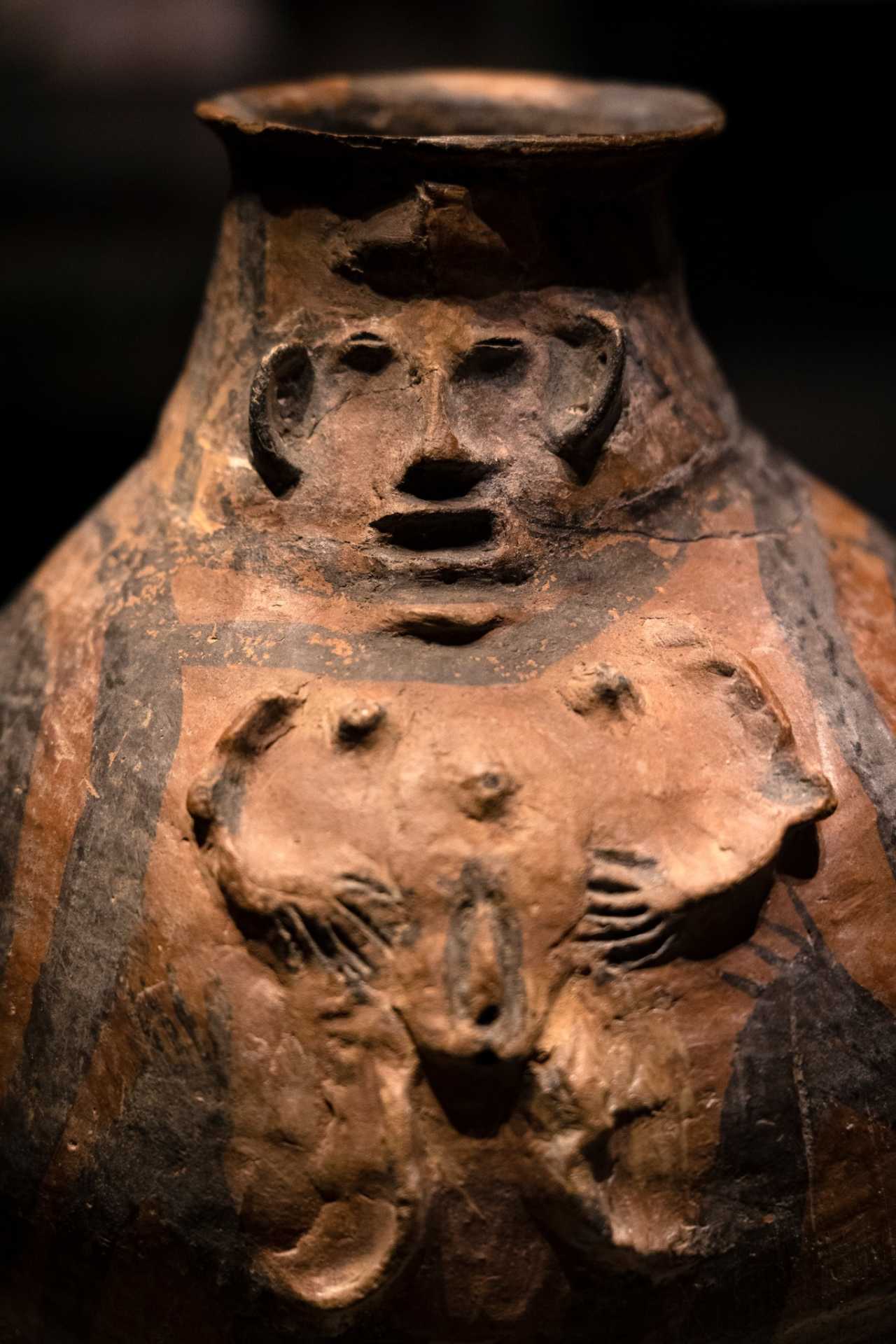
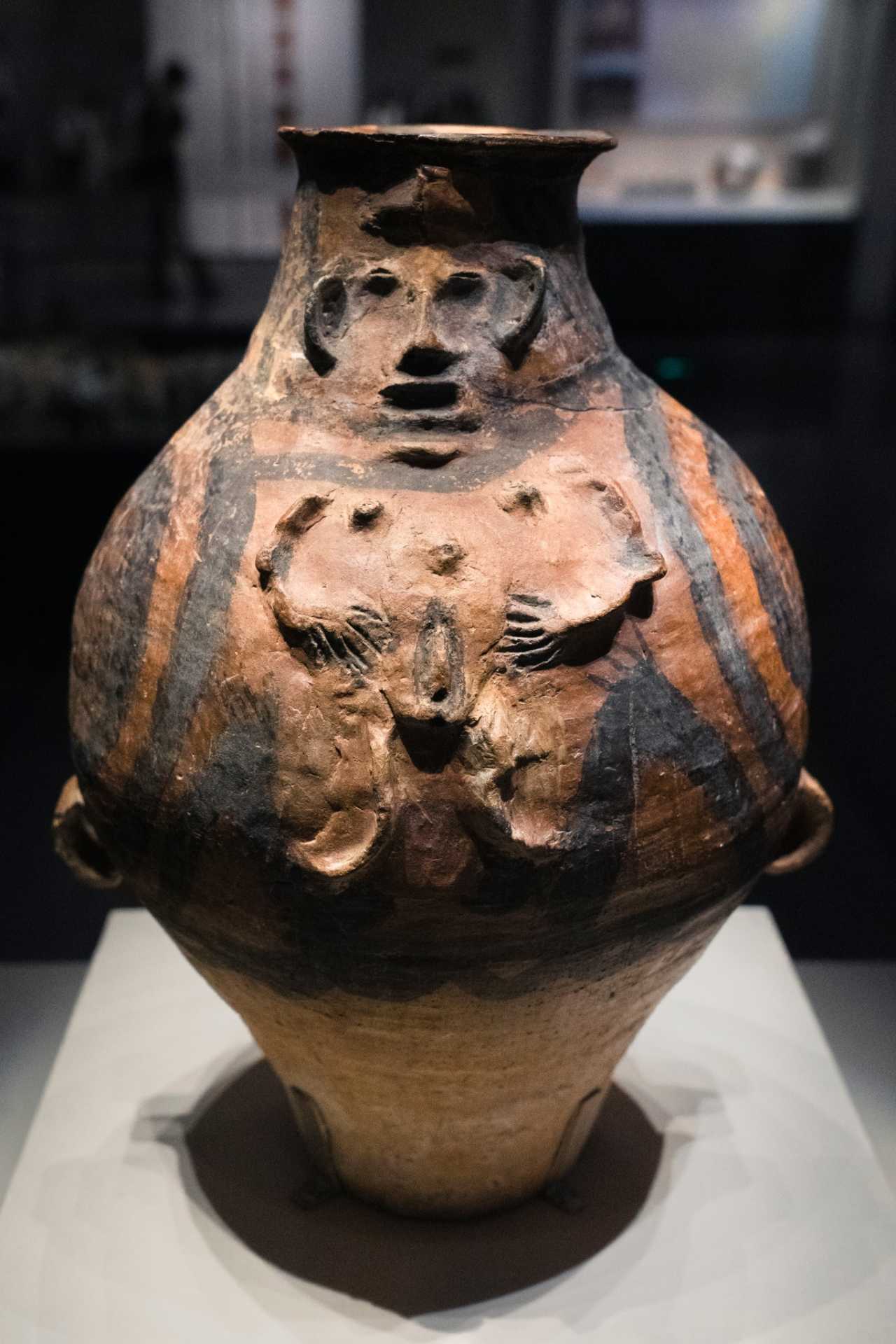
H3: The Naked Relief Painted Pottery Jar – A 5,000-Year-Old "Gender Mystery"
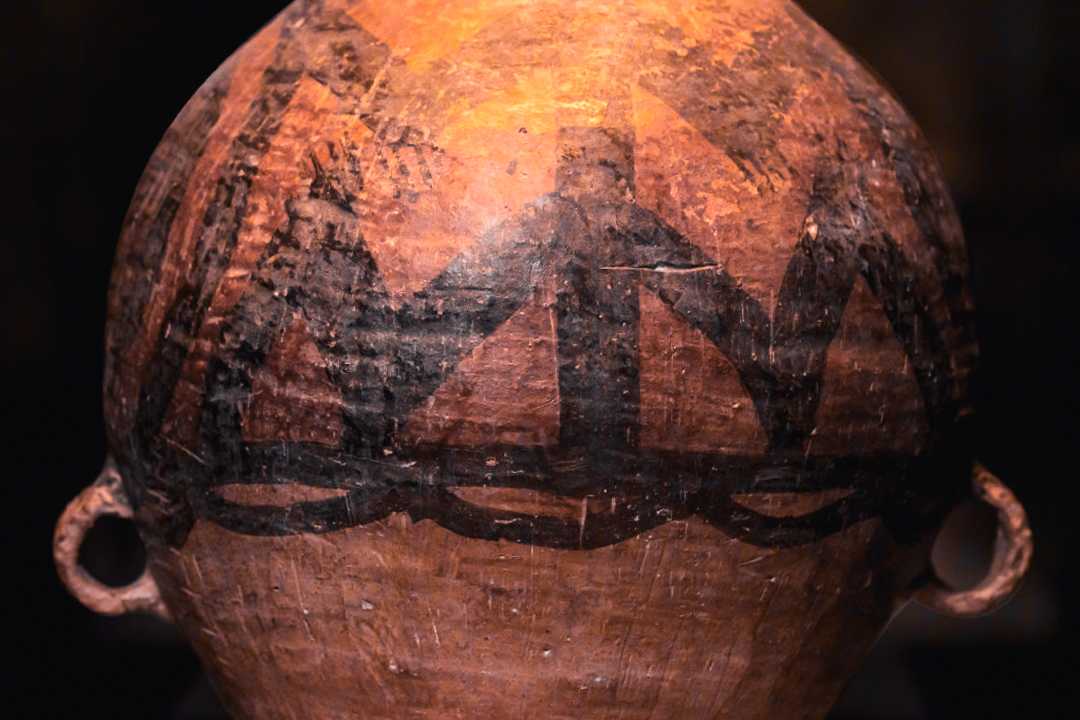
Walking into the Ancient China exhibition hall, a strangely shaped painted pottery jar immediately catches your eye. Dating back to the Majiayao culture (4,000–5,000 years ago), this jar features a small human figure that is its most mysterious element. It boldly portrays sexual organs, yet simultaneously possesses both male and female traits, with chest contours hovering between the two sexes.
Why such a design? Scholars still debate this today. The most mainstream view holds that it is a product of primitive worship, symbolizing the ability to communicate between heaven, earth, and humanity. Others speculate it might represent the image of a "shaman" from shamanic traditions—a mediator capable of traveling between the realms of heaven, earth, humans, and spirits. The frog patterns on the jar seem to support this: these amphibious creatures were seen as "frog spirits" in shamanism, possessing powerful regenerative abilities.
SEO Keyword Tip: This artifact is a perfect example of "ancient Chinese fertility worship artifacts" and "Majiayao culture pottery."
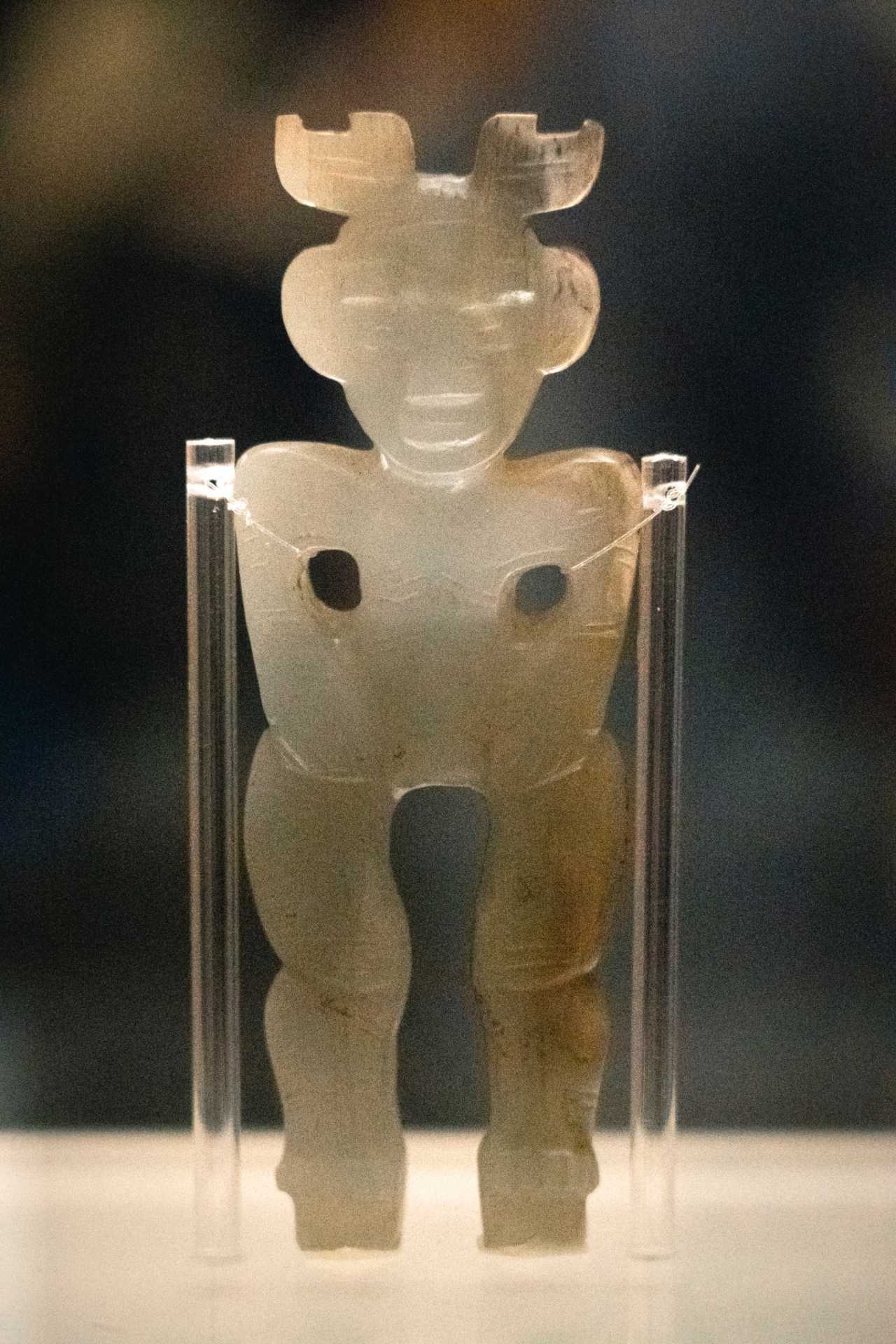
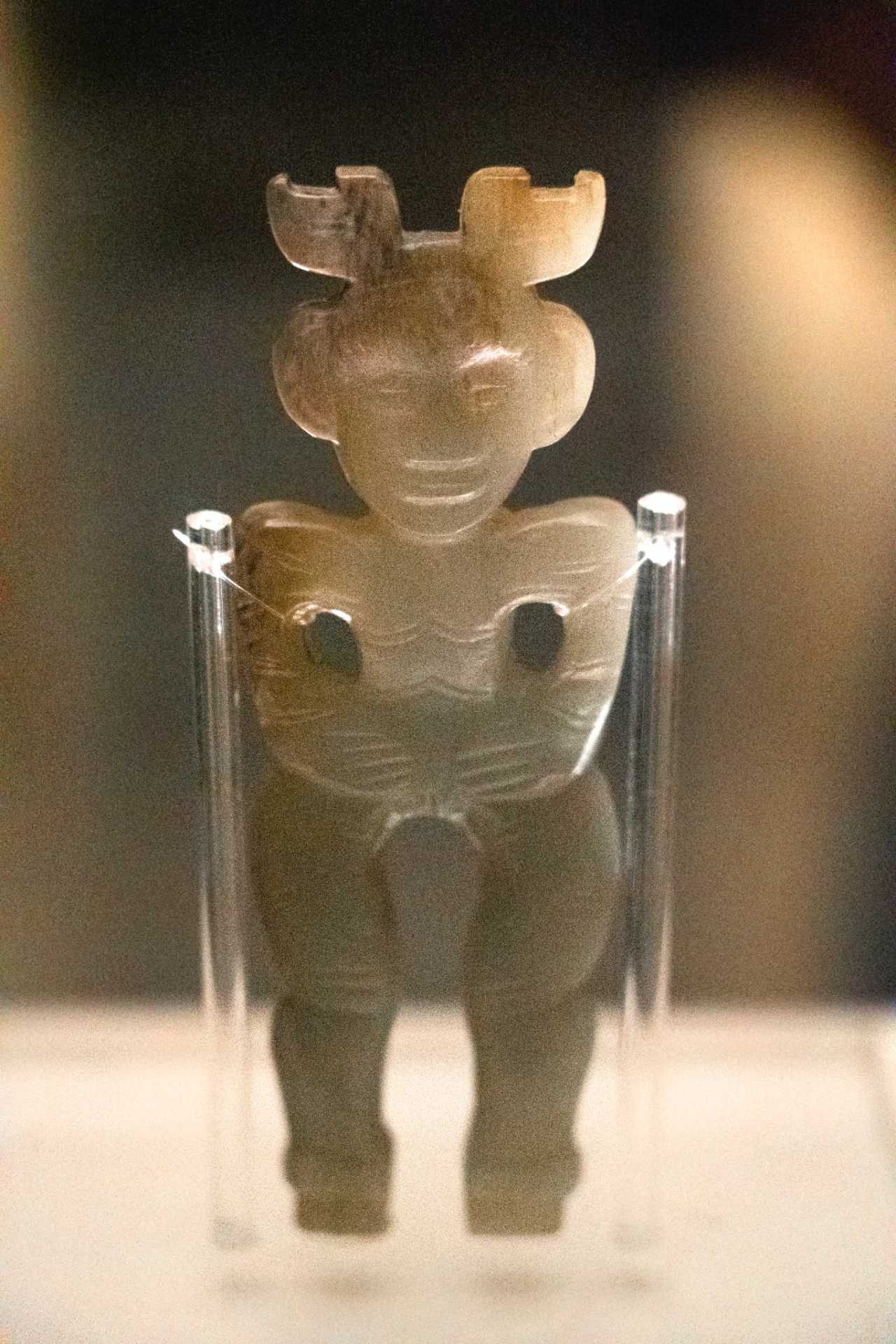
H3: The Double-Sided Yin-Yang Jade Figure – Man on One Side, Woman on the Other
If the painted pottery jar is "hermaphroditic," then this double-sided yin-yang jade figure, unearthed from the tomb of Fu Hao (the legendary Shang Dynasty female warrior), interprets the unity of yin and yang in a different way: one side is a man, the other a woman.
How do you tell them apart? Look at the details in the eyebrows and mouth: the male side has thick, broad eyebrows and a wide mouth, with hands placed at the hips; the female side has slender, curved eyebrows and a narrow mouth, with hands resting on the abdomen. This is a common technique in ancient carving to suggest reproductive attributes. Of course, the most obvious features are the grooves and protrusions at the key areas.
This male-female combined image points to a divinity beyond the mortal realm. Research suggests it is a product of Shang Dynasty fertility worship, possibly depicting a dual-gender deity or a fertility god. Interestingly, oracle bone inscriptions from the Shang Dynasty repeatedly record Fu Hao praying for children and childbirth. This jade figure may well have been a witness to her pleas for offspring.
SEO Keyword Tip: Search for "Fu Hao tomb artifacts" or "Shang Dynasty jade carving techniques" for related content.
H2: How Much Did the Ancients Know How to "Play"? The Most Fun Artifacts

H3: The Bronze Triple Yan – A 3,000-Year-Old "Multi-Function Steamer"
Anyone seeing a yan (ancient Chinese steamer) for the first time can't help but exclaim, "Isn't this just an ancient steamer?" And Fu Hao's bronze triple yan takes this "steamer" concept to a whole new level. It somewhat resembles a modern three-burner stove, with a unique design and extreme rarity. Only one such composite cooking vessel has ever been discovered.
Looking closely, the yan can actually be disassembled into two parts: the upper zeng (steamer basket) and the lower li (cauldron body). Interestingly, from the three Chinese characters yan (甗), zeng (甑), and li (鬲), we can still see traces of pictographic origins. The evolution of Chinese characters has been a long and complex process, but through these ancient artifacts, we can still extract clues about the origins and transformations of writing.
SEO Keyword Tip: This is a great example of "ancient Chinese cooking technology" and "Shang Dynasty bronze vessels."
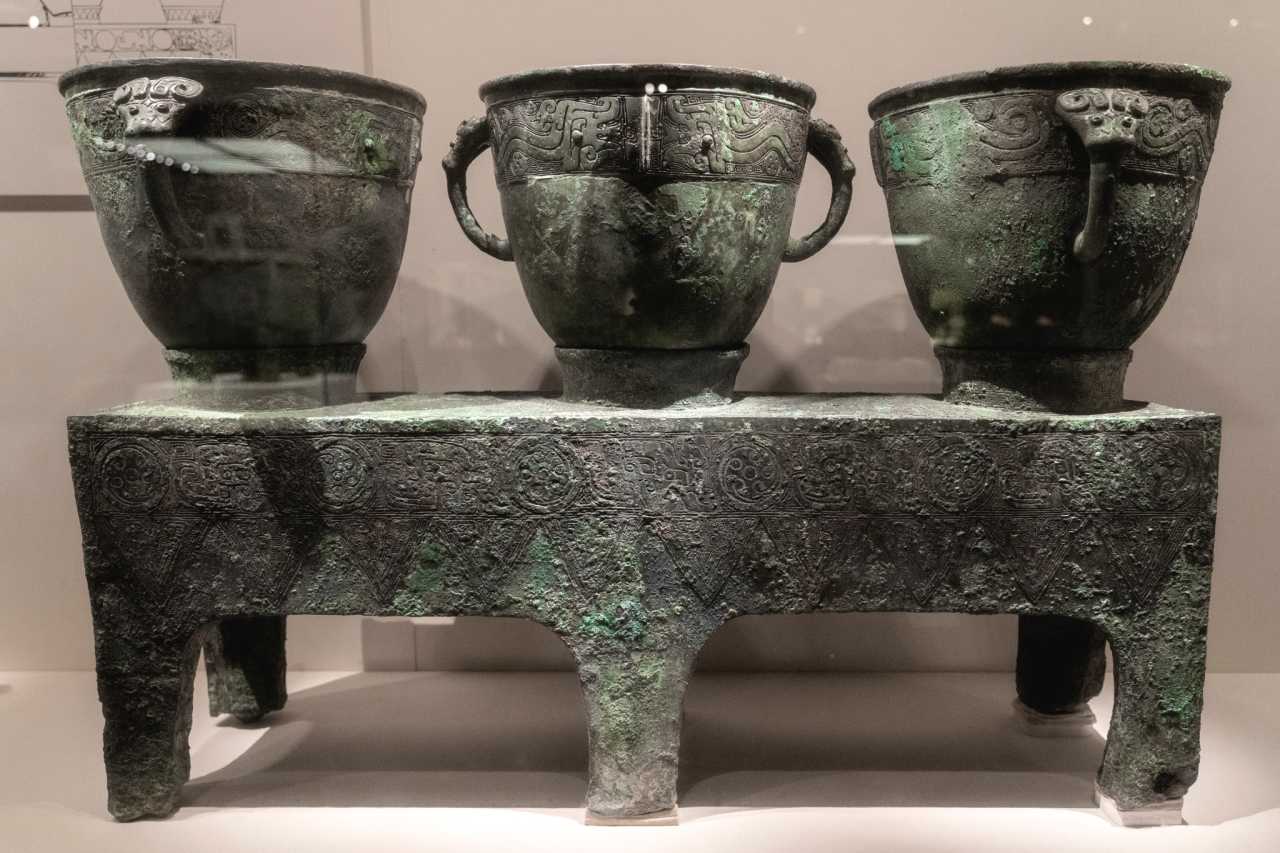
H3: The Bronze Ice Jian – A 2,000-Year-Old "Refrigerator"
If the steamer seems "normal," then the Zenghou Yi bronze ice jian is downright "luxurious." Known as the "world's earliest refrigerator," it consists of two parts: a square jian (ice container) and a square zun-fou (wine vessel). The zun-fou, filled with wine, is immersed in the jian filled with ice, secured by three rectangular tenons on the bottom side that lock into three hooks on the inner base. When needed, a long-handled bronze ladle is used to scoop out the chilled wine.
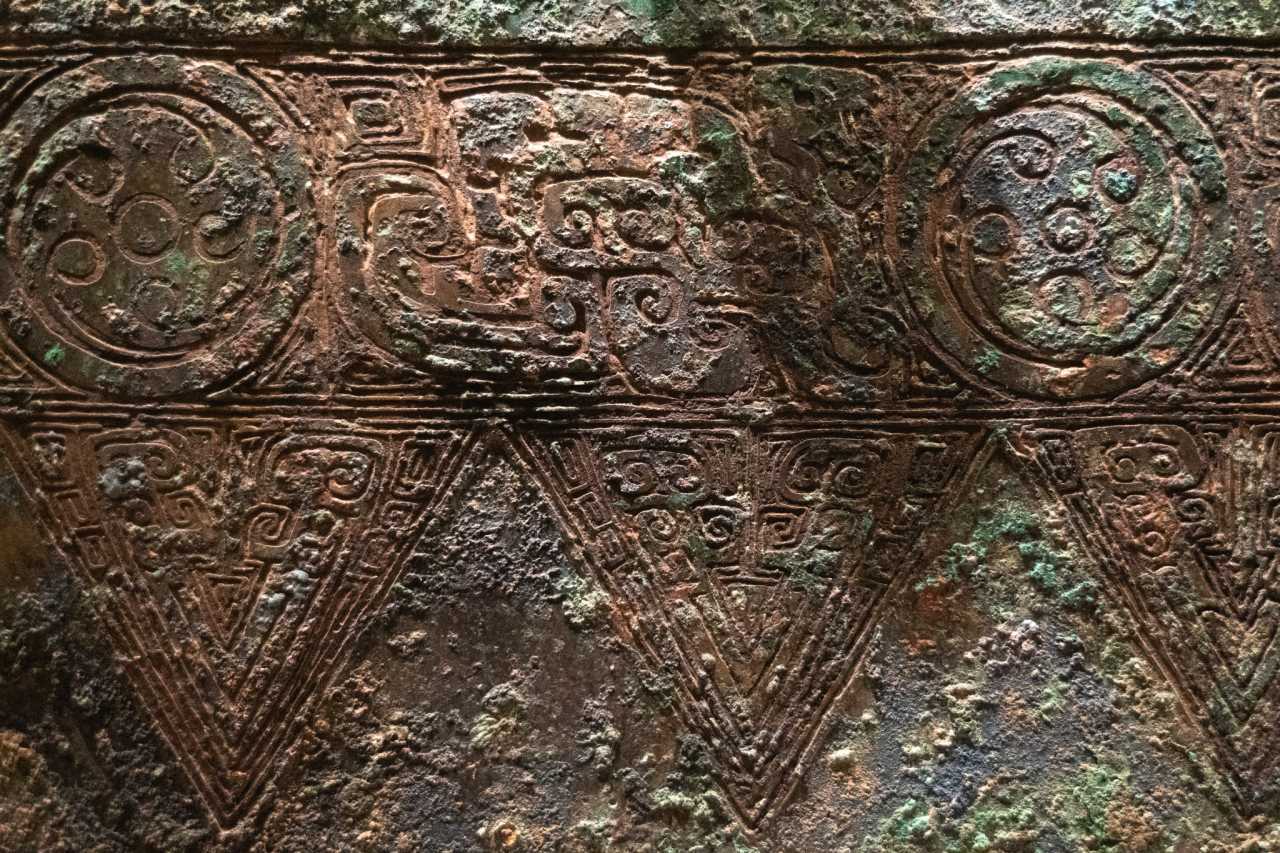
This was the most extravagant lifestyle of people 2,000 years ago, naturally beyond the reach of ordinary folks. Excavated from the Warring States period tomb of Marquis Yi of Zeng, it joins the Zenghou Yi zun-pan and the cloud-pattern bronze ban as one of the most representative artifacts of the lost-wax casting method. Their intricate, precise patterns elevate them to the pinnacle of aesthetic art history.
SEO Keyword Tip: Search for "Zenghou Yi artifacts" or "ancient Chinese refrigeration" for more context.
H3: The Western Han Bronze Shell Container with Oath-Taking Scene – The Grandest "Piggy Bank" in History
If you could still recognize the previous artifacts, this "piggy bank" will completely overturn your imagination. This Western Han bronze shell container, featuring an oath-taking scene, is hailed as the "grandest piggy bank in history." When excavated, not only was the vessel itself perfectly preserved, but it still contained over 300 shell currencies—this was the vessel used by the ancient Dian king to store precious sea shells.
What truly astounds is the scene on the lid: 127 fully preserved human figures, along with stilt houses, bronze drums, stairs, farming tools, oxen, and horses. Slaves prepare food, people trade goods in the square, and livestock await slaughter—perfectly recreating a blood-swearing ceremony. On this tiny lid, the scene is astonishingly grand.
Notably, one woman, adorned with elaborate ornaments and the largest in size, likely represents the hostess or leader of the oath-taking ritual. This reflects the matriarchal traditions still preserved by the ancient Dian people, offering immense research value.
SEO Keyword Tip: This artifact is a key example of "Dian kingdom culture" and "Western Han bronze art."
H2: Those "Terrifying" Artifacts That Make You Gasp
H3: The Five-Ox Bronze Pillow – Life-Threatening or Life-Preserving?
This five-ox bronze pillow makes many visitors gasp. Those horns, sharp as sword blades—are they meant to ensure you sleep too soundly? Don't be afraid. It wasn't used as an ordinary pillow but as a burial object. In the ancient Dian kingdom, oxen symbolized wealth and status, serving as commodities, sacrifices, or even "luxury goods" in agriculture and trade. Bronze pillows were unique to the ancient Dian culture, giving rise to this ox-themed pillow.
However, modern perceptions of pillows have long since moved away from non-practical functions like ritual use. People often pause here, wondering, "Wouldn't this pillow be deadly?" Others joke, "That's exactly why it was used for the dead!" Even as a burial item, some express doubts: "Is this to prevent resurrection? Even the soul would be pierced through..."
SEO Keyword Tip: Search for "ancient Chinese burial objects" or "Dian kingdom artifacts" for more insights.
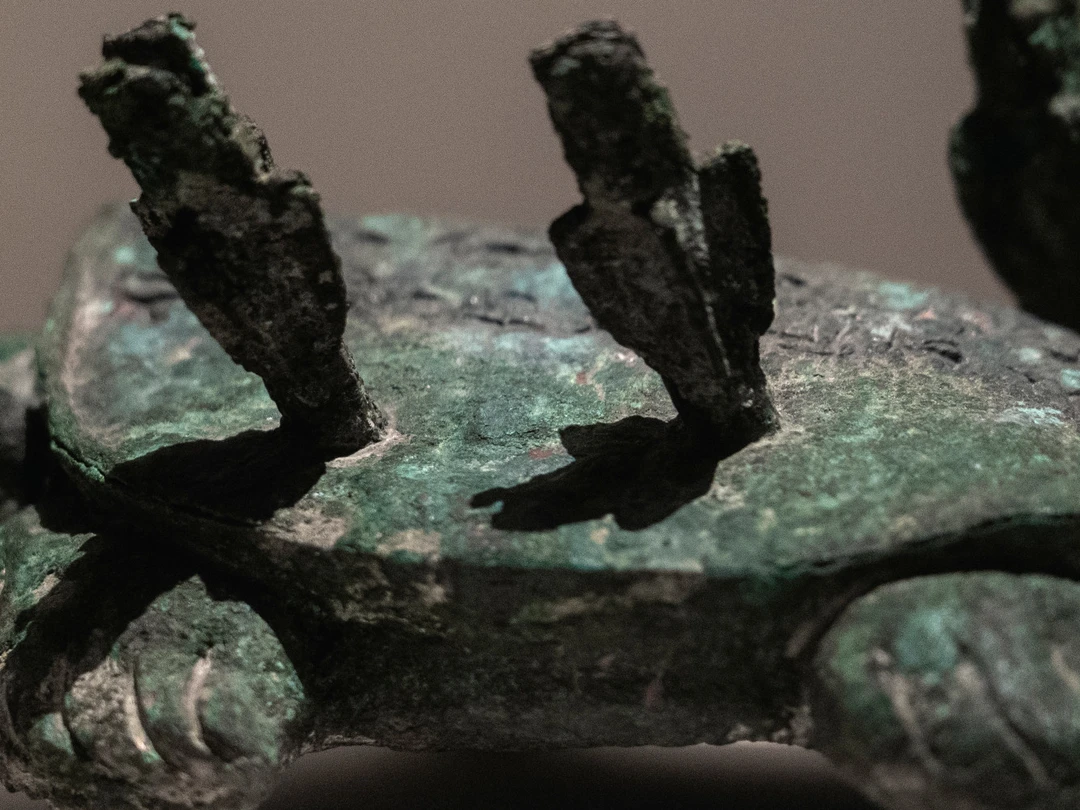
H3: The "Zuoceban" Bronze Softshell Turtle – A Bronze Turtle with 4 Arrows
A bronze turtle, with four arrows embedded in its shell, and an inscription stating it was cast to "record the Shang king's four perfect arrow shots at a softshell turtle"... It's realism taken to the extreme—"what you see is what you get."
Ancient Chinese bronzeware is known for its flexible and free forms, but still needed to balance shape with practical function. Yet this Shang Dynasty "Zuoceban" bronze softshell turtle completely abandons functionality, achieving artistic transcendence through realistic replication. It stands as an unparalleled artistic treasure of the Bronze Age.
Look closely, and you'll see the turtle's head slightly raised, its limbs gently bending as if paddling through water. Though made of bronze, it captures the essence of life.
SEO Keyword Tip: This is a unique example of "Shang Dynasty bronze realism" and "ancient Chinese hunting records."
H2: Frequently Asked Questions (FAQ) About the National Museum of China
Q1: What are the absolute must-see artifacts at the National Museum of China? A: Beyond the famous Houmuwu Ding and Four-Sheep Square Zun, don't miss the Bronze Ice Jian (ancient refrigerator), the Double-Sided Yin-Yang Jade Figure, and the Five-Ox Bronze Pillow. Each tells a unique story about ancient Chinese life.
Q2: How long should I plan for a visit? A: At least 3–4 hours for a thorough exploration. The museum spans over 200,000 square meters with multiple floors. If you're short on time, focus on the Ancient China exhibition hall (ground floor) and the special exhibits on the upper floors.
Q3: Is the National Museum of China free? A: Yes, general admission is free, but you must reserve a ticket in advance through the official website or WeChat mini-program. Special exhibitions may have a separate fee.
Q4: Can I take photos inside the museum? A: Yes, photography is allowed in most areas, but flash photography is prohibited to protect the artifacts. Some special exhibits may have restrictions.
Q5: What's the best time to visit to avoid crowds? A: Weekdays, especially Tuesday–Thursday mornings, are the least crowded. Avoid weekends and Chinese public holidays (like National Day in October).
H2: Internal Linking Suggestions for Further Reading
- [Link: Top 10 Museums in Beijing You Must Visit]
- [Link: A Complete Guide to Tiananmen Square and Forbidden City]
- [Link: Ancient Chinese Bronzeware – A Beginner's Guide]
- [Link: The Story of Fu Hao – Shang Dynasty's Female Warrior]
- [Link: How to Get Tickets for the National Museum of China]
H2: Conclusion – Your Fun-Filled Visit Awaits
The National Museum of China is far more than a repository of "top treasures." It's a living, breathing hall of civilization where you can laugh at a 5,000-year-old "gender mystery," marvel at a 2,000-year-old refrigerator, and gasp at a bronze turtle with arrows in its shell. Whether you're a history buff, a casual traveler, or a family looking for an educational day out, this museum offers surprises at every turn.
So, forget the standard guidebooks. Come with an open mind, a sense of curiosity, and a willingness to be amazed. The National Museum of China is waiting to show you its most fun, quirky, and unforgettable side.
Ready to plan your visit? Book your free ticket today, and don't forget to share your favorite "fun artifact" with us in the comments below!
[CTA Button: Book Your Free Ticket Now]
[CTA Button: Download Our Museum Map PDF]
You should also read:

A Winter Journey in Beijing: Romance and Misery at Minus Five Degrees – An SEO-Optimized Travel Guide
Meta Description: Discover the romance and misery of a winter trip to Beijing at -5°C. Explore snowy Jingshan Park, historic hutongs, and budget-friendly tips for a 4-day Spring Festival adventure. Some say Beijing is a city you both love and hate. You love its profound…
Continue reading...
Beijing Through the Lens: One Person's Winter Wanderings – An SEO-Optimized Travel Guide
Meta Description: Discover Beijing's winter charm through a photographer's lens. From Nanluoguxiang's night scenes to Sanlitun's neon glow, explore the city's hidden corners and iconic landmarks in this SEO-friendly travel guide. January in Beijing is so cold you can hear your own breath. But for…
Continue reading...
A Passionate Journey Through Beijing & Tianjin: Beijing Complete Guide – JOJO's In-Depth Travel Notes
Meta Description: Explore Beijing & Tianjin in 5 days with this complete travel guide. From the Forbidden City to the Great Wall, discover insider tips, transportation hacks, and must-see attractions. Plan your perfect China trip today. Beijing is not just a city—it's a living museum…
Continue reading...