"New" Beijing Flavor: Finding the Soul of Beijing Amid Change – A Local's Guide to Modern Beijing
Meta Description: Discover the soul of Beijing amid rapid modernization. From disappearing hutong to timeless douzhi, this SEO-optimized guide explores old Beijing food, culture, and hidden gems. Perfect for travelers seeking authentic Beijing experiences.
Introduction: Beijing's Eternal Pulse
Beijing, an ancient capital bearing three thousand years of history, is undergoing an unprecedented transformation. Old hutong (traditional alleyways) are disappearing, new landmarks are rising, and tradition and modernity are colliding in fascinating ways. As a lifelong "old Beijinger" who has lived in this city for nearly three decades, I have witnessed too many changes—some delightful, some lamentable—but this city has never stopped breathing and pulsing with life.
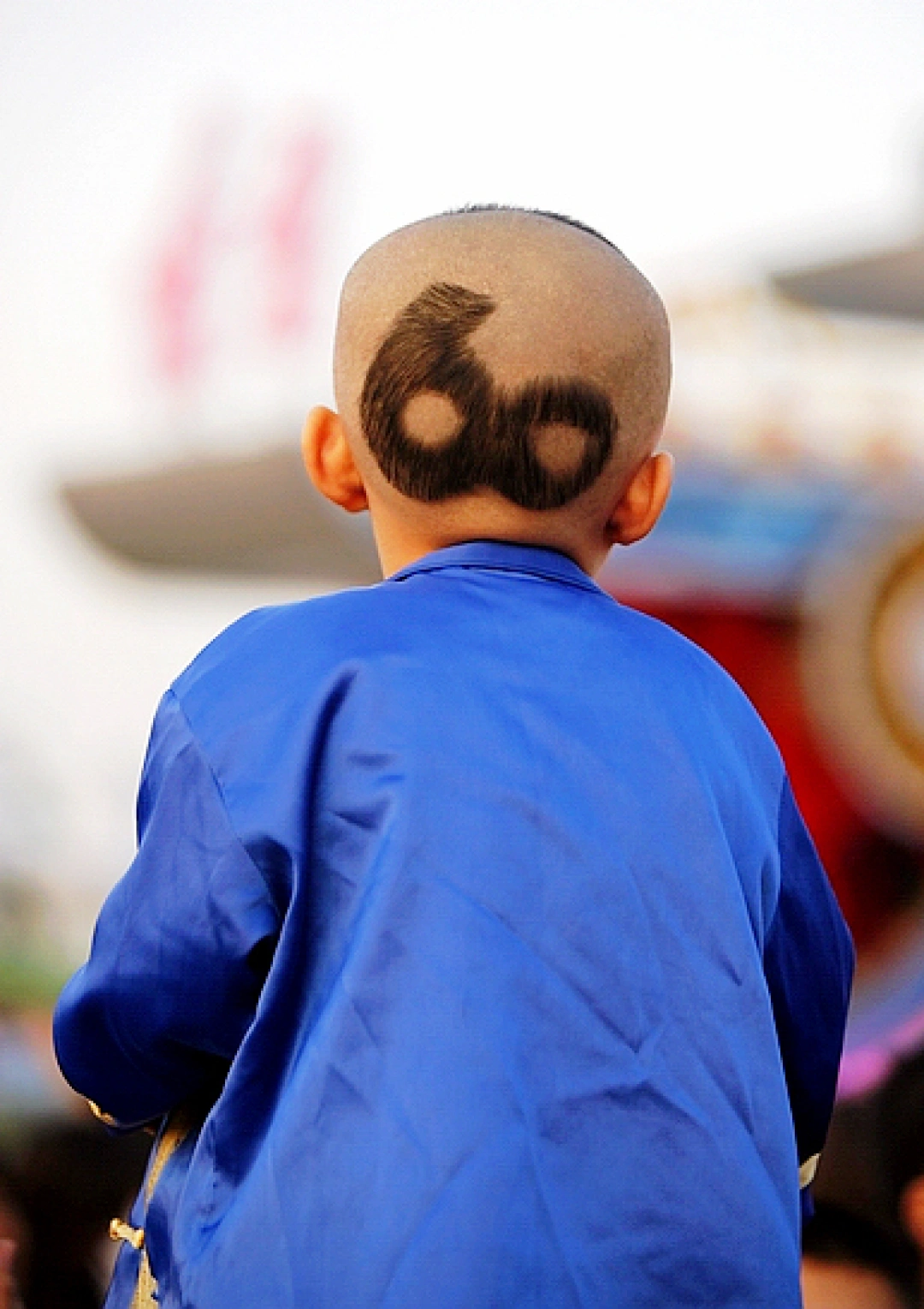
Last National Day, which coincided with the 60th anniversary celebration, I finally set foot in Tiananmen Square for the first time. Growing up, I had only ever watched the National Day military parade on TV. Being there in person, I realized that the sheer awe is something no screen can convey. The square was packed with people. Fifty-six pillars symbolizing national unity stood tall, each costing 200,000 RMB to build. LED screens flashed day and night, and armed police stood ramrod straight. This is Beijing—eternally bustling, forever charged with energy.
Qianmen Street: The Tug-of-War Between Commerce and Tradition
The new Qianmen Street is no longer what I remember. The sour plum soup at Jiulongzhai is still on sale, but the shops around it have changed time and again. The Tissot watch store closed down. Uniqlo clerks greet everyone with a loud "Welcome!" until they practically talk you out the door. Back in the 1980s, if you had a gold watch on your wrist, you were the coolest person on the block. Now, those old treasures can only find their place in nostalgic photographs.
Qianmen isn't a place where just any store can survive. Those foreign brands from years ago? Most have shut their doors. But old objects like birdcages still hang outside shop entrances, reminding people that this was once a world of hutong. If the Cultural Relics Protection Association hadn't filed an appeal back then, that eastern district of hutong would have been turned into luxury high-rises—just thinking about it sends a chill down my spine.
[Link: Best preserved hutong in Beijing for walking tours]
Houhai: From Serenity to Neon Noise in Two Decades
When I was a child, Houhai was where I ice-skated in winter and strolled in summer. After school, I would sit by the water for a while. On holidays, I'd mess around with friends. Back then, Houhai was quiet and gentle. Today, it has become the city's most vibrant bar street. The peace of my childhood has long been replaced by neon lights and thumping music.
The old regulars along Houhai's shores have learned to make money from the tourist economy, but the authentic Beijing attitude of the older generation hasn't changed. When one elderly woman caught me taking a photo of her, she got so worked up she nearly chased me down. The sugar figurines are still the same—same materials, same craftsmanship—but the price has jumped from two yuan to twenty. Michael Jackson's songs are played on repeat in Houhai's bars, but how many people have actually listened to his music? They only bring him up when something happens to him—what's the point?
The most incredible thing is that old man at Houhai who can eat, sleep, and read newspapers while floating on the water. Actually, there are many such "gods" around us. We just tend to overlook them, then travel miles to the mountains to pray to idols. Why bother? Have you ever seen any so-called god float on water? Throw them in, and they'd all sink.
[Link: Houhai bar street vs. quiet lakeside walks – which to choose]
Beijing Amusement Park: A Generation's Childhood Bows Out
When news broke that Beijing Amusement Park was going to be demolished, anyone born in the '70s or '80s felt a pang in their heart. In this era of Happy Valley's dominance, we had almost forgotten there was a "North Amusement Park" in Beijing. It was the paradise of our childhood—roller coasters, pirate ships, go-karts—carrying so many laughs and screams.
Starting May 13th, the park was closed to visitors. I found a small path and sneaked in. The entire place was empty—just me and one other person. That day, we had the whole park to ourselves, for the last time. The roller coaster had retired. The pirate ship sat there, lonely and still. Eventually, security caught us and kicked us out. Before leaving, I rode the go-karts one final time. No one was fighting me for a turn. Goodbye, Beijing Amusement Park.
[Link: What replaced Beijing Amusement Park? New developments in the area]
Old Beijing Food Map: Authentic Flavors on the Tongue
Where to Eat Shuan Yangrou (Instant-Boiled Mutton)

If you come to Beijing and don't eat shuan yangrou (instant-boiled mutton), you've wasted your trip. The copper pot version is the authentic one. Try Nanlaishun, Donglaishun, Sipailou, or Nanmen Shuanrou—they're all solid.
Best Shaomai and Chao Gan in Beijing
For shaomai (steamed pork dumplings), go to Duyichu; the three-delicacy filling is classic. But don't order chao gan (stir-fried liver) there—it's too sweet.
For chao gan, head to Pangji Jianbing across from Friendship Hospital. Their jianbing (savory crepe) is the best in Beijing, and the breakfast stall opposite serves some of the finest chao gan too—but only in the morning. Miss it, and it's gone. A lot of people flock to Yaoji near Gulou, but after eating chao gan for twenty years, I think it's just average.
Lesser-Known Beijing Street Foods
There used to be a fantastic place for dalian huoshao (pan-fried meat pies) near Tiantan Temple Bridge. No idea if it's still around. Ma doufu (fermented bean curd) is my absolute favorite, but I can't say which place does it best anymore—they all taste pretty similar these days. For lu zhu huoshao (stewed pork offal with flatbread), I recommend the Dongcheng branch of Beixinqiao Luzhu—I've been eating there for over a decade.
Donghuamen Night Market isn't as good as it used to be, but it's still fun for the atmosphere. There's a Shaanxi restaurant south of the Sanlian Bookstore near the Art Museum—their che mian (hand-pulled noodles) are fantastic. For nai lao (milk curd), first choice is Nailewei's Xisi branch. Nanluoguxiang's Wenyu is also decent, but it's way too crowded—not worth the trip.
Traditional Snacks Worth Seeking Out
For guan chang (fried starch sausage), I used to eat only at Fengnian Guanchang in Longfusi. It's gone now. Actually, there's no traditional guan chang left—everything is pre-made. The key is whether it's chopped or shaved. The authentic kind has thin edges and a thick center, deep-fried in plenty of oil, served with garlic sauce. For nai you zha gao (cream fried cake), try Baihuai Laohao or Longfusi Snacks.
Jie mo dun (mustard cabbage rolls) used to be the undisputed cold dish of the New Year's Eve dinner in old Beijing. Manchu people especially loved it. These days, fewer people eat it. Men ding rou bing (door-nail meat pies) are said to have been invented in Empress Dowager Cixi's imperial kitchen, named for their resemblance to the nails on palace gates.
Must-Try: Douzhi and Zhajiangmian
You have to drink a bowl of douzhi (fermented mung bean drink) when you're in Beijing—even if you can't finish it, take a sip. The old Laocigikou Douzhi shop is still decent: one bowl of douzhi, two jiaoquan (fried dough rings), and some pickled vegetables—simple and satisfying. Huajiayiyuan is the new-style Beijing restaurant I visit most often. I recommend the Dongzhimen branch. Their xi bao lu yu (foil-wrapped sea bass), bawang ji (overlord chicken), ya xia ba (duck chin), and OX jiang bao niu zi gu (OX sauce beef ribs) are all excellent. But skip the shui zhu yu (Sichuan boiled fish)—the oil is too clean and lacks flavor.
Zha jiang mian (noodles with fried bean sauce) should be eaten hot in cold weather (straight out of the pot, no rinsing) and cold in hot weather (rinsed in cold water). The toppings should be complete: cucumber, Chinese toon, bean sprouts, green beans, soybeans, celery, and xin li mei (sweet turnip). I recommend the Old Beijing Zhajiangmian Restaurant near Chongwenmen—it's been around for years.
Bao du (flash-fried tripe) must be eaten hot—once it cools, it gets tough. The Gulou Jingwei Baodu near Drum Tower is pretty good lately. I don't eat kaoya (Peking duck) much. Out-of-towners all flock to Quanjude, but locals know better.
[Link: Complete guide to Beijing street food by neighborhood]
FAQ: Your Questions About Modern Beijing Answered
1. Is Beijing still worth visiting if the old hutong are disappearing?
 Absolutely. While some hutong have been redeveloped, many well-preserved ones remain in areas like Nanluoguxiang, Wudaoying, and Shichahai. These neighborhoods still offer authentic glimpses of old Beijing life—plus, the city's modern attractions like the 798 Art District and Olympic Park add new layers to the experience.
2. What is the best time of year to visit Beijing for food and culture?
Spring (April–May) and autumn (September–October) offer the most pleasant weather for walking tours and outdoor food markets. Avoid National Day (October 1–7) if you dislike crowds, but if you want to see Tiananmen Square in full celebration mode, it's unforgettable.
3. Is douzhi really that bad? Should I try it?
Douzhi is an acquired taste—it's a sour, fermented mung bean drink that many first-timers find challenging. But it's a quintessential Beijing experience. Try it at Laocigikou with jiaoquan and pickled vegetables. Even if you don't finish it, you'll have a story to tell.
4. Where can I find the best Peking duck in Beijing?
Locals often prefer Da Dong or Siji Minfu over the tourist-heavy Quanjude. For a more traditional experience, try Bianyifang, which has been serving duck since 1416. But remember, Peking duck is just one dish—don't miss shuan yangrou, zhajiangmian, and bao du.
5. How has Beijing changed in the last 20 years?
The most dramatic changes are the disappearance of old hutong neighborhoods, the rise of modern shopping districts like Sanlitun and Guomao, and the transformation of Houhai from a quiet lake into a bustling bar strip. Yet, the city's soul remains intact in its food, its resilient older generation, and its ability to blend ancient and modern.
Conclusion: Discover the New Soul of Beijing
Beijing is not a museum—it's a living, breathing city that evolves every day. The old hutong may fade, but the flavors, the stories, and the spirit of the people endure. Whether you're slurping douzhi at a century-old stall or ice-skating on Houhai in winter, you're part of a story that began three thousand years ago and continues to unfold.
Ready to explore the real Beijing? Start with a bowl of zhajiangmian at Chongwenmen, then wander the hutong of Nanluoguxiang before the neon lights come on. The soul of Beijing is waiting—you just have to know where to look.
[Link: Book a guided Beijing food tour with a local expert]
Note: This article is based on personal experience and local knowledge. Prices and availability may change. Always check current conditions before visiting.
You should also read:
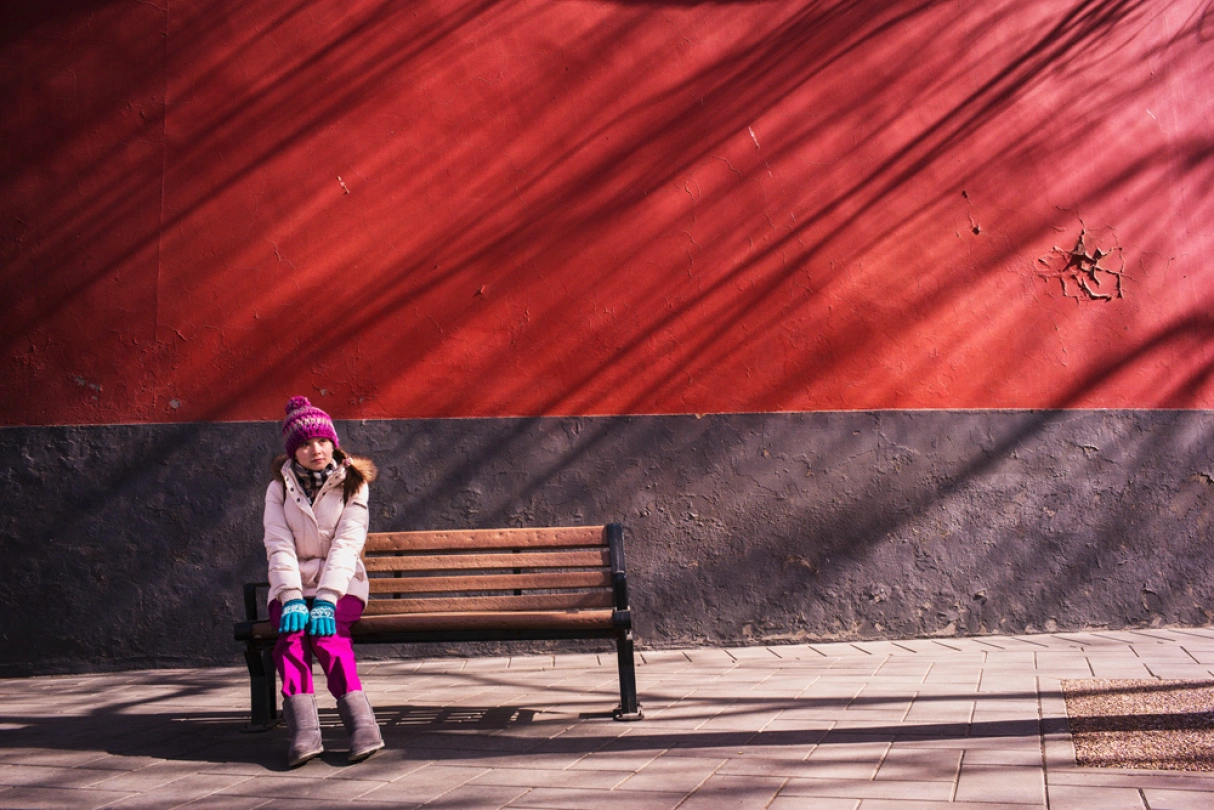
A Winter Journey in Beijing: Romance and Misery at Minus Five Degrees – An SEO-Optimized Travel Guide
Meta Description: Discover the romance and misery of a winter trip to Beijing at -5°C. Explore snowy Jingshan Park, historic hutongs, and budget-friendly tips for a 4-day Spring Festival adventure. Some say Beijing is a city you both love and hate. You love its profound…
Continue reading...
Beijing Through the Lens: One Person's Winter Wanderings – An SEO-Optimized Travel Guide
Meta Description: Discover Beijing's winter charm through a photographer's lens. From Nanluoguxiang's night scenes to Sanlitun's neon glow, explore the city's hidden corners and iconic landmarks in this SEO-friendly travel guide. January in Beijing is so cold you can hear your own breath. But for…
Continue reading...
Dreaming of Beijing: A City of Flames and Embers
Here is the SEO-optimized, rewritten article based on the source material. It has been restructured for search intent, readability, and keyword density while preserving the original poetic and narrative essence. SEO Title: Dreaming of Beijing: A City of Flames, Embers, and 3,000 Years of History…
Continue reading...