Night of the Torrent: My Life-and-Death Ordeal in Beijing's Huairou District at Distant Mill Bend
Meta Description: A harrowing first-person account of surviving a flash flood in Beijing's Huairou District. One man's 90-minute fight for survival at Distant Mill Bend Village during the July 2025 torrential rains. Read the full story.
Wander mountains, wander waters, wander the seasons; meet people, meet yourself, meet the passing years — that was once my WeChat Moments bio. But in the summer of 2025, fate used a roaring mountain flood to teach me what it truly means to "meet life and death."
Now it's 2026, and I'm sitting in my safe, dry study typing these words. My fingers have lingered over the keyboard for a long time, because that memory is too heavy — so heavy that I'm afraid if I start speaking, I'll be pulled right back into that pitch-black, bone-chillingly cold rainy night.
But I know I have to write it down. Not for sympathy, but to remember — to remember the flickers of humanity that shone through in our desperate situation, to remember how seemingly insignificant choices changed the course of fate.
The Calm Before the Storm: Life at Distant Mill Bend Village
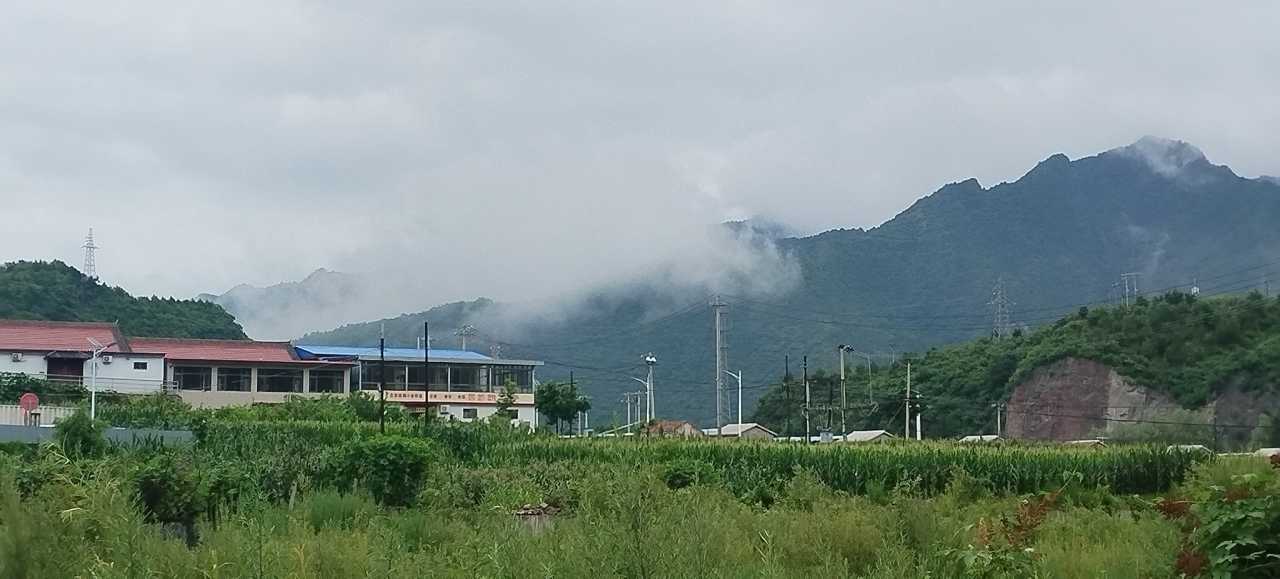
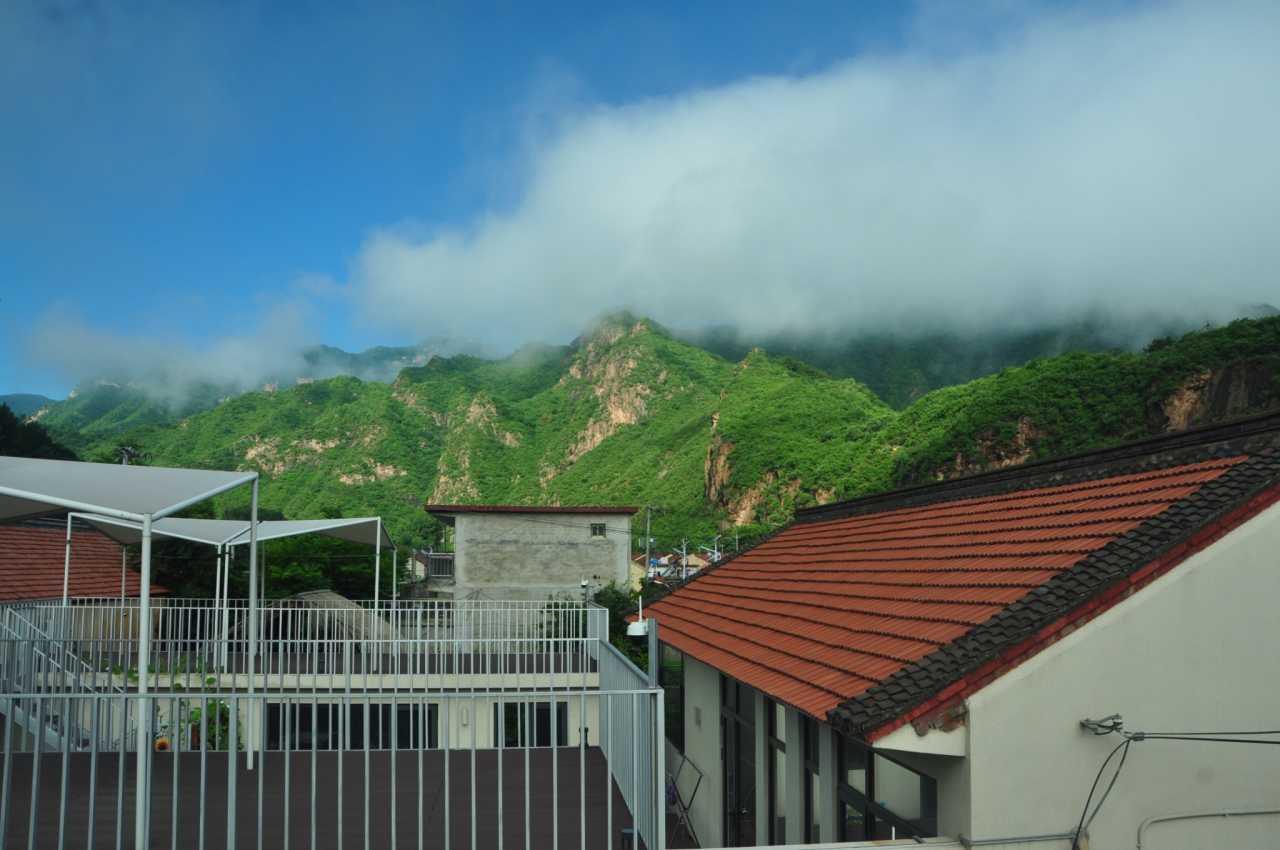
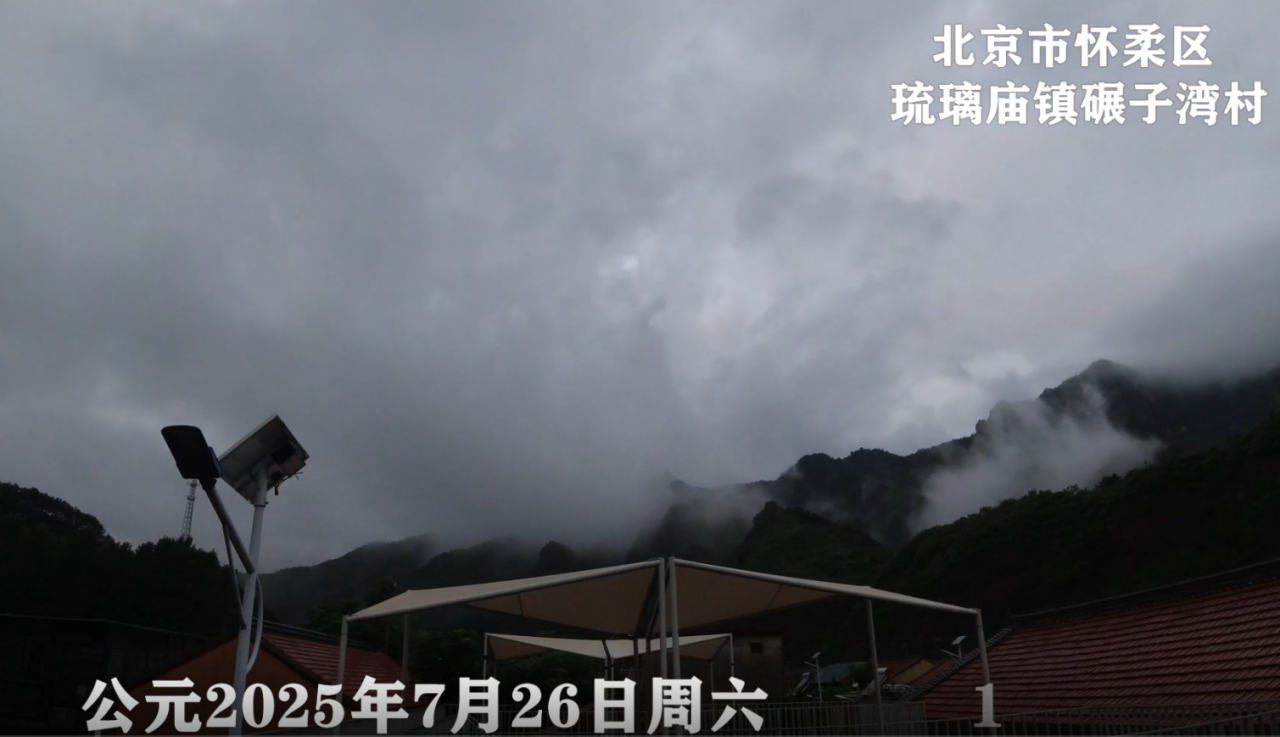
Distant Mill Bend Village (Nianziwan) is nestled in the embrace of the mountains in Liulimiao Town, Huairou District, Beijing. With mountains on one side, water on the other, and a babbling creek running through, it's the kind of place that makes your heart happy the moment you see it. In early July 2025, my friend Old Guo and his family moved here from the city, launching a massive "moving project." Since I have a heavy-vehicle driver's license and live nearby, I naturally became the lead driver. The borrowed truck shuttled back and forth between the city and the mountain village, trip after trip. It was exhausting, truly exhausting, but watching Old Guo's place gradually come to life with the warmth of a home, I felt happy for them.
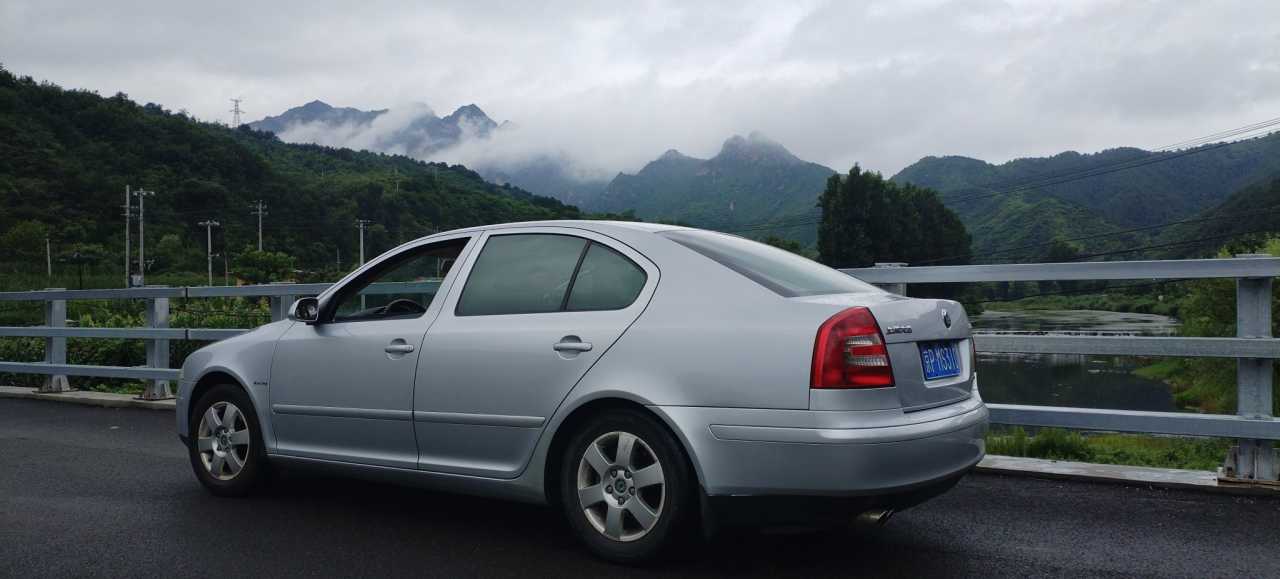
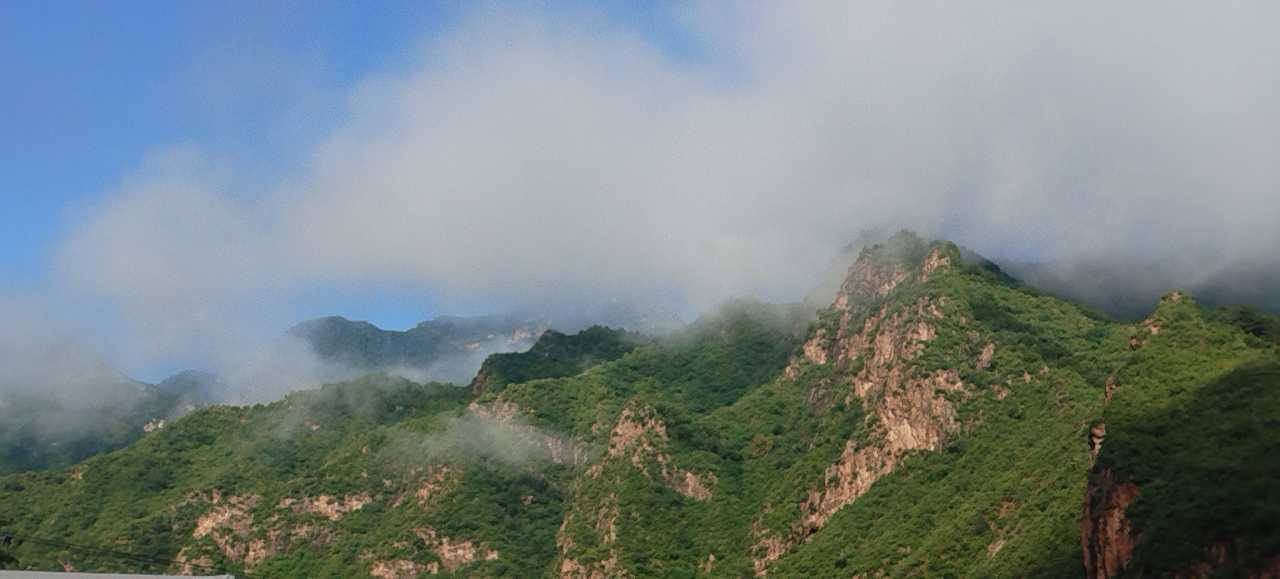
By the end of July, everything was finally settled. That evening, we sat on the terrace, watching the sunset slowly sink behind the distant mountains. Mist swirled around us, cicadas chirped in waves. Old Guo played his guitar, the kids laughed and played, and I thought: this is what life is supposed to be like.
Who could have imagined that just a few days later, this peace would be torn apart by a disaster?
[Link: Huairou District travel safety tips]
July 26, 2025: The Day the Flood Came
That afternoon, I picked up Old Guo's son from his driving school in the city and drove to Distant Mill Bend. When we arrived home around 6 PM, a light drizzle was falling. Nobody thought much of it — in a mountain village in summer, a little rain is perfectly normal.
After dinner, we went up to the second-floor terrace as usual. Old Guo took out his guitar, I opened a bottle of wine, and we chatted and sang. The rain grew heavier, pounding against the terrace awning with a crackling sound, but we still didn't think much of it. Not until around 9 PM, when the rain was so loud we had to shout to hear each other, did everyone gradually disperse, dashing through the rain back to their rooms.
I didn't have an umbrella, so I lingered a bit, hoping the rain would let up before I left. But it showed no sign of stopping — in fact, it only grew more intense. I shouted down to Old Guo to bring me an umbrella, but even though the courtyard was just a few feet away, we couldn't hear each other at all — the rain was too loud.
Around 10 PM, I finally made it back to my room, soaking wet. A sense of unease crept over me. In my fifty-plus years, I've been through plenty of heavy rainstorms, but I'd never seen anything like this — hours of continuous downpour with no sign of easing. I sent Old Guo a message: "Stay alert tonight. This rain feels wrong."
[Link: Beijing extreme weather preparedness]
22:58: When Darkness Fell
I was playing on my computer when suddenly everything went black — the power went out. But almost immediately, the lights came back on. I figured the heavens were just telling me to go to bed early. Around 11 PM, I crawled under the covers.
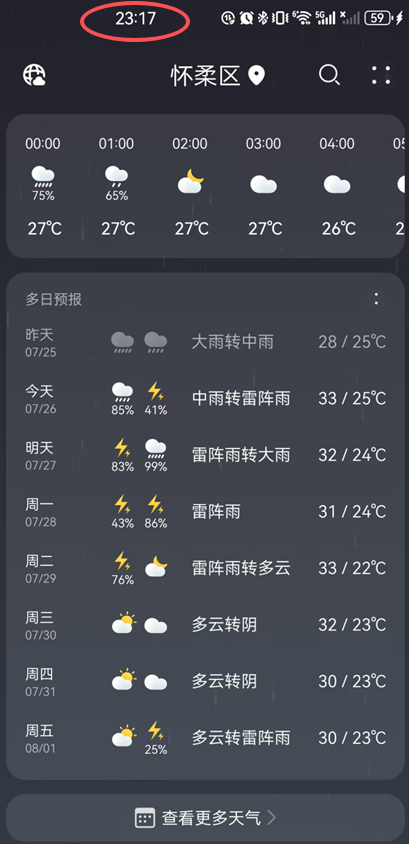
At 23:17, Old Guo sent me a screenshot of the weather forecast. After that, the internet cut out completely.

I lay there in a daze, half-asleep, when I heard two dull thuds from the courtyard — thump, thump. I didn't pay much attention, assuming someone had gotten up to use the bathroom and kicked something.
Another ten or fifteen minutes passed. Then a bloodcurdling scream pierced the rainy night —
"Brother! ... BROTHER!! Get up!! ..."
I shot upright in bed. The sound was terrifying — piercing, carrying a desperation I'd never heard before. I swung my legs over the side of the bed, and the moment my feet touched the floor, I felt something slimy and sticky. The room was pitch black. I didn't have time to think about it. I rushed to the door and tried to push it open.
It wouldn't budge.
I threw my full weight against it. The door didn't move an inch. In that moment, my heart sank like a stone.
I felt my way to the window, pulled back the curtain, and stuck my head out. The courtyard was filled with murky water — black, still, like a stagnant pond. It hit me instantly: the water pressure was holding the door shut.
Jumping Out the Window: A Life-or-Death Decision
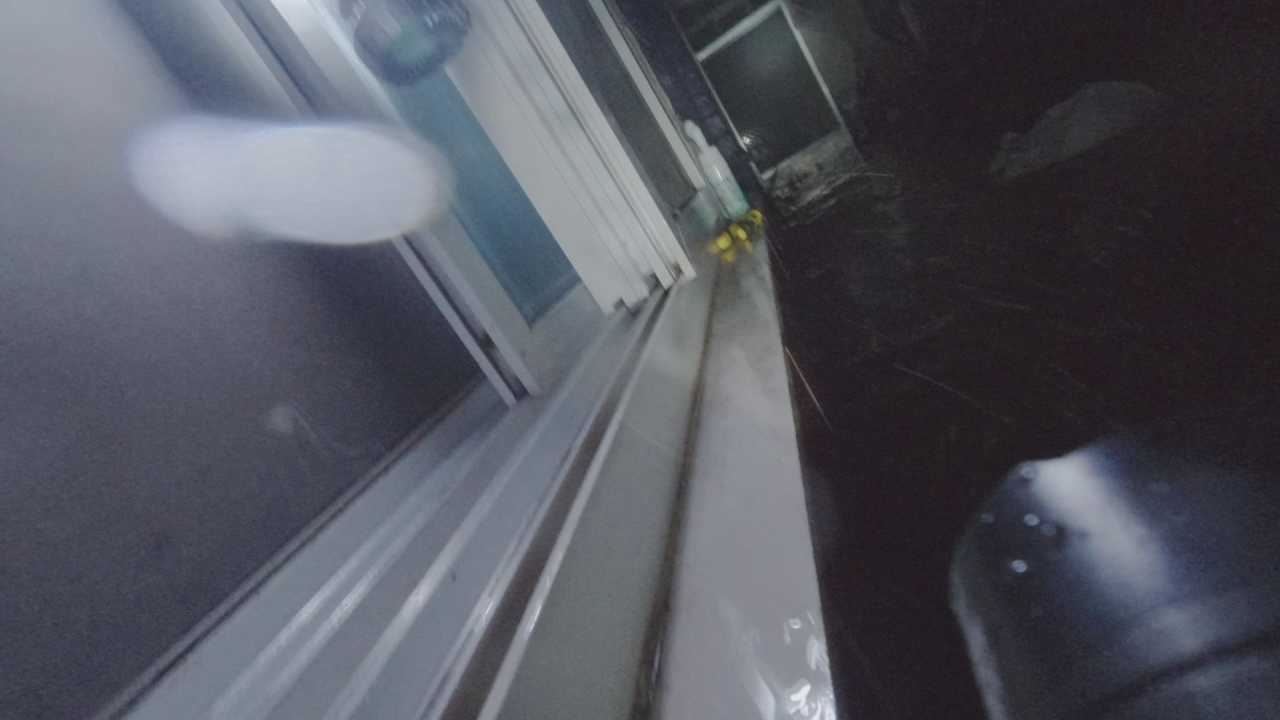
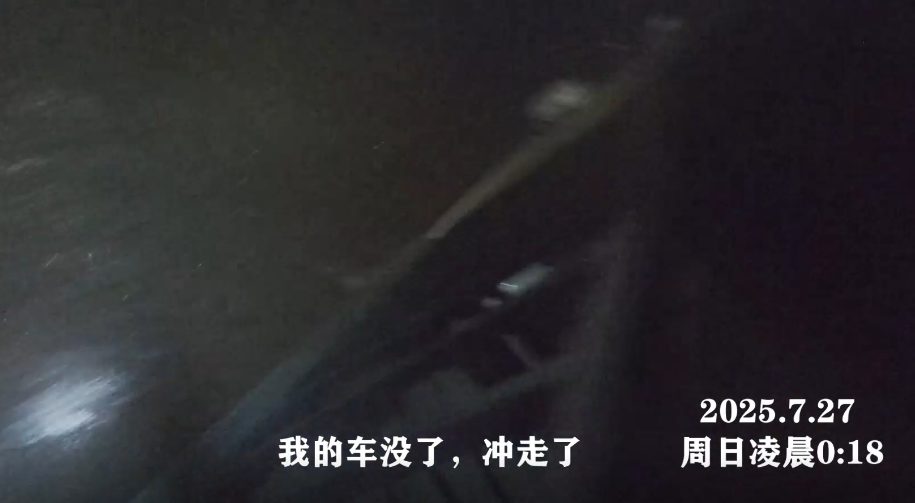
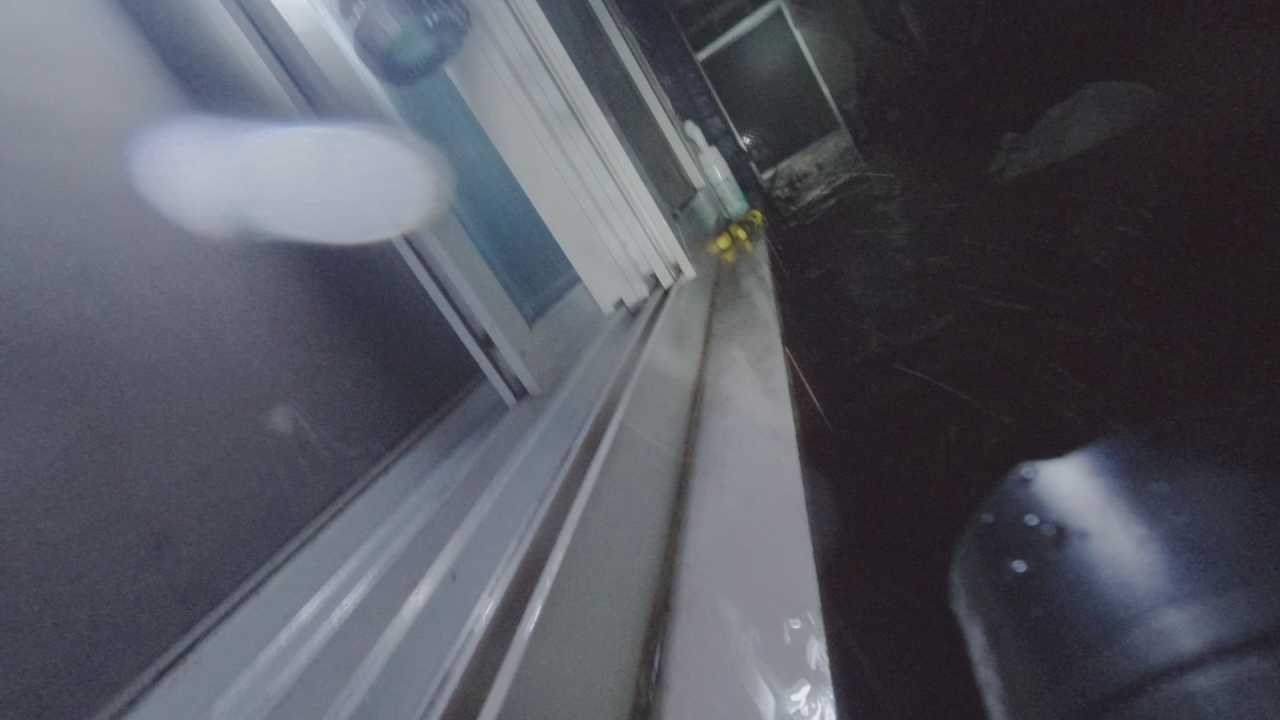
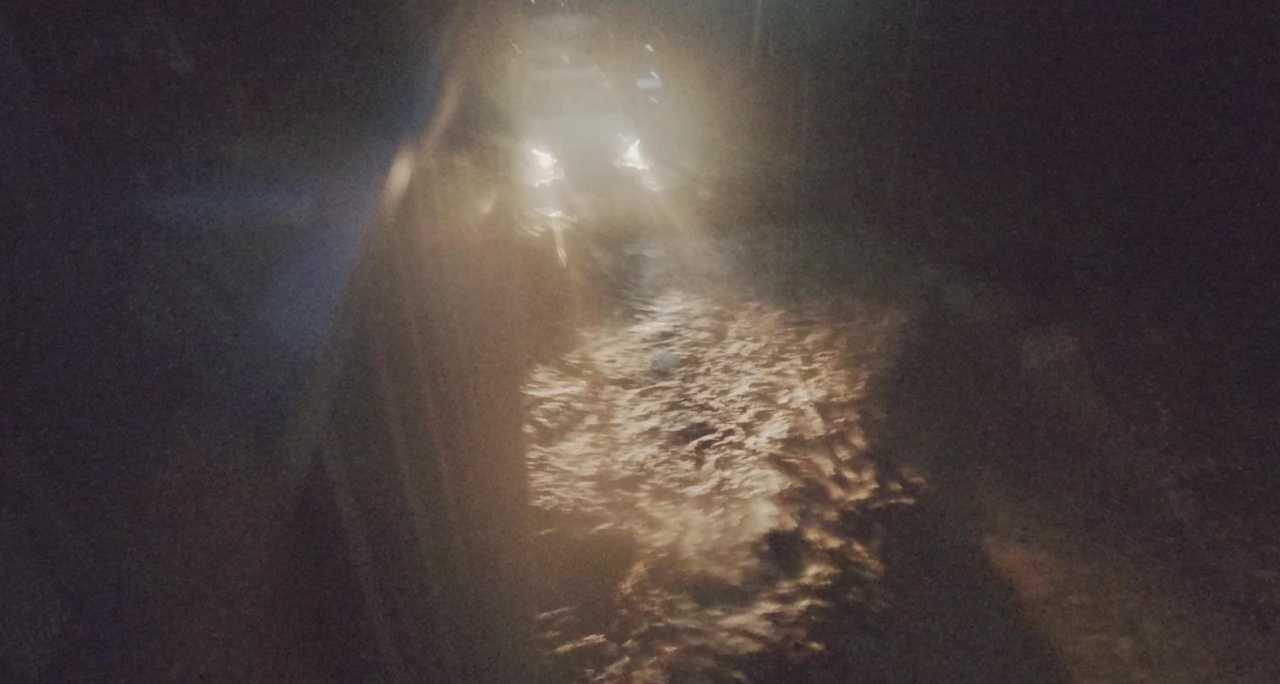
I quickly pulled on shorts and a shirt, slipped into sandals, and grabbed my phone from the table, stuffing it into my pocket. In that split second, a thought crossed my mind, and I grabbed my DJI waterproof action camera and a flashlight. Before jumping out the window, I pressed the record button.
I later learned that I was probably the only person that rainy night who was recording video while fleeing for his life. Looking back, I think it was either a professional habit or some kind of instinct — even in the most desperate moments, wanting to leave something behind.
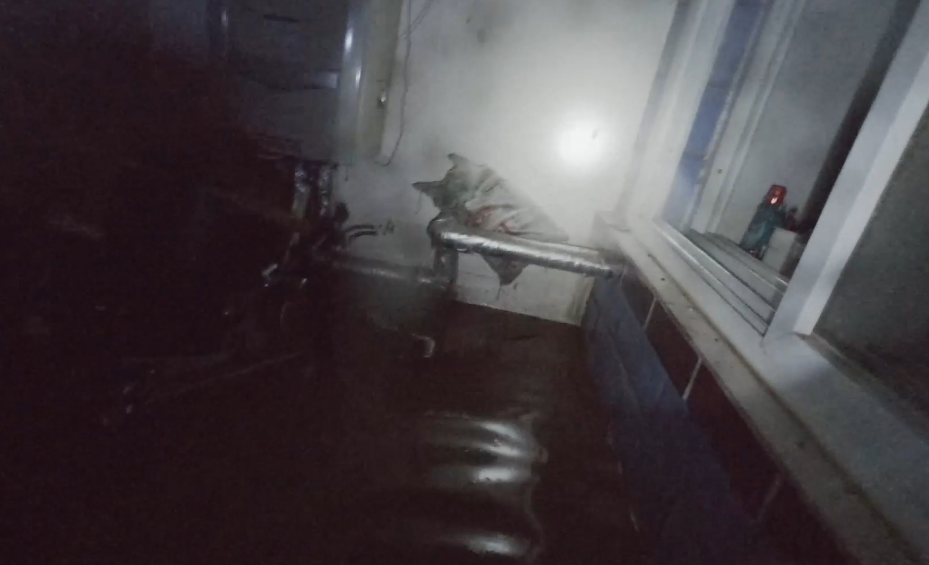
I stood on the windowsill, looking down at the dark, filthy water below. A wave of disgust washed over me. I tried to grip the window frame and move to another spot, but by the time I reached the second bedroom window, my arms couldn't hold on any longer. I let go and plunged into the water.
In that instant, scenes from movies flashed through my mind. I struggled to my feet. The water came up to my thighs. My phone was already ruined, but the action camera and flashlight — both waterproof — were still clutched tightly in my left hand.
It was around midnight.
[Link: How to survive a flash flood]
Judgment in the Flood
Only one thought occupied my mind: get the car and drive everyone to safety!
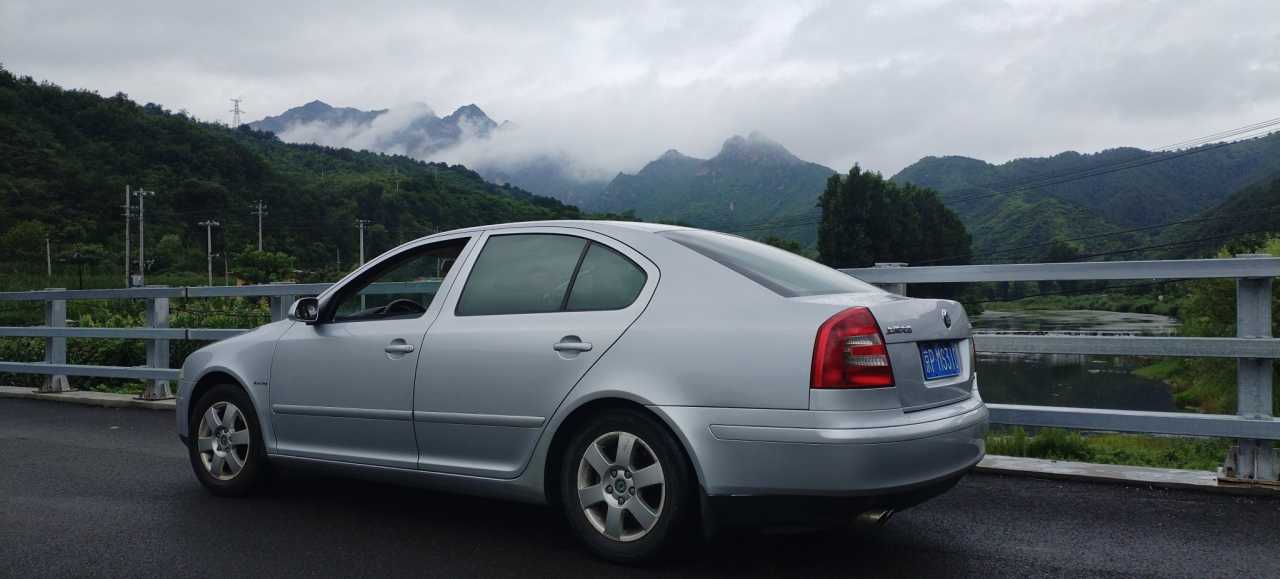
I waded through the waist-deep murky water, staggering to the stairs by the courtyard gate. I climbed up to the terrace to survey the situation outside. Old Guo's SUV, its electrical system shorted by the floodwater, had its headlights turn on automatically, casting a beam of light into the pitch-black night. In that light, I could clearly see — my car, which had been parked in front, was gone.
Washed away by the flood.
Later, I realized that car disappeared at just the right time. Even if it had still been there, it wouldn't have started. Even if it could have started, we couldn't have driven anywhere. Even if we could have driven, anyone inside would have been doomed.
Old Guo's car headlights unexpectedly illuminated the street outside the courtyard, and the solar-powered sensor light on our terrace also came on. That light was a lifesaver — without it, my flashlight alone wouldn't have lasted until dawn.
After getting a rough sense of the flood situation, I quickly climbed down from the terrace and waded back to the main house to coordinate with Old Guo's family.
Race Against Time: 90 Minutes of Life and Death
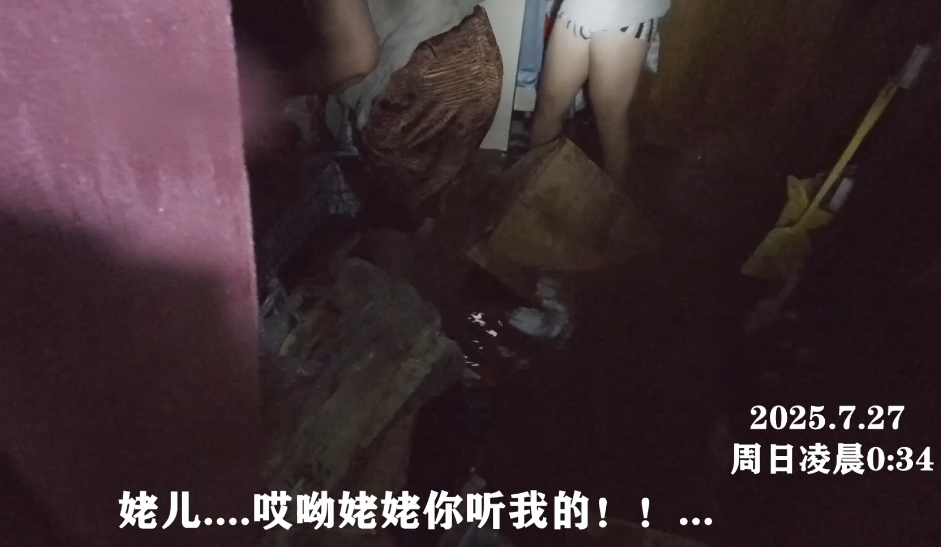
Old Guo's mother — the elderly lady — was frantically searching through the rooms for valuables. Older folks, you know — everything in the house is precious to them, they can't bear to leave anything behind. The eldest grandson was helping her search, while others made trip after trip to the terrace, transporting supplies.
Old Guo was alone, using his body to hold the courtyard gate shut. That heavy metal door groaned under the pressure of the floodwater, threatening to give way at any moment. If it broke, the entire courtyard would be instantly flooded.
In a rural courtyard, every noise was amplified. The sound of debris crashing against walls. The roar of water. The cries of children. The desperate shouts between us.
We had 90 minutes — from midnight to 1:30 AM — to make decisions that would determine whether we lived or died.
What We Did Right
Looking back, several decisions saved our lives:
- We stayed together. No one tried to leave alone. We moved as a group.
- We moved to higher ground. The terrace became our safe zone.
- We kept lights on. Visibility was crucial for coordination.
- We stayed calm. Panic kills. We focused on action.
What We Learned
Flash floods in mountain villages like Distant Mill Bend are unpredictable. The creek that normally babbles peacefully can become a raging torrent in minutes. The terrain funnels water into low-lying areas with terrifying speed.
[Link: Mountain village flood safety]
The Aftermath: When Dawn Finally Came
By 3 AM, the rain began to ease. By 5 AM, the first pale light of dawn revealed the devastation.
The courtyard was a muddy wasteland. Furniture, debris, and silt covered everything. My car was found half a kilometer downstream, crushed against a bridge abutment. The road was gone in several places. Power lines lay tangled on the ground.
We were alive. That was what mattered.
Emergency services arrived later that morning. We learned that several other villages in Huairou District had been hit even harder. The death toll from that night's flooding would eventually reach 11 people across the region.
I sat on the terrace, watching rescue workers pick through the wreckage. The guitar Old Guo had played just hours earlier was smashed against a wall. The wine bottle I'd been drinking from was gone. But the children were safe. The elderly lady was safe. We were all safe.
That day, I changed my WeChat Moments bio. I removed the words about wandering and meeting. I replaced them with something simpler: "Grateful to be alive."
FAQ: Flash Flood Survival in Beijing's Mountainous Areas
Q1: What should I do if I'm caught in a flash flood in a mountain village? A: Immediately move to higher ground. Do not try to drive or walk through floodwater. Evacuate vertically — go to the second floor or roof if possible. Stay together as a group and keep communication open.
Q2: How can I prepare for flash floods when visiting Huairou District? A: Check weather forecasts before traveling. Avoid camping or staying in low-lying areas near streams during heavy rain. Pack emergency supplies including waterproof flashlights, portable chargers, and first aid kits. Know the evacuation routes for your location.
Q3: What should I include in a flood emergency kit? A: Waterproof flashlight, portable power bank, whistle, emergency food and water, first aid supplies, waterproof bags for documents and electronics, warm clothing, and a battery-powered radio.
Q4: Is it safe to drive during a flood warning? A: No. Never drive through floodwater. Just 6 inches of moving water can knock you off your feet, and 12 inches can sweep away a car. If you encounter flooded roads, turn around and find an alternate route.
Q5: How do flash floods differ from regular floods in mountain areas? A: Flash floods develop rapidly — often within minutes or hours of heavy rainfall. They carry tremendous force, can move boulders and vehicles, and are extremely dangerous because they give little warning. Mountain terrain funnels water into narrow channels, increasing speed and destructive power.
Final Thoughts: A Warning and a Thank You
If you're reading this and planning a trip to Beijing's Huairou District or any mountain village in China, please take weather warnings seriously. That night in July 2025 changed everything for me. I lost a car. I lost possessions. But I gained something far more valuable: perspective.
Life is fragile. The moments we think are ordinary — a sunset, a guitar song, a shared meal — can become memories we cling to in the dark.
To Old Guo and his family: thank you for your strength that night. To the rescue workers who came at dawn: thank you for your courage. And to anyone reading this: please, be safe. Plan ahead. And never underestimate the power of nature.
Your turn: Have you ever experienced a natural disaster or survived a dangerous situation? Share your story in the comments below. If this article helped you, share it with someone who needs to read it. Because the next person who survives might be someone you love.
Stay safe. Stay prepared. Stay alive.
You should also read:
Beijing's 798 Art District Spring 2018: Complete Guide to Exhibitions & Hidden Gems
Meta Description: Discover Beijing's 798 Art District in Spring 2018 with this expert guide. Explore top exhibitions at UCCA, Zhu Bingren Museum, and more. Free entry tips, Bauhaus architecture, and insider advice for first-time visitors. Beijing's 798 Art District isn't just another Instagram backdrop—it's the…
Continue reading...
Beijing Is So Much Fun|Caochangdi: The Hidden Art District 99% of Tourists Miss
Meta Description: Discover Caochangdi, Beijing's secret art district that rivals 798. Explore hidden galleries, artist studios, and unique cafés in this off-the-beaten-path guide to Beijing's underground art scene. When travelers think of art in Beijing, 798 Art District immediately comes to mind. But ask any…
Continue reading...
The Ultimate Beijing Foodie Frenzy: Three Days, Two Nights – Measuring the Imperial Capital with Your Taste Buds
Meta Description: Explore Beijing beyond Peking duck! This 3-day foodie itinerary covers Ghost Street crayfish, hutong lamb offal soup, imperial pea paste, and more. Your ultimate guide to Beijing street food and hidden eats. If you think Beijing is only about Peking duck and zhajiangmian…
Continue reading...