No Spring That Doesn't Arrive | The Poetic Beauty of Beijing in Spring
Meta Description: Discover Beijing's spring beauty through ancient parks, mountain peach blossoms, magnolias, and crabapple flowers. Explore poetic springtime in China's capital with our guide to the best floral spots and seasonal experiences.
Introduction: Rediscovering the Poetic Beauty of Beijing in Spring
The best journeys in life are sometimes not far away at all, but right where we are—rediscovering the overlooked wonders of familiar places. The spring of 2020 was destined to be different. When the phrase "No winter is insurmountable, no spring will fail to arrive" became the most heartwarming message of hope, Beijing, this ancient city, began revealing its poetic springtime beauty in its own unique way.
For many, the pandemic shifted our gaze from distant horizons back to the world around us—every blade of grass, every tree. Dr. Zhang Wenhong's advice to "take more walks in less crowded parks" became the spring mantra for countless Beijing residents. Unlike other cities, Beijing's municipal parks remained largely open throughout the pandemic. So I dusted off my long-forgotten annual park pass and embarked on a special "Deep Tour of Beijing's Parks."
The Summer Palace, the Temple of Heaven, Zhongshan Park, Beihai Park, Jingshan Park, Taoranting Park, the Beijing Zoo, Fragrant Hills, the Beijing Botanical Garden, and Yuyuantan Park—these ten renowned parks, I visited them all. I also made an extra trip to the Garden Expo Park and the free Yuan Dynasty Capital Relics Park. Some places I returned to three or five times, depending on the bloom.
In the past, these parks were always crowded with visitors. But this spring, with capacity limits, social distancing, and staggered work schedules, the parks were nearly empty. I finally understood that "joy in solitude" is far more delightful than "joy in a crowd."
A friend from another city once asked me, "Does Beijing even have flowers in spring?" That spring, I showed them a glimpse of Beijing's floral splendor through my social media posts. The truth is, every city has flowers, but what makes them truly captivating is the backdrop against which they bloom. Beijing's ancient architecture provides the perfect frame—a spring blossom here, a curved eaves there, and suddenly a classical poem memorized in childhood naturally comes to mind.
Scenery isn't just far away; it might be even more poetic right nearby. Just by strolling, pausing, looking down, or glancing sideways, we can discover that the most beautiful views are all around us.
Early Spring Flowers in Beijing: The Overture of Mountain Peach and Magnolia

Spring in Beijing always arrives abruptly. In early to mid-March, while people are still bundled in winter coats, mountain peach blossoms and magnolias have already quietly sounded the horn of spring.
Mountain Peach Blossoms Beijing: The Snow-Jade Messenger of Early Spring
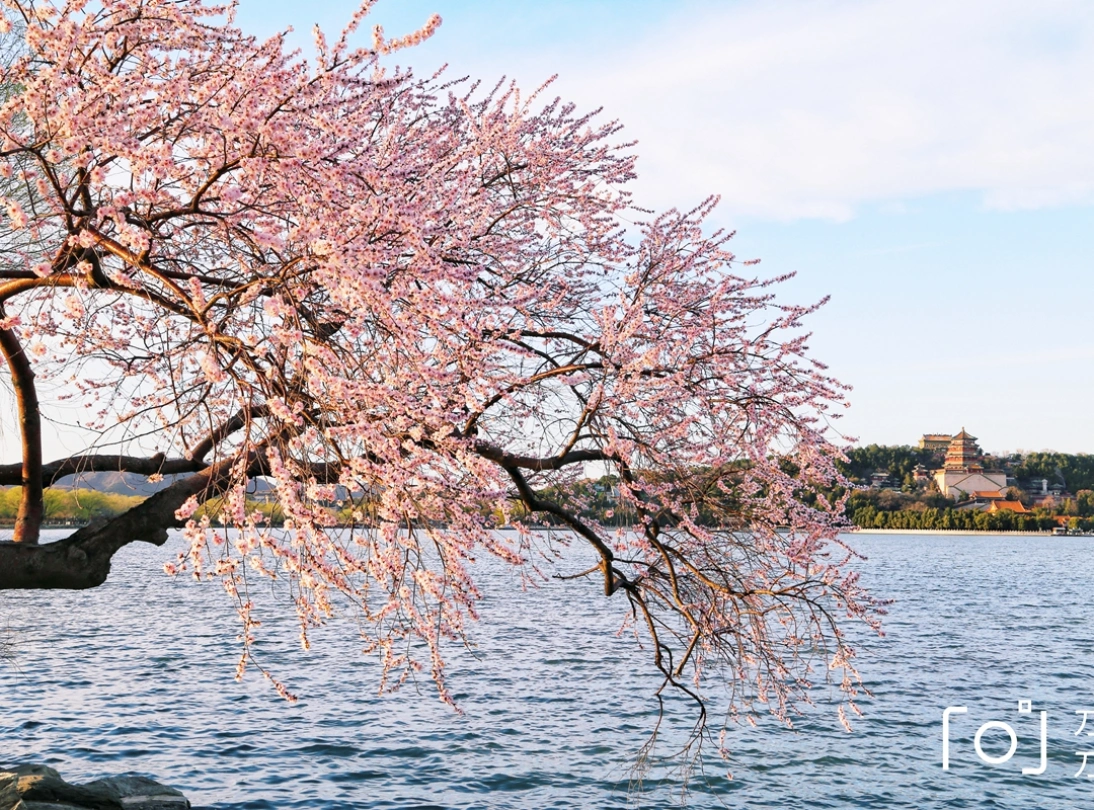
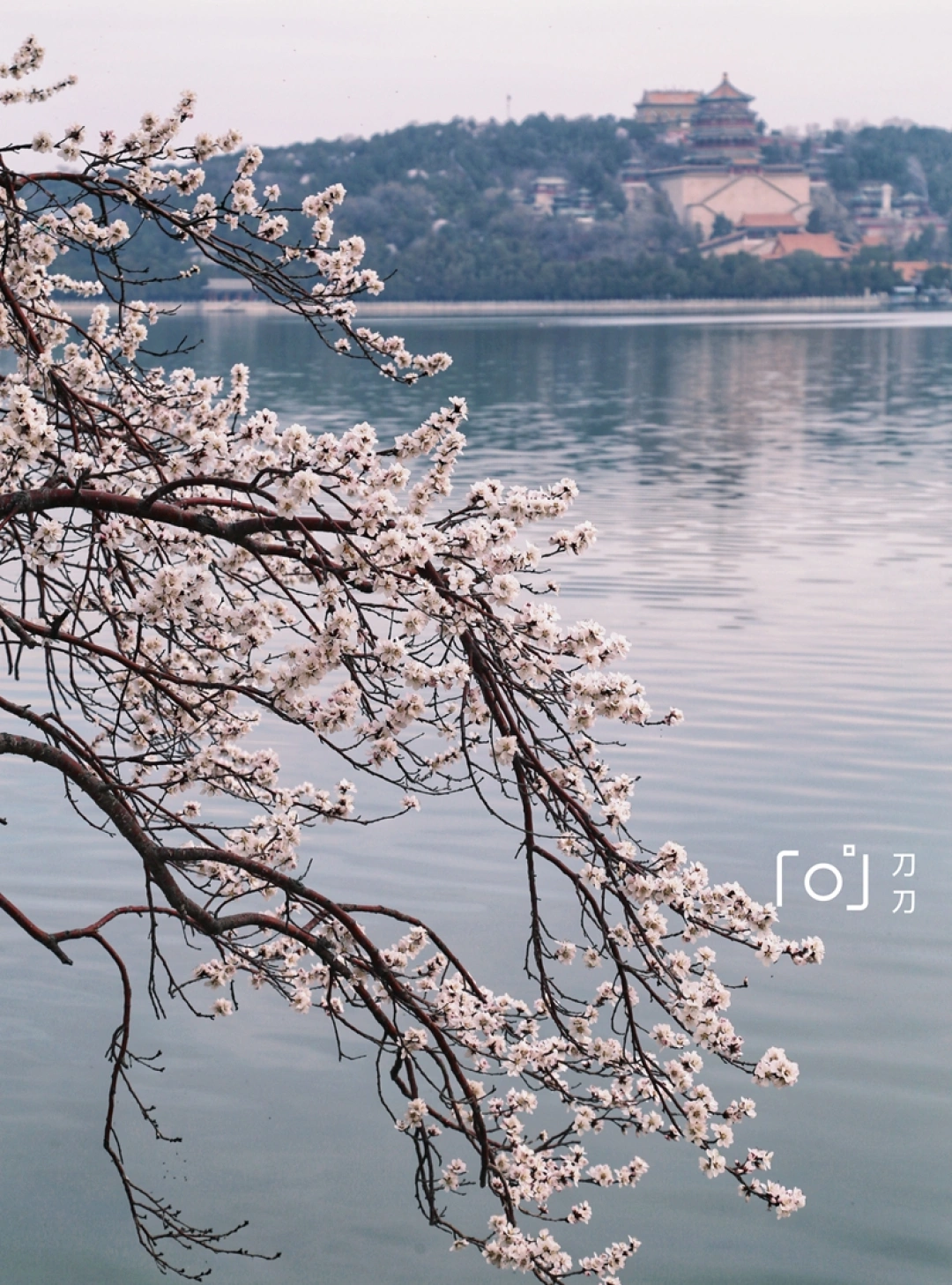
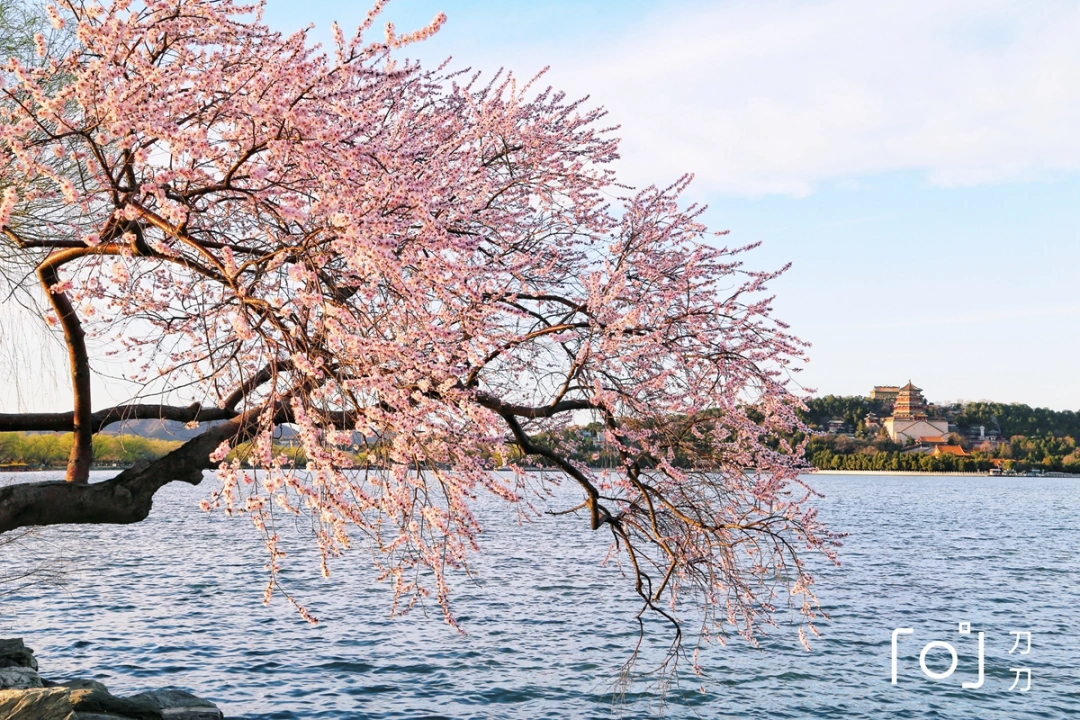
"Bamboo groves offer a few sprigs of peach blossoms; the river's warmth is first sensed by ducks." Mountain peach is a tree native to northern China and one of the first spring flowers to bloom in Beijing. Its petals are a pale pink, like morning clouds, and after two or three days, the entire tree looks like a pile of jade and snow—a truly magnificent sight.
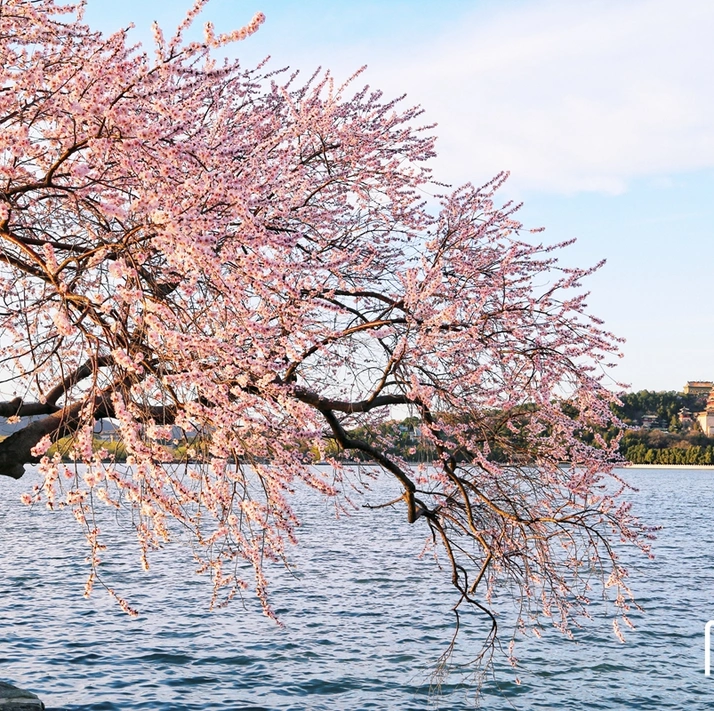
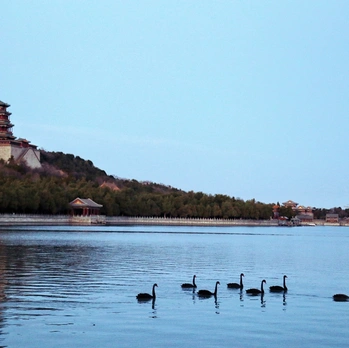
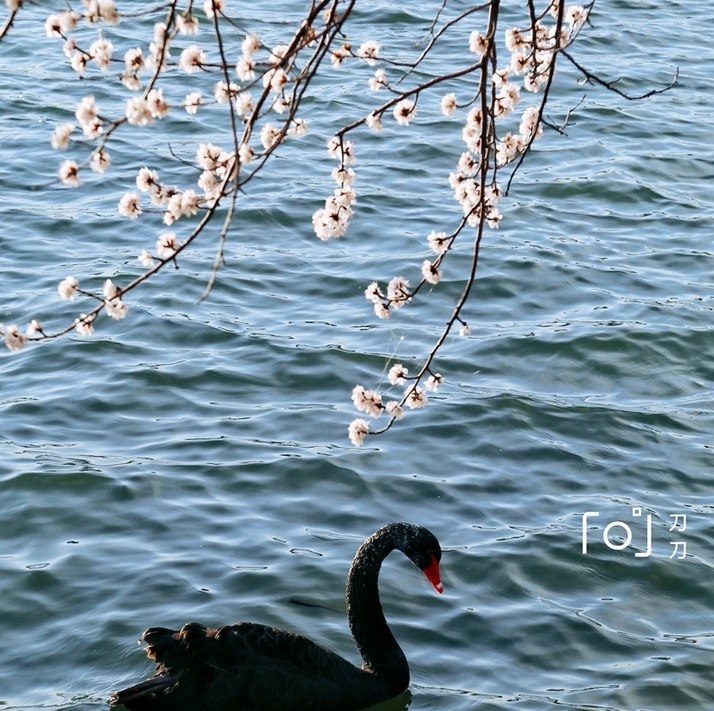
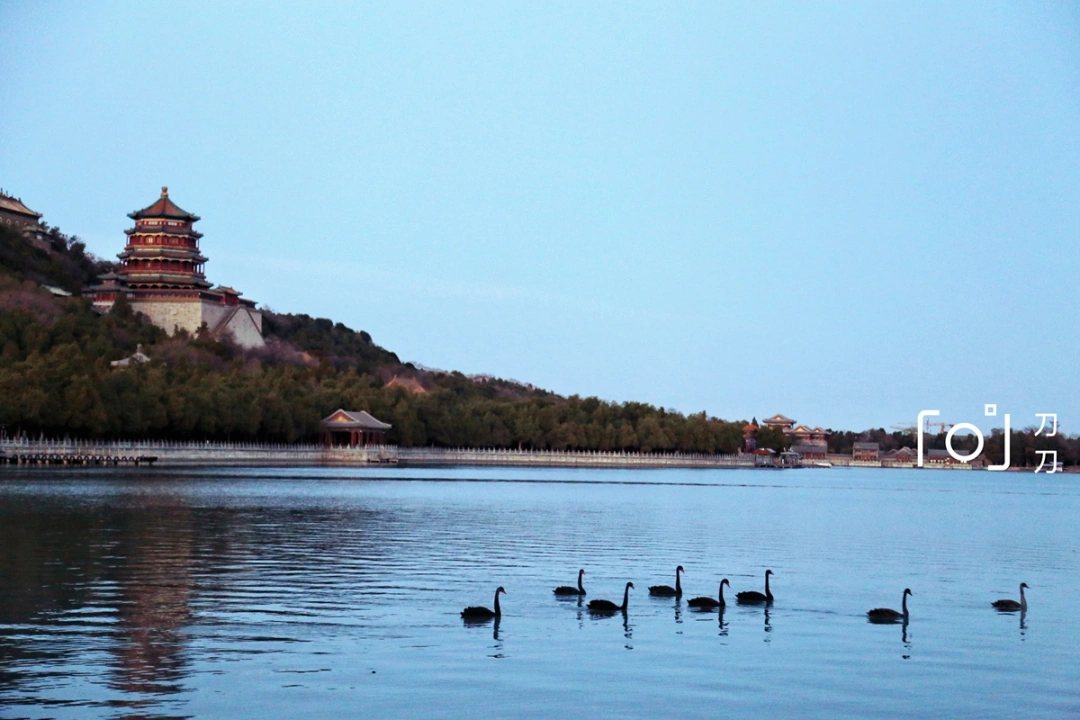
Best place to see mountain peach blossoms in Beijing is undoubtedly the West Dike of the Summer Palace. Modeled after Su Dike on West Lake in Hangzhou, the West Dike is dotted with six bridges: the Jade Belt Bridge, Boundary Lake Bridge, Bin Feng Bridge, Mirror Bridge, Practice Bridge, and Willow Bridge. During this season, nearly 2,000 mountain peach trees are in full bloom. Weeping willows sway, the lake shimmers in azure blue, and black swans glide freely across Kunming Lake—it's a living spring painting.
When a friend from another city saw my photos, they joked, "The Summer Palace is already beautiful enough—how does it have such stunning mountain peach blossoms too? Does Beijing get all the good stuff?" I laughed and replied, "That's Beijing's spring for you—unstoppable."
[Link: Summer Palace travel guide – Best time to visit and ticket information]
Magnolia Flowers Beijing: The Graceful Fairy of Late Early Spring
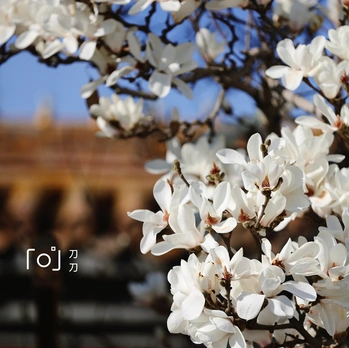
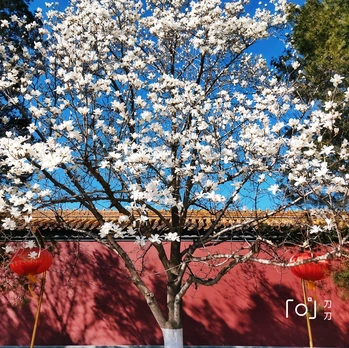
"Like layers of rainbow-hued gowns, fresh in evening attire; slender and elegant, in the jade hall of spring they aspire." Magnolias bloom almost simultaneously with mountain peach blossoms. Against the crystal-clear blue sky, they bring a delicate fragrance to the chilly March days. In the courtyards of Ming and Qing dynasty buildings, a single magnolia tree can fill the entire space, its branches stretching over golden tiles and crimson walls like celestial maidens scattering flowers.
Beijing's most famous spot for magnolia viewing is along the north side of Chang'an Avenue, flanking Xinhua Gate. The magnolia trees there are tall and robust, nestled among pines and cypresses. When in full bloom, their pure white flowers sway in the breeze, radiant and spirited—a truly unparalleled sight in the capital.
[Link: Top 10 spring flower viewing spots in Beijing]
Mid-Spring: The Feast of a Hundred Flowers in Beijing Parks
When willow branches unfurl their tender yellow buds, ginkgo trees raise their tiny fan-shaped leaves, and the golden rain trees produce their pale yellow, delicate blossoms, spring's footsteps quicken like an urgent melody. From late March to mid-April, in just over twenty days, apricot blossoms, pear blossoms, crabapple flowers, lilacs, cherry blossoms, tulips—countless species burst into bloom, each vying for attention.
Crabapple Flowers Beijing: The Celestial Beauty's National Grace
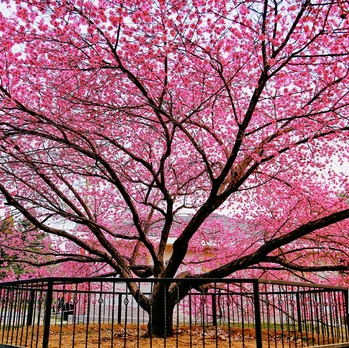
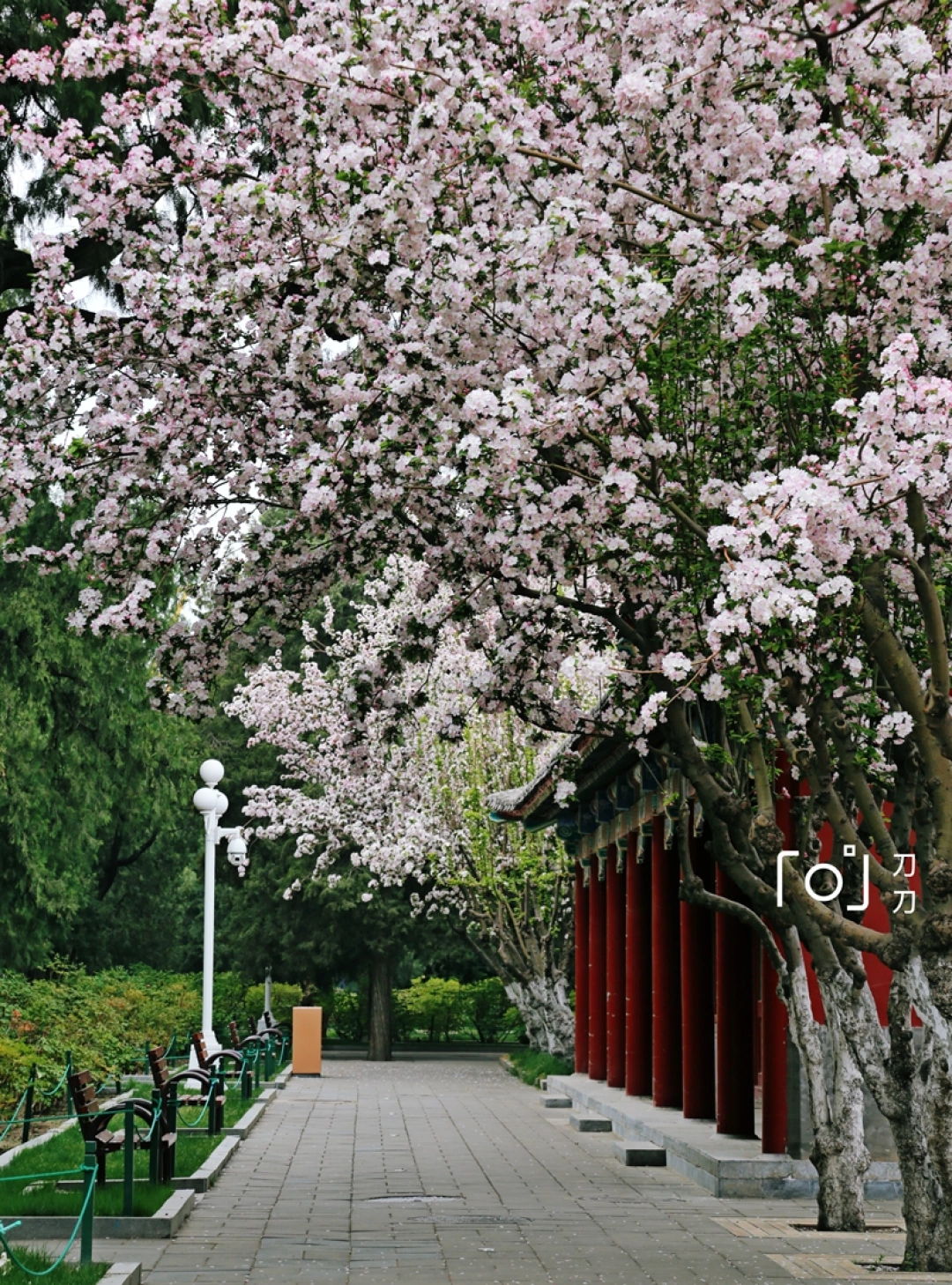
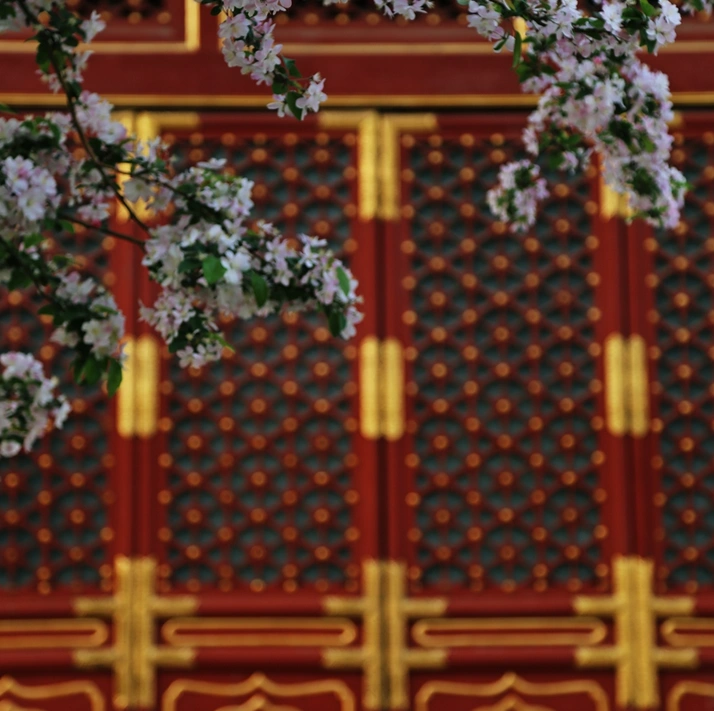
"Afraid that in the deep night the flowers might fall asleep, I burn a tall candle to keep their rosy glow." The crabapple is the most captivating flower of mid-spring. Whether along wide avenues, in narrow alleyways, within major parks, or in ancient courtyard gardens, it can be found everywhere. Known as the "national beauty," the crabapple is called the "fairy among flowers" and the "imperial consort of blooms"—a frequent subject in classical Chinese poetry.
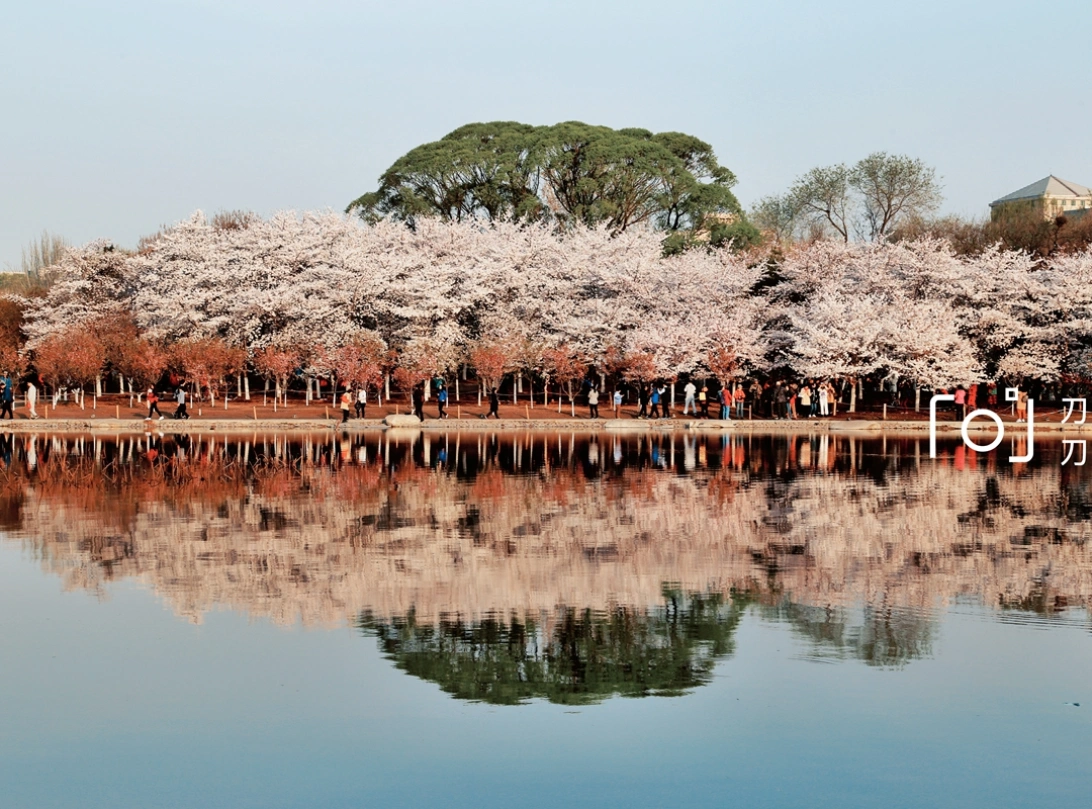
Best places to see crabapple flowers in Beijing:
Zhongshan Park Crabapple Avenue: South of the Archway of the Altar of Earth and Grain, there is a 200-meter-long crabapple avenue. The Xifu crabapple trees, tall and splendid, form a one-sided floral corridor. When a breeze blows, petals fall like rain. With thousand-year-old cypresses behind, the vermilion palace walls and the pinkish-white crabapple blossoms create a scene unique to the imperial capital.
Beihai Park Crabapple Stream: Inside the southwest gate, more than thirty Xifu crabapple trees, decades old, bloom together. Their profusion of flowers echoes the White Pagoda in the distance, forming a unique "Crabapple Flower Stream" landscape. On the southern slope of Qionghua Island, two ancient Xifu crabapple trees beside Yong'an Temple are the park's most eye-catching crabapple viewing spots.
[Link: Zhongshan Park guide – History and spring flower season]
Peach Blossom Beijing Botanical Garden: A Tree of Splendor Commanding Spring's Glory
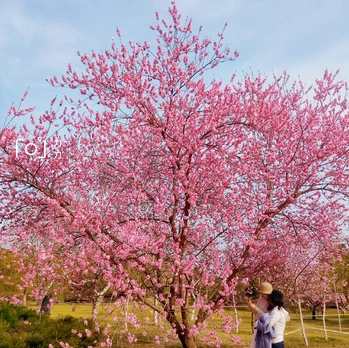
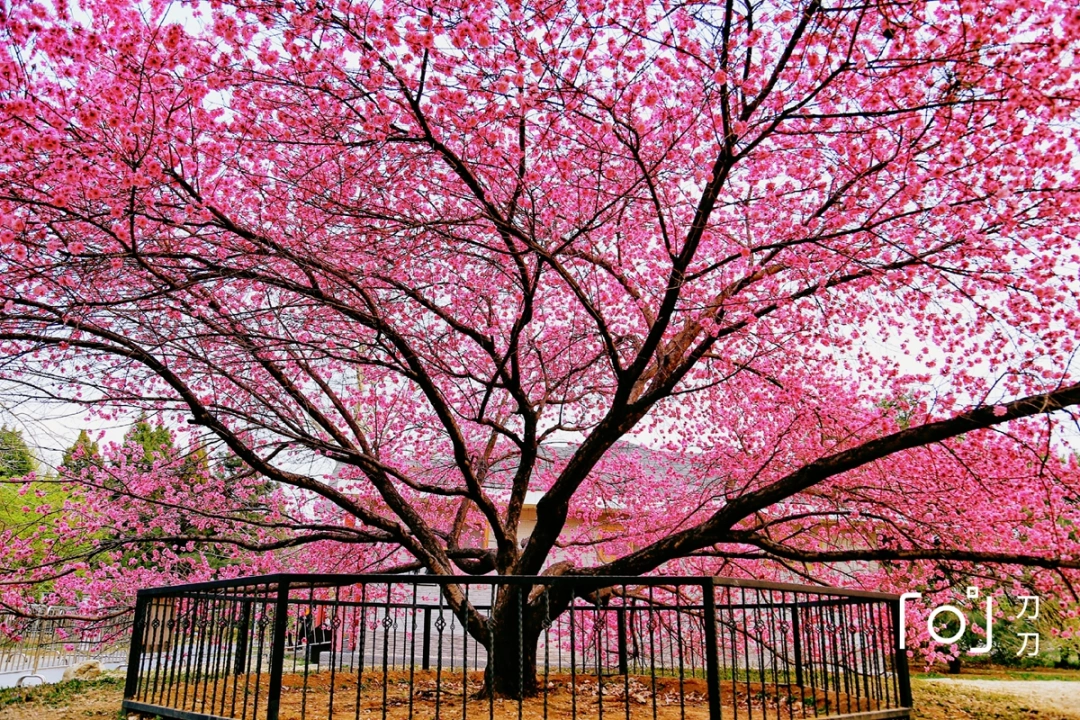
"A cluster of peach blossoms blooms untended; whether deep red or light pink, both are lovely." Peach blossoms at the Beijing Botanical Garden are the protagonists of spring, lasting for over a month. People often focus on the early mountain peach blossoms, crowding the Peach Blossom Stream. But one evening after rain, I stumbled upon a single peach tree that spread out like a peacock's tail, filling my entire field of vision—my camera couldn't even capture the whole tree. Against the setting sun, the blossoms glowed with light. Faced with that tree, words failed me.
Lilac Flowers Beijing: The Flower of Melancholy in the Rain
"The azure bird brings no tidings from beyond the clouds; the lilac in vain knots its sorrow in the rain." When lilacs bloom, they look from afar like swirling clouds and mist, a sea of purple. Before you even approach, you can smell their refreshing fragrance, seeping into your heart. When not yet open, lilac flower clusters are cone-shaped, resembling human hearts. The buds are densely packed, tightly closed, like a heart full of unspoken emotions.
Best spots for lilac viewing in Beijing: Fragrant Hills Park and the Temple of Heaven Park offer spectacular displays of purple and white lilacs against historic backdrops.
Best Time to Visit Beijing for Spring Flowers
| Flower Type | Peak Bloom Period | Best Locations |
|---|---|---|
| Mountain Peach | Early to mid-March | Summer Palace West Dike |
| Magnolia | Mid to late March | Chang'an Avenue, Xinhua Gate |
| Crabapple | Late March to mid-April | Zhongshan Park, Beihai Park |
| Peach Blossom | Late March to mid-April | Beijing Botanical Garden |
| Lilac | Mid-April to early May | Fragrant Hills, Temple of Heaven |
| Cherry Blossom | Late March to early April | Yuyuantan Park |
Beijing Spring Travel Tips
- Plan ahead: Spring flowers in Beijing bloom quickly—check bloom reports before visiting
- Visit on weekdays: Parks are less crowded, especially with social distancing measures
- Bring an annual park pass: Cost-effective for visiting multiple municipal parks
- Early morning or late afternoon: Best lighting for photography and fewer crowds
- Combine history with nature: Pair flower viewing with visits to nearby historical sites
FAQ: Spring Flowers and Travel in Beijing
Q1: What is the best time to see cherry blossoms in Beijing?
 Yuyuantan Park is Beijing's premier cherry blossom destination, with peak bloom typically from late March to early April. The park features over 2,000 cherry trees of various varieties.
Q2: Are Beijing parks free to enter during spring?
 Many municipal parks charge a small entrance fee (typically 2-10 RMB). An annual park pass (about 200 RMB) provides unlimited access to most major parks including the Summer Palace, Temple of Heaven, and Beihai Park.
Q3: Which Beijing park has the best spring flowers overall?
 The Summer Palace offers the most diverse spring flower experience, with mountain peach blossoms along the West Dike, magnolias near the Long Corridor, and crabapple trees throughout the gardens—all set against the stunning backdrop of Kunming Lake.
Q4: Can I see spring flowers near the Forbidden City?
 Yes! Jingshan Park (directly north of the Forbidden City) offers excellent spring flower viewing, particularly peonies in April and May. Zhongshan Park (southwest of the Forbidden City) has the famous crabapple avenue.
Q5: What should I wear for spring flower viewing in Beijing?
Beijing's spring weather can be unpredictable—dress in layers. March temperatures range from 2-15°C (35-59°F), while April warms to 10-22°C (50-72°F). Comfortable walking shoes are essential, and bring a light jacket for windy days.
Conclusion: Your Spring Journey Awaits
Beijing's spring is not just a season—it's a living poem written in petals and ancient architecture. From the first brave mountain peach blossoms at the Summer Palace to the cascade of crabapple flowers at Zhongshan Park, every corner of this ancient capital reveals a new verse of beauty.
The pandemic taught us that the most extraordinary journeys can begin right outside our door. As the saying goes, "No winter is insurmountable, no spring will fail to arrive." This spring, why not rediscover the poetic beauty of Beijing for yourself?
Start planning your Beijing spring flower tour today. Whether you're a local looking to fall in love with your city again or a traveler seeking the perfect spring getaway, Beijing's parks and gardens are waiting to welcome you with open arms and blooming branches.
[Link: Book your Beijing spring travel package] [Link: Download our Beijing spring flower map]
Have you visited Beijing in spring? Share your favorite flower-viewing spot in the comments below!
You should also read:
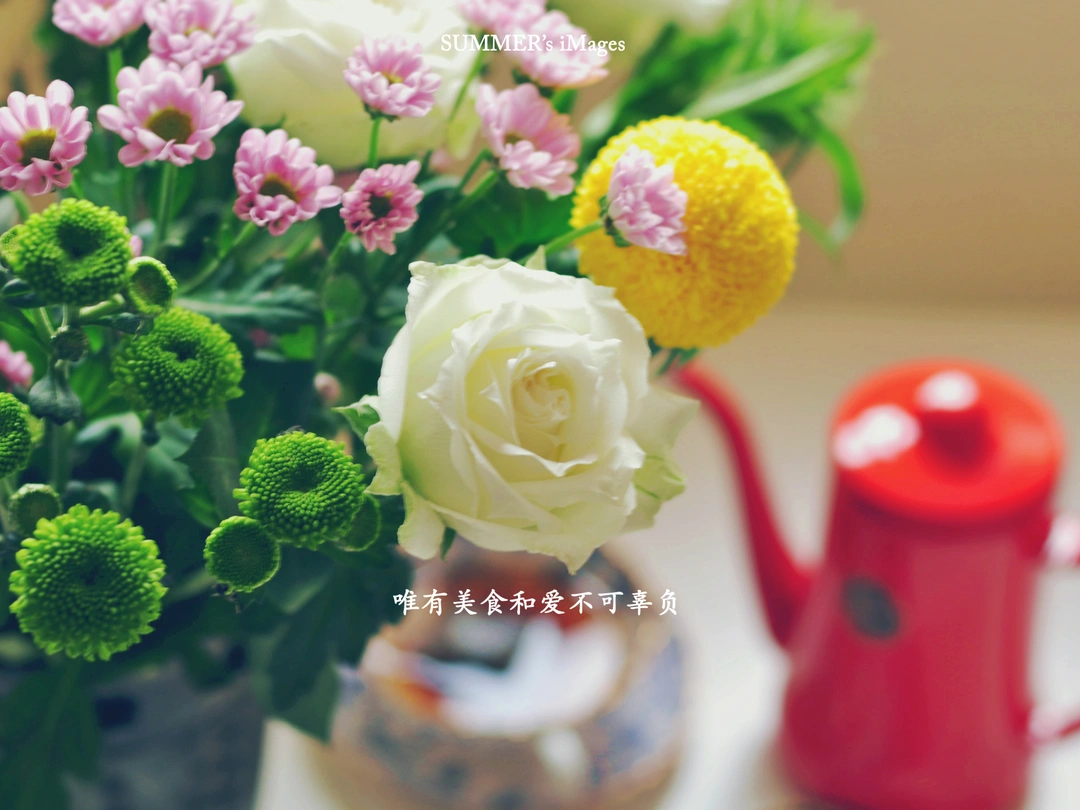
TASTY SUMMER: A Beijing Food Journey — Where Food and Love Are Never to Be Taken for Granted
Meta Description: Explore Beijing's hidden food gems in this SEO-optimized food journey. From vegetarian utopias to state-owned halal eateries, discover where to eat in Beijing like a local. Includes restaurant addresses, tips, and FAQs. Some journeys are destined to be serendipitous encounters. On a cold…
Continue reading...
A Spontaneous Escape Through Tianjin, Beijing, and Shandong: An Unforgettable Solo Travel Adventure
Meta Description: Discover the raw beauty of a spontaneous solo journey through Tianjin, Beijing, and Shandong. From Quanjude roast duck to Tanggu night views, read this heartfelt travelogue of escape and self-discovery. The July wind carried restlessness and unease. After abruptly ending a ten-day job…
Continue reading...
A Passionate Journey Through Beijing & Tianjin: Beijing Complete Guide – JOJO's In-Depth Travel Notes
Meta Description: Explore Beijing & Tianjin in 5 days with this complete travel guide. From the Forbidden City to the Great Wall, discover insider tips, transportation hacks, and must-see attractions. Plan your perfect China trip today. Beijing is not just a city—it's a living museum…
Continue reading...