Nostalgia for the Past and Longing for Home: My Heart Finds Its Place in Beijing – A Century of Light and Shadow in China's Governance
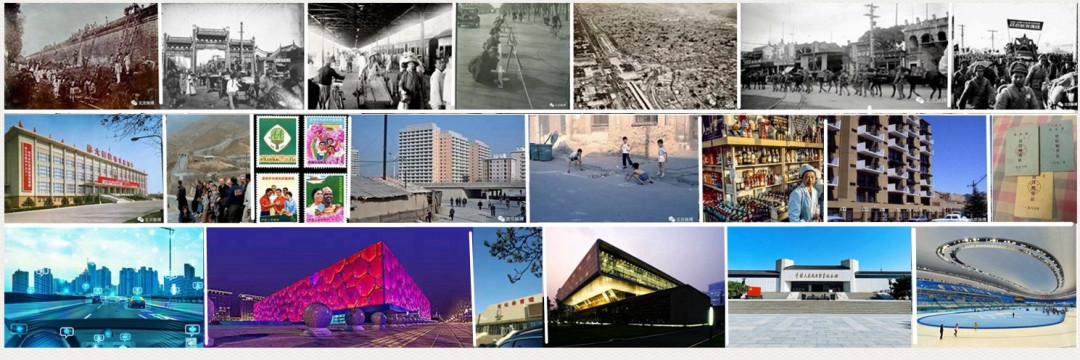
Meta Description: Discover Beijing's 860-year legacy through a personal journey of nostalgia and governance. From the Great Wall to the Red Building, explore how China's capital blends ancient history with modern governance. Perfect for travelers, history buffs, and patriots.
Introduction: When Feet and Heart Set Out Together
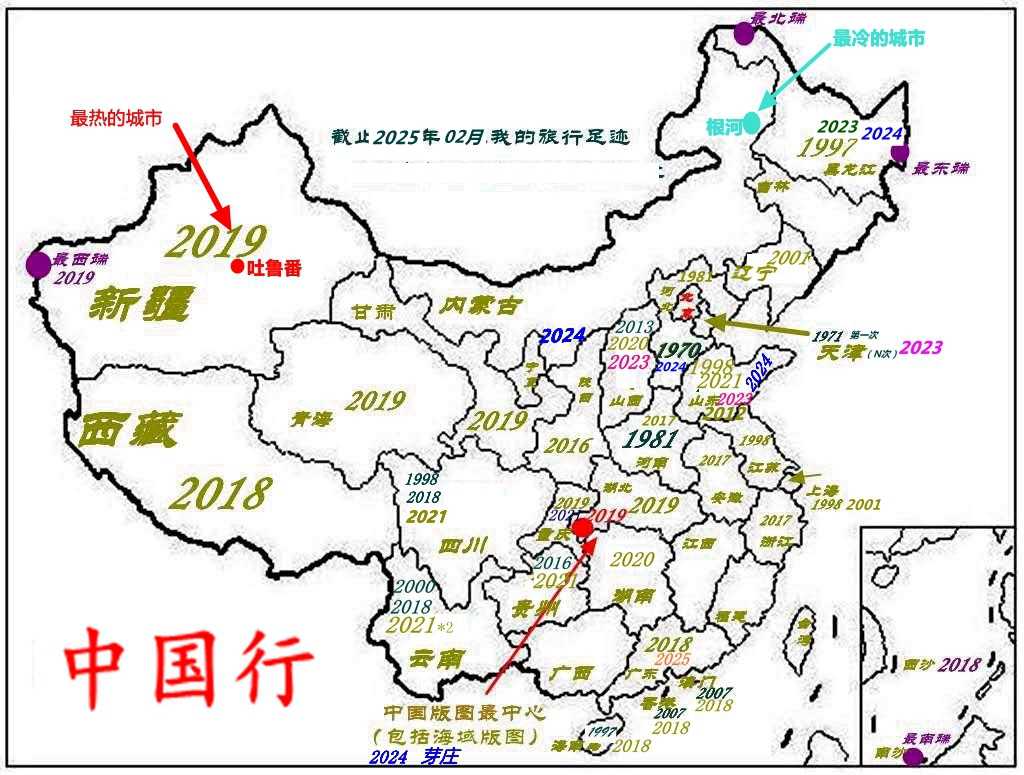
Some say that either the mind or the body must always be on the move. For me, there has always been only one destination – Beijing. On February 10, 2025, I embarked on a journey that would last 365 days. You might wonder how far one can go just by staying close to home. But when you truly step into this ancient capital, with its 860-plus years of urban history, you realize that a year is merely a beginning. Beijing is too vast – every brick and tile holds a story. Beijing is also too deep – a lifetime of reading could never unlock all its secrets.
I used over 160 photographs in an attempt to piece together the Beijing I see. But I know these images are only the tip of the iceberg. Today, I want to borrow from a poetic recitation that has moved countless people, replacing "China" with "Beijing," to write about my homeland – ancient yet young, weighty yet light.
Part One: To Write About Beijing, You Cannot Write Only About Beijing
Remember that poetry recitation contest? A seven-year-old girl, with a voice both tender and resolute, etched the word "China" into everyone's heart. She said: "To write about China, you cannot write only about China. You must write about the boundless landscapes and the countless lights of ten thousand homes; you must write about the majesty of the Five Sacred Mountains and the grandeur of the great rivers..."
If we dedicate this same devotion to Beijing, you will find it equally fitting.
1. The Premier Avenue of the Divine Land and the Lights of Ten Thousand Homes

Chang'an Avenue, crowned as the "Premier Avenue of the Divine Land," is more than just Beijing's central axis – it is the symbol of national power. From Jianguomen to Fuxingmen, it hosts the State Council, Zhongnanhai, the Great Hall of the People, the National Centre for the Performing Arts... Every branch leads to China's core governing bodies. And when you stand in the terminal of Beijing Capital International Airport, looking down at the planes taking off and landing in the night, those twinkling lights are far more than ten thousand homes – they are the glow of countless dreams in flight. [Link: Beijing travel guide – top attractions on Chang'an Avenue]
2. The Great Wall and the Grand Canal: An Epic of Mountains and Rivers
Beijing is home to the Great Wall, winding through rugged mountains, more majestic than any of the Five Sacred Peaks. Badaling, Mutianyu, Simatai – each section of the wall bears the blood, tears, and glory of ancient border guards. And the Beijing-Hangzhou Grand Canal, this thousand-year-old water-borne Silk Road, flows north from Hangzhou and ends in Beijing's Tongzhou district. It is not only a UNESCO World Heritage site but also a testament to the economic and cultural fusion between north and south. If the Great Wall is the spine, then the Grand Canal is the lifeblood – together, they form the majestic spirit of Beijing's landscape. [Link: Best Great Wall hiking routes for first-time visitors]
3. The National Library: A Warehouse of Time
The National Library of China, the largest in Asia and third largest in the world, treasures four great works as its crown jewels: the "Complete Library of the Four Treasuries," the "Zhaocheng Buddhist Canon," the "Dunhuang Manuscripts," and the "Yongle Encyclopedia." These four monumental texts span the weight of the Qin and Han dynasties and the grandeur of the Tang and Song – they are the culmination of classical Chinese culture. Stepping into the National Library is like entering a warehouse of time – classics, histories, philosophical works, and literary collections – every page whispers the vastness of five thousand years. There is no noise here, only the rustle of pages and the echo of history. [Link: How to visit the National Library of China – tips and hours]
4. Zhoukoudian and the National Museum: From Ancient Times to Modernity
Beijing's history extends far beyond 860 years. The Zhoukoudian Peking Man Site tells us that as early as 250,000 to 600,000 years ago, "Peking Man" was already thriving on this land. They lived in caves, used stone tools for hunting, and created a civilization of the Paleolithic era. Today, these ancient memories are preserved in the National Museum of China – the world's largest single-building museum. From the skull of Peking Man to models of the Shenzhou spacecraft, the museum uses the vastness of 9.6 million square kilometers to encapsulate the profound transformations of China's struggle through the ages. [Link: Must-see exhibits at the National Museum of China]
Part Two: The Light of the Awakening Age and the Fire of Rebirth
1. The Red Building of Peking University: The Birthplace of the New Culture Movement
In Beijing's Dongcheng District, on Wusi Street, stands a building made of red brick – the Red Building of Peking University. It was once the original site of Peking University and the cradle of the New Culture Movement. Back then, a group of humble scholars and professors gathered here, passionately advocating for democracy and science. Chen Duxiu, Li Dazhao, Lu Xun, Hu Shi – their names are the light of the Awakening Age. Though the Red Building is old, the spirit of "new thought, new fashion, and revolution" still inspires everyone who walks through its doors. [Link: Historical walking tour of Beijing's revolutionary sites]
2. The White Doves of National Day and the Rice Fields of Western Beijing
Every National Day, in Tiananmen Square, as the melody of "Today Is Your Birthday, My China" rises, thousands of white doves soar into the blue sky. In that moment, all eyes converge on this sacred land. But you may not know that Beijing is not just about skyscrapers – there are also rice fields in western Beijing, reachable by subway. The rice paddies at Beiwu Park in Haidian District turn into a golden ocean in autumn. Blue skies, white clouds, rice fields, small bridges, flowing water, and wooden walkways create a poetic pastoral scene. When the autumn wind blows, the fragrance of rice fills the air, as if you have instantly traveled from the bustling city to a tranquil countryside. [Link: Best parks in Beijing for autumn foliage and relaxation]
Part Three: With a Heart Devoted to Beijing, I Offer My Years to the Mountains and Rivers
1. A Confession from a Beijing Native
I was born in Beijing and have always tried to call myself a "Beijinger." But to be honest, many Beijingers like me, well past sixty, may not truly understand this city. We often overlook the beauty around us, traveling to other provinces or even abroad to see sights. Until one day, I came across a WeChat post titled "500 Old Photos of Beijing Spanning a Century." It didn't make me cry, but it made me resolve: using my knowledge and experience, I would write, draw, and photograph my love for Beijing.
This is a responsibility. I want to thank the public account "Beijing Pulse" for providing precious historical photos, and I also thank myself for the countless frames I've captured over the years while wandering the streets. Together, they form the backbone of this travelogue.
2. Embracing All: Beijing's Inclusive Spirit
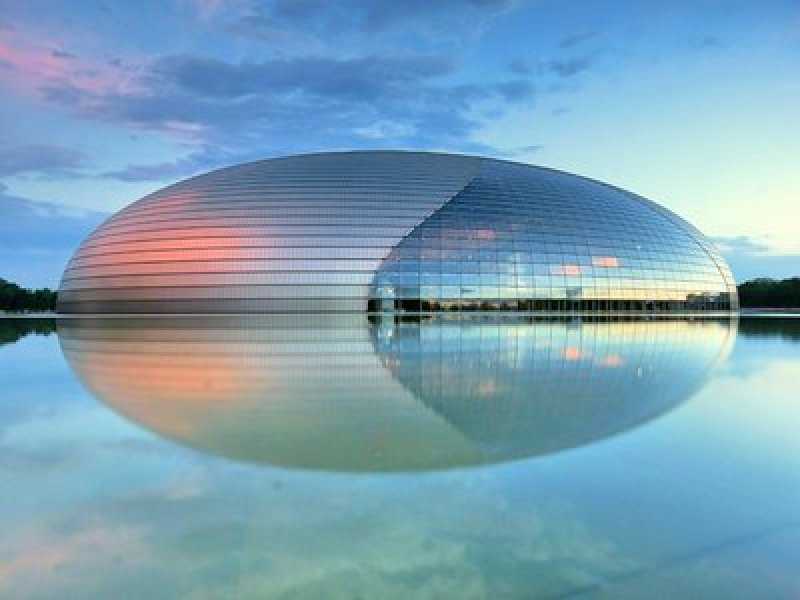
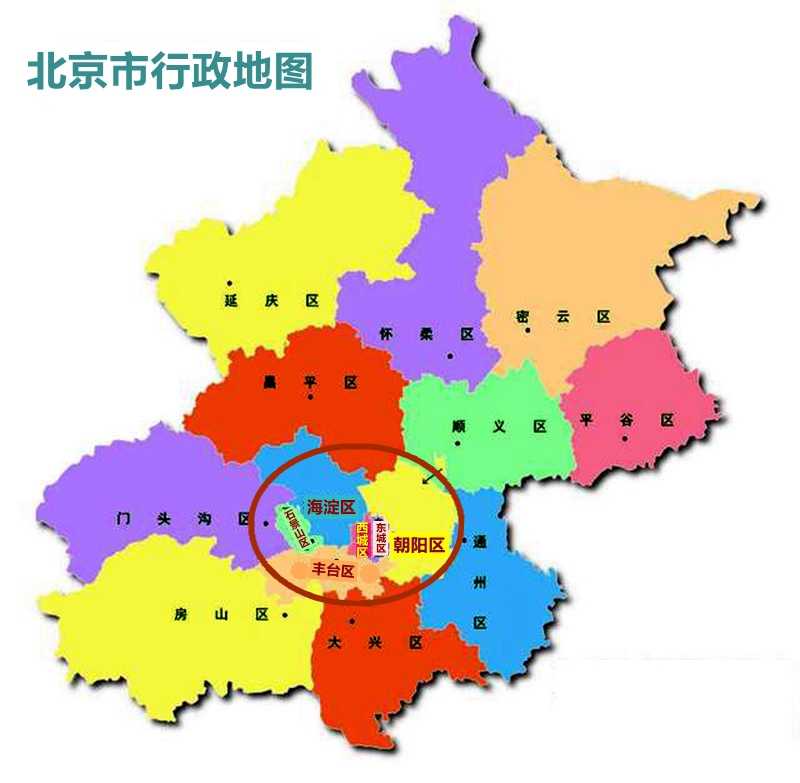
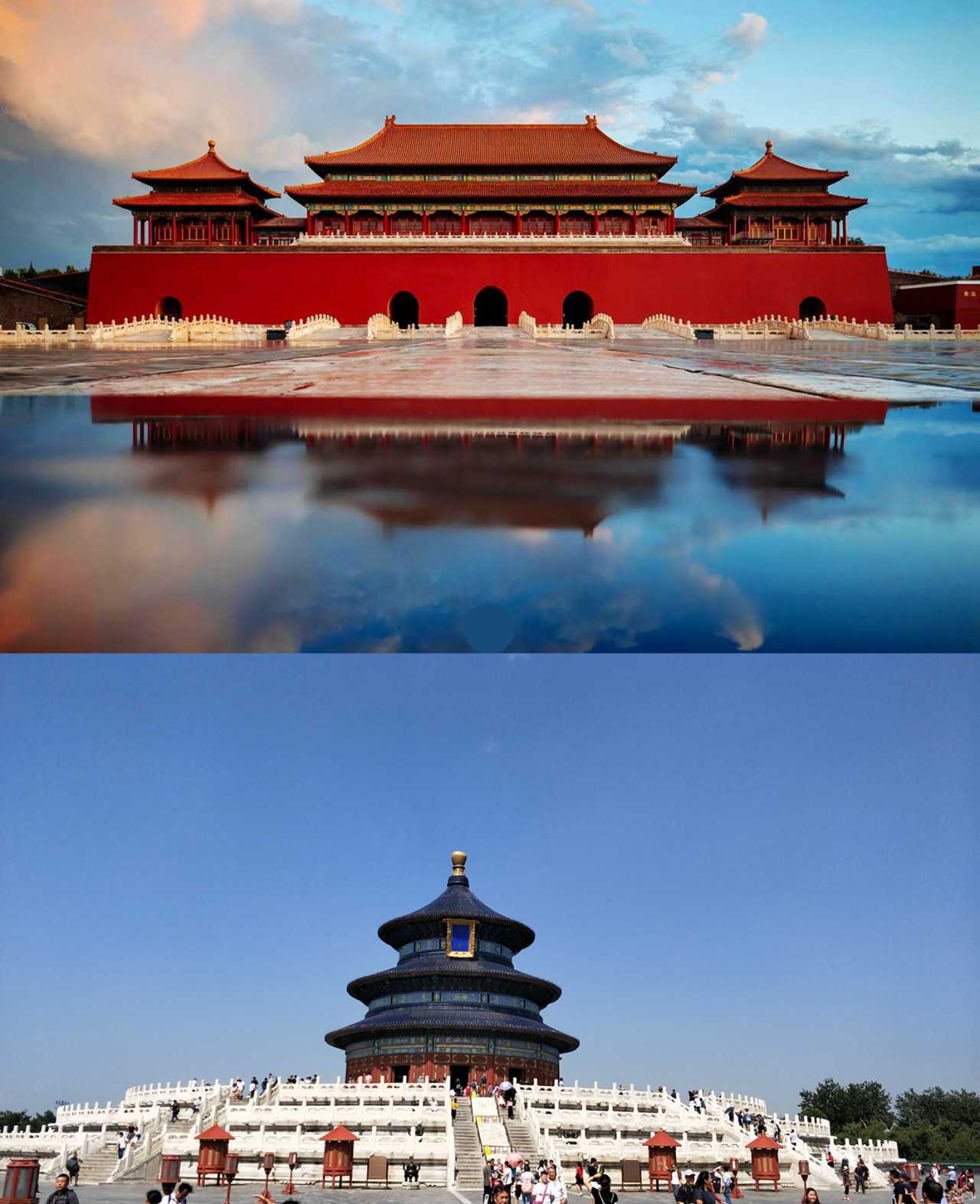
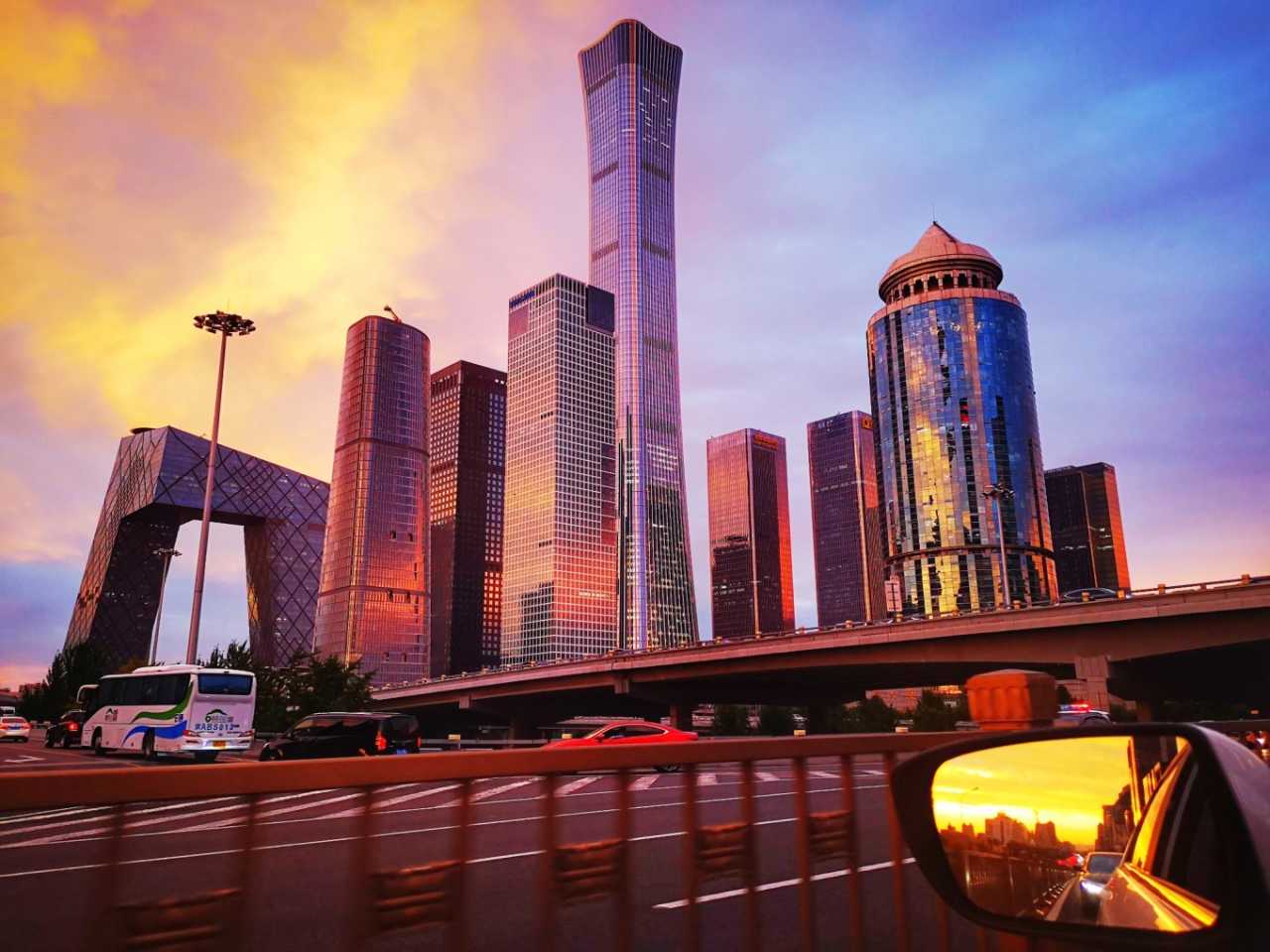
Some say that whatever China has, Beijing can embrace. This is true. From the red walls and golden tiles of the Forbidden City to the glass facades of Guomao, from the cooing of pigeons in the hutongs (traditional alleyways) to the symphonies at the National Centre for the Performing Arts, Beijing is a city that forever grows through "harmony in diversity." It has witnessed the profound changes of China's struggles and embodied the remarkable advantages of China's governance. Whether it's the ancient Zhoukoudian or the future-facing Zhongguancun, Beijing remains that place "where the heart yearns, and simple steps will lead." [Link: Exploring Beijing's hutongs – a cultural immersion guide]
Conclusion: I Love Beijing, Beyond Light and Shadow
Writing to this point, I recall the final lines of that poem: "With a heart devoted to China, I offer my years to the mountains and rivers." For Beijing, it becomes: "With a heart devoted to Beijing, I offer my years to the mountains and rivers."
Beijing is not a cold city – it has warmth. Its warmth lies in the red walls and golden tiles of the Forbidden City, in the golden waves of rice fields, in the whisper of pages at the National Library, and in the white doves that soar every National Day. This city has witnessed a century of light and shadow in China's governance – from the Awakening Age to the modern era of reform and opening-up. It is a living museum of Chinese civilization, a testament to the resilience and innovation of the Chinese people.
If you have never visited Beijing, let this article be your invitation. If you have visited before, let it be your reason to return. Because Beijing is not a destination – it is a feeling. It is the nostalgia for the past and the longing for home. It is where my heart finds its place.
Frequently Asked Questions (FAQ)
Q1: What is the best time to visit Beijing for historical and cultural exploration?
A: Spring (April–May) and autumn (September–October) are ideal. The weather is mild, and the city is adorned with blooming flowers or golden foliage. Avoid National Day (October 1–7) if you prefer fewer crowds, as it is a peak travel period.
Q2: How many days are needed to explore Beijing's major historical sites?
 A: A minimum of 5–7 days is recommended. This allows time for the Forbidden City, Great Wall, Summer Palace, Temple of Heaven, and the National Museum. For deeper cultural immersion, consider 10–14 days.
Q3: Is the Great Wall accessible from Beijing for a day trip?
A: Yes. Badaling is the most accessible (about 1.5 hours by train or bus), but Mutianyu and Simatai offer less crowded experiences. Book tickets in advance, especially during holidays.
Q4: What are the must-see museums in Beijing for history enthusiasts?
 A: The National Museum of China, the Palace Museum (Forbidden City), the Capital Museum, and the Zhoukoudian Peking Man Site Museum. The National Library of China is also a treasure trove for book lovers.
Q5: Can I visit the Red Building of Peking University as a tourist?
A: Yes, the Red Building is open to the public. It is located on Wusi Street in Dongcheng District. Check opening hours in advance, as it may have restricted access during academic events.
Final Call to Action
Ready to experience Beijing's century of light and shadow?
Start planning your journey today. Whether you're drawn by the ancient walls of the Forbidden City, the revolutionary spirit of the Red Building, or the serene beauty of the rice fields, Beijing awaits. Book your trip now and let your heart find its place in China's eternal capital.
Share your own Beijing story in the comments below – we'd love to hear how this city has moved you. And don't forget to subscribe to "Beijing Pulse" for more historical photos and travel insights.
#BeijingTravel #ChinaHistory #NostalgiaForThePast #LongingForHome #ChinaGovernance
You should also read:
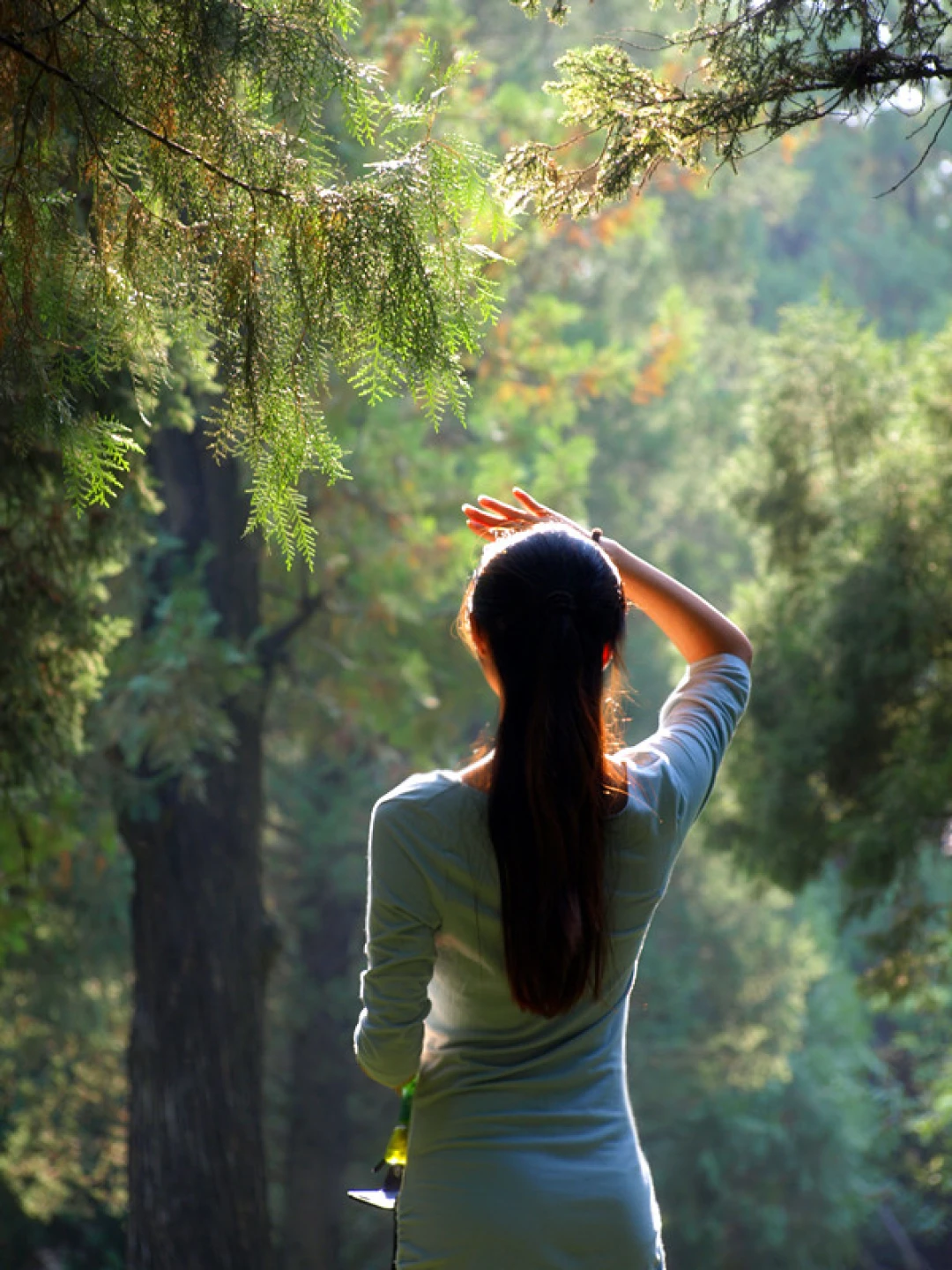
Four Seasons in Beijing: A Complete Guide to Experiencing the Capital's Year-Round Beauty
Meta Description: Discover Beijing through all four seasons in this comprehensive guide. From late summer ginkgo leaves to winter snow at the Forbidden City, explore the capital's hidden gems, cultural festivals, and timeless charm. On the first day of August, I boarded a northbound train…
Continue reading...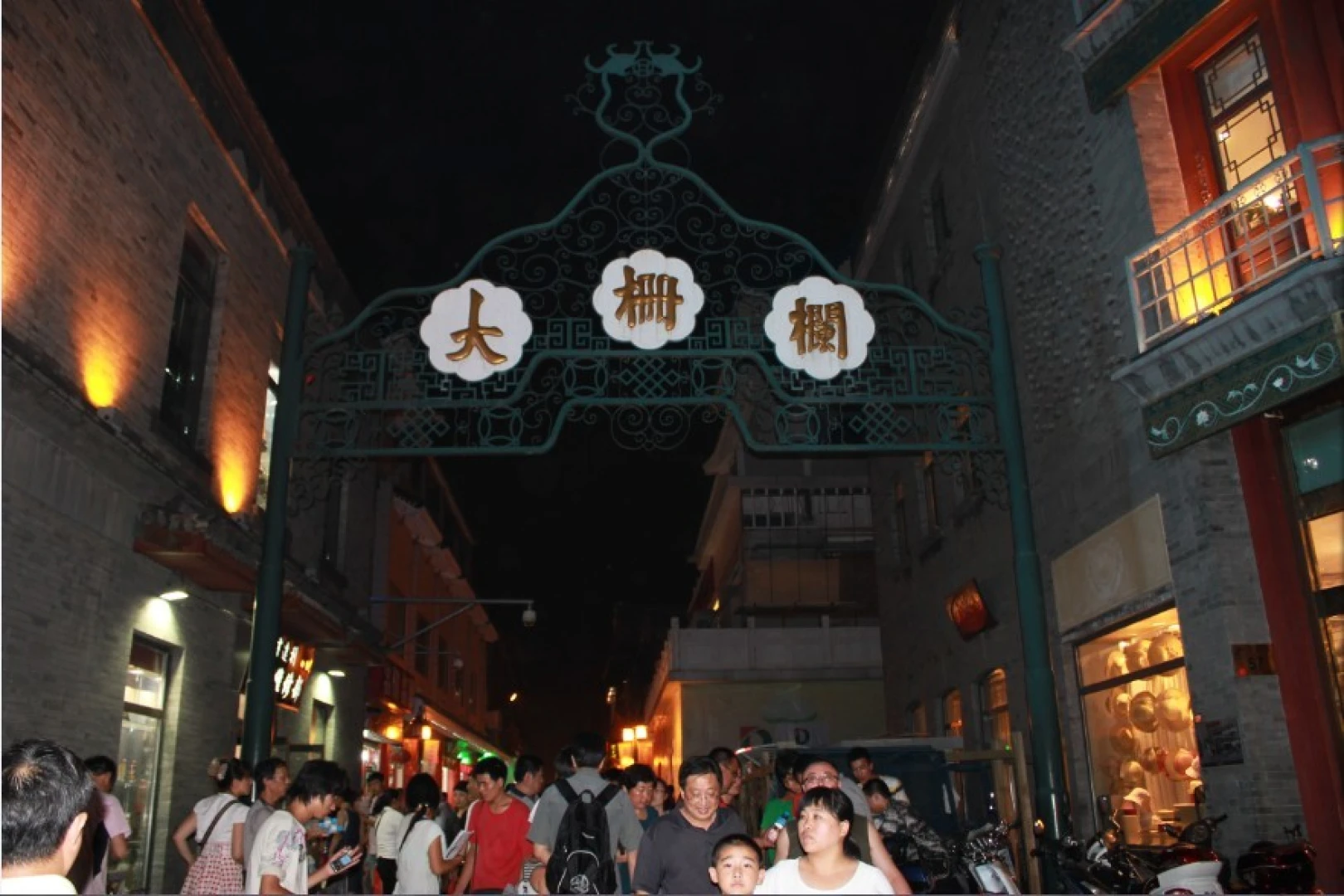
28 Hours Hard Seat to Beijing: A Poor Student's 16-Day Fantasy Journey Through the Capital
Meta Description: Discover how one budget traveler survived a 28-hour hard seat train ride from Nanning to Beijing for just 2,200 yuan. Explore Beijing on a shoestring with insider tips, hidden costs, and honest reviews of hostels, food, and attractions. "Are you out of your…
Continue reading...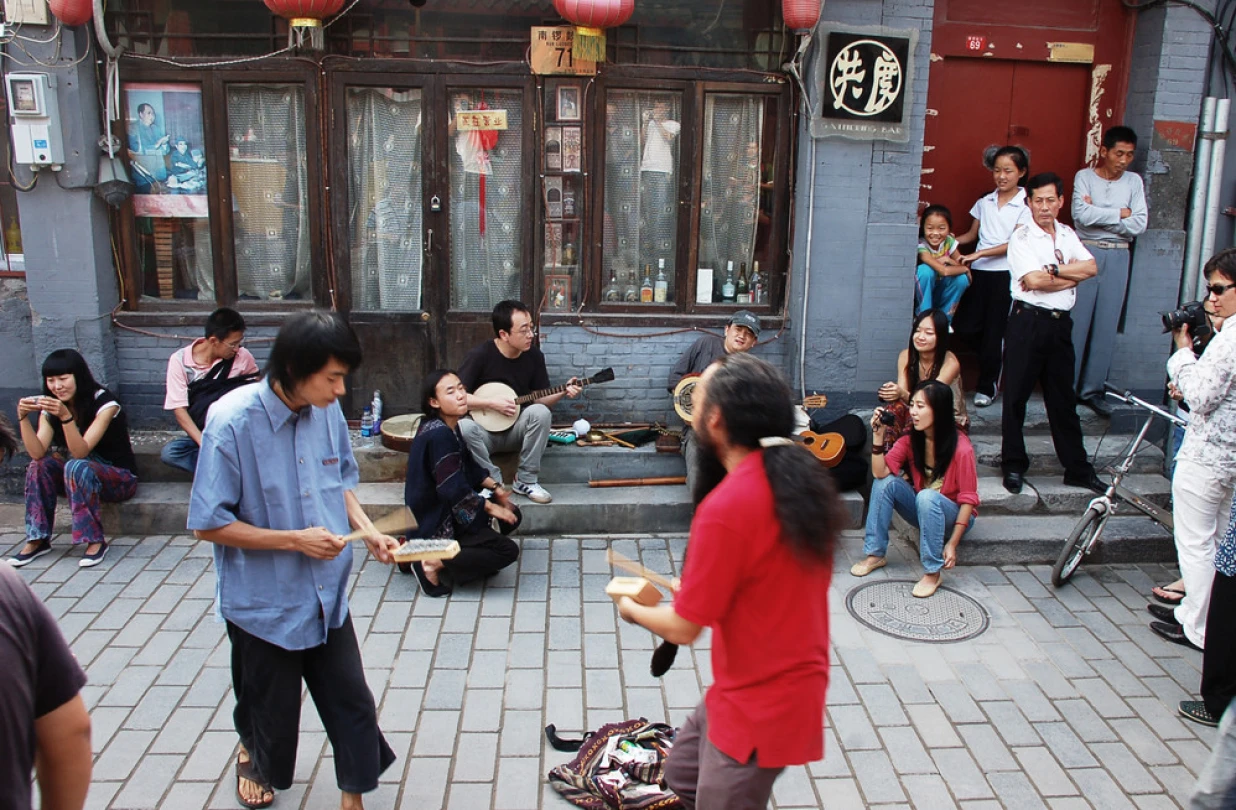
Beijing: A Sixteen-Year Love Affair with a City – An SEO-Optimized Travel & Culture Guide
Meta Description: Explore Beijing through a 16-year personal journey—from green trains to disappearing hutongs, from Zhongguancun's tech rise to Sanlitun's Dirty Street. Discover the city's soul in this SEO-friendly rewrite. Some stories are destined to have no ending from the very beginning. That's how it…
Continue reading...