October in Beijing and Tianjin: A 6-Day Autumn Travel Guide to Ginkgo Leaves, Red Walls, and Timeless Beauty
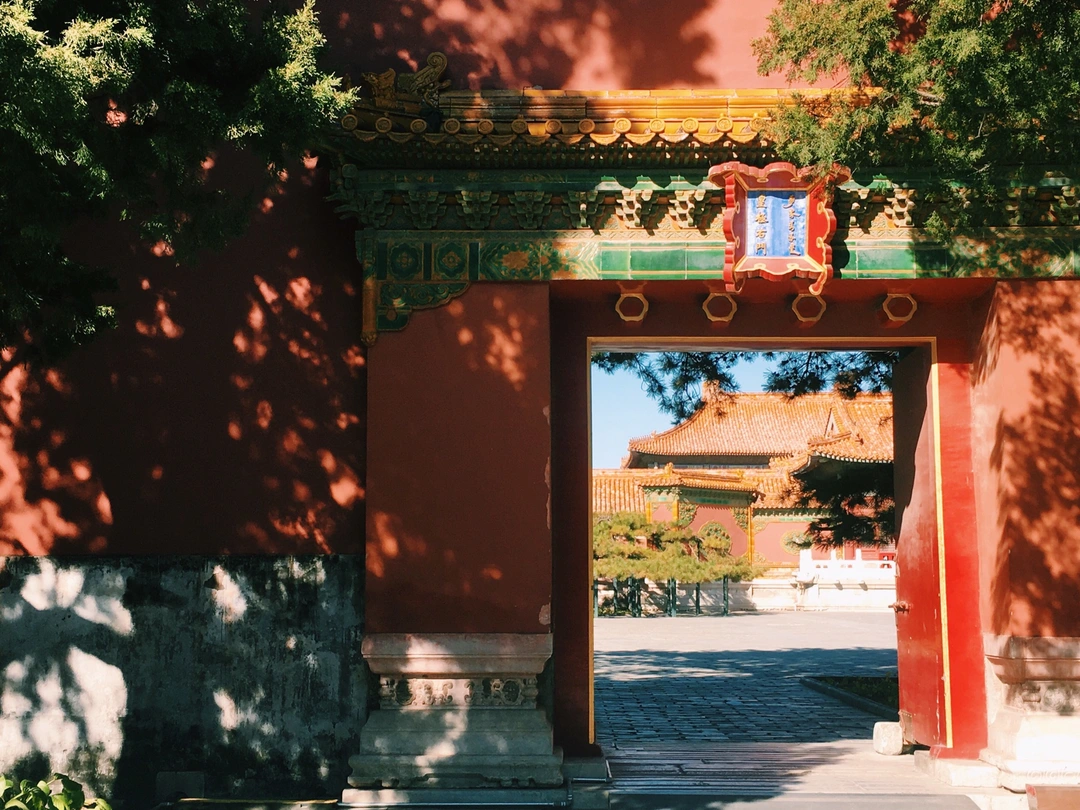
Meta Description: Discover the magic of October in Beijing and Tianjin. From golden ginkgo leaves to the Forbidden City's red walls, this 6-day itinerary covers high-speed rail tips, best autumn spots, roast duck, and hidden gems. Perfect for fall leaf peepers and culture lovers.
Introduction: Why October is the Best Time to Visit Beijing and Tianjin
Late autumn in Beijing is an endless poem waiting to be written. When ginkgo leaves carpet the streets and sunlight filters through the cracks of red walls and green tiles, casting dappled shadows, this ancient capital reveals its gentlest, most photogenic side. Tianjin, the neighboring port city, adds a unique touch to this autumn journey with its concession-era charm and vibrant street life.
If you dream of spending the tail end of October weaving between two cities over six days, feeling the blend of history and modernity, this Beijing Tianjin autumn travel guide will offer practical inspiration, insider tips, and must-see attractions.
[Link: Best time to visit Beijing in autumn]
Pre-Trip Preparation: Transportation, Accommodation, and Essential Tips

High-Speed Rail Travel: A Spontaneous City-Hopping Adventure
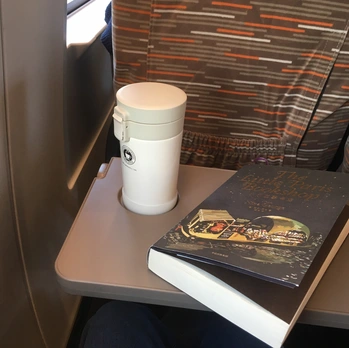
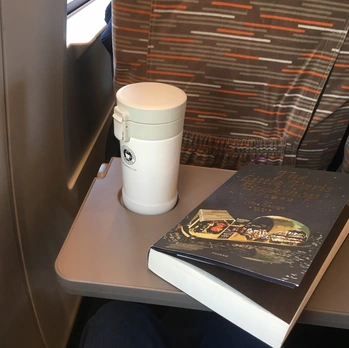
Departing from Shanghai, I chose the early morning G8 high-speed train, leaving Hongqiao Station at 8:00 AM and arriving at Beijing South Station at 12:24 PM, costing 553 yuan. High-speed rail makes the distance between north and south feel much shorter. The four-plus-hour journey is perfect for catching up on sleep or watching the scenery shift from the watery landscapes of Jiangnan to the vast plains of North China.
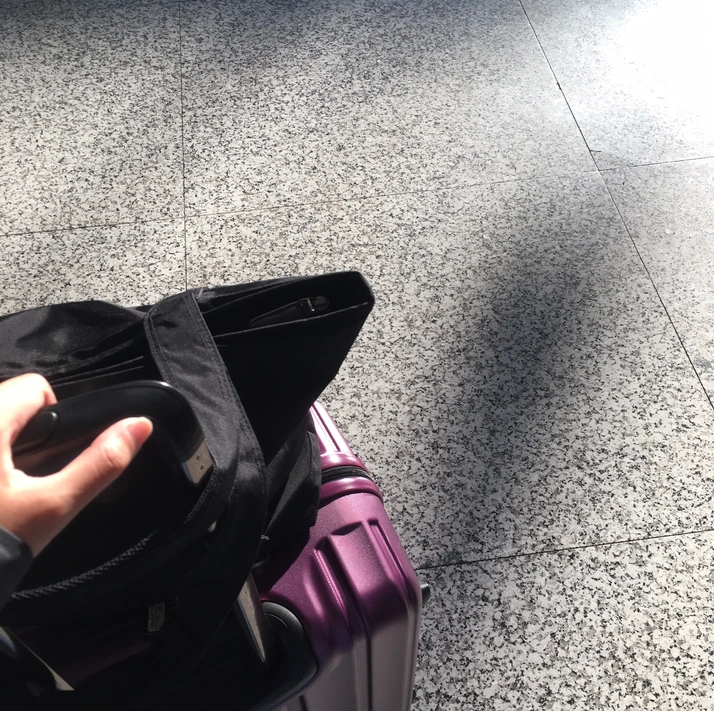
Beijing to Tianjin high-speed train is as convenient as taking a city subway. The C2017 train from Beijing South to Tianjin departs at 7:41 AM and arrives at 8:20 AM, costing just 54.5 yuan. For the return trip, the C2114 train leaves Tianjin at 6:32 PM and arrives back in Beijing at 7:02 PM, also 54.5 yuan. This schedule gives you a full, packed day in Tianjin.
On the final day, returning from Beijing to Shanghai, I took the G1 high-speed train, departing at 9:00 AM and arriving at 1:28 PM, costing 553 yuan. One note: during the China International Import Expo (CIIE) in Shanghai, passengers arriving by high-speed rail must go through secondary security checks, so allow extra time.
[Link: Beijing high-speed rail guide]
Accommodation: A Warm Haven in Wudaokou
For this Beijing autumn travel itinerary, I stayed at a friend's place near Wudaokou on Line 13. As a hub for Beijing's universities, Wudaokou offers great transport links, a lively atmosphere, and plenty of food options—an ideal base. If you plan to stay in this area, consider booking a nearby guesthouse or hotel in advance.
Day 1: First Arrival in the Capital, Encountering a Fire-Colored Sunset Sky
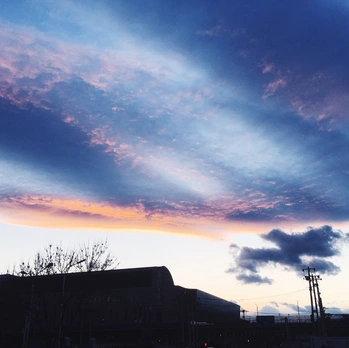
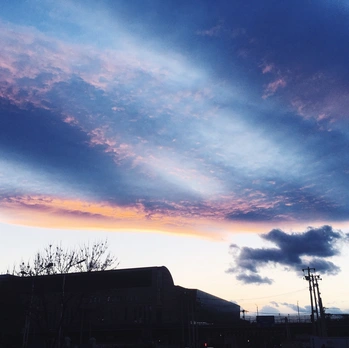
I arrived at Beijing South Station in the afternoon, met up with my friend, had a quick lunch, and then headed back to rest. In the evening, we strolled through Olympic Park. Autumn in Beijing means early sunsets, but just as we were about to leave, I looked up and saw a stunning blaze of fiery clouds, hovering like a UFO over Tsinghua University campus—breathtakingly beautiful.
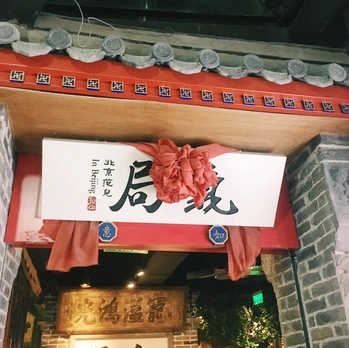
For dinner, we chose "Ju Qi" (局气), a roast duck restaurant near our accommodation. We waited in line for an hour and a half before being seated. The roast duck lived up to its reputation: crispy skin, tender meat, dipped in sweet bean sauce, wrapped in thin pancakes—each bite was pure bliss. Since the duck was served a bit slowly, the restaurant kindly gave us a large bowl of duck soup, warming both stomach and heart.
[Link: Best roast duck in Beijing]
Day 2: A Cultural Journey Through Yuanmingyuan, Yonghe Temple, and the Imperial College
Yuanmingyuan: An Autumn Imperial Garden
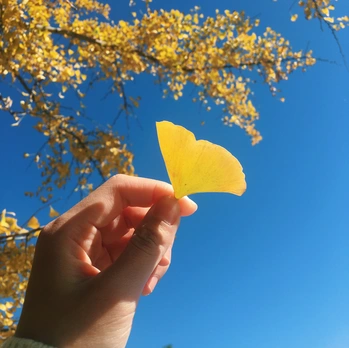
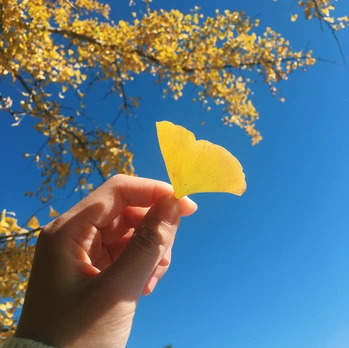
After yesterday's strong Beijing winds, I bundled up this morning—wool socks, fleece-lined pants, sweater, and wool coat, the works. I rode a Mobike from Wudaokou to Yuanmingyuan (the Old Summer Palace) just after 8:00 AM. The 15-minute ride took me past ginkgo trees that, against the blue sky, looked like they had been filtered.
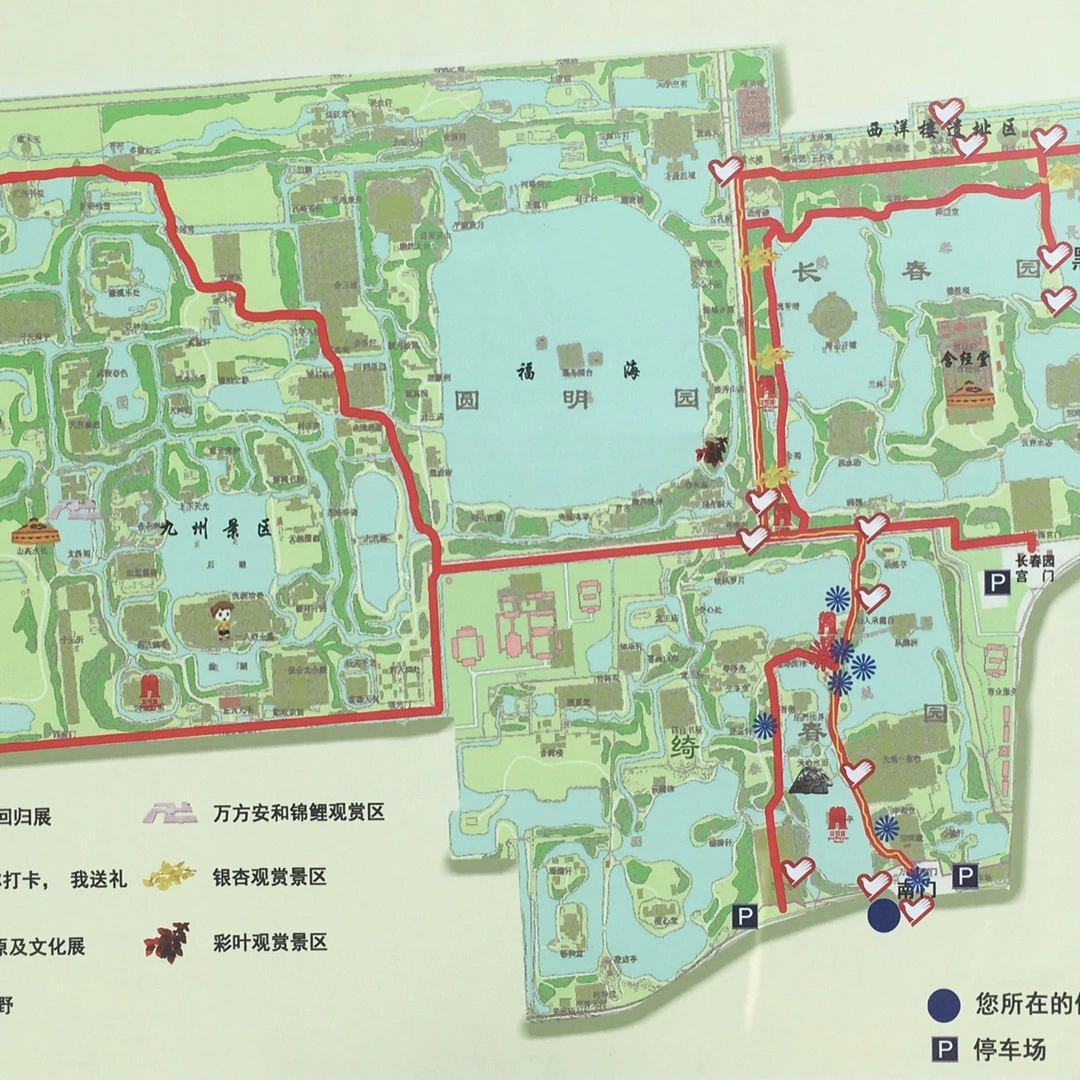
Yuanmingyuan is enormous. I spent nearly three hours but only managed to explore the Qichun Garden and Changchun Garden areas. Arriving early meant fewer tourists, giving me plenty of opportunities to take photos. The deep blue sky reflected in the lake, shimmering with light. I picked up a fallen leaf and posed with a tree—a perfect autumn snapshot.
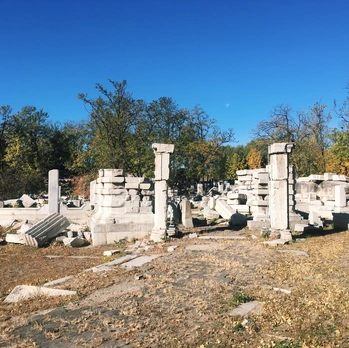
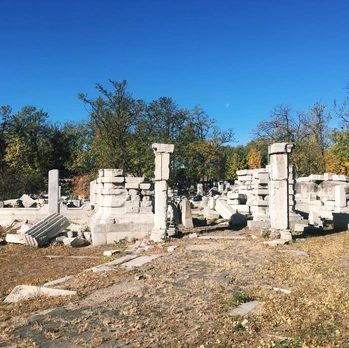
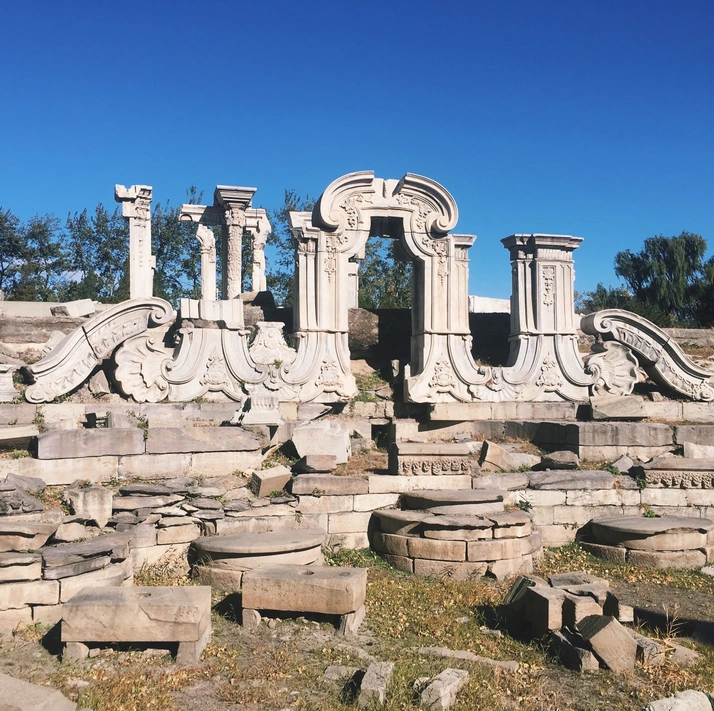
The Western-style ruins in Changchun Garden are a must-see. After purchasing tickets online, you can scan your way in. The "Dashuifa" (大水法, Great Fountain) is Yuanmingyuan's iconic structure. Facing it is the "Guanshuifa" (观水法, Water Viewing Platform), where Emperor Qianlong's throne once sat. Legend has it that foreign architects, unfamiliar with feng shui, designed the throne facing south—a serious breach of protocol. The emperor was furious and later had a ring of stone tablets built behind the throne, engraved with the world's most advanced weapons of the time, to ward off misfortune. Ironically, it was those very "most advanced" weapons that ultimately destroyed this city of art.
[Link: Yuanmingyuan visiting tips]
Xinjiekou: The Taste of Old Beijing
Leaving Yuanmingyuan, I took the subway to Xizhimen. Seeing the station name "Xinjiekou" on the board, I remembered the famous fire-braised offal stew (火烧卤煮) and hopped off to hunt it down. Right across from Xinjiekou subway station is the perpetually busy offal stew shop. I ordered a standard portion of fire-braised offal stew for 28 yuan and a plate of fried starch sausage (炸灌肠). While queuing, many locals advised skipping the "lung" (肺) part, saying it has a strong gamey taste, so I followed suit. The fried starch sausage turned out to be neither sausage nor meat—it's a flour-based snack resembling fried rice cakes, served with minced garlic sauce. Surprisingly, it suited my southern palate well.
[Link: Beijing street food guide]
Yonghe Temple and the Imperial College: A Dream of Red Walls and Green Tiles
In the afternoon, I visited Yonghe Temple (Lama Temple). It was windy, so no incense was offered, but the persimmon trees laden with fruit brought me joy. Across the street from Yonghe Temple are the Confucius Temple and the Imperial College (Guozijian). The Thirteen Classics Stone Tablets, also known as the "Qianlong Stone Classics," are Confucian texts carved onto stone steles. My dream of Beijing—this beauty of green glazed tiles against red walls—was realized here. The glazed archway at the Imperial College is a structure dedicated solely to education. The Piyong Hall (辟雍), a circular moat-surrounded lecture hall, exudes solemn grandeur.
In the evening, I walked along Andingmen East Riverside Road to try Nanmen Instant-Boiled Mutton (南门涮肉). One pot per person, two plates of meat. Although the server recommended lamb, I preferred beef shank. The sesame dipping sauce was unique, with a blend of various ingredients creating layers of flavor. The sweet garlic pickles were also excellent. An hour after we finished, the place was packed with people waiting in line—a testament to its popularity.
[Link: Yonghe Temple travel guide]
Day 3: The Red of the Forbidden City—A Dialogue Across Time
Si Ji Min Fu: A Roast Duck Feast with a View
Today's goal was the Forbidden City. I took the subway—Line 4 to Line 2 to Line 1—and hit Beijing's morning rush hour. Suddenly, I remembered the perpetually busy Si Ji Min Fu (四季民福) roast duck restaurant near the Forbidden City. Word has it that if you queue before 9:30 AM, you can snag a seat with a view when they open at 10:30 AM. Checking the time, I decided to go for it.
Getting off at Tiananmen East Station (Exit B), I rode a Mobike less than a kilometer and found the small storefront. When I walked in, the server told me I was the first customer of the day—no waiting, and I could choose any seat on the first or second floor with a view. Jackpot! Outside the window, the Forbidden City's red walls and green tiles gleamed in the autumn sunlight.
I ordered half a roast duck and a set of condiments. Si Ji Min Fu serves the duck with the skin and meat separated, kept warm by a small alcohol burner underneath. The crispy skin dipped in sugar melts on your tongue. The meat, along with scallions and cucumber strips, is wrapped in thin pancakes. A staff member even came over to demonstrate both traditional and innovative ways to eat it. The modern twist involves dipping in garlic paste, adding pickled cucumber, and a touch of sugar—a flavor explosion.
[Link: Forbidden City visiting tips]
Day 4: Tianjin Day Trip—Concession Architecture and Street Food
Morning: High-Speed Rail to Tianjin
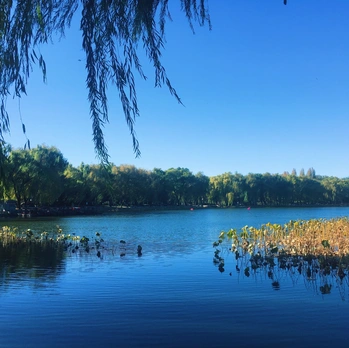
Taking the early C2017 train from Beijing South, I arrived in Tianjin in just 39 minutes. The city's Italian-style district (意式风情区) is a photographer's dream, with cobblestone streets and European-style buildings painted in warm autumn tones. The Tianjin autumn travel experience is distinct from Beijing—more laid-back, with a European flair.
Afternoon: Five Great Avenues and Nanshi Food Street
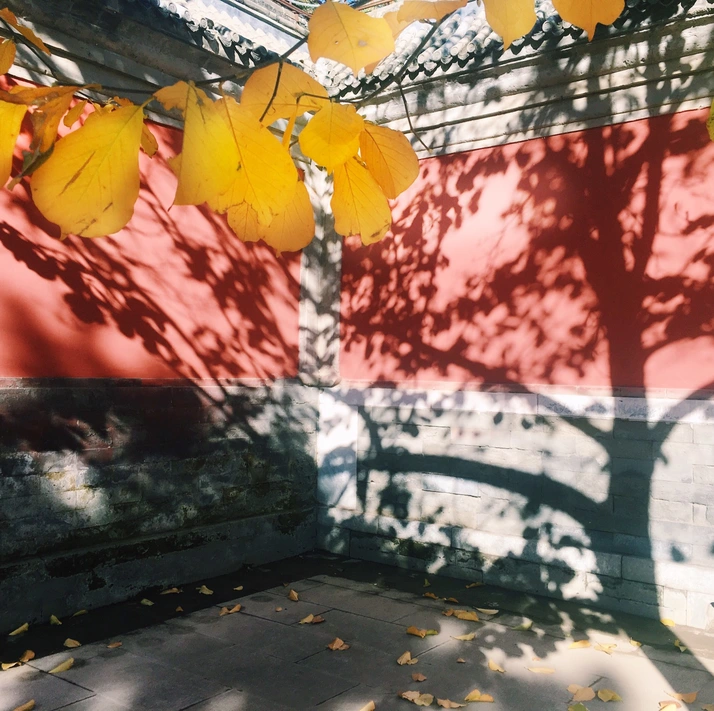
The Five Great Avenues (五大道) area is best explored by bicycle or rickshaw. The ginkgo-lined Maochang Road is particularly stunning in late October. For lunch, head to Nanshi Food Street (南市食品街) for Tianjin's famous goubuli (狗不理) steamed buns and jianbing guozi (煎饼果子).
[Link: Tianjin day trip itinerary]
Day 5: Beijing Hutong Walks and Autumn Photography Spots
Morning: Shichahai and Yandai Xiejie
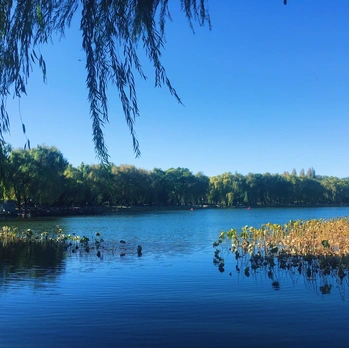
Spend your morning wandering around Shichahai (什刹海), where willow trees frame the lakeside. The nearby Yandai Xiejie (烟袋斜街) is a narrow hutong lined with shops selling antiques, snacks, and souvenirs. The Beijing ginkgo leaf season peaks in late October, making this area perfect for photography.
Afternoon: Tsinghua University and Peking University
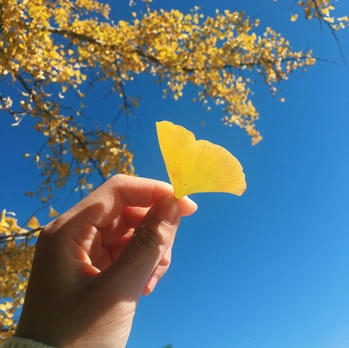
Both universities open their campuses to the public during autumn. Tsinghua's ginkgo avenue and Peking University's Weiming Lake are iconic spots for leaf peeping.
[Link: Beijing hutong walking tours]
Day 6: Departure—Last-Minute Souvenirs and Reflections
Before catching the G1 high-speed train back to Shanghai, I stopped at a local market for dried persimmons and Beijing-style pastries. The autumn light, the red walls, the golden leaves—this trip was a dialogue with time itself.
FAQ: October in Beijing and Tianjin
1. What is the best time to see ginkgo leaves in Beijing and Tianjin?
The Beijing ginkgo season typically peaks from mid-October to early November. For Tianjin, the same period applies, with the Five Great Avenues and Italian-style district offering excellent photo opportunities.
2. How many days do I need for Beijing and Tianjin in autumn?
A 6-day Beijing Tianjin itinerary is ideal. Spend 4 days in Beijing and 2 days in Tianjin (including a day trip). This allows you to cover major attractions without rushing.
3. What should I pack for an October trip to Beijing and Tianjin?
Pack layers. Daytime temperatures range from 10°C to 20°C (50°F to 68°F), but evenings can drop to 5°C (41°F). Bring a warm coat, scarf, gloves, and comfortable walking shoes. Don't forget a camera for the autumn foliage photography.
4. Is it easy to travel between Beijing and Tianjin by high-speed rail?
Yes. The Beijing to Tianjin high-speed train runs frequently, with a travel time of about 30–40 minutes. Tickets cost around 54.5 yuan one way. No advance booking is required, but it's recommended during peak tourist season.
5. What are the must-try foods in Beijing and Tianjin?
In Beijing, try Peking duck (at Si Ji Min Fu or Ju Qi), instant-boiled mutton (Nanmen Instant-Boiled Mutton), and fire-braised offal stew. In Tianjin, sample goubuli steamed buns, jianbing guozi, and ear-hole fried cakes (耳朵眼炸糕).
Final Thoughts: Your Autumn Journey Awaits
October in Beijing and Tianjin is more than a vacation—it's an encounter with history, nature, and culinary delight. From the golden ginkgo leaves carpeting the streets of Yuanmingyuan to the red walls of the Forbidden City bathed in autumn light, every moment is a photograph waiting to be taken.
Ready to plan your trip? Book your high-speed rail tickets early, reserve your Forbidden City tickets online, and pack your warmest layers. The autumn leaves won't wait forever—but this guide will help you make the most of every golden moment.
[Link: Book Beijing hotels] [Link: Book Tianjin hotels] [Link: China high-speed rail booking]
Share this guide with a friend who loves autumn travel. Have questions? Drop a comment below!
You should also read:
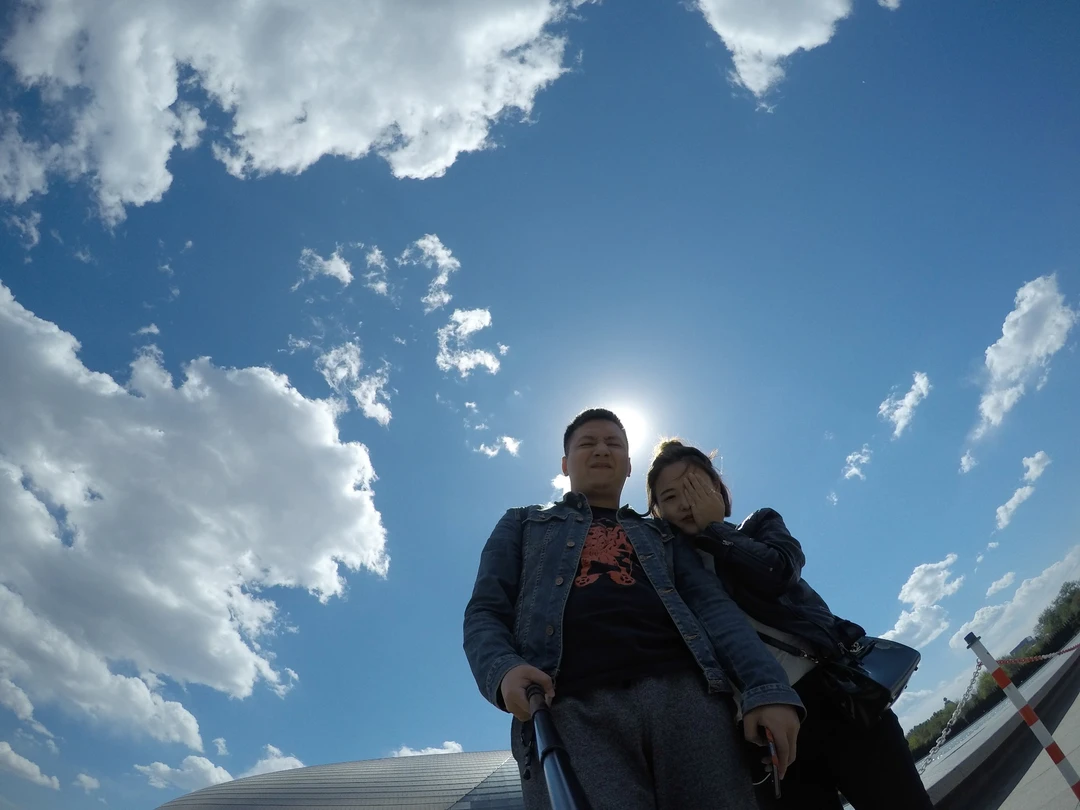
Beijing Travel Guide: An Ancient Capital's New Face – A Five-Day Wandering Chronicle
Meta Description: Explore Beijing's modern transformation in this SEO-optimized travel guide. From Sanlitun nights to hidden hutong gems, discover the ancient capital's new face in five unforgettable days. Perfect for first-time visitors and returning travelers. When I first visited Beijing as a kid on a…
Continue reading...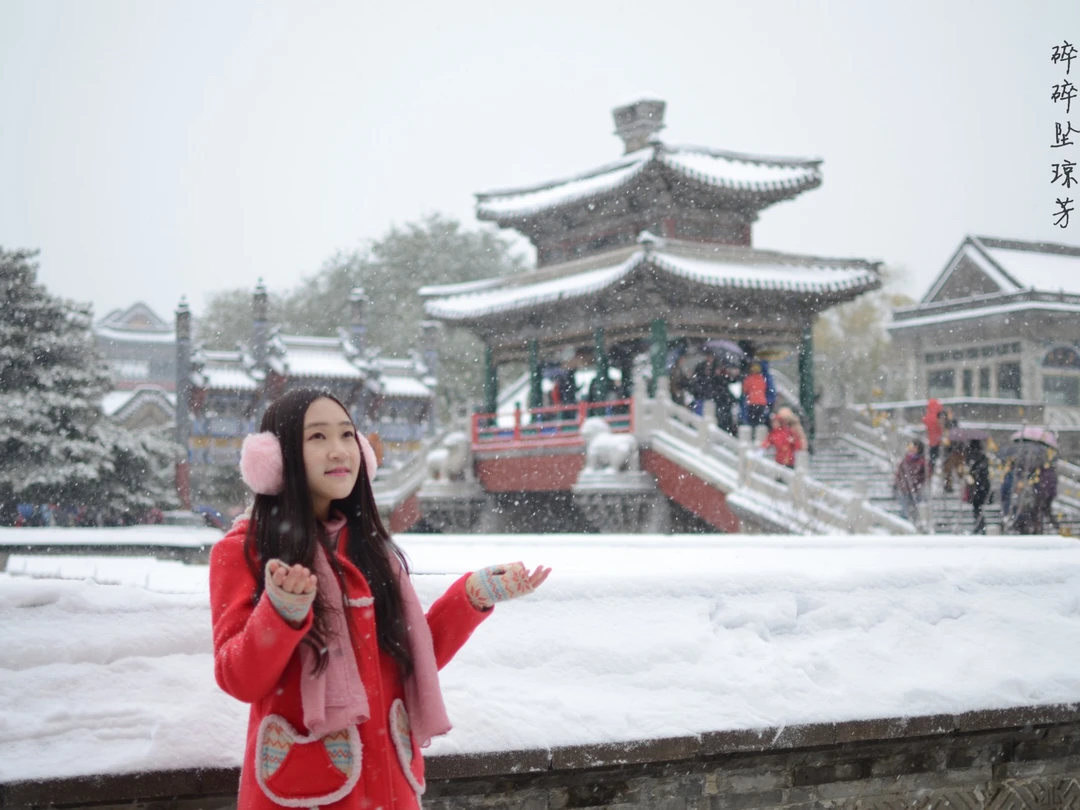
White Snow Adorning Crimson Walls: A Winter Guide to Beijing's Summer Palace
Meta Description: Discover the magic of Beijing's Summer Palace in snow. Our guide explores crimson walls, jade-like snowflakes, and winter photography tips. Plan your snowy visit today. On November 22, 2015, the solar term "Minor Snow" arrived precisely on schedule. That day, the ancient capital…
Continue reading...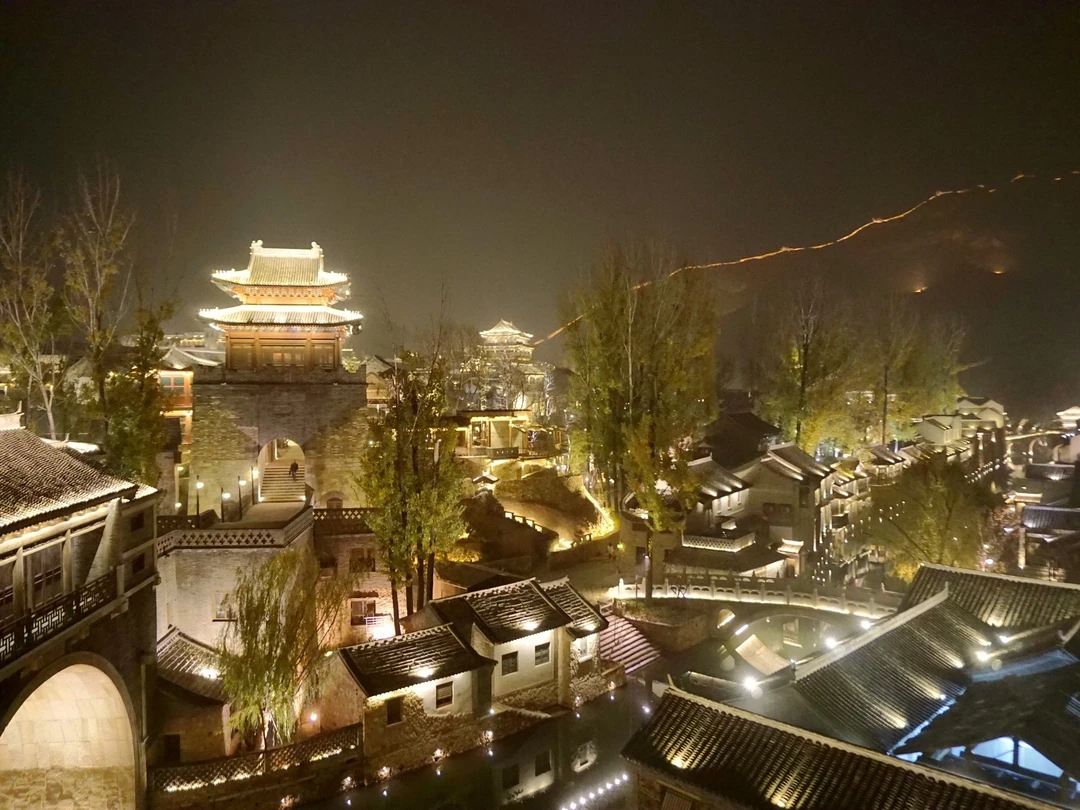
A Jiangnan Dream on Beijing's Outskirts: The Ultimate Gubei Water Town Travel Guide (November 2015)
Meta Description: Discover Gubei Water Town, Beijing's Jiangnan-inspired getaway at the foot of Simatai Great Wall. Read this detailed November 2015 travelogue with costs, tips, and must-see spots. The world is vast, yet life is fleeting. Sometimes, all it takes is a weekend—a spontaneous short…
Continue reading...