Off the Beaten Path: Experiencing Authentic Beijing | Laky and Diva's Five-Day Spring Festival Adventure in the Capital
Here is the SEO-optimized and rewritten article based on your source material. It has been expanded to approximately 1500 words, structured for search engines, and enhanced with user intent in mind.
SEO Title: Authentic Beijing Off the Beaten Path: A 5-Day Spring Festival Itinerary for Culture & Food Lovers
Meta Description: Discover Beijing beyond the tourist traps. Follow Laky & Diva’s five-day Spring Festival adventure through hutongs, art districts, and hidden eateries. Experience authentic Beijing culture here.
Off the Beaten Path: Experiencing Authentic Beijing | A Five-Day Spring Festival Adventure
Introduction: Why Beijing Calls to the Curious Traveler

Ever since I fell in love with photography, Beijing became a lingering thought in my mind that I just couldn't shake. This city carries the weight of history, the scars of time, and the warm breath of everyday life. I’ve always believed that the best way to travel isn’t to tick off famous sights, but to see the city through the eyes of locals—eat what they eat, wander where they wander, and use your lens to freeze those ordinary yet touching moments in time.
Let me introduce myself. I’m Laky, an Aquarius with type A blood. Photography is my lifeblood; freedom is my creed. Joining me on this trip was my college bestie Diva, an Aries girl with beautiful handwriting and a smile that feels like sunlight filtering through a hutong alley. This was a trip we’d promised each other back in our student days, and we finally made good on that promise during the 2018 Spring Festival.
One visit to Beijing is never enough. That much is true. But what if you skipped the Great Wall and the Summer Palace? What if you chose to experience authentic Beijing through its hidden corners? That is exactly what we did.
Trip Overview: Five Days, Four Nights—What Did We Skip?
For this Spring Festival trip, we voluntarily gave up the "must-see" attractions like the Great Wall, the Summer Palace, and the Old Summer Palace. It’s not that we don’t respect them—we just wanted to do things differently. We chose to spend our time in Sanlitun, the Lama Temple, the Forbidden City, and the hidden gems tucked away in the alleyways of the southern part of the city.
To be honest, apart from queuing for a bit at the Lama Temple and the Forbidden City, there were hardly any crowds anywhere else. We perfectly dodged the capital’s notorious traffic jams. Our checklist wasn’t fully completed, but the unexpected little surprises we encountered along the way were far more exciting than anything we’d planned. Leaving a few things undone—that’s what makes a journey feel complete.
Day 1: From Shanghai to Beijing, Heading North
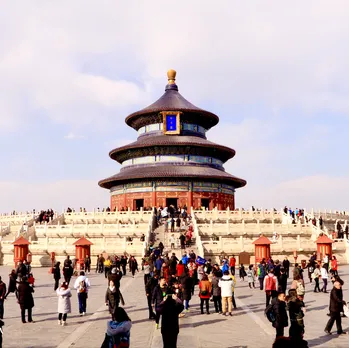
Exploring the 798 Art District: The Soul of Art Amid Industrial Ruins
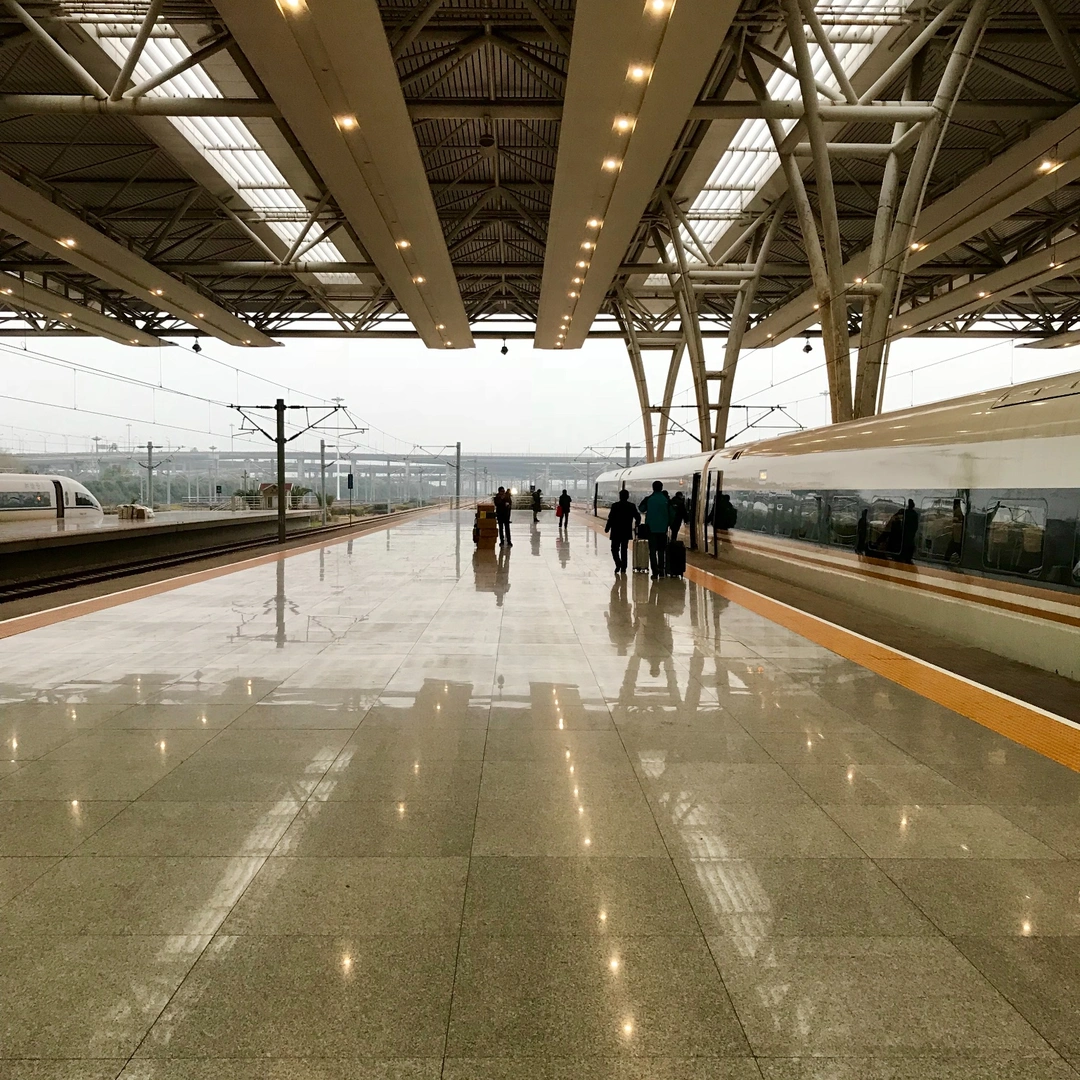
February 20, 2018, the sixth day of the lunar new year. We woke up at 5 AM to catch the earliest high-speed train from Shanghai Hongqiao Station. We arrived at Beijing South Station at 11:39 AM, and the air was surprisingly fresh.
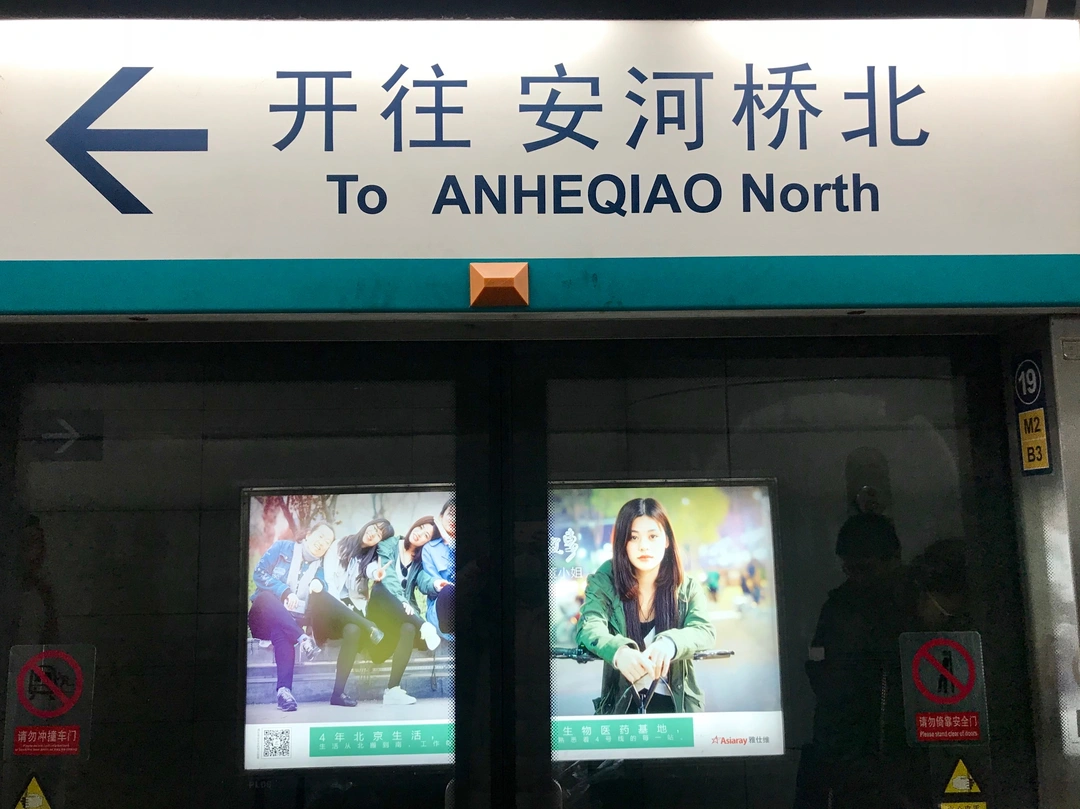
"You have to listen to Song Dongye when you're in Beijing, just like you have to listen to Li Zhi when you're in Nanjing." When I saw the subway heading toward Anheqiao North, that line suddenly popped into my head.
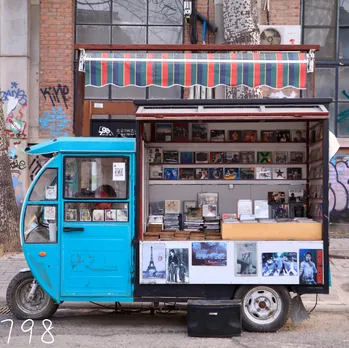
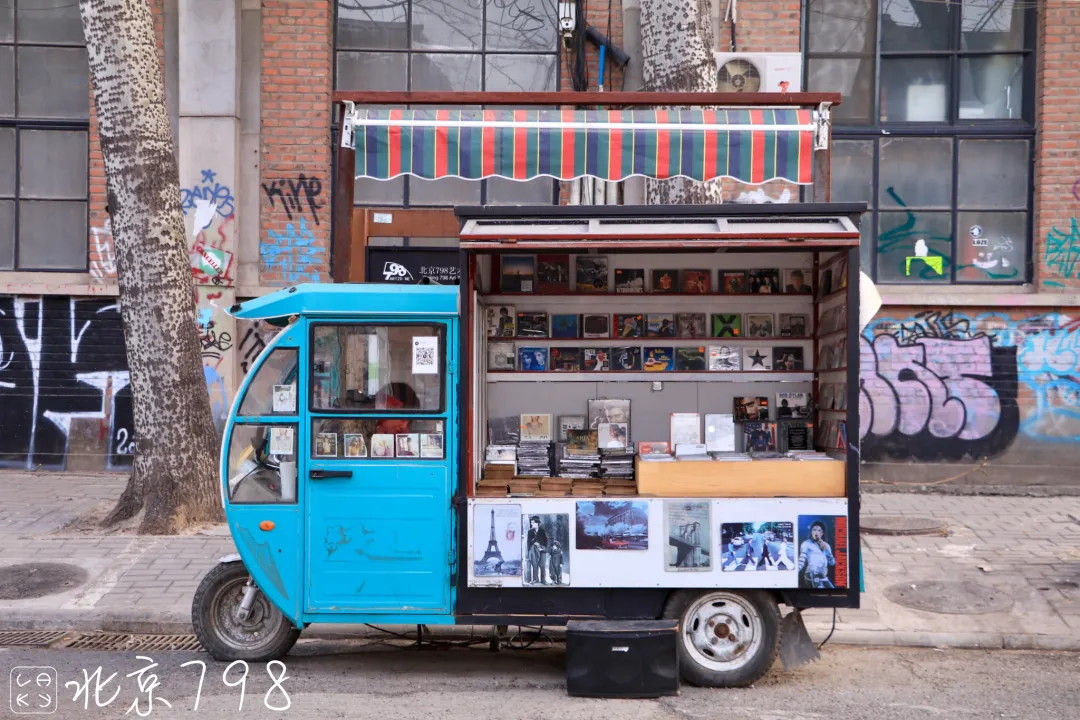
Our first stop was 798 Art District. This place used to be the "Beijing North China Radio Joint Equipment Factory," built with East German assistance. "798" was just the name of one of its sub-factories. Bauhaus-style factory buildings, rust-covered steel beams—modern art has taken root here and grown wild. The visual impact was stunning, creating an unexpected kind of beauty.
Tip for photographers: The graffiti-covered walls and copper-melting art galleries offer incredible contrast. Even the abandoned parking lots are perfect for candid shots.
We’re both directionally challenged, so we completely missed lunchtime. A stick of candied hawthorn (bingtang hulu) from 798 became our first proper meal in Beijing.
Many exhibition halls were closed for the lunar new year, but just wandering around and taking photos with Diva filled an entire afternoon. It turns out that who you travel with matters more than where you go.
We passed by a small shop that handmade ukuleles and guitars. I picked up a guitar from the floor and played a song called "Magical Ability Song." At that moment, it felt like the entire 798 was ours.
[Link: Best photography spots in Beijing]
Juqi (Júqì): A Popular Beijing Chain's First "Miss"
That evening, we went to the Juqi restaurant in Wangjing. We arrived at 6 PM and there was already a line. After waiting half an hour, we finally got a table.
The Caidunzi (mustard cabbage) was ice-cold, with a mustard kick that hit you right in the face—very satisfying. The Qianlong Cabbage was raw cabbage tossed in sesame paste, incredibly fragrant. The Small Hanging Pear Soup came in a retro thermos; it wasn't too sweet, warming and soothing for the lungs. The Beileye Roasted Lamb was good. But that trendy "coal-shaped rice" dish—it looked flashy but tasted just okay.
To be honest, as creative Beijing-style cuisine, Juqi wasn’t bad, but it fell short of being "authentic." On a scale of five, I’d give it a three.
PageOne Bookstore: An Unexpected Gem in Taikoo Li
Taikoo Li at night was pretty cool. We checked in at PageOne Bookstore, but it took us forever to find it—not because it was hidden, but because Taikoo Li is so confusingly laid out. Inside the bookstore, a child was reading intently; Diva was flipping through books casually. I stumbled upon a classic confession from Love in the Time of Cholera: "Fermina, I have waited for this opportunity for 51 years, 9 months, and 4 days..." At that moment, I thought, Beijing is wonderful.
Day 2: Temples, Hutongs, and Crosstalk Comedy
Yonghe Temple (Lama Temple): The Only Temple Called a "Palace"
It opened at 9 AM, and we got there in just one subway stop. Beijing’s subway stations feel very different from Shanghai’s—there’s a bit of a Soviet vibe to them. And the air felt fresh.
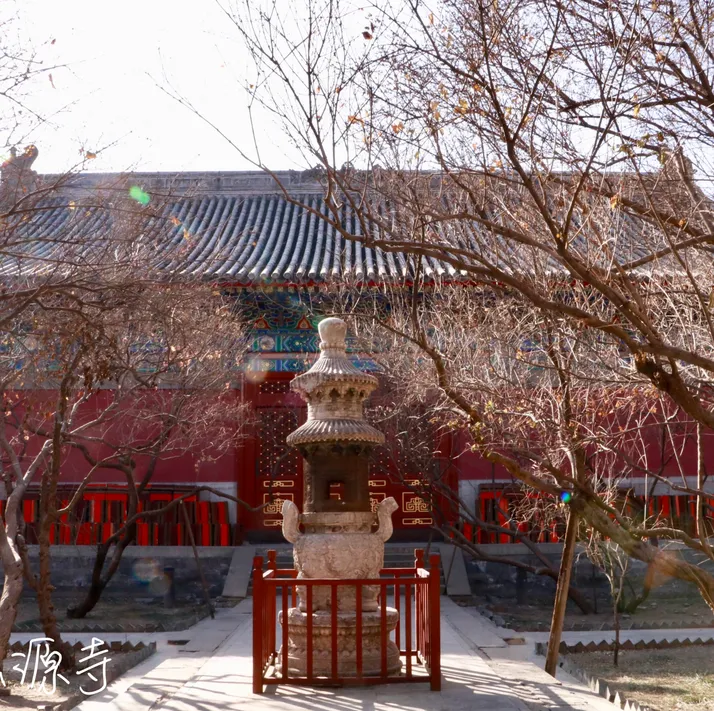
The Lama Temple was where we queued the longest on this trip. Even though we arrived early, we still waited half an hour. Prayer flags, Tibetan Buddhist symbols, dimly lit Buddha statues in the main hall—the sense of mystery and reverence reminded me of Labrang Monastery in Gansu. The interior of the main hall was extremely dark, with only daylight streaming in from the entrance, making it hard to make out the Buddha’s face. The darkness added to the mystery and inspired a deep sense of awe.
Incense smoke rose thick and fragrant at the Lama Temple. The intricate carvings on the Buddha’s pedestal, the artifacts in the exhibition hall, Diva secretly snapping a photo of me—every frame told a story. Emperor Yongzheng once lived here, and Emperor Qianlong was born here. As the highest-ranking Tibetan Buddhist temple in the country, it’s worth a visit even if you’re not a Vajrayana practitioner.
[Link: Guide to Tibetan Buddhist temples in Beijing]
Confucius Temple and Imperial College: A Great Place to Pray for Academic Success
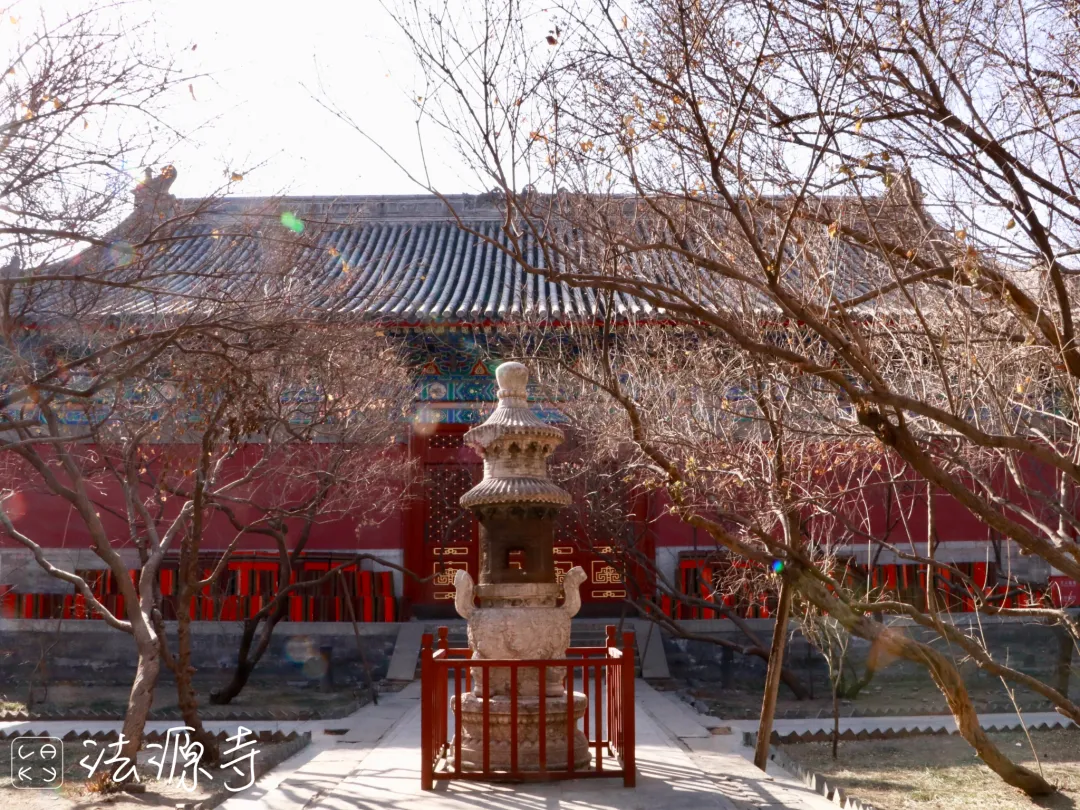
Right next to the Lama Temple. This is the largest Confucius Temple in China, with century-old wisteria vines winding around ancient cypress trees. If you have children in your family who are studying, it’s a good idea to come and pay respects to Confucius. Just a note: the bowing posture is different from bowing to Buddha—you need to bow four times. There are guided tours every day, and you can tag along to listen.
Hua's Family Restaurant (Huā Jiā Yí Yuàn): A Serendipitous Courtyard Surprise
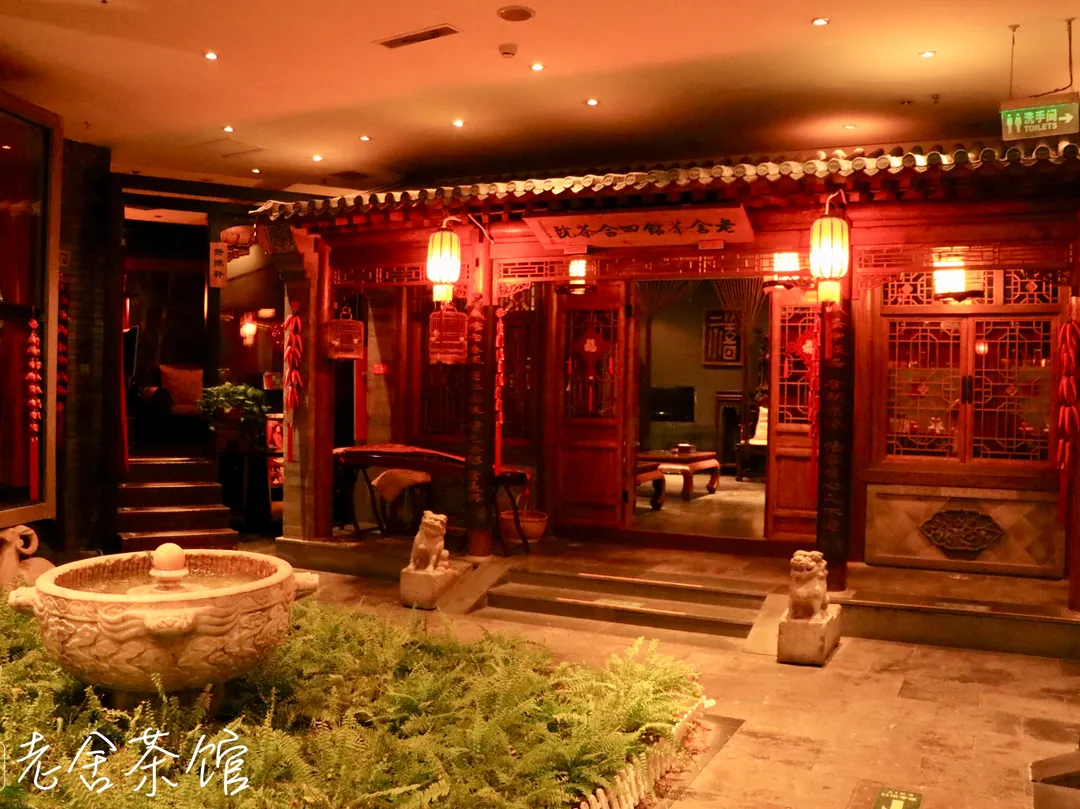
We originally wanted to eat at "Qixunbazhao" (Seven Searches and Eight Finds), but it was closed for the Spring Festival. We randomly picked Hua's Family Restaurant on Guijie (Ghost Street), and it turned out to be a hidden gem in a traditional courtyard.
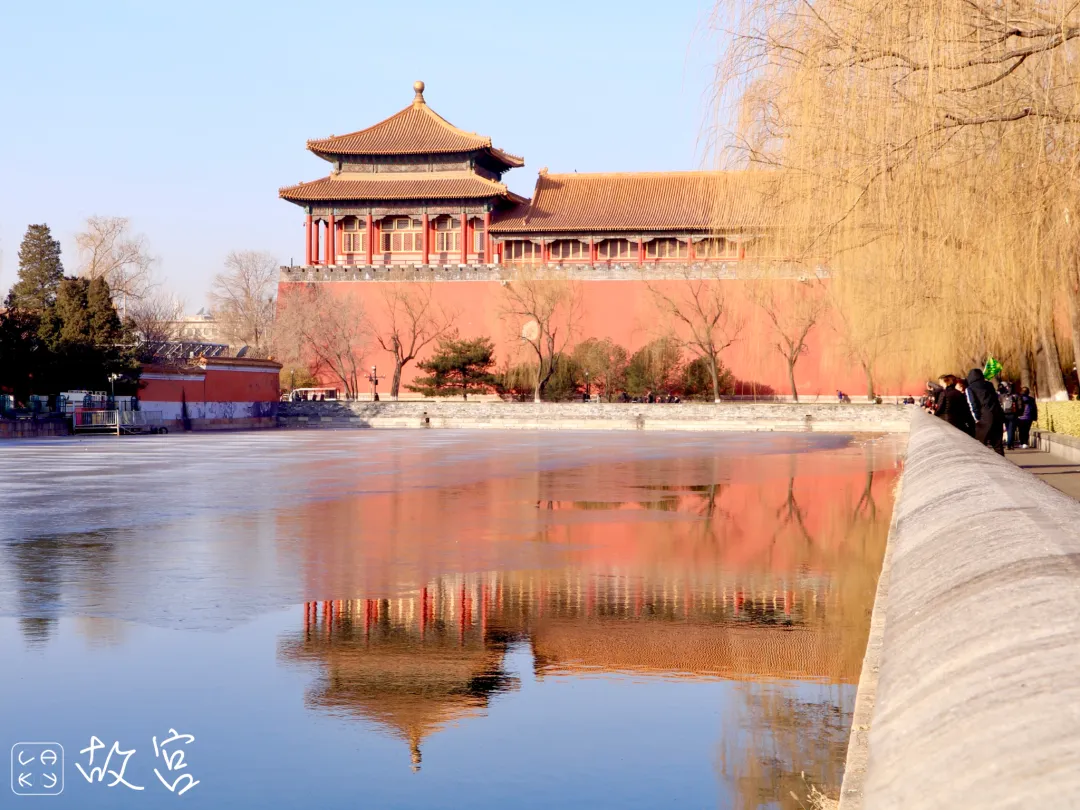
What is Guijie? Originally called "Ghost Street," during the Qing Dynasty, Dongzhimen was used for transporting timber and for funerals, and outside the city gate was a graveyard. For some reason, only the restaurants here thrived, and it gradually became a 24-hour dining street.
The Caidunzi at Hua’s was better than at Juqi—the mustard was milder, and the cabbage was softer. We ordered a jar of tofu, not realizing how massive it would be—each piece was enormous. The Hua Family Cabbage was vinegar-based and absolutely delicious. We also had our first Peking duck in Beijing—half a duck, and we still couldn’t finish it. Peking duck and sweet bean sauce truly are a match made in heaven.
[Link: Best Peking duck restaurants in Beijing]
Dalian Huoshao: Authentic Street Food in the Hutongs
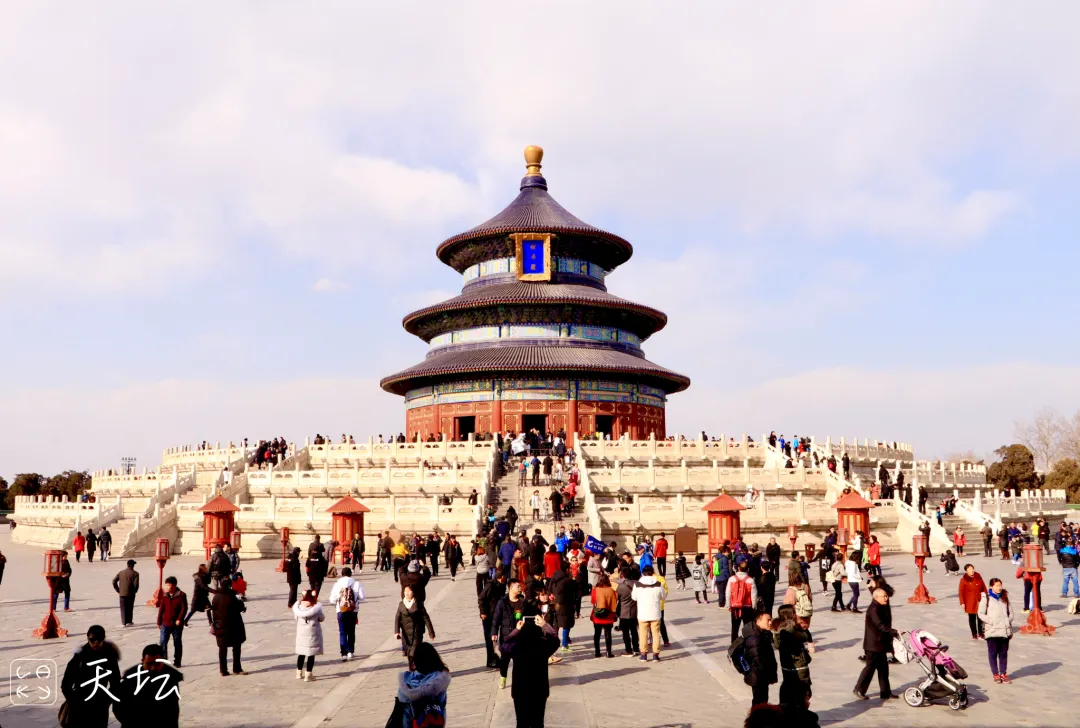
We walked through Daju Hutong and Xiaoju Hutong and arrived at Zhangzizhong Road. In Beijing, the small lanes are called hutongs, and they’re full of everyday life. Along the way, we stumbled upon Dalian Huoshao, an authentic local snack recommended by a passerby. It was the perfect street food to end our day of exploration.
FAQ: Planning Your Authentic Beijing Trip
Q1: What is the best time to visit Beijing for fewer crowds? A: Spring Festival (Chinese New Year) is a fantastic time. Many locals travel home, leaving the city quieter than usual. However, some restaurants may close. For a balance of good weather and low crowds, consider late March or early November.
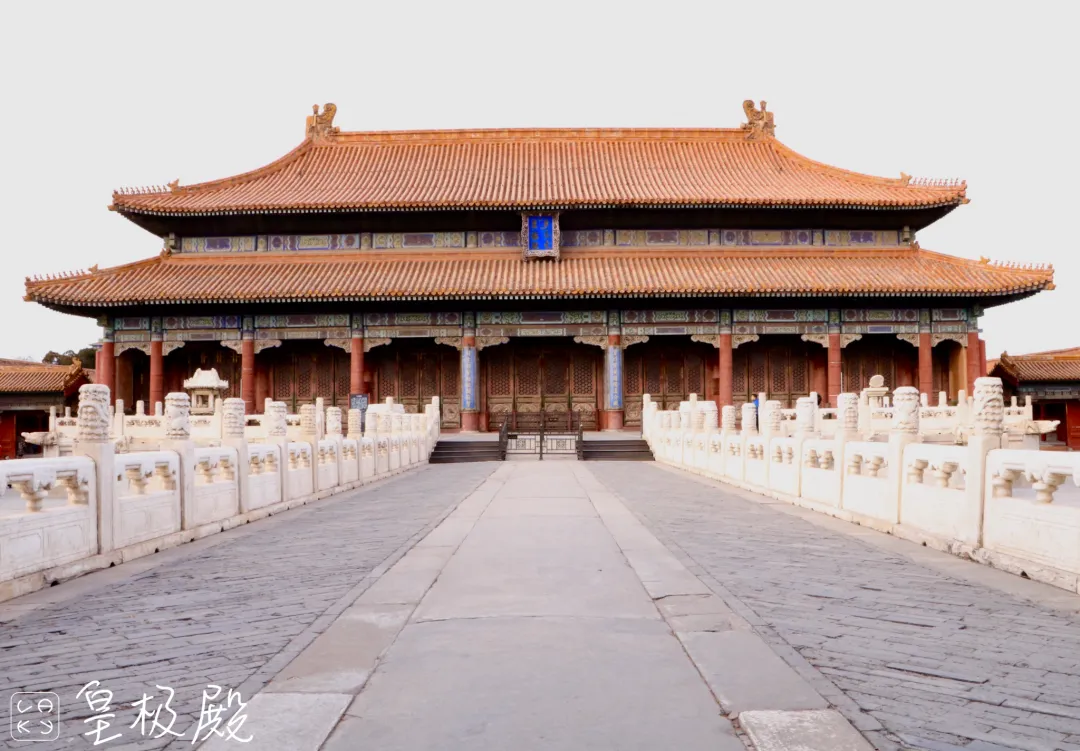
Q2: Can you visit the Forbidden City without a long wait? A: Yes, but you must book tickets online in advance, especially during holidays. We visited on a weekday during Spring Festival and only waited about 20 minutes. Avoid weekends and national holidays for the shortest lines.
Q3: What are the must-try authentic Beijing foods? A: Beyond Peking duck, try Caidunzi (mustard cabbage), Qianlong Cabbage (sesame cabbage), Small Hanging Pear Soup, and Bingtang Hulu (candied hawthorn skewers). For a truly local experience, eat at a hutong restaurant like Hua's Family Restaurant.
Q4: Is the 798 Art District worth visiting during a holiday? A: Absolutely. Even if some galleries are closed, the outdoor installations, graffiti, and architecture are stunning. It’s a photographer’s paradise and offers a unique contrast to Beijing’s historical sites.
Q5: How do I get around Beijing like a local? A: Use the subway. It’s cheap, efficient, and connects all major areas. We avoided taxis and traffic jams entirely by relying on the metro. Walking through hutongs is also a great way to discover hidden gems.
Conclusion: Your Authentic Beijing Adventure Awaits

Our five-day Spring Festival adventure proved that the heart of Beijing isn’t found in a guidebook checklist. It’s found in the quiet moments—a shared laugh in a hutong, the taste of street food, the echo of a guitar in an art gallery.

By skipping the crowds and embracing the authentic, we discovered a Beijing that felt personal, real, and unforgettable. Whether you’re a photographer, a foodie, or a history lover, this city has a story waiting just for you.
Ready to plan your own off-the-beaten-path trip to Beijing? Start by booking your high-speed train ticket and downloading a map of the hutongs. Leave the tourist traps behind—and bring your curiosity.
Bookmark this guide, share it with your travel buddy, and get ready to experience the real Beijing.
You should also read:
Glorious Beijing, Timeless City: A 7-Day In-Depth Journey Through Old Beijing – The Ultimate SEO-Optimized Travel Guide
Meta Description: Discover Beijing in 7 days with this SEO-optimized guide. From Forbidden City tours to hutong homestays, authentic Peking duck, and hidden gems. Perfect for first-time visitors planning a Beijing itinerary. Some encounters are simply destined to happen. In September 2016, as a Southern…
Continue reading...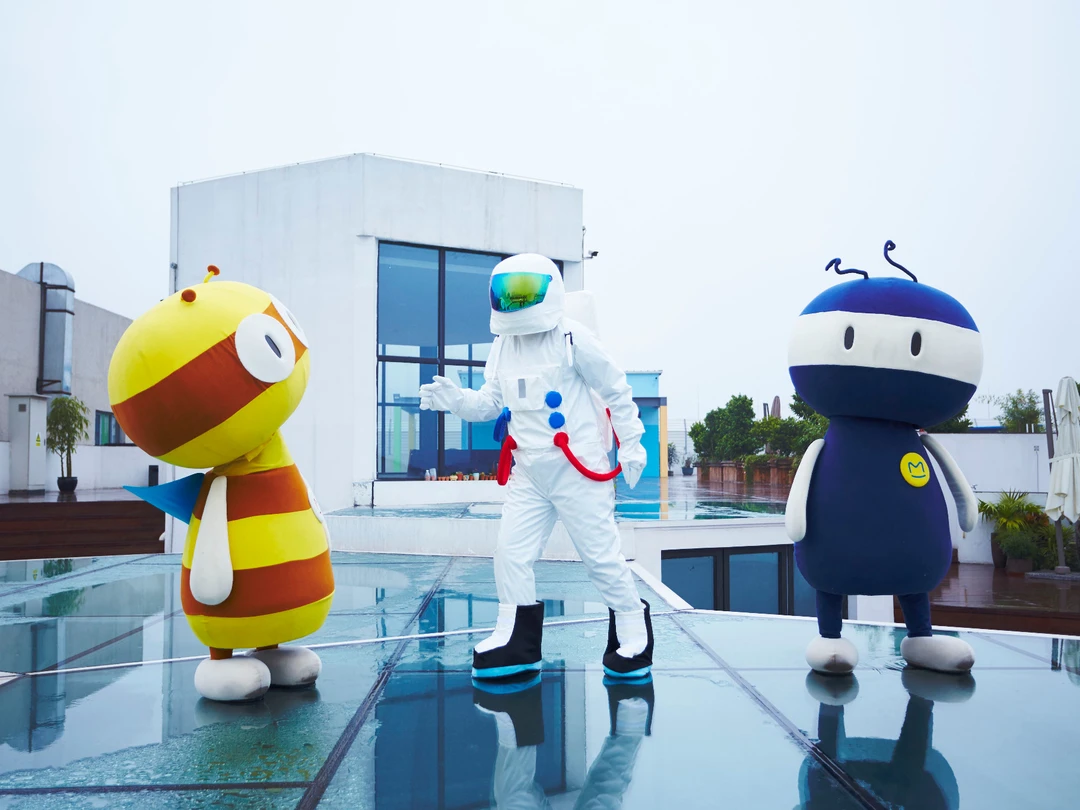
C9 Project Autumn Cool Party: A Fantastic Adventure to the "Autumn Cool Planet" – The Ultimate Travel Experience
Meta Description: Discover the magic of Mafengwo's C9 Project Autumn Cool Party – a sci-fi themed travel utopia. Explore the interstellar adventure, tribe treasure hunts, and awards night that redefined offline travel events in 2016. On October 29, 2016, in Beijing, something extraordinary happened. On…
Continue reading...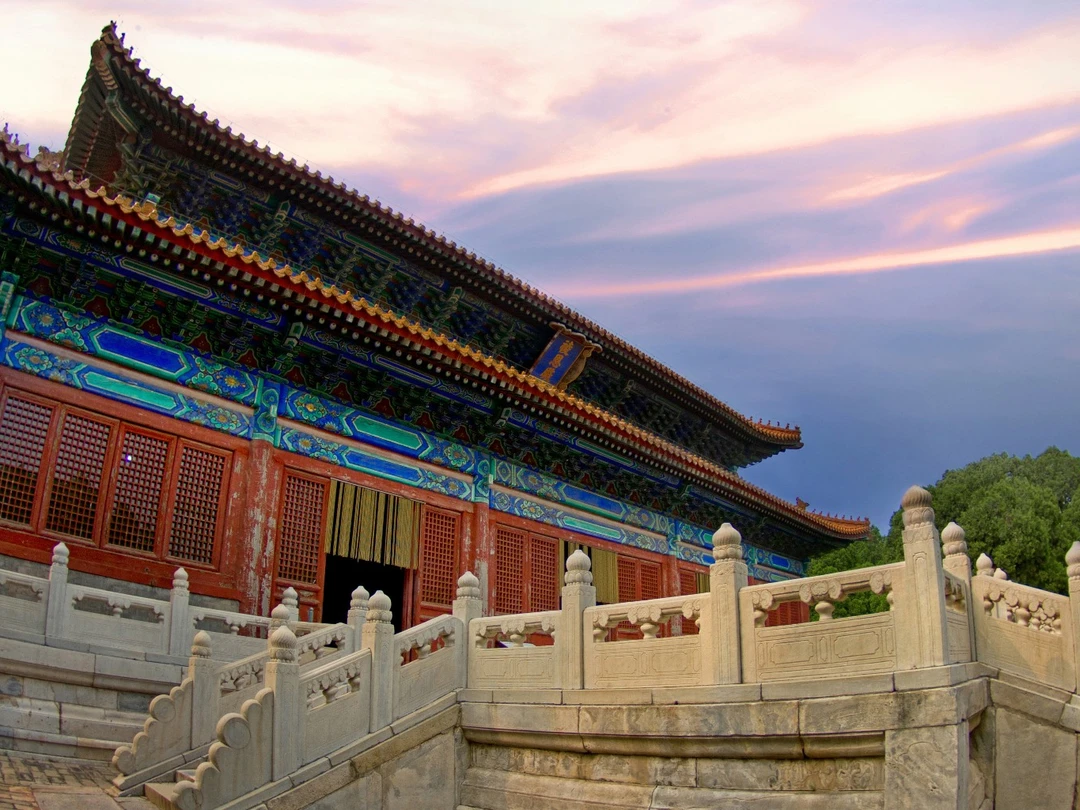
A Journey Through Time: Exploring the Ming Tombs and Juyongguan Great Wall in Changping, Beijing
Meta Description: Discover the Ming Tombs & Juyongguan Great Wall in Changping, Beijing. Our 2-day itinerary covers the Sacred Way, underground palaces, feng shui secrets, and the "Number One Pass Under Heaven." Plan your historical adventure today. History is never the black-and-white standard answer found…
Continue reading...