Rediscovering Beijing in Seven Days: The Ultimate 2025 Guide to Museum, University, and Restaurant Reservations
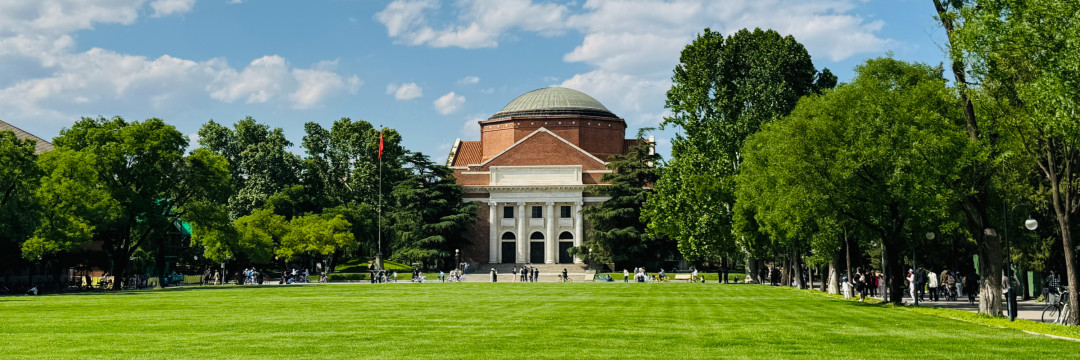
Meta Description: Planning a Beijing trip in 2025? From National Museum ticket-snatching strategies to metro hacks and hidden restaurant gems, this 7-day deep immersion guide covers everything you need to know about reservations, transport, and cultural treasures.
Introduction: Why Beijing Demands a New Kind of Traveler
Fifteen years ago, you could stroll into the Forbidden City without a reservation, touch ancient artifacts in the National Museum, and walk into a roast duck restaurant without queuing. In May 2025, everything had changed. Beijing had transformed into a city of digital reservations, timed entries, and lightning-fast reflexes.
This seven-day revisit with family revealed a capital that felt both familiar and foreign—a city where planning is the new currency, and where the rewards for preparation are unparalleled cultural immersion. From Daxing Airport's efficient airport buses to the National Museum's 17:00 ticket release, every moment required strategy. But the payoff? Rediscovering China's heart in ways that felt deeper, richer, and more meaningful than ever before.
Part One: Pre-Trip Essentials – Transport, Ticketing, and Survival Hacks
1.1 How to Navigate Beijing Like a Local: Metro, Buses, and Shared Bikes
Beijing Metro: Know the Pain Points
Beijing's subway network is extensive—17 lines covering 700+ kilometers. But here's the truth: many stations lack elevators. Steep staircases and long corridors at transfer stations like Dongzhimen or Xizhimen can leave your legs "on strike." My advice? Avoid transfers whenever possible. Direct lines save energy and time.
Surface Buses: The Underrated Gem
Surface buses in Beijing are surprisingly efficient. Outside the Second Ring Road's narrow stretches—east of Tiananmen to Jianguomen, and north-south from Beihai to Qianmen and Chongwenmen—traffic flows smoothly. During peak hours, dedicated bus lanes often move faster than the subway. Plus, sitting on a bus lets Beijing's urban landscape unfold like a scroll—temples, hutongs, and modern skyscrapers passing by in a panoramic sweep.
Shared Bikes: Your Ultimate Short-Distance Weapon
Beijing's bike lanes are wide, well-maintained, and perfect for short connections. Three major players dominate: Didi Qingju (green), Alipay Hellobike (blue), and Meituan (yellow). Green and blue bikes cluster near metro stations. Purchase a 7-day or 10-day unlimited ride pass for maximum value. On my Peking and Tsinghua university day, I rode 18 times—the pass paid for itself by lunchtime.
1.2 Beijing Transit Card: Buying, Using, and Refunding
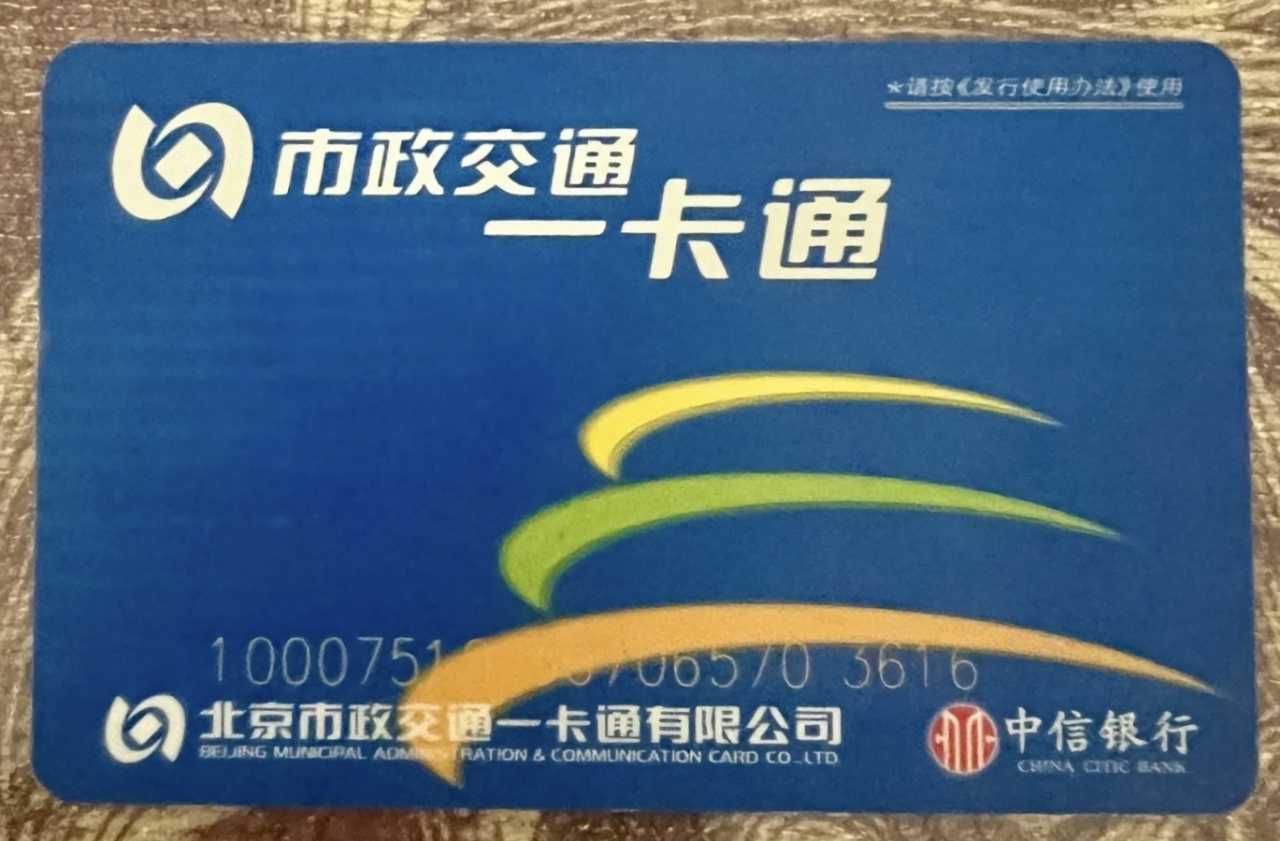
The Beijing transit card (Yikatong) is your money-saving companion:
- Surface buses: 50% discount—basically 1 yuan per ride (2 yuan for trips over 10 km; tap on and off required)
- Metro: Discounted fares based on monthly spending
Two ways to get one:
- Digital card: Download "Beijing Yikatong" app for an electronic card
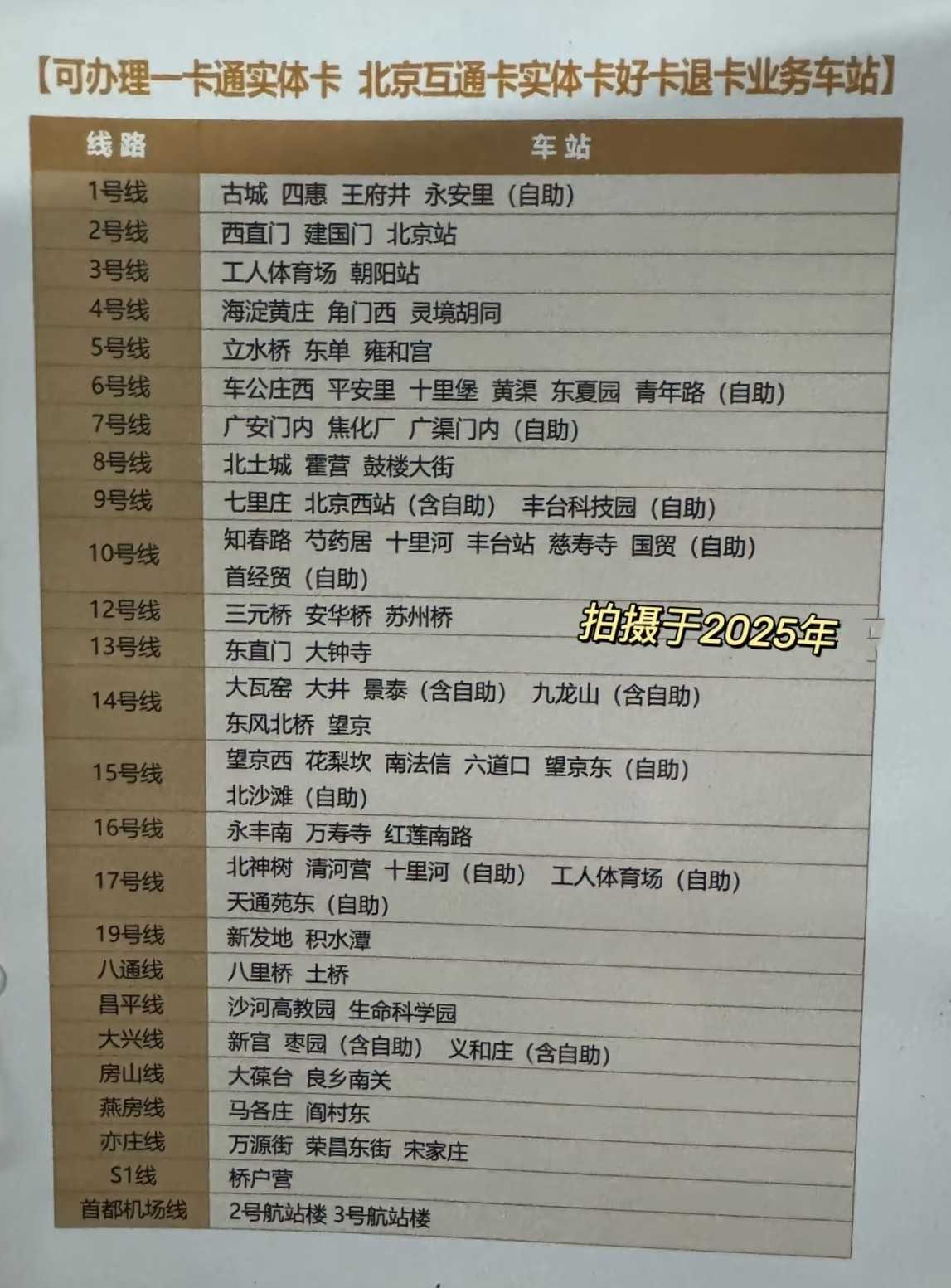
- Physical card: Purchase at metro station self-service machines or ticket windows (20 yuan deposit; special-shaped and commemorative cards cannot be refunded, but balance can be withdrawn)
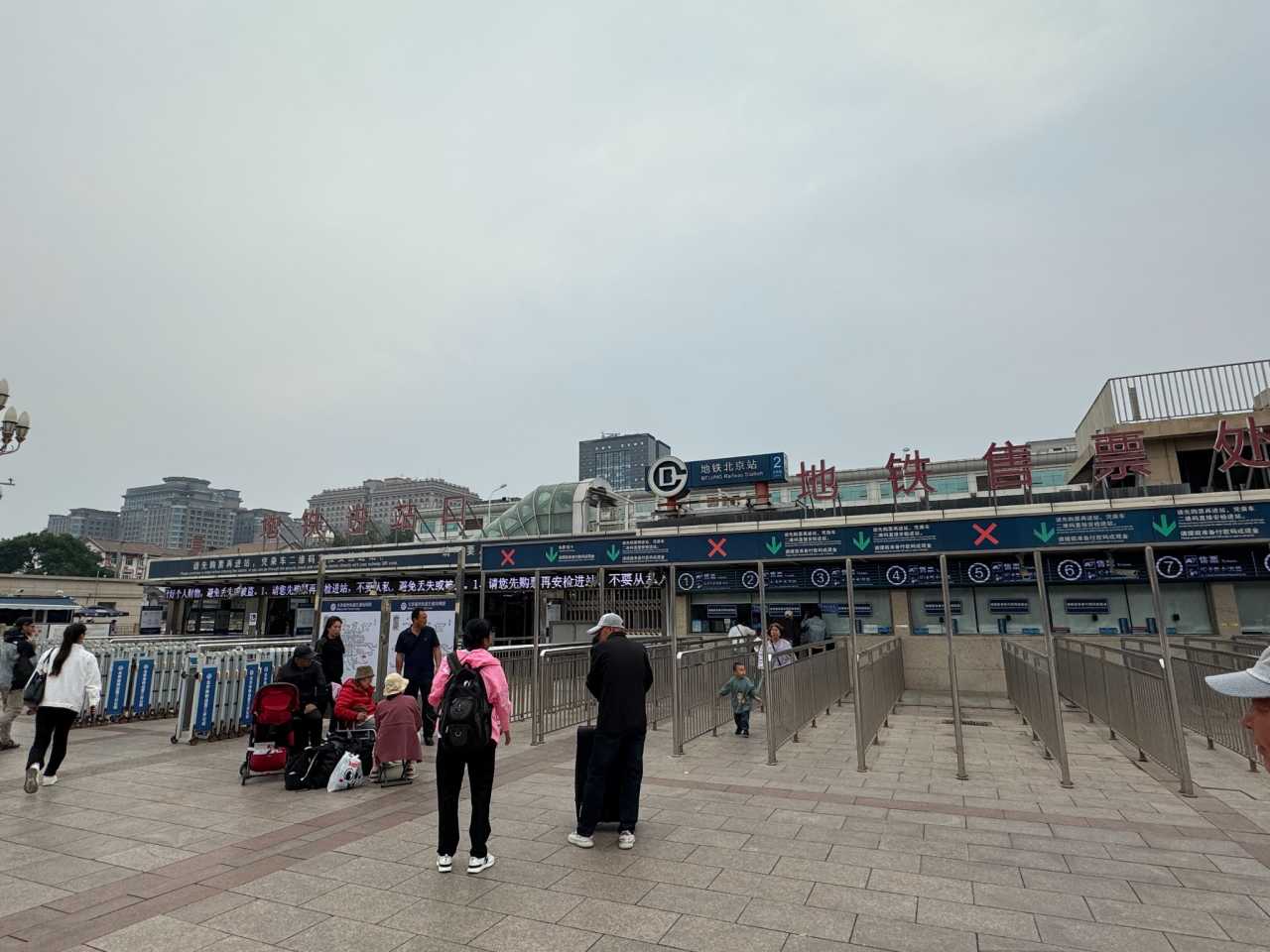
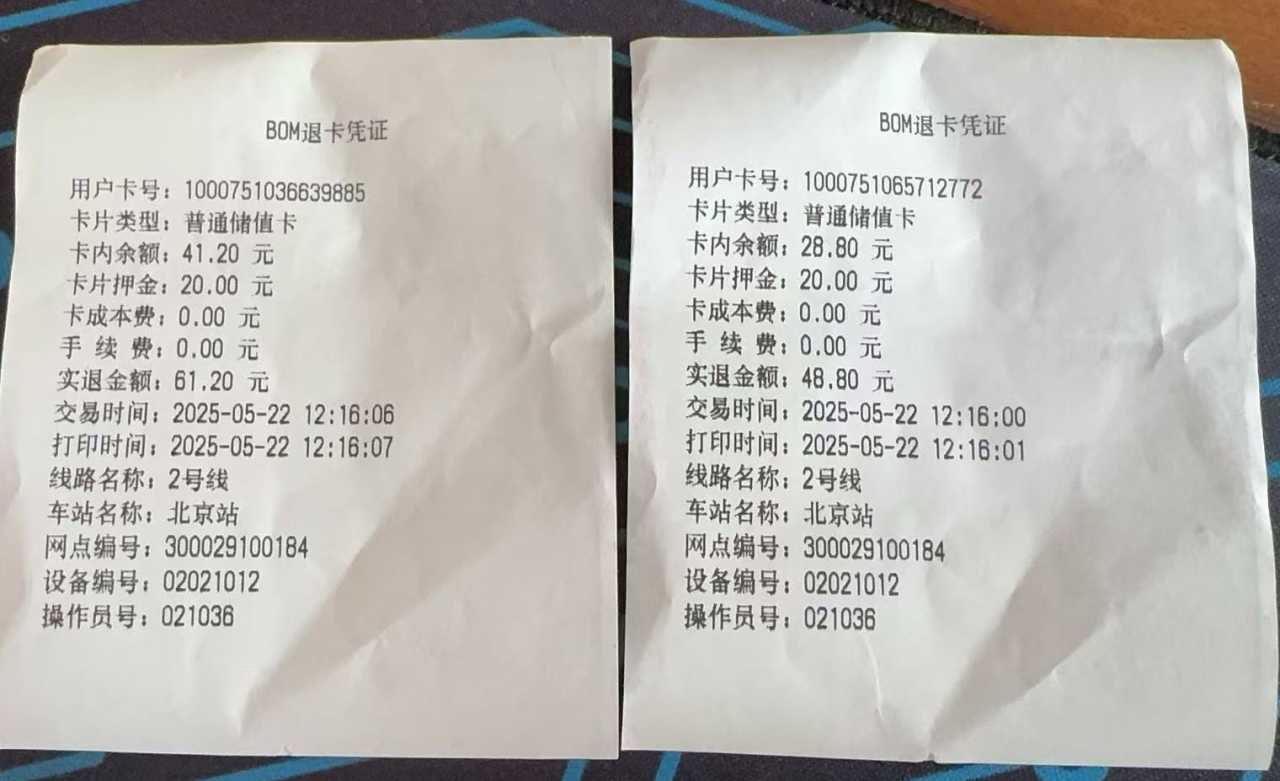
My experience: I used a 10-year-old card that had expired. Any metro station processed the extension. When leaving Beijing, I went to the manual refund window at Beijing Station's metro ticket office—two windows, no queues, 110 yuan cash refund for two cards.
1.3 Daxing Airport Arrival: The Airport Bus Advantage
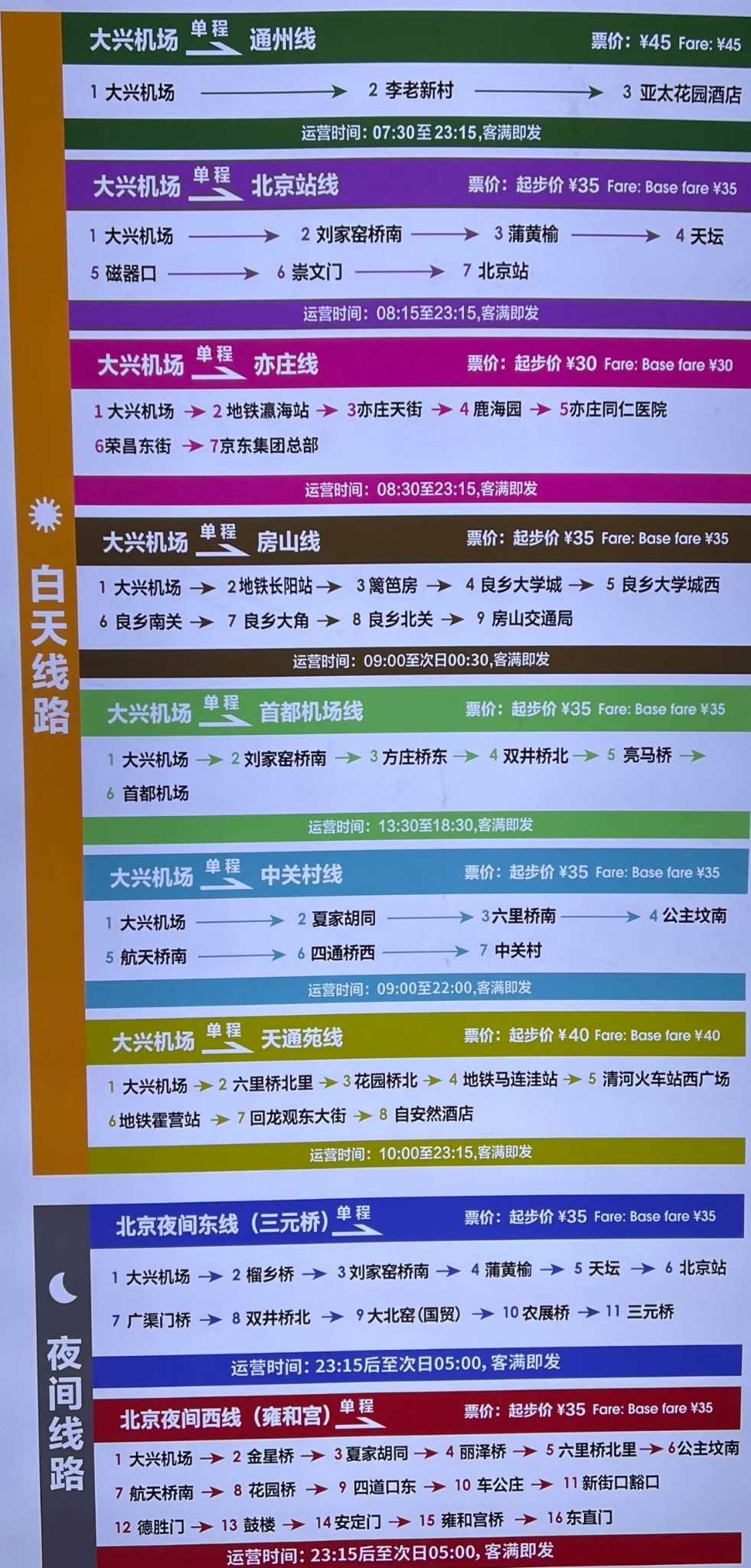
From landing at Daxing Airport to collecting luggage takes about 30-40 minutes. The Daxing Airport–Beijing Station airport bus (one per hour, departing at 15 minutes past the hour) cost only 35 yuan per person to Chongwenmen. The stretch from airport to South Third Ring Road was wide and smooth; traffic only slowed after passing the Temple of Heaven.

My transport strategy summary: Surface buses first, metro second, shared bikes for connections. Total transport cost for 7 days: 30 yuan transit card + 7.5 yuan shared bikes.
[Link: Beijing Airport Transfer Guide]
Part Two: The National Museum of China – A Pilgrimage That Demands Lightning-Fast Reflexes
2.1 National Museum Ticket Reservation: The Golden Window for Success
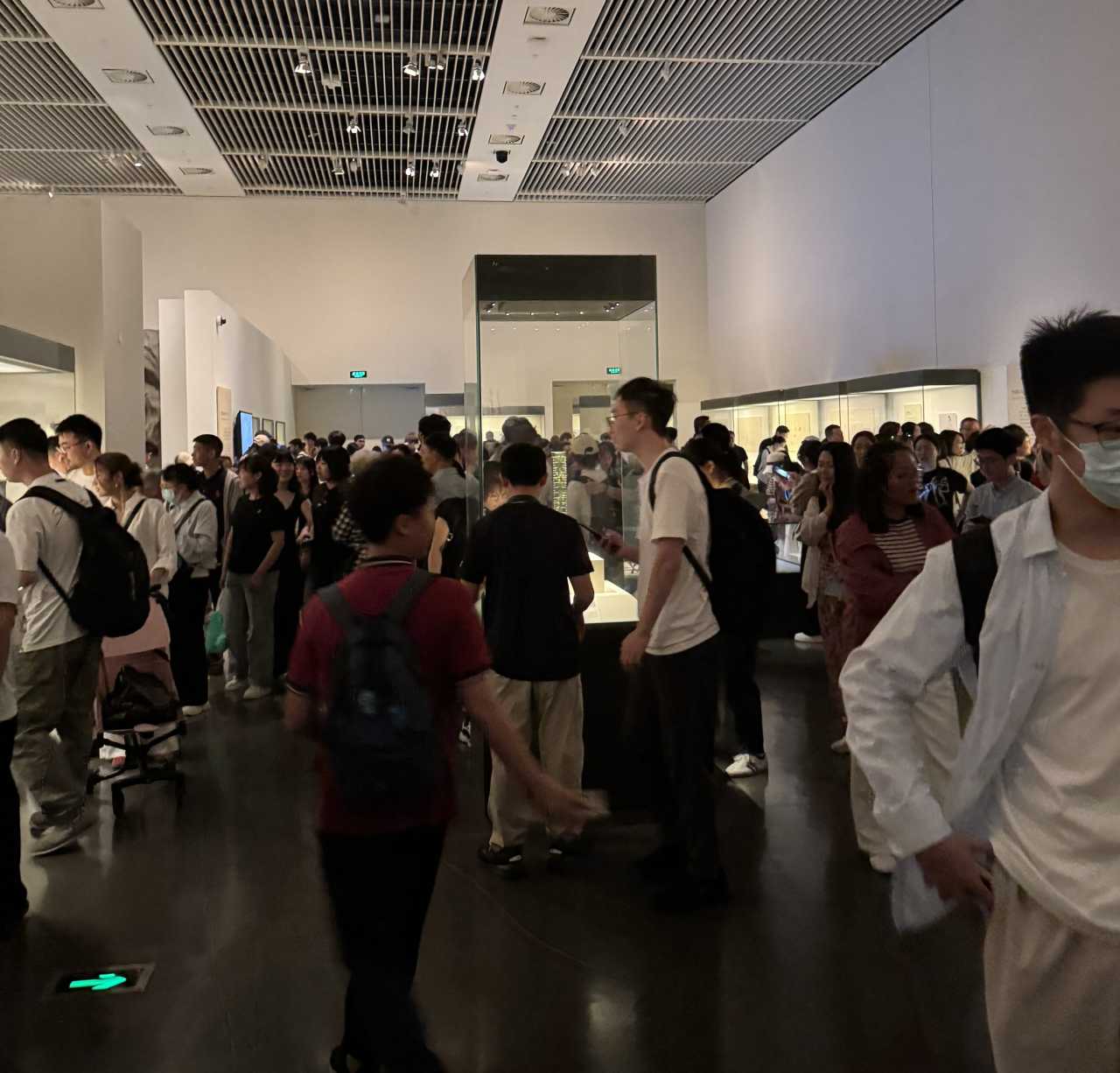
The National Museum is Beijing's hardest attraction to book—bar none. Follow the "National Museum of China" WeChat public account. Tickets release daily at 17:00, exactly 7 days in advance (free). Choose from three time slots: morning (9:00-11:00), midday (11:00-13:30), or afternoon (13:30-16:30).
In mid-to-late May (post-May Day off-season), I logged in at 17:00 exactly 7 days ahead and easily secured the 11:00-13:30 slot. Based on observation, tickets remain available for about 8-10 minutes.
Backup plan: If you can't get a free ticket, purchase a special exhibition ticket (e.g., the Greek Artistic Achievements exhibition, 120 yuan per person), which grants access to all exhibition halls.
2.2 Entry Tips: Avoiding Queue Traps
Entry must be within your reserved time slot. You'll pass through security and a long serpentine queue (reportedly 30-40 minutes). Seniors aged 60+ have a dedicated fast-track lane—just show ID for direct entry. I didn't queue at all.
Entrance location: National Museum's new building on the south side of Chang'an Avenue, opposite the Working People's Cultural Palace (Metro: Tiananmen East Station, Exit C).
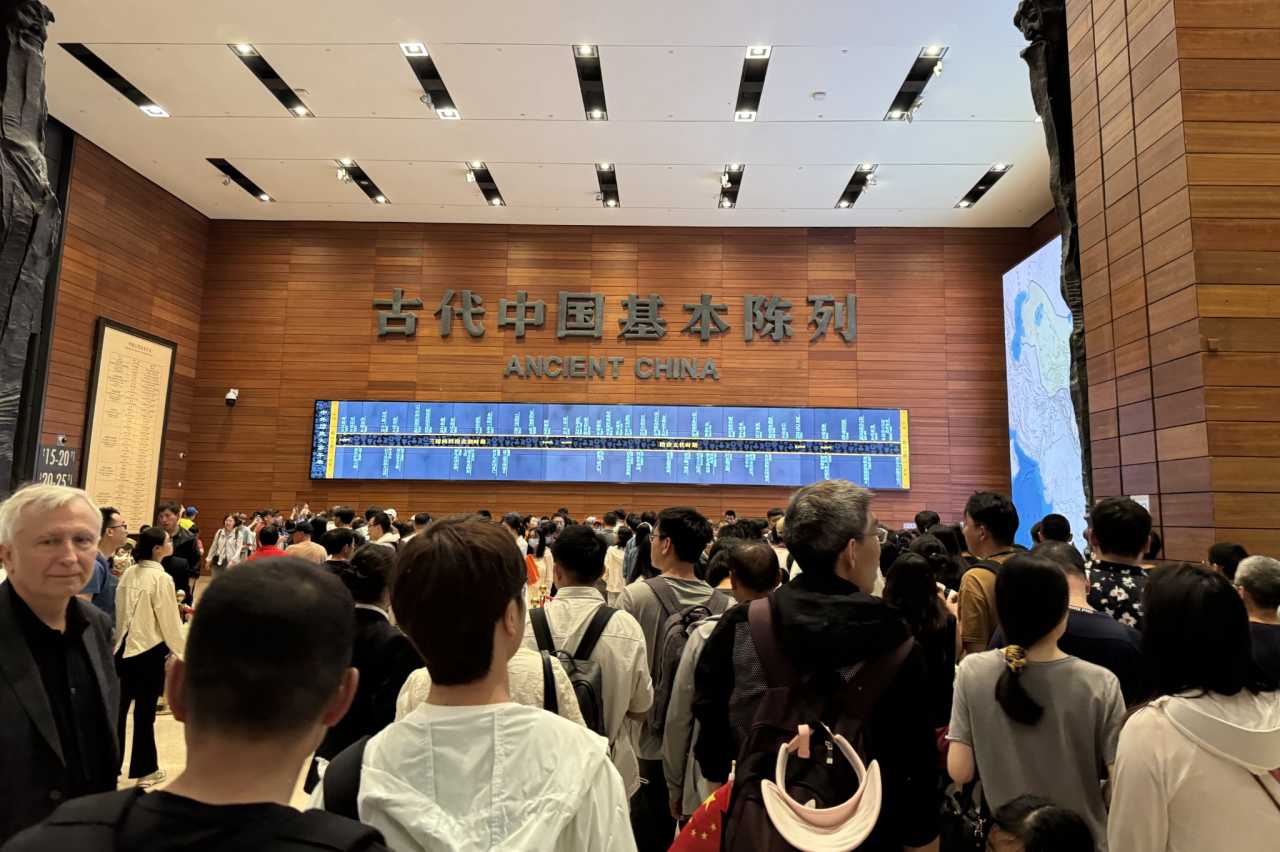
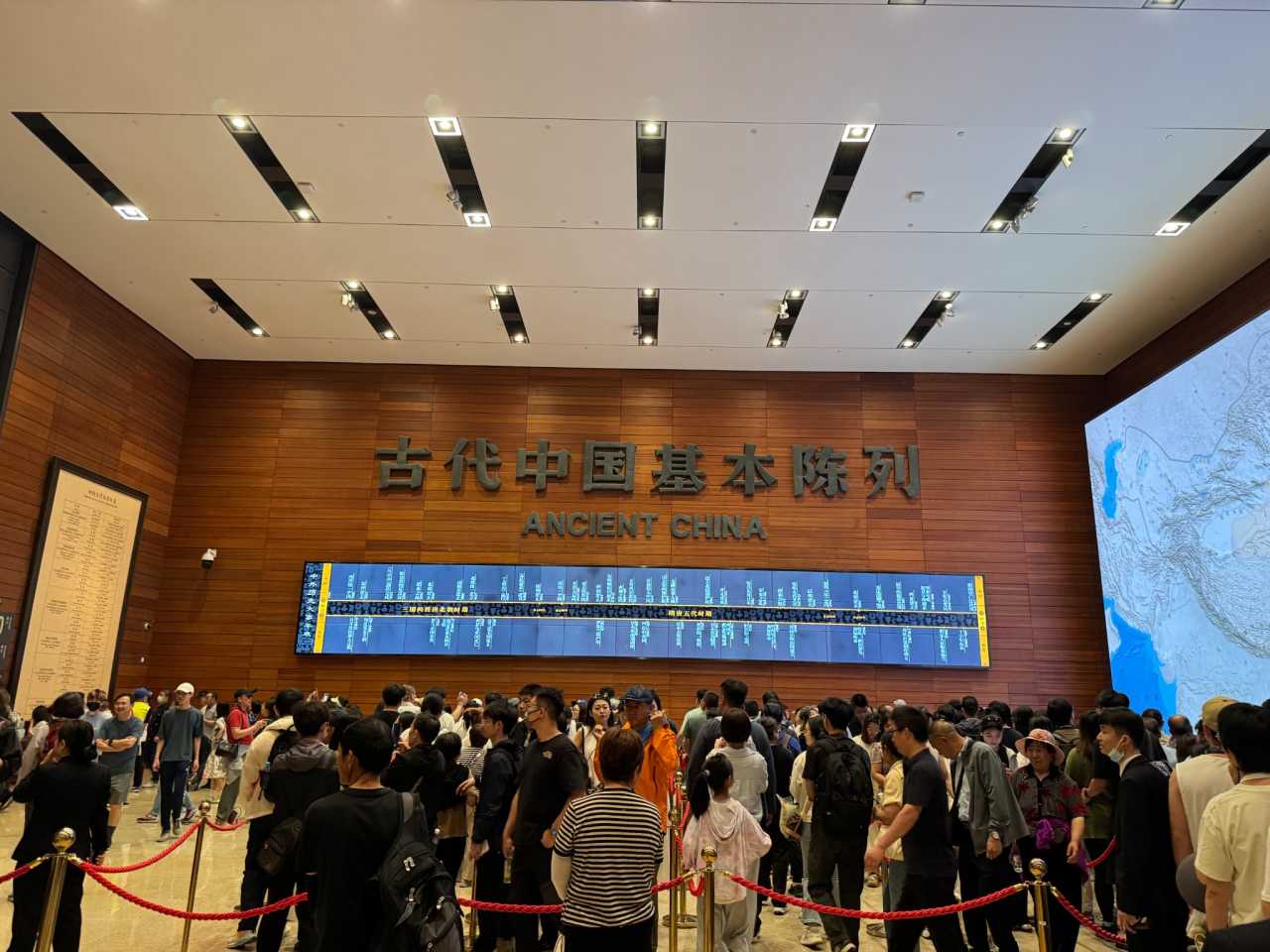
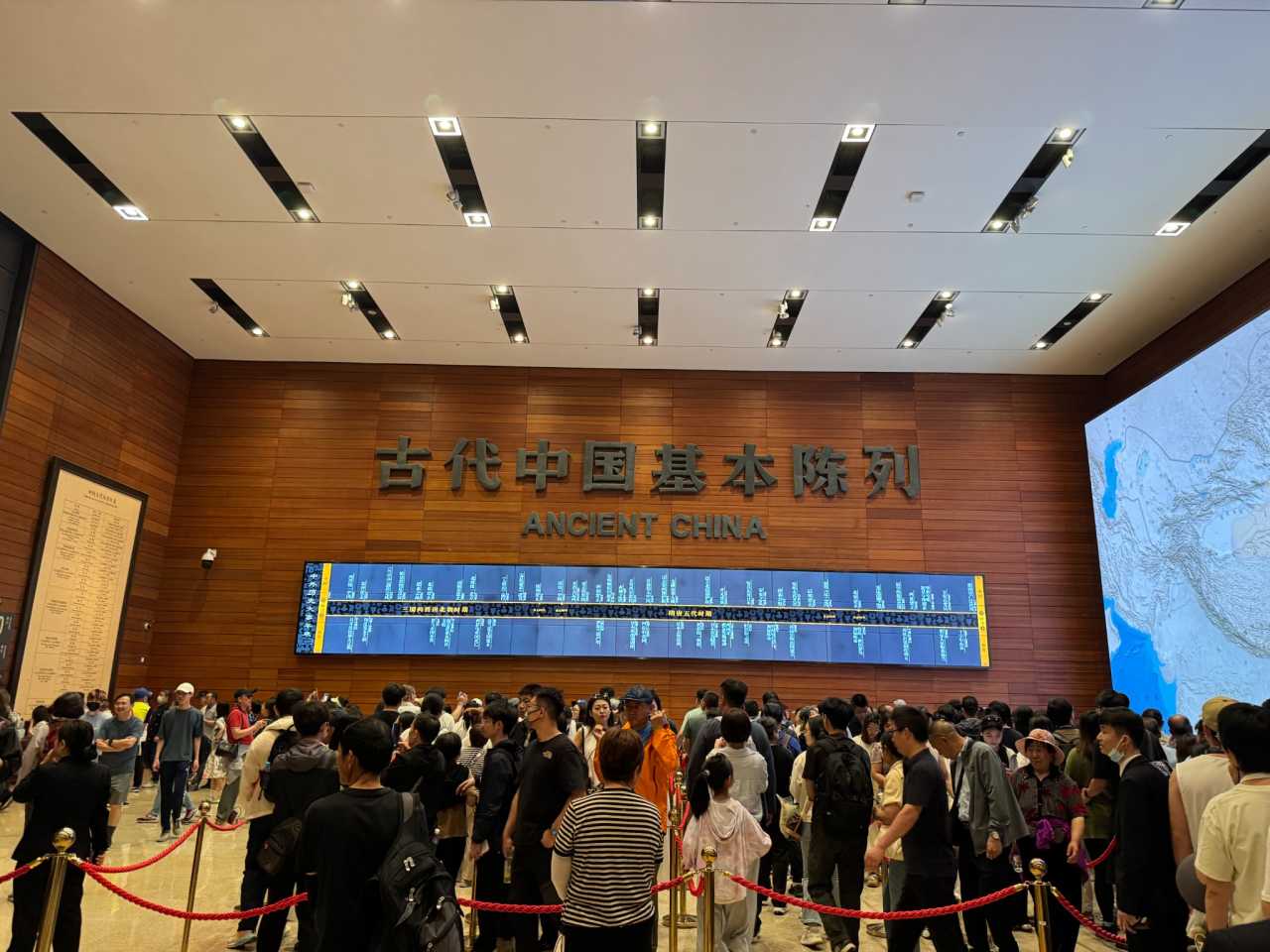
2.3 Must-See: Ancient China Basic Exhibition Hall
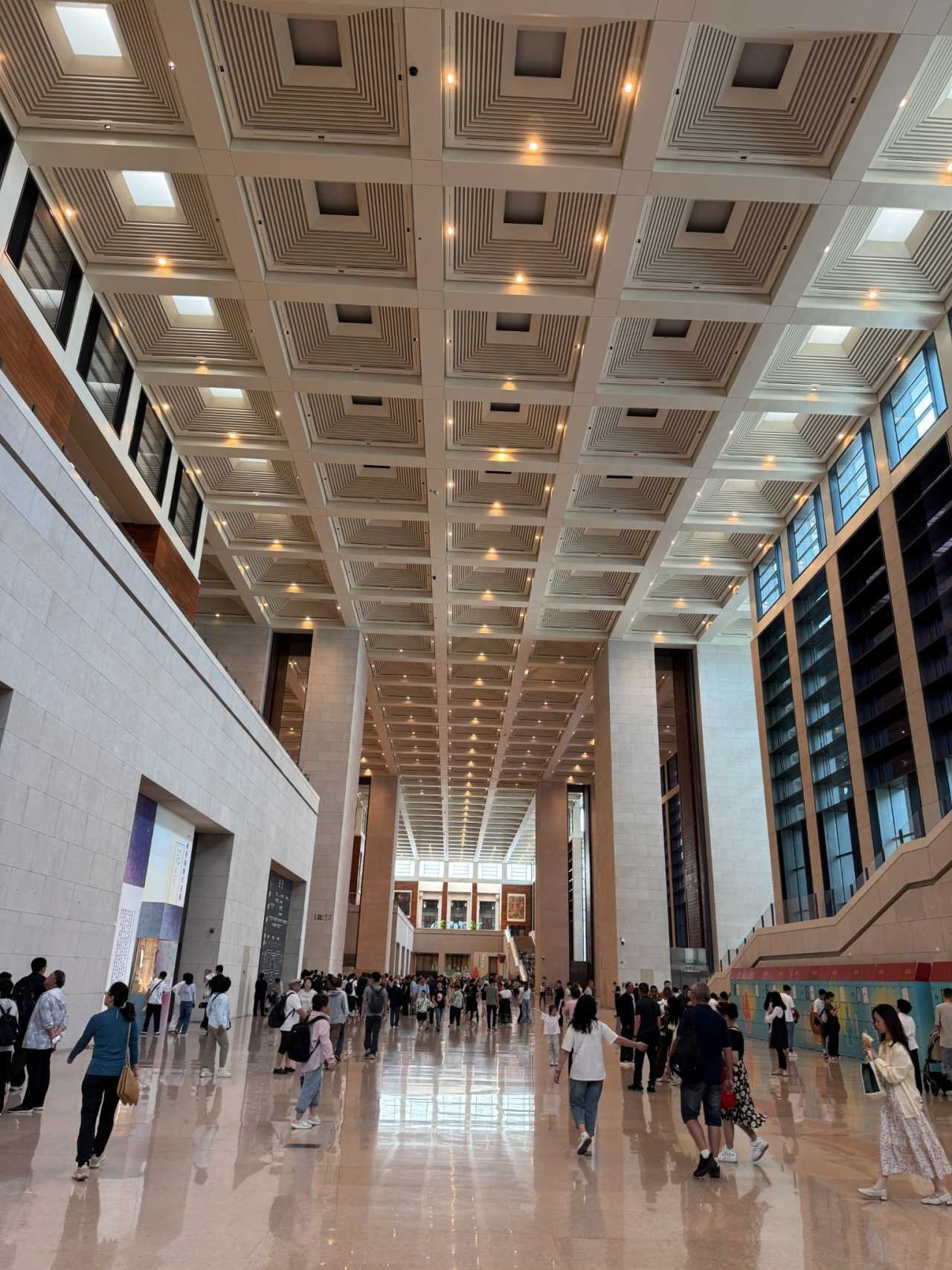
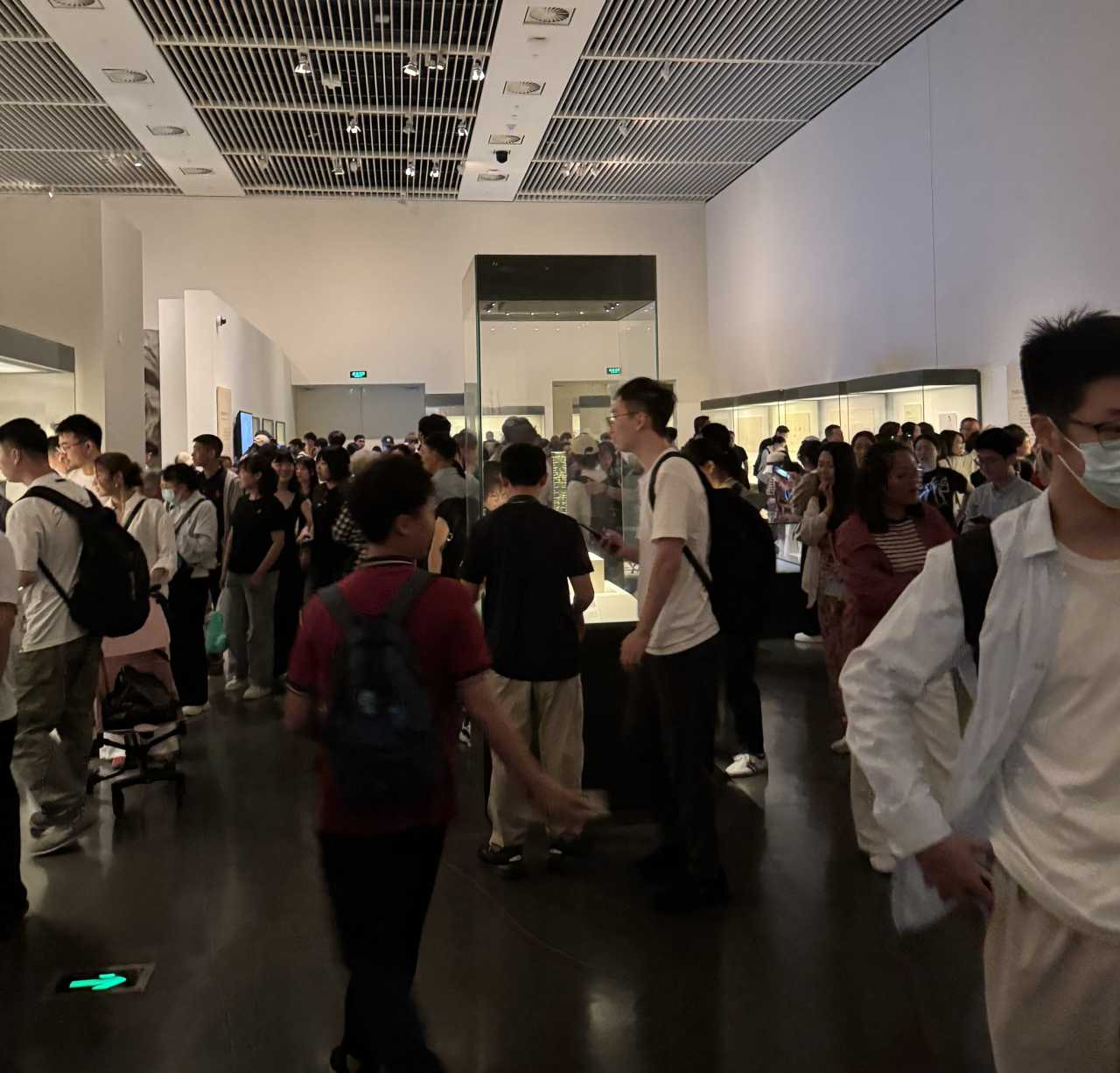
The "Ancient China Basic Exhibition" on the lower ground floor is the highlight—physical evidence of 5,000 years of civilization gathered in one place. It's crowded, noisy, and you move with the flow. I noted treasures displayed in single cases in the hall's center:
- Aurochs Horn: ~200,000-50,000 years old, Middle Paleolithic, unearthed in Xiangfen, Shanxi (1954)
- Eagle-Shaped Pottery Ding (Tripod): Yangshao culture, 5000-3000 BCE, unearthed in Huaxian, Shaanxi (1958)
- Jade Cong: Liangzhu culture, 3300-2200 BCE, ritual vessel
- Jade Dragon: Hongshan culture, 4700-2900 BCE, unearthed in Ongniud Banner, Inner Mongolia (1971)
- Spiral-Patterned Painted Pottery Jar: Majiayao culture, "King of Painted Pottery," ~3200-2000 BCE
- Houmuwu Bronze Square Ding: Shang dynasty, 832.84 kg, heaviest ancient Chinese bronze vessel, unearthed in Anyang, Henan (1930s)
- Four-Ram Bronze Square Zun: Late Shang, 14th-11th century BCE, unearthed in Ningxiang, Hunan (1938)—my favorite bronze piece
- Bronze Ice Jian: Warring States period, world's earliest refrigerator, unearthed in Suixian, Hubei (1978)
- Jade Burial Suit with Gold Wire: Western Han, unearthed in Dingxian, Hebei (1973)
- Drumming Storyteller Figurine: Eastern Han, unearthed in Chengdu, Sichuan (1957)—lively and dynamic
Even a quick glance takes at least 4 hours. Rest areas on floors 1 and 4, but dining hall seating is limited. Bring your own food; hot water stations are available.
Exit: The old "Museum of Chinese History" building directly faces Tiananmen Square.
2.4 Special Reminder: Tiananmen Square Access
The National Museum's exit leads directly into Tiananmen Square. Entering the square separately requires an online reservation. However, on the same day, if you have a reservation record for the National Museum, the Forbidden City, or Chairman Mao Memorial Hall, you can enter the square without a separate reservation (outside flag-raising times).
[Link: Forbidden City Ticket Booking Guide]
Part Three: University Campus Tours – Peking, Tsinghua, and the Reservation Game
3.1 Peking University: How to Book Campus Access
Peking University requires advance reservations through its official WeChat account. Tickets release 7 days in advance at 08:00. Limited slots fill within minutes. The campus is vast—plan at least 3 hours to explore Weiming Lake, the Boya Pagoda, and historic buildings.
Pro tip: Visit on weekdays for fewer crowds. Shared bikes are essential for covering ground.
3.2 Tsinghua University: Navigating the Reservation System
Tsinghua University's reservation system is similar: WeChat account, 7 days ahead, limited daily slots. The campus features a mix of traditional Chinese architecture and modern facilities. Don't miss the Tsinghua Art Museum and the iconic Er'men Gate.
Combined tip: If visiting both universities in one day, start early (8:00 AM) and use shared bikes between campuses. I logged 18 bike rides on this day alone.
Part Four: Restaurant Reservations – Securing Beijing's Best Tables
4.1 The New Reality: Reservations Are Non-Negotiable
Gone are the days of walking into a famous roast duck restaurant without a reservation. In 2025, Beijing's top restaurants require bookings days or even weeks in advance. Popular spots like Da Dong, Sijimin, and Dadong Roast Duck fill up quickly.
Reservation platforms: Meituan, Dianping, and restaurant WeChat accounts. For high-end dining, call directly.
4.2 Must-Try Restaurants and Booking Tips
Roast Duck: - Da Dong: Book 3-5 days ahead for peak times - Sijimin: Reserve 1-2 weeks in advance for weekend dinners - Bianyifang: Historic option, slightly easier to book
Peking Duck Alternatives: - Haidilao Hot Pot: Book same-day via Meituan - Nanluoguxiang street food: No reservation needed
Pro tip: Use Dianping's "queue ahead" feature for popular restaurants. Some allow remote queuing up to 1 hour before arrival.
[Link: Beijing Restaurant Reservation Tips]
Part Five: 7-Day Beijing Itinerary – Deep Immersion Plan
Day 1: Arrival and Orientation
- Land at Daxing Airport, take airport bus to Chongwenmen
- Check into hotel near Tiananmen Square
- Evening walk through Wangfujing Night Market
Day 2: National Museum + Tiananmen Square
 - Morning: National Museum (booked 7 days ahead) - Afternoon: Tiananmen Square, Chairman Mao Memorial Hall - Evening: Roast duck dinner (reserved in advance)
Day 3: Forbidden City + Jingshan Park
- Full day at Forbidden City (booked 7 days ahead)
- Sunset from Jingshan Park for Forbidden City panorama
Day 4: University Day – Peking + Tsinghua
 - Morning: Peking University campus tour - Afternoon: Tsinghua University + Art Museum - Evening: Haidilao hot pot (same-day reservation)
Day 5: Temple of Heaven + Hutongs
- Morning: Temple of Heaven (book 1 day ahead)
- Afternoon: Nanluoguxiang, Yandai Xiejie hutongs
- Evening: Local restaurant in hutong area
Day 6: Summer Palace + Old Summer Palace
 - Full day exploring imperial gardens - Evening: Peking duck dinner (reserved in advance)
Day 7: Last Discoveries + Departure
- Morning: 798 Art District or Capital Museum
- Afternoon: Collect transit card refund at Beijing Station
- Depart from Beijing Station or airport
FAQ: Quick Answers to Common Questions
Q: When is the best time to visit Beijing to avoid crowds? A: Late May (post-May Day), September, and October offer pleasant weather and fewer tourists. Avoid Chinese New Year, National Day (Oct 1-7), and summer holidays.
Q: How do I book the National Museum tickets? A: Follow "National Museum of China" on WeChat. Tickets release daily at 17:00, exactly 7 days in advance. Free for basic exhibition; special exhibitions cost 120 yuan.
Q: Can I visit Peking and Tsinghua universities on the same day? A: Yes, but start early (8:00 AM) and use shared bikes. Each campus requires separate reservations 7 days ahead. Plan 3-4 hours per campus.
Q: Do I need a transit card for Beijing? A: Highly recommended. It saves 50% on bus fares and offers metro discounts. Get a digital card via "Beijing Yikatong" app or physical card at metro stations.
Q: What's the easiest way to get from Daxing Airport to city center? A: Airport bus (35 yuan, 1 hour) or metro Daxing Airport Express (35 yuan, 45 minutes). Airport bus is cheaper but less frequent (hourly).
Your Beijing Adventure Awaits – Start Planning Now
Beijing in 2025 demands preparation, but the rewards are extraordinary. From the awe-inspiring National Museum to the serene university campuses and world-class cuisine, this city offers a depth of experience that surpasses any quick visit.
Your action plan: 1. Book flights and accommodation at least 2 months ahead 2. Set calendar reminders for museum and university ticket releases 3. Download WeChat, Dianping, and Beijing Yikatong apps 4. Reserve restaurant tables 3-7 days in advance 5. Purchase shared bike passes upon arrival
The old Beijing of spontaneous exploration is gone. But the new Beijing—where every reservation unlocks a treasure—is waiting for you. Start your journey today.
[Link: Complete Beijing Travel Planning Guide]
Keywords: Beijing travel guide 2025, National Museum reservation, Peking University campus tour, Tsinghua University booking, Beijing restaurant reservations, Beijing transit card, Daxing Airport transport, 7-day Beijing itinerary, Beijing deep immersion travel
You should also read:
Solo in Beijing: Discovering Another Side of the Capital Amid Red Walls and Grey Tiles
Meta Description: Traveling solo in Beijing on a student budget? Discover hidden gems, practical tips for first-time solo travelers, and how to explore the capital's red walls and grey tiles without breaking the bank. When my friends asked why I chose to go to Beijing…
Continue reading...
Four Days, Three Nights in Beijing: A Super Practical Self-Guided Travel Guide (Including Food, Stay, and Transport Tips)
Here is the SEO-optimized, rewritten version of your article, structured for maximum search visibility and reader engagement. SEO Title: 4 Days 3 Nights in Beijing: The Ultimate Self-Guided Travel Guide (Food, Stay & Transport) Meta Description (160 chars): Plan the perfect 4-day Beijing itinerary. From…
Continue reading...
A Passionate Journey Through Beijing & Tianjin: Beijing Complete Guide – JOJO's In-Depth Travel Notes
Meta Description: Explore Beijing & Tianjin in 5 days with this complete travel guide. From the Forbidden City to the Great Wall, discover insider tips, transportation hacks, and must-see attractions. Plan your perfect China trip today. Beijing is not just a city—it's a living museum…
Continue reading...