Revisiting Beijing: A Museum-Hopping Journey Through the Capital – An SEO-Optimized Guide
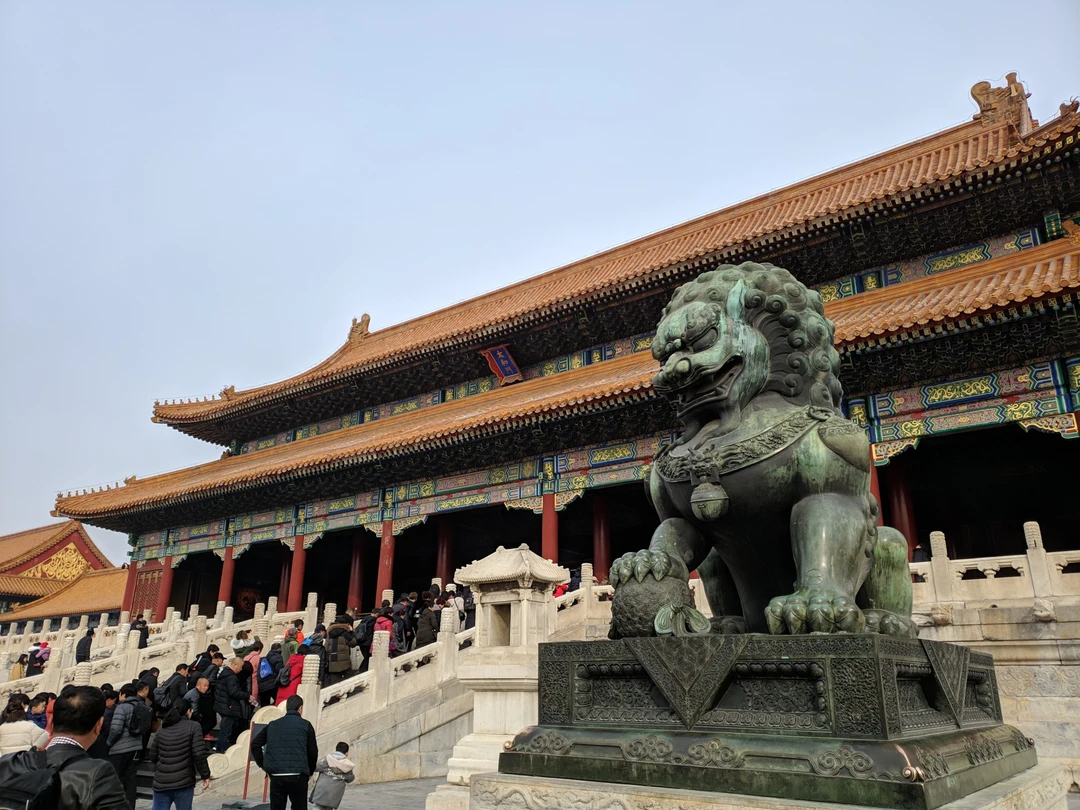
Meta Description: Explore Beijing through its world-class museums! From the Forbidden City to the National Museum, discover a curated 4-day itinerary for museum lovers. Plan your cultural adventure today.
Introduction: Why Beijing Keeps Calling You Back
There's something magnetic about Beijing. Whether it's the ancient aura lingering in the air, the quiet dignity of crowds moving through history-soaked streets, or the strange harmony between glass skyscrapers and weathered hutong courtyards, the capital never stops surprising. For my third visit, I came with a mission: to explore the city through its museums, one exhibit at a time.
Late February—the 17th day of the lunar new year—offered a quieter, more intimate experience. Winter's haze clung to the sky, but the festive spirit hadn't fully faded. This wasn't prime tourist season, but that only made the journey more rewarding.
In this guide, I'll share a 4-day Beijing museum itinerary that blends iconic landmarks with hidden gems. Whether you're a first-time visitor or a seasoned traveler, this article will help you plan a museum-hopping journey through the capital.
Day 1: Wandering Without a Plan, Reuniting with Old Friends

A Taste of Beijing: Zhajiangmian at Fangzhuangchang
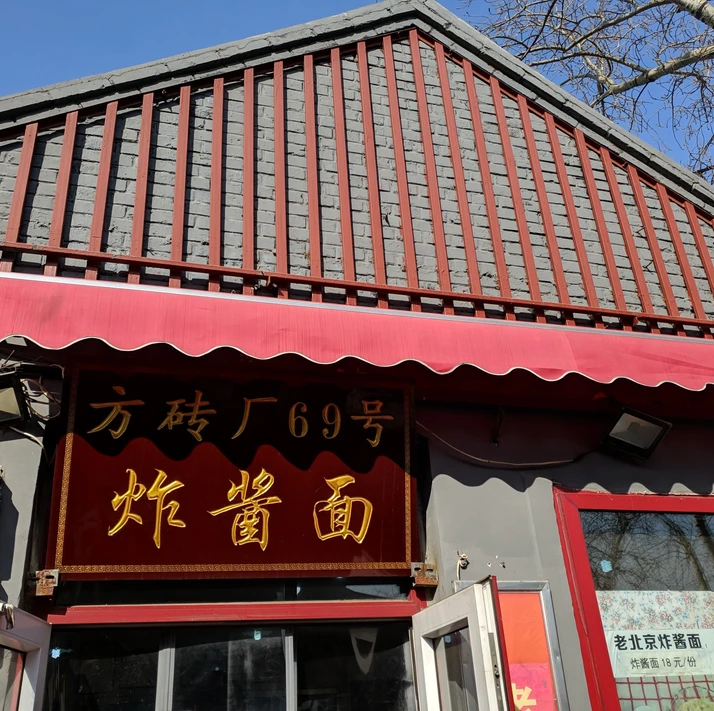
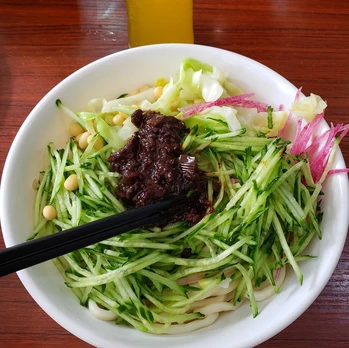
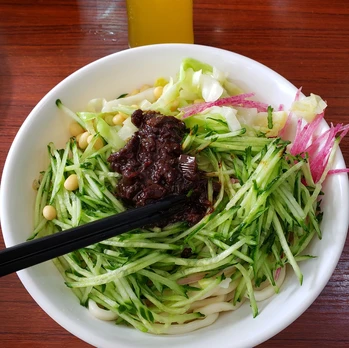
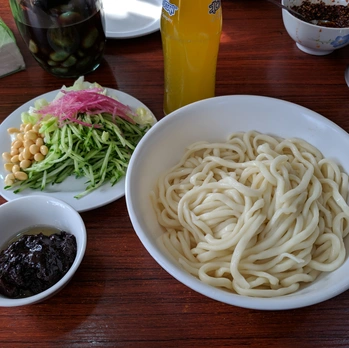
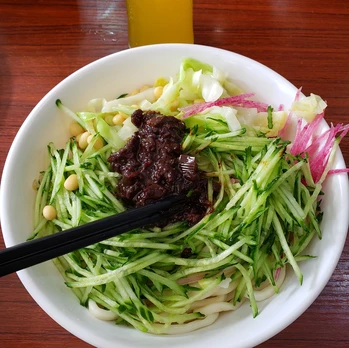
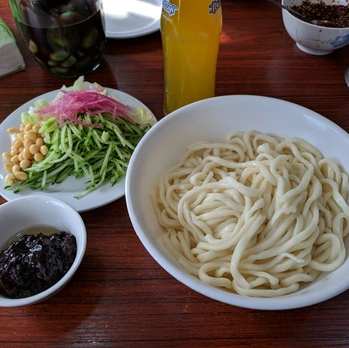
I arrived at Beijing South Railway Station via high-speed train from Tengzhou—just 2.5 hours. My first stop? Fangzhuangchang, a tiny noodle shop in Nanluoguxiang famous for its zhajiangmian (noodles with fried sauce). At 18 yuan ($2.50 USD), it's a steal. The menu is minimal: noodles, Beibingyang soda, and a jar of pickled garlic. The wait was 20 minutes, even at 2 p.m. The noodles were decent, but honestly? I couldn't tell the difference from Haiwanju. Maybe I just don't have a refined palate for zhajiangmian.
Jingshan Park: The Best Panoramic View of the Forbidden City
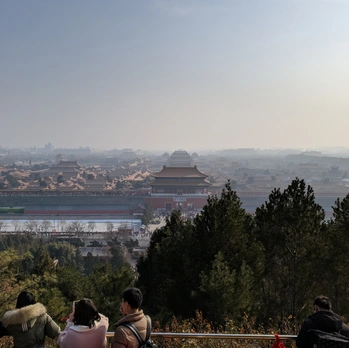
After lunch, I wandered through the hutongs to the Drum Tower, then caught a bus to Jingshan Park. A former royal garden during the Yuan, Ming, and Qing dynasties, Jingshan offers the best panoramic view of the Forbidden City. The entrance fee? Just 2 yuan (30 cents). The hill is short—ten minutes to the top—but the reward is immense. On a clear day, you can see the Forbidden City sprawled before you, with the White Pagoda of Beihai Park in the distance.
Tiananmen Square: A Quiet Dignity
From Jingshan, a ten-minute bus ride brought me to Tiananmen Square. The world's largest city square (880 meters long, 500 meters wide, covering 440,000 square meters) can hold up to one million people. Standing there, you feel its solid, dignified presence. The Monument to the People's Heroes rises 37.94 meters, bearing Mao Zedong's golden inscription: "Eternal Glory to the People's Heroes."
Olympic Park: The Bird's Nest and Water Cube at Night
After dinner with a friend at Beiyuan Road, I took the subway to Olympic Park. The Bird's Nest and Water Cube—main venues of the 2008 Olympics—are best seen at night when they're lit up. During the day, the Water Cube looks like it's wrapped in plastic sheeting. At night, it's magical.
Day 2: The Flag Rises, and the Forbidden City Celebrates the New Year
The Flag-Raising Ceremony at Tiananmen Square
I stayed near Qianmen to be close to Tiananmen for the flag-raising ceremony at 7 a.m. The walk from Dashilan took 20 minutes. I arrived at 6:30 and found myself behind three rows of people. At 1.9 meters (6'3"), I could see over most heads, but anyone shorter would need a selfie stick. The national anthem played only once this time—a change from my last visit.
Chairman Mao Memorial Hall: A Quiet Visit
After the ceremony, I headed to Chairman Mao Memorial Hall (open 8 a.m., Tuesday to Sunday). Important tip: no bags or liquids allowed. Power banks are fine, but if you have a bag, store it at the nearby luggage deposit. The line moved slowly, but it's a short, solemn visit.
The Forbidden City: A Century-Old New Year Revival
The Forbidden City—the world's largest and best-preserved wooden palace complex—covers 720,000 square meters with over 9,000 rooms. Tickets are sold online only, with a daily cap of 80,000 visitors. Book ahead during peak season.
This year, something special was happening: the palace revived a Qing Dynasty tradition—the "Celebrating the New Year in the Forbidden City" exhibition at the Meridian Gate. For the first time in over a century, the palace erected Tian Deng (Heavenly Lanterns) and Wan Shou Deng (Longevity Lanterns). These lanterns were last raised in 1840 during Emperor Daoguang's reign. Seeing them restored felt like witnessing history come alive.
Treasure Gallery and Clock Gallery: Hidden Gems
The Treasure Gallery in the northeastern section (extra 10 yuan, about $1.40) showcases Qing Dynasty court treasures, including the famous Nine-Dragon Wall. The Clock Gallery is equally mesmerizing—think of the documentary Masters in the Forbidden City and the artisans who dedicate their lives to preserving these wonders.
Pro tip: The main halls along the central axis now have improved lighting. In 2014, the dim interiors and smudged glass made it hard to see exhibits. Now, the new system reveals the true colors of architecture, paintings, and artifacts.
The Forbidden City used to take about three hours. Now, with more areas open, you'll spend much longer. After passing the Imperial Garden, I reached the Gate of Divine Might—and discovered that visitors can now walk on the city wall.
Day 3: National Museum, Military Museum, and Hutong Nights
National Museum of China: A Journey Through Chinese History
The National Museum of China is a must-visit for any museum lover. Located on the east side of Tiananmen Square, it houses over 1 million artifacts spanning Chinese history from prehistoric times to the modern era. The "Ancient China" exhibition is the highlight, showcasing the famous Simuwu Ding (a massive bronze vessel) and the Jade Burial Suit from the Han Dynasty. [Link: National Museum of China exhibits]
Military Museum of the Chinese People's Revolution
The Military Museum is a fascinating detour for history buffs. Located on Fuxing Road, it covers China's military history from ancient times to the present. The collection includes tanks, aircraft, and missiles—including the famous "Dongfeng" missiles. It's a sobering reminder of China's military evolution.
Nanluoguxiang and Houhai: Hutong Nights
After a day of museums, I wandered through Nanluoguxiang, a historic hutong neighborhood lined with shops, cafes, and street food. From there, I walked to Houhai, a lake surrounded by bars and restaurants. At dusk, the water reflects the lights of the surrounding buildings—a peaceful end to a busy day. [Link: Best hutongs in Beijing]
Day 4: Zoo, Capital Museum, and Millennium Monument
Beijing Zoo: Panda Spotting
The Beijing Zoo is home to China's most famous residents—the giant pandas. The zoo is large and well-maintained, with a focus on conservation. The panda enclosure is always crowded, but seeing these gentle giants up close is worth the wait.
Capital Museum: A Modern Take on Beijing's History
The Capital Museum is a modern museum dedicated to Beijing's history and culture. Located near the Fuxingmen area, it features exhibits on Beijing's urban development, traditional crafts, and archaeological finds. The "Old Beijing" exhibition recreates the city's historic streets and markets. [Link: Capital Museum highlights]
China Millennium Monument: A Symbol of Modern China
The China Millennium Monument is a striking structure built to commemorate the new millennium. It features a large sundial at its center and a museum dedicated to Chinese art and culture. The monument is best visited at sunset, when the light casts long shadows across the plaza.
FAQ: Your Beijing Museum-Hopping Questions Answered
1. What is the best time to visit Beijing museums?
Answer: Spring (March-May) and autumn (September-November) offer the best weather and fewer crowds. Winter (December-February) is cold but less crowded, with lower prices. Avoid national holidays like Chinese New Year and National Day (October 1-7) when museums are packed.
2. Do I need to book museum tickets in advance?
Answer: Yes, especially for the Forbidden City and National Museum. The Forbidden City caps daily visitors at 80,000, and tickets often sell out days in advance. Book online through official websites or third-party platforms like Ctrip.
3. How much time should I allocate for each museum?
Answer: The Forbidden City requires at least 3-4 hours (more if you explore the Treasure Gallery and Clock Gallery). The National Museum needs 2-3 hours. Smaller museums like the Capital Museum can be covered in 1-2 hours.
4. Are museums in Beijing accessible for disabled visitors?
Answer: Most major museums are wheelchair accessible, with ramps, elevators, and accessible restrooms. The Forbidden City has made significant improvements in recent years. However, some older hutongs and smaller museums may have limited accessibility.
5. Can I take photos inside Beijing museums?
Answer: Photography is generally allowed, but flash is prohibited in most exhibits. The Forbidden City allows non-flash photography in most areas. The National Museum has specific restrictions—check the signs at each exhibit.
Conclusion: Your Beijing Museum Adventure Awaits
Beijing isn't just a city of ancient walls and modern skyscrapers—it's a living museum. From the Forbidden City's revived New Year lanterns to the National Museum's priceless artifacts, every exhibit tells a story of China's rich history and vibrant culture.
Whether you're a first-time visitor or a seasoned traveler, this 4-day museum itinerary offers a curated experience that blends iconic landmarks with hidden gems. The best part? You don't need to be a history buff to appreciate these wonders. Just bring your curiosity and a comfortable pair of shoes.
Ready to plan your museum-hopping journey? Start by booking your Forbidden City tickets online, pack a light bag (no liquids!), and get ready for an unforgettable adventure through China's capital.
What's your favorite museum in Beijing? Share your experience in the comments below!
Internal Linking Suggestions: - [Link: Best time to visit Beijing] - [Link: Forbidden City ticket booking guide] - [Link: Top 10 museums in China] - [Link: Beijing travel tips for first-time visitors] - [Link: How to navigate Beijing's subway system]
You should also read:
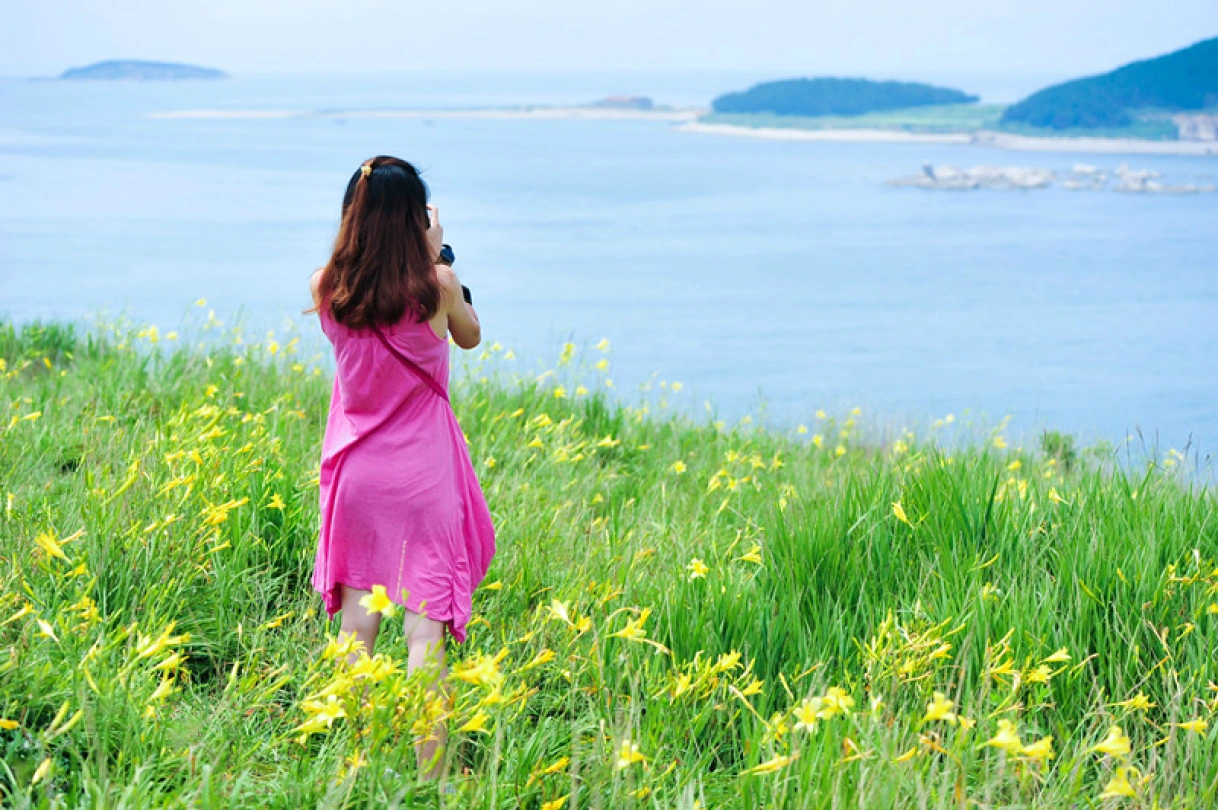
A Spontaneous Escape Through Tianjin, Beijing, and Shandong: An Unforgettable Solo Travel Adventure
Meta Description: Discover the raw beauty of a spontaneous solo journey through Tianjin, Beijing, and Shandong. From Quanjude roast duck to Tanggu night views, read this heartfelt travelogue of escape and self-discovery. The July wind carried restlessness and unease. After abruptly ending a ten-day job…
Continue reading...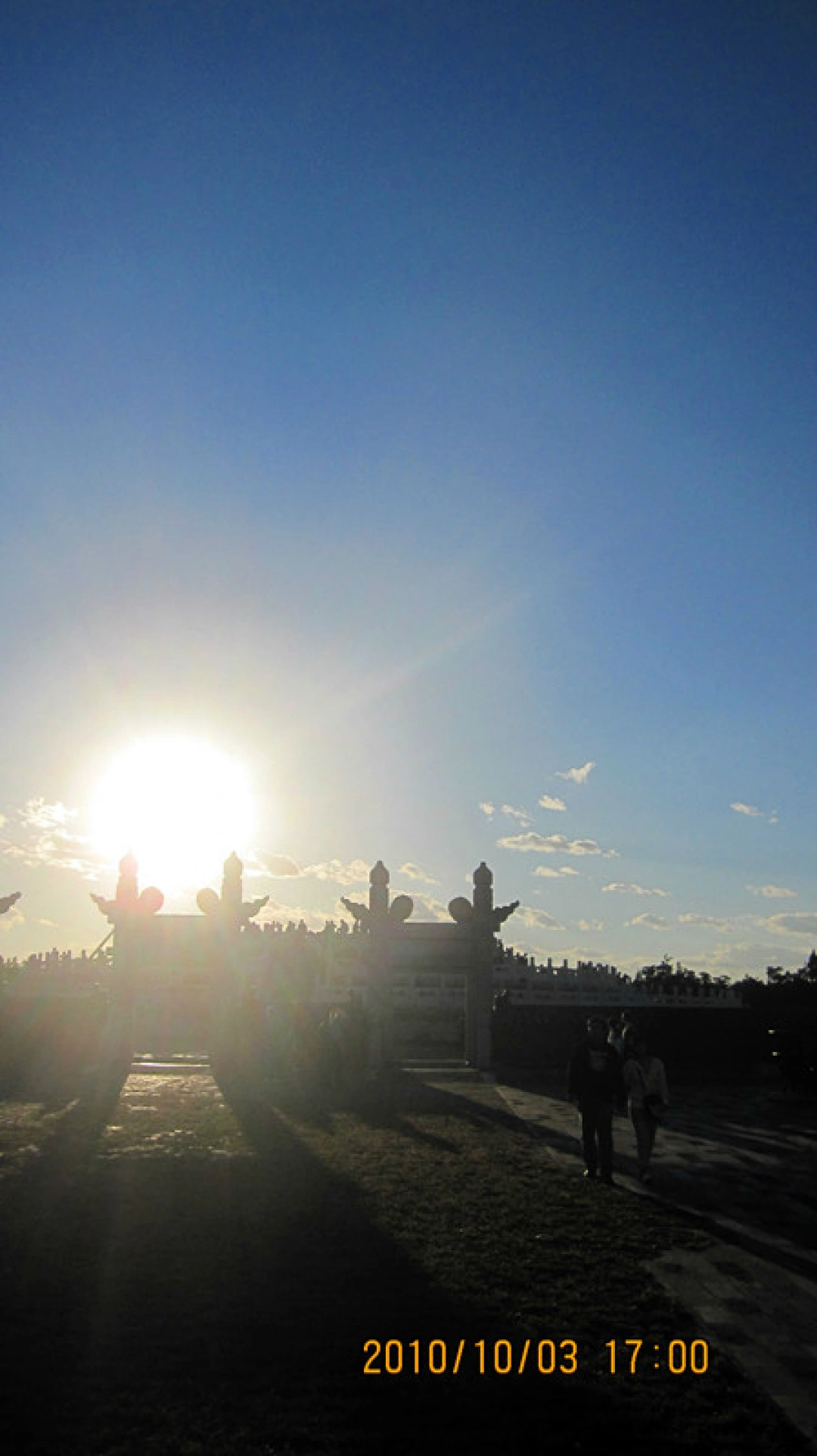
A Passionate Journey Through Beijing & Tianjin: Beijing Complete Guide – JOJO's In-Depth Travel Notes
Meta Description: Explore Beijing & Tianjin in 5 days with this complete travel guide. From the Forbidden City to the Great Wall, discover insider tips, transportation hacks, and must-see attractions. Plan your perfect China trip today. Beijing is not just a city—it's a living museum…
Continue reading...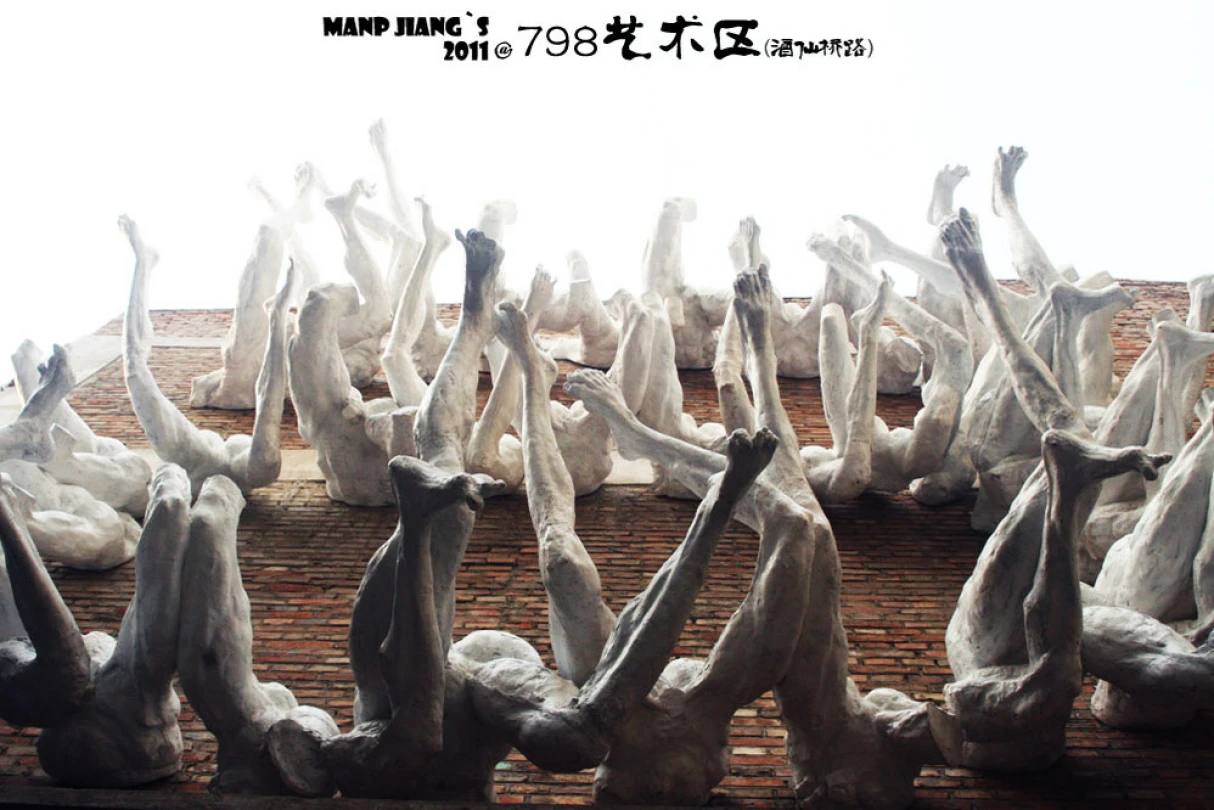
The Journey That Didn't Freeze Me to Death: Beijing – Six Days and Five Nights of Bone-Chilling Cold
Meta Description: Planning a winter trip to Beijing? Read this firsthand account of a spontaneous 6-day Beijing adventure—from ticket battles to 798 Art District, Sanlitun, and survival tips for bone-chilling cold. Perfect for budget travelers and first-timers. Some trips are long-planned romances; others are impulsive…
Continue reading...