Roaming Beijing's Western Line: A Day Through Past and Present, Finding Holiday Relaxation Between Wanping Ancient City and Changxindian's Chinese Chic
Here is the SEO-optimized and rewritten article based on your source material. It is structured for search engine visibility while preserving the original narrative charm and factual accuracy.
SEO Title: Beijing Western Line Travel Guide: A Day Trip from Wanping Ancient City to Changxindian Chinese Chic
Meta Description (156 characters): Escape the crowds on Beijing’s Western Line. Explore Wanping Ancient City’s cobblestone streets, niche museums, and Changxindian’s trendy Chinese-chic district. Find holiday relaxation and history.
Roaming Beijing's Western Line: A Day Through Past and Present
In May, Beijing's sunshine is just right, and the breeze is gentle. While most tourists flock to popular attractions, struggling through crowded throngs, I chose a completely different route—starting from Xibianmen and heading westward. I unlocked the hidden treasures of Beijing's Western Line at the slowest pace and in the most relaxed way. This wasn't a rushed check-in tour; it was an immersive journey through time and space. From the Wanping Ancient City cobblestone streets to the neon lights of the Changxindian Chinese-chic neighborhood, I crossed a century in a single day.
If you are looking for off-the-beaten-path Beijing travel or a relaxing holiday itinerary in Beijing, this guide is for you.
Starting Slow by Bus: Kicking Off Your Holiday with Ease
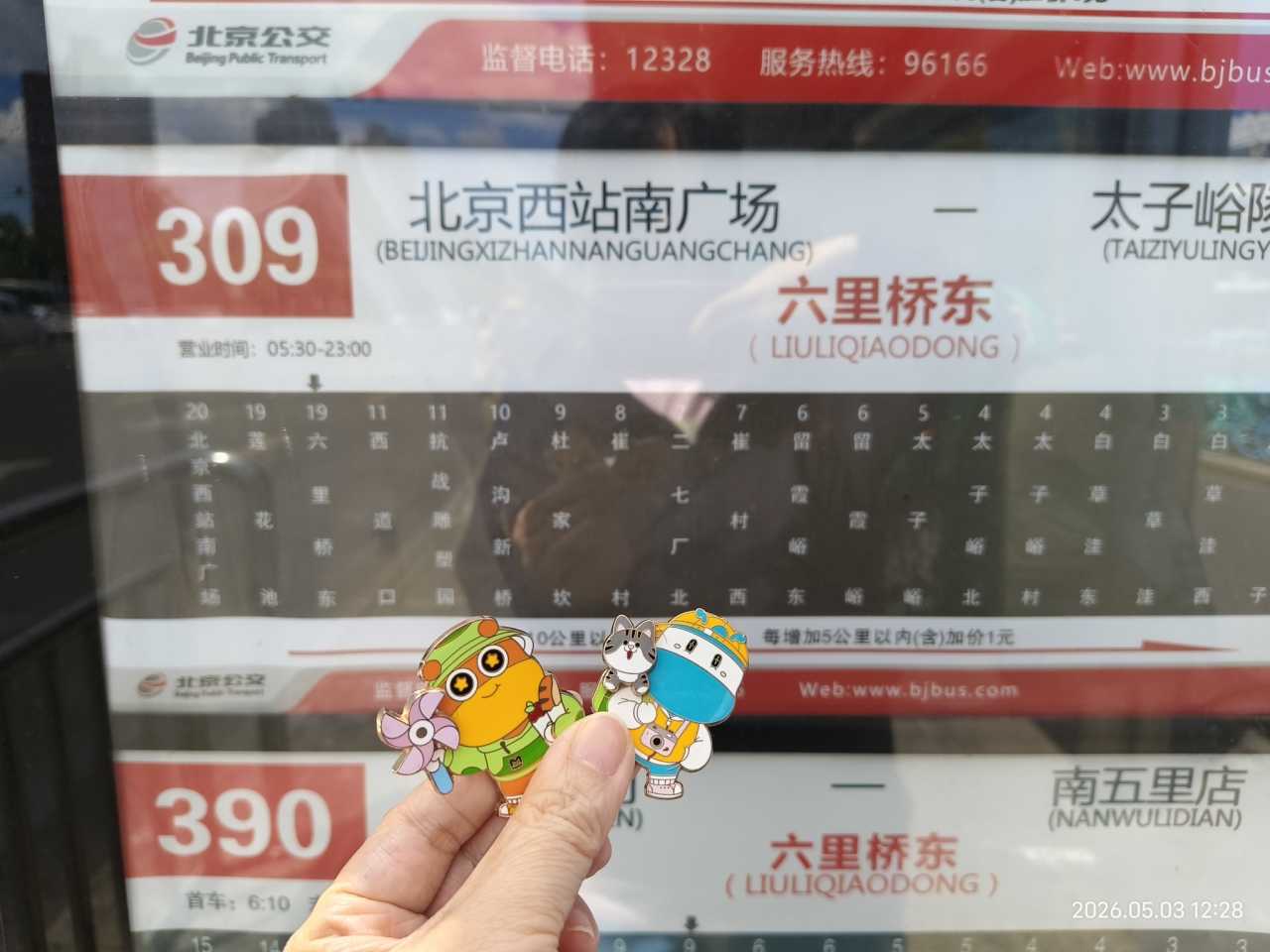
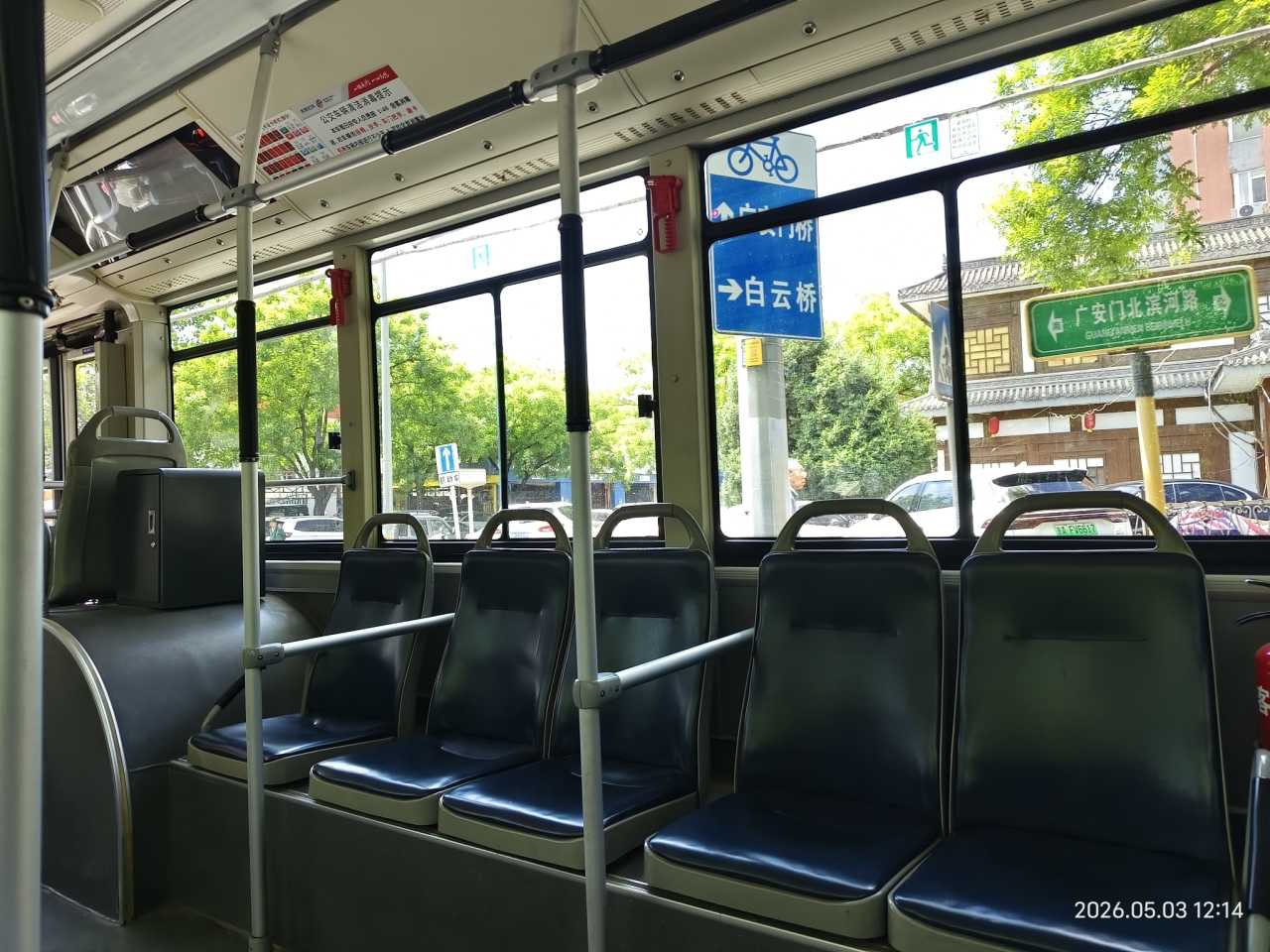
On the May Day holiday, I opted to avoid long-distance travel and highway congestion. Boarding a bus heading southwest from Xibianmen Bus Station, I watched the scenery outside the window gradually shift from dense high-rises to low-rise residential buildings, then to lush green fields. Without the rush of the subway or the fatigue of driving, the bus ambled along, reminding me: holidays aren't about rushing—slowing down is where the journey truly begins.
About forty minutes later, the iconic outline of Wanping City’s city wall appeared in the distance. This Beijing ancient city, first built during the Ming Dynasty (1368–1644), was once a crucial part of the city’s western defense system. Now, stripped of the smoke of war, it stands as a tranquil historical relic. Starting the day with a slow travel in Beijing approach not only avoided the crowds but also eased my mind and body into a "slow life" mode.
Strolling Through Wanping City: Time’s Imprint on Cobblestones
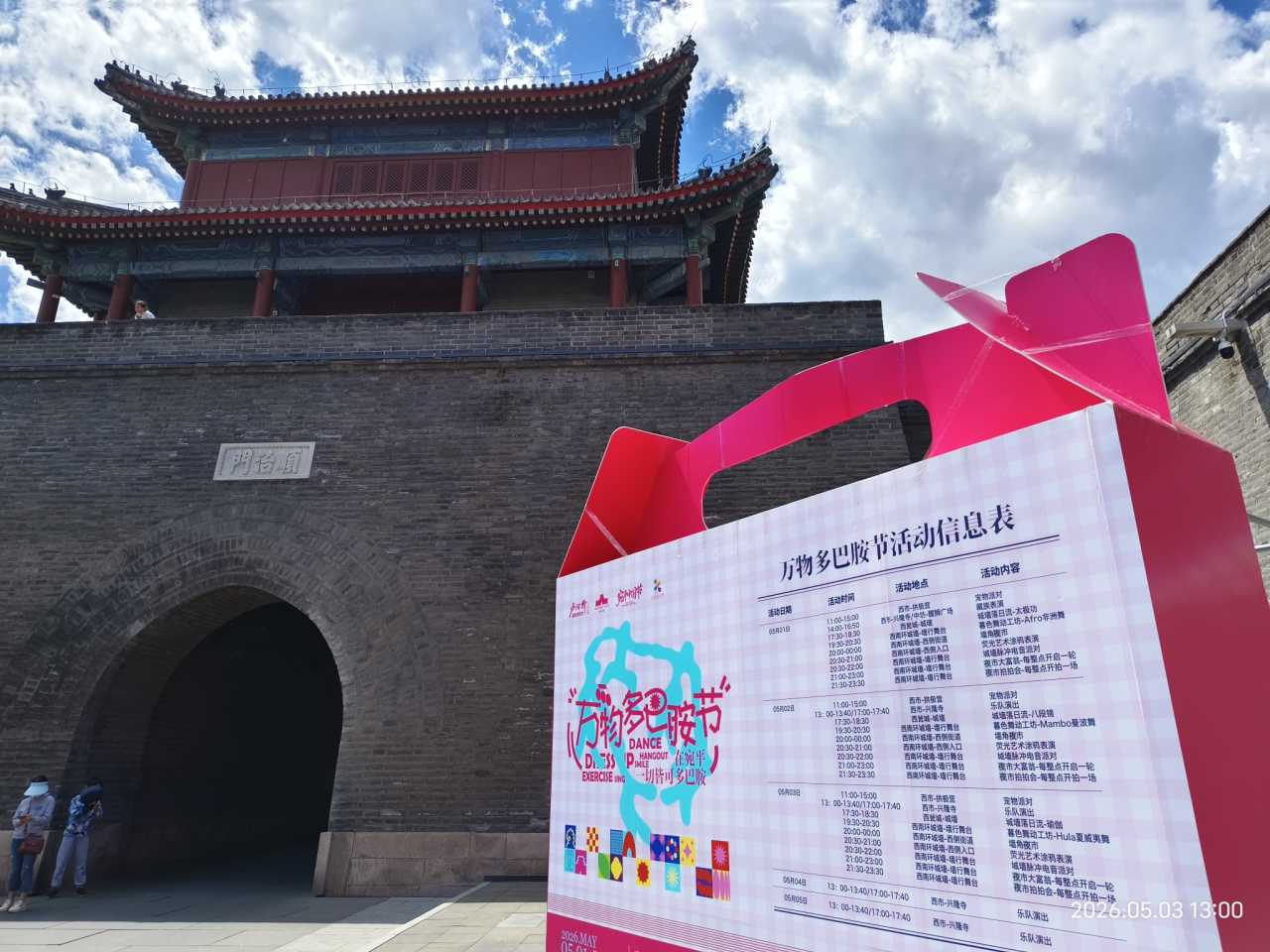
Entering Wanping City felt like stepping into another era. The cobblestone streets, polished smooth by time, were flanked by mottled, imposing city walls. Every brick and stone seemed to whisper stories spanning centuries. Unlike the commercial districts in the city center, there were few tourists here. Occasionally, elderly locals sat in the shade, fanning themselves, while cats dozed lazily at the foot of the walls.
The Ancient Yamen: Quietly Standing
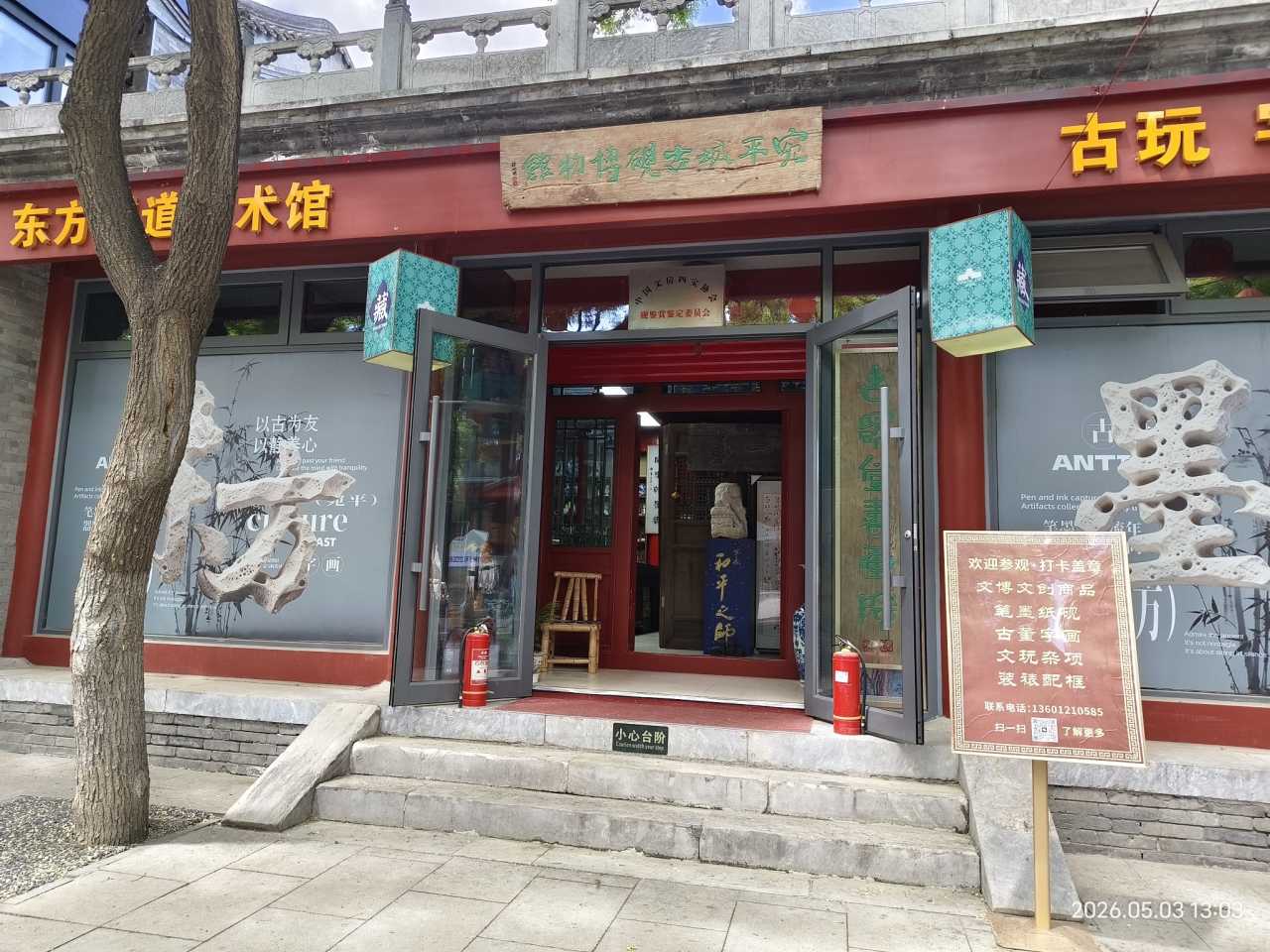
Walking further along the main street, a古朴 (ancient and simple) yamen (county government office) courtyard appeared before me. It is one of the best-preserved ancient buildings in Wanping City, with red pillars, gray tiles, and upturned eaves. The stone lions at the entrance, though weathered, still exuded a sense of majesty. Stepping inside, the main hall, second hall, and rear residence were laid out in sequence, clearly showing the old government office’s layout. I imagined how, a hundred years ago, the county magistrate would have held court and handled the daily affairs of the city’s residents. History hasn’t gone far—it just stands here quietly, in a different form.
The Lively Charm of Creative Shops
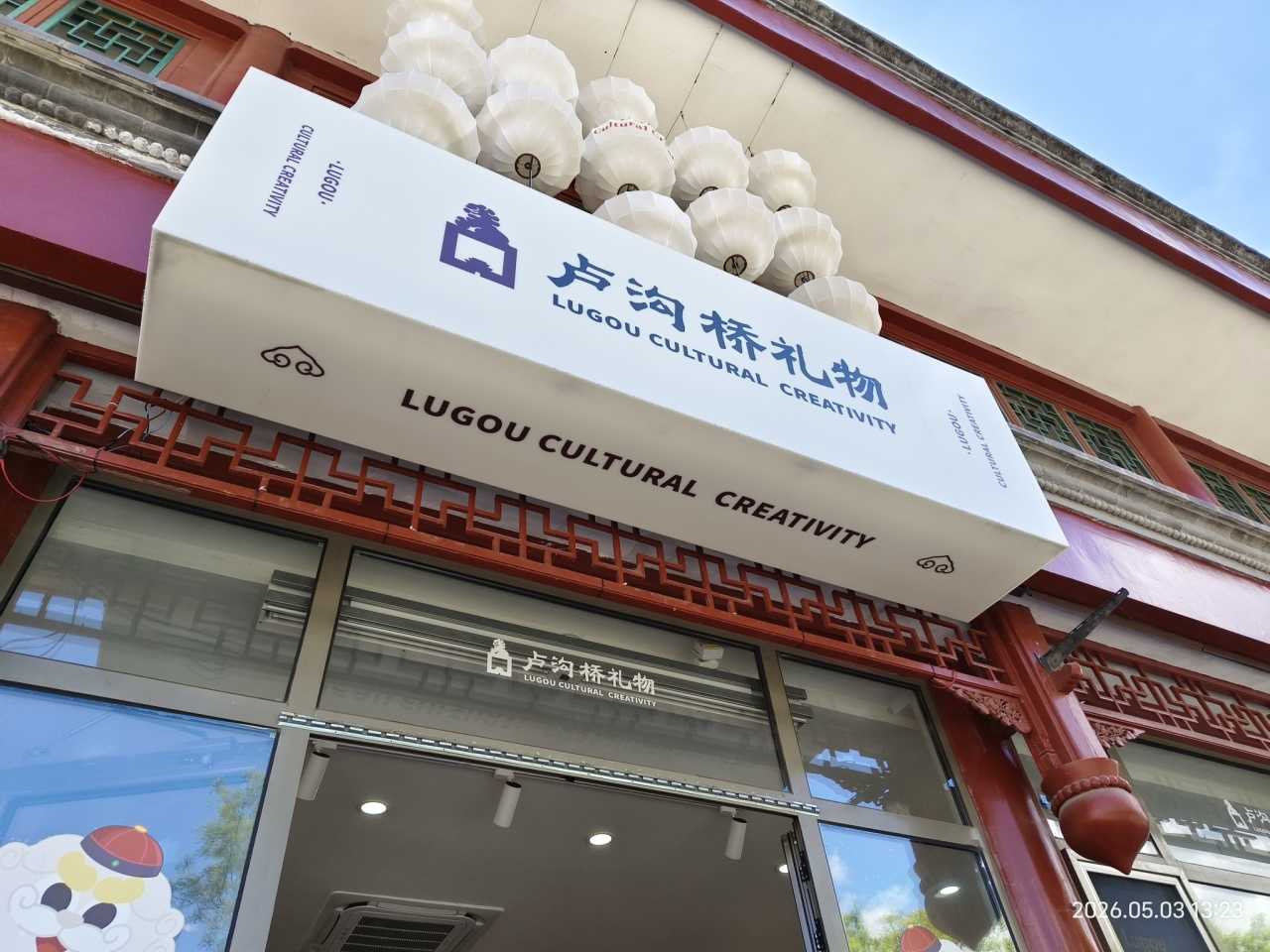
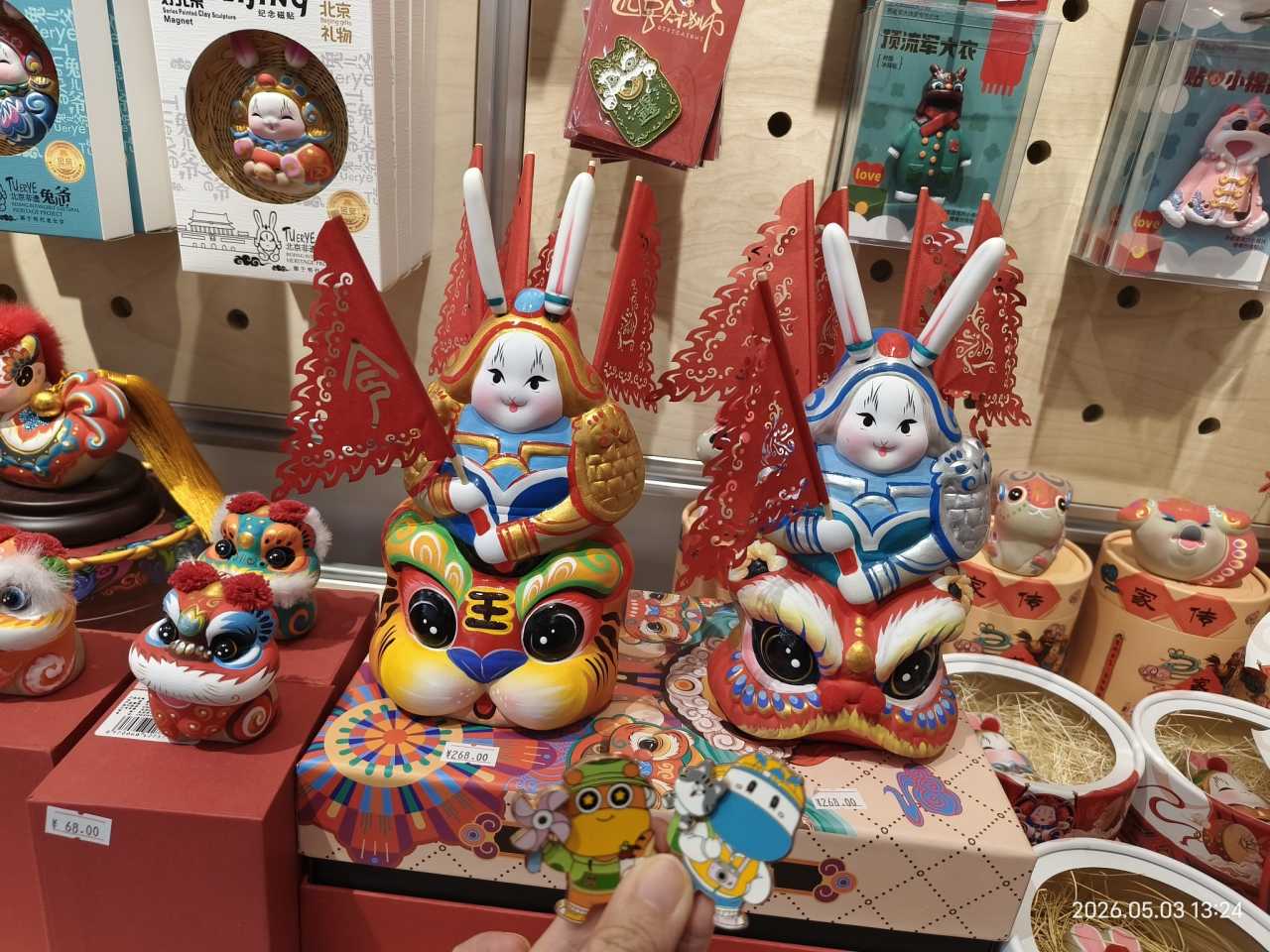
What surprised me most within the ancient city were the creative shops in Wanping City. They weren’t filled with generic tourist souvenirs but each had its own character. Some focused on traditional Chinese-style figurines, using ceramics and wood carvings to recreate scenes of old Beijing life. Others sold hand-painted postcards featuring the city wall, alleyways, and street cats. One shop even offered a restoration experience for ancient books, run by a silver-haired elderly man who patiently explained the binding techniques of thread-bound books to visitors.
What these small shops had in common was an unhurried, lively charm. The owners didn’t push sales; they just sat quietly in their stores, occasionally looking up with a gentle smile. This sense of ease is exactly what a holiday relaxation in Beijing needs.
Exploring Niche Museums: Wandering Between Art and History
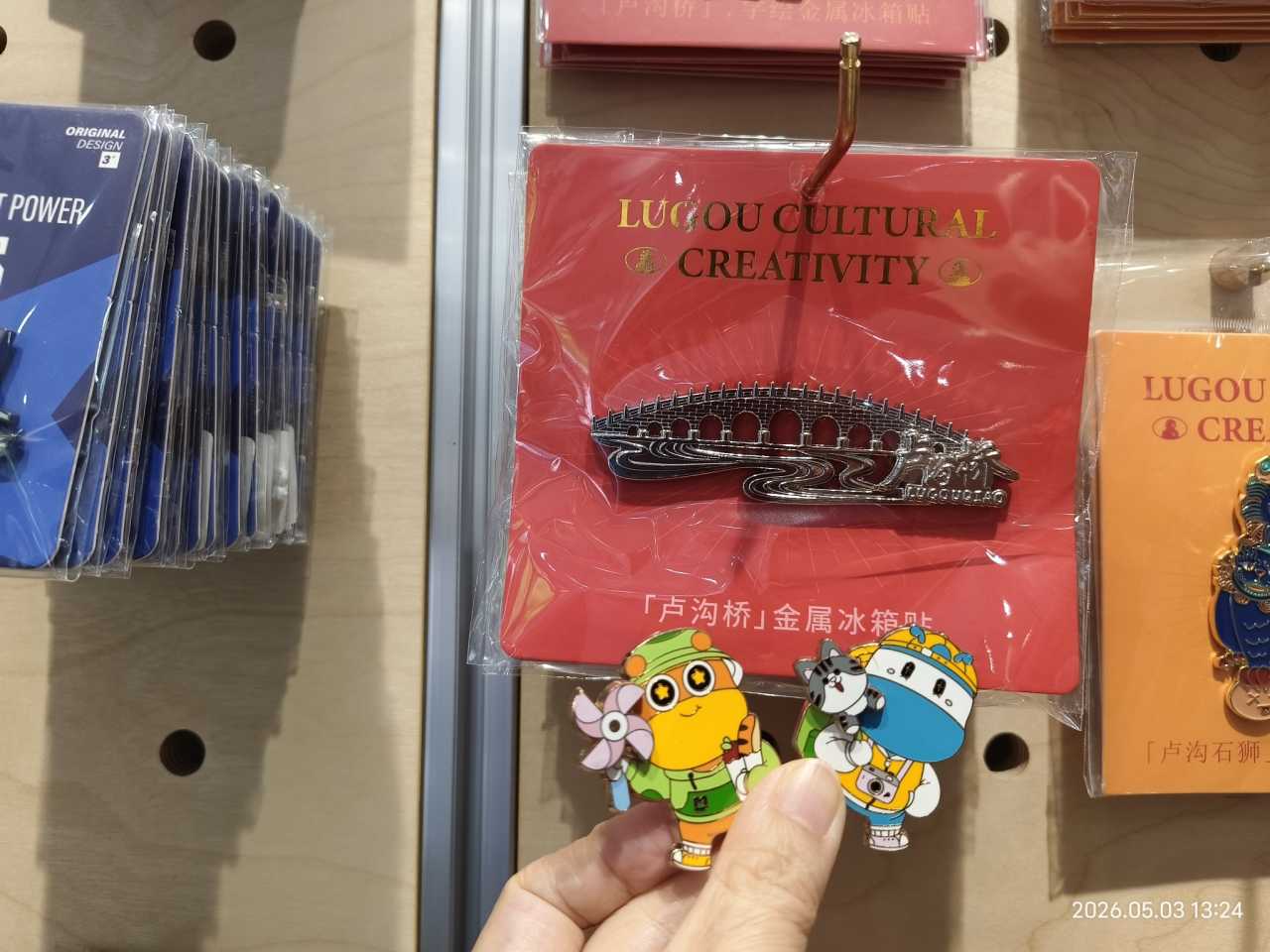
If the ancient city’s exterior is古朴 (ancient and simple), its interior hides many unexpected treasures. These niche museums in Beijing are perfect for curious travelers.
The Barefoot Doctor Museum: Revisiting Days Gone By
In an inconspicuous alley, I stumbled upon a niche museum called the "Barefoot Doctor Museum." Pushing open the door, a faint scent of herbal medicine greeted me. The museum wasn’t large, but it displayed a wealth of precious old items: yellowed medical kits, handwritten prescriptions, vintage stethoscopes, and stacks of hand-copied folk remedies. Photos on the walls documented scenes from the 1960s and 1970s, showing barefoot doctors carrying medical kits as they traveled from village to village.
These exhibits had no fancy packaging but possessed a raw, simple power. They reminded me of my childhood, when the village barefoot doctor would ride a bicycle with a medical kit in the basket. Leaving the museum, I felt an inexplicable sense of grounding—some memories deserve to be remembered. [Link: Beijing Cultural Museums]
An Unexpected Art Exhibition: Healing Through Ink and Brush

Continuing along the alley, I spotted a wooden sign hanging at the entrance of an old house: "Exhibition Today, Welcome In." Pushing the door open, I found a small art exhibition featuring ink wash paintings by a local artist. The works mostly depicted the landscapes of western Beijing—distant mountains like dark brows, nearby waters veiled in mist.
I was the only visitor in the gallery. Sunlight streamed through a skylight, casting dappled light and shadow on the paintings. Standing before a piece titled "Autumn Charm of the Western Hills," I gazed for a long time. At that moment, I suddenly understood what "healing" meant—not escaping reality, but finding a channel to converse with your inner self through art.
Cycling to Changxindian: A Time-Space Shift to Chinese Chic
Leaving Wanping City, I decided to switch modes of transport—cycling. Scanning a code to unlock a shared bike, I pedaled westward along a greenway on Beijing’s western edge. The trees on both sides were lush, and a gentle breeze carried the scent of grass. After about twenty minutes of cycling, a modern neighborhood appeared: the Changxindian Chinese-chic Fashion District.
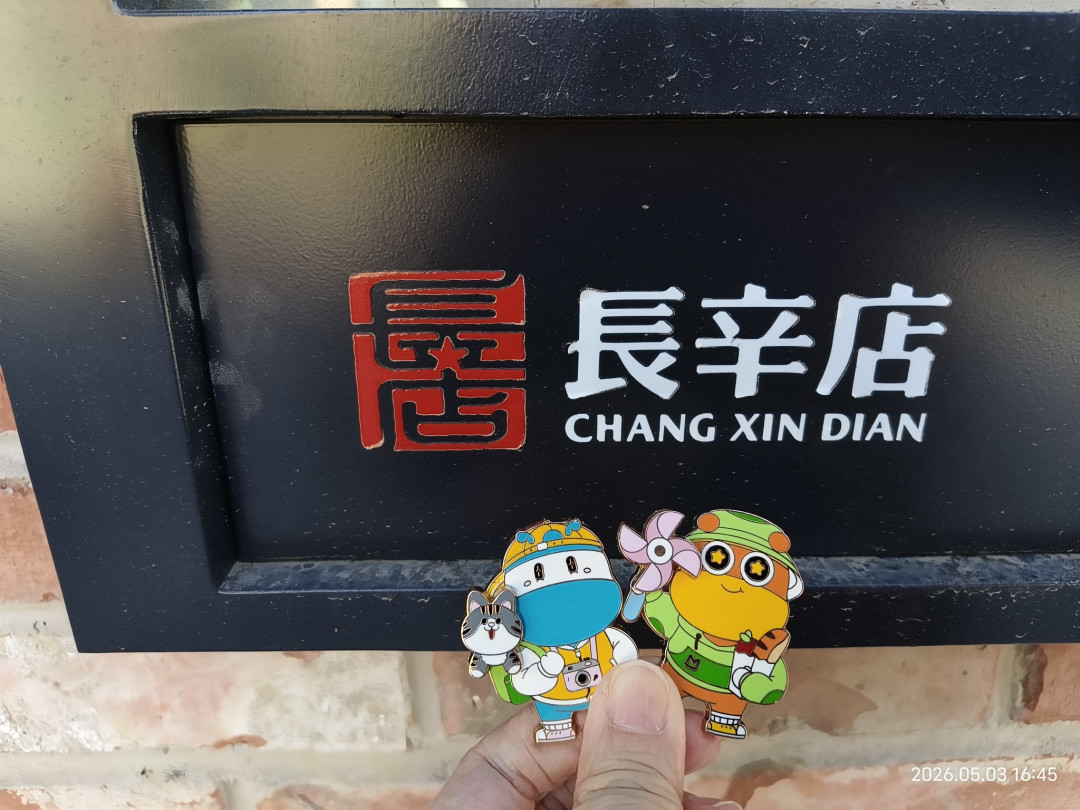
In the old memories of Beijingers, Changxindian was once a key industrial area in the west, filled with the roar of machinery and towering smokestacks. Now, it has undergone a stunning transformation. Old factory buildings have been turned into art spaces, red brick walls are covered in massive graffiti, and former workshops have become cafes and creative shops. This is the heart of Chinese chic tourism in Beijing—where industrial heritage collides with trendy design.
Immersive Interaction: Nostalgic Games and Chinese-Chic NPCs
Stepping into the Changxindian district felt like entering a parallel universe. On the retro red-brick buildings hung neon signs reading "Changxindian Supply and Marketing Cooperative" and "Time Photo Studio." Characters dressed in Republic of China (1912–1949) era clothing—NPCs (non-player characters)—wandered the streets, some selling candied hawthorns (糖葫芦, tanghulu), others performing acrobatics.
Nostalgic Sports Games: A Trip Back to Childhood
What delighted me most was the nostalgic sports games area. Visitors could try their hand at vintage games like rolling iron hoops or kicking shuttlecocks. It was a perfect blend of Changxindian retro attractions and modern interactive fun. This immersive experience makes the Beijing Western Line itinerary truly unique.
FAQ: Planning Your Beijing Western Line Day Trip
Q1: How do I get to Wanping Ancient City from central Beijing? A: The easiest way is to take a bus from Xibianmen Bus Station heading southwest. The journey takes about 40 minutes. Alternatively, you can take Subway Line 16 to Wanpingcheng Station and walk from there.
Q2: Is Wanping Ancient City free to enter? A: Yes, entering the ancient city itself is free. However, some specific attractions inside, like the ancient yamen or niche museums, may have a small entrance fee (usually under 20 RMB).
Q3: How long should I spend at Changxindian Chinese-chic District? A: Plan for at least 2-3 hours. This allows you to explore the art spaces, enjoy a coffee in a converted factory, and interact with the NPCs and nostalgic games.
Q4: Can I cycle between Wanping and Changxindian? A: Yes, it is a very scenic and easy ride. The distance is roughly 5 kilometers (about 20 minutes by bike) along a dedicated greenway. Shared bikes are available near Wanping City.
Q5: Is this itinerary suitable for families with children? A: Absolutely. The nostalgic sports games and interactive NPCs are great for kids, and the relaxed pace of the ancient city is safe for walking.
Conclusion: Your Perfect Holiday Awaits
This Beijing Western Line travel guide offers a perfect escape from the city’s hustle. Whether you are a history buff exploring the Wanping Ancient City history, an art lover seeking niche museums in Beijing, or a trendsetter looking for Chinese chic tourism, this route delivers.

Don’t just visit Beijing—experience it. Slow down, ride a bike, and walk through a century of stories.
Ready to explore? Plan your relaxing holiday itinerary in Beijing today. Pack comfortable shoes, bring your camera, and get ready to discover the hidden gems that make Beijing truly magical. [Link: Best Day Trips from Beijing]
Book your travel now and unlock the secrets of Beijing’s Western Line!
You should also read:
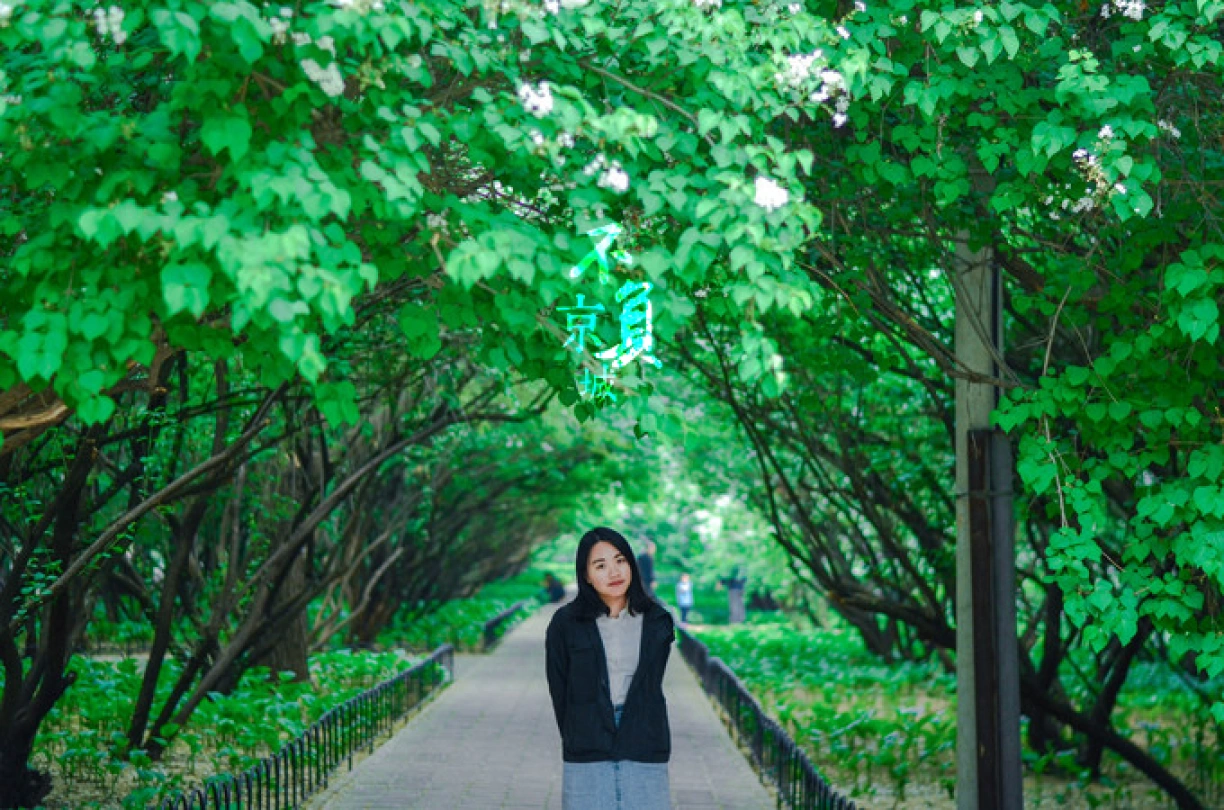
Three Days and Two Nights in Beijing: A Student’s Spring Travel Guide to the Imperial City
Meta Description: Discover Beijing on a student budget with this 3-day spring itinerary. From the Forbidden City to the Temple of Heaven, experience history, culture, and unexpected blue skies. Perfect for solo travelers. There are places you always think you can visit “someday”—until someday finally…
Continue reading...
Beijing Travel Guide: A Personal Journey Through Smog, History, and Hidden Stories
Meta Description: Discover Beijing beyond the tourist traps. This personal travel story explores hutong culture, historical sites, and local secrets—from Jingshan Park to Yuanmingyuan. Perfect for travelers seeking authentic experiences. Beijing. The name alone conjures images of smog-shrouded skylines, the majestic Forbidden City, labyrinthine hutong…
Continue reading...
Beiping: A City Where the Aroma of Street Food Meets the Poetry of the Distant Horizon
Here is the SEO-optimized, rewritten article based on your source material. It is structured for search engine visibility while maintaining the poetic, travelogue style of the original. SEO Title: Beiping Travel Guide: Street Food Aroma, Hutong Culture & The Poetry of Beijing’s Horizon Meta Description:…
Continue reading...