Romantic Mountains and Waters, Leisurely Flower Boats – A Complete Guide to Gubei Water Town Staycation
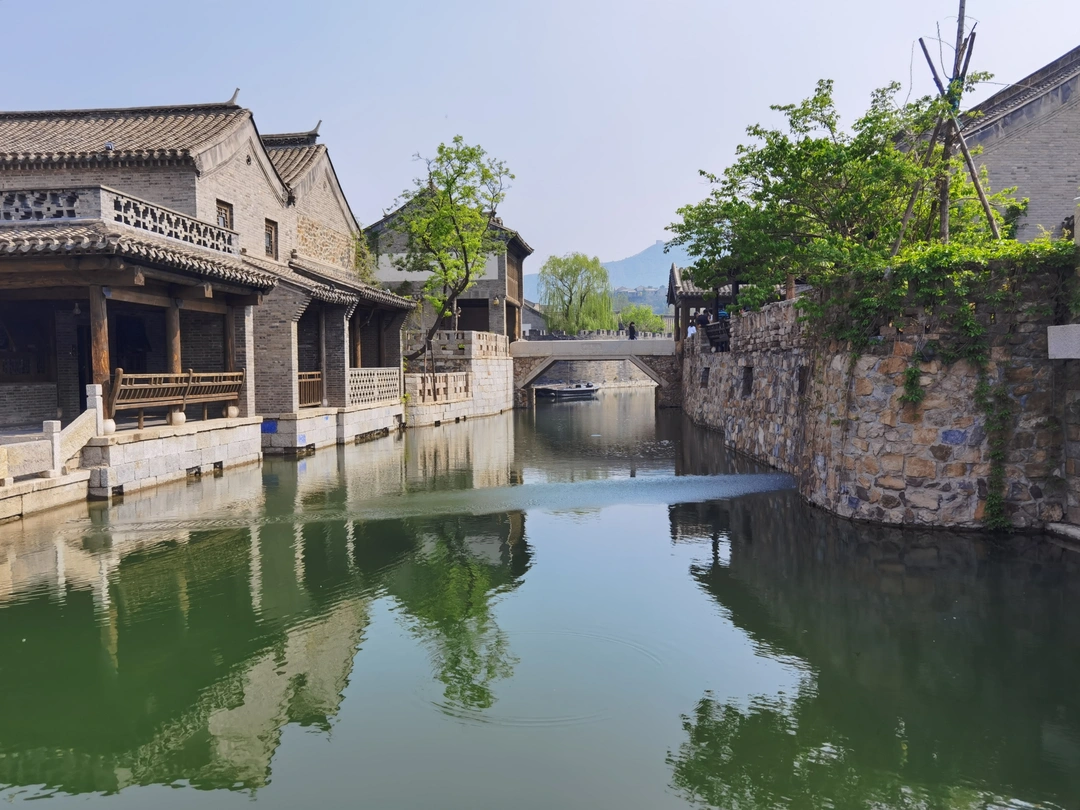
Meta Description: Discover the hidden magic of Gubei Water Town with insider tips on staying inside the scenic area, avoiding crowds, and experiencing a peaceful mountain-and-water retreat. Perfect for families and couples.
Introduction: Why Gubei Water Town Deserves a Second Visit
Some places are destined to be visited twice. The first time is by chance; the second is fate. For many travelers, Gubei Water Town in Beijing's Miyun District is exactly that kind of destination.
A few years ago, with a toddler still in diapers, we rushed through Gubei Water Town. That memory is like a box of spilled candy: crowds jostling for space, a thirty-minute wait for a mediocre bowl of Taiwanese noodles, my kid leaving a "gift" at some shop's doorstep, and a nasty fall at the foot of the Great Wall. These fragments pieced together a messy but joyful trip. Back then, I thought the water town was just another bustling tourist trap.
Then came the May Day holiday of 2020, unexpectedly extended to five days. As we debated where to go, a notification popped up: Gubei Water Town was reopening. At that moment, I understood the saying, "There's no better day than today." Perhaps fate was knocking.
This time, we decided to do things differently: stay inside the scenic area and slowly soak in the rhythm of this mountain-and-water town.
Why Stay Inside Gubei Water Town? – The Hidden "Cheat Codes"
On our first visit, we stayed in a guesthouse outside the park. Calling it a guesthouse was generous—it was just a converted residential home. Cheap and clean enough, but during the pandemic, it never felt quite safe. Plus, shuttling back and forth with a kid was a hassle.
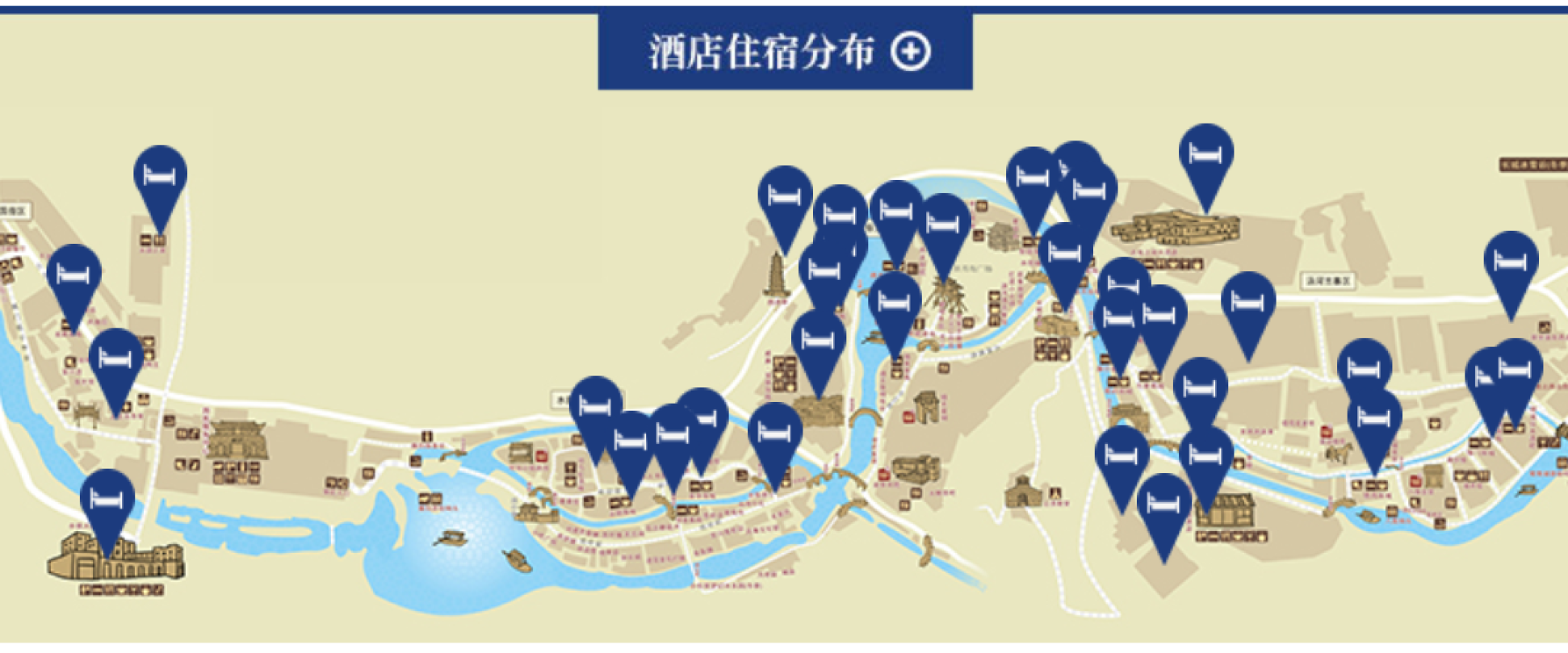
This time, I was determined to stay inside. I opened the official website and found a dazzling array of boutique hotels, themed hotels, and inns. As I browsed during a break before my night shift, prices shot up like a rocket—from 1,700 to over 2,000 yuan in minutes. I nearly gave up. But a few days later, when cross-regional travel between Beijing, Tianjin, and Hebei was allowed again, prices dropped. I quickly canceled my previous booking and locked in a new one.
I chose the William Edgar Boutique Hotel for three reasons:
- Comfort over guesthouses – I wanted hotel-level amenities, not a converted home.
- Prime location – Near the main entrance, twenty meters from the shuttle stop, close to nightlife but far enough for peace and quiet.
- A touch of fate – My son's name is William. Who else could I book?
The Insider Perks of Staying Inside Gubei Water Town
If you're planning to bring kids and stay inside the scenic area, memorize these "secret skills":
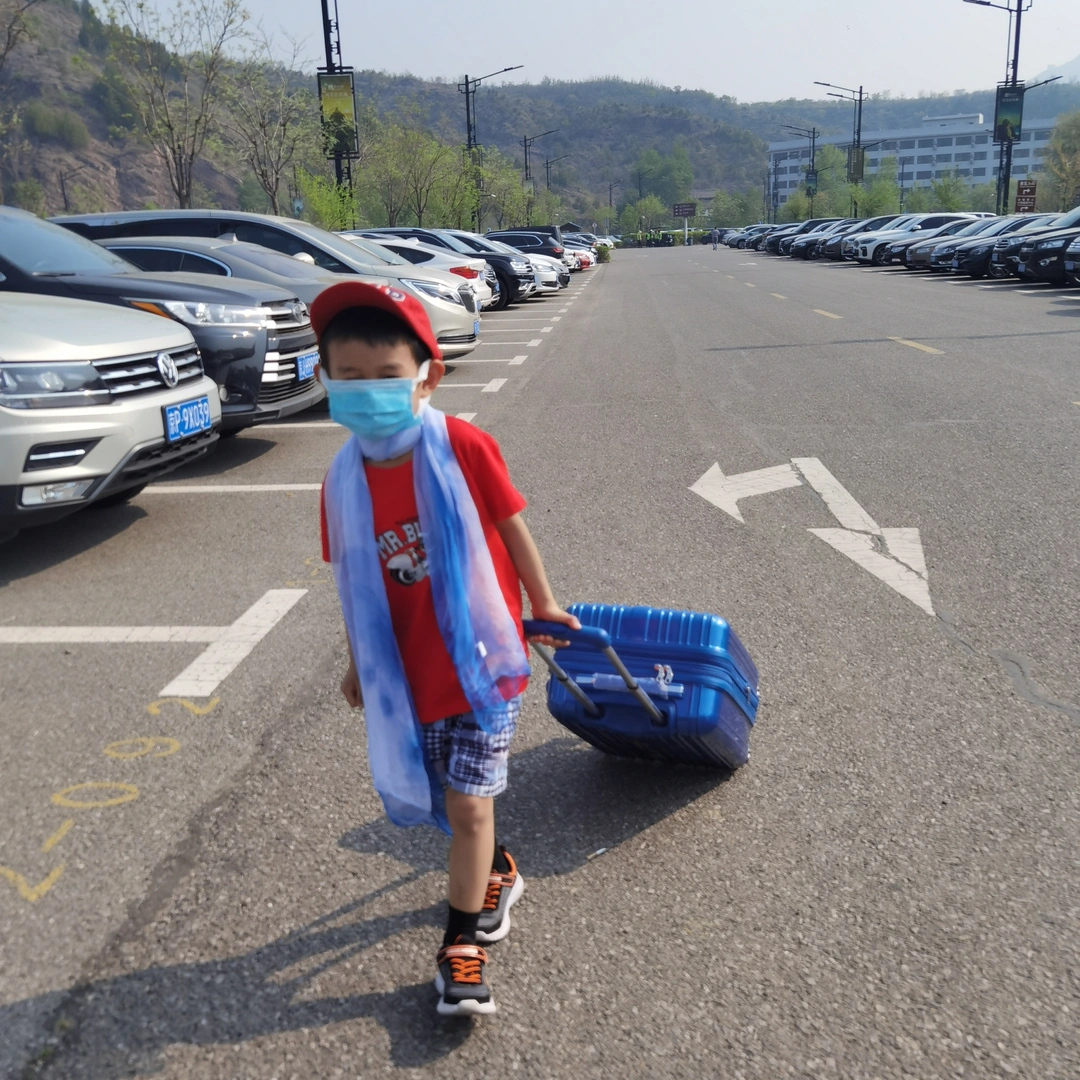
- Free luggage transfer – From Parking Lot P1 to your hotel, they'll handle your bags. Park at P1 for maximum convenience.
- Free unlimited shuttle rides – Normally 10 yuan per person, but free for hotel guests. We took it four or five times a day—totally worth it.
- Discounted tickets – Book through the official site for 80 yuan per person. Some hotels, like William Edgar, even include tickets for the standard number of guests. Plus, there are discounts for night tours of the Great Wall and hot spring vouchers (though the springs were closed during the pandemic).
- Go back to the room anytime – With a kid, you never know when they'll throw a tantrum. Tired? Hop on the shuttle, head back to the hotel, rest up, and go again.
- Travel light – No need to carry water or drinks—the hotel provides free bottled water. We only bought two ice creams for our son; we didn't spend a cent on food or drinks otherwise.
- Avoid the crowds – The park gets packed after 11 a.m., and bridges are jammed by afternoon. But if you're staying inside, the shuttles start at 8 a.m., and the park opens at 9 a.m.—you get a whole hour of "private" time.
- Change outfits three times a day – Want great photos? No problem. Pop back to the hotel to change: one outfit for morning, one for afternoon, one for evening. Your Instagram grid will be a fashion show.
[Link: Best Boutique Hotels in Gubei Water Town for Families]
Gubei Water Town Park Overview – A Northern Dream of the South
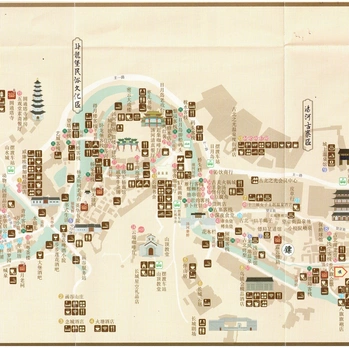
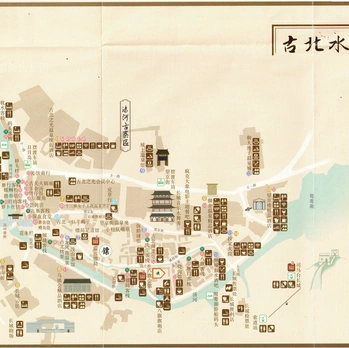
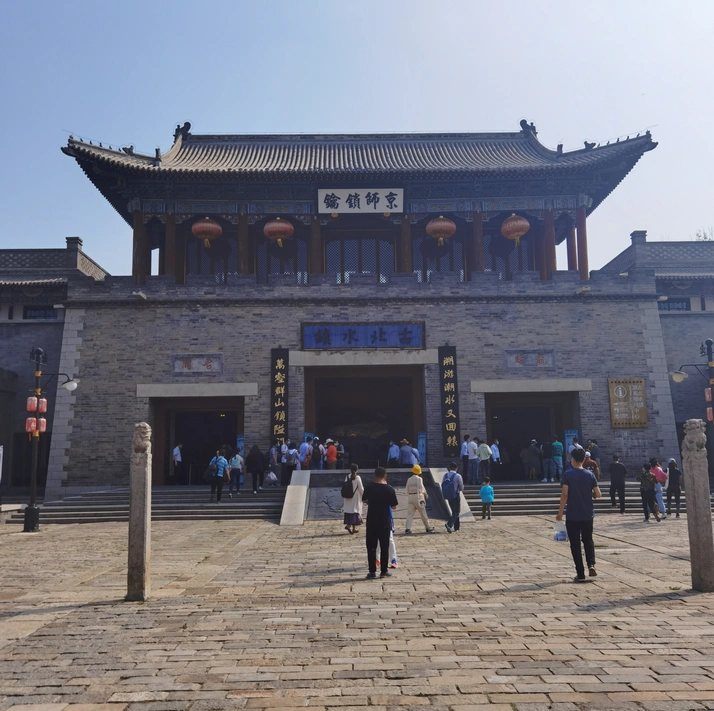
Gubei Water Town, nestled at the foot of Simatai Great Wall, is a "new town" that rivals the ancient water towns of southern China. Built in Ming and Qing dynasty architectural styles, it offers a unique blend of northern grandeur and southern charm.
The park is divided into three main areas:
| Area | Highlights |
|---|---|
| Water Street Historic District | Canals, bridges, shops, and dining |
| Wolongbao Folk Culture District | Traditional crafts and cultural experiences |
| Tanghe Ancient Village District | Ancient courtyards and quiet lanes |
| Simatai Great Wall | Night tours and panoramic views |
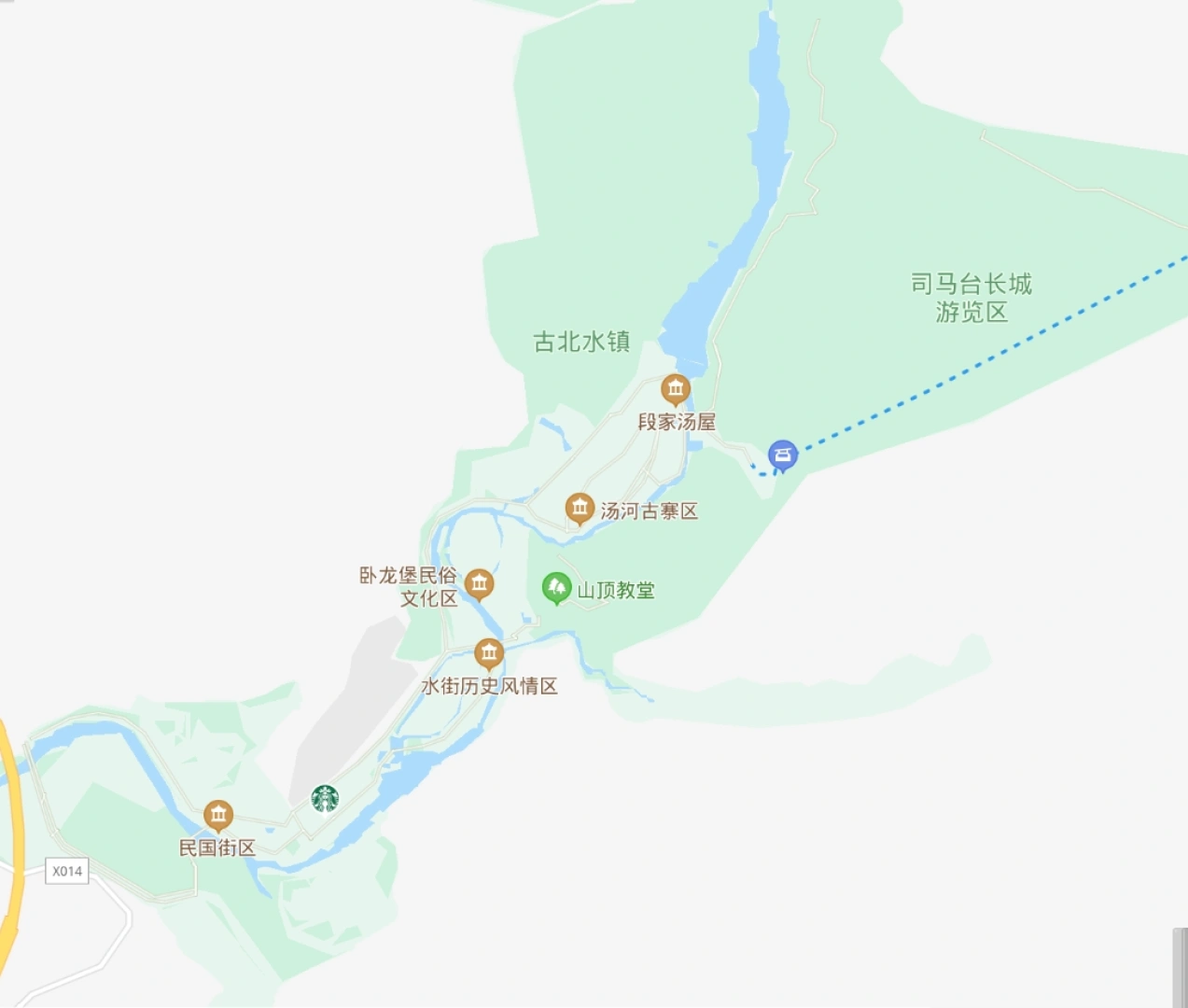
By day, enjoy the scenery, food, and streets; by night, climb the Great Wall and admire the lights. Three days and three nights wouldn't be enough.
Park hours: 9:00 a.m. – 10:00 p.m.
Ticket sales: 9:00 a.m. – 9:00 p.m.
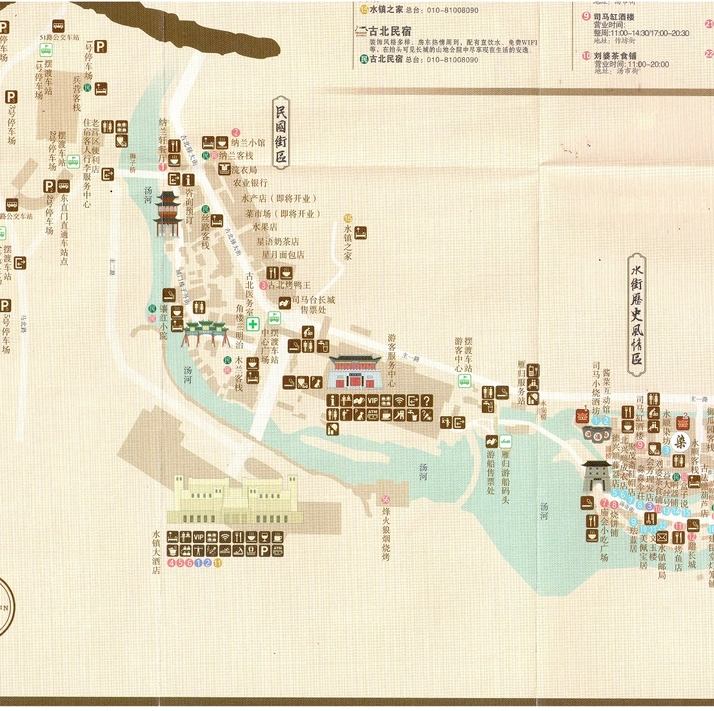
Free maps are available at the visitor center or hotel front desk. Every step reveals a new view.
[Link: Simatai Great Wall Night Tour Guide]
Day One Itinerary: Wandering Every Alley, Cruising Through the Town

Early Start, Seize the Advantage
To beat the crowds, we woke up at 5 a.m. and left by 6:30. The roads were clear, and we arrived at Parking Lot P1 by 8:30. The luggage transfer signs were easy to spot. After parking and checking our bags, a free shuttle took us to the visitor center.
During the pandemic, we needed health and travel codes, but it was straightforward. After verifying our IDs, taking photos, and having our temperatures checked, we received a yellow accommodation slip—our ticket for free shuttle rides.
The staff said our room wouldn't be ready until 3 p.m., but we were prepared: our bags were already on their way. Time to explore!
Morning: Few People, Stunning Views, Non-Stop Photos
At exactly 9 a.m., we entered the park. The lack of crowds was a pleasant surprise. We started exploring the western half of Water Street Historic District.
Sima Xiaoshao Distillery – A place to experience liquor culture. Big jars, blue bricks, and black tiles—every shot looked like a movie still.
Yongshun Dyeing Workshop – A social media hotspot. The hanging fabric strips looked ordinary, but the photos were breathtaking. My mom got lost in the moment, while my son played hide-and-seek among the cloth. The second floor offered a panoramic view of the workshop—absolutely stunning.
Paper-Cutting and Shadow Puppet Shop – My son was captivated by the trinkets and played happily.
Dessert Shop – The sun was getting fierce, so we ducked into a dessert shop. One scoop of ice cream cost 20 yuan, a smoothie 40 yuan—the ice cream was good, the smoothie just okay. The children's play area was closed, unfortunately.
Midday: Poetic Scenery at Yinghua Bridge
By 10 a.m., we ventured deeper. Yinghua Bridge is the highlight of the town's first half—canals converge from all sides, surrounded by water, dotted with small bridges, and filled with sightseeing boats. At 10 a.m., it was still quiet, but by 11 a.m., it would be packed.
Standing on the bridge, leaning on the railing, I watched the turquoise water ripple as boats glided by. Wind chimes swayed on the shore. For a moment, I felt like I was in a painting.
Yinghua Academy was only partially open, and the backyard pond was closed. Yang Wudi Shrine and the stage were also shut. So we turned into the alleys and kept shooting.
Hilltop Church – Following a small path, we unexpectedly found a shuttle stop. The church wasn't tall—a five-minute climb. Stone walls covered in vines gave it an ancient yet vibrant feel. Unfortunately, the church doors were closed. From the top, you could see the Simatai Great Wall and the entire water town—a perfect viewpoint.
Afternoon: Hotel Rest, Recharge
At noon, we took the shuttle back to the hotel to try our luck. As expected, the previous guests had just checked out, and the room wasn't ready. We decided to have lunch.
The William Hotel had both Chinese and Western restaurants. My son chose Chinese. During the pandemic, only set meals were available, not à la carte. I ordered a 158-yuan single-person set: pork with water spinach, stir-fried baby bok choy, celery with shrimp, black pepper chicken thigh, and a bowl of chicken and mushroom soup. My son and I were stuffed.
After eating, we took photos in the hotel's small garden while my son happily explored. By 2 p.m., our room was ready—a clean, spacious room with a view of the courtyard.
[Link: Family-Friendly Restaurants in Gubei Water Town]
Evening Adventures: Night Cruises and Great Wall Lights
After a refreshing nap, we headed back out at 5 p.m. The park was still busy, but the evening light was magical. We took a flower boat cruise along the canals—a must-do experience. The boatman rowed slowly, and we watched the lights come on one by one. The reflections on the water created a dreamlike scene.
At 7 p.m., we took the cable car up to Simatai Great Wall. The night tour is a unique experience: the wall is lit, and you can see the entire water town sparkling below. It's a view you won't forget.
Pro tip: The cable car stops at 9 p.m., so plan your return accordingly. Bring a jacket—it gets chilly on the wall.
[Link: Night Activities at Simatai Great Wall]
Day Two: Slow Morning and Departure
We woke up naturally at 8 a.m. and enjoyed a complimentary breakfast at the hotel. The park was still quiet, so we took a final stroll through the empty streets. We visited the Tanghe Ancient Village District, which we had missed the day before. The ancient courtyards and stone pathways were peaceful and photogenic.
By 11 a.m., the crowds started pouring in. We checked out, took the shuttle back to Parking Lot P1, and retrieved our luggage. The drive home was smooth, and we arrived by 2 p.m.
Frequently Asked Questions About Gubei Water Town
1. Is Gubei Water Town worth visiting?
Absolutely. Gubei Water Town offers a unique blend of northern mountain scenery and southern water town charm. It's especially worth visiting if you stay inside the scenic area, which allows you to experience the town without the crowds.
2. How many days do you need in Gubei Water Town?
Two days and one night is ideal. You can explore the main attractions, take a night cruise, and visit Simatai Great Wall without rushing. Three days would allow for a more relaxed pace.
3. What is the best time to visit Gubei Water Town?
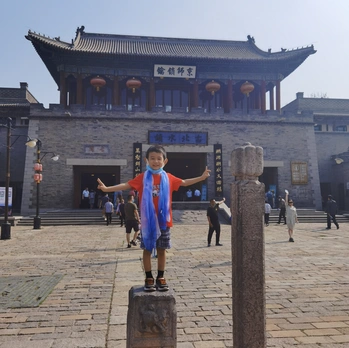
Spring (April-May) and autumn (September-October) offer the best weather. Summer can be hot and crowded, while winter is cold but offers beautiful snowy scenes. Weekdays are less crowded than weekends.
4. Can you visit Simatai Great Wall from Gubei Water Town?
Yes, Simatai Great Wall is part of the Gubei Water Town scenic area. You can take a cable car or hike up. Night tours are available and highly recommended.
5. Is Gubei Water Town suitable for families with young children?
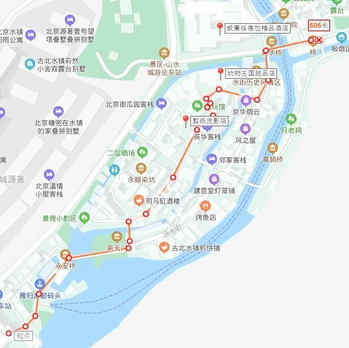
Yes, it's very family-friendly. The park is flat and stroller-friendly, there are plenty of activities for kids, and staying inside the scenic area makes it easy to take breaks and return to your room.
Final Thoughts: Your Gubei Water Town Adventure Awaits
Gubei Water Town is more than just a tourist attraction—it's a place where you can slow down, breathe, and experience a different life. Whether you're a couple seeking romance, a family looking for a fun getaway, or a solo traveler in search of peace, this mountain-and-water town has something for everyone.
Ready to plan your trip? Book your stay inside the scenic area through the official Gubei Water Town website. Remember to: - Park at Parking Lot P1 for free luggage transfer - Arrive early to beat the crowds - Take advantage of hotel perks like free shuttles and discounted tickets - Don't miss the night cruise and Simatai Great Wall night tour
Your romantic mountains and waters, leisurely flower boats, and unforgettable memories are waiting. Book your Gubei Water Town staycation today.
[Link: Official Gubei Water Town Booking Page]
[Link: Beijing to Gubei Water Town Transportation Guide]
[Link: What to Pack for a Gubei Water Town Trip]
Experience a different life in Gubei Water Town – where every bridge tells a story, every boat carries a dream, and every moment becomes a memory.
You should also read:
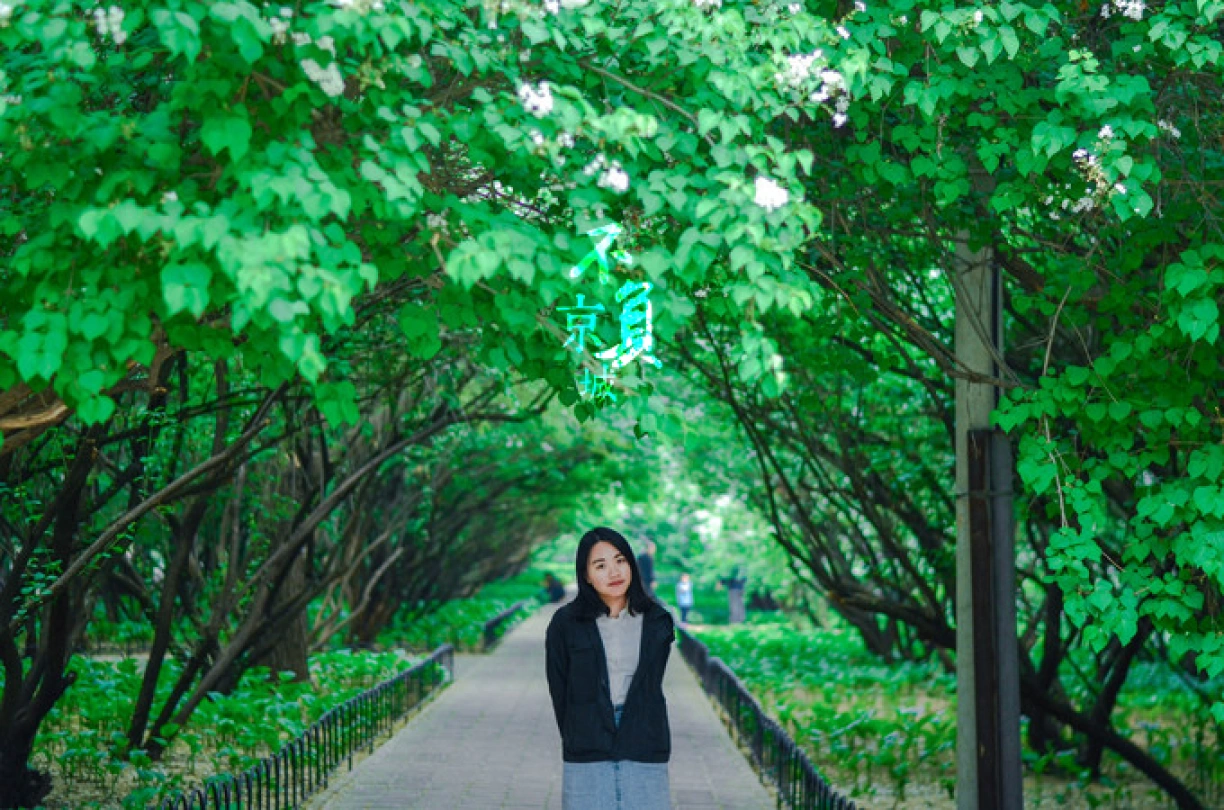
Three Days and Two Nights in Beijing: A Student’s Spring Travel Guide to the Imperial City
Meta Description: Discover Beijing on a student budget with this 3-day spring itinerary. From the Forbidden City to the Temple of Heaven, experience history, culture, and unexpected blue skies. Perfect for solo travelers. There are places you always think you can visit “someday”—until someday finally…
Continue reading...
A Pause for Mafengwo: How to Make Honey and Build a Travel Guide Legacy
Meta Description: Discover how one Beijing native turned travel passion into Mafengwo honey, achieving a 62% adoption rate. Learn authentic guide tips, goal-setting strategies, and why a pause isn't the end. I never imagined I would write a "pause" on Mafengwo in this way. This…
Continue reading...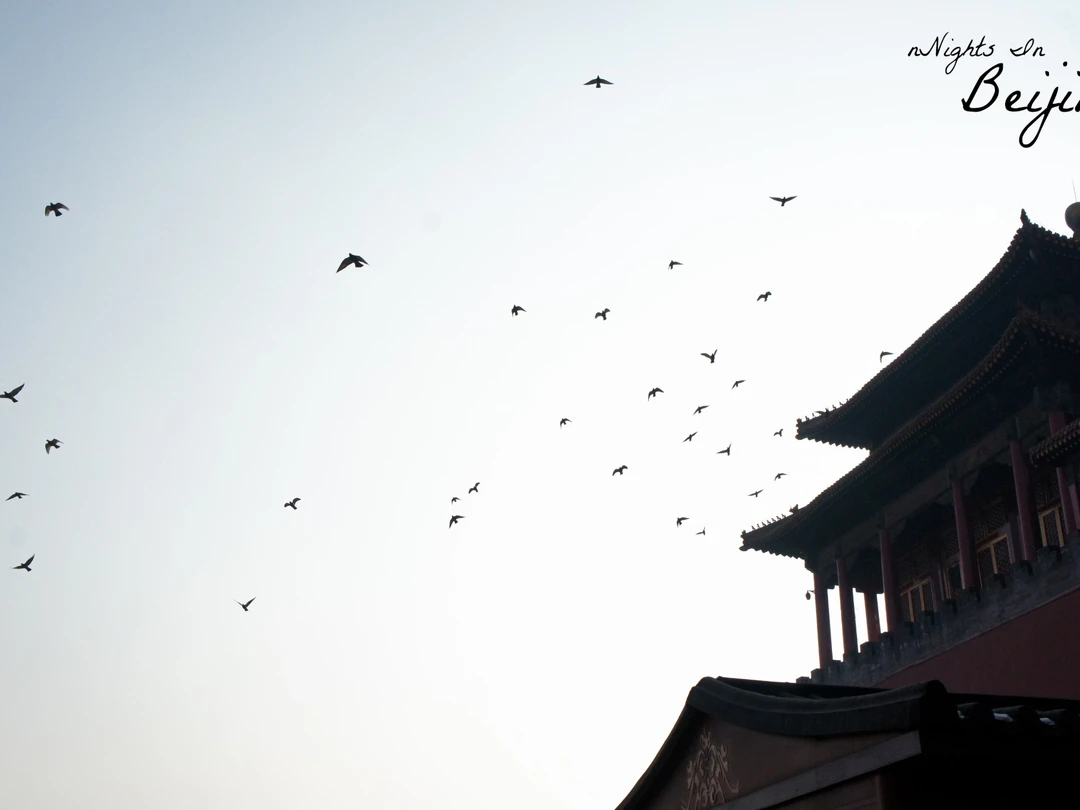
Beijing Travel Guide: A Personal Journey Through Smog, History, and Hidden Stories
Meta Description: Discover Beijing beyond the tourist traps. This personal travel story explores hutong culture, historical sites, and local secrets—from Jingshan Park to Yuanmingyuan. Perfect for travelers seeking authentic experiences. Beijing. The name alone conjures images of smog-shrouded skylines, the majestic Forbidden City, labyrinthine hutong…
Continue reading...