Seattle Travel Guide: Snowy Mountains, Rainforests, and Ocean – Finding Everyday Magic in the Pacific Northwest
Meta Description: Discover Seattle's stunning diversity—from Olympic National Park's rainforests and glaciers to Mount Rainier's snowy peaks. This SEO-optimized travel guide reveals hidden gems, practical tips, and local experiences for your Pacific Northwest adventure.
Introduction: Why Seattle Captivates Every Traveler
I first heard of Seattle because of Boeing. That city was like a distant symbol, etched into my memory, yet I never imagined I'd one day truly step into it. It wasn't until March 2018, when I dragged my suitcase onto the tarmac at Tacoma International Airport, that I realized—this city, wrapped in snow-capped mountains, rainforests, and ocean, was far more enchanting than I had ever imagined.
This is a long-overdue travelogue, written for Seattle, and also for the version of myself that I rediscovered along the journey. Whether you're planning a Seattle vacation, searching for Pacific Northwest road trip ideas, or simply dreaming of exploring national parks near Seattle, this guide will help you uncover the city's authentic charm.
First Impressions: The Warmth of a City
I arrived at night. Outside the airport, the air carried a damp chill, like a unique greeting from the city itself. I checked into the Kimpton Alexis Hotel, conveniently located near Chinatown, making it easy to meet up for an early morning departure the next day. I chose to join a guided tour to the national parks because March in Seattle brings frequent rain and snow, and the road conditions can be tricky—safety first.

For dinner, I went to Boiling Point, a Taiwanese-style hot pot chain popular across North America. Honestly, when I first heard the name "Stinky Pot," I was hesitant. But a friend insisted it was hearty and delicious, so I decided to give it a try. As it turned out, that bubbling broth and generous assortment of ingredients instantly won over my taste buds. The line was long, as expected, but it was absolutely worth it.
[Link: Best restaurants in Seattle Chinatown]
Olympic National Park: A Dialogue Between Rainforest, Glacier, and Ocean

Heading North into the Wilderness
Driving northwest from the city for about four hours, we entered Olympic National Park. What makes this place so remarkable is that Pacific coastal climate, temperate rainforest climate, and glacial climate all coexist here. In other words, within a single day, you can witness three completely different landscapes: ocean, rainforest, and glacier.
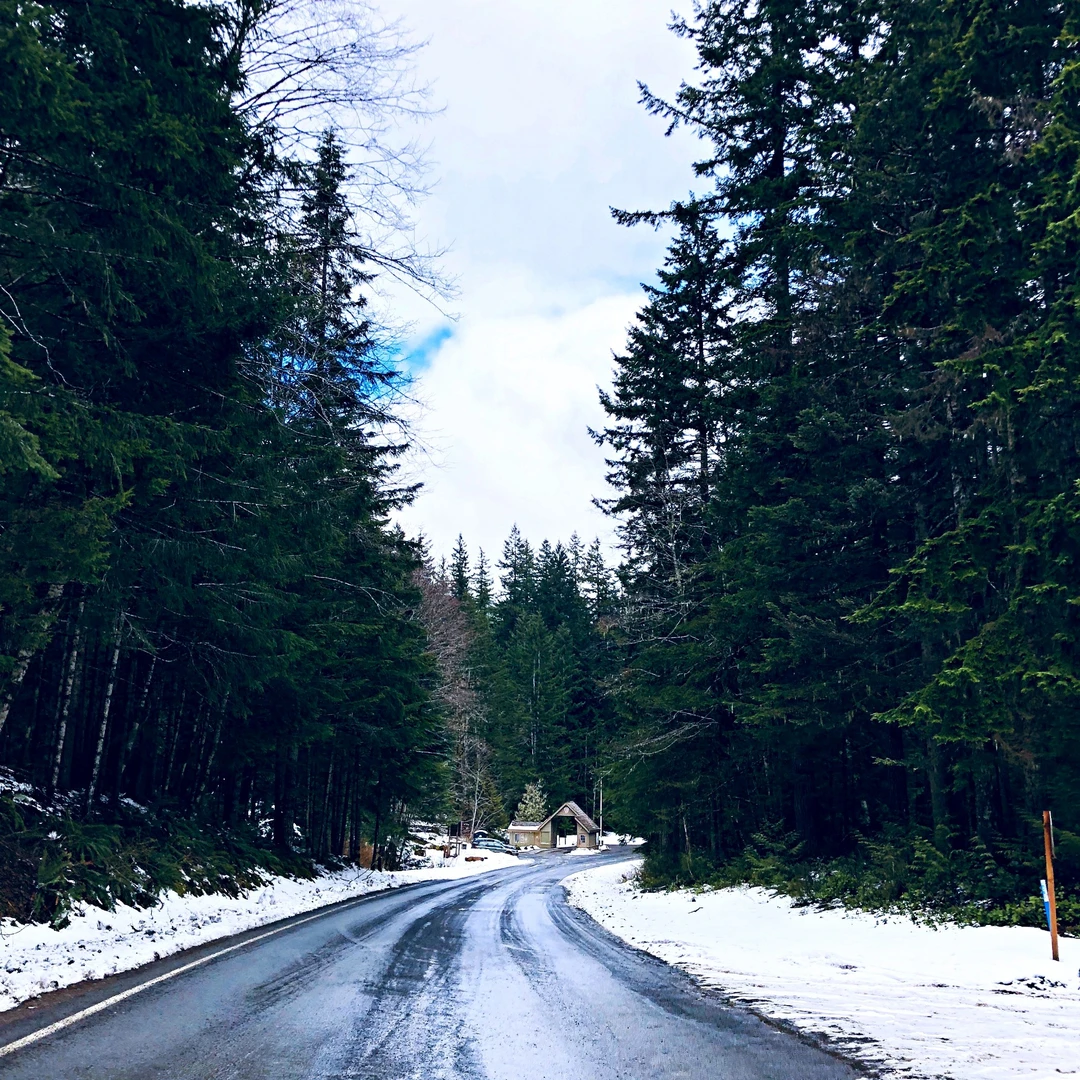
The winding mountain road climbed upward, with coniferous forests standing tall and dense along the slopes. Light snow flurries were falling as we drove, delicate flakes landing on the car window and quickly melting into droplets. For someone like me, who grew up in the south, this was already enough to get excited about.
Ice Springs and Snowy Peaks

Following the sound of rushing water, we arrived at an open area. An ice spring cascaded down from the mountain, crashing against hidden rocks and sending up blue-white foam. Just looking at it felt bone-chillingly cold. I didn't have the courage to jump down onto the rocks to test its sharpness; I just stood at a distance, letting it flow on its own.
We were lucky. While we were in the car, snow was still falling. But as soon as we stepped out, the sky cleared. We were able to catch a glimpse of the highest peak in the Olympic Mountains—Mount Olympus. In this rainy and snowy season, that was a rare treat.
Lake Crescent: Where Starlight and Moonlight Meet
As we descended from the mountain, the driver kept tapping the brakes until we finally reached a flat stretch, and there it was—Lake Crescent. The lake was like a mirror, gently spreading out before us. On a clear day, sunlight dances across the water's surface in a riot of colors, as if stars had fallen into the lake, or moonlight had been shattered and scattered upon it.
Flocks of wild ducks glided across the lake in perfect unison, their synchronized movements bringing an involuntary smile to my face.
[Link: Best photography spots in Olympic National Park]
Temperate Rainforest: Another World
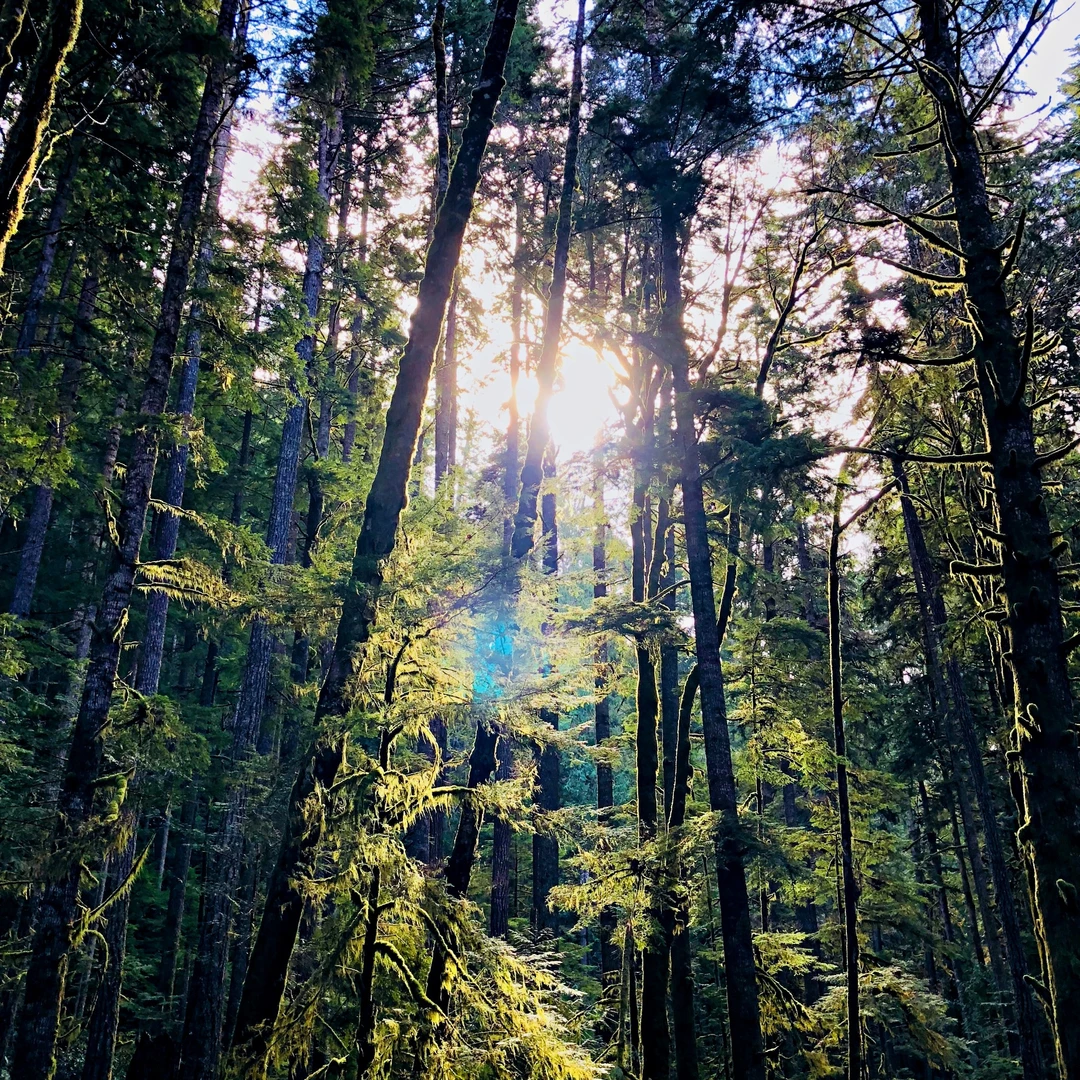
Beside Lake Crescent, there was a hidden trail. A tree on the right, its trunk covered in a fuzzy coat of moss, seemed to whisper: what lies ahead is a completely different world.
The moment I stepped into the rainforest, the ground beneath my feet became sticky and damp—a stark contrast to the crisp, dry crunch of the snow. I was speechless with amazement. How could two such extreme landscapes exist so close together?
The largest temperate rainforest in the Western Hemisphere, receiving the most rainfall in the continental United States, truly lives up to its reputation. Towering trees, some reaching over 60 meters, stood firm, holding up this secret world. I craned my neck upward until it was nearly at a 90-degree angle, my mouth hanging open involuntarily. Occasionally, a beam of sunlight would find a gap in the canopy, teasing the pale green mist that hung in the air.
Every tree was wrapped tightly in a thick blanket of epiphytes—mosses, ferns, and lichens. One tree alone was a miniature rainforest. Life is truly fascinating: it can find every possible way to survive, and it can give everything it has to offer. Trees that fall naturally in the rainforest become "nurse logs," providing nutrients for other plants. New life grows upon them, and the fallen tree slowly diminishes as it gives itself away, until it disappears entirely... and so the cycle of life begins anew.
Sunset on the Ferry
After a long day of exploration, we took the ferry from Bainbridge Island back to the city in the evening. The ferry is no longer just a means of transportation; it's a state of mind. From the deck, you can gaze at the Seattle skyline and the distant Mount Rainier.
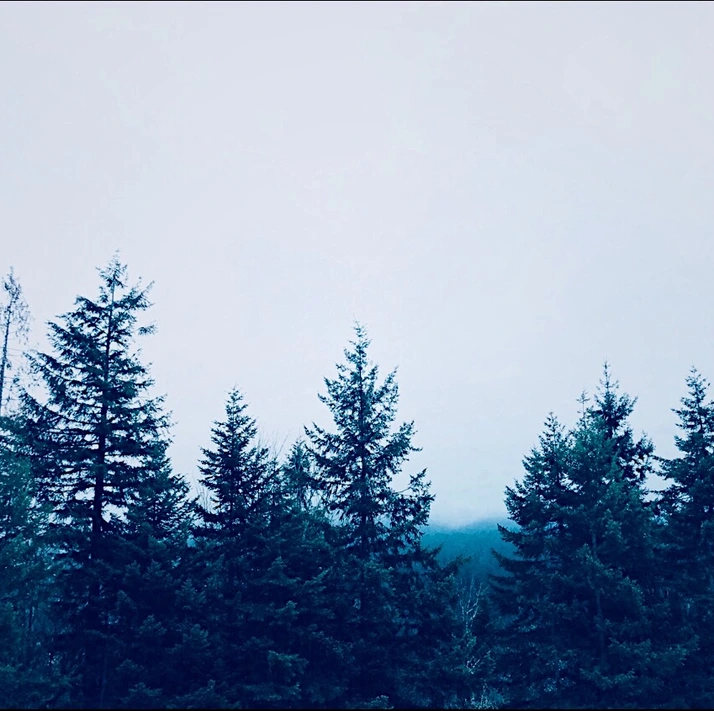
There were few people inside the cabin; everyone was standing on the deck, braving the cold wind. A sudden beam of sunlight broke through the clouds, spreading across the icy sea. People quickly moved to stand in the light, soaking up that rare warmth. As dusk deepened, lights began to flicker on the opposite shore, signaling the end of another busy day in Seattle.
[Link: Seattle ferry schedule and tips]
Leavenworth: Slow Time in a European-Inspired Town
Snoqualmie Falls: A Distant View
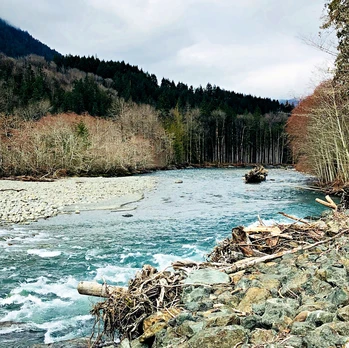
On the way to Leavenworth, we passed by Snoqualmie Falls. A curtain of white water plunged downward with tremendous force, crashing into the deep pool below and sending up a thick veil of mist. You can't get close; you can only admire it from afar. To the right, hidden within a small water outlet, lay an underground hydroelectric power station nestled in the primeval forest.
Mist swirled around the mountains, the waterfall roared, and the chill deepened. We didn't linger long before continuing our drive to the German-themed town of Leavenworth.
A Different Side of a Small Town
Leavenworth is truly a small town—so small it has just one main street. Yet this tiny town attracts millions of visitors from around the world.
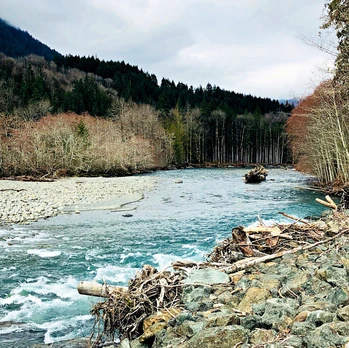
The town is built in a Bavarian style, with every shop along the street carefully designed. Eaves, window frames, and doorways were all adorned with decorations, so intricate they looked like they had been lifted straight out of a fairy tale. With the snowy mountains as its backdrop, the town felt incredibly peaceful. We visited during the off-season, with only a few scattered tourists. While we missed the festive joy of the town's Christmas celebrations, we got to see a quieter, more authentic side of life here—without the noise of crowds or congested streets. Just the everyday routine of ordering a familiar meal at the neighborhood restaurant and chatting warmly with the owner.
Compared to the exuberant image it projects to the outside world, I preferred avoiding the crowds and finding a quiet moment to wander and soak in its simplicity. When I grew tired, I stepped into a café, ordered a hot cocoa, and spent a leisurely afternoon just sitting there.
[Link: Leavenworth winter activities guide]
Mount Rainier: Seeking Elegance at the Summit, Unfazed by the Climb
My first encounter with Mount Rainier was on my way to school in the United States. After a layover in Seattle, I flew south. About half an hour into the flight, my friend beside me excitedly tapped my arm and pointed out the window. "Wow! A snowy mountain!" The plane had already climbed to a considerable altitude, but even that couldn't diminish the mountain's majesty. People in the cabin were pulling out their phones to capture the moment.
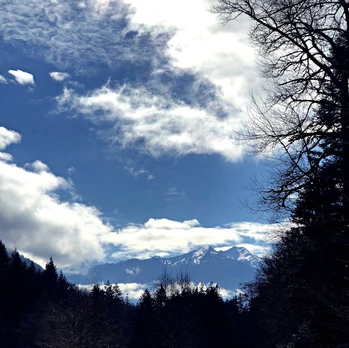
Visiting Mount Rainier in March requires careful planning. The mountain is often shrouded in clouds, and snow can block access to higher elevations. But even a glimpse of this iconic peak—standing at 14,411 feet—is enough to leave you breathless. The Paradise area is the most accessible section in spring, offering snowshoeing trails and stunning views of the Nisqually Glacier.
For those seeking a deeper connection, consider visiting during the summer wildflower bloom, when meadows burst into color. But if you're looking for solitude and a raw, untamed experience, the shoulder seasons offer their own magic.
[Link: Mount Rainier hiking trails for beginners]
FAQ: Planning Your Seattle Adventure
1. What is the best time to visit Seattle for national parks?
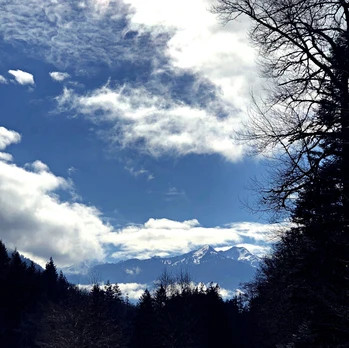
The best time to visit Seattle's national parks is from June to September, when roads are clear and trails are accessible. However, if you want fewer crowds and don't mind rain, March to May offers lower prices and a unique, misty atmosphere.
2. How many days do I need to explore Olympic National Park?

Ideally, 3–4 days allows you to see the rainforest, coastline, and mountains without rushing. A one-day tour is possible but will only scratch the surface.
3. Is Leavenworth worth visiting in the off-season?
Absolutely! Off-season visits offer a quieter, more authentic experience. You'll avoid the Christmas crowds and enjoy easier parking, lower accommodation rates, and personal conversations with local shop owners.
4. Can I see Mount Rainier in March?
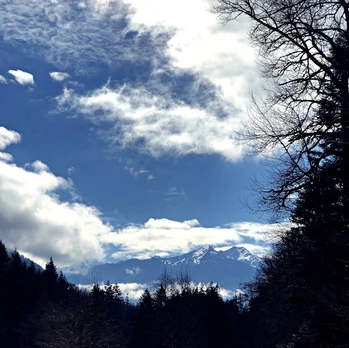
Yes, but visibility depends on weather. March visits are best for snowshoeing and photography, but you may not reach the highest elevations. Check road conditions at the Mount Rainier National Park website before you go.
5. What should I pack for a Seattle trip in spring?

Pack layers! Waterproof jackets, warm sweaters, hiking boots, and an umbrella are essential. Don't forget a camera—the light and mist create unforgettable photo opportunities.
Conclusion: Your Seattle Story Awaits
Seattle is more than a destination—it's a feeling. It's the chill of an ice spring, the whisper of a moss-covered tree, the warmth of a hot pot on a rainy night. It's the ferry ride that turns strangers into storytellers, and the small town that invites you to slow down and breathe.
Whether you're chasing snowy peaks, exploring ancient rainforests, or simply sipping cocoa in a Bavarian café, this corner of the Pacific Northwest will leave its mark on you.
Ready to plan your Seattle adventure? Start by booking your flight to Seattle-Tacoma International Airport (SEA), reserve a rental car for maximum flexibility, and let the mountains, rainforests, and ocean guide your journey. Don't wait—your story is waiting to be written.
👉 Book your Seattle trip today and discover the everyday magic of the Pacific Northwest.
[Link: Best Seattle travel packages] [Link: Pacific Northwest road trip itinerary]
You should also read:
Taipei-Hualien-Kenting-Kaohsiung: The Ultimate 8-Day Budget Travel Guide to Taiwan's Best
Meta Description: Discover how to explore Taiwan on a budget with this 8-day itinerary covering Taipei, Hualien, Kenting, and Kaohsiung. Get insider tips on sun protection, must-eat street food, private car hires, and hidden gems. Perfect for first-time travelers! Taiwan is a dream destination—vibrant night…
Continue reading...
A Beijing Local’s Secret Guide: Escaping the Crowds to Find the City’s Hidden Artistic Gems
Meta Description: Discover Beijing's secret artistic gems beyond the Forbidden City. This local's guide reveals hidden hutong cafes, underground art museums, and quiet courtyards where true creativity thrives. Escape the tourist crowds today. After living in Beijing for thirty years, I still approach this city…
Continue reading...
A Dali Travelogue: A Journey of the Artistic Soul in Search of Dreams – Your Ultimate Dali Travel Guide
Meta Description: Discover the magic of Dali through this artistic travelogue. From ancient city cobblestones to Shuanglang's lakeside serenity, explore Yunnan’s dreamlike landscapes with insider tips, hidden gems, and soulful experiences. Plan your Dali adventure today. "Is life not quite satisfying? Haven't laughed in so…
Continue reading...