SEO-Optimized Article: A Three-Day Photography Journey in Beijing – Escaping the Southern Rain, Meeting Early Spring in the North
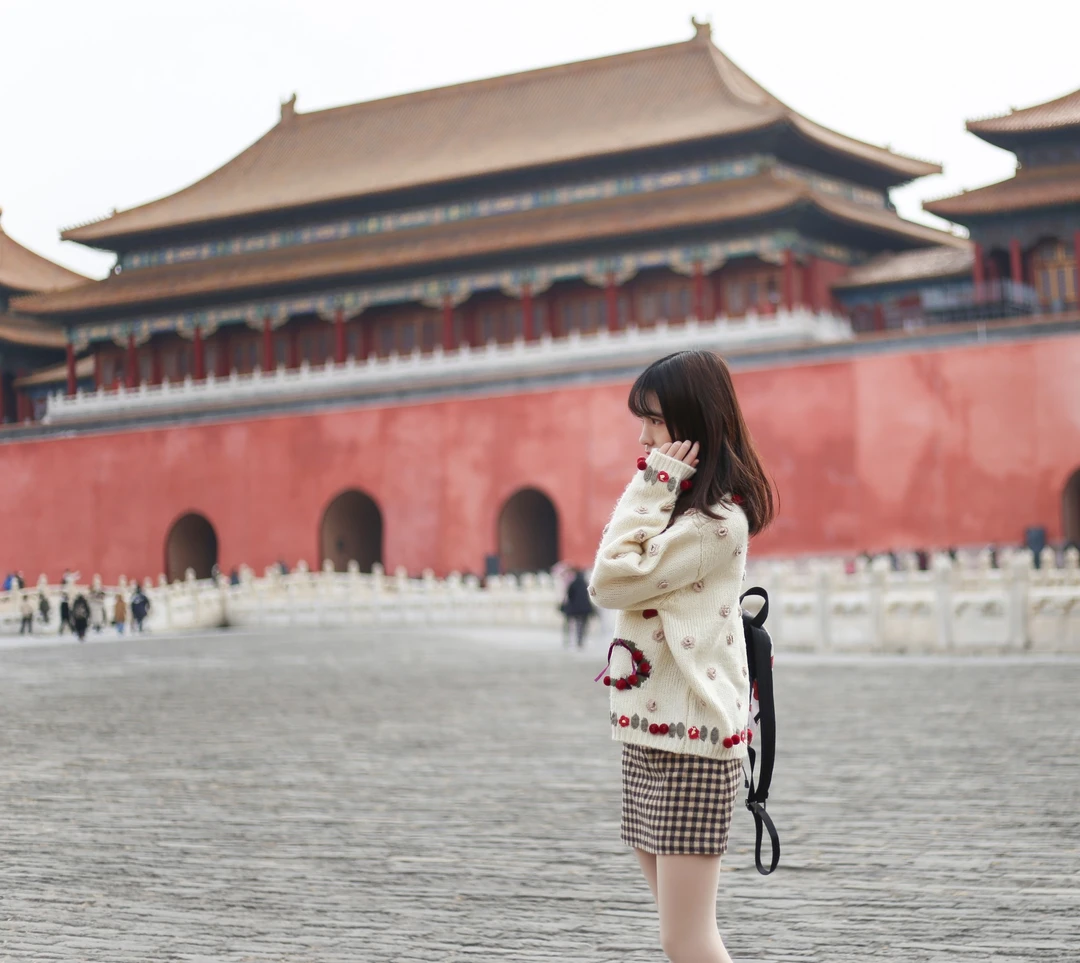
Meta Description: Escape the southern rain and discover Beijing’s early spring charm. This 3-day photography itinerary covers the Forbidden City, hidden gems, and practical tips for capturing the perfect shot. Plan your trip now!
Introduction: Why Beijing in Early Spring?
A three-hour flight from Guangzhou’s endless drizzle landed me in Beijing’s crisp, dry air. The moment the cabin door opened, a biting chill rushed in—but it carried a freshness the south never has. I took a deep breath and thought: Beijing, I’ve finally made it.
When I was a child, my Chinese teacher said, “Beijing is the great capital of our motherland.” I raised my hand and asked, “Teacher, where exactly is Beijing?” She smiled and replied, “Far up north. When you grow up, you can take a plane and see for yourself.” That sentence planted a seed. From then on, I imagined Beijing in countless ways: the red leaves of Fragrant Hills, the glazed tiles of the Forbidden City, Kunming Lake at the Summer Palace, and those glistening sticks of candied hawthorn (bing tang hu lu).
Years later, I finally reached the age where I could “take a plane and see the capital myself.” Friends around me were shouting “Escape from Beijing, Shanghai, and Guangzhou,” making me wonder if Beijing was really as cold as legend said. But in the books I’d read, Beijing was inclusive and warm—like its old name “Beiping,” which carries the tenderness of bygone days.
So I decided to go see for myself. Not to verify anything, but simply to encounter it. This three-day photography journey in Beijing became an escape from the southern rain and a meeting with early spring in the north.
Day 1: First Encounter with the Forbidden City – Time Frozen Between Crimson Walls and Golden Tiles

Why the Forbidden City is a Must-Visit for Photographers
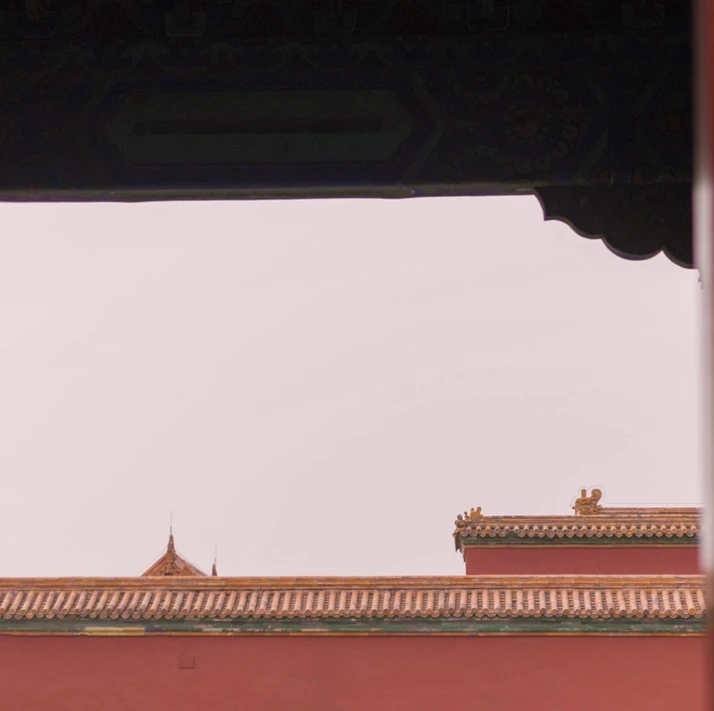
My earliest impression of the Forbidden City came from the TV drama My Fair Princess (Huan Zhu Ge Ge), which I watched as a child. Back then, I thought the Forbidden City was enormous—Ziwei traveled a thousand miles to find her father, and Xiao Yanzi stumbled her way into becoming a princess, all because of those towering palace walls. The Three Great Halls, the Rear Three Palaces, the Imperial Garden—so many consorts, maids, and eunuchs lived there, some for an entire lifetime.
Earlier this year, a heavy snow fell on Beijing, turning the Forbidden City into the “Purple Forbidden City.” My social media feed was filled with stunning images of red walls and white snow. On the Lantern Festival, tickets for the “Night of the Upper Yuan Festival” at the Forbidden City sold out in seconds, making it a hot topic again. Though I missed the snow and the lantern night, the Forbidden City was still the highlight I most anticipated.
Ticket Tips for the Forbidden City
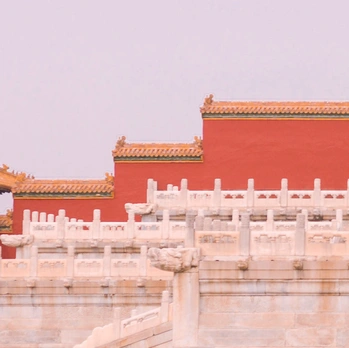
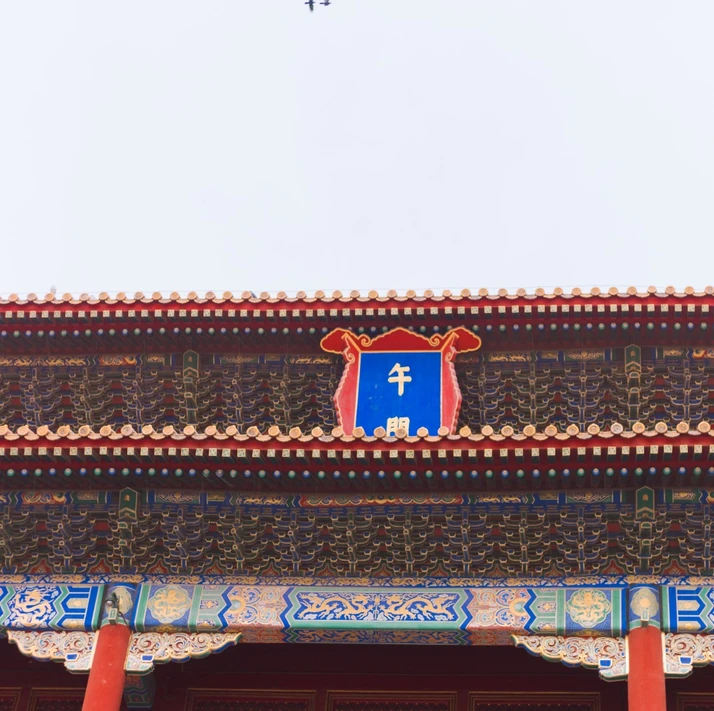
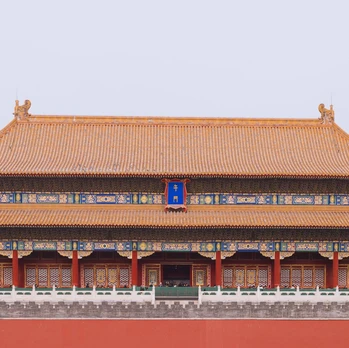
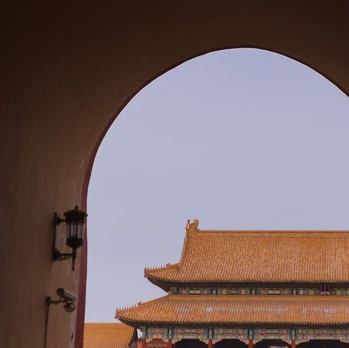
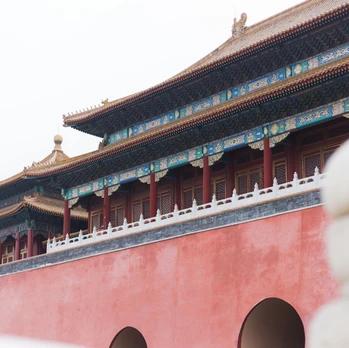
Before setting out, I did some homework. The Forbidden City limits daily visitors to 80,000, with tickets sold in advance on the official website ten days ahead—first come, first served. Remember to bring your ID card or passport, as tickets are real-name registration. If you want to avoid the long security lines at Tiananmen, you can enter from the west gate of the Forbidden City and walk along the city wall to the Meridian Gate (Wu Men).
Ticket prices vary by season: peak season (April 1–October 31) costs 60 RMB per person, while off-season (November 1–March 31) costs 40 RMB. Student tickets are half price. If you’re still in school, don’t forget your student ID.
[Link: Forbidden City ticket booking guide]
Route Options for Photography
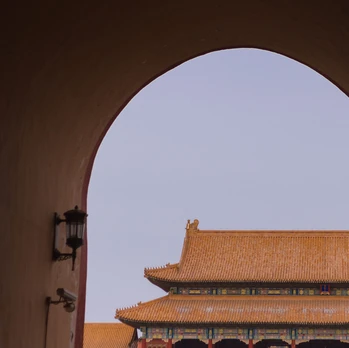
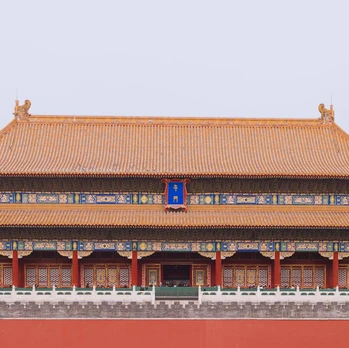
The Forbidden City operates a one-way tour from south to north: you enter through the Meridian Gate (Wu Men) and exit through the Gate of Divine Might (Shenwu Men). When I heard “Meridian Gate,” my first thought was, “Guards! Drag him to the Meridian Gate for beheading!”—I’ve been too deeply influenced by palace dramas. In reality, “beheading at the Meridian Gate” is a myth; executions never took place there. During the Ming Dynasty, the Meridian Gate was only used for “court beatings” (ting zhang), and some deaths from those beatings gave rise to the legend.
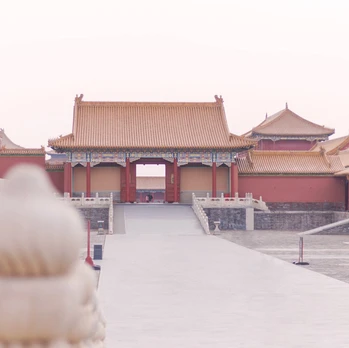
There are three main routes:
- Classic Central Axis: Meridian Gate → Hall of Supreme Harmony (Taihe Dian) → Hall of Central Harmony (Zhonghe Dian) → Hall of Preserving Harmony (Baohe Dian) → Palace of Heavenly Purity (Qianqing Gong) → Hall of Union (Jiaotai Dian) → Palace of Earthly Tranquility (Kunning Gong) → Imperial Garden → Gate of Divine Might. Best for those short on time or traveling with elderly or children, but also the most crowded.
- Central Axis + Eastern Route: Palace of Chengqian (Chengqian Gong) → Palace of Yonghe (Yonghe Gong) → Palace of Jingren (Jingren Gong) → Palace of Yanxi (Yanxi Gong) → Outer East Road Clock and Watch Gallery → Treasure Gallery → Imperial Garden. Recommended for history enthusiasts.
- Central Axis + Western Route: Grand Council (Junji Chu) → Palace of Ci’ning (Ci’ning Gong) → Palace of Shoukang (Shoukang Gong) → Hall of Supreme Principle (Taiji Dian) → Palace of Yikun (Yikun Gong) → Palace of Chuxiu (Chuxiu Gong) → Imperial Garden. A favorite for fans of palace intrigue dramas.
[Link: Best photography spots in the Forbidden City]
Walking Through the Purple Forbidden City
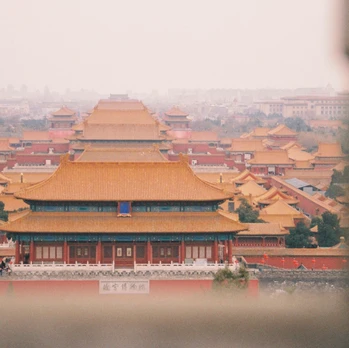
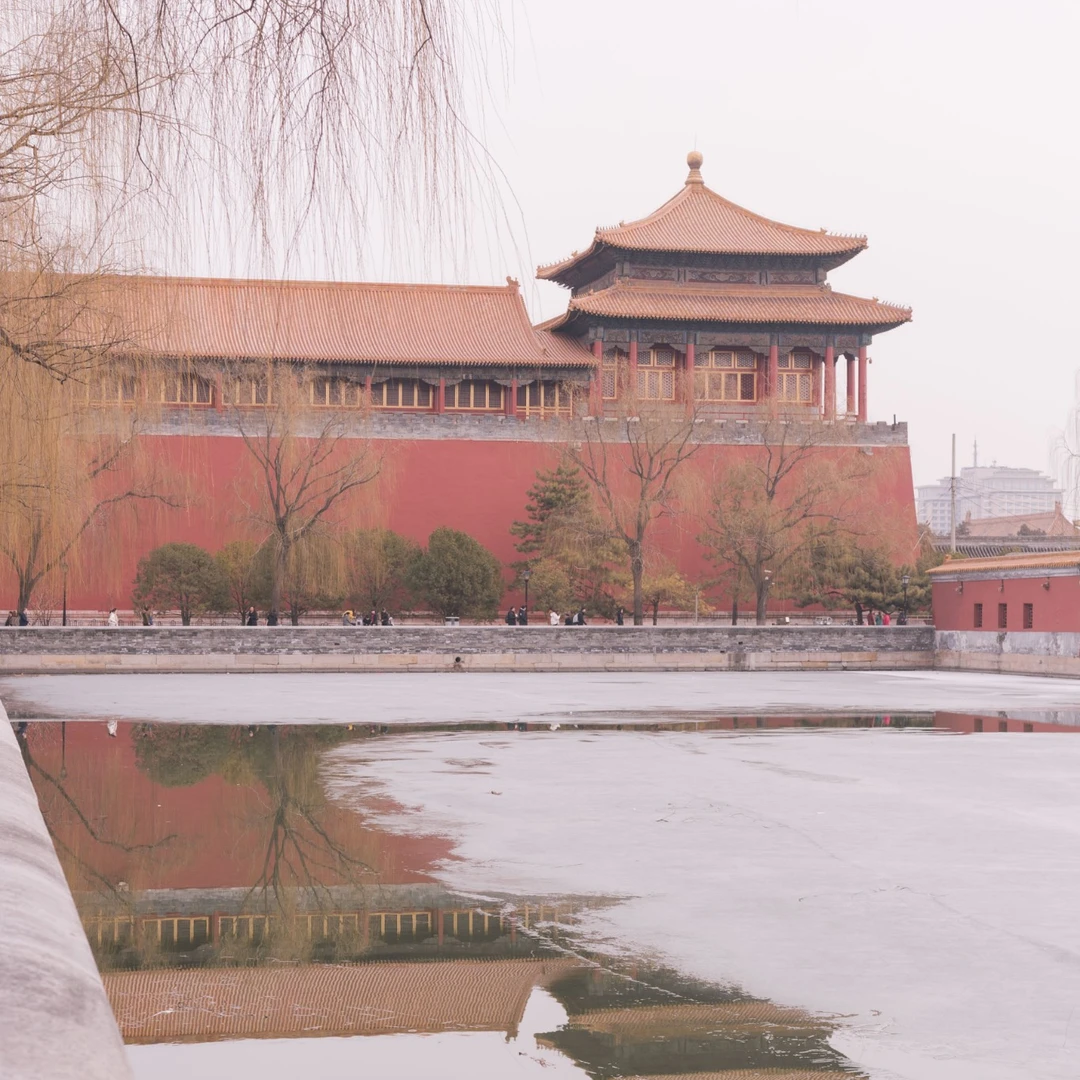
I visited on a Friday, just after the Spring Festival and Lantern Festival, so the crowds weren’t too heavy—but the central axis was still bustling. Once through the Meridian Gate, I faced the Golden Water Bridge (Jinshui Qiao). In late February, the river was still frozen. As a southerner who rarely sees ice, I ran over excitedly and started snapping photos.
The area in front of the Hall of Supreme Harmony (Taihe Dian) was packed, so I decided to head west to the side halls first. By the time I circled back to the Hall of Supreme Harmony, it was even more crowded—and this was the “quiet” off-season. The Hall of Supreme Harmony is what most people call the “Throne Hall,” but many misunderstand it: it wasn’t used for daily court sessions, but for grand ceremonies. Ming and Qing emperors actually held court at the Gate of Supreme Harmony (Taihe Men), the Gate of Heavenly Purity (Qianqing Men), the Palace of Heavenly Purity, or the Hall of Mental Cultivation (Yangxin Dian).
Since I was here, I couldn’t say I’d never seen the Hall of Supreme Harmony. I squeezed into the central axis, took a few photos of the “people, people, people” scene, and quickly retreated to the side halls. My route zigzagged between side halls and the central axis, back and forth. Luckily, I eat a lot and have decent stamina; otherwise, I wouldn’t have made it.
The side halls were far less crowded. With a little patience, I could wait for a moment with no one in the frame, achieving that “I have the Forbidden City to myself” feel—though some post-processing was still needed. Along the way, I saw many young women in traditional Hanfu (Han Chinese clothing), as well as wedding photos featuring couples dressed as emperors and empresses. Chinese aesthetics truly make you marvel at the wisdom and taste of our ancestors.
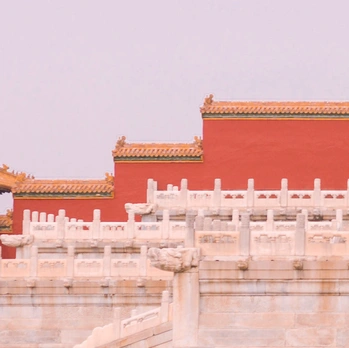
The buildings of the Forbidden City are adorned with many “dragons.” Later, I learned from an audio guide that they’re actually called “chi” (a mythical creature), a son of the dragon who loves water. Each palace sits on a sumeru stone pedestal, and artisans integrated drainage channels with these “chi” to create the image of “dragons spitting water”—efficient drainage that also symbolized imperial supremacy.
Though I didn’t see the Forbidden City in snow, the sunny day was beautiful in its own way. Sunlight slanted into the halls, and looking out through the window lattices, time seemed to freeze. I happened to catch the “Celebrating the New Year in the Palace” digital immersive exhibition, but I hadn’t booked in advance, so I missed it.
When I circled back to the central axis, I saw the recreated “Sky Lanterns” (tian deng) and “Longevity Lanterns” (wan shou deng) on the marble staircase in front of the Palace of Heavenly Purity. It turns out that even the imperial family hung lanterns for the New Year, just like commoners. In old times, lanterns were hung high and kept lit all night, called “sky lanterns.” The Qing court followed Ming tradition, placing a pair of sky lanterns and longevity lanterns on the staircase before and after the Spring Festival, as symbols of good fortune.
The bronze cranes and sundials in the Forbidden City are also excellent subjects for photography, especially in the golden hour light.
[Link: Forbidden City photography tips for beginners]
Day 2: Exploring Beijing’s Early Spring Charm – Beyond the Forbidden City
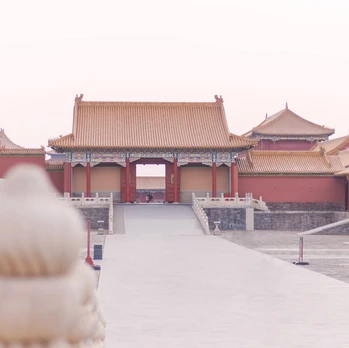
Why Early Spring is the Best Time for a Beijing Photography Journey
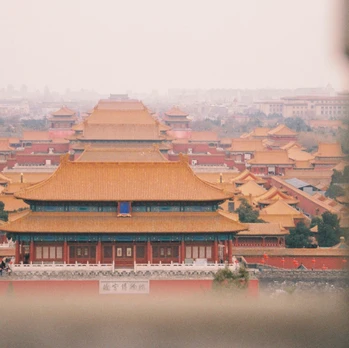
Beijing in early spring offers a unique blend of lingering winter chill and emerging warmth. The crowds are thinner than in peak season, and the light is soft and golden—perfect for photography. From the Forbidden City to the Summer Palace, every location tells a story.
Hidden Gems for Photography in Beijing
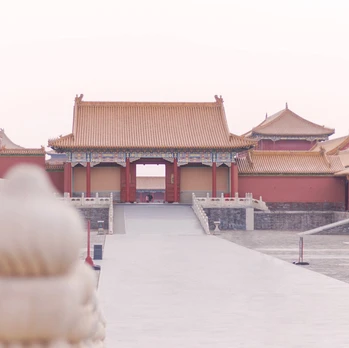
Beyond the Forbidden City, Beijing offers countless photography opportunities. Here are some must-visit spots:
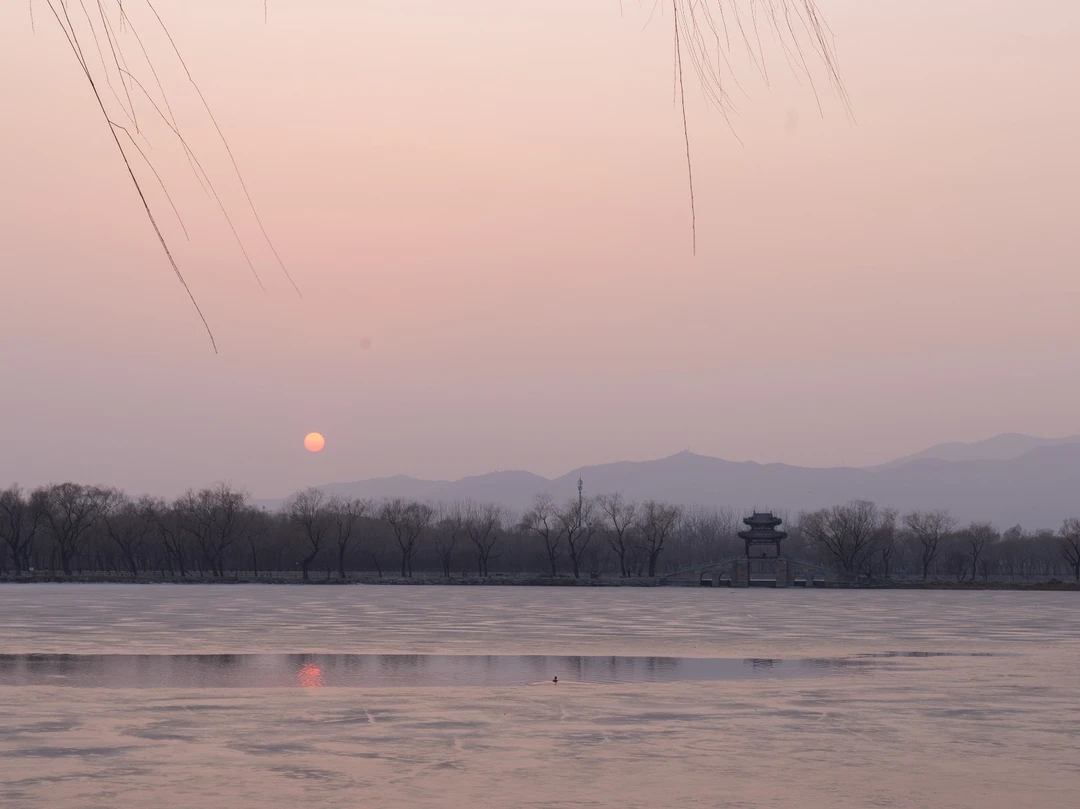
- Summer Palace (Yiheyuan): Kunming Lake and the Long Corridor are iconic. In early spring, the willows begin to bud, creating a soft, green haze against the frozen lake.
- Fragrant Hills (Xiangshan): Famous for autumn red leaves, but early spring offers a quieter, more introspective experience.
- Temple of Heaven (Tiantan): The Hall of Prayer for Good Harvests is a masterpiece of Ming architecture. The surrounding park is also great for candid shots of locals practicing tai chi.
- Hutongs: The narrow alleys of Beijing are perfect for street photography. Capture the daily life of locals, from cooking to playing chess.
[Link: Best time to visit Beijing for photography]
Practical Tips for a 3-Day Photography Journey
- Pack light: A camera with a versatile zoom lens (24-70mm) is ideal. A tripod is useful for low-light shots but can be heavy.
- Dress in layers: Early spring in Beijing can be cold, especially in the mornings and evenings. Bring a warm jacket, gloves, and a hat.
- Stay hydrated: The dry air can be dehydrating. Carry a water bottle.
- Plan your routes: Use public transport (subway) to save time. The Forbidden City is accessible via Line 1 (Tiananmen East/West).
[Link: Beijing travel tips for first-timers]
Day 3: Capturing Beijing’s Soul – From Street Food to Sunset Views
Street Food Photography in Beijing
No photography journey in Beijing is complete without capturing its street food. From candied hawthorn sticks (bing tang hu lu) to steaming bowls of noodles, the colors and textures are a feast for the lens.
- Wangfujing Snack Street: A bustling market with everything from scorpions on sticks to traditional dumplings.
- Nanluoguxiang: A trendy hutong with cafes, boutiques, and street food stalls.
- Donghuamen Night Market: Famous for its exotic offerings, but also great for night photography.
Sunset Views: The Perfect End to Your Journey
For the best sunset views, head to:
- Jingshan Park: Overlooking the Forbidden City, this hill offers a panoramic view of the palace complex bathed in golden light.
- Houhai Lake: The shimmering water and traditional architecture create a romantic atmosphere.
- Great Wall at Mutianyu: A bit farther out, but the sunset over the wall is unforgettable.
[Link: Best sunset photography spots in Beijing]
FAQ: Your Questions About a Beijing Photography Journey Answered
1. What is the best time of year for a photography journey in Beijing?
 Early spring (March to April) and autumn (September to November) offer the best weather and lighting. The crowds are thinner, and the colors are stunning.
2. How many days do I need to photograph the Forbidden City?
 One full day is enough to cover the main highlights. If you want to explore the side halls and exhibitions, consider two days.
3. Can I take a tripod inside the Forbidden City?
 Tripods are generally allowed, but some exhibitions may restrict them. Check the official website for the latest rules.
4. What should I wear for a Beijing photography trip in early spring?
 Dress in layers. A thermal base layer, a fleece, and a windproof jacket are ideal. Comfortable walking shoes are a must.
5. Are there any photography workshops in Beijing?
Yes, several companies offer guided photography tours. Search for “Beijing photography workshop” to find options.
[Link: Beijing photography workshops and tours]
Conclusion: Plan Your Beijing Photography Journey Today
A three-day photography journey in Beijing is more than just a trip—it’s an encounter with history, culture, and the beauty of early spring. From the crimson walls of the Forbidden City to the golden light of Jingshan Park, every moment is a photo opportunity.
Ready to escape the southern rain and meet early spring in the north? Book your tickets, pack your camera, and start planning your Beijing adventure today. Share your photos with us using #BeijingPhotographyJourney—we’d love to see your perspective!
[Link: Book your Beijing travel package now]
Note: This article is based on a personal travel experience. For the latest updates on ticket prices, opening hours, and travel restrictions, please check official websites before your trip.
You should also read:
A Winter Journey in Beijing: Romance and Misery at Minus Five Degrees – An SEO-Optimized Travel Guide
Meta Description: Discover the romance and misery of a winter trip to Beijing at -5°C. Explore snowy Jingshan Park, historic hutongs, and budget-friendly tips for a 4-day Spring Festival adventure. Some say Beijing is a city you both love and hate. You love its profound…
Continue reading...
Solo in Beijing: Discovering Another Side of the Capital Amid Red Walls and Grey Tiles
Meta Description: Traveling solo in Beijing on a student budget? Discover hidden gems, practical tips for first-time solo travelers, and how to explore the capital's red walls and grey tiles without breaking the bank. When my friends asked why I chose to go to Beijing…
Continue reading...
The Beijing Adventures of "Dunderhead" and "Grumpy": A Heartwarming Journey Through Time and Childlike Wonder
Meta Description: Discover Beijing through the eyes of two playful travelers—"Dunderhead" and "Grumpy." From the Great Wall to the Forbidden City, this SEO-optimized guide blends nostalgia, history, and practical tips for an unforgettable trip. In June, Beijing's sky hung gray, the air thick with an…
Continue reading...