SEO-Optimized Article: Three Days in Beijing – 600 Years of History at the Foot of the Imperial City
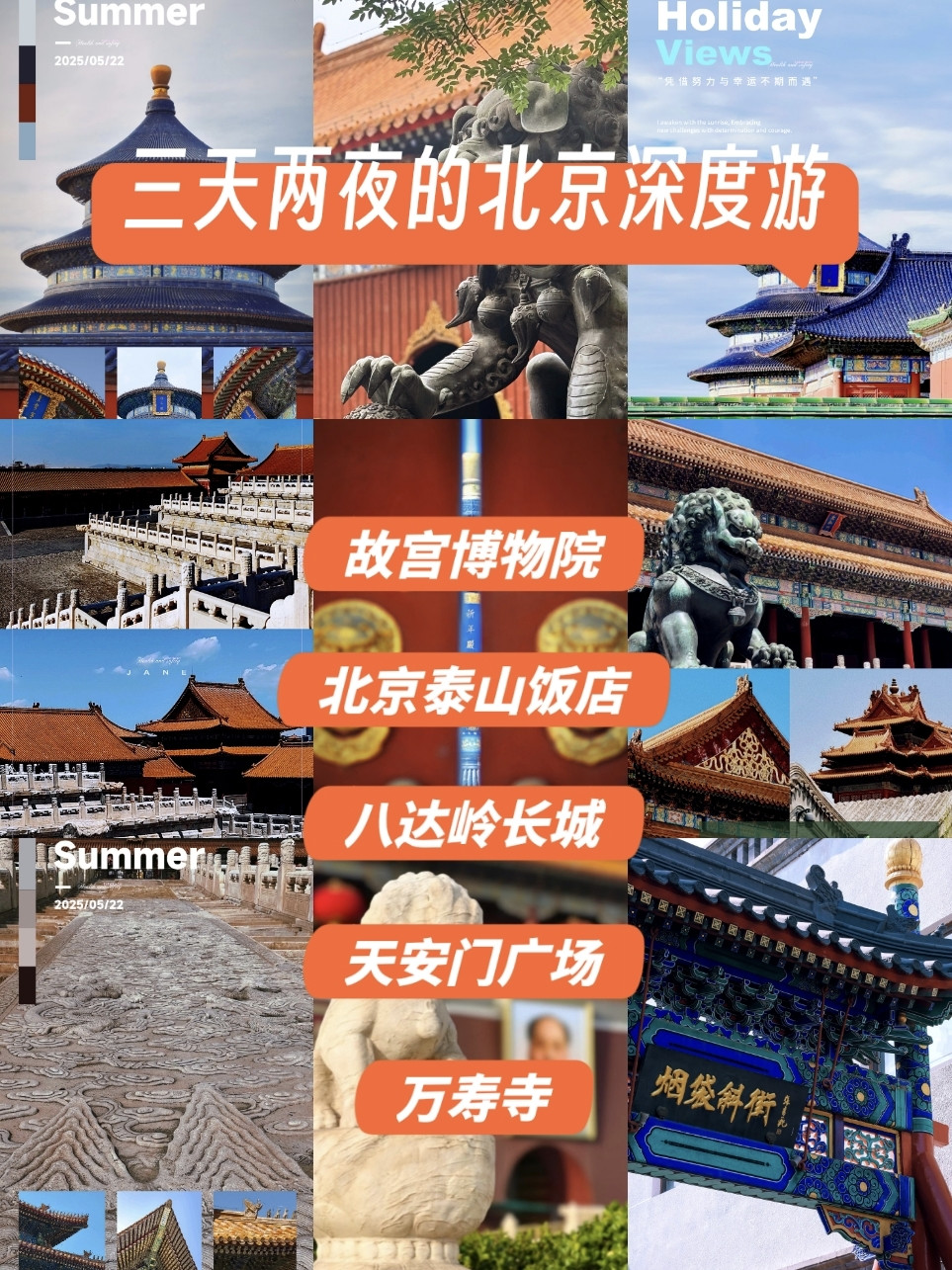
Meta Description: Plan the perfect 3-day Beijing itinerary covering the Great Wall, Forbidden City, Temple of Heaven, and hidden hutongs. Discover historic sites, local food, and practical travel tips for an unforgettable trip.
Introduction: Why Beijing Is More Than Just a Capital City
Some say that half of Chinese history is written within the walls of Beijing. But when you truly step into this city, you realize that history isn't just print on a textbook page — it's the wind whistling through the Great Wall's brick crevices, the shifting light and shadow on the Forbidden City's crimson walls, the aroma of zhajiangmian (noodles with fermented soybean paste) drifting through narrow hutongs, and the devout wishes rising with the incense smoke at Yonghe Temple.
In early summer 2025, my friend and I spent three days and two nights on a journey that took us from the beacon towers of the Great Wall to the smoky kitchens of Beijing's back alleys, from imperial palaces to the city's new artistic frontiers. This wasn't a rushed checklist of photo ops. It was a chance to truly live inside the dream of a "Peking" where history and modernity weave together.
Whether you're a first-time visitor or a seasoned traveler, this 3-day Beijing itinerary will help you experience the best of the city — from ancient wonders to modern marvels.
Day One: On the Great Wall, the Mountains Embrace You
Arriving in the Morning, Heading Straight for the Wall
I woke up on the high-speed sleeper train as it glided into Beijing. By nine in the morning, we were standing on the city's soil. Without hesitation, our first stop was the Great Wall of China — the most magnificent symbol in every Chinese heart.
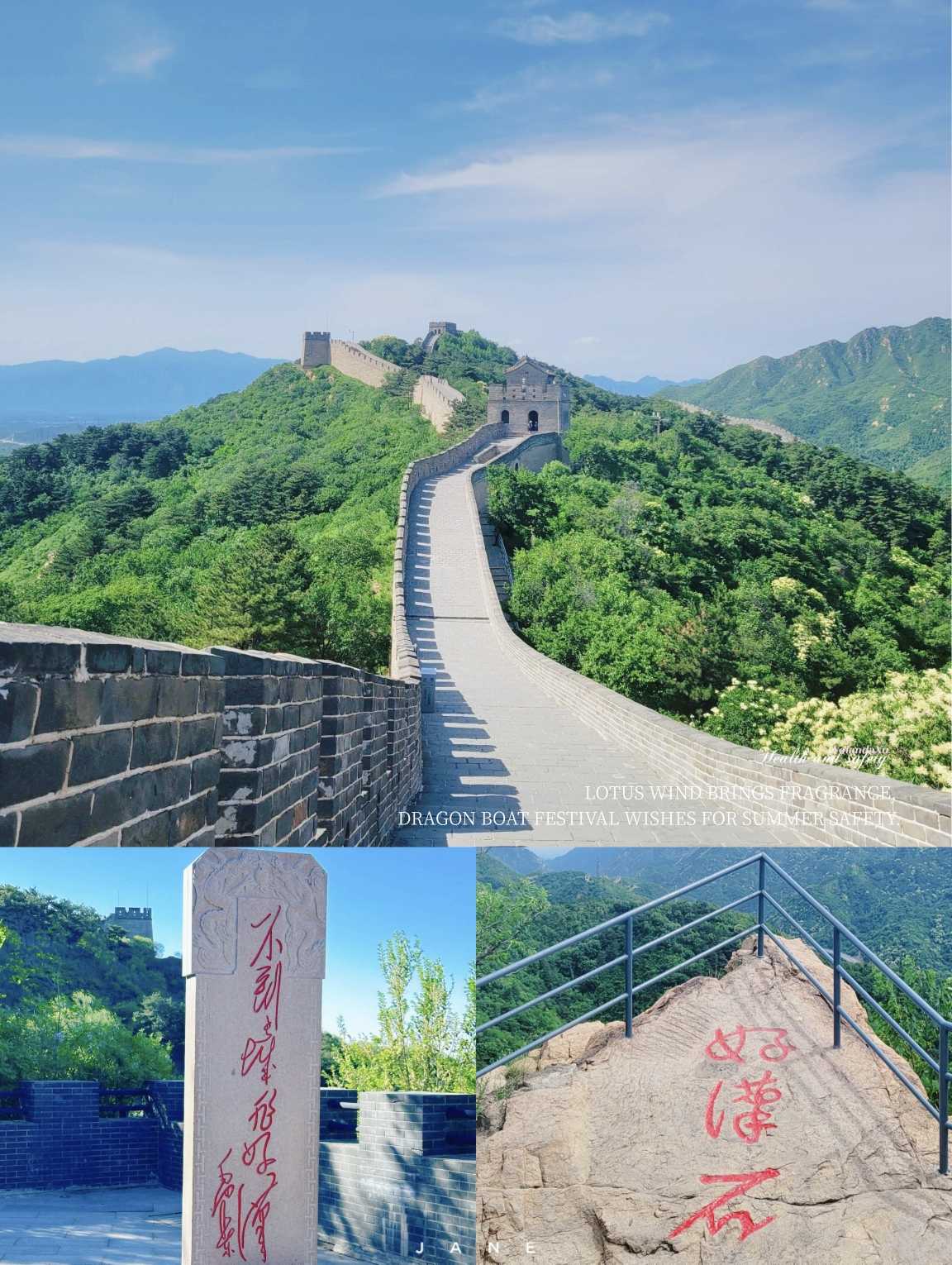
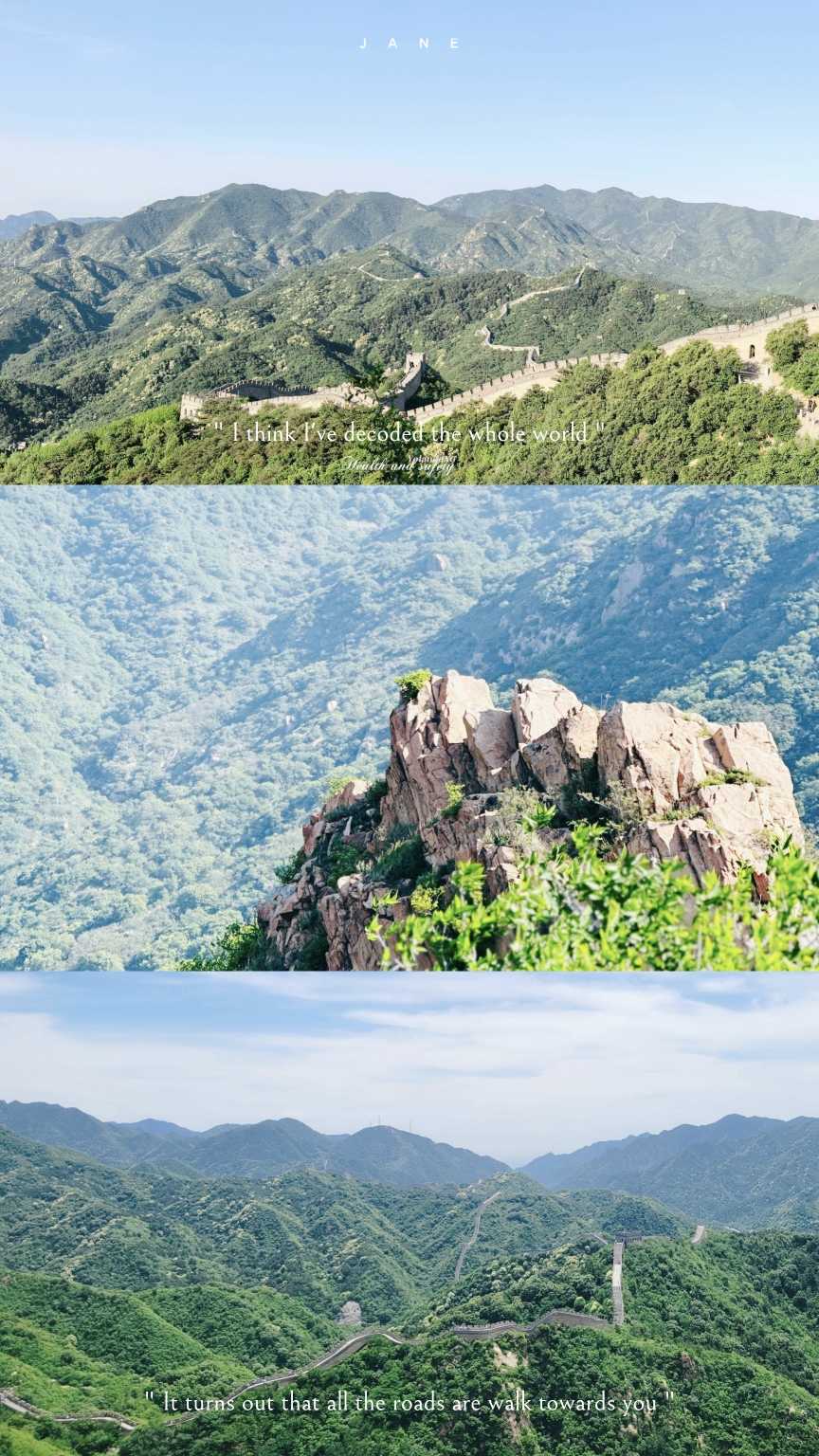
We chose Mutianyu Great Wall. Compared to the crowds at Badaling, this section feels like a silent guardian, standing quietly atop the mountain peaks. As the cable car climbed slowly, the trees below shrank into tiny dots, and the wall itself unfurled like a sleeping dragon coiled along the green ridges.
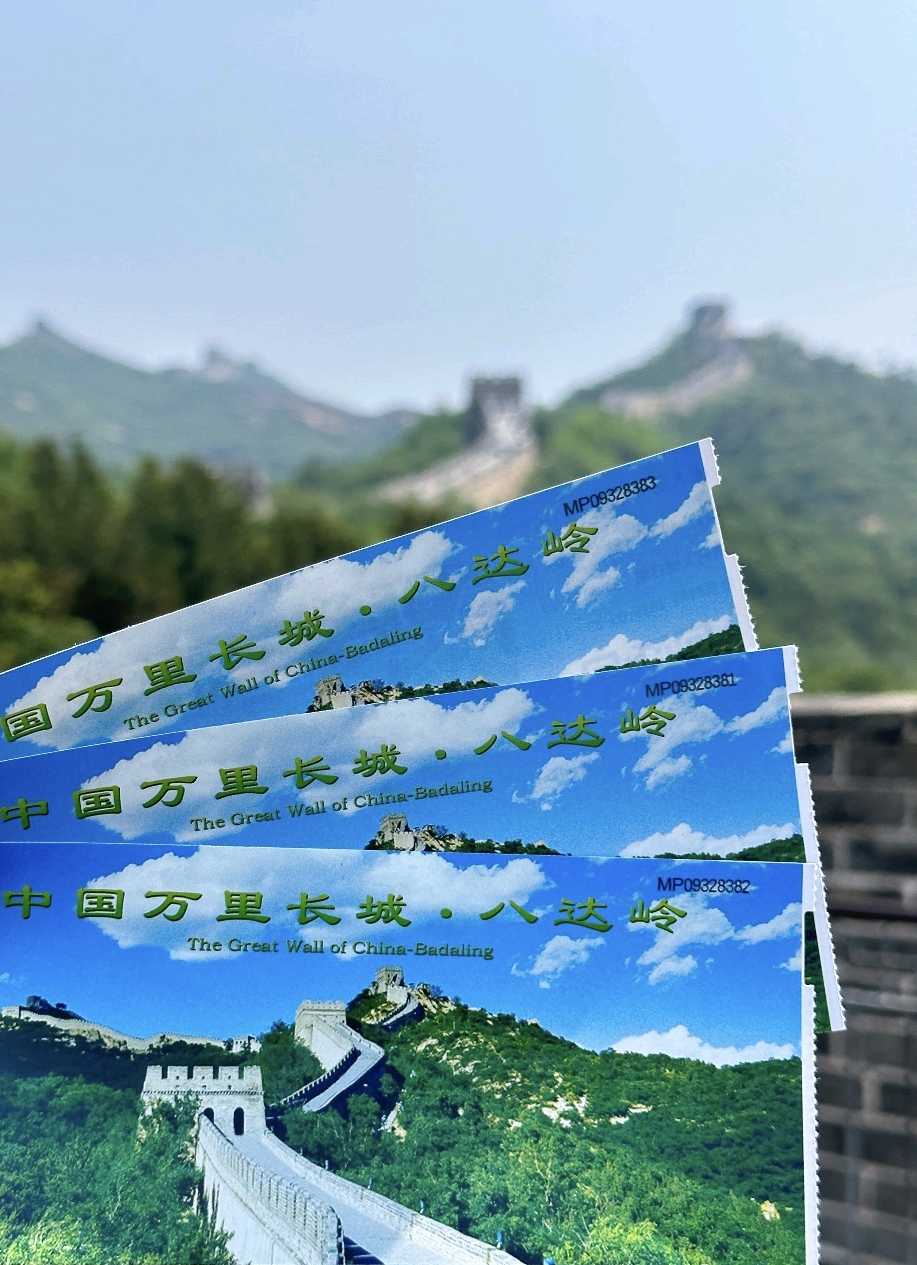
If time is tight, Badaling Great Wall is also a solid choice — take the high-speed rail from Beijing North Station, arrive in 30 minutes, and free shuttle buses will take you straight to the entrance.
Four Classic Routes for Every Traveler
Based on stamina and time, we've mapped out four routes for you:
Southern Line Relaxed Route (1.5 hours, easy)
Start at Tower 1 to snap the iconic "You're Not a Hero Until You've Climbed the Wall" stele, take the ground cable car to Tower 4, then walk to Tower 7 for a panoramic view of the "Y-shaped" wall. If you come in April, the mountain peach blossoms will make you feel like you've stepped into a fairyland.
Northern Line Hardcore Route (4 hours, intense)
Warm up at Tower 1, reach the "Hero Stone" at Tower 4, sprint to the Hero Slope at Tower 8, then head to the cliff-side photo spot at Tower 10. Finally, summit Tower 12. On the way down, take the toboggan (80 RMB/person) for a thrill ride.
Greedy Player Route (6 hours, full coverage)
Spend the morning on the Southern Line for empty shots, take the cable car back at noon, then ride the Northern Line cable car to Tower 7 in the afternoon. Summit Tower 12 for sunset. In one day, you'll see both the south and north sections in full glory.
Photography Commando Route (2 hours, speed run)
Catch the first shuttle at 6:30 AM to Tower 1, grab the "Hero Stele" in morning mist, move to Tower 8 for sunrise, then head to Tower 10 for a drone shot of the "Dragon Piercing the Clouds" (remember to register your drone in advance).
Practical Tips for Visiting the Great Wall: - Mutianyu ticket + cable car costs about 180 RMB - Temperature differences between peak and base are significant — bring a windproof jacket and non-slip shoes - [Link: Best time to visit the Great Wall] - [Link: Great Wall vs. Mutianyu vs. Badaling comparison]
Overnight at Tai Shan Hotel: A Hidden Garden in Western Beijing
In the evening, we checked into Tai Shan Hotel. This old-school business hotel in Haidian's Xisanqi area has a location that's a study in contradiction — far from the bustle of Guomao or Wangjing, yet close to the Shangdi IT base and Zhongguancun Software Park. Baidu and Lenovo are within walking distance.
For business travelers who need to cover multiple stops in Haidian, this hotel is a strategic springboard: take a cab to Tsinghua Science Park in the morning, and avoid the evening rush hour on the North Fifth Ring Road. But if you're looking for Sanlitun nightlife? Sorry — here, you'll only find 24-hour convenience stores and the shadow of plane trees under streetlights.
[Link: Best hotels in Haidian district for business travelers]
Day Two: Red Walls and Golden Tiles – Crossing Six Hundred Years
Tiananmen Square: The Republic's Morning
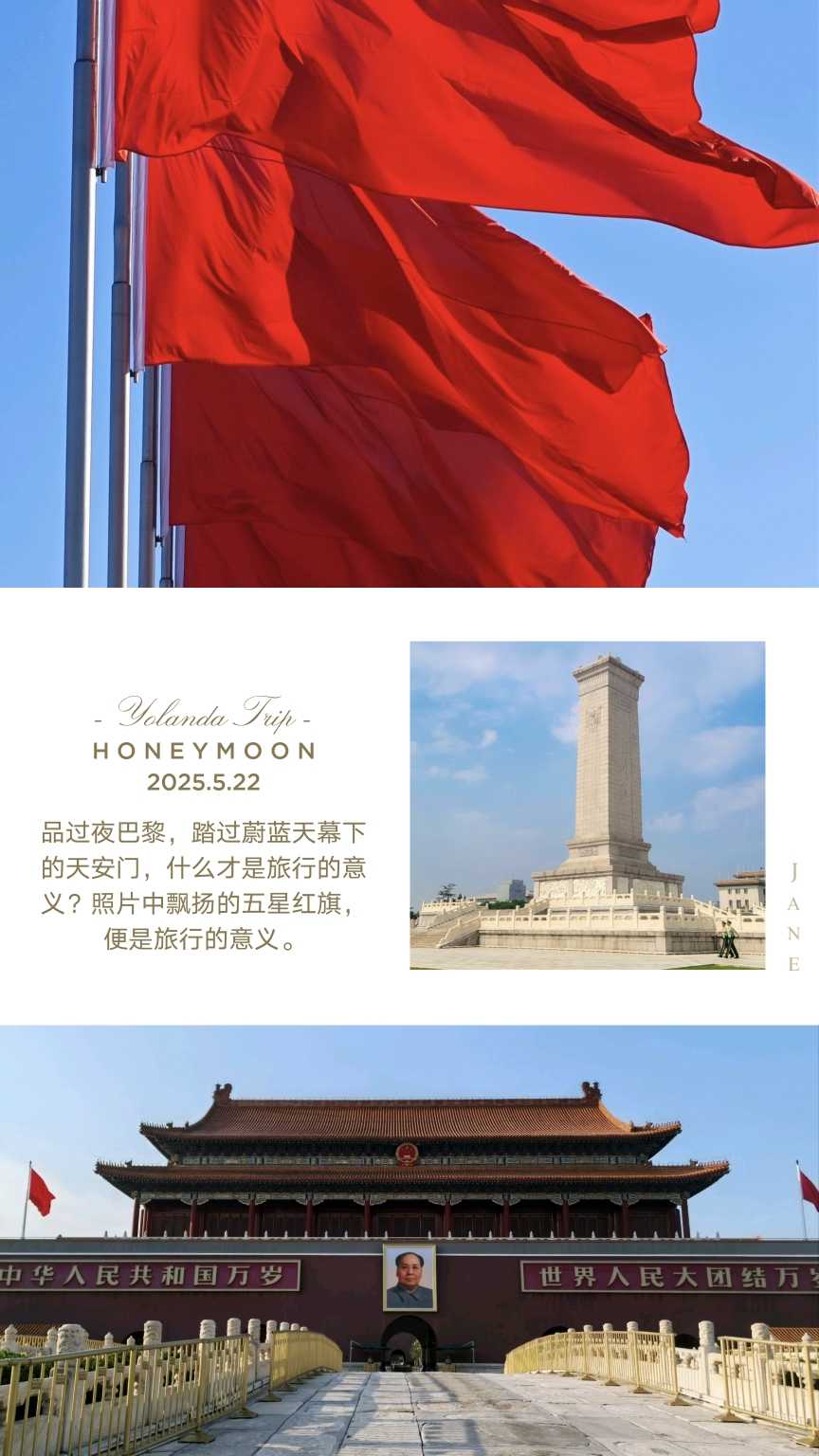
At 4:30 AM, we were already standing in Tiananmen Square. The flag-raising ceremony changes with sunrise time, so check the official website in advance. To secure a prime spot, you'll need to enter through the Donghuamen security checkpoint around 3-4 AM and run toward the northeast corner of the square.
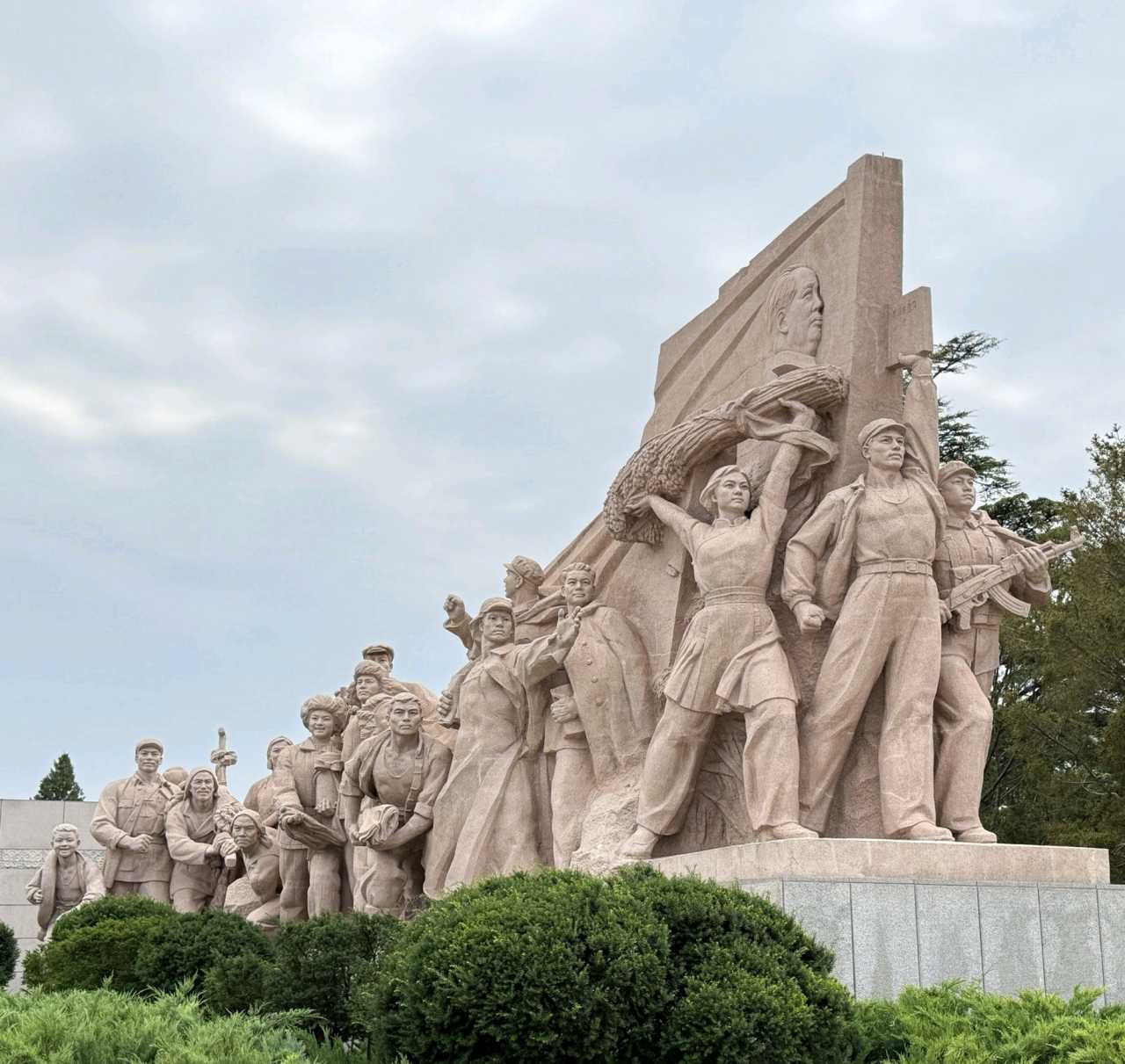
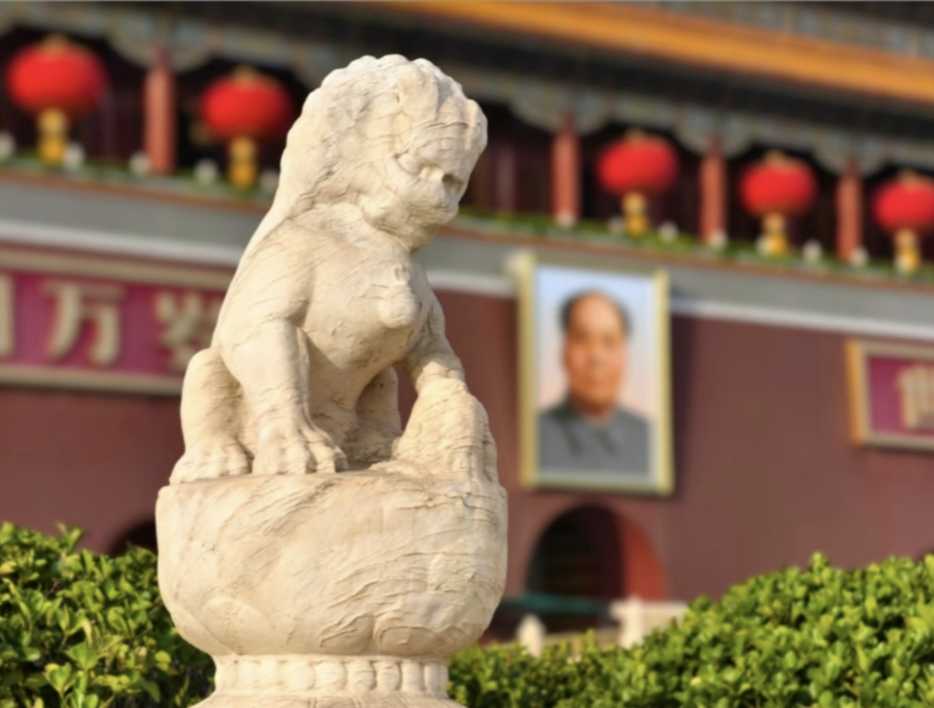
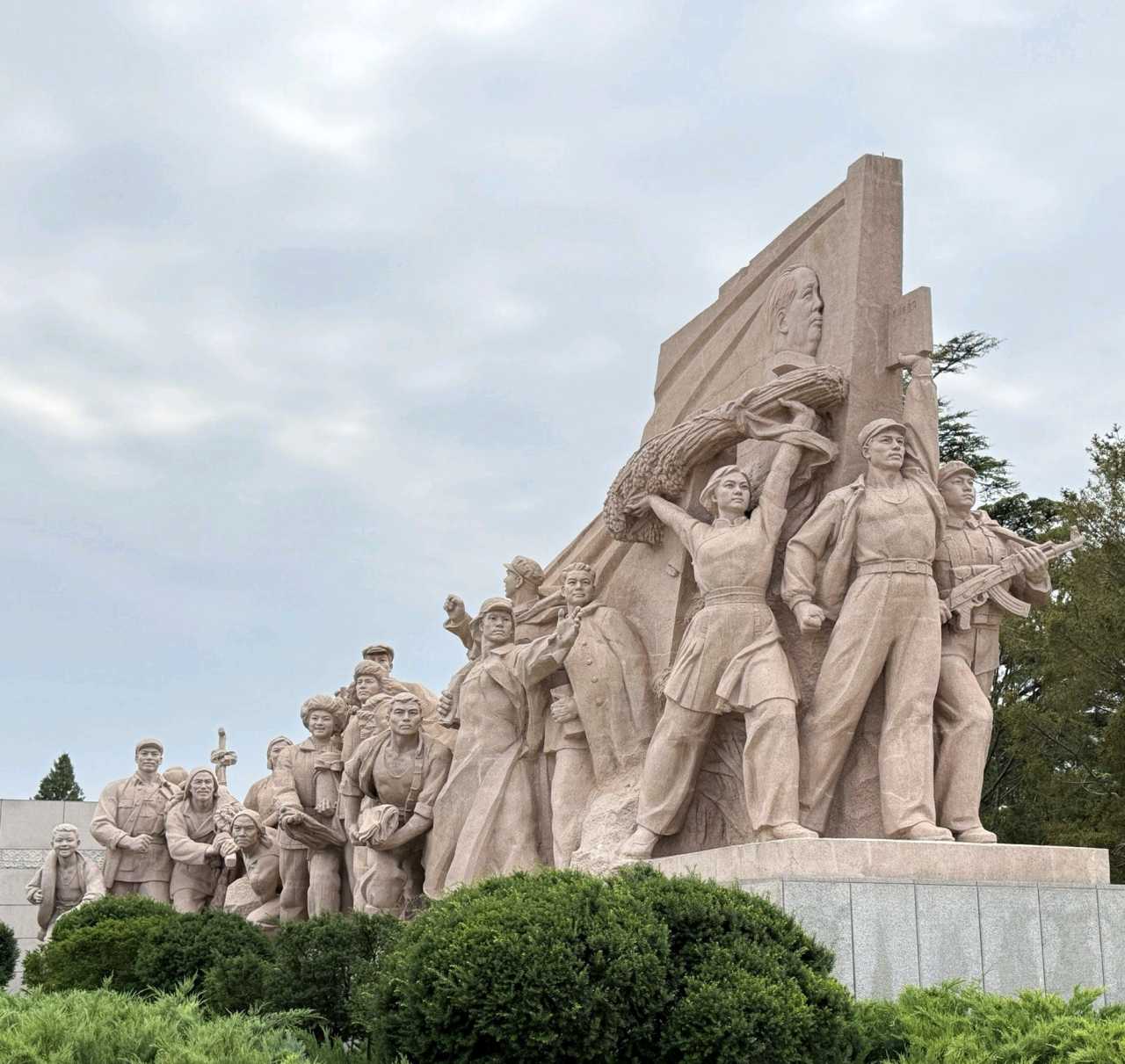
When the footsteps of the honor guard grow closer, when the national anthem rings out in the dawn light — in that moment, you'll understand what it means to be proud of your country. The National Museum on the east side of the square is free to visit (reservation required). Tiananmen Rostrum, the Monument to the People's Heroes, and Chairman Mao Memorial Hall are also worth a visit.
[Link: Tiananmen Square flag-raising ceremony tips]
Temple of Heaven: A Hidden Gem for Hanfu Enthusiasts

The Temple of Heaven is a treasure right next to the Forbidden City. We took the half-day express route (3 hours, highlights only): enter from the South Gate, start at the Circular Mound Altar to count the stones — the central Heaven's Heart Stone is surrounded by nine rings of fan-shaped stones, symbolizing the "Nine Heavens." Then head to the Imperial Vault of Heaven to find the "Three Echo Stones" — stand on one and clap, and you'll hear three echoes. Walk along the Danbi Bridge on the central "spirit path," then finally reach the Hall of Prayer for Good Harvests to decode the secrets of its nanmu pillars. Exit from the North Gate and grab a meal at Hongyuan Nanmen Instant-Boiled Mutton.
If you have more time, try the full-day academic route (7 hours): enter from the West Gate, visit the Beamless Hall at the Abstinence Palace, listen to ancient court music at the Divine Music Office, take hanfu photos in the rose garden, touch the bark of the Nine-Dragon Cypress, and wait for the Hall of Prayer's lighting ceremony.
[Link: Temple of Heaven ticket prices and opening hours]
The Forbidden City: Power Aesthetics on the Central Axis
Enter through the Meridian Gate and exit through the Gate of Divine Might — this is the classic route. We took the central axis express (3 hours, quick version): cross the threshold under the "Zheng Da Guang Ming" (Upright and Bright) plaque, count the mythical beasts on the roof of the Hall of Supreme Harmony (11 of them!), visit the Palace of Heavenly Purity to see the secret succession box behind the "Zheng Da Guang Ming" plaque, and finally find the constellation map of Zhuge Liang paying homage to the Big Dipper in the Imperial Garden.
For culture lovers, try the deep-dive academic tour (6 hours): the Ceramics Hall at the Hall of Martial Valor for Qianlong's aesthetic assault, the Arrow Pavilion for Qing dynasty armor, the Treasure Gallery (10 RMB) — don't miss the jade cabbage, the Hall of Joyful Longevity at the Palace of Tranquil Longevity for hidden mechanical compartments, and finally, the corner tower at the Gate of Divine Might for a shot of the "Nine Beams and Eighteen Pillars."
[Link: Forbidden City ticket booking guide] [Link: Forbidden City must-see highlights]
Yandai Xiejie and Houhai: Nighttime Peking in the Hutongs
In the evening, we ducked into Yandai Xiejie (Smoke-Bag Slanted Street). Start at the entrance on Di'anmen Outer Street, stamp a souvenir at the Great Qing Postal Office, explore Guangfu Temple (a quiet Taoist temple hidden in the alleys), browse specialty shops (rabbit figurines, paper-cutting, creative goods), and grab a bowl of zhajiangmian or a meal at Kaorouji (Barbecue Season). Stroll from Yinding Bridge to Shichahai and watch the sunset shimmer on the water.
At night, Houhai's lights flicker and sway. Two bar recommendations: one with a nostalgic Peking vibe, another with a rooftop view of the hutongs. You can also take a gondola night cruise (80 RMB/person) under Yinding Bridge to see the "Little E" — a perfect end to an unforgettable day.
[Link: Best hutongs to explore in Beijing] [Link: Houhai nightlife guide]
Day Three: Modern Beijing and Local Flavors
(Note: The source article ends here. For a complete 3-day itinerary, we recommend the following activities for Day Three.)
Morning: Explore the 798 Art District
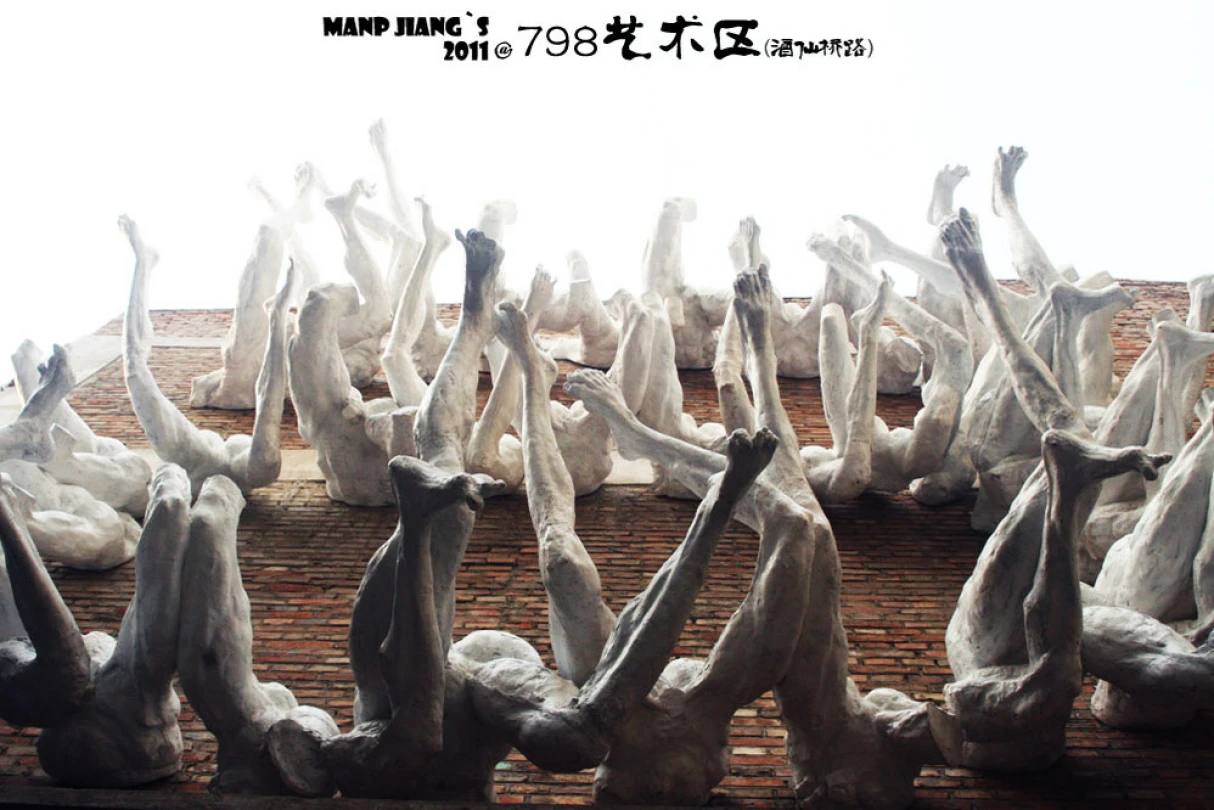
Start your final day at 798 Art District, a former factory complex turned into Beijing's premier contemporary art hub. Wander through galleries, street art installations, and quirky cafes. This area perfectly contrasts the ancient history you've experienced over the past two days.
[Link: 798 Art District guide]
Afternoon: Taste Authentic Beijing Street Food
Head to Wangfujing Snack Street or Nanluoguxiang for a culinary adventure. Try: - Beijing roast duck at a local restaurant - Douzhi (fermented bean drink) for the adventurous - Jianbing (Chinese crepes) for a quick snack - Sugar-coated hawthorn sticks for a sweet treat
[Link: Best street food in Beijing]
Evening: Farewell Dinner at a Traditional Peking Restaurant
End your trip with a farewell dinner at a traditional Peking restaurant. Order classic dishes like kung pao chicken, mapo tofu, and steamed dumplings. Raise a glass of baijiu to toast your unforgettable journey through 600 years of Chinese history.
FAQ: Planning Your Beijing Trip
1. What is the best time of year to visit Beijing?
 The best times are spring (April-May) and autumn (September-October) when temperatures are mild, skies are clearer, and popular attractions are less crowded. Avoid Chinese National Day (October 1-7) when domestic tourism peaks.
2. How many days do you need to see Beijing's highlights?
A 3-day itinerary is ideal for first-time visitors covering the Great Wall, Forbidden City, Temple of Heaven, and local hutongs. Add 1-2 more days if you want to explore Summer Palace, Ming Tombs, or Beijing's art districts.
3. Do I need to book tickets in advance for the Forbidden City and Great Wall?
 Yes! The Forbidden City requires advance booking (often weeks ahead during peak season). Mutianyu and Badaling also recommend online ticket purchases to avoid long queues.
4. What should I pack for a Beijing trip in summer?
Pack lightweight clothing, comfortable walking shoes, sunscreen, a hat, and a reusable water bottle. Expect temperatures of 25-35°C (77-95°F) with occasional rain. A light jacket is useful for air-conditioned attractions and evening walks.
5. Is Beijing safe for solo travelers?
Absolutely. Beijing is one of the safest major cities for solo travelers. Public transportation is reliable, English signage is common in tourist areas, and locals are generally helpful. Just practice standard precautions like keeping valuables secure.
Ready to Experience 600 Years of History?
Your 3-day Beijing itinerary is more than a checklist — it's an invitation to step into a living museum where every corner tells a story. From the Great Wall's ancient stones to Houhai's modern lights, from Tiananmen Square's solemn dawn to Yandai Xiejie's bustling night, Beijing offers an unforgettable journey through time.
Book your flights, reserve your tickets, and pack your bags. The imperial city is waiting.
[Link: Beijing travel resources and booking tools] [Link: China visa information for tourists]
Have you visited Beijing? Share your favorite experience in the comments below!
You should also read:
The Journey That Didn't Freeze Me to Death: Beijing – Six Days and Five Nights of Bone-Chilling Cold
Meta Description: Planning a winter trip to Beijing? Read this firsthand account of a spontaneous 6-day Beijing adventure—from ticket battles to 798 Art District, Sanlitun, and survival tips for bone-chilling cold. Perfect for budget travelers and first-timers. Some trips are long-planned romances; others are impulsive…
Continue reading...
Peking: A Seven-Day Journey Between Old Dreams and New Realities – An SEO-Optimized Travel Guide
Meta Description: Explore Beijing in 7 days: from 798 Art District and Summer Palace to Houhai nightlife and Panjiayuan market. Discover hidden gems, local eats, and travel tips in this SEO-optimized itinerary. Some cities you never set foot in, yet you have painted them in…
Continue reading...
National Day 2011 Beijing Trip: 6-Day, 5-Night Father-Son Itinerary & Budget Breakdown
Meta Description: Planning a National Day Beijing trip? Discover our 2011 father-son adventure with complete expense breakdown, hotel reviews, and insider tips. Total spending under 8,000 RMB for 6 days. Start planning now! When National Day rolls around, most people's first reaction is "packed with…
Continue reading...