Spring at 30 Degrees North, Blooming Silently Beneath the Sacred Namcha Barwa – A Spring Journey Through Tibet
Meta Description: Discover Tibet's spring peach blossoms in Nyingchi, from Lhasa's Potala Palace to the Yarlung Tsangpo Grand Canyon. A 13-day itinerary with altitude tips, bloom timing, and hidden photo spots.
Tibet. For many, this word is more than just a place name; it's an obsession with the faraway. Nestled in the folds of the earth's crust from 80 million years ago, its snow-capped peaks are its bones, and its sacred lakes are its eyes. Here, you'll find the warmth of the subtropics alongside the biting cold of the high altitudes, where barren wilderness meets deep gorges, and grandeur coexists with peril.
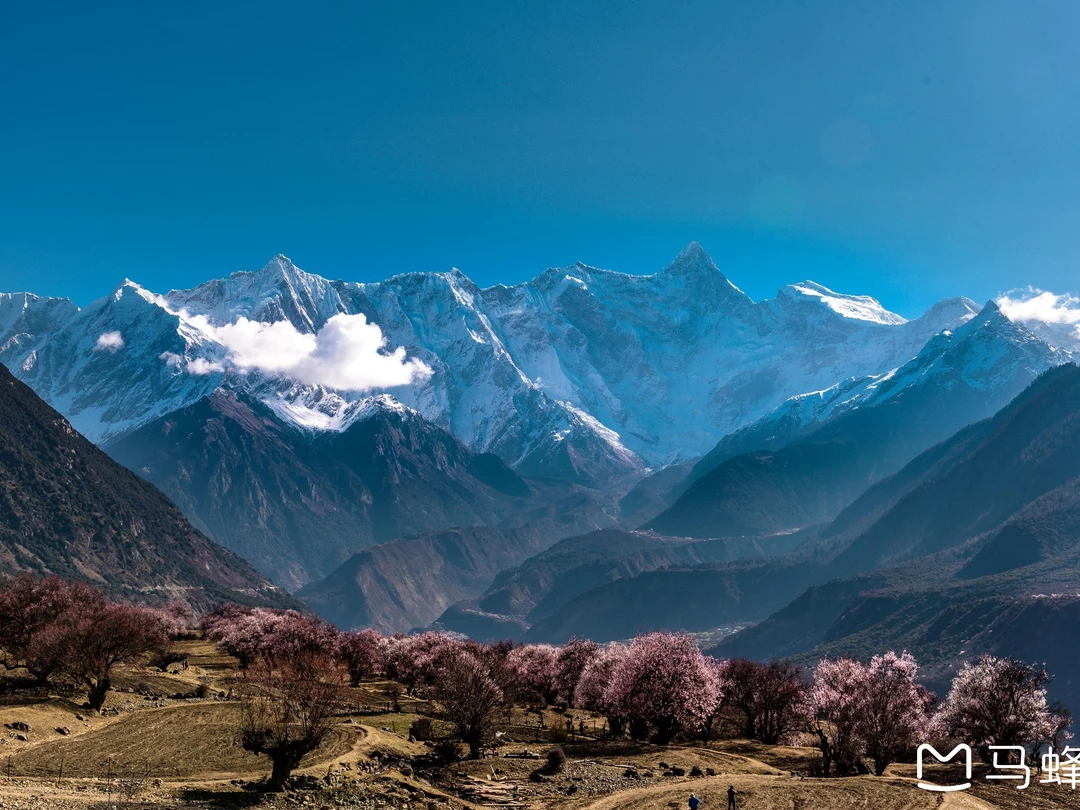
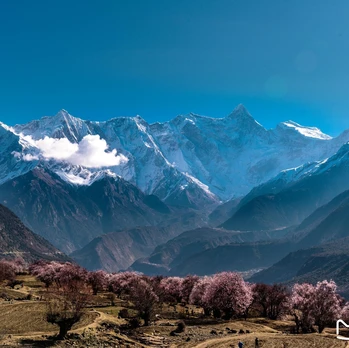
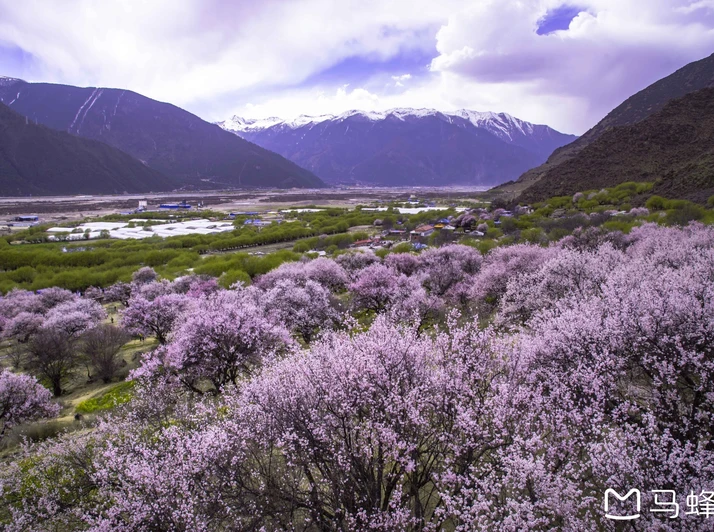
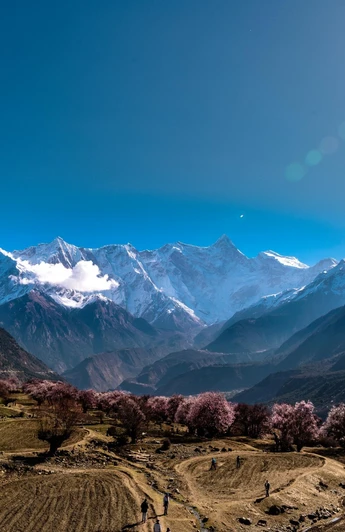
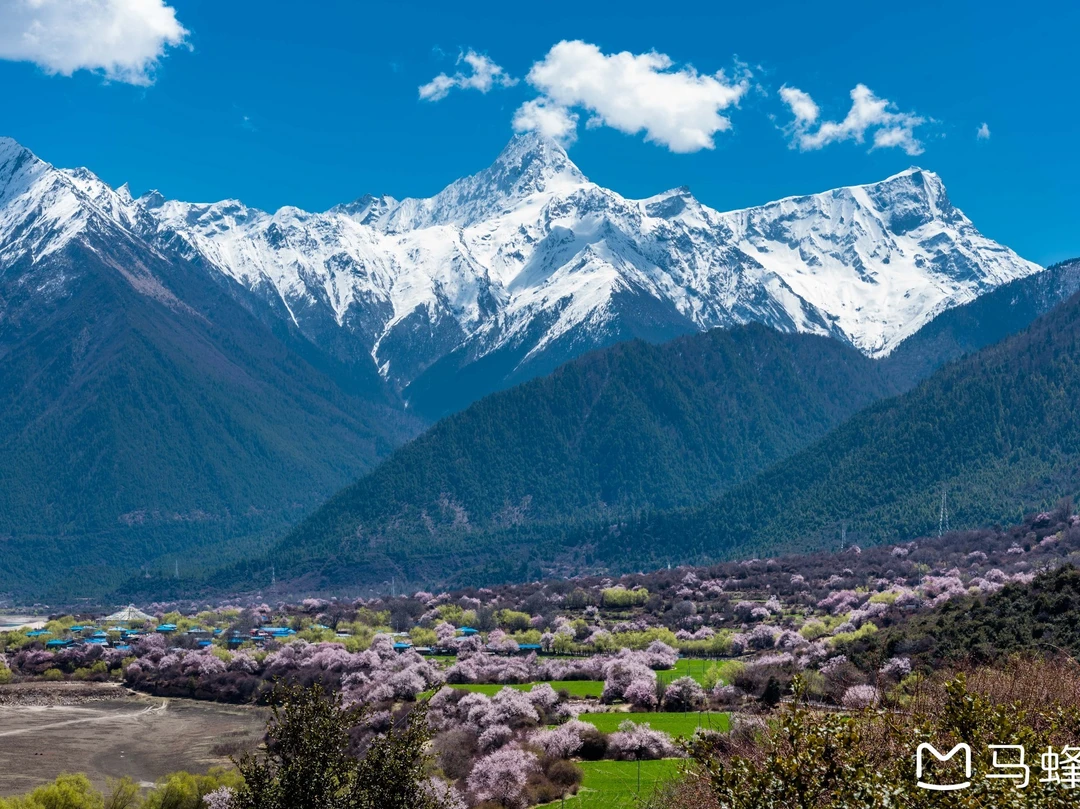
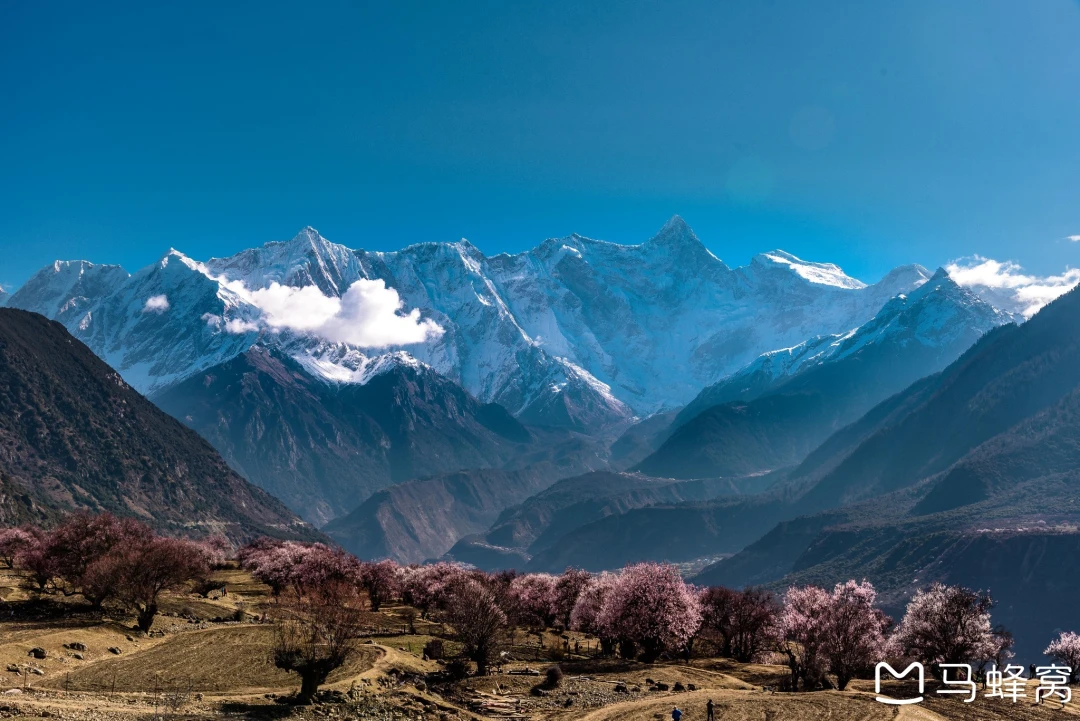
Every April, as the spring breeze crosses the spine of the Himalayas, peach blossoms in southeastern Tibet arrive right on schedule, blooming stubbornly at the feet of the snow-covered mountains. They defy the cold, simply to tell the world: spring in Tibet has arrived.
Before You Go: Essential Tibet Spring Travel Tips
Peach Blossom Season: Miss It, and You Wait a Year

The peach blossoms in Nyingchi don't bloom all at once; the timing varies significantly by region. If you remember just one window, make it late March to mid-April – this is the safest bet for the most spectacular display.
- Bomê Region (Peach Blossom Valley, Gala Lake): Earliest bloom, roughly March 10th to the end of March, lasting about 20 days.
- Nyingchi City Area (Gala Peach Blossom Village, Nyang River Valley): Mid-season, from mid-March to early April.
- Yarlung Tsangpo Grand Canyon (Sosong Village, riverbanks): Latest bloom, from early April to around April 20th.
Nyingchi hosts a "Peach Blossom Festival" every year. Checking its schedule can also help you pinpoint the peak bloom period.
What to Wear & Weather: The Plateau Has a Temperament – You Have to Go With It
The biggest characteristic of plateau weather is its "mood swings." A weather forecast two weeks before your trip is essentially useless. My advice: use historical weather data for the same period as a reference, then just go with the flow.
- Temperatures: Lhasa ranges from -5°C to 20°C; Nyingchi is slightly warmer, 0°C to 25°C. The temperature difference between day and night is enormous, and crossing mountain passes can be bone-chillingly cold.
- Clothing: A fleece-lined shell jacket with thermal underwear is the standard. A down jacket won't be overkill either. A hat, sunglasses, and a buff are your "sun protection trifecta," and rich moisturizer is a lifesaver.
Altitude Sickness: Don't Fear It, But Respect It
Going from sea level to over 3,000 meters, your body will react to the lack of oxygen – that's perfectly normal. It usually takes 1-3 days to acclimatize. People who have been to high altitudes before adapt faster.
- Keep a Calm Mind: Altitude sickness isn't a monster. Most people experience it.
- The "Don't" List: When you first arrive on the plateau, don't drink alcohol, don't engage in strenuous exercise, don't overeat, and don't take a shower (many people get hit this way).
- Stop Training Early: Stop any aerobic exercise at least two weeks before entering Tibet.
- A Handy Tip: Drink glucose mixed with water – it works better than Rhodiola.
Getting There: Fly or Take the Train?
- By Air: Fast, but flying directly into Lhasa (3,650 meters) can make altitude sickness hit harder. Tickets are expensive during the peach blossom season and holidays.
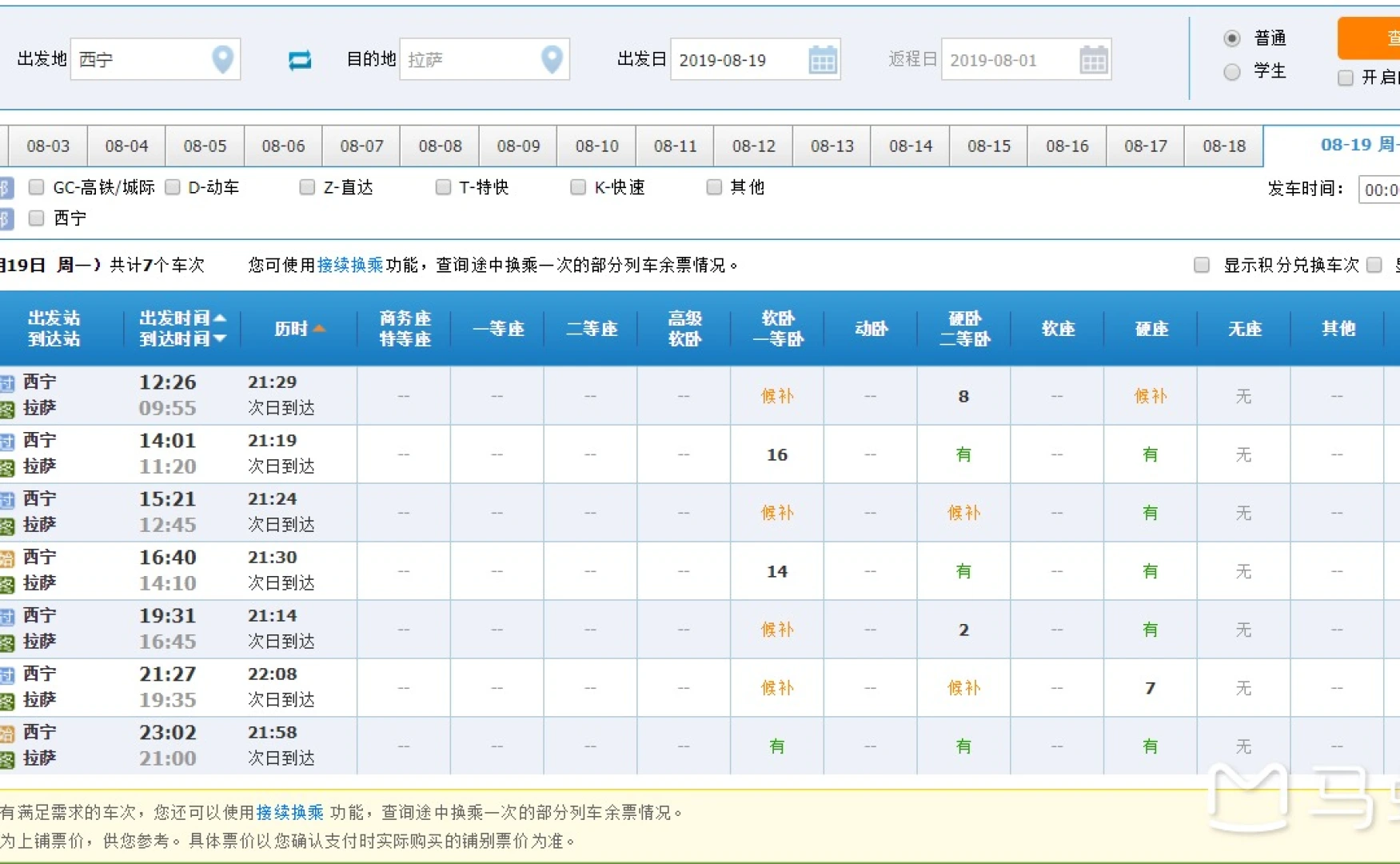
- By Train: There are direct trains to Lhasa from cities like Beijing, Shanghai, and Chengdu, but they all eventually go through Xining. The journey is long and tickets are hard to get, but you can acclimatize to the altitude gradually and see the Hoh Xil region.
I chose to fly from Hangzhou to Lhasa with a layover in Chengdu. By going a few days before the Qingming Festival holiday, the ticket price was manageable. Once in Lhasa, I joined a tour group and traveled by tourist bus – it was hassle-free.
Tibet Spring Itinerary: 13 Days from Lhasa to the Deep Mountains
- Day 1: Hangzhou → Lhasa (layover in Chengdu)
- Day 2: Jokhang Temple, Barkhor Street, Potala Palace, Potala Palace Mirror Lake
- Day 3: Lhasa → Lalin Expressway → Basum Lake (overnight in the scenic area)
- Day 4: Basum Lake → Gala Peach Blossom Village → Serkyim La Pass → Lulang → Bomê
- Day 5: Bomê → Midui Glacier → Rawok Lake → Bomê
- Day 6: Bomê → Gala Lake → Peach Blossom Valley → Serkyim La Pass → Nyingchi
- Day 7: Nyingchi → Lamaling Monastery → Yarlung Tsangpo Grand Canyon → Pai Town
- Day 8: Pai Town → Sosong Village → Bonri Mountain → Nyingchi → Lhasa
- Day 9: Lhasa → Yamdrok Lake → Karola Glacier → Shigatse
- Day 10: Shigatse → Tashilhunpo Monastery → Lhasa
- Day 11: Lhasa – free time
- Day 12: Lhasa → Hangzhou (layover in Mianyang)
This route involves some backtracking. The advantage is that you can adjust the schedule flexibly if the weather is bad. If your vacation time is tight, I recommend flying directly to Nyingchi to focus on the peach blossoms and skip Lhasa and Shigatse.
Lhasa: A Millennium of Faith in the Sun-Drenched Snowland
Flying from Hangzhou to Lhasa, I jumped from China's third geographical step to the first. The view outside the window transformed from plains to wetlands, then to endless snow-capped peaks and deep gorges. Glaciers were everywhere, and alpine lakes sparkled like jade. At that moment, I knew I had finally set foot on this land.
Barkhor Street & Jokhang Temple
After dropping my bags, I wandered over to Barkhor Street. In late March, there weren't many tourists. Tibetan pilgrims walked clockwise around the circuit; the stone slabs were polished smooth by the bodies of those performing full-body prostrations. The Jokhang Temple houses a life-sized statue of Shakyamuni at age twelve. This 1,300-year-old temple is the birthplace of Lhasa city and the heart of the greatest faith for many.
The Potala Palace
Perched on Marpo Ri Hill, the Potala Palace is Lhasa's most majestic structure. It was originally built for Songtsen Gampo's marriage to Princess Wencheng and later became the Dalai Lama's winter palace. The viewing platform at Chakpori Hill is the spot for the 50-yuan banknote backdrop. But what surprised me more was the yogurt shop at the foot of the Potala – rose-flavored and plain. It was authentically sour, requiring a good dose of sugar.
Potala Palace Mirror Lake: An Off-the-Beaten-Path Photo Spot
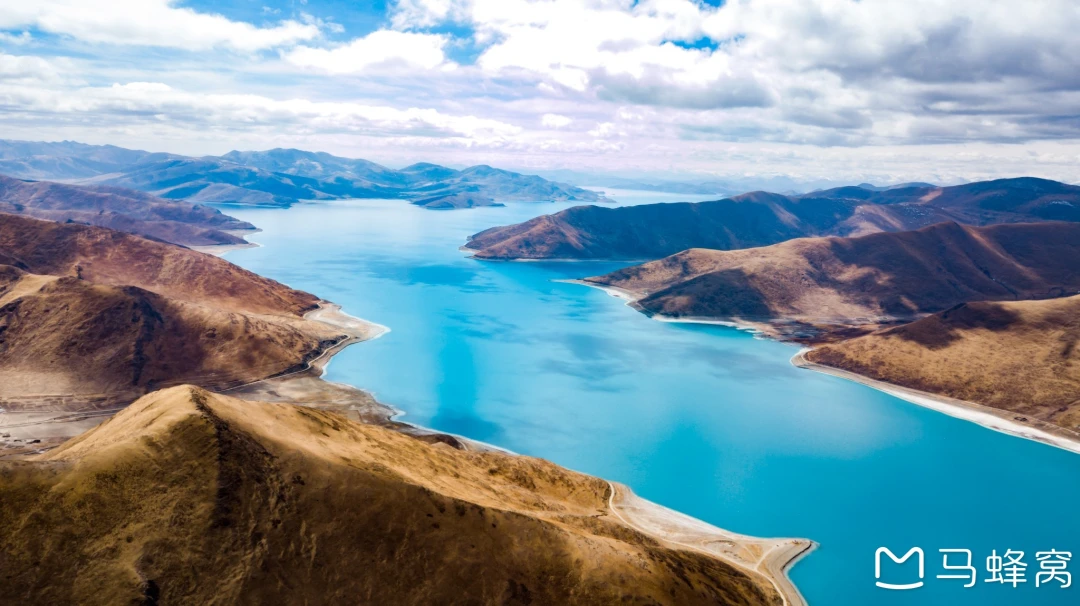
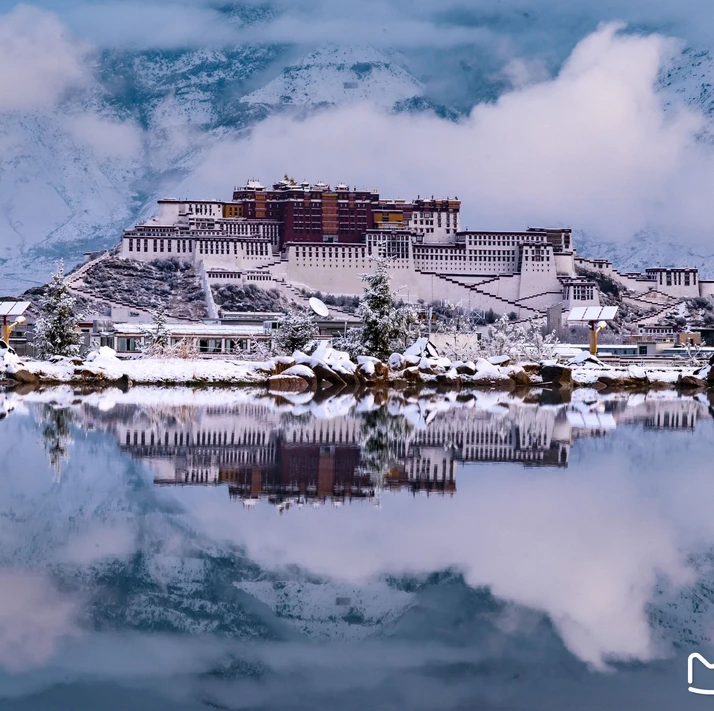
A few kilometers south of the city, there's an artificial lake that offers a perfect reflection of the Potala Palace. The day before, heavy snow had fallen. I got there before dawn, braving the wind and snow. Just before sunrise, the snow stopped, and the fog lifted. The Potala, blanketed in white snow, was breathtakingly beautiful. This spot is known only to a few locals; I wouldn't have found it if I hadn't seen photos online beforehand.
Basum Lake: A Green Gem on the Plateau
Heading east along National Highway 318, we crossed the 5,013-meter-high Mila Pass. Heavy snow the day before had led to traffic controls, so the cars crawled along. The air was thin at 5,000 meters, and I felt a bit dizzy.
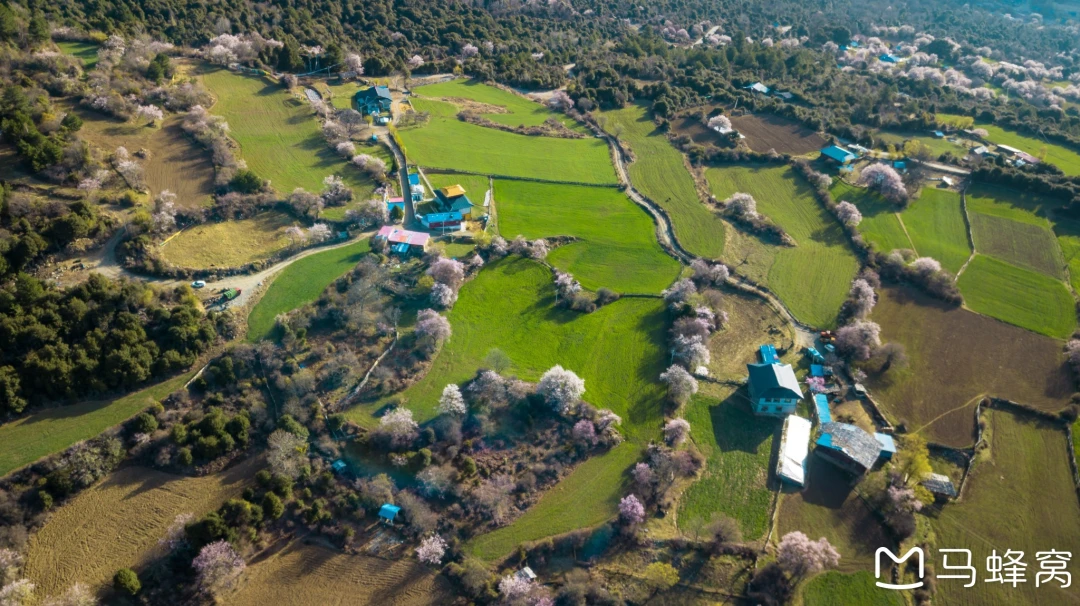
Basum Lake is the largest dammed lake in eastern Tibet, its water a brilliant jade green. On a small island called Tashi, right against the lake shore, stands the thousand-year-old Nyingma sect temple, Tsozong Gongba Monastery. I climbed up the Tachera viewing platform in the rain and used my drone to get an aerial view. Only then did I truly grasp the meaning of "Basum" in Tibetan – green water.
I stayed overnight at the only hotel in the scenic area. I joked with a friend, "I hope tomorrow is sunny, but it would be best if it snowed in the middle of the night." When I woke up, it had happened just like that – the distant snow peaks were half-hidden in golden clouds, like a scene from a fairy tale.
Lulang and Bomê: The Jiangnan of Tibet
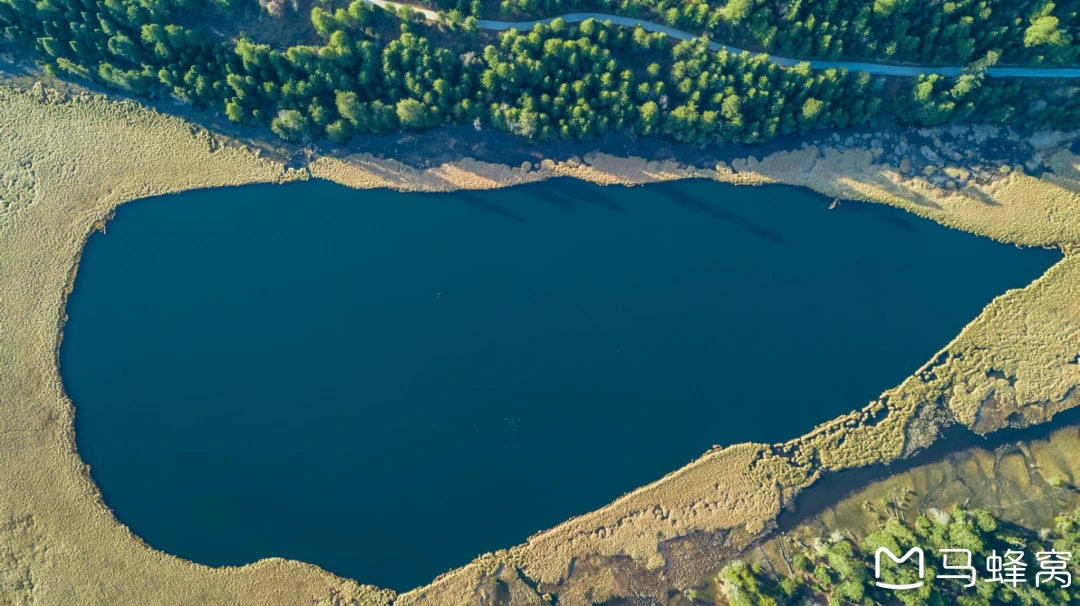
Descending from Basum Lake, we drove along the "most beautiful expressway in China," the Lalin Highway. The Nyang River accompanied us along the way, and the Lulang Forest Sea stretched for dozens of kilometers. In late March, the pastures were still yellow-brown, but the Tibetan villages with their colorful prayer flags were already showing signs of life. [Link: Lulang Forest Sea hiking trails]
Bomê is known as "Tibet's Switzerland." The snow-capped peaks, dense forests, and clear streams combine to create a landscape that feels almost unreal. The peach blossoms here bloom early, often before the official Nyingchi Peach Blossom Festival begins. I visited Gala Lake, where the reflection of the snow mountains in the lake was picture-perfect.
Yarlung Tsangpo Grand Canyon: Where Peach Blossoms Meet the Sacred Namcha Barwa
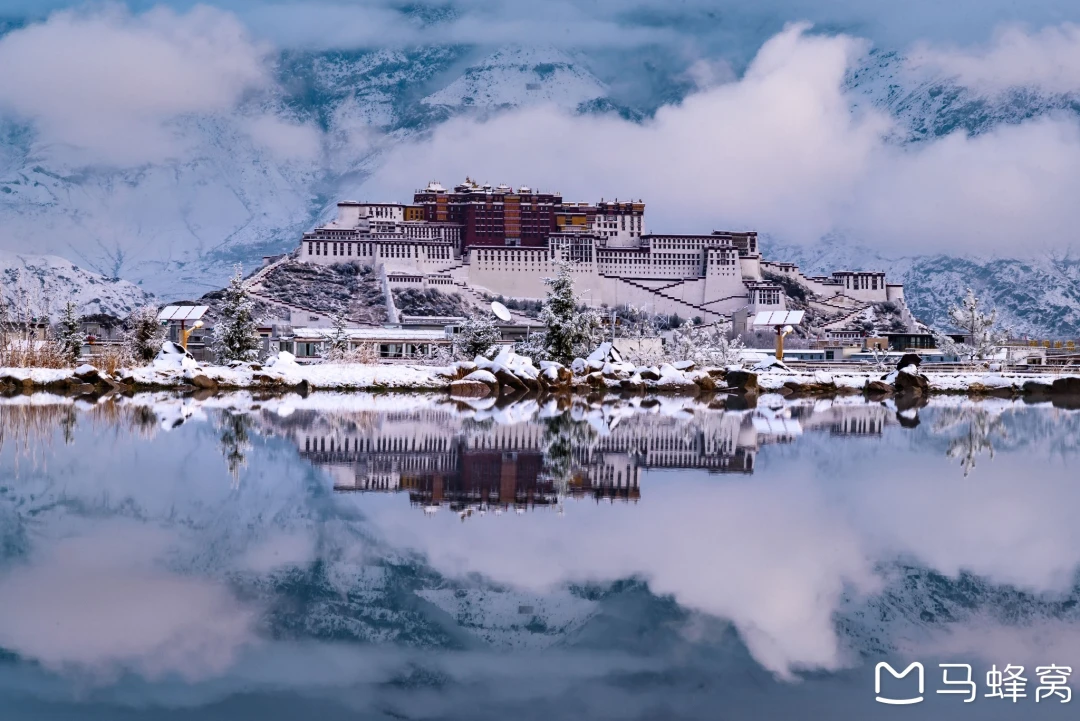
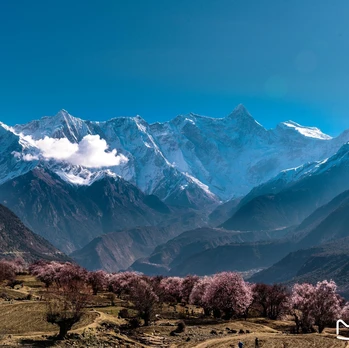
The Yarlung Tsangpo Grand Canyon is the world's deepest canyon, and it's also the best place to view the sacred Namcha Barwa peak. In spring, the canyon is filled with blooming peach blossoms, creating a stark contrast with the snow-capped mountains.
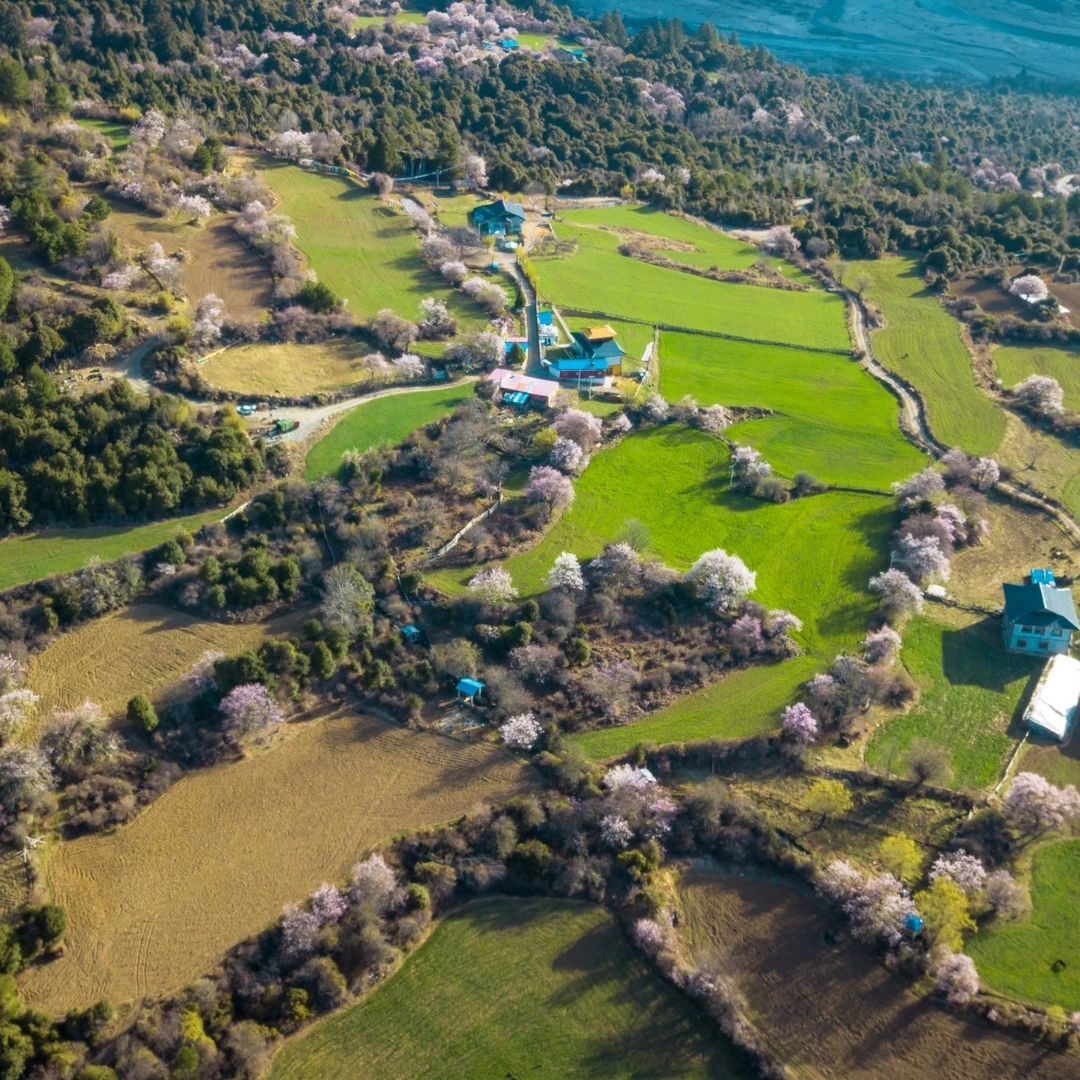
Sosong Village is one of the best spots for viewing peach blossoms in the canyon. The village is small, with only a few dozen households, but the peach trees are centuries old. The contrast between the ancient trees and the modern houses is striking.
Yamdrok Lake and Shigatse: The Sacred Lakes and Monasteries of Southern Tibet

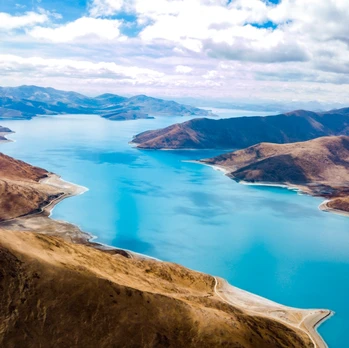
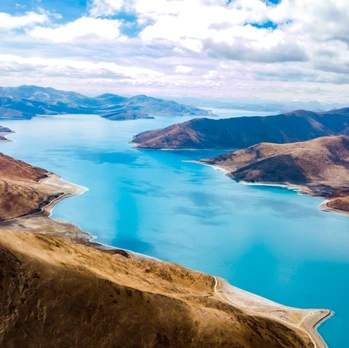
From Lhasa, we headed south to Yamdrok Lake. The lake's turquoise water is so clear that you can see the bottom. The Karola Glacier is nearby, and the contrast between the glacier and the lake is stunning.
Shigatse is Tibet's second-largest city, and it's home to Tashilhunpo Monastery, the seat of the Panchen Lama. The monastery is massive, and the golden roofs are a sight to behold.
Tibet Spring Travel FAQ
Q: When is the best time to see peach blossoms in Tibet? A: The peak bloom period is from late March to mid-April. The exact timing varies by region, with Bomê blooming earliest and the Yarlung Tsangpo Grand Canyon blooming latest.
Q: How do I prevent altitude sickness in Tibet? A: Acclimatize gradually, avoid alcohol and strenuous exercise, and drink plenty of water. Glucose mixed with water is more effective than Rhodiola. Stop aerobic exercise two weeks before your trip.

Q: Is it better to fly or take the train to Tibet? A: Flying is faster but can make altitude sickness hit harder. The train allows gradual acclimatization and offers views of Hoh Xil. Both have pros and cons depending on your schedule and budget.
Q: What should I pack for a spring trip to Tibet? A: A fleece-lined shell jacket, thermal underwear, a down jacket, hat, sunglasses, buff, and rich moisturizer. The temperature difference between day and night is enormous.
Q: Can I visit Tibet independently, or do I need a tour group? A: Foreign travelers need a Tibet Travel Permit and must join an organized tour. Chinese domestic travelers can travel independently but may find it easier to join a group for logistics.
Ready to Experience Tibet's Spring Magic?

Tibet in spring is a dream come true – peach blossoms against snow-capped peaks, ancient monasteries steeped in faith, and lakes that shimmer like jade. Whether you're a seasoned traveler or a first-time visitor, this journey will leave you breathless.
Start planning your Tibet spring adventure today. Book your flights, secure your permits, and pack your bags. The peach blossoms are waiting.

[Link: Tibet tour packages for spring 2024] [Link: Nyingchi Peach Blossom Festival official website]
Have you visited Tibet in spring? Share your experience in the comments below, or ask any questions – we're here to help!
Internal Linking Suggestions: - [Link: Best time to visit Tibet] - [Link: Tibet altitude sickness prevention guide] - [Link: Nyingchi travel guide] - [Link: Lhasa to Nyingchi road trip itinerary] - [Link: Yarlung Tsangpo Grand Canyon hiking trails]
You should also read:

Breaking It Down, Strolling Through Beijing's Hutongs: A Deep Journey Through Time
Meta Description: Explore Beijing's hutongs like never before. From One-Foot Street to Nine Bends Hutong, discover hidden alleys, history, and local secrets in this SEO-optimized guide to Beijing's ancient lanes. Some say the joy of collecting old porcelain shards lies in "time travel." In truth,…
Continue reading...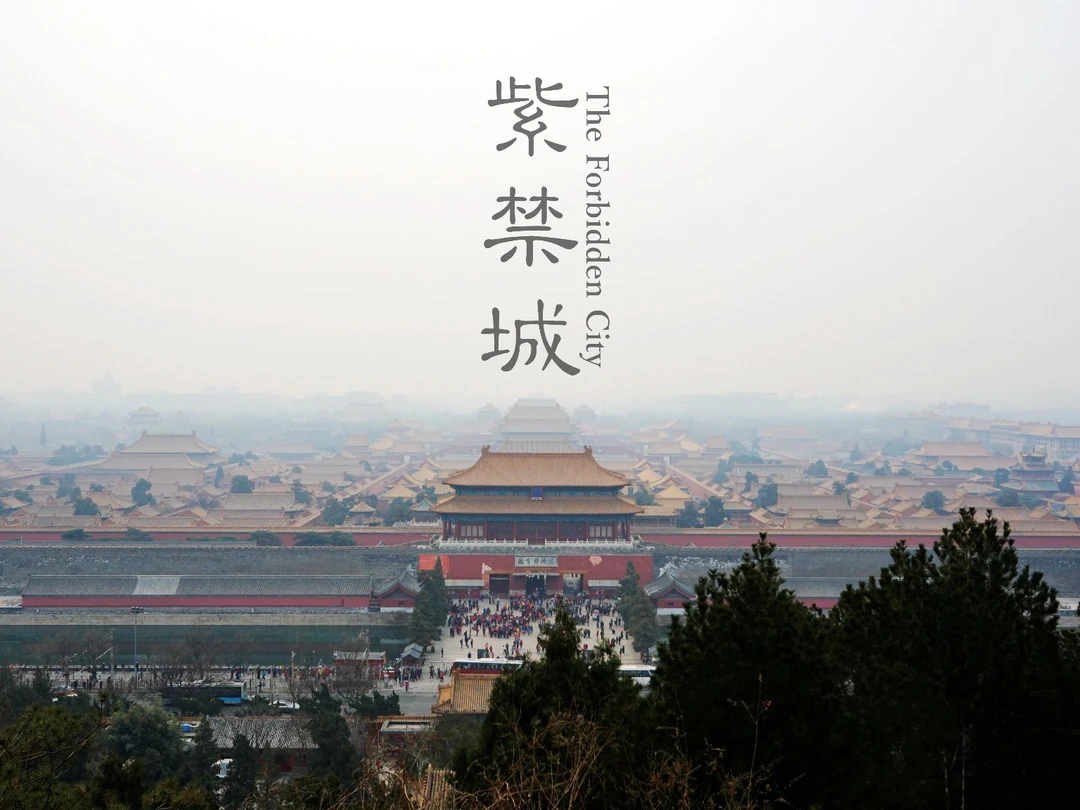
Ten Years Later: Chasing Spring in the Imperial City – A 5-Day Beijing Adventure in March 2017
Meta Description: Relive a 5-day Beijing spring itinerary from March 2017—Forbidden City, Great Wall, hutongs & cherry blossoms. Budget tips, bike hacks, and hidden gems for your own imperial city chase. Beijing. Just the name stirs something deep in the chest. It's the heartbeat of…
Continue reading...
From Sunrise to Sunset: A Two-Day Journey Through Yanqing’s Hidden Gems – The Ultimate Travel Guide
Meta Description: Discover Yanqing’s hidden gems beyond the Great Wall. From Badaling sunrise to the S2 scenic train, Qinglongqiao Station, and a legendary tofu feast—plan your perfect two-day escape. There’s something magical about a trip that begins with a spur-of-the-moment decision. No elaborate planning, no…
Continue reading...