Spring Festival Road Trip to Beijing: A Culinary Journey Through Nine Provinces at Their Government Liaison Offices
Meta Description: Discover the ultimate Spring Festival road trip to Beijing—a culinary journey through nine provinces at their government liaison offices. From Yunnan steam pot chicken to Dai-style grilled fish, explore authentic regional cuisine, driving tips, and hidden gems for foodies.
Introduction: Why Government Liaison Offices Are a Culinary Goldmine
I admit it—I've harbored an obsession with provincial government liaison offices in Beijing for years. Years ago, a feature in Sanlian Life Weekly titled "Liaison Offices Cooking" planted a seed deep in my mind. Rumor has it that these places use the most authentic ingredients—some dishes even source their water from the original产地, flown in by air. The chefs' skills are legendary; they say that even if you traveled to the local region yourself, you might not find food this authentic and refined.
True or false? Seeing is believing, as they say. During the 2019 Spring Festival holiday, my family and I decided on a spontaneous road trip to Beijing. Our mission was clear: to taste our way through nine provinces' liaison offices, while also visiting museums and art galleries—satisfying both palate and soul.
Departure: An Unexpected "Surprise"
At 6:30 AM on New Year's Eve, the sky was still dark, and the neighborhood was dead quiet. Our family—young and old—excitedly packed up and prepared to set off. But when I turned the key, the engine only let out a weak, helpless "click-click." The battery was dead.
My feelings at that moment could only be described as "bittersweet laughter." Before leaving, I'd meticulously checked the car—replaced the water hose, added antifreeze, inspected the tires—everything. Who would have thought it would fail at this critical moment? All nearby auto shops were closed for the holiday. As I frantically called for roadside assistance, an older man approached. After hearing my predicament, he didn't hesitate—he drove his own car over to jump-start mine. After some effort, the engine finally roared to life.
I later learned he was a retired police officer. Though we lived in the same neighborhood, we'd never met. In that moment, my heart felt as warm as if I'd tucked a little sun inside. After returning home, I visited him specially to thank him, but that debt of gratitude will likely never be repaid.
Road Trip Tips: Is Beijing Worth It During Spring Festival?
Traffic: The Best Highway Experience of the Year

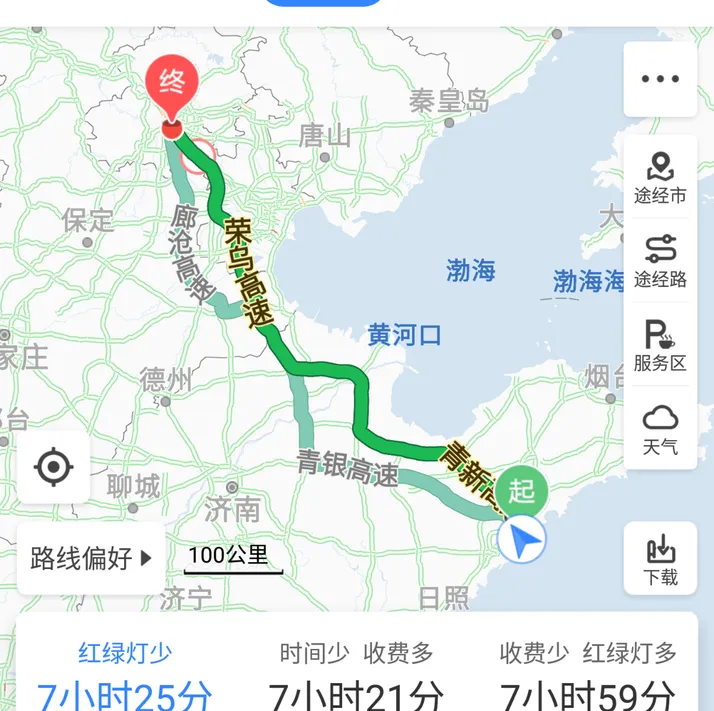
From Qingdao to Beijing, the total distance is 647 kilometers, with navigation showing 7 hours and 25 minutes. But in reality, we made it in about 6 hours. The reason is simple: on New Year's Eve, there were barely any cars on the highway, and heavy trucks were almost nonexistent. We left at 7 AM, stopped for two meals at Weifang North and Bohai New Area, and arrived at our hotel by 3:15 PM.
On the return trip on the eighth day of the lunar new year, there were slightly more cars, but still far better than the sixth day. The only hiccup was a heavy snowfall that closed two sections of the expressway between Beijing and Tianjin, forcing us onto provincial roads. We left Beijing at 9:30 AM, reached Tianjin by noon, got on the Rongwu Expressway at 1:30 PM, and arrived home at 7:20 PM.
In summary: during Spring Festival, driving to Beijing might offer the best highway conditions of the entire year. If I ever do it again, I won't worry about traffic jams—just have breakfast at home, hit the road, and stop for one meal along the way.
Driving in Beijing: Spring Festival Is the Golden Window
This year, Beijing had nine consecutive days without traffic restrictions (February 2nd to 10th), and out-of-town vehicles weren't subject to rush-hour limits. Applying for the "Beijing Entry Permit" through the "Beijing Traffic Police" app was easy—no printing required. The only catch: even without restrictions, out-of-town vehicles can't use the Second Ring Road or major arterial roads. Luckily, Baidu and Gaode navigation apps automatically avoid these routes once you enter your license plate, saving you the trouble.
This road trip made me realize: driving in Beijing during Spring Festival is a brilliant move. If we'd relied on public transit, we'd have walked an extra 8-9 kilometers each day—far too exhausting for the elderly and children. During the holiday, the ring roads were smooth sailing; a 20-kilometer drive took just 25 minutes, faster than Qingdao! I couldn't help but think: Beijing's public transportation still has plenty of room for improvement.
Gaode vs. Baidu: Which Is More Reliable?
This time, I used two phones for navigation simultaneously—Gaode and Baidu on the way there, and both with Baidu on the return. My conclusion: on highways, there's little difference, but Gaode has a more user-friendly interface, a larger navigation screen, and earlier 3D intersection alerts. However, on the return trip during heavy snow, Baidu updated expressway closure information much faster than Gaode—if I'd relied on Gaode, I'd have taken many wrong turns. Baidu's route planning was more reliable, and its estimated arrival times were more accurate.
[Link: Best navigation apps for road trips in China]
New Year's Eve Dinner: Yunnan Liaison Office — Yunteng Restaurant
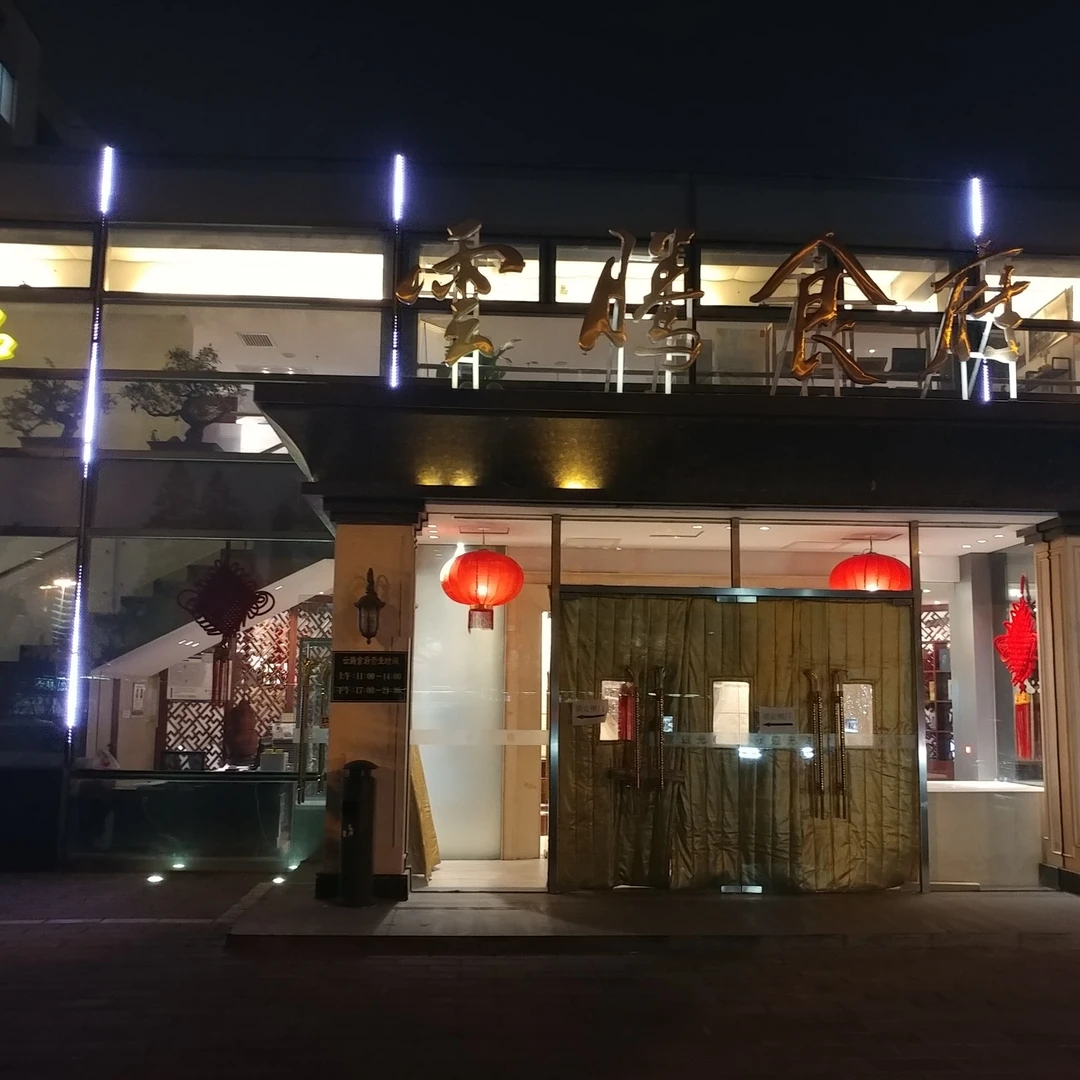
After a short rest at the hotel, we picked up my mother-in-law and headed straight for the Yunnan Liaison Office. I chose it not only because it was close to the hotel (an 8-minute drive) but also because I'd reserved a table a month in advance. I must thank Manager Yu, the young man who handled my reservation—he was conscientious and had an excellent attitude. Even more heartening: the dishes hadn't increased in price for the holiday, and parking was free in the courtyard.
Steam Pot Chicken (汽锅鸡): One Sip of Soup, Worth Every Mile
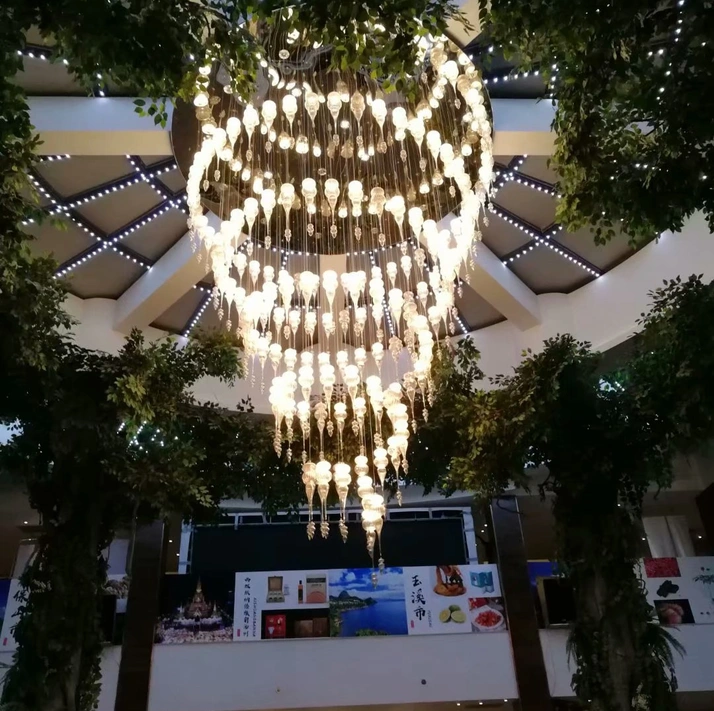
Steam pot chicken is a famous Yunnan dish, dating back over 200 years to southern Yunnan. The clay steam pot, made in Jianshui, has a central hole through which high-temperature steam rises, condensing back into broth. This cooking method—somewhere between boiling and steaming—maximally extracts the freshness of the ingredients.
When the dish arrived and the lid was lifted, steam rushed out, filling the room with fragrance. The broth was clear. I took a sip, and an incredibly savory warmth flowed from the tip of my tongue down my throat before I even realized I'd swallowed. That complex aroma was unforgettable—it instantly made all the travel weariness worthwhile.
We ordered three versions: original, bamboo fungus, and matsutake. The bamboo fungus was perfectly rehydrated—crisp and chewy. The matsutake had a rich, intense aroma, likely wild. But matsutake's personality was too strong, somewhat overpowering. The bamboo fungus was a bit more balanced. Regardless, each was as delicious as seafood—this was the unique flavor of Yunnan's mountains.
Stir-fried Erhai Lake Water Plant (炝炒洱海海菜): A Dish You Can Taste Visually
This dish is a must-order. The water plant, a type of green algae aquatic vegetable, is slippery and fresh. Eating it felt like swimming in the clear, cool waters of Erhai Lake. There's a benchmark for judging a dish: whether it can evoke a vivid scene. This dish achieved that.
Other Highlights
- Dali Fried Milk Fan (大理炸乳扇): One of Yunnan's "Eighteen Oddities." Fresh milk is fermented, spread into thin sheets, dried, and then deep-fried. The rich, creamy milk aroma is almost overwhelming.
- Tengchong "Great Rescue" (腾冲大救驾): A stir-fried rice cake dish that Emperor Yongli ate while fleeing. It's a home-style preparation, comforting and satisfying.
- Black Truffle Cabbage Heart (黑松露扒菜心): Loaded with generous amounts of black truffle, with an intense, pungent aroma. It's hard to describe—like passing through a countryside forest with the scent of cow dung, hay, and woodland—actually a very fresh feeling.
- Dai-style Grilled Fish (傣式烤鲫鱼): Perfectly cooked—crispy and delicious, with the unique spices of Yunnan's Dai ethnic group.
- Garlic White Meat (蒜泥白肉): Tender, with the aroma of free-range pork, fatty but not greasy.
- Traditional Yunnan Crossing-the-Bridge Noodles (云南传统过桥米线): The best rice noodles I've ever had. You can taste the true fragrance of rice noodles.
[Link: Yunnan cuisine guide for beginners]
Why a Spring Festival Road Trip to Beijing Is a Food Lover's Dream
The combination of holiday traffic relief and the unparalleled authenticity of government liaison office dining makes this trip a once-in-a-lifetime experience. During our nine-day journey, we visited nine different provincial liaison offices, each offering a unique window into China's diverse culinary landscape. From the spicy heat of Sichuan to the delicate seafood of Fujian, every meal was a revelation.
FAQ: Spring Festival Road Trip to Beijing
1. Is it safe to drive to Beijing during Spring Festival?
 Yes, it's one of the safest times to drive. Highway traffic is minimal, and the roads are well-maintained. Just ensure your vehicle is winter-ready—check the battery, tires, and antifreeze before departure.
2. Do I need a special permit to drive in Beijing?
Yes, out-of-town vehicles need a "Beijing Entry Permit." Apply via the "Beijing Traffic Police" app—it's free and easy. During Spring Festival, many restrictions are lifted, but avoid the Second Ring Road and major arterial roads.
3. How do I book a table at a government liaison office restaurant?
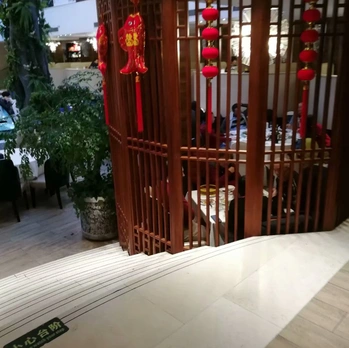 Reservations are essential, especially during holidays. Call at least a month in advance. Many offices have dedicated managers who speak English. Prices are often fixed and reasonable.
4. What's the best navigation app for driving in Beijing?
 Baidu Maps is more reliable for real-time traffic updates and road closures. Gaode Maps has a better interface. Use both for the best results.
5. Can I visit multiple liaison offices in one day?
Yes, but plan carefully. Most offices are within a 30-minute drive of each other. We visited three in one day without rushing. Reserve tables in advance to avoid disappointment.
Conclusion: Your Culinary Journey Awaits
A Spring Festival road trip to Beijing is more than just a vacation—it's a culinary pilgrimage. From the steam pot chicken at the Yunnan Liaison Office to the Dai-style grilled fish, every dish tells a story of tradition, authenticity, and passion. The best part? You don't need to be a food critic to appreciate it. Just bring your appetite and an open mind.
Ready to plan your own Spring Festival road trip? Start by checking your vehicle, downloading the Beijing Entry Permit app, and booking your first table at a government liaison office. The flavors of nine provinces are waiting for you.
[Link: How to plan a road trip in China]
Call to Action: Have you ever dined at a government liaison office in Beijing? Share your experience in the comments below—we'd love to hear your story! And if you're planning a trip, don't forget to bookmark this guide for later. Safe travels and happy eating!
You should also read:

A Spontaneous Escape Through Tianjin, Beijing, and Shandong: An Unforgettable Solo Travel Adventure
Meta Description: Discover the raw beauty of a spontaneous solo journey through Tianjin, Beijing, and Shandong. From Quanjude roast duck to Tanggu night views, read this heartfelt travelogue of escape and self-discovery. The July wind carried restlessness and unease. After abruptly ending a ten-day job…
Continue reading...
A Passionate Journey Through Beijing & Tianjin: Beijing Complete Guide – JOJO's In-Depth Travel Notes
Meta Description: Explore Beijing & Tianjin in 5 days with this complete travel guide. From the Forbidden City to the Great Wall, discover insider tips, transportation hacks, and must-see attractions. Plan your perfect China trip today. Beijing is not just a city—it's a living museum…
Continue reading...
Peking: A Seven-Day Journey Between Old Dreams and New Realities – An SEO-Optimized Travel Guide
Meta Description: Explore Beijing in 7 days: from 798 Art District and Summer Palace to Houhai nightlife and Panjiayuan market. Discover hidden gems, local eats, and travel tips in this SEO-optimized itinerary. Some cities you never set foot in, yet you have painted them in…
Continue reading...