Spring in Beijing: A Floral Journey Through the Ancient Capital
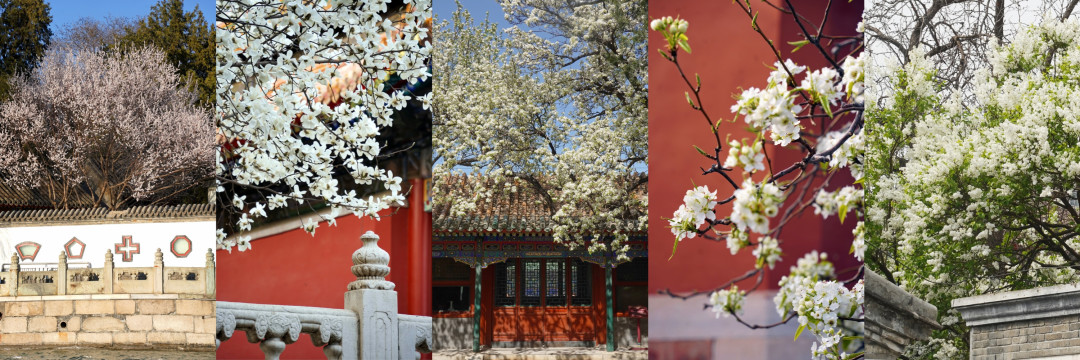
As an SEO content strategist, I have optimized and rewritten your source article. The following output is a complete, SEO-friendly article designed to rank for the primary keyword and its variations, while maintaining the poetic and factual accuracy of the original.
Spring in Beijing: A Floral Journey Through the Ancient Capital (2024 Guide)
Meta Description: Discover the best spring flowers in Beijing, from Forbidden City apricot blossoms to Beihai Park crabapples. A complete guide to the city’s floral calendar, photo spots, and hidden gardens.
"Each year the flowers look the same, yet each year the people are different." This ancient verse captures the wistfulness of time's passage, but it also holds another truth—every year's flowers are, in fact, different. Subtle shifts in weather make blossoms arrive early or late, their colors deeper or paler. This year, spring came late to Beijing, making it all the more precious.
Camera in hand, I wandered through every corner of the ancient capital, documenting the city's springtime splendor. From imperial gardens to back-alley lanes, from thousand-year-old temples to the former homes of luminaries, each flower tells its own story. If you are planning a spring trip to Beijing or simply looking for the best places to see cherry blossoms in Beijing, this guide will help you plan the perfect floral journey.
Beihai Park: Mountain Peach Blossoms & Crabapple Views
March 12 · Mountain Peach Blossoms at Chanfu Temple
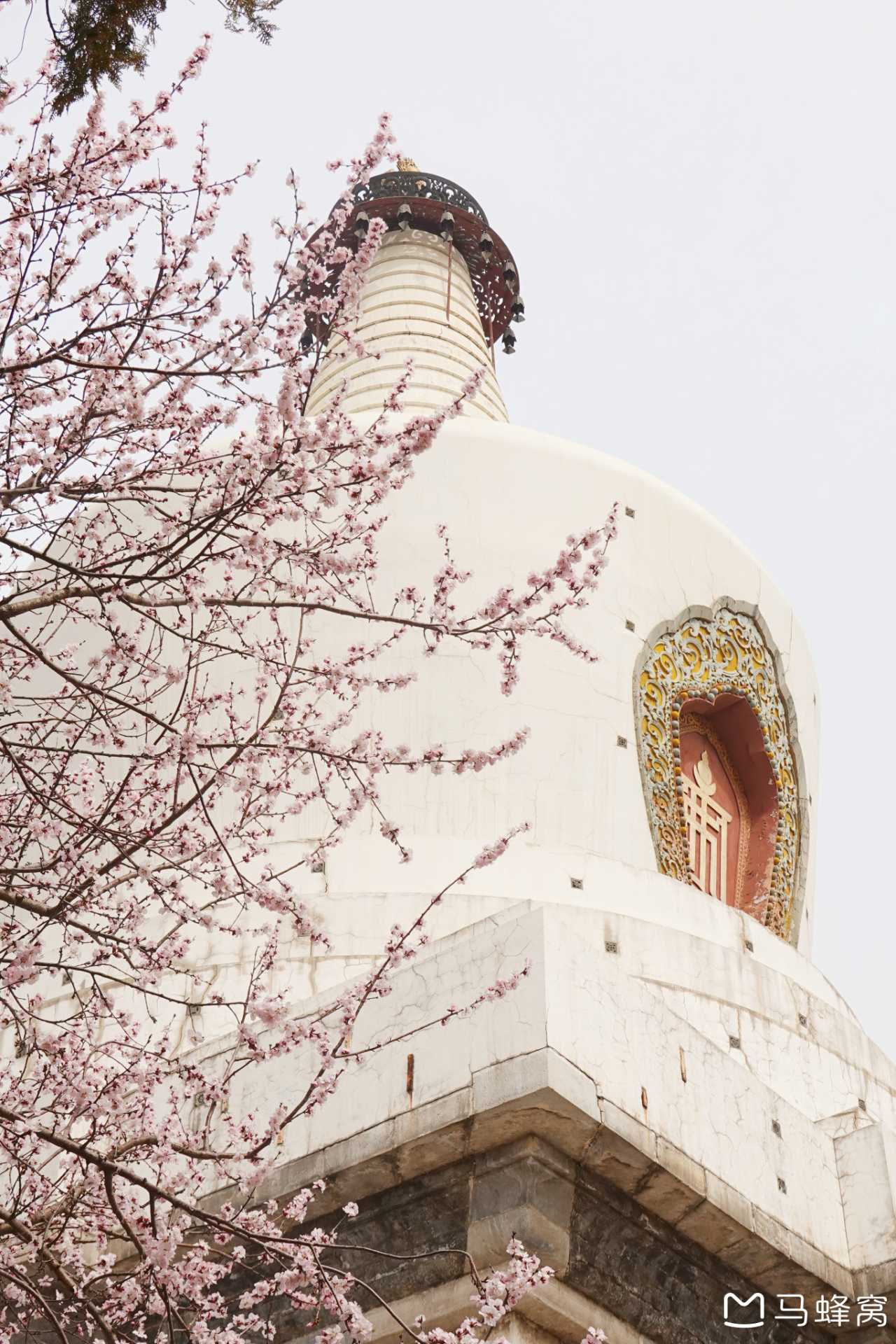
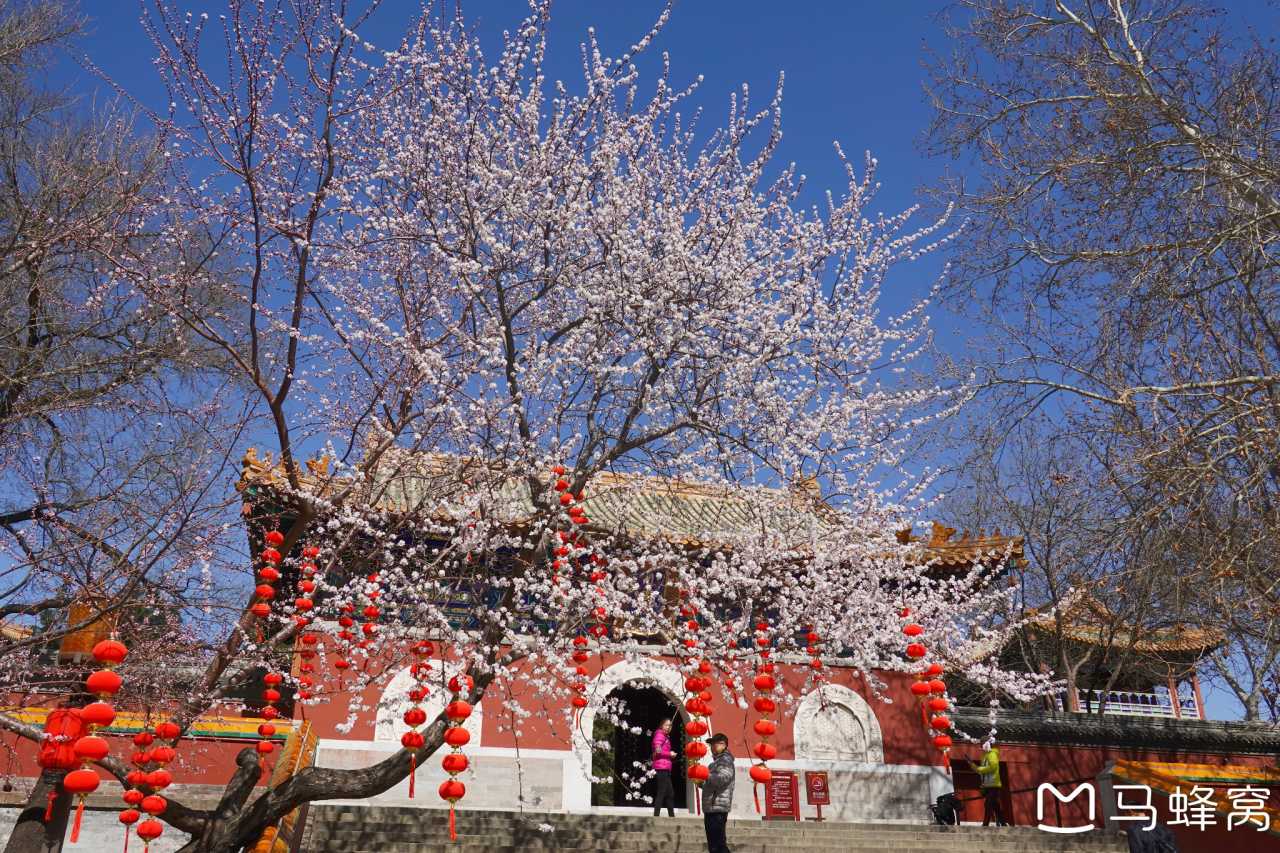
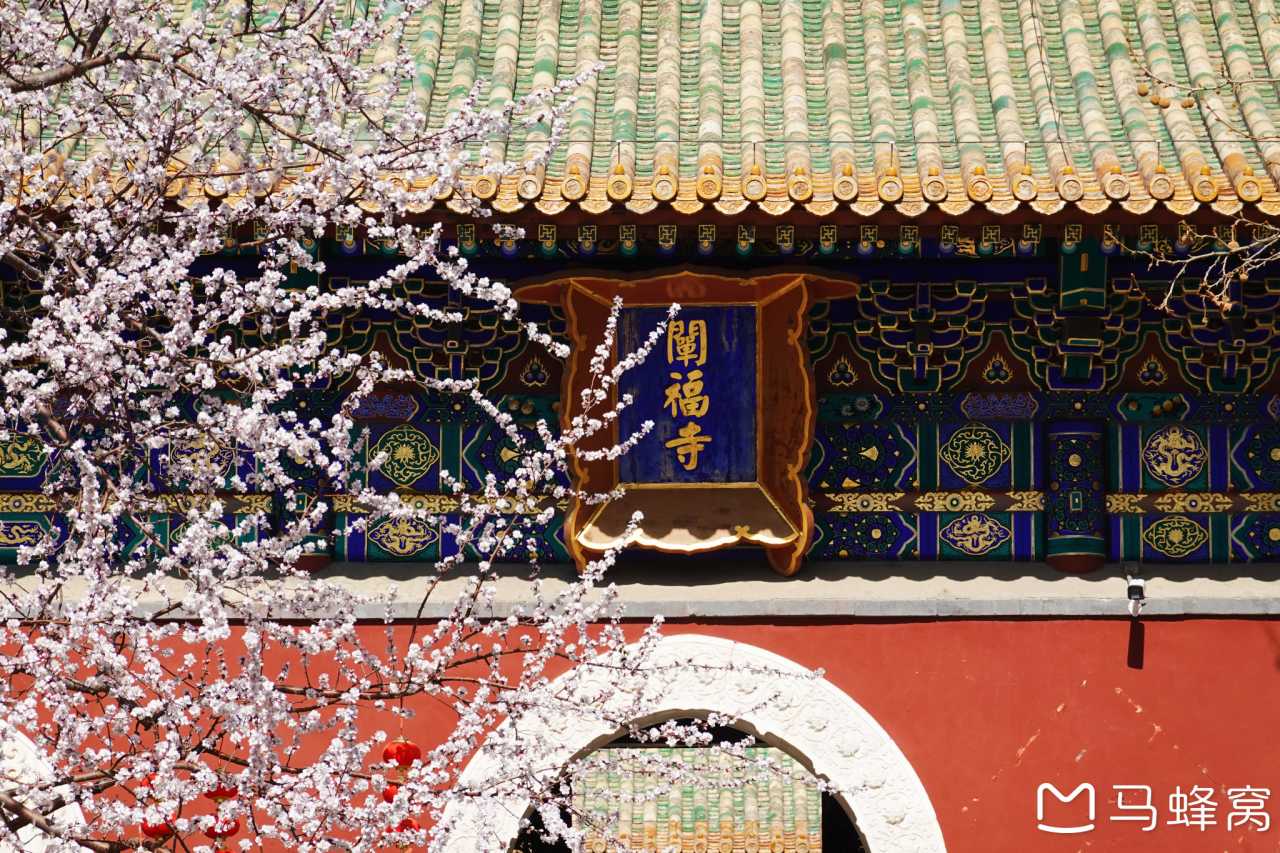
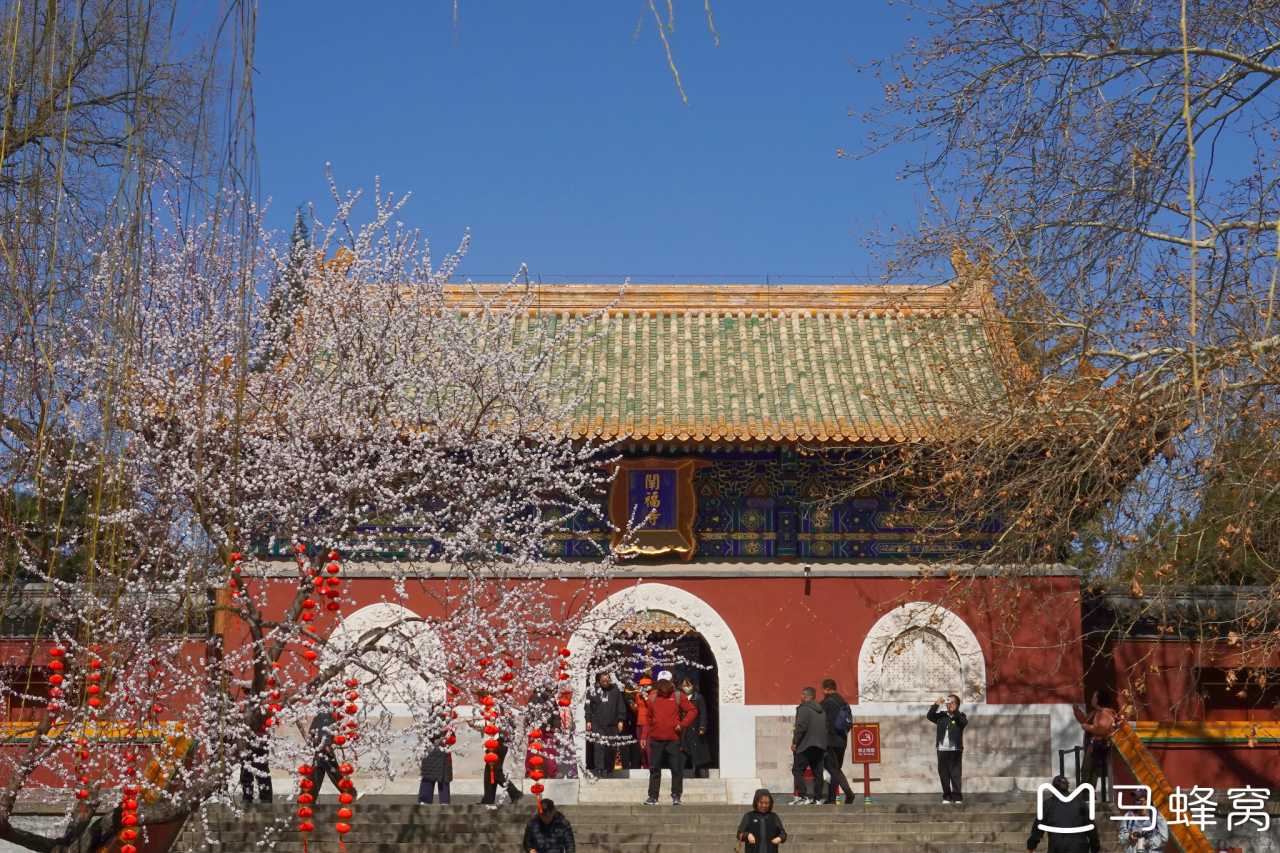
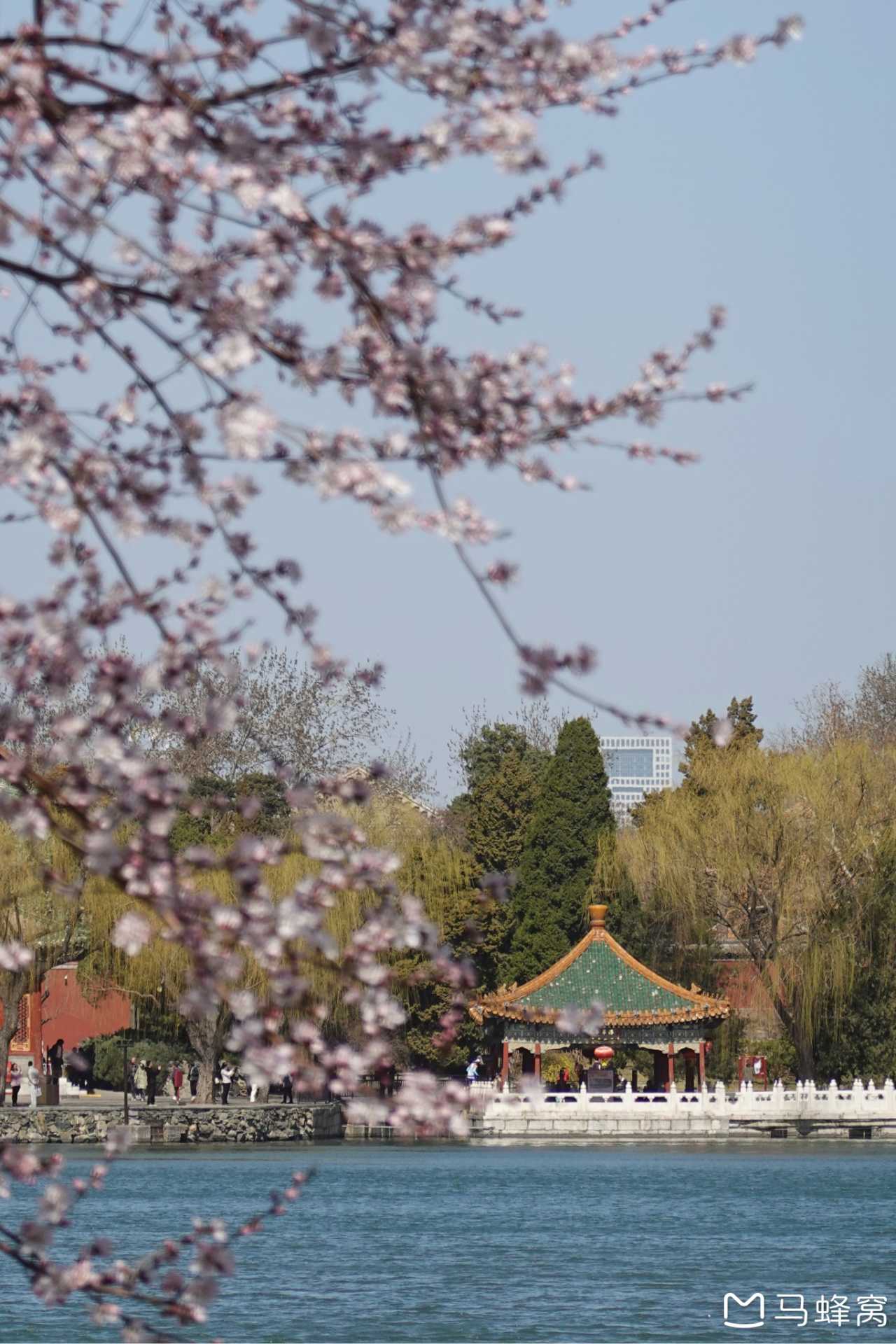
Spring in Beijing always begins with mountain peach or magnolia blossoms. This year, the mountain peach took the lead. On March 12, I arrived at Chanfu Temple in Beihai Park, finally witnessing them in full bloom.
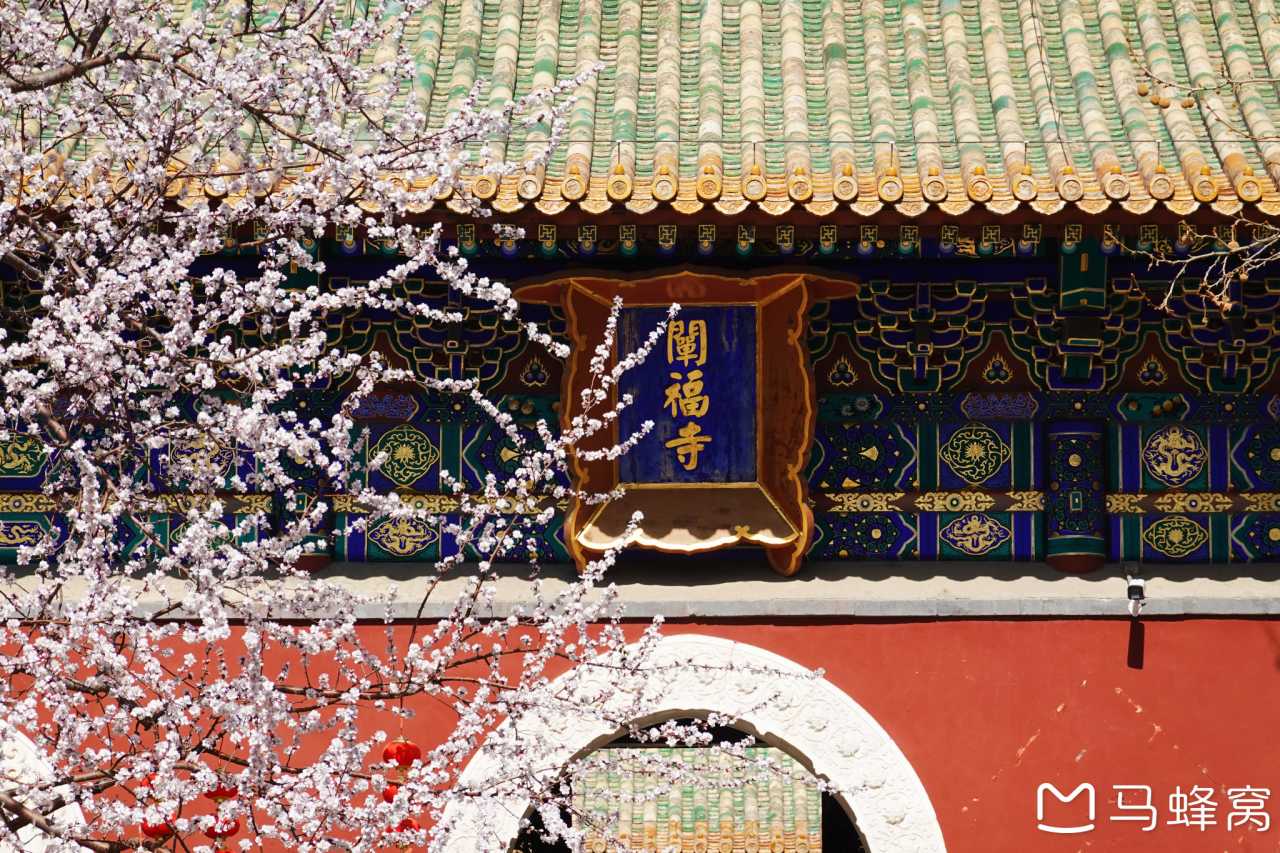
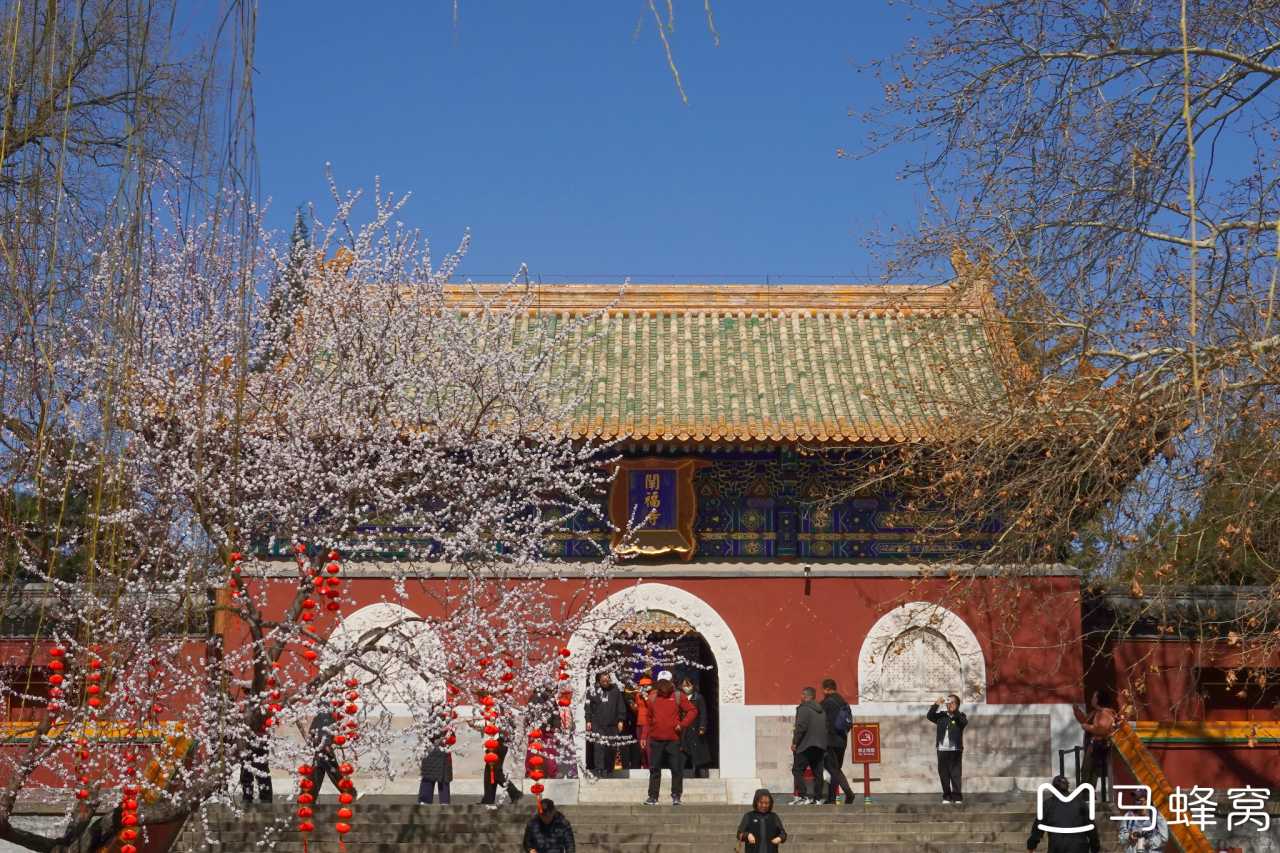
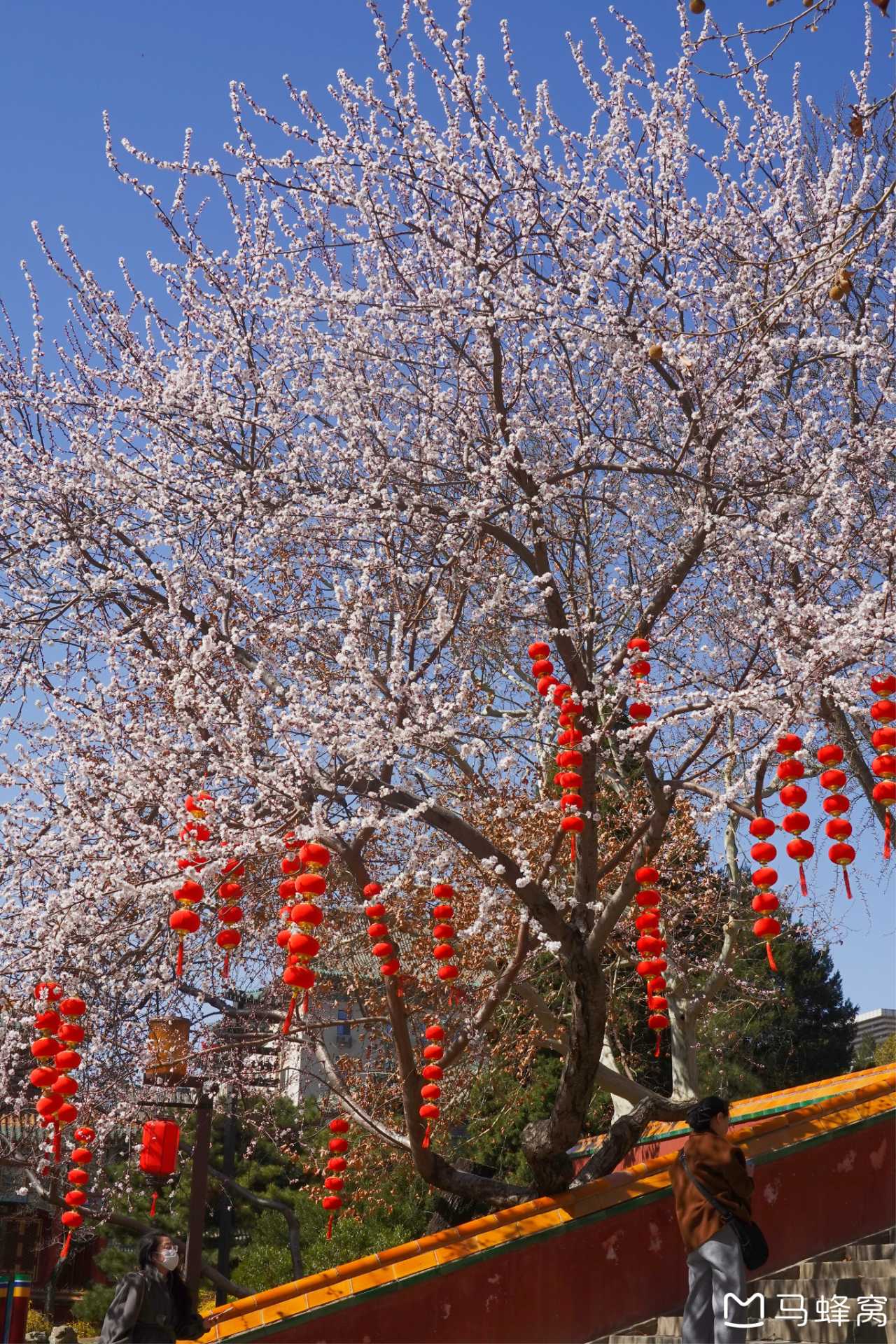
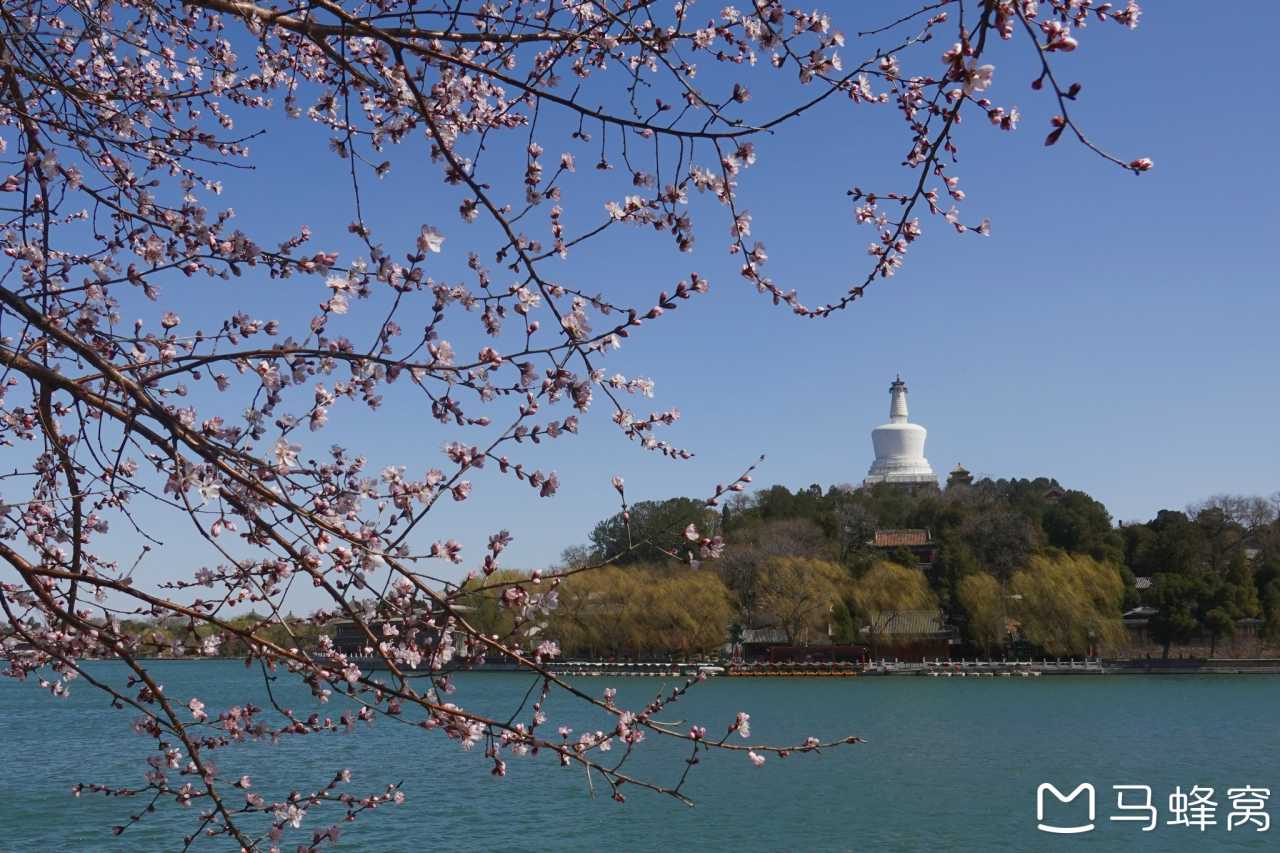
Built in the 11th year of the Qianlong reign (1746), Chanfu Temple was erected by Emperor Qianlong in memory of his birth mother, Empress Dowager Chongqing. Before the temple, mountain peach branches spread gracefully, pink blossoms dotting the scene, gazing across at the distant White Pagoda. Curiously, the branches still bore festive red lanterns from Chinese New Year, brilliantly vivid against the blue sky—reportedly, the lanterns were taken down the very next day, so I caught the last traces of the holiday spirit.
Beihai Park has banned commercial photography, leaving the grounds much quieter. Though tourists still flock here, the days of commercial shoot teams monopolizing the best spots under the trees are gone. Finally, one can enjoy the flowers in peace.
March 13 · Peach Blossoms on White Pagoda Hill
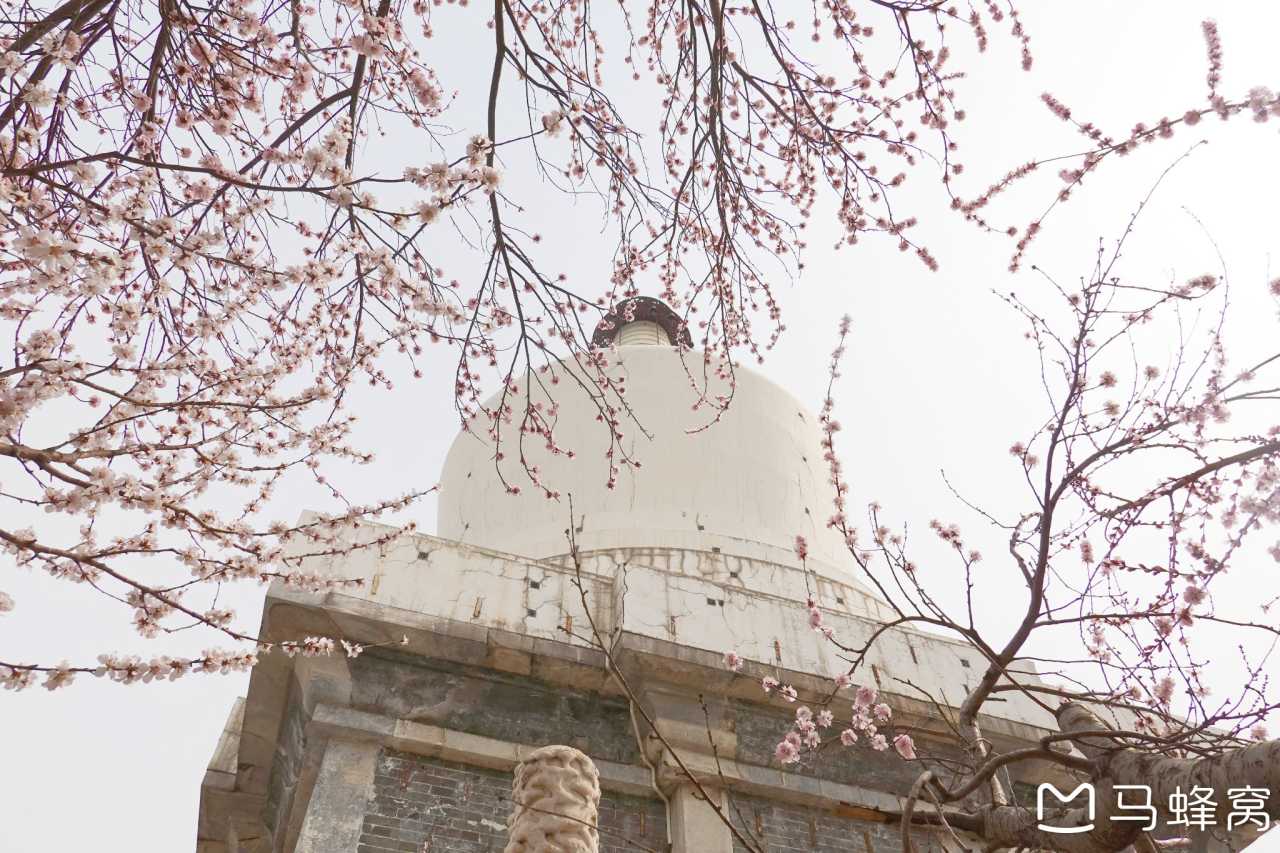
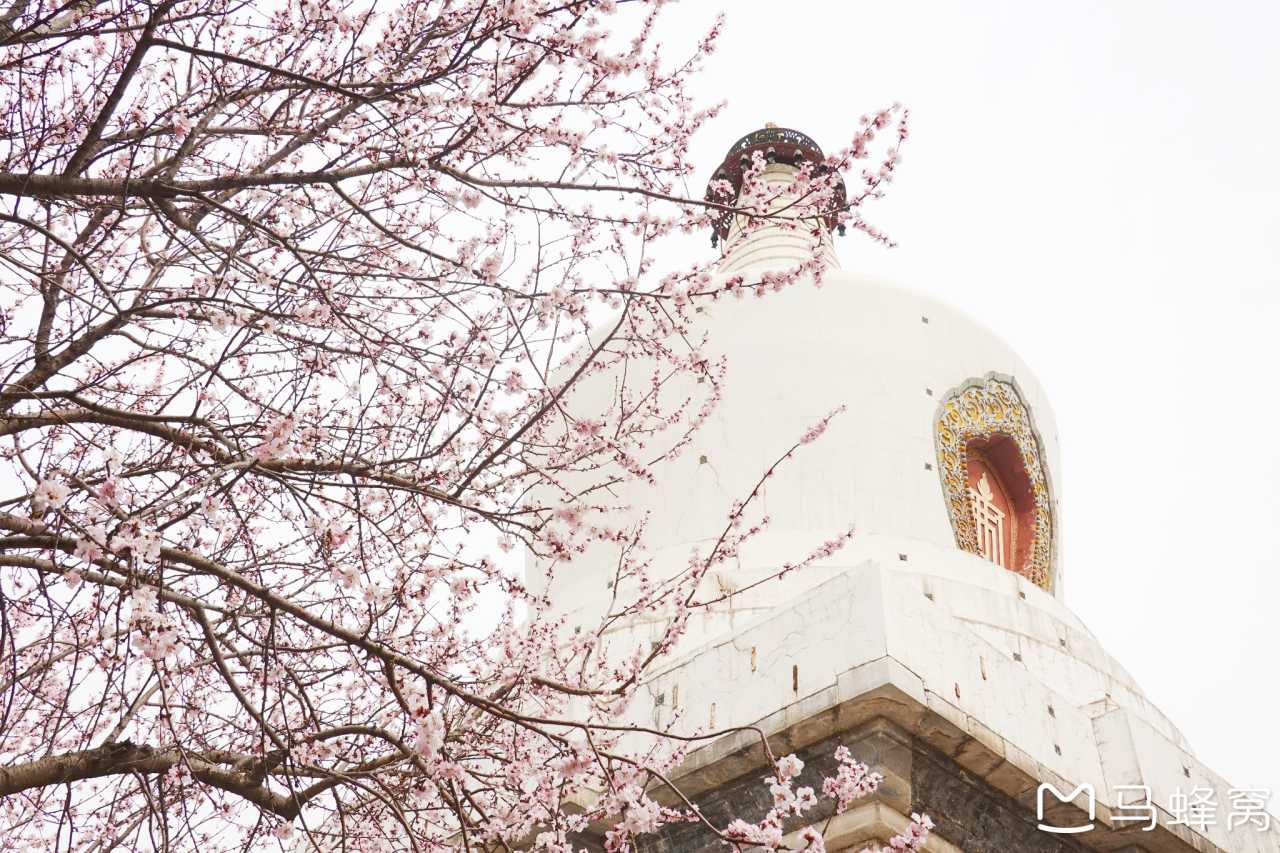
Mountain peach blossoms framing the White Pagoda—this is one of Beijing’s most iconic spring scenes. Unfortunately, an old tree at the foot of the pagoda collapsed last year, making this year's display slightly less impressive than before. Even so, standing within Yong'an Temple and looking up at the White Pagoda, you cannot help but be moved by the solemnity of this Tibetan-style stupa and the soft beauty of the mountain peach.
Built in the 8th year of the Shunzhi reign (1651), the White Pagoda is one of Beijing's oldest and largest surviving Yuan-dynasty Tibetan-style pagodas. Its body rests on a white marble sumeru pedestal; every detail—the dome-shaped body, the bronze canopy, the gilded flame-and-jewel finial—bears the weight of history. The glazed brick walls of Shanyin Hall gleam in the spring sunlight.
April 2 · Xifu Crabapple and the "Three Whites" of Circular City
After the mountain peach season ends, Beihai Park's crowds thin out, making it the perfect time to savor the Xifu crabapple. The Xifu crabapple in front of Pu'an Hall at Yong'an Temple is, in my opinion, a worthy substitute for the famed crabapple at the Palace of Eternal Longevity in the Forbidden City—beneath those dragon-patterned glazed tiles, the pink-and-white petals feel even more serene.
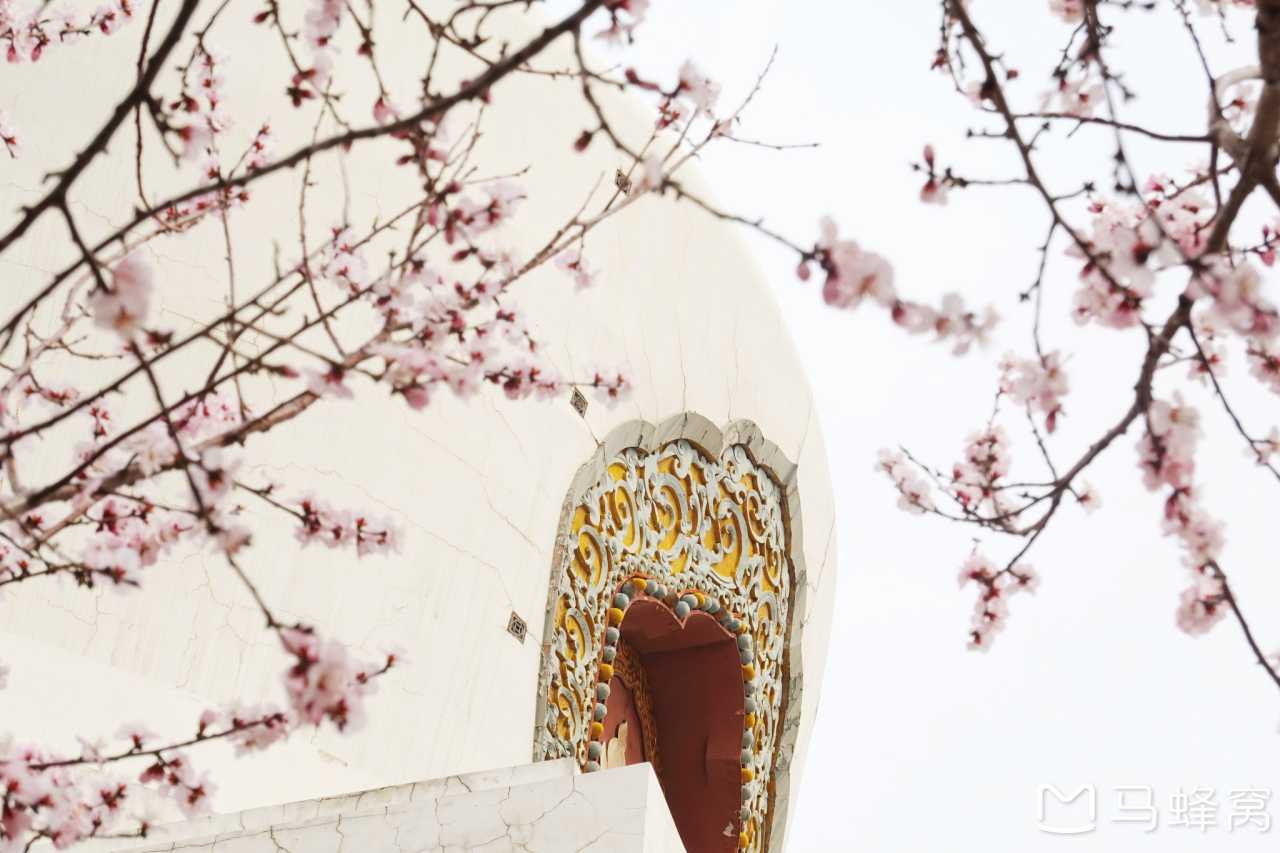
The "Three Whites" of Circular City are a unique Beihai sight: pear blossoms, crabapple, and lilac, all white-flowered trees blooming in succession through spring. Circular City was once an island in the Taiye Pool, part of the Daming Palace in the Jin dynasty and called "Yingzhou" in the Yuan. Standing atop the city wall, surrounded by ancient trees and ornate halls, you feel as though you've stepped back into the golden age of imperial gardens.
[Link: Best time to visit Beihai Park for spring flowers]
The Forbidden City: A Year of Flowers in the Purple Forbidden City
March 23 · Apricot Blossoms and Pear Blossoms

Spring in the Forbidden City begins at the Meridian Gate. Taking the western route, I found the flowering plum outside the Gate of Splendid Harmony still in bud, the lilac just showing its buds. Reaching a spot parallel to the three main halls, I looked toward the rear of the Hall of Rain and Flowers—an apricot tree stood there, its branches heavy with blossoms.
Inside the Palace of Longevity and Health, pear blossoms gleamed white against red walls and green tiles. Two apricot trees in the Western Courtyard of the Palace of Earthly Tranquility were in full bloom, though less exuberant than in past years. The apricot tree at the Jadeite Pavilion is an internet-famous photo spot, but when I arrived, the crowds were so thick I could only glimpse it from afar.
March 30 · Xifu Crabapple and Lilac
The Xifu crabapple in front of the Hall of Literary Glory was just beginning to bloom, its tiny pink petals delicate and charming. Half-pink, half-white, the blossoms looked all the more elegant against the backdrop of ancient architecture. Purple and white lilacs intertwined in the Palace of Prolonging Happiness, while pear blossoms peeked through the cracks of the tightly shut gate of the Palace of Eternal Sorrow, as if whispering tales from the depths of the harem.
In the Imperial Garden, flowering plum framed a playful stone lion, lending the scene a lively touch. The Palace of Eternal Longevity was under renovation, but the Xifu crabapple inside extended its branches over the wall. Peeking through the gate's cracks at the profusion of flowers was oddly delightful.
[Link: Forbidden City spring flower map and ticket tips]
Jingshan Park: A Spring View Overlooking the Forbidden City
March 23 · Apricot Blossoms and Magnolia
Leaving the Forbidden City, I passed by Jingshan Park and spotted a tree laden with pink blossoms rising above the wall. I thought it was mountain peach, but upon closer look, it was an apricot tree. Jingshan's entrance fee is just two yuan (about 30 cents), yet from here you can overlook the entire Forbidden City. Some say to "skip" Jingshan, but honestly—if you're complaining about a two-yuan park, maybe just stay home.
Wanchun Pavilion, at Jingshan's highest point, is the commanding height of Beijing's central axis. Standing here, the grandeur of the Forbidden City unfolds before you. The magnolia in front of Qiwang Tower was in full bloom, its subtle fragrance perfectly complementing the ancient architecture.
May 15 · Peonies
Jingshan Park is famous for its peonies, but I missed them this year due to scheduling conflicts. By the time the herbaceous peonies bloomed, a heavy rainstorm had ruined my chances, and I only caught the tail end. The roses in the science garden were in full glory, forming a lush wall of flowers. Though the peonies had faded, the occasional blossom still blooming in the garden carried the lingering warmth of spring.
[Link: Jingshan Park vs. Forbidden City: Which is better for spring photography?]
Summer Palace: Spring's Radiance, Calm Waters
March 16 · Mountain Peach Blossoms
For me, spring without a visit to the Summer Palace feels incomplete. The phrase "spring's radiance, calm waters" may be overused, but the sight of mountain peach blossoms along the Western Causeway truly deserves it.
The mountain peach tree near Binfeng Bridge, battered by wind or pruned back, was far less lush than in previous years. But pruning isn't just for aesthetics—it's also for public safety and pest control. This year's rain-and-snow mix caused many petals to freeze and fall. Yet even so, the Western Causeway's scenery was breathtaking enough to make your heart ache.
The Tower of Buddhist Incense stands 36 meters tall, a three-story, eight-sided structure with a four-eave pyramidal roof, facing Kunming Lake. Empress Dowager Cixi came here monthly to burn incense and pray. Standing on the Western Causeway, the Seventeen-Arch Bridge lay across the lake like a scroll painting slowly unrolling.
[Link: Summer Palace spring flower walking route]
Prince Gong's Mansion: Crabapple Still Here, People Long Gone
March 29 · Xifu Crabapple
Prince Gong's Mansion is busy year-round, with tourists packed shoulder to shoulder. But stepping into the courtyard outside the main compound, I found the Xifu crabapple inside the walls in full bloom—half-white, half-pink, the blossoms seemed to glow against the grey brick walls.
This mansion, once the home of Prince Gong (a key figure in the late Qing dynasty), is a masterpiece of traditional Chinese architecture. Its courtyards, rockeries, and covered walkways make it a perfect setting for spring flower viewing. Unlike the crowded Forbidden City, Prince Gong's Mansion offers a more intimate floral experience. The crabapple here is particularly famous—some say it rivals the ones in the Forbidden City's Palace of Eternal Longevity.
[Link: Prince Gong's Mansion vs. Forbidden City: Which is less crowded?]
FAQ: Spring Flowers in Beijing
Q1: When is the best time to see cherry blossoms in Beijing? A: The best time for mountain peach (often mistaken for cherry blossoms) is mid-March to early April. The Yuyuantan Park is also famous for cherry blossoms, peaking in late March.
Q2: Are there any free places to see spring flowers in Beijing? A: Yes! The streets around the Forbidden City moat, the hutongs near Shichahai, and the Olympic Forest Park all offer free spring flower viewing.
Q3: What is the difference between mountain peach and cherry blossoms? A: Mountain peach blossoms have five petals and a single pistil, while cherry blossoms have a small notch at the tip of each petal. Mountain peach also blooms slightly earlier in Beijing.
Q4: Can I take professional photos in Beihai Park? A: Commercial photography is banned in Beihai Park, but personal photography with a smartphone or small camera is allowed. Tripods may require a permit.
Q5: What should I wear for a spring flower tour in Beijing? A: Spring in Beijing can be chilly, especially in March. Wear layers, comfortable walking shoes, and bring a light jacket. A scarf or hat is also recommended for windy days.
Plan Your Spring Floral Journey Today
Spring in Beijing is fleeting—but unforgettable. From the ancient walls of the Forbidden City to the serene causeways of the Summer Palace, every corner of the capital tells a story through its flowers. Whether you're a photographer, a history lover, or simply someone seeking beauty, this floral journey will leave you with memories that last a lifetime.
Don't wait. Book your trip to Beijing this spring, and experience the ancient capital in full bloom. For the latest flower forecasts and park updates, check local travel forums or follow Beijing's official tourism channels.
Ready to explore? [Link: Book a guided spring flower tour in Beijing] or [Link: Download our free Beijing spring flower map]
Note: This article was originally inspired by a travelogue from Mafengwo. All dates and observations are based on the 2024 spring season. Flower bloom times may vary slightly year to year.
You should also read:
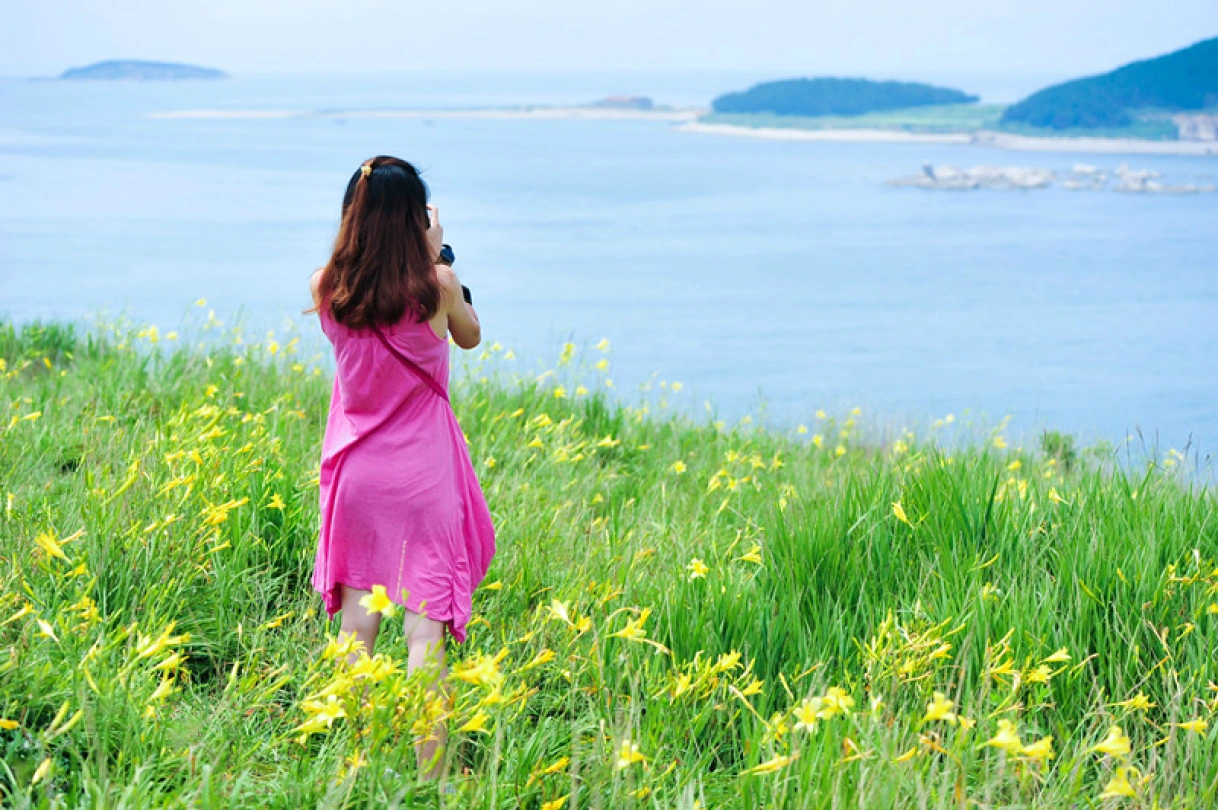
A Spontaneous Escape Through Tianjin, Beijing, and Shandong: An Unforgettable Solo Travel Adventure
Meta Description: Discover the raw beauty of a spontaneous solo journey through Tianjin, Beijing, and Shandong. From Quanjude roast duck to Tanggu night views, read this heartfelt travelogue of escape and self-discovery. The July wind carried restlessness and unease. After abruptly ending a ten-day job…
Continue reading...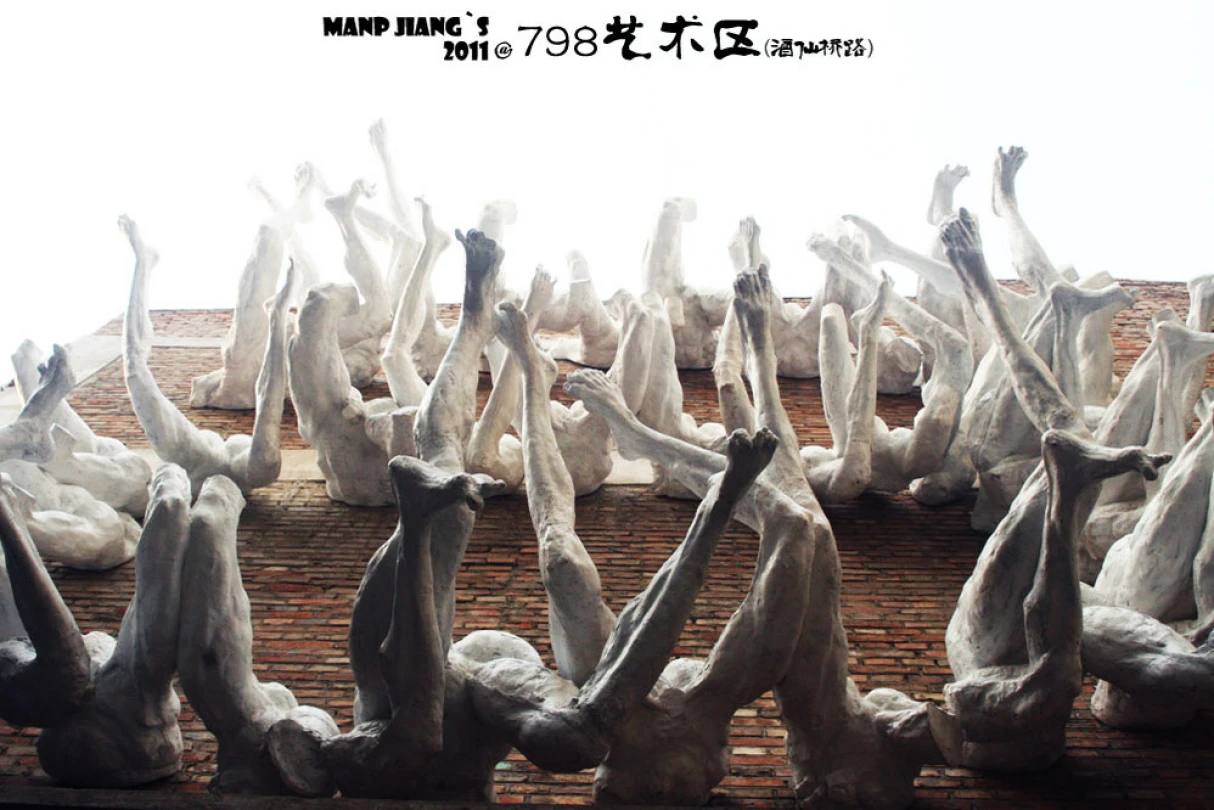
The Journey That Didn't Freeze Me to Death: Beijing – Six Days and Five Nights of Bone-Chilling Cold
Meta Description: Planning a winter trip to Beijing? Read this firsthand account of a spontaneous 6-day Beijing adventure—from ticket battles to 798 Art District, Sanlitun, and survival tips for bone-chilling cold. Perfect for budget travelers and first-timers. Some trips are long-planned romances; others are impulsive…
Continue reading...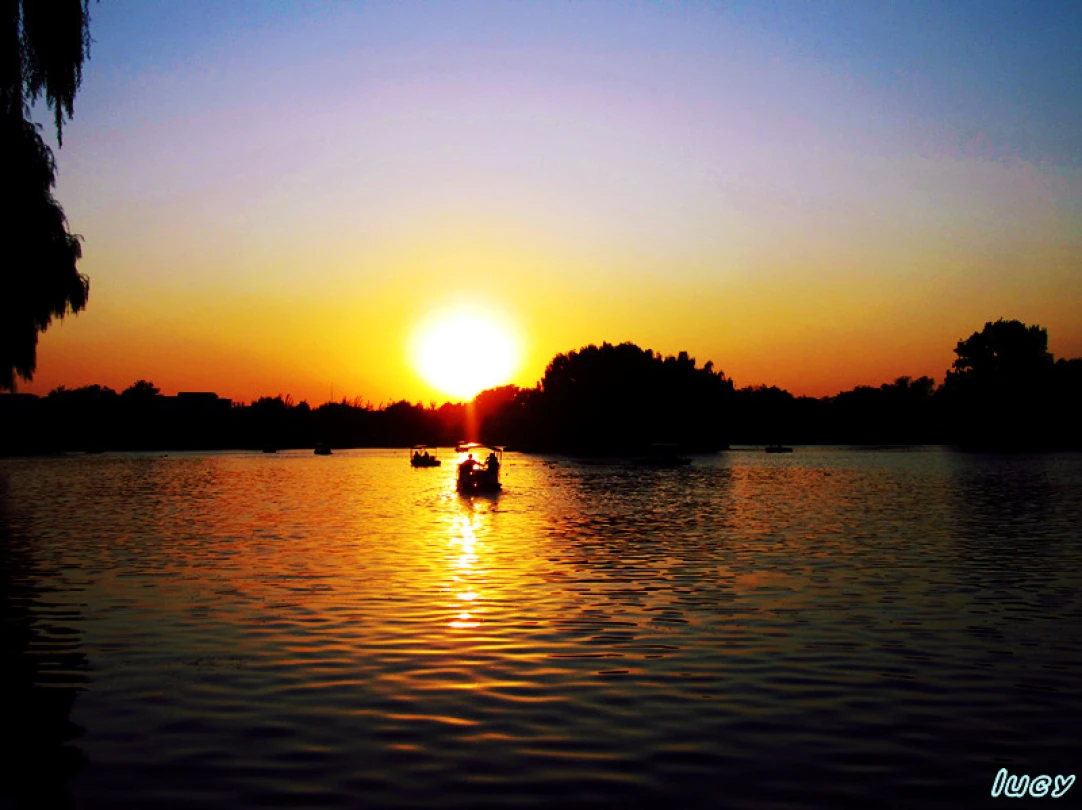
A Solo Journey Through Beijing: One Girl's Seven-Day Adventure
Here is the SEO-optimized, rewritten article based on your source material. It is structured for high readability, keyword density, and user engagement, targeting approximately 1500 words. SEO Title: Solo Travel in Beijing: One Girl’s 7-Day Budget Adventure (2,000 Yuan Itinerary) Meta Description: Discover the ultimate…
Continue reading...