Steel and Time: Strolling Through Shougang Industrial Heritage Park, Touching the Century-Long Pulse of China's Modern Industry
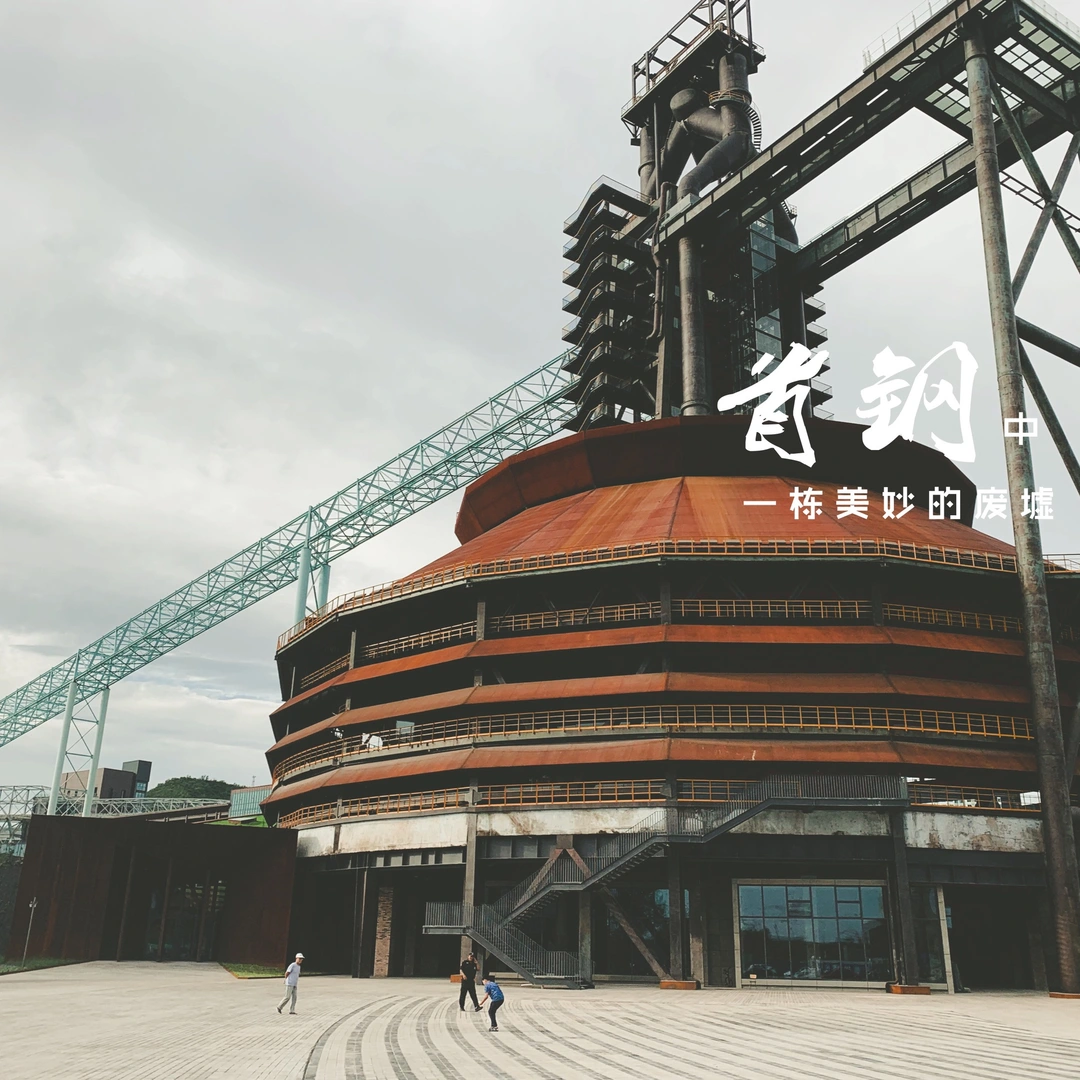
Meta Description: Explore Shougang Industrial Heritage Park in Beijing—a stunning transformation of a century-old steel mill into a cultural and creative park. Discover blast furnaces, Xiu Lake, and the iconic Starbucks amidst steel giants. Plan your visit today!
Introduction: A City, a Steel Mill, a Memory
Living in Beijing for long, you notice an intriguing phenomenon: drive west along Chang'an Avenue to its end, and you won't find a bustling commercial district. Instead, you'll encounter a "castle" forged from steel—Shougang Industrial Heritage Park. For old-school Beijingers, the name Shijingshan evokes unique memories: Babaoshan, Shougang (Capital Steel), and the city's one-time only amusement park. As a child, taking Metro Line 1 from Changchun Street west felt like a journey to another world. Once past Bajiao Amusement Park station, it seemed you'd instantly "left the city"—even the ants appeared bigger than downtown.
Shougang, this behemoth that once contributed 60% of Shijingshan District's tax revenue, was more than a factory—it was a microcosm of an era. According to elders, most Shijingshan residents were among the first migrants to Beijing, brought in to revive Shougang's production. For them, work meant Shougang or its subsidiaries. As a child, adults spoke of train tracks and locomotives inside, and needing a bus just to get through the main gate. But for a child, nothing matched the excitement of bumper cars at the amusement park.
What truly sparked my interest in Shougang was a photo I stumbled upon—a Starbucks nestled within a forest of steel. The clash of industrial aesthetics and coffee aroma made me wonder: What had this once gloomy, soot-covered factory become? So I grabbed my parents and decided to explore this "factory park" for ourselves.
A Century of Trials: Shougang's Past and Present
Shougang Industrial Heritage Park was developed on the northern section of the original Shougang Shijingshan plant site. It's China's first cultural and creative park themed around steel industry heritage. Its history is virtually a century-long chronicle of China's modern industrial development.
Born in Adversity (1919–1948)
In 1919, the Beiyang government approved the establishment of the "Joint Government-Private Longyan Iron Mine Company Limited" and began constructing the largest iron smelter in northern China—the Shijingshan Smelter—on the banks of the Yongding River west of Beijing. Construction began in September 1919, marking the start of Shougang's century-long journey.
However, the next 30 years were Shougang's most difficult period. Warlord conflicts, Japanese invasion, Nationalist rule—the smelter struggled to survive. After the War of Resistance Against Japan (World War II) began in 1937, Japanese invaders seized the smelter and renamed it "Shijingshan Ironworks." It wasn't until Japan's surrender in 1945 that the Nationalist government took over and renamed it "Shijingshan Iron and Steel Plant." Over three decades, it produced only 286,000 tons of pig iron—a number negligible today but carrying the weight of that era.
Rapid Rise (1949–1978)

After the founding of the People's Republic of China, Shougang finally saw its spring. In 1958, Shijingshan Iron and Steel Plant was renamed Shijingshan Iron and Steel Company. That same year, workers labored 14 consecutive days and nights to build three 3-ton side-blown converters, ending the plant's history of "having iron but no steel." In 1966, the Ministry of Metallurgical Industry officially renamed it "Capital Iron and Steel Company," abbreviated as "Shougang." During these three decades, Shougang's profits and taxes once accounted for one-quarter of Beijing's total. Nearly every resident of Shijingshan District was connected to it.
Transformation and Rebirth (1979–Present)
In the early years of reform and opening up, Shougang's people liberated their thinking, pioneering a contract responsibility system and exploring state-owned enterprise reform. They quickly grew into a massive, cross-industry, cross-regional, multinational enterprise group. However, entering the new century, for Beijing's blue skies and white clouds—and to successfully host the Olympic Games—Shougang made the decisive choice to relocate, becoming the first large-scale steel enterprise in China to move to the coast.
Shougang left, but the old plant site remained—no longer a factory with smoking chimneys and roaring machinery, but an industrial heritage park bearing witness to history. The former "steel giant" now serves this city in an entirely new way.
[Link: Explore other top Beijing industrial heritage sites]
Surprises in the Steel Forest: A Tour of Shougang's Iconic Landmarks
Driving through the newly opened "Heli Gate" (New Shougang Bridge) and entering the park, you feel a sense of temporal dislocation—towering blast furnaces, orderly factory buildings, and winding pipelines are nestled among green trees, the tones of architecture and vegetation in perfect harmony. The weather was cool, and few visitors only added to the sense of weathered grandeur.
Blast Furnace No. 3: The Steel Giant's Glamorous Transformation
Turning left, we parked at the foot of a massive structure. This is Shougang's Blast Furnace No. 3—a 2,500-cubic-meter steel giant that was once a typical production line, hailed as a "meritorious furnace." It witnessed the glory of the industrial age, yet now it has become stylish and beautiful, brimming with new vitality.
Can you imagine? Inside this former blast furnace, events have already included a Mercedes-Benz car launch, a calligraphy and painting photography exhibition celebrating the 70th anniversary of the founding of the People's Republic of China, and environmental dance performances. The intricate internal steel framework, spacious, high-ceilinged spaces, and industrial process equipment exude a powerful industrial atmosphere. At night, Blast Furnace No. 3 is illuminated entirely in red light, as if it were again filled with molten iron, delivering a powerful visual impact—this is how steel is forged.
[Link: Best photo spots at Shougang Industrial Heritage Park]
Xiu Lake (Show Pond): Tenderness in a Steel Frame
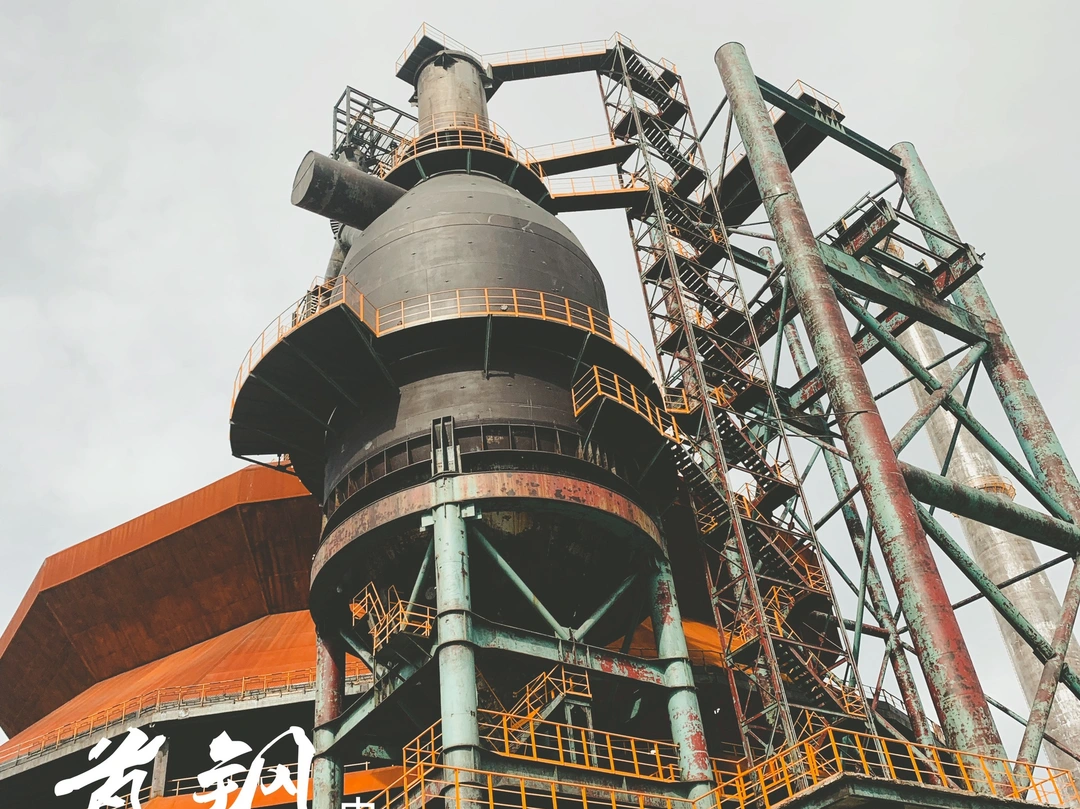
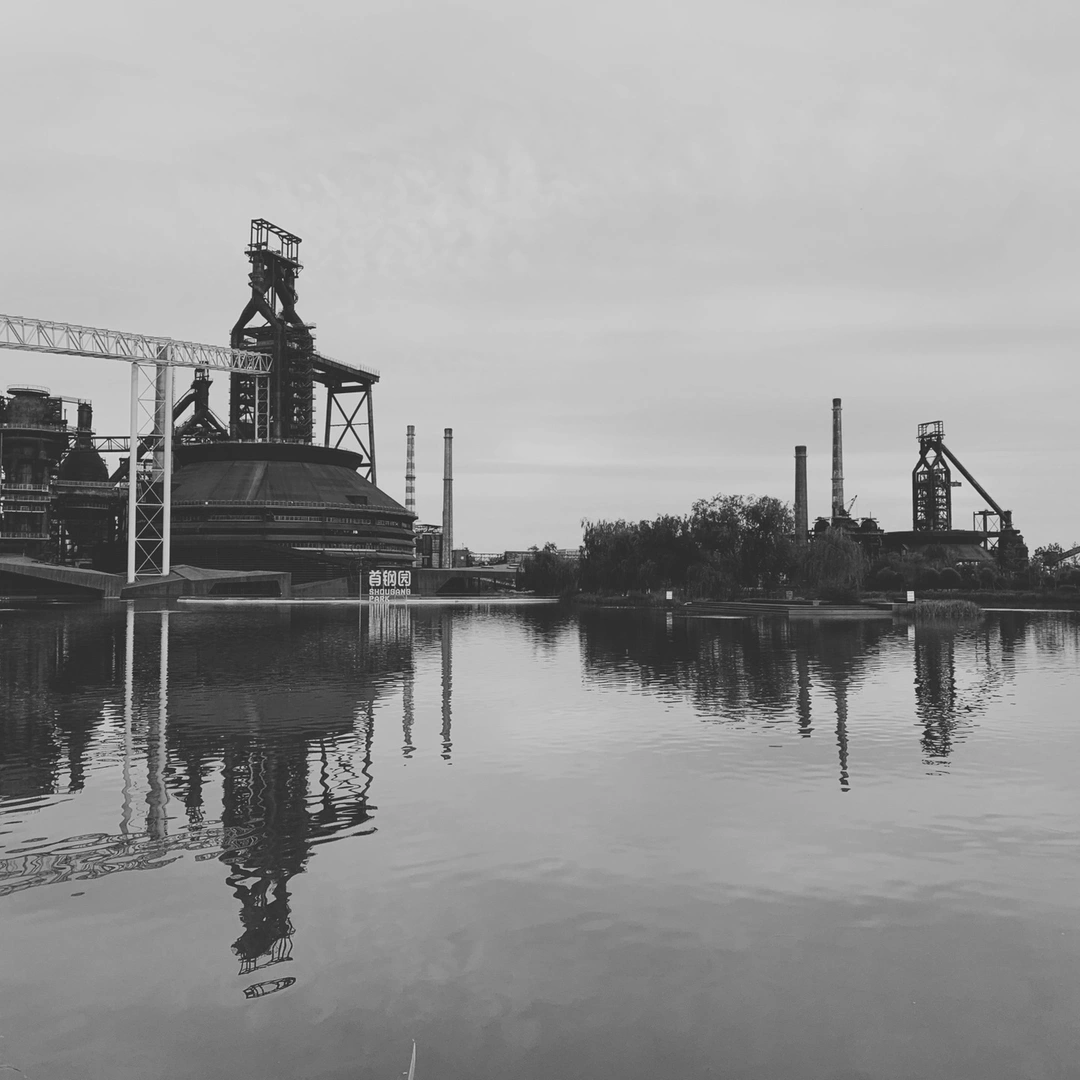
Adjacent to Blast Furnace No. 3 lies a shimmering expanse of water—Xiu Lake. The reflection of the blast furnace in the water becomes soft and graceful, adding a touch of charm to the rugged Shougang park. After renovation, the above-ground part of Xiu Lake has become a beautiful waterscape, while the underground section has been transformed into a sunken circular exhibition hall and parking garage. In the early evening, on the small square by the lake, you can enjoy the light show on the opposite Blast Furnace No. 3—the fusion of iron and water, the collision of strength and softness, creates a unique atmosphere.
Starbucks: The Hardcore Industrial-Style Coffee Shop
Just across the road from Xiu Lake is the park's most popular spot: the Starbucks. As the first commercial tenant introduced to the Shougang park, this Starbucks has been an internet-famous check-in destination since its opening, thanks to its strong industrial aesthetic. Ordering a coffee amidst a forest of steel, experiencing these massive steel structures up close—this is a one-of-a-kind experience globally.
However, be prepared to queue if you go on weekends or holidays—at least an hour wait. The staircase next door, once a popular photo spot, has been closed off for safety. Fortunately, there is another entrance on the other side of the Starbucks, so it's worth a try.
Shijingshan Mountain: The "First Immortal Mountain of Yan" Hidden in the Park
Walking about 200 meters south from Blast Furnace No. 3, a historically significant peak stands—Shijingshan Mountain. Known as the "First Immortal Mountain of Yan," it has been a site of cultural and religious significance for centuries. Today, it's a peaceful retreat within the industrial park, offering panoramic views of the surrounding landscape. The mountain's ancient temples and pavilions contrast beautifully with the steel structures below, creating a unique blend of history and modernity.
[Link: Hiking trails near Shougang Industrial Heritage Park]
Why Visit Shougang Industrial Heritage Park?
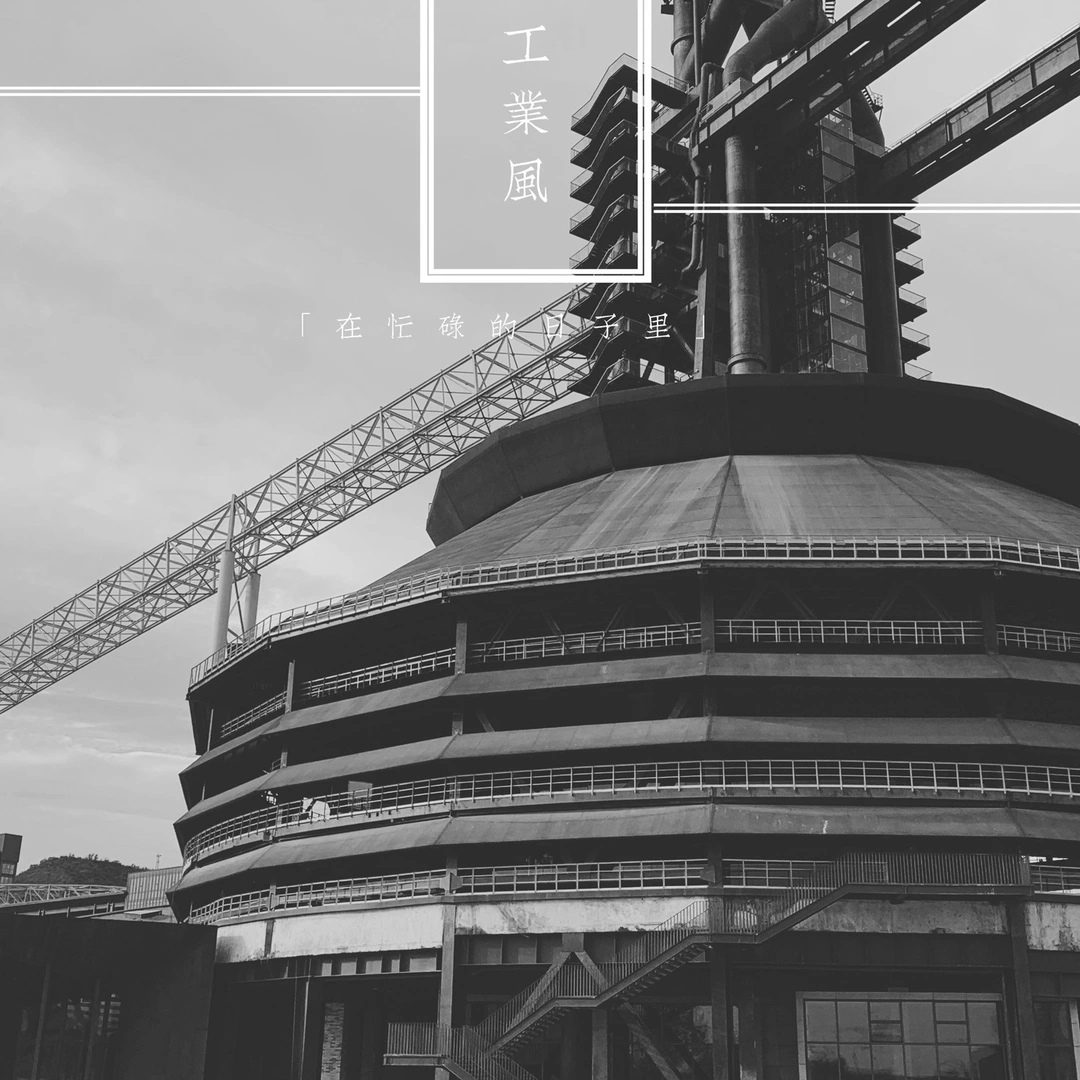
Shougang Industrial Heritage Park offers a rare opportunity to witness China's industrial history firsthand. It's a place where the past and present coexist, where steel giants stand as monuments to a bygone era, and where creativity and culture thrive in their shadows. Whether you're a history buff, a photography enthusiast, or simply looking for a unique day out in Beijing, this park has something for everyone.
Key highlights include: - Blast Furnace No. 3: A must-see for its transformation from industrial workhorse to cultural venue. - Xiu Lake: Perfect for a relaxing stroll and stunning photo opportunities. - Starbucks: A unique coffee experience amidst steel giants. - Shijingshan Mountain: A hidden gem for history and nature lovers.
Frequently Asked Questions (FAQ)
1. What is Shougang Industrial Heritage Park?
Shougang Industrial Heritage Park is a cultural and creative park developed on the site of the former Shougang (Capital Steel) Shijingshan plant. It's China's first park themed around steel industry heritage, featuring preserved blast furnaces, factory buildings, and modern attractions like Xiu Lake and a Starbucks.
2. How do I get to Shougang Industrial Heritage Park?
The park is located in Shijingshan District, Beijing. You can take Metro Line 1 to Bajiao Amusement Park station and then transfer to a bus or taxi. Driving via Chang'an Avenue west to Heli Gate (New Shougang Bridge) is also convenient.
3. Is there an entrance fee?
 As of the latest updates, the park is free to enter. However, some attractions or events inside may have separate fees. Check the official website for current information.
4. What are the best times to visit?
Weekdays are less crowded, offering a more relaxed experience. Evenings are ideal for the light show on Blast Furnace No. 3. Avoid weekends and holidays if you want to skip long queues at popular spots like Starbucks.
5. Can I take photos inside the park?
Absolutely! Photography is encouraged, especially at Blast Furnace No. 3, Xiu Lake, and the Starbucks. The park offers countless Instagram-worthy spots, so bring your camera.
Conclusion: Plan Your Visit to Shougang Industrial Heritage Park
Shougang Industrial Heritage Park is more than just a tourist attraction—it's a living museum that tells the story of China's industrial rise and transformation. From the towering Blast Furnace No. 3 to the serene Xiu Lake, every corner of this park invites exploration and reflection. Whether you're sipping coffee at the iconic Starbucks or hiking up Shijingshan Mountain, you'll leave with a deeper appreciation for the steel and time that shaped modern China.
Ready to experience this unique blend of history and innovation? Plan your visit today and discover why Shougang Industrial Heritage Park is one of Beijing's most captivating destinations. Don't forget to share your photos and tag us—we'd love to see your journey through the steel forest!
[Link: Book a guided tour of Shougang Industrial Heritage Park]
[Link: Find nearby hotels and accommodations in Shijingshan District]
You should also read:
Beijing Travel Guide: A Personal Journey Through Smog, History, and Hidden Stories
Meta Description: Discover Beijing beyond the tourist traps. This personal travel story explores hutong culture, historical sites, and local secrets—from Jingshan Park to Yuanmingyuan. Perfect for travelers seeking authentic experiences. Beijing. The name alone conjures images of smog-shrouded skylines, the majestic Forbidden City, labyrinthine hutong…
Continue reading...
Beijing Through the Lens: One Person's Winter Wanderings – An SEO-Optimized Travel Guide
Meta Description: Discover Beijing's winter charm through a photographer's lens. From Nanluoguxiang's night scenes to Sanlitun's neon glow, explore the city's hidden corners and iconic landmarks in this SEO-friendly travel guide. January in Beijing is so cold you can hear your own breath. But for…
Continue reading...
A Spontaneous Escape Through Tianjin, Beijing, and Shandong: An Unforgettable Solo Travel Adventure
Meta Description: Discover the raw beauty of a spontaneous solo journey through Tianjin, Beijing, and Shandong. From Quanjude roast duck to Tanggu night views, read this heartfelt travelogue of escape and self-discovery. The July wind carried restlessness and unease. After abruptly ending a ten-day job…
Continue reading...