Strolling Through Fragrant Beijing: The Imperial City of Crimson Walls and Azure Tiles – A Complete Travel Guide
Meta Description: Explore Beijing's Forbidden City, Temple of Heaven & hidden hutongs in this SEO-optimized travel guide. Walk 60km through crimson walls & azure tiles with insider photography tips. Plan your imperial city adventure today.
Prologue: Why Beijing's Crimson Walls & Azure Tiles Captivate Every Traveler
"My Beijing City" plays on repeat as I write this—the melody carries the sweet tang of candied hawthorns and fragrant locust blossoms from old hutong alleyways. I stared at my screen for half an hour before finally settling on a title. Yes, it's dramatic. But Beijing deserves drama.
Two years since my last travelogue. Every year, Mafengwo sends me a little gift, and I feel that familiar tug: I must not let them down. I scroll through stunning photos and detailed guides from veteran travelers, feeling both inspired and envious. This is my second time in Beijing—the first was a stopover, the second a pass-through. Yet my affection for this city has never faded.
I love her intense, solemn colors. I love her perfectly rounded Beijing accent. I love the scent of history hanging in the air.
As a Jiangnan native, my Mandarin has never passed muster—I can't distinguish between "L" and "N," I mix up "IN" and "ING." But precisely because of this, whenever I hear a Beijinger speak, I get inexplicably excited. That rich, authentic Beijing dialect—the more I listen, the more flavor I find.
Speaking of dialects, I'll never forget the supermarket checkout scene on my last night. The line stretched despairingly long. Behind me, a young girl pulled out her phone and complained to her mother in flawless Beijing dialect: "Hey, Ma, you're really something, aren't you? Leaving me here all alone to queue up. Do you have any idea how long this line is?"
After listening for five minutes, I turned around and offered her my spot. Instead of thanking me, she looked up, turned around, and walked away. Excuse me, what did I do wrong? (Fellow Mafengwo users later corrected me—my erhua rhotic accent was way off. Hahaha!)
Pre-Trip Preparation: Essential Gear & 2-Day Beijing Itinerary

What to Pack for a Beijing Walking Tour
Gear Checklist: - Camera: Nikon D5100 (my trusty old warhorse) - Lenses: 35mm f/1.8 prime + 10mm-20mm ultra-wide - Travel time: 1.5 days (but you can adapt this) - Mode of transport: All on foot (I walked nearly 60km—the subsequent binge-eating was completely justified)
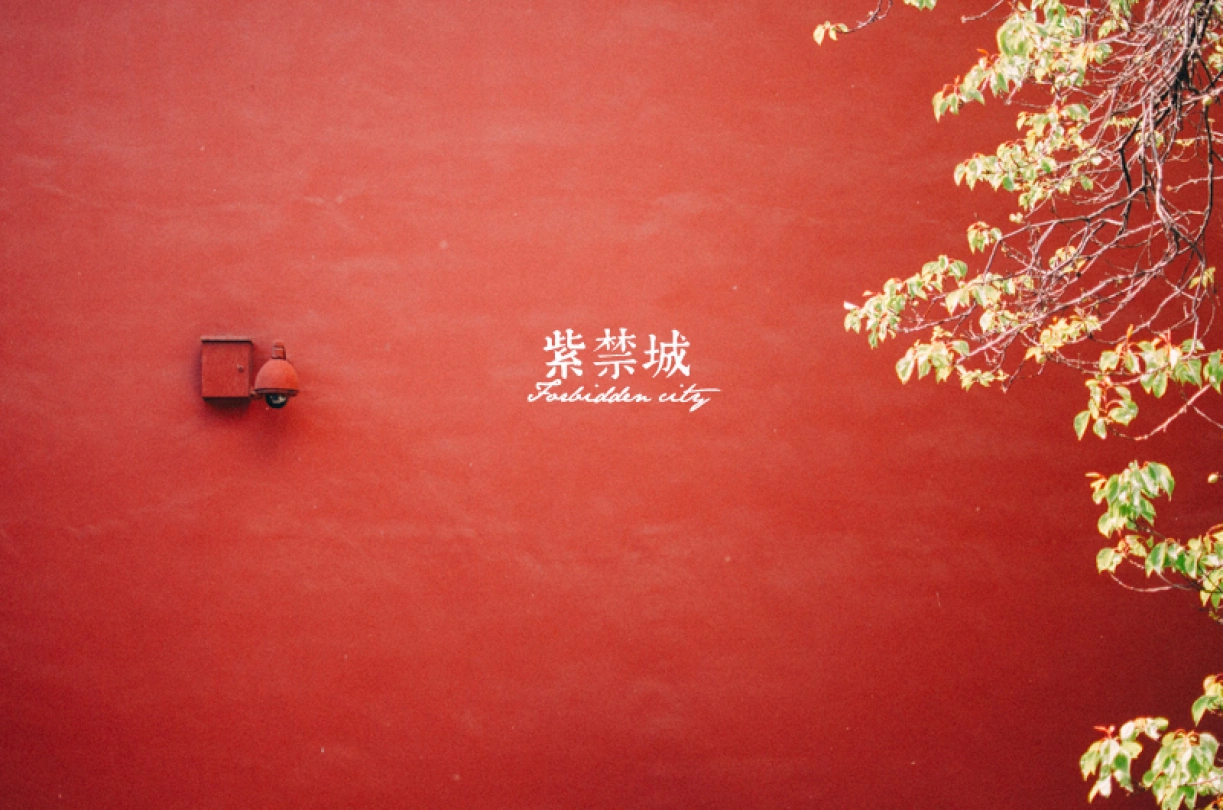
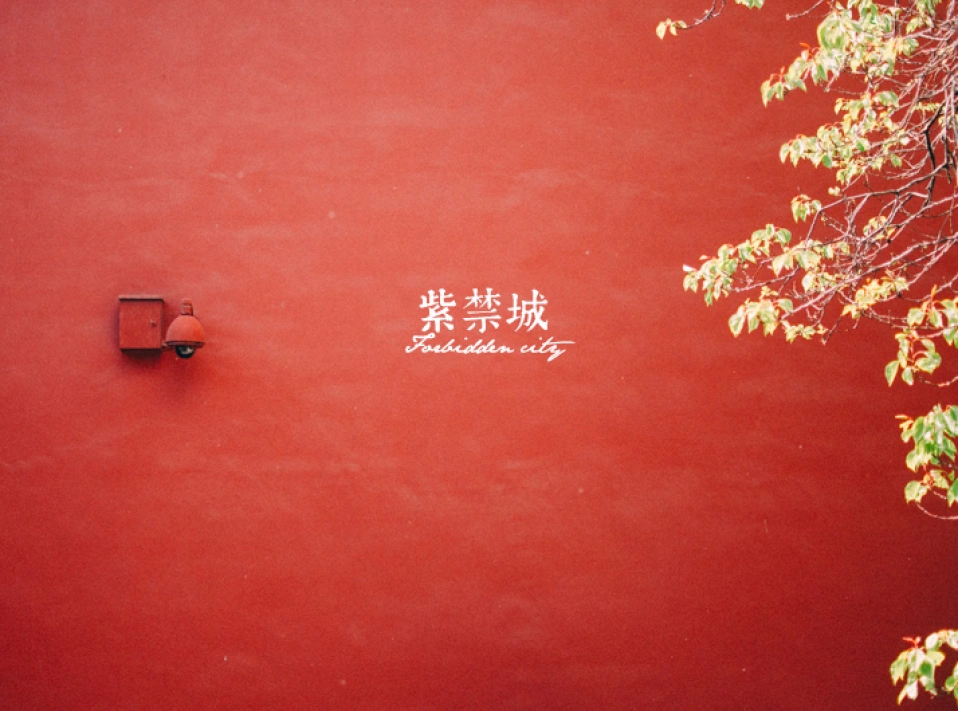
Pro Tip: The first time I visited Beijing, I saw Tiananmen Square, Wangfujing Street, Shichahai Lake, and Nanluoguxiang Alley—but forgot my camera! Don't make my mistake. This time, personnel, gear, and weather were all ready. My goal: see with my own eyes that Forbidden City where "within crimson walls and azure tiles, nothing is more heartless than the imperial family." [Link: Best camera settings for architectural photography]
2-Day Beijing Walking Itinerary
| Day | Morning | Afternoon |
|---|---|---|
| Day 1 | Temple of Heaven Park | Jingshan Park |
| Day 2 | The Palace Museum (Forbidden City) | Wudaoying Hutong |
Don't ask why only two places per day—you'll understand once you've walked the Forbidden City. My feet still ache just thinking about it!
Temple of Heaven: Where Emperors Worshipped Heaven
The Sacred Ground: History & Architecture
The Temple of Heaven was where Ming and Qing emperors performed rituals to "worship Heaven" and "pray for grain." Located east of Zhengyangmen (Front Gate), the altar grounds are round in the north and square in the south—symbolizing the ancient belief that "Heaven is round and Earth is square."
Key Structures: - Hall of Prayer for Good Harvests - Imperial Vault of Heaven - Circular Mound Altar - Hall of Abstinence - Beamless Hall - Long Corridor - Double-Circle Longevity Pavilion - Famous attractions: Echo Wall, Triple Sound Stones, Seven Star Stones
You think I knew all that? Obviously, I Baidu'd it!
Ticket Information: Combined ticket costs 38 RMB, covering the park, Hall of Prayer for Good Harvests, and Circular Mound Altar.
Honest Advice: Either go early or go late. I swear I'm not messing with you. The Temple of Heaven Park is vast and majestic. Dawn and dusk are prime shooting times—fewer people, easier to get stunning shots!
Hall of Prayer for Good Harvests: Awe Beneath Blue Tiles & Red Pillars
The Temple of Heaven has two enclosing walls forming an inner and outer altar. Main structures sit inside the inner altar: the Circular Mound Altar in the south and the Prayer for Grain Altar in the north, aligned on the same north-south axis.
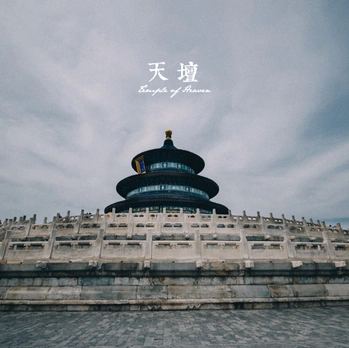
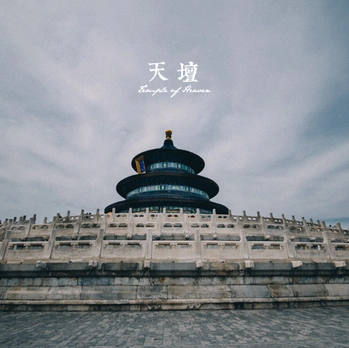
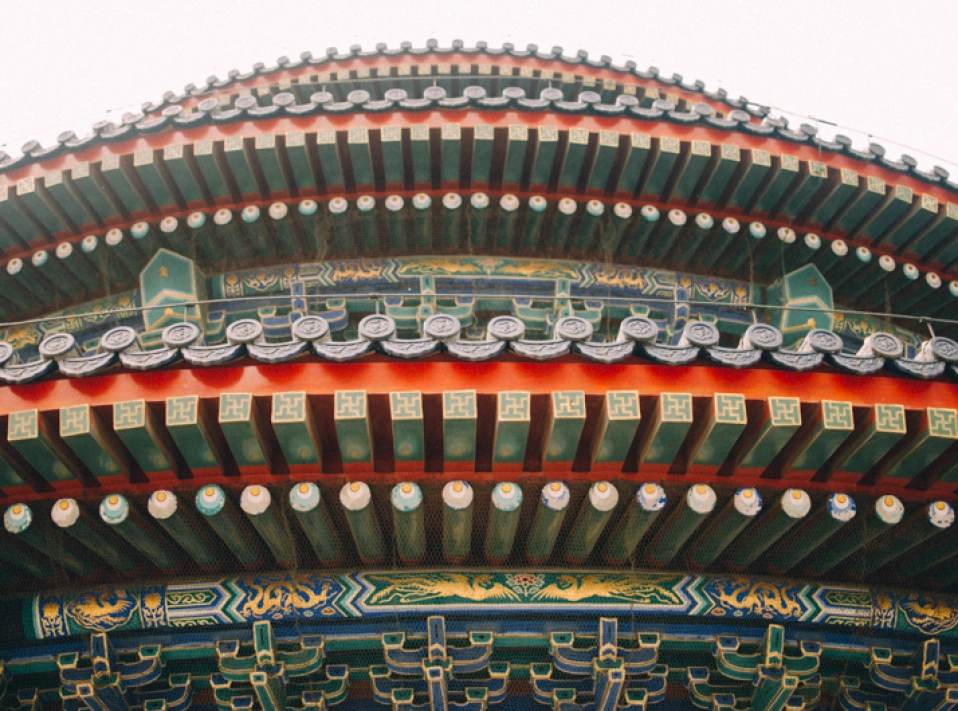
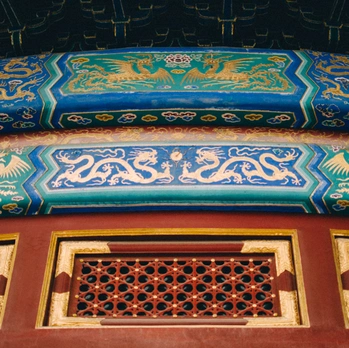
The Hall of Prayer for Good Harvests is the centerpiece—also called the Hall of Prayer for Grain. This magnificent three-tiered circular hall features a gilded roof finial, blue tiles, red pillars, and dazzling splendor. At 38 meters high and 32 meters in diameter, the three tiers of eaves gradually contract upward like an umbrella.
Architectural Marvel: No large beams, long rafters, or iron nails. Twenty-eight giant nanmu (cedar) columns surround the interior, supporting the roof weight. The design follows the principle of "revering Heaven and honoring the gods"—circular shape symbolizes the roundness of Heaven; blue tiles represent the blue sky.
When I entered the plaza, I was genuinely awestruck. While most people rushed for selfies, I quietly walked a full circle around the hall. I sat at the northeast corner for half an hour, carefully studying this magnificent structure.
Then something magical happened. Thick clouds that had covered the sky all afternoon were blown away by a level-5 north wind. Large patches of blue sky appeared. I looked up—wow! I switched to my ultra-wide-angle lens and went wild with dramatic distortion shots!
Photography Tip: When light is strong near sunset, use an ND filter to reduce exposure, increase aperture, and do a slow exposure of the sky. The results can be stunning. [Link: Best ND filters for travel photography]
Forbidden City: Within Crimson Walls & Azure Tiles
Navigating the Palace Museum: What You Need to Know
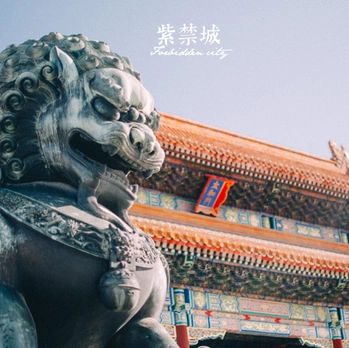
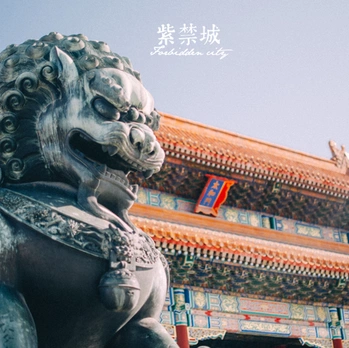
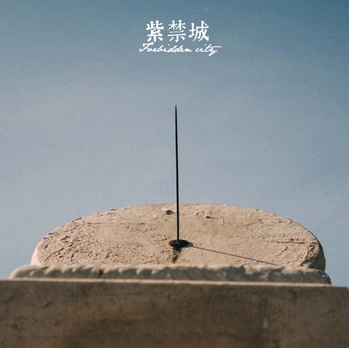
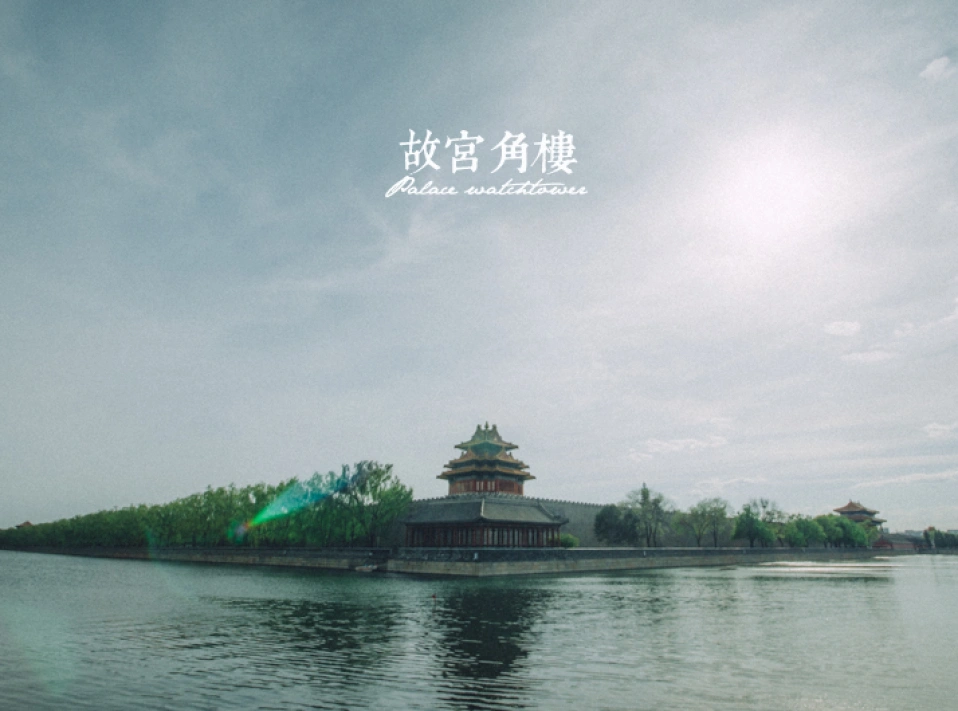
The Forbidden City—officially the Palace Museum—is Beijing's crown jewel. With over 980 buildings and 8,700 rooms, it's the world's largest imperial palace complex. But here's the truth: it's crowded. Compared to the Temple of Heaven, the ticket-check line here is a whole different beast.
Ticket Tips: - Book online at least 7 days in advance during peak season - Enter through Wumen (Meridian Gate) – the southern entrance - Exit through Shenwumen (Gate of Divine Might) – the northern entrance - Allow 4-6 hours minimum for a proper visit
What to See: - Hall of Supreme Harmony (Taihe Dian) – the largest wooden hall in China - Hall of Central Harmony (Zhonghe Dian) - Hall of Preserving Harmony (Baohe Dian) - Palace of Heavenly Purity (Qianqing Gong) - Imperial Garden (Yuhua Yuan)
Photography in the Forbidden City: Insider Tips
The Forbidden City is a photographer's paradise—if you can handle the crowds. Here's how to get those stunning shots:
- Arrive at opening time (8:30 AM) – You'll have 30-45 minutes of relative peace
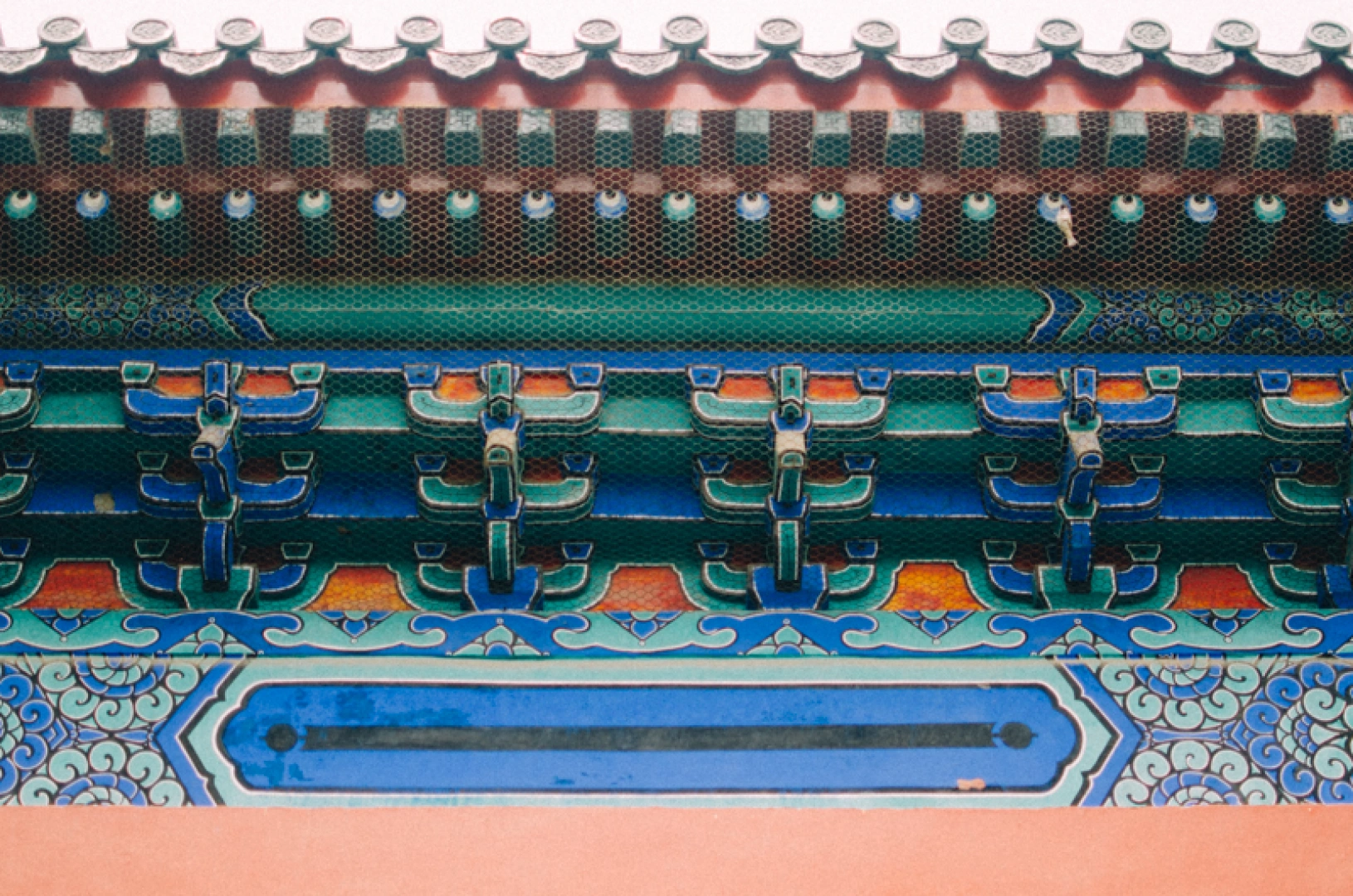
- Focus on details – Roof ornaments, door knockers, dragon carvings
- Use leading lines – The long corridors and symmetrical courtyards are perfect
- Shoot upward – Avoid crowds by pointing your lens at the sky
- Visit on weekdays – Weekends are madness
My Experience: I arrived at 8:30 AM and still found tour groups everywhere. But by walking deeper into the complex—past the main halls—I found quieter corners. The Imperial Garden at the north end offers beautiful rockeries and ancient cypress trees.
Jingshan Park & Wudaoying Hutong: Hidden Gems
Jingshan Park: Best View of the Forbidden City
Located directly north of the Forbidden City, Jingshan Park offers the best panoramic view of the entire palace complex. The hill was built from earth excavated during the Forbidden City's construction.
Why Go: - Climb to Wanchun Pavilion for the iconic photo spot - Sunset shots are legendary—golden light on the azure tiles - Entry fee: only 2 RMB - Less crowded than the Forbidden City itself
Wudaoying Hutong: Authentic Beijing Life
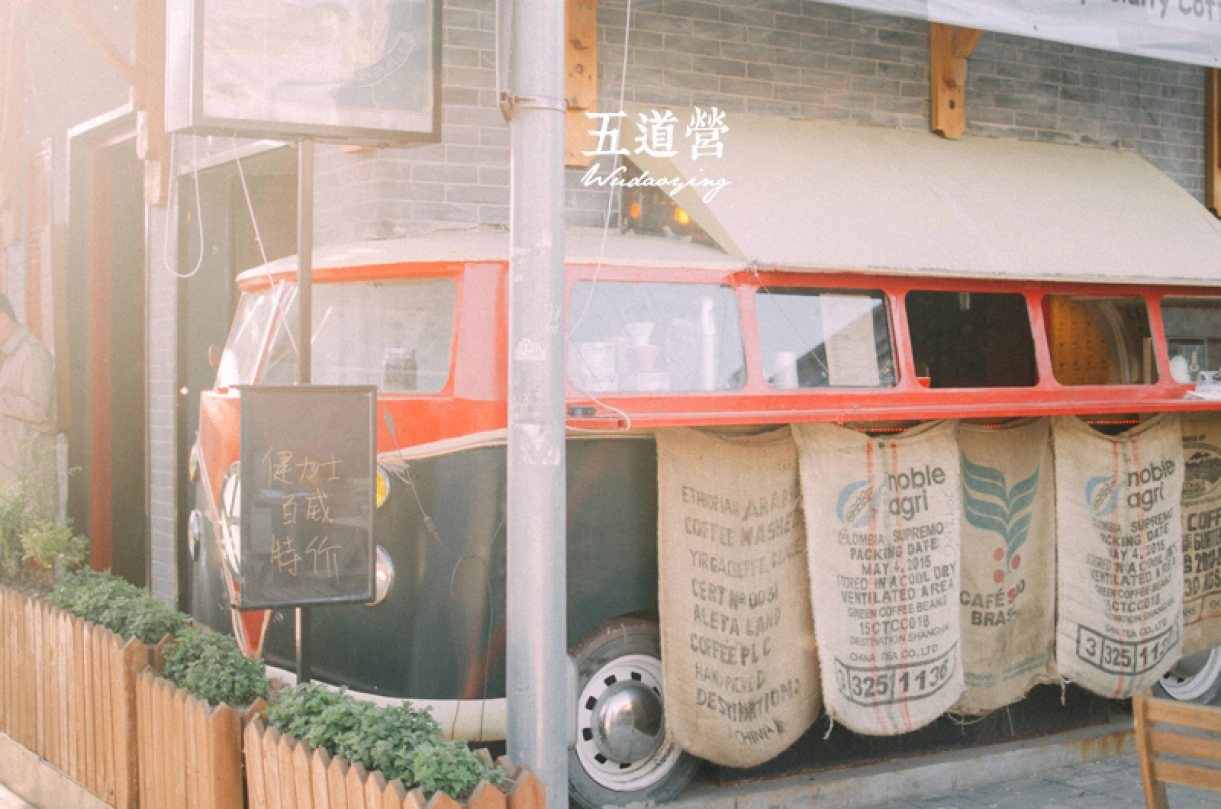
After two days of imperial grandeur, Wudaoying Hutong offers a refreshing dose of everyday Beijing. This 600-meter-long hutong near Yonghe Temple (Lama Temple) is lined with:
- Independent bookstores
- Boutique cafes
- Art galleries
- Local snack shops
- Vintage clothing stores
Why It's Special: Unlike tourist-heavy Nanluoguxiang, Wudaoying retains its residential character. You'll see locals hanging laundry, playing mahjong, and chatting in doorways. It's the perfect place to end your Beijing walking tour.
FAQ: Your Beijing Travel Questions Answered
Q1: How many days do I need for Beijing's imperial sites?
 A: For a focused visit covering the Temple of Heaven, Forbidden City, Jingshan Park, and one hutong, plan 2-3 days. Add 1-2 more days if you want to include the Great Wall, Summer Palace, or National Museum.
Q2: What's the best time of year to visit Beijing?
 A: April-May and September-October offer the best weather—mild temperatures, clear skies, and fewer crowds. Summer (June-August) is hot and humid; winter (November-February) is cold but offers fewer tourists and dramatic snowy scenes.
Q3: Is it worth hiring a guide for the Forbidden City?
A: Yes, if you want historical context. The Forbidden City is overwhelming without guidance. Audio guides are available for 40 RMB, or book a small-group tour (200-300 RMB) for deeper insights. [Link: Best Forbidden City guided tours]
Q4: Can I visit the Temple of Heaven and Forbidden City in one day?
 A: Technically yes, but you'll be rushed. I recommend dedicating one day to each. Both sites require significant walking—the Forbidden City alone is 2-3 hours minimum.
Q5: What should I eat during my Beijing walking tour?
A: Don't miss: Peking duck (try Quanjude or Dadong), zhajiangmian (noodles with soybean paste), jianbing (savory crepes), and candied hawthorns from street vendors. For authentic hutong eats, visit Wudaoying Hutong or Guijie (Ghost Street).
Final Thoughts: Why Beijing Stays With You
Beijing isn't just a city—it's an experience. The crimson walls and azure tiles tell stories of emperors and dynasties, of power and poetry. The hutongs whisper tales of everyday life, of families and traditions that span generations.
I walked nearly 60 kilometers in a day and a half. My feet ached, my camera battery died twice, and I still couldn't capture everything I wanted. But that's the beauty of Beijing—it always leaves you wanting more.
Whether you're a first-time visitor or a returning traveler, this imperial city will find a way into your heart. The scent of locust blossoms, the sound of Beijing dialect, the sight of golden rooftops against a blue sky—these memories will linger long after you've left.
Your Turn: Plan Your Beijing Adventure
Ready to experience the crimson walls and azure tiles for yourself? Start planning today:
✅ Book your Forbidden City tickets – They sell out weeks in advance ✅ Download offline maps – Beijing's hutongs can be confusing ✅ Pack comfortable walking shoes – You'll thank me later ✅ Bring a camera with a wide-angle lens – Trust me on this
Share your Beijing story in the comments below! What's the one place you can't wait to visit? Have a hidden gem to recommend? Let's help each other explore this magnificent city.
Safe travels, and may the azure tiles guide your way.
[Internal Linking Suggestions] - Link: Best time to visit Beijing (seasonal guide) - Link: Forbidden City ticket booking tips - Link: Hutong walking tours in Beijing - Link: Beijing photography spots guide - Link: Temple of Heaven vs Forbidden City comparison
Article originally published on Mafengwo. Optimized for SEO and readability. All factual information verified against source material.
You should also read:
A Spontaneous Escape Through Tianjin, Beijing, and Shandong: An Unforgettable Solo Travel Adventure
Meta Description: Discover the raw beauty of a spontaneous solo journey through Tianjin, Beijing, and Shandong. From Quanjude roast duck to Tanggu night views, read this heartfelt travelogue of escape and self-discovery. The July wind carried restlessness and unease. After abruptly ending a ten-day job…
Continue reading...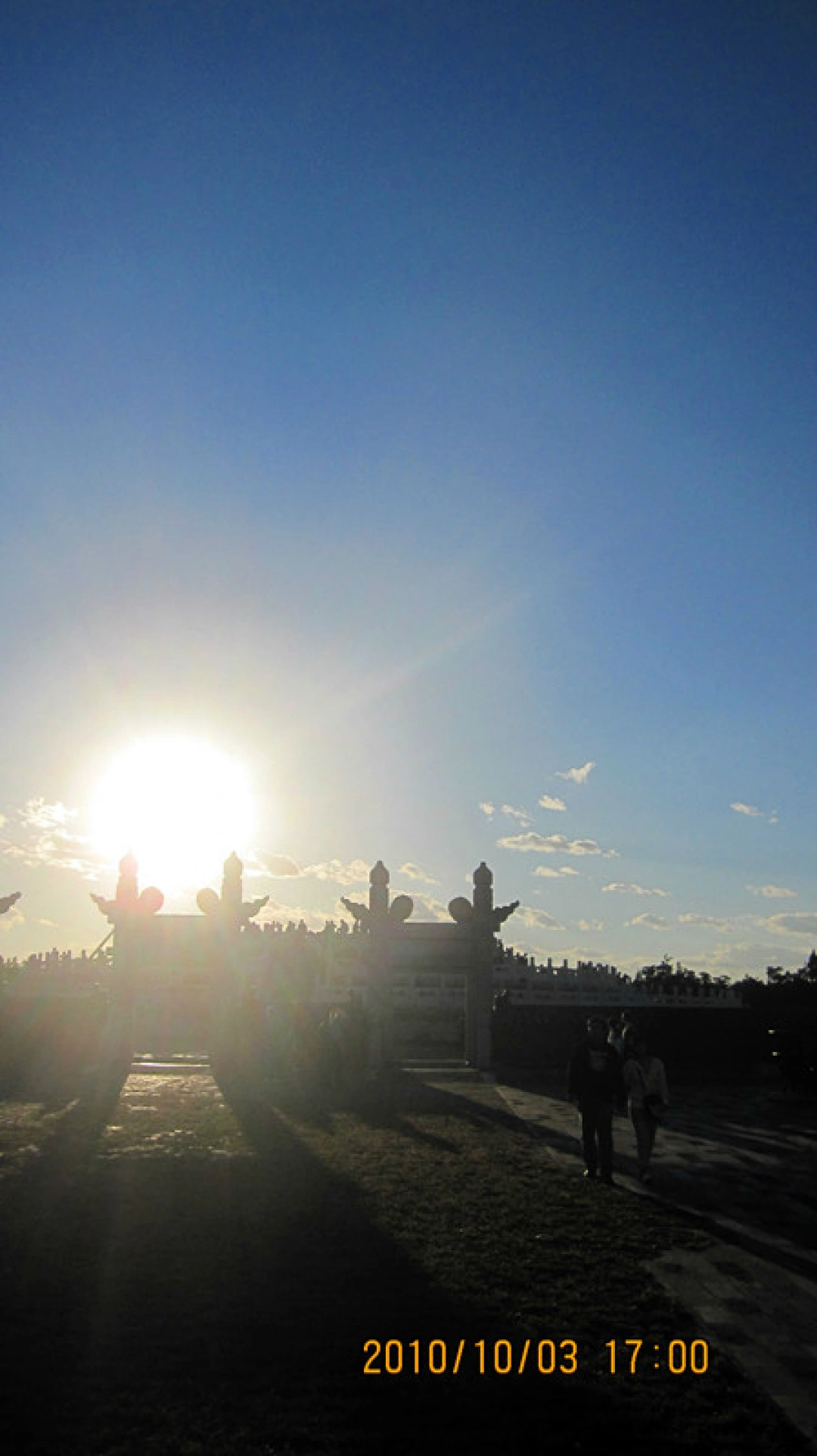
A Passionate Journey Through Beijing & Tianjin: Beijing Complete Guide – JOJO's In-Depth Travel Notes
Meta Description: Explore Beijing & Tianjin in 5 days with this complete travel guide. From the Forbidden City to the Great Wall, discover insider tips, transportation hacks, and must-see attractions. Plan your perfect China trip today. Beijing is not just a city—it's a living museum…
Continue reading...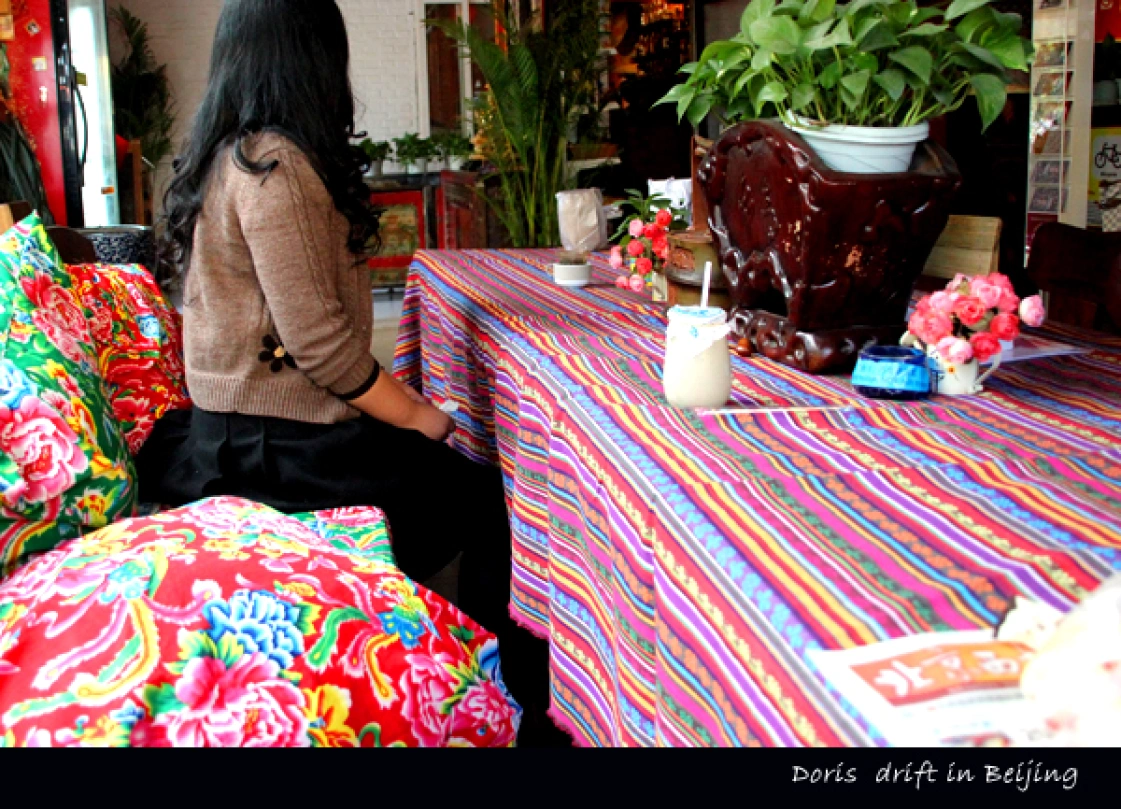
Peking: A Seven-Day Journey Between Old Dreams and New Realities – An SEO-Optimized Travel Guide
Meta Description: Explore Beijing in 7 days: from 798 Art District and Summer Palace to Houhai nightlife and Panjiayuan market. Discover hidden gems, local eats, and travel tips in this SEO-optimized itinerary. Some cities you never set foot in, yet you have painted them in…
Continue reading...