Temple and Monastery Sights in the Capital: A Temple Collector's Three-Year Pilgrimage – The Ultimate Beijing Temple Guide
Meta Description: Discover Beijing’s most sacred temples and monasteries through a three-year pilgrimage. From Miaoying Temple’s white pagoda to Fahai Temple’s murals, this SEO-optimized guide reveals hidden gems, history, and practical tips for temple collectors.
Introduction: Finding Peace in Beijing’s Sacred Spaces
Beijing, a city of 3,000 years of history, is a living museum of religious architecture. Amid the steel and concrete, it preserves astonishing relics: Yuan-dynasty stupa pagodas, Qing-dynasty Tibetan Buddhist sanctuaries, Tang-dynasty monasteries, and Liao-dynasty multi-eave pagodas. For three years, I embarked on a personal pilgrimage—not as a scholar, but as a curious wanderer. This guide shares my journey through over a dozen temples and Taoist monasteries, offering insights for fellow temple collectors.
Whether you’re a history buff, a spiritual seeker, or a photography enthusiast, this article will help you navigate Beijing’s most sacred sites. Let’s explore the capital’s temple and monastery sights.
Miaoying Temple (Temple of the White Pagoda): A Masterpiece of Yuan Dynasty Architecture

The White Pagoda: Aniko’s Western Heavenly Forms
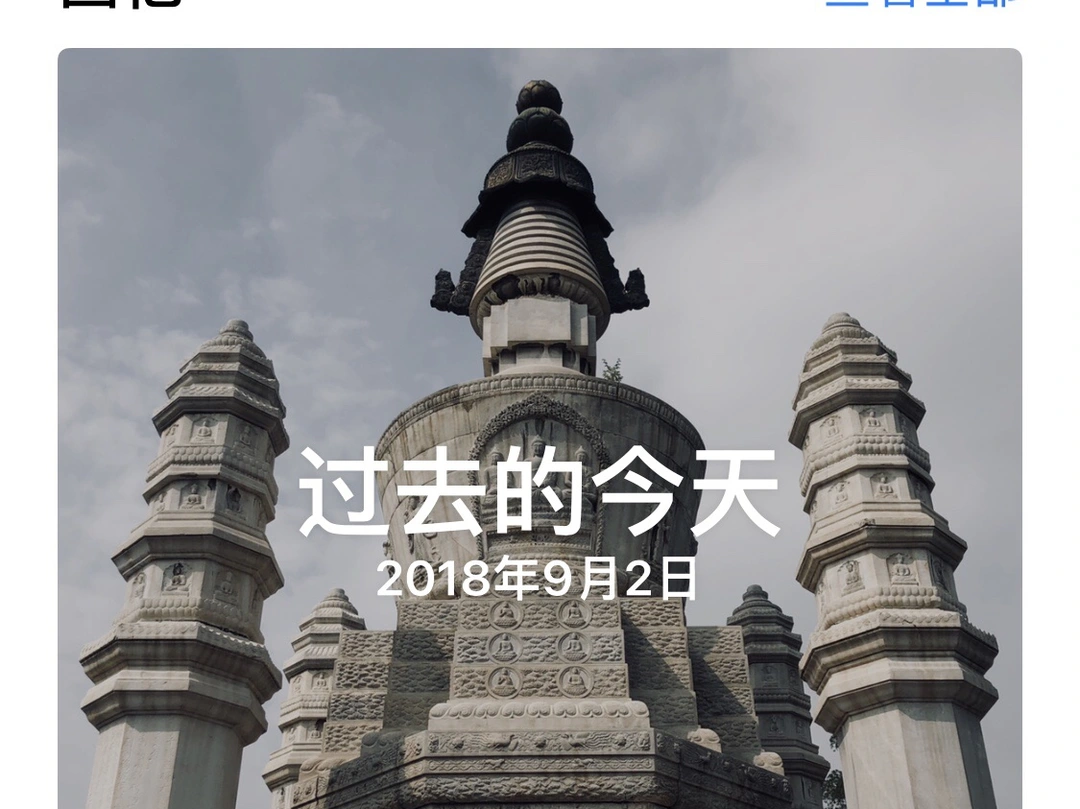
My pilgrimage began at Miaoying Temple, famous for its stupa-style white pagoda—one of only two in Beijing (the other stands in Beihai Park). Legend says Kublai Khan determined the site by shooting an arrow from Qionghua Island. The pagoda was designed by Aniko, a Nepalese architect who introduced “Western Heavenly Forms” (Xitian Fanxiang) sculpture art to China. These forms feature broad shoulders, narrow waists, and elongated earlobes.
Buddhist Mudras: A Beginner’s Guide
At Miaoying Temple, I first learned about Buddhist hand gestures (mudras): - Abhaya Mudra: Palm outward, fingers upward (fearlessness) - Varada Mudra: Palm outward, fingers downward (compassion) - Bhumisparsha Mudra: Palm inward, fingers touching the ground (earth witness) - Dharmachakra Mudra: Thumb and middle finger touching (teaching)
These details sparked my deep interest in Buddhist art.
Nearby Hutongs and Flower-and-Bird Market
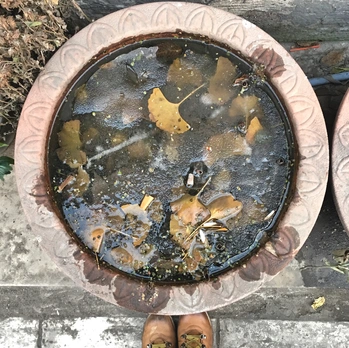
What left the deepest impression wasn’t the temple itself, but the nearby hutongs and flower-and-bird market. In winter, water in earthen jars froze solid, yet stalls selling singing insects and breeding equipment were bustling. I wonder if that place still exists—I always want to go back and see.
[Link: Best Hutongs Near Miaoying Temple]
Yonghe Temple (Lama Temple): Passing by in the Snow
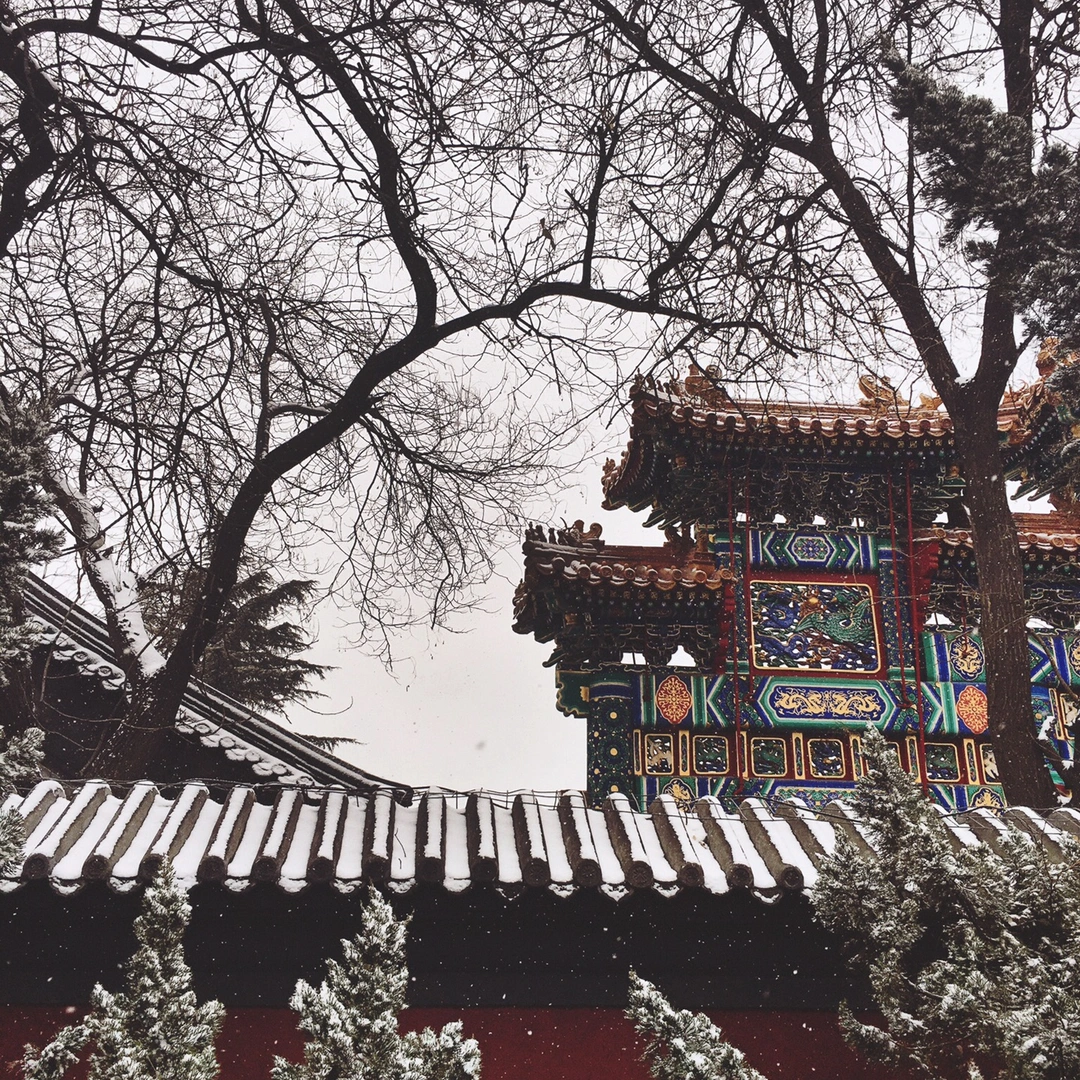
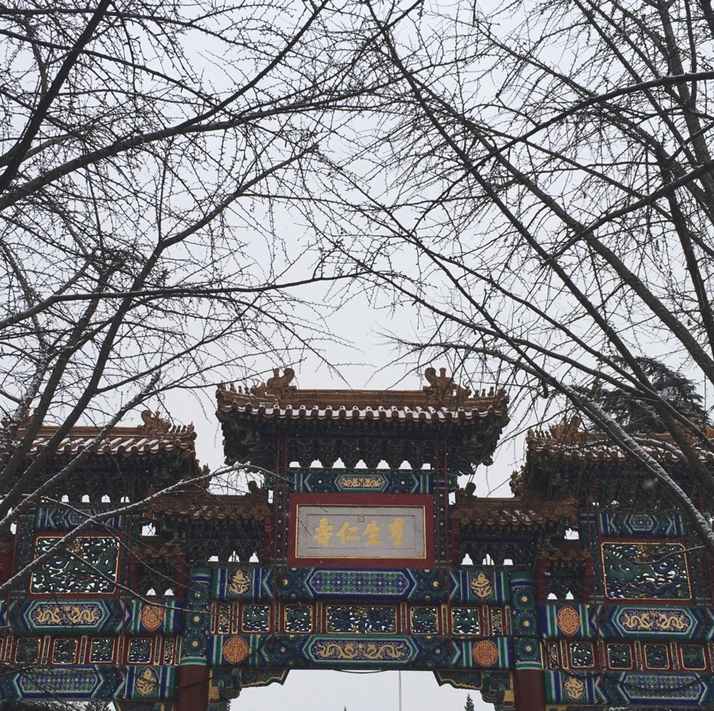
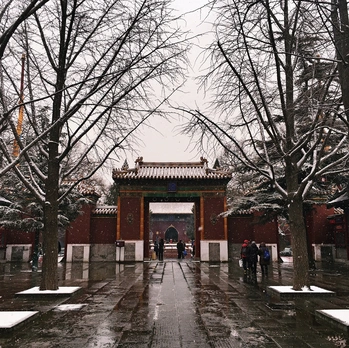
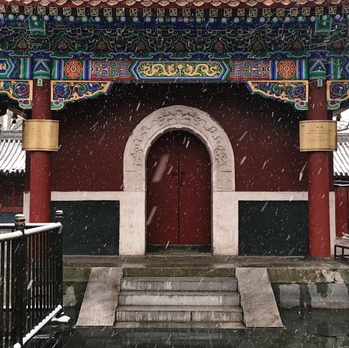
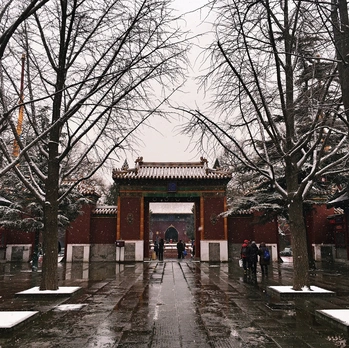
Yonghe Temple is Beijing’s largest Tibetan Buddhist monastery. I only went inside once, on a snowy day. My office was next door, so I strolled over during lunch break. But I was soaked from rain and snow, didn’t enter any halls, and only have a vague impression.
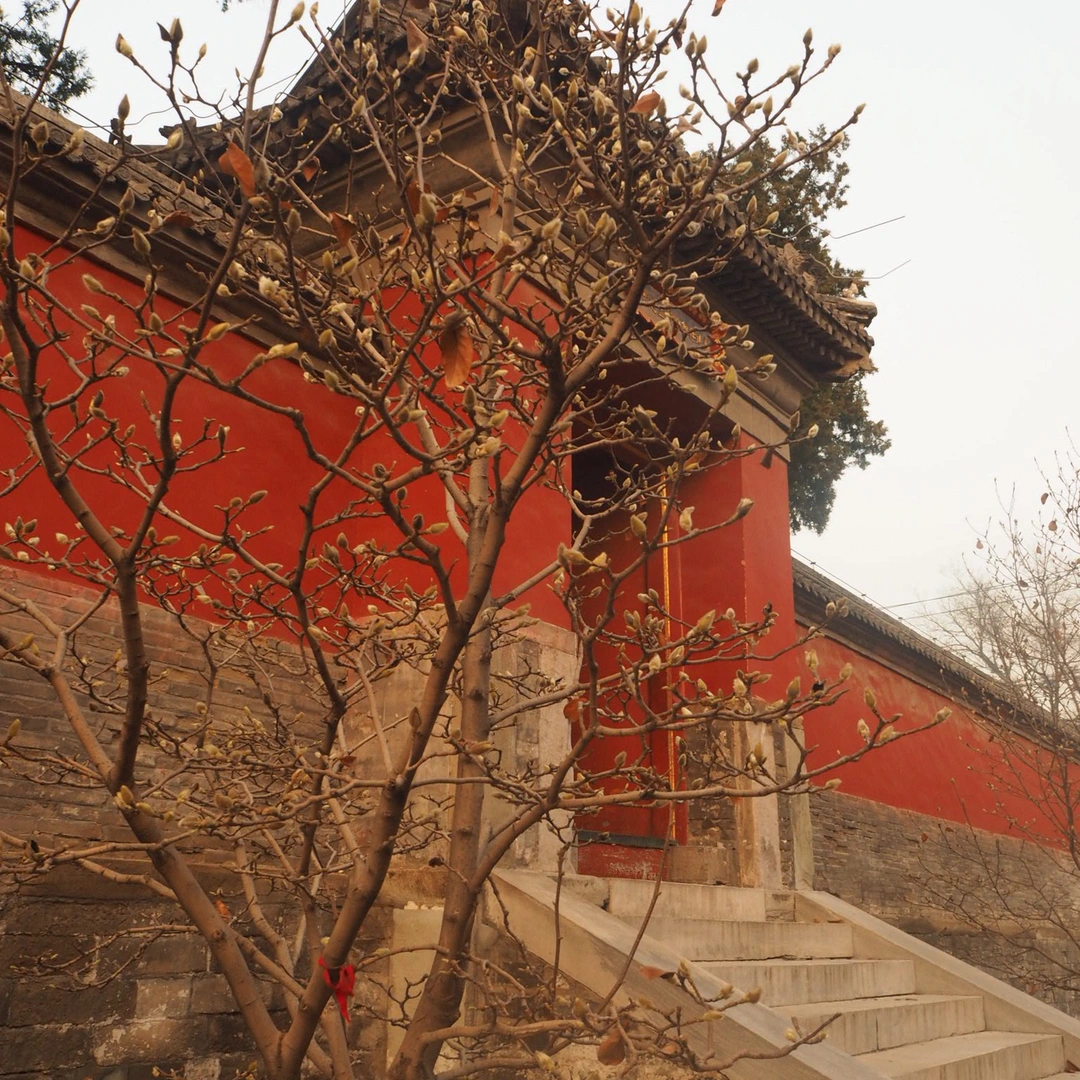
The ground was wet, and the winter desolation was palpable. As the old saying goes, “The closer something is, the less you go see it.” That’s Yonghe Temple for me. Someday I’ll prepare properly and pay a formal visit.
[Link: Yonghe Temple Ticket Prices and Opening Hours]
Fayuan Temple: Flowers and Cats
Beijing’s Oldest Temple
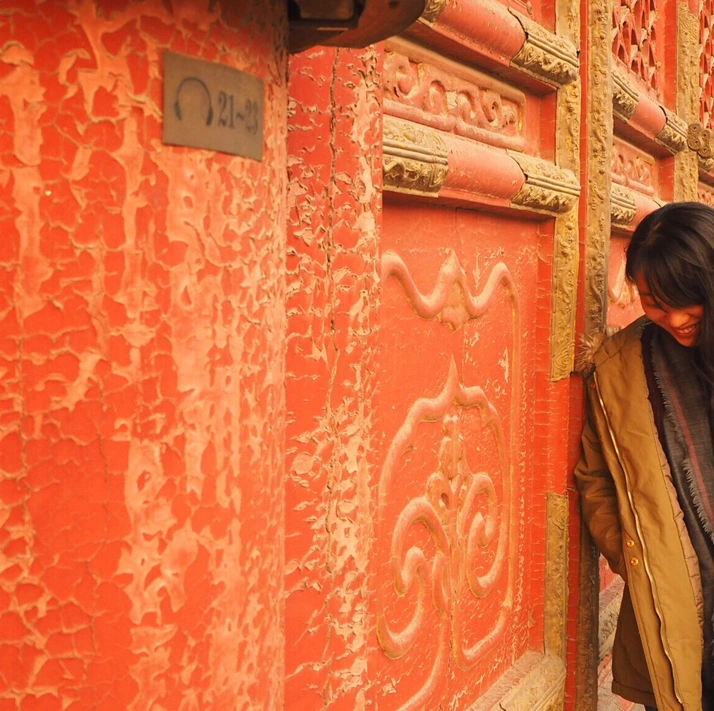
Fayuan Temple is the oldest temple in Beijing’s urban area, built during the Tang dynasty. Originally named “Minzhong Temple” (Temple of Mourning for the Loyal), it was built to commemorate soldiers who died on distant campaigns. Today, it houses the Buddhist Academy.
The temple grounds are spacious, with a complete layout of mountain gate, main halls, and a sutra repository. Lotus thrones are scattered across the courtyard, with lifelike sculptures of subduing dragons and taming tigers.
Cats and Lilac Flowers
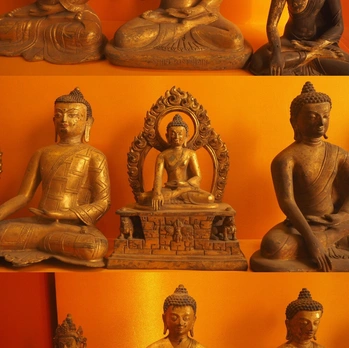
Two things make this temple famous: cats and lilac flowers. Devotees regularly leave cat food at set times, and the cats come in all colors, completely unafraid of people. It’s said that in olden times, every early spring, Fayuan Temple hosted a lilac poetry gathering. Unfortunately, I’ve never visited during blooming season—a real pity.
Nearby Food Spots
Fayuan Temple is surrounded by old Xuanwu District hutongs, close to Niujie (Ox Street). Back then, I also tried the famous hole-in-the-wall restaurant “Caima” near Caishikou and the halal restaurant Xiangyunxuan’s “door-nail meat pies” and vinegar-cooked shredded mutton.
[Link: Halal Food Guide Near Niujie]
Tianning Temple Pagoda: The Perfect Spot for Winter Circumambulation
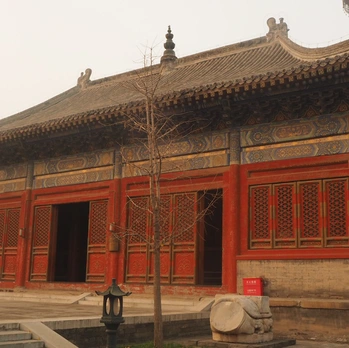
Liao Dynasty Architecture
According to Liang Sicheng’s research, Tianning Temple Pagoda dates back to the Liao dynasty. The mountain gate and reception hall in front were built later, and I didn’t pay them much attention.
The first time I went, it was already closed, so I could only admire the pagoda against the setting sun from a distance, then wandered over to the nearby flower-and-bird market. The second time was just before Chinese New Year; three of us went together to circumambulate the pagoda, then visited Baiyun Temple to pray for blessings.
The Art of Circumambulation
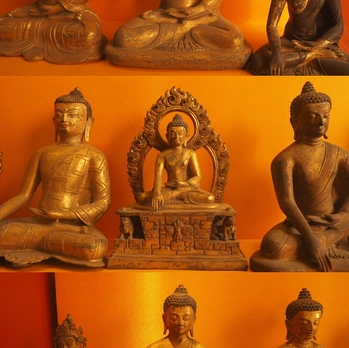
Only then did I see the solemnity of this multi-eave octagonal pagoda. Unfortunately, it had been badly damaged. There was a moderate number of people circumambulating, all moving unhurriedly along the same path. I’ve always believed that simple, repetitive physical activity can easily put you in a reflective state, allowing deep dialogue with yourself. Circumambulation is one such immersive experience—you never feel alone, and that’s especially important. That’s why I’ve come to love it.
[Link: How to Practice Buddhist Circumambulation]
Baiyun Temple (White Cloud Temple): The Most Popular Taoist Monastery
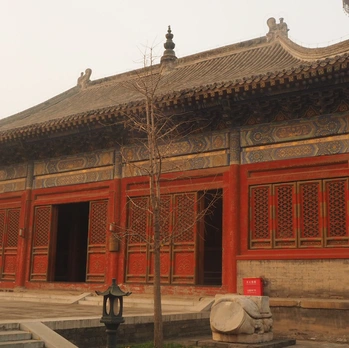
Quanzhen Taoism and the Seven Perfect Ones
Baiyun Temple attracts a huge number of worshippers. When I was a child, my parents took me there during my zodiac year (benmingnian) to touch the stone monkey. I only remember queuing for an hour, touching the monkey for ten seconds, and getting scolded if I lingered too long for a photo. This time, just before Chinese New Year, the crowds weren’t too heavy yet.
This is Quanzhen Taoist territory, with all kinds of deities gathered. The God of Literature (Wenquxing) is probably the most popular—I paid my respects there too. The Taoist prayer gesture is a “正” (zheng) shape, and incense must be bowed in four directions. Even with fewer people, it’s still tricky not to block someone else’s prayer direction.
Praying to Tai Sui
The Dharma goods office holds a “praying to Tai Sui” (the deity of the year) event around Chinese New Year. I discovered that my mother and grandmother were in conflict with Tai Sui that year, so I quickly bought two talismans. Inside were copper coins, peach wood swords, and five grains—they seemed to work, as both of them stayed safe.
The Seven Perfect Ones of Quanzhen Taoism are the same “Seven Masters of Quanzhen” from The Legend of the Condor Heroes. Quanzhen focuses on internal alchemy, leaning more toward Taoist philosophy. The other school is Zhengyi, known for talismans and exorcism. But later, when I visited Dongyue Temple, I found that the two places listed different zodiac signs for conflicting with Tai Sui—which left me speechless.
[Link: Taoism Explained: Quanzhen vs. Zhengyi]
Fahai Temple: A Paradise for Religious Culture Enthusiasts
The Most Mysterious Temple in Beijing
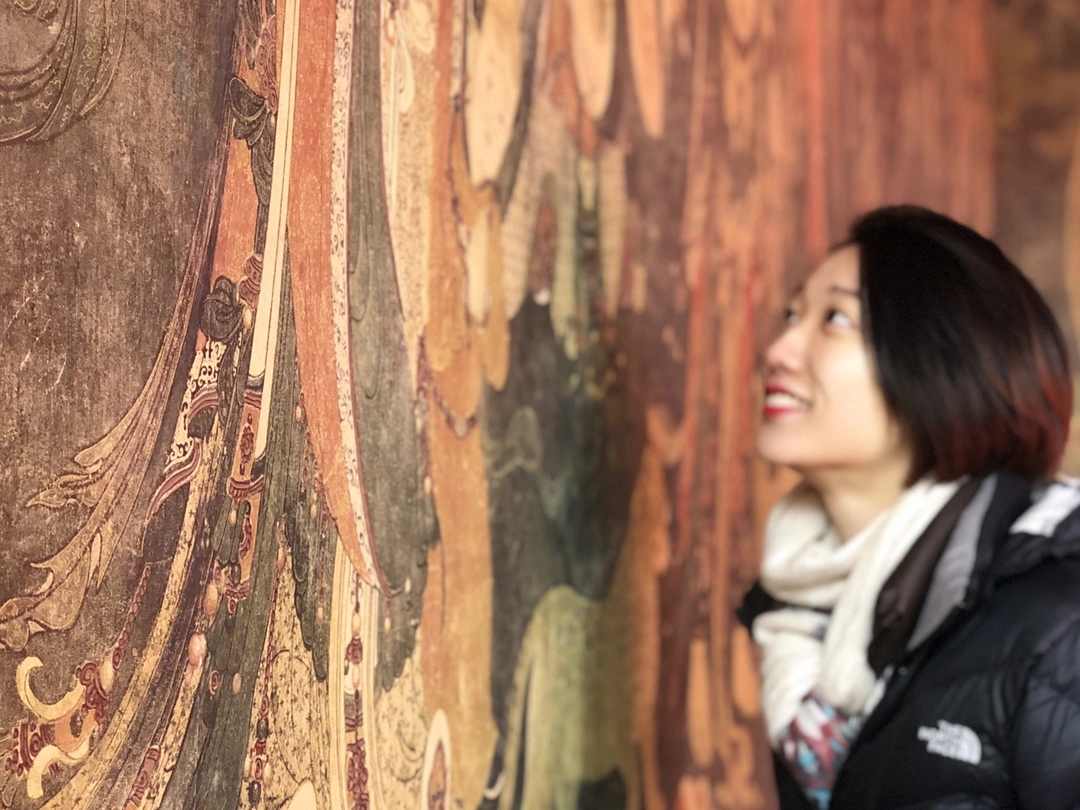
Fahai Temple is one of Beijing’s most mysterious temples. Few tourists visit, yet it holds a high status. The murals in its main hall are considered comparable to those at Yongle Temple in Shanxi. Photography is forbidden; you can only view them in a sealed space by flashlight.
The Murals: Gold-Paste Relief Technique
Entering the main hall, the east and west walls feature the Five Wisdom Buddhas, four Bodhisattvas, and celestial scenes, while the ceiling is a mandala caisson. The most breathtaking are the two processional worship murals (of Indra and Brahma) on the north wall, using the “gold-paste relief” technique—where metal is twisted into threads a.
[Link: Top 10 Buddhist Mural Sites in China]
FAQ: Temple and Monastery Sights in Beijing
1. Which temple in Beijing is best for beginners?
Miaoying Temple is ideal for beginners. Its white pagoda is iconic, and the surrounding hutongs offer a glimpse of old Beijing life. The temple is easy to navigate, and the Buddhist mudras exhibit is educational.
2. When is the best time to visit Fayuan Temple?
Visit early spring (March–April) for the lilac poetry gathering and cat sightings. The cats are most active in the morning, and the flowers are in full bloom.
3. How do I practice circumambulation at Tianning Temple Pagoda?
Walk clockwise around the pagoda, focusing on your breath and intention. Start at the base, move slowly, and avoid stopping in front of others. This practice is best done in winter for a meditative, quiet experience.
4. What is Tai Sui, and how do I pray at Baiyun Temple?
Tai Sui is the deity of the year in Chinese astrology. To pray, visit the Dharma goods office during Chinese New Year, buy a talisman, and follow the Taoist prayer gesture (a “正” shape). Incense must be bowed in four directions.
5. Can I take photos at Fahai Temple?
No. Photography is strictly forbidden inside the main hall to protect the murals. You can view them by flashlight in a sealed space. Plan to spend at least 30 minutes absorbing the details.
Conclusion: Start Your Own Temple Pilgrimage
Beijing’s temples and monasteries are more than tourist attractions—they are living archives of history, art, and spirituality. Whether you’re drawn to the white pagoda of Miaoying Temple, the cats of Fayuan Temple, or the murals of Fahai Temple, each site offers a unique window into the capital’s soul.
Ready to explore? Start with Miaoying Temple this weekend. Pack comfortable shoes, a notebook for mudras, and an open mind. Your pilgrimage awaits.
[Link: Book a Guided Temple Tour in Beijing]
Have you visited any of these temples? Share your experience in the comments below!
You should also read:
Beijing Travel Guide: An Ancient Capital's New Face – A Five-Day Wandering Chronicle
Meta Description: Explore Beijing's modern transformation in this SEO-optimized travel guide. From Sanlitun nights to hidden hutong gems, discover the ancient capital's new face in five unforgettable days. Perfect for first-time visitors and returning travelers. When I first visited Beijing as a kid on a…
Continue reading...
White Snow Adorning Crimson Walls: A Winter Guide to Beijing's Summer Palace
Meta Description: Discover the magic of Beijing's Summer Palace in snow. Our guide explores crimson walls, jade-like snowflakes, and winter photography tips. Plan your snowy visit today. On November 22, 2015, the solar term "Minor Snow" arrived precisely on schedule. That day, the ancient capital…
Continue reading...
A Jiangnan Dream on Beijing's Outskirts: The Ultimate Gubei Water Town Travel Guide (November 2015)
Meta Description: Discover Gubei Water Town, Beijing's Jiangnan-inspired getaway at the foot of Simatai Great Wall. Read this detailed November 2015 travelogue with costs, tips, and must-see spots. The world is vast, yet life is fleeting. Sometimes, all it takes is a weekend—a spontaneous short…
Continue reading...