The Complete Guide to Daocheng Yading: A Photographer's Secret Season and Stunning Viewpoints
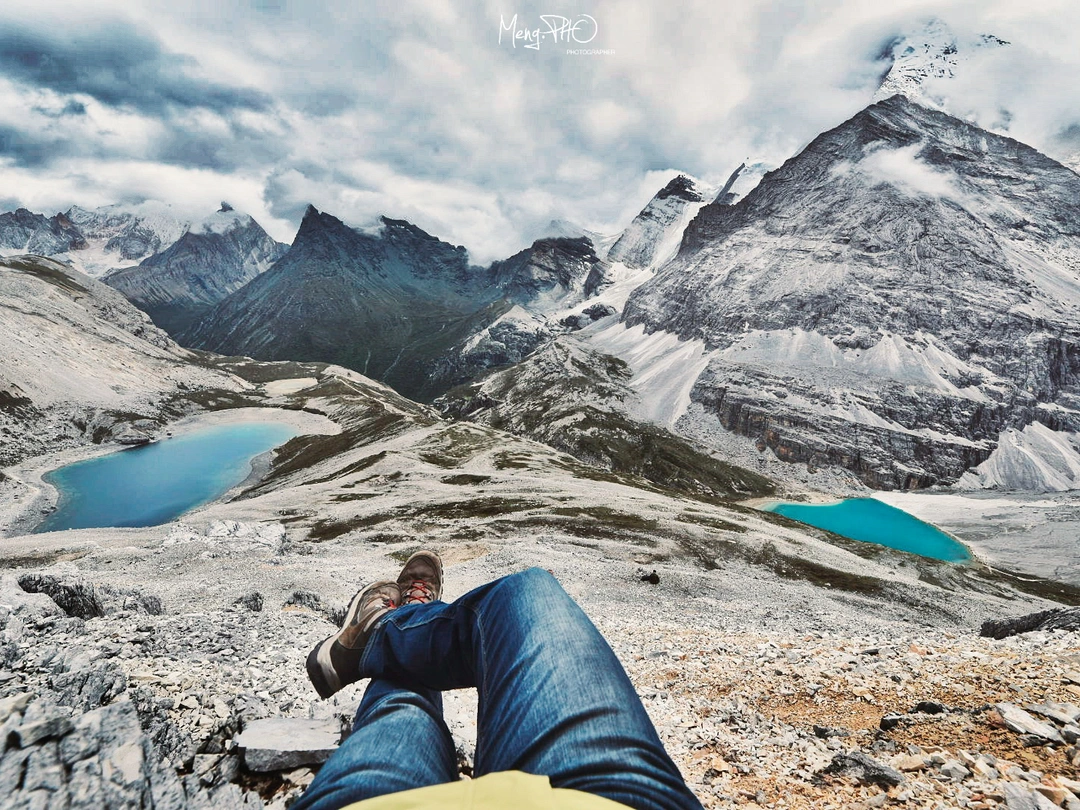
Meta Description: Discover the ultimate Daocheng Yading photography guide—best autumn season, secret viewpoints, three sacred mountains, and insider tips for capturing Shangri-La’s last pure land. Your complete travel companion.
Introduction: Why Daocheng Yading Is a Photographer’s Dream
If you’ve ever dreamed of a pristine land embraced by snow-capped mountains, where turquoise lakes shimmer, golden meadows stretch endlessly, and the air is so pure it almost hurts to breathe—then Daocheng Yading is where that dream begins.
In 1928, American explorer Joseph Rock set foot on this land. The photographs and articles he published in National Geographic Magazine unveiled Yading’s breathtaking beauty to the world for the first time. Since then, this place has been hailed as “the Soul of Shangri-La” and “the Last Shangri-La,” earning the international reputation of being “the last pure land on this blue planet.”
For photography enthusiasts, Daocheng Yading is not just a tourist destination—it’s an inexhaustible visual treasure trove. As a freelance photographer and professional photography guide who has spent years traversing Western Sichuan, Southern Gansu, and the Sichuan-Tibet Highway, I’ve witnessed countless dawns and dusks on this high plateau. Today, I’m sharing the most practical tips and the most secret shooting spots with you, holding nothing back.
[Link: Best time to visit Western Sichuan]
Best Travel Season for Daocheng Yading Photography: Autumn’s Golden Gift
Many people ask: When is the best time to visit Daocheng Yading?
My answer is always: Autumn, especially from late September to mid-October.
The rainy season gradually ends in September. The sky becomes crystal clear, and the snow-capped mountains no longer shyly hide behind clouds. Meanwhile, alpine meadows and larch forests shed their green hues, donning golden robes. During this season, you can not only see the full profiles of the three sacred mountains but also capture the richest color layers in the landscape.
Of course, late spring to early summer (May–June) is also worth a visit, when wildflowers blanket the land in vibrant life. Winter (November to March) is ideal for chasing snowscapes and ultimate tranquility, but some roads may be closed—be sure to check in advance.
[Link: Sichuan-Tibet Highway road conditions]
Core Attractions: Three Sacred Mountains and Three Lakes
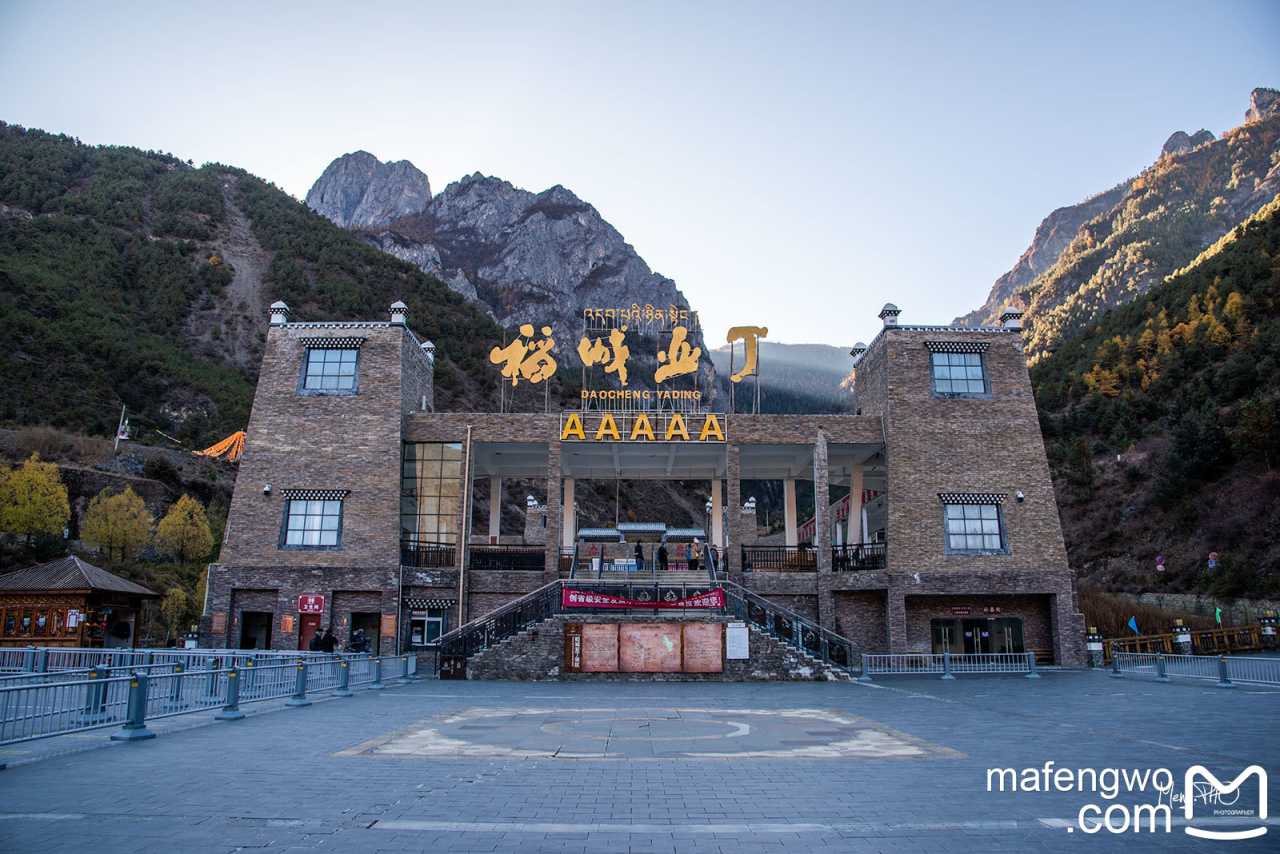
The essence of Daocheng Yading Scenic Area can be summarized as “Three Mountains, Three Lakes”:
Three Sacred Mountains
- Xiannairi (6,032 meters) – Incarnation of Avalokiteshvara, the Bodhisattva of Compassion
- Yangmaiyong (5,958 meters) – Incarnation of Manjushri, the Bodhisattva of Wisdom
- Xianuoduoji (5,958 meters) – Incarnation of Vajrapani, the Bodhisattva of Power
These three peaks hold supreme significance in Tibetan Buddhist belief. Their jagged, snow-covered forms create dramatic compositions against the deep blue plateau sky.
Three Lakes
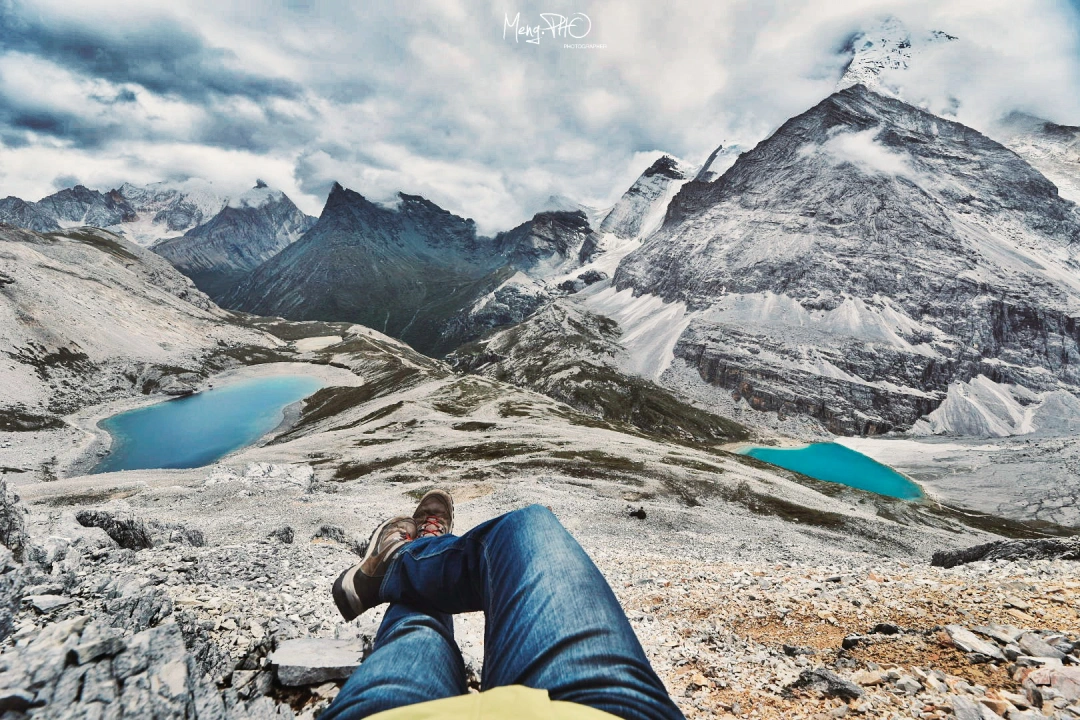
- Pearl Lake – A turquoise gem at the foot of Xiannairi
- Milk Lake – Milky-white waters reflecting Yangmaiyong
- Five-Color Lake – A kaleidoscope of blues and greens
In addition, rivers, alpine meadows, primeval forests, and the Tibetan Buddhist Chonggu Temple together form the unique charm of this land.
[Link: Tibetan Buddhism sacred sites in Sichuan]
How to Get to Daocheng Yading: By Air or by Car

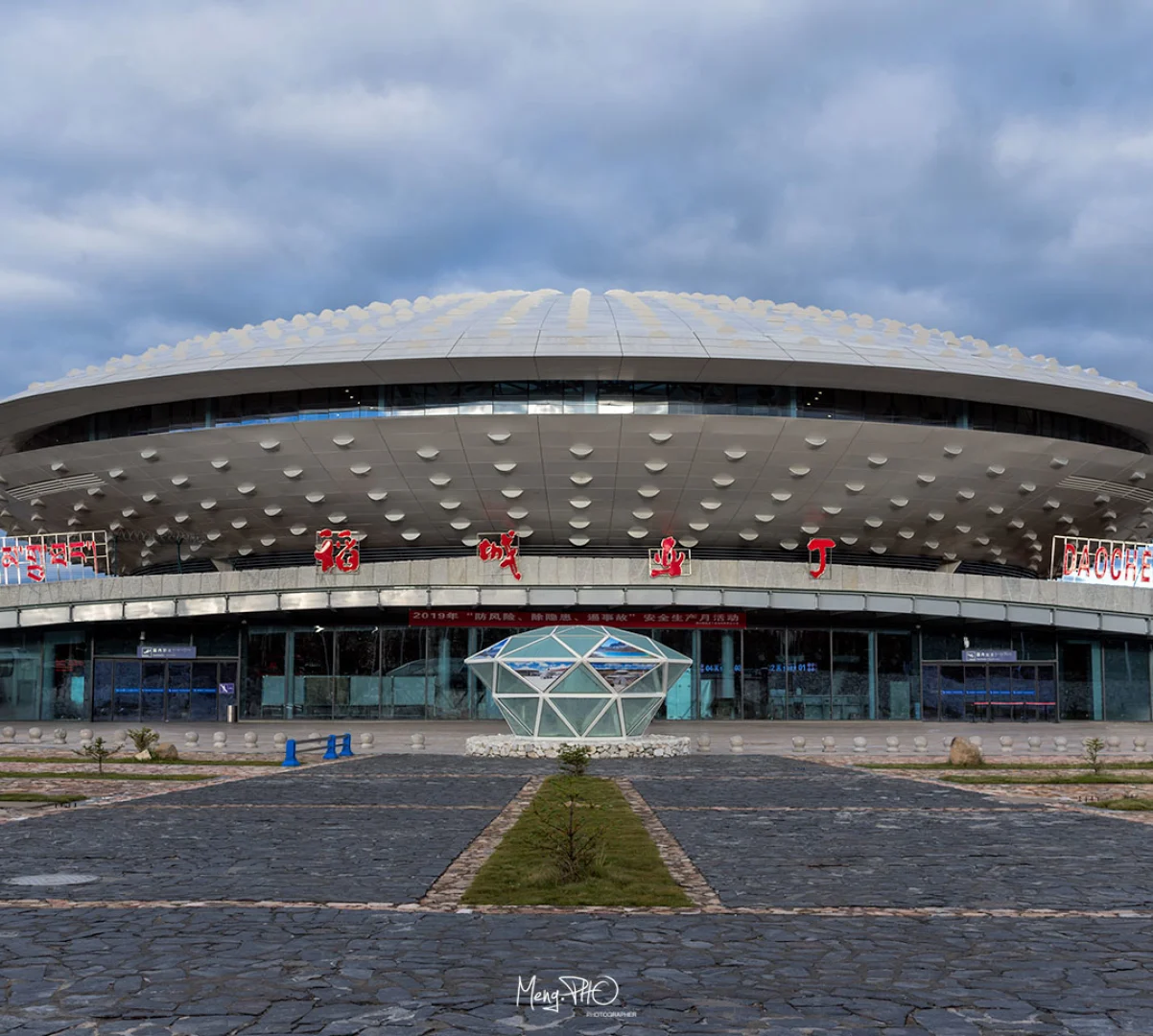
By Air: Daocheng Yading Airport
Daocheng Yading Airport (4,411 meters above sea level) is one of the highest civilian airports in the world. Direct flights are available from cities like Chengdu, Chongqing, and Xi’an.
Ground transportation after landing: - Airport shuttle: Direct to Shangri-La Town (formerly Riwa Town), 85 RMB per person - Upon arrival in Shangri-La Town, flag down a bus (bus-style vehicle) along the roadside—5 RMB per person—direct to the scenic area entrance
By Car: National Highway 318 Route
Take National Highway 318, then turn onto Provincial Road 217 after Litang. Note that private cars can only go as far as the scenic area entrance in Shangri-La Town; inside the park, you must transfer to the scenic shuttle buses.
Friendly reminder: No matter which option you choose, upon arriving at high altitude, it’s advisable to spend one night acclimatizing in Shangri-La Town (elevation about 2,900 meters) before entering the scenic area.
[Link: High-altitude travel tips and acclimatization guide]
Scenic Area Transportation: Two Shuttle Buses You Must Know
Daocheng Yading Scenic Area is vast, and private cars are not allowed inside. Therefore, the scenic shuttle buses are your only mode of transport.
- Mandatory shuttle bus: Purchased together with your entrance ticket. It departs from the scenic area entrance, stops at Yading Village stops 1–6, and ends at Zaguangeng.
- Optional shuttle bus: Used for the long route (to Milk Lake and Five-Color Lake). It runs from Chonggu Meadow to Luorong Pasture. One-way: 50 RMB, round-trip: 70 RMB. Strongly recommend buying a round-trip ticket, as walking this section takes 3–4 hours, while the shuttle takes just over ten minutes.
Accommodation Strategy: Inside or Outside the Scenic Area?
Stay Inside the Scenic Area (Yading Village)
Highly recommended, especially for photography enthusiasts.
- Advantages: Saves the hassle and time of re-entering the park the next day; allows you to capture sunrise and sunset golden light on the mountains; avoids paying for the shuttle bus again.
- Recommended stop: Stop 2. This is the largest stop, with the most concentrated accommodation, dining, and shops, and the most convenient transportation. More importantly, from Stop 2, you can photograph both Xiannairi and Xianuoduoji at the same time.
- Other stops: If Stop 2 is fully booked, Stop 1 or Stop 3 are good alternatives.
Stay Outside the Scenic Area (Shangri-La Town)
If Yading Village is fully booked or too expensive, Shangri-La Town is a good option. There are many hotels with flexible choices.
Important notes: - You will need to re-enter the scenic area on the second day. When purchasing your ticket on the first day, be sure to ask the ticket seller about the procedure for re-entry (registration may be required). - On the second day, with your previous day’s ticket and a photo taken inside the scenic area (yes, proof that you actually went in), you can enter for free but must pay half price for the shuttle bus.
[Link: Budget travel tips for Sichuan high-altitude destinations]
Photography Spots in Yading Village (Near Stop 2)
Based on satellite maps and on-the-ground scouting, I’ve compiled several key shooting locations:
- White arrow (Stop 2 parking point): Core departure point.
- Red arrow: Shoot Xianuoduoji, the largest-facing Xiannairi, and a distant view of Chonggu Temple.
- Yellow arrow: Perfect spot for capturing Xiannairi’s reflection.
- Blue arrow: Use pastoral scenery as foreground to photograph Xianuoduoji.
- Green arrow: Shoot the largest-facing Xianuoduoji.
In the evening, you can capture golden light on Xianuoduoji from Yading Village; in the early morning, Xiannairi also glows with a soft golden hue.
Short Route Hiking and Detailed Shooting Spots

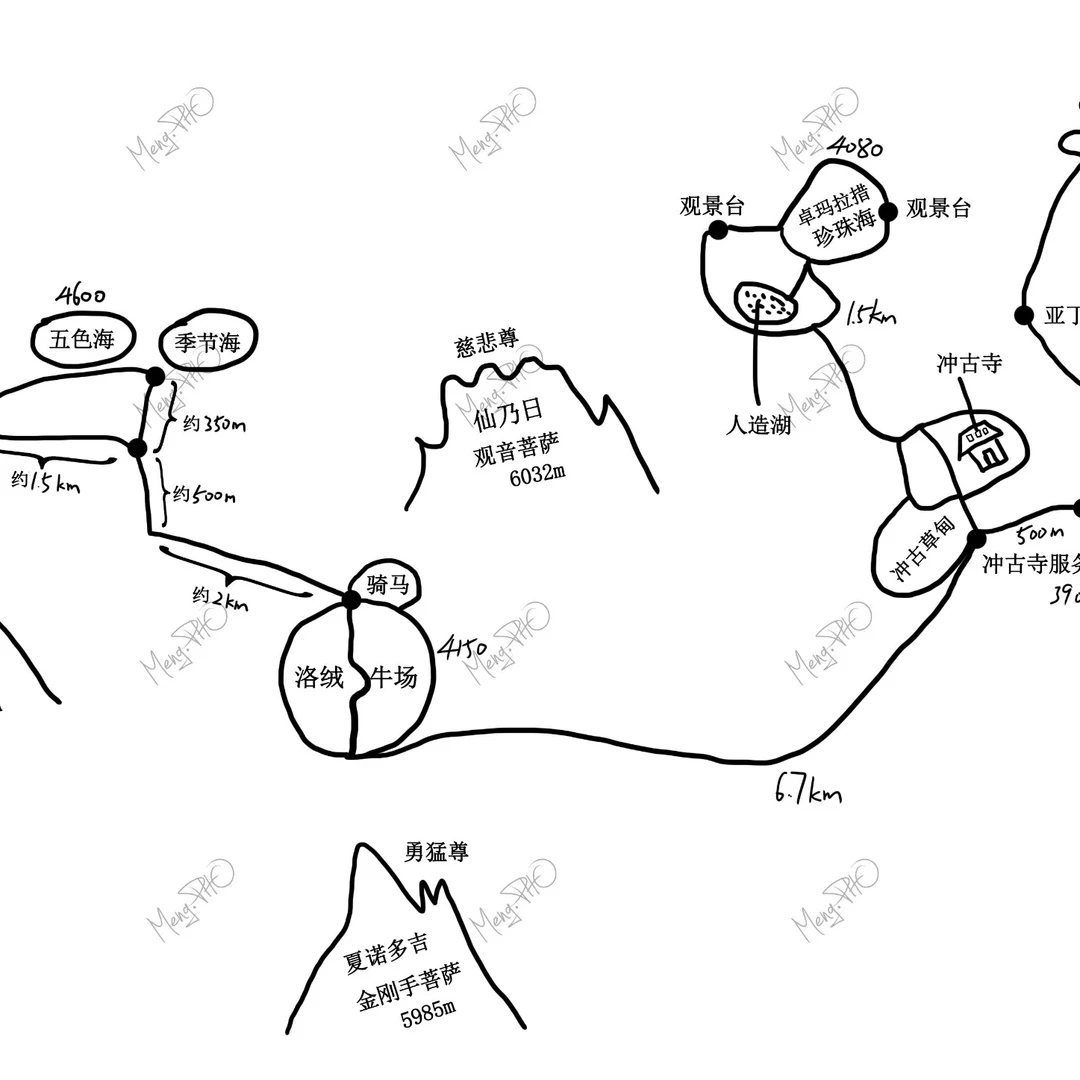
The short route is the beginner-level hike in Daocheng Yading, suitable for all visitors with reasonable fitness. The route is: Zaguangeng → Chonggu Temple → Pearl Lake → Chonggu Meadow → Zaguangeng.
From Zaguangeng to Chonggu Temple
After getting off at Zaguangeng, walk uphill about 500 meters to the Chonggu Temple service area. Here, there are two paths: the red arrow indicates the vehicle road (occasional service vehicles), and the blue arrow indicates the stairway trail. Along the way, you can capture a frame featuring the golden roof of Chonggu Temple and Xiannairi Snow Mountain together.
Choosing at the Fork
Upon reaching a platform, three paths appear: - Red arrow: Take a vehicle toward Luorong Pasture. - Blue arrow: Head toward Chonggu Meadow (can photograph Xianuoduoji). - Green arrow: Cross the bridge and enter the small loop.
It’s recommended to take the green arrow first and cross the bridge. After crossing, you’ll see a sign—choose the stairway path on the right to head toward Chonggu Temple.
Chonggu Temple Photography Tips
Walking up the stairs, when you see Chonggu Temple, you have two options. I recommend taking the right-hand path—this is a classic spot for shooting Chonggu Temple with Xiannairi in the background, using mani stones as foreground, where the golden roof and snow-capped peak complement each other.
Once inside Chonggu Temple, please maintain silence. Photography is permitted, but respect the sacred space.
[Link: Tibetan Buddhist temple photography etiquette]
FAQ: Daocheng Yading Photography and Travel
Q1: What camera gear should I bring to Daocheng Yading?
A wide-angle lens (16-35mm) is essential for landscape shots of the sacred mountains and lakes. A telephoto lens (70-200mm) helps capture distant peaks and details. Bring a sturdy tripod for sunrise/sunset golden hour shots, and polarizing filters to reduce glare on the turquoise lakes.
Q2: Is altitude sickness a concern for photographers?
Yes. Daocheng Yading sits at 4,000+ meters. Acclimatize in Shangri-La Town (2,900m) for one night. Stay hydrated, avoid alcohol, and consider bringing acetazolamide (Diamox). Photography requires walking—pace yourself and take breaks.
Q3: Can I visit Daocheng Yading in winter for photography?
Yes, November to March offers snow-covered landscapes, fewer crowds, and dramatic lighting. However, some roads may close due to snow. Check weather forecasts and road conditions before traveling. Winter photography requires warm clothing and extra battery packs (cold drains batteries faster).
Q4: What is the best time of day for photography?
Golden hour (sunrise and sunset) is ideal. Early morning captures soft light on Xiannairi; late afternoon golden light illuminates Xianuoduoji. Midday light is harsh but works for high-contrast black-and-white compositions of the sacred mountains.
Q5: Do I need a permit or guide for photography?
No special photography permit is required for the scenic area. However, hiring a local guide (available at Shangri-La Town) can help you discover secret viewpoints and navigate the terrain safely.
Conclusion: Capture the Last Pure Land
Daocheng Yading is more than a destination—it’s a pilgrimage for the soul and a canvas for the lens. Whether you’re chasing the golden autumn light, the reflection of Xiannairi in a turquoise lake, or the serene silence of a snow-covered peak, this Shangri-La offers endless inspiration.
Ready to capture your masterpiece? Book your trip for late September to mid-October for the best photography conditions. Pack your camera, respect the sacred land, and let the light guide your shutter.
Start planning today. Your dream shot awaits in Daocheng Yading.
For more photography guides and travel tips on Western Sichuan, explore our related articles: [Link: Western Sichuan photography hotspots] | [Link: High-altitude hiking preparation checklist]
Internal Linking Suggestions: - [Link: Best time to visit Western Sichuan] - [Link: Sichuan-Tibet Highway road conditions] - [Link: Tibetan Buddhism sacred sites in Sichuan] - [Link: High-altitude travel tips and acclimatization guide] - [Link: Budget travel tips for Sichuan high-altitude destinations] - [Link: Tibetan Buddhist temple photography etiquette] - [Link: Western Sichuan photography hotspots] - [Link: High-altitude hiking preparation checklist]
You should also read:
Beijing Through the Lens: One Person's Winter Wanderings – An SEO-Optimized Travel Guide
Meta Description: Discover Beijing's winter charm through a photographer's lens. From Nanluoguxiang's night scenes to Sanlitun's neon glow, explore the city's hidden corners and iconic landmarks in this SEO-friendly travel guide. January in Beijing is so cold you can hear your own breath. But for…
Continue reading...
A Different Beijing: The Ultimate Guide to Traveling with Parents in China's Capital
Meta Description: Discover how to plan a multi-generational Beijing trip that balances iconic sights with parental comfort. From the Great Wall to IKEA, this 7-day itinerary proves traveling with parents is a gentle journey in reverse. We often say, "The world is so big, I…
Continue reading...
A Passionate Journey Through Beijing & Tianjin: Beijing Complete Guide – JOJO's In-Depth Travel Notes
Meta Description: Explore Beijing & Tianjin in 5 days with this complete travel guide. From the Forbidden City to the Great Wall, discover insider tips, transportation hacks, and must-see attractions. Plan your perfect China trip today. Beijing is not just a city—it's a living museum…
Continue reading...