The Eight Great Hutongs: Beijing's Hidden Cradle of Peking Opera and Cinema
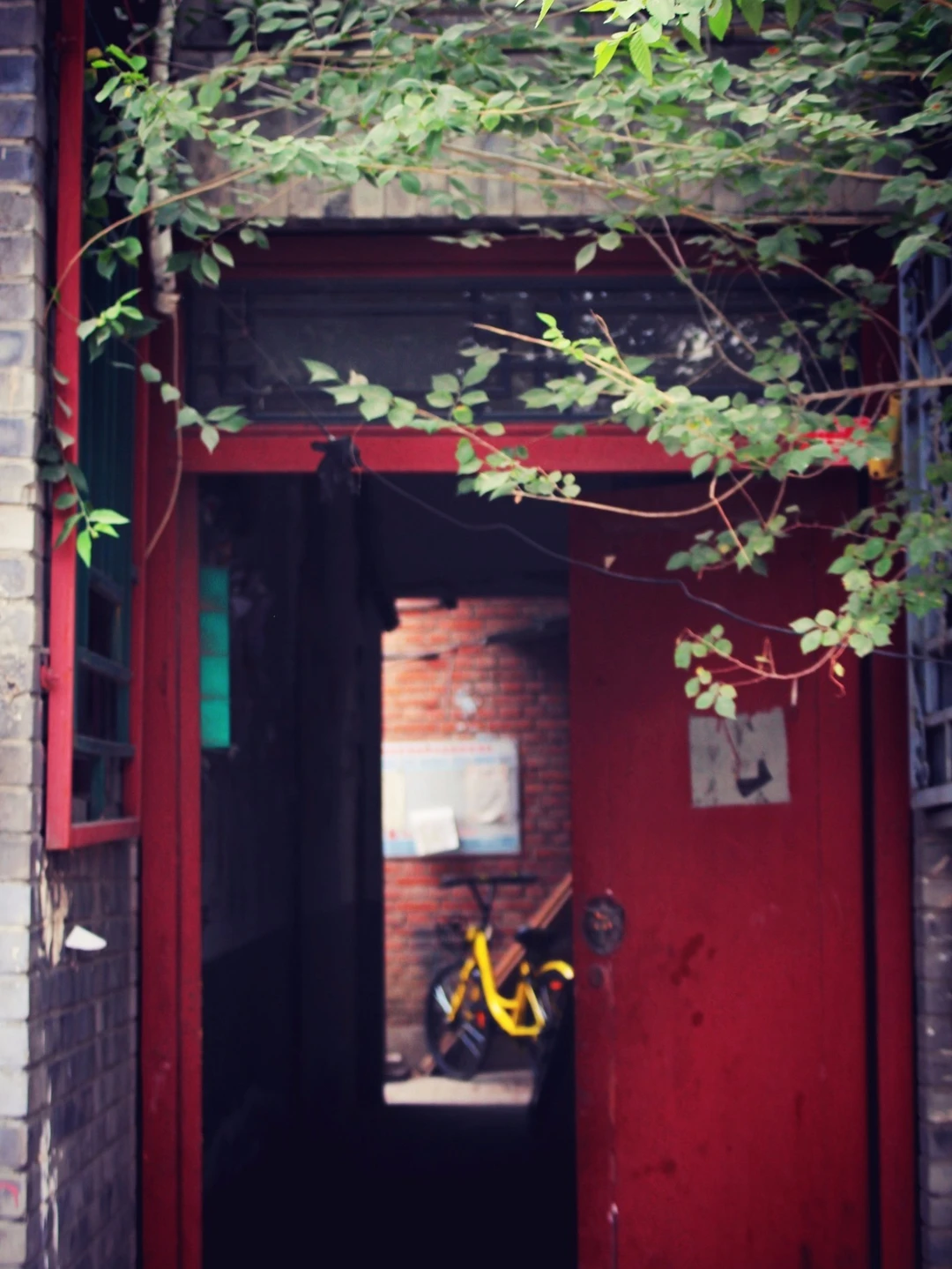
Meta Description: Discover the Eight Great Hutongs of Beijing—where Peking Opera was born, Chinese cinema began, and six generations of the Tan family performed. Explore history beyond the romantic legends.
Introduction: More Than Romance
When you hear "Eight Great Hutongs," what comes to mind? The swaying silhouettes of cheongsam-clad women from films? Or Republican-era romance tales? In truth, this cluster of alleyways south of Qianmen in the Dashilan area holds a far richer story. It is the cradle of Peking Opera, the first home for Hui Opera troupes arriving in the capital, the ancestral seat of the Tan family for six generations, and the birthplace of Chinese cinema.

Today, we walk through eight main lanes—Baishun Hutong, Yanzhi Hutong, Hanjiatan, Shanxi Xiang, Shitou Hutong, Zongshu Xiejie, Zhujia Hutong, and Xiaoli Hutong—to touch a history that, though weathered, still burns fiercely.
The Dual Life of the Eight Great Hutongs: From Pleasure Quarters to Cultural Wellspring
The "fame" of the Eight Great Hutongs largely stems from the "Qingyin Xiaoban" (Refined Singing Houses) of the late Qing and early Republican eras—establishments that were, in essence, first-class brothels. But to see them only as dens of iniquity misses the true treasure.
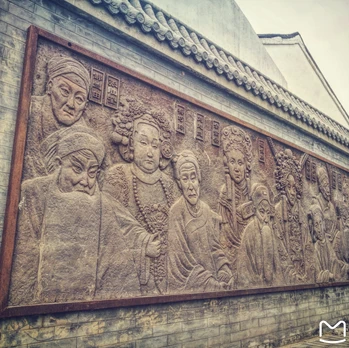
In 1790, to celebrate the Qianlong Emperor's 80th birthday, opera troupes from across China were summoned to Beijing. The most famous Four Great Hui Opera Troupes—Sanqing, Sixi, Hechun, and Chuntai—all settled here. The Sanqing Troupe took residence in Hanjiatan; the Chuntai Troupe set up camp at the western entrance of Baishun Hutong. From then on, a rhyme circulated among old Beijing's opera circles: "A man never leaves his hometown, a tiger never leaves its mountain, and an opera singer never leaves Baishun and Hanjiatan."
It was in these hutongs that Hui opera merged with Han opera, absorbing Kunqu and Qinqiang, ultimately giving birth to Peking Opera. Without the Eight Great Hutongs, there would be no Peking Opera.
Baishun Hutong: The Walk of Fame of Peking Opera's Founding Fathers
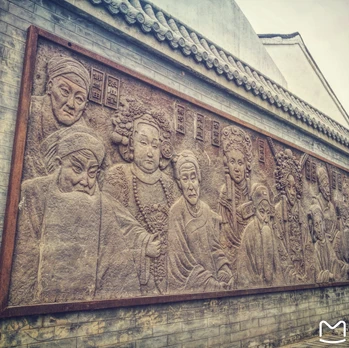
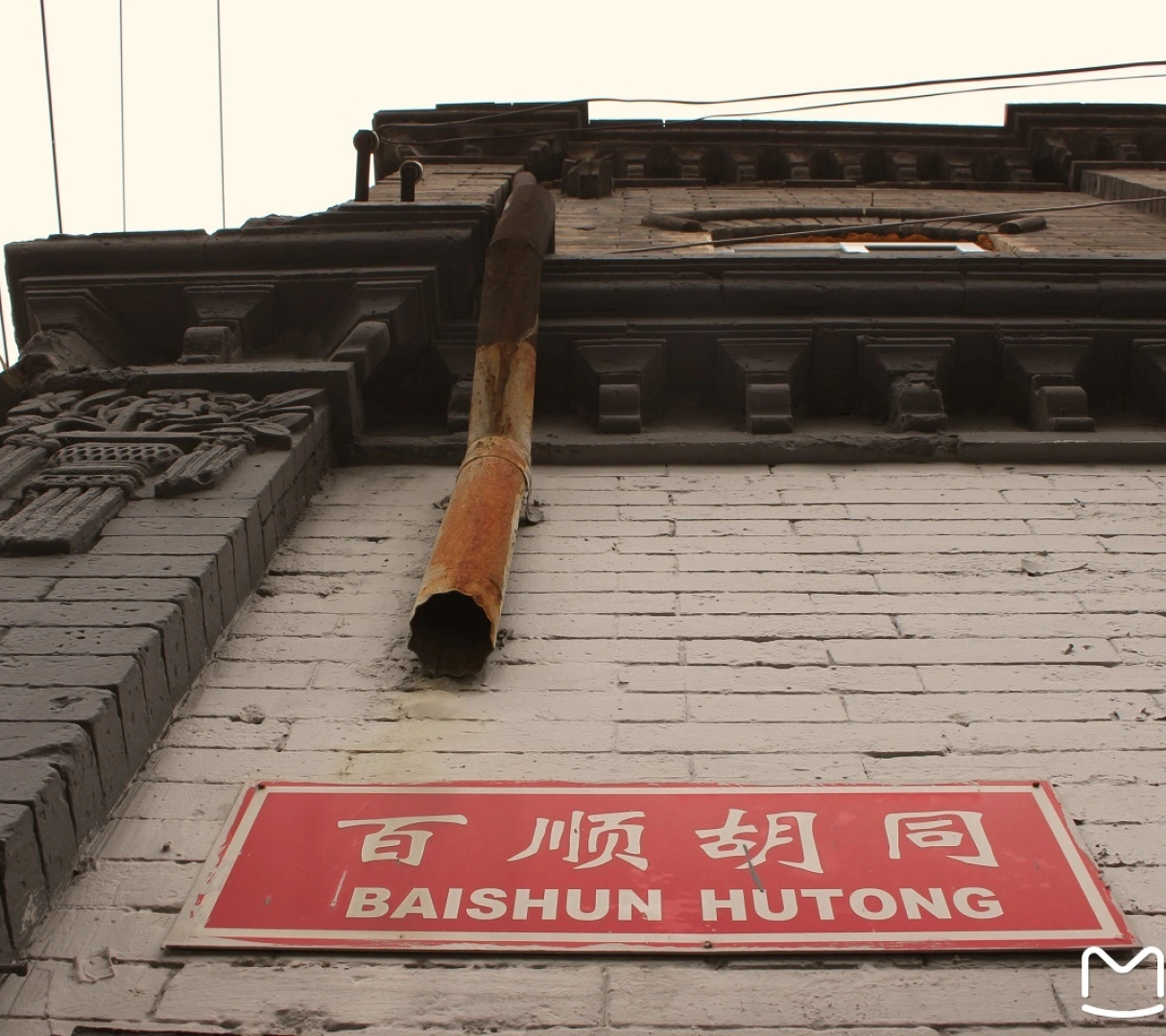
Named "Bai Shu Hutong" (Cypress Tree Hutong) during the Ming Dynasty, Baishun was renamed in the early Qing to mean "everything goes smoothly." This alley connects Shanxi Xiang to the east, borders Hanjiatan to the north, and links Yanzhi Hutong to the south. It was the gathering place for Peking Opera luminaries.
No. 34 Courtyard: Cheng Changgeng's "Sizhen Hall"
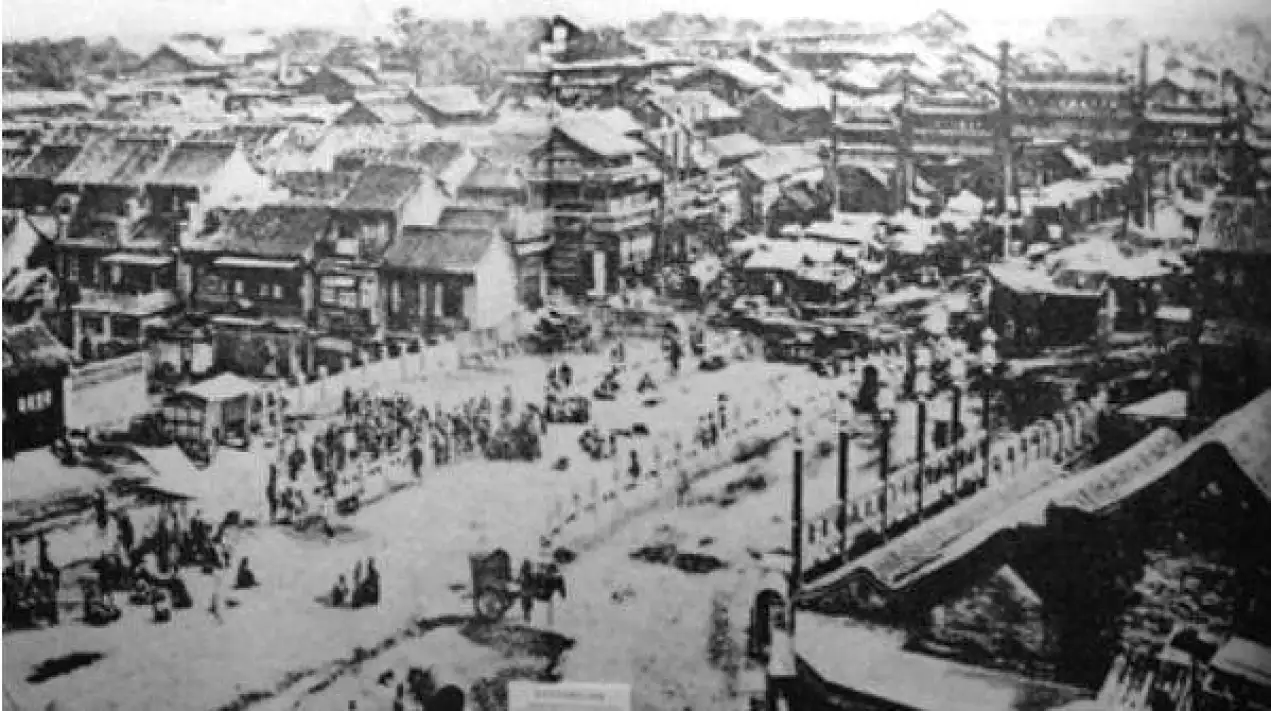
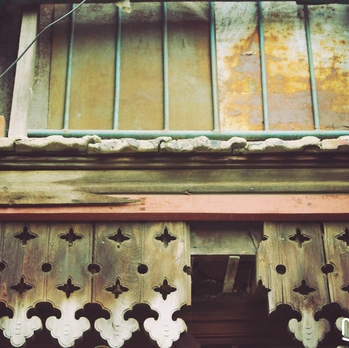
Step into No. 34 Baishun Hutong, and you stand where Cheng Changgeng, the "Father of Peking Opera," once lived. Along with Zhang Erkui of the Sixi Troupe and Yu Sansheng of the Chuntai Troupe, he was among the "Three Great Pillars of the Old Sheng Role." For performances, he never used his real name on posters—only "Sizhen Hall," his studio name and personal brand. Today, the intricate wood carvings within the courtyard remain exquisite, whispering tales of past glory.
No. 40 Courtyard: The Training Ground of the Yu School of Martial Sheng
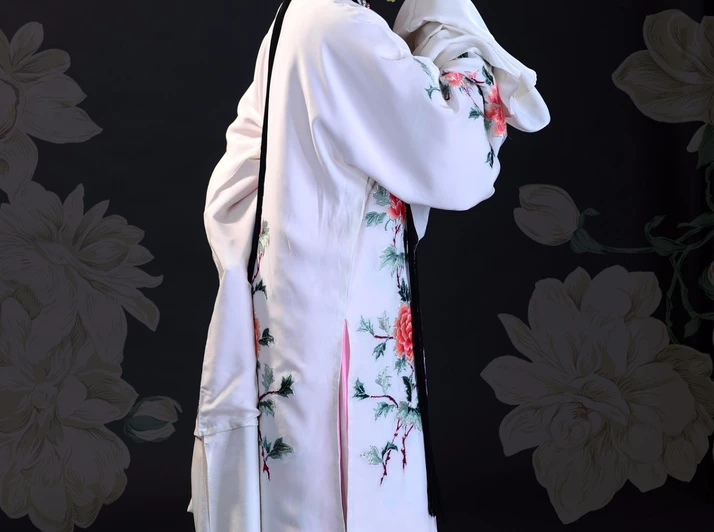
No. 40 was the former residence of Yu Juchun, a master of the martial male lead (wusheng) role. His "Yu School" style was bold and powerful, with lasting influence. The Chuntai Troupe was once stationed here. Entering the courtyard gate, the originally spacious sunken yard—once a training ground for young performers—is now cramped with illegal structures, leaving only a narrow passageway. The shouts of "Hey! Ha!" have long been replaced by the clatter of mahjong tiles.
No. 55 Courtyard: The Qingyi Titan Chen Delin
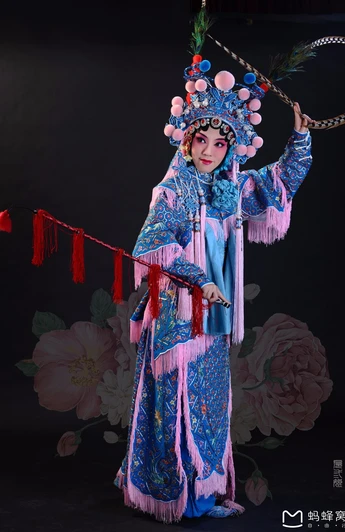
Chen Delin was the representative figure of the qingyi (virtuous maiden) role from the Guangxu era onward, hailed as the "Qingyi Titan" and founder of the "Chen School." He mentored countless disciples, including masters like Mei Lanfang, Wang Yaoqing, and Shang Xiaoyun, earning him the respectful title "Old Master." The pair of stone drum-shaped doorsteps at the entrance, etched with time's marks, still seem to recount stories of these great performers.
Dawaikuang Ying Hutong: The Tan Family's Century-Long Vigil
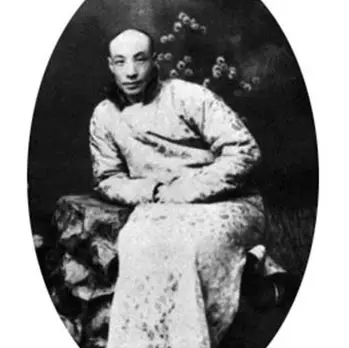
No. 1 Dawaikuang Ying Hutong was home to the Tan family for six generations, spanning over 130 years. Tan Xinpei—the most renowned old sheng actor of the Guangxu era, known as "Tan Jiaotian" (Tan the Heavenly Caller)—was the founder of the first major old sheng school, the "Tan School." From him onward, the art of the old sheng role was standardized and systematized, stabilizing Peking Opera's structure.
The old residence originally consisted of six courtyards and 46.5 rooms, including a two-story Western-style building in the western section. Today, only a preserved hitching post remains, silently attesting to the owner's former status.
Even more astonishing: in 1905, on his 60th birthday, Tan Xinpei performed segments from "Dingjun Mountain" before the camera of the Fengtai Photography Studio—that was the very first film made by a Chinese filmmaker. When the film screened at the Daguanlou Theater near Qianmen, the streets were deserted as everyone flocked to see it. The birth of Chinese cinema is thus directly linked to the Eight Great Hutongs.
And Tan Yuanshou, the fifth-generation heir of the Tan School, was the actor who played political instructor Guo Jianguang in the modern model opera "Shajiabang." From Tan Xinpei to Tan Yuanshou, six generations of the Tan family have witnessed Chinese Peking Opera's entire journey from birth to glory.
Tieshu Xiejie: Mei Lanfang's Birthplace
Most Beijing hutongs are laid out in a neat grid. But walking from Qianmen Avenue into Dashilan, then heading west through Meishi Street, you encounter a slanted alley—Tieshu Xiejie (Iron Tree Slanted Street). It may be even older than the Yuan Dynasty's Brick Pagoda Hutong, with a history dating back to the mid-Jin Dynasty.
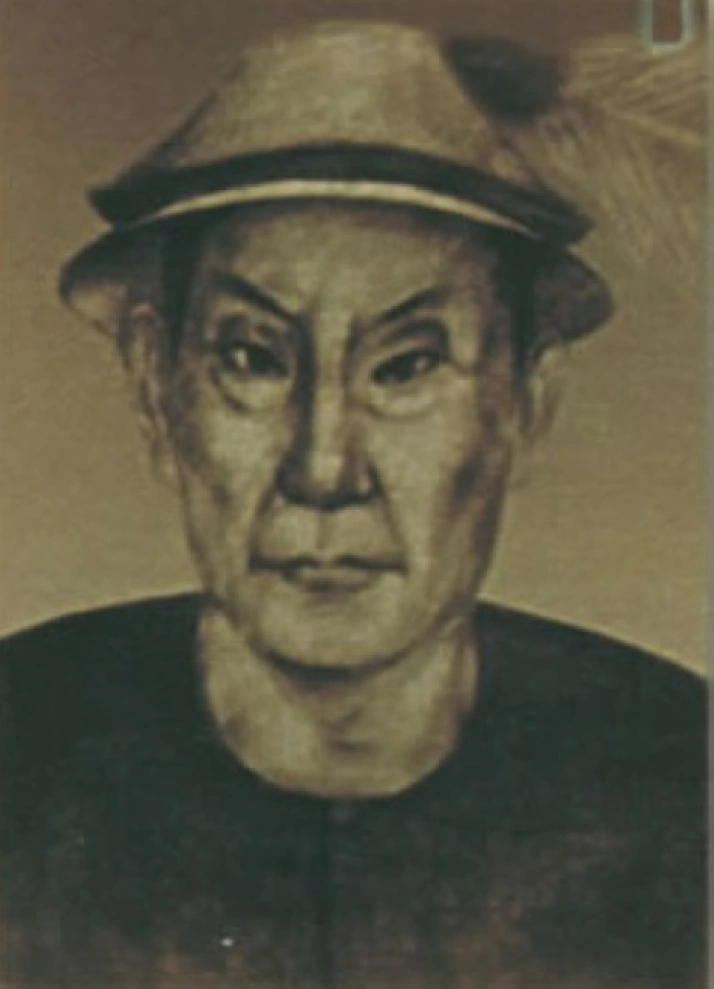
Originally simply called "Xiejie" (Slanted Street), it was renamed "Li Tieguo Xiejie" (Li Iron Pot Slanted Street) during the Qing Dynasty due to a famous iron pot maker surnamed Li. Later, the name was corrupted to "Li Tieguai Xiejie" (Li Iron Crutch Slanted Street), after the legendary Taoist immortal. It wasn't until 1965, during a street-name reorganization, that it became "Tieshu Xiejie."
On the 24th day of the ninth lunar month in 1894, Mei Lanfang was born in the eastern side room of No. 101 Tieshu Xiejie. This was also the ancestral home of his grandfather, Mei Qiaoling, one of the "Thirteen Greats of the Tongzhi and Guangxu Eras." Unfortunately, during the Boxer Rebellion year (1900), when Mei Lanfang was six, the property was sold, and the family moved to Baishun Hutong. Yet Tieshu Xiejie remains the root of the Mei School of Peking Opera.
Shanxi Xiang: Refined Singing Houses and the Chivalrous Courtesan Xiaofengxian
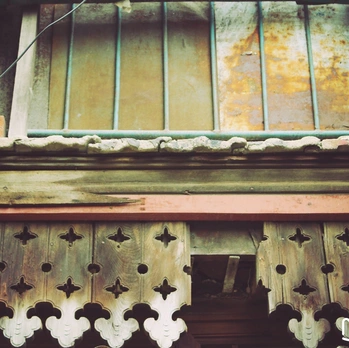
Shanxi Xiang's history dates back to the early Ming Dynasty, named for the large number of timber merchants from Shanxi Province who stored their goods there. From the Qianlong era until 1949, it housed first-class "Qingyin Xiaoban" (Refined Singing Houses)—establishments offering not just carnal pleasures but cultural services like accompanying tea, hosting banquets, and even teaching opera.
Among the most famous figures was Xiaofengxian, a courtesan known for her chivalrous spirit. Legend says she used her wealth to support struggling opera performers and even helped a destitute scholar pass the imperial examinations. Her story embodies the complex social fabric of the Eight Great Hutongs—where entertainment, art, and humanity intertwined.
FAQ: The Eight Great Hutongs
Q: What are the Eight Great Hutongs exactly? A: The Eight Great Hutongs refer to eight alleyways in Beijing's Dashilan area south of Qianmen: Baishun Hutong, Yanzhi Hutong, Hanjiatan, Shanxi Xiang, Shitou Hutong, Zongshu Xiejie, Zhujia Hutong, and Xiaoli Hutong. They were historically known for entertainment establishments but are culturally significant as the birthplace of Peking Opera.
Q: How did the Eight Great Hutongs contribute to Peking Opera's birth? A: In 1790, the Four Great Hui Opera Troupes settled here. Over decades, Hui opera merged with Han opera, Kunqu, and Qinqiang styles in these hutongs, eventually evolving into what we now call Peking Opera. Masters like Cheng Changgeng and Tan Xinpei lived and performed here.
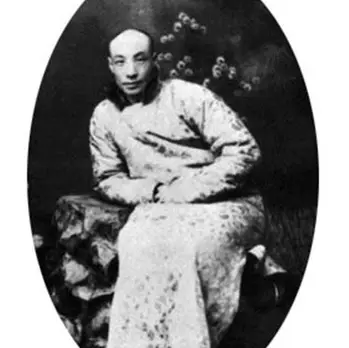
Q: What is the connection between the Eight Great Hutongs and Chinese cinema? A: In 1905, Peking Opera master Tan Xinpei performed segments from "Dingjun Mountain" for the Fengtai Photography Studio at No. 1 Dawaikuang Ying Hutong. This was the first film made by a Chinese filmmaker, marking the birth of Chinese cinema.
Q: Which famous Peking Opera performers lived in the Eight Great Hutongs? A: Many legends called these hutongs home: Cheng Changgeng (No. 34 Baishun), Yu Juchun (No. 40 Baishun), Chen Delin (No. 55 Baishun), six generations of the Tan family (Dawaikuang Ying Hutong), and Mei Lanfang (born at No. 101 Tieshu Xiejie).
Q: Can visitors still see the original architecture today? A: Yes, though many structures have been modified over time. You can still see original wood carvings at No. 34 Baishun Hutong, stone drum doorsteps at No. 55, and a preserved hitching post at the Tan family residence. The hutongs retain their historic layout and atmosphere.
Internal Linking Suggestions
[Link: Dashilan area guide - top attractions and history] [Link: Beijing hutong walking tours - self-guided itineraries] [Link: Qianmen shopping street - what to see and eat] [Link: Peking Opera history - from Hui Opera to modern times] [Link: Mei Lanfang's legacy - the greatest dan actor]
Plan Your Visit: Walk Through History
The Eight Great Hutongs are not just a tourist attraction—they are a living museum of Chinese culture. Whether you're a Peking Opera enthusiast, a history buff, or simply curious about Beijing's hidden stories, these alleyways offer an unforgettable journey through time.
How to get there: Take Beijing Subway Line 2 to Qianmen Station, exit C, and walk south through Dashilan. The hutongs begin just west of Qianmen Avenue.
Best time to visit: Early morning (8-10 AM) for quiet streets and photography, or late afternoon (4-6 PM) for golden hour light and local life.
Don't miss: - The preserved courtyards of Baishun Hutong - The Tan family's hitching post at Dawaikuang Ying Hutong - Mei Lanfang's birthplace marker on Tieshu Xiejie - A performance at the nearby Huguang Guild Hall
Pro tip: Hire a local guide or download a historical walking tour app to fully appreciate the stories behind each doorway. The hutongs reveal their secrets slowly—take your time.
Final Call to Action: Experience the Soul of Beijing
The Eight Great Hutongs are more than a footnote in Beijing's history—they are the beating heart of Chinese opera, cinema, and cultural evolution. From the first notes of Hui Opera to the flickering frames of China's first film, these alleyways have shaped the nation's artistic identity.
Ready to walk in the footsteps of legends? Book a guided tour of the Eight Great Hutongs today. Discover where Peking Opera was born, where the Tan family performed for six generations, and where Chinese cinema took its first breath.
[Book Your Hutong Walking Tour Now]
Or explore our [complete guide to Beijing's hidden cultural gems] to plan your perfect historical itinerary.
The Eight Great Hutongs await—come hear their stories before they fade into silence.
You should also read:
In Beijing: Nine Small Bars and Nine Travel Stories: A Journey Through the City's Hidden Drinking Culture
Meta Description: Discover Beijing's best small bars through nine unforgettable travel stories. From hutong craft beer havens to snow-covered Great Wall adventures, explore the city's soul one glass at a time. "May the lonely always have wine to drink, and the wanderers always have songs…
Continue reading...
Beneath the Surface: Discovering Beijing’s Hidden Colors Through Its Metro – An SEO-Optimized Guide
Meta Description: Explore Beijing’s hidden colors through its metro art. From Yuanmingyuan murals to Xidan reliefs, discover the city’s soul underground. Plan your cultural subway tour now. Most travelers judge Beijing by its skyline, street food, or famous landmarks. But if you truly want to…
Continue reading...
Breaking It Down, Strolling Through Beijing's Hutongs: A Deep Journey Through Time
Meta Description: Explore Beijing's hutongs like never before. From One-Foot Street to Nine Bends Hutong, discover hidden alleys, history, and local secrets in this SEO-optimized guide to Beijing's ancient lanes. Some say the joy of collecting old porcelain shards lies in "time travel." In truth,…
Continue reading...