The Forbidden City: Six Centuries of Imperial Legacy – A Complete Guide to Beijing's Crown Jewel
Meta Description: Explore 600 years of royal memory in the Forbidden City. From Tiananmen's flag ceremonies to the Hall of Supreme Harmony, discover the secrets of Beijing's most iconic landmark.
Introduction: A Journey Through Time
The Forbidden City stands as China's most enduring symbol of imperial power—a sprawling palace complex that has witnessed six centuries of dynastic glory, political upheaval, and cultural transformation. For many visitors, it's a place they've walked through but never truly understood. This guide peels back the layers of history, revealing the stories behind the gates, halls, and courtyards that have shaped Beijing's identity.
Whether you're planning your first visit or returning for a deeper exploration, understanding the Forbidden City's architectural wonders and historical significance transforms a simple tour into a journey through time. From the solemn flag-raising ceremony at Tiananmen to the golden throne of the Hall of Supreme Harmony, every corner holds a piece of China's imperial memory.
The Iconic Gateway: Tiananmen Through the Centuries

A Gate of Heavenly Peace
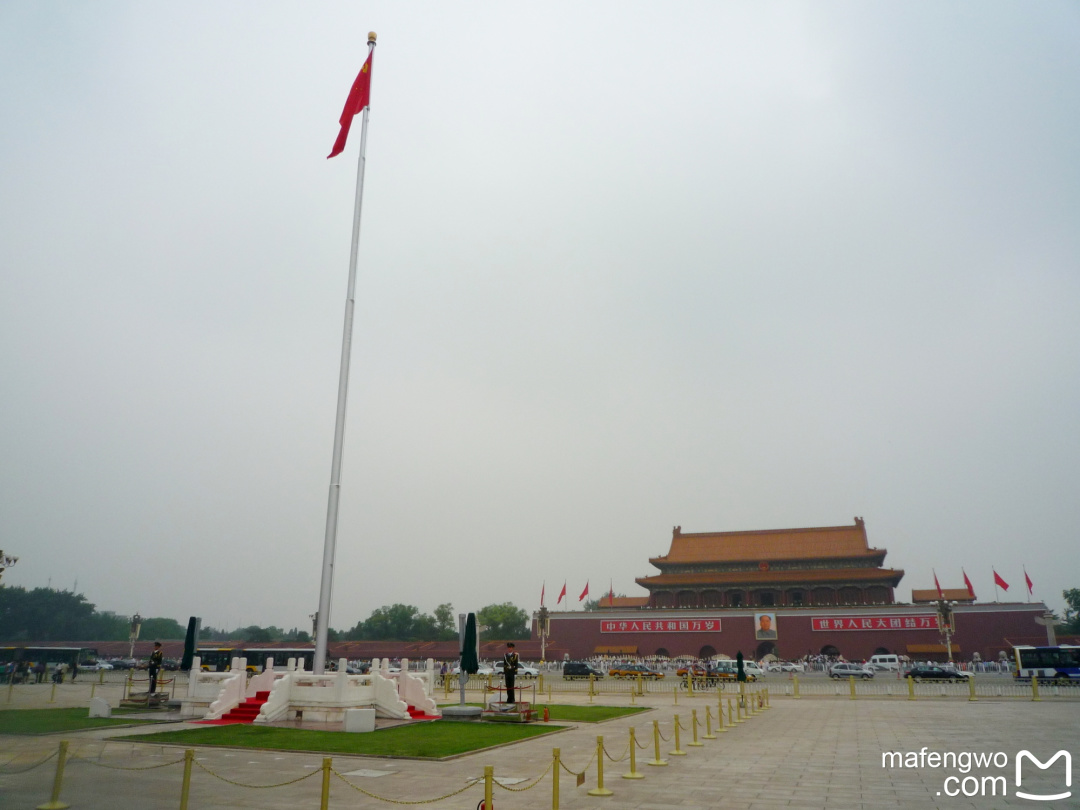
Tiananmen (Gate of Heavenly Peace) serves as the symbolic entrance to the Forbidden City complex. First constructed in 1417 during the Ming Dynasty's Yongle reign, it was originally named "Chengtianmen" (Gate of Heavenly Succession), meaning "receiving the mandate of heaven." The architectural master Kuai Xiang designed this magnificent structure, which was later renamed Tiananmen in 1651 under the Qing Dynasty's Shunzhi reign.
Standing 34.7 meters high, 66 meters long, and 37 meters wide, Tiananmen features five arched gates. The central gate, the largest of them all, was historically reserved exclusively for the emperor. Today, it remains one of Beijing's most recognizable landmarks and appears on China's national emblem.
The Evolution of the Flag-Raising Ceremony
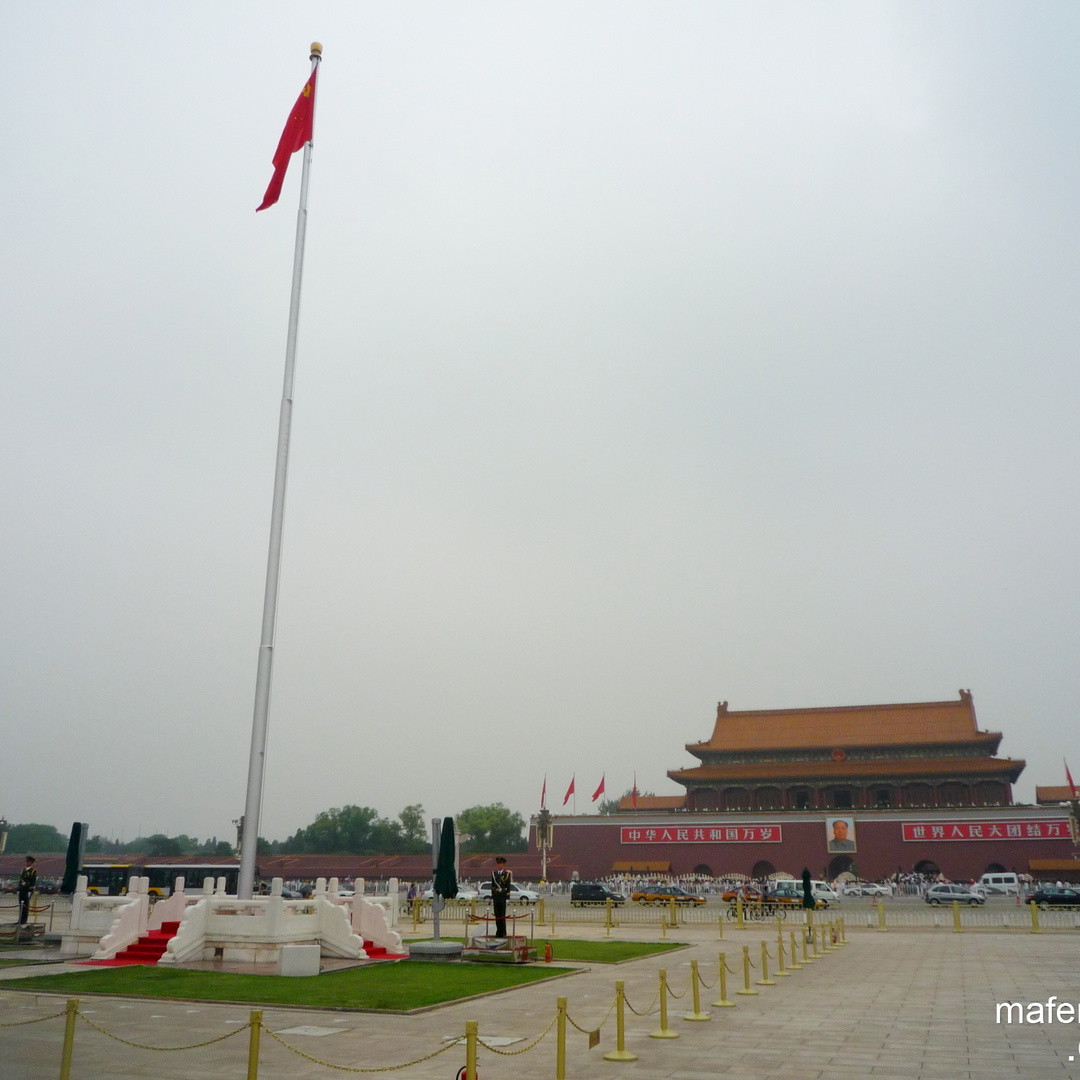
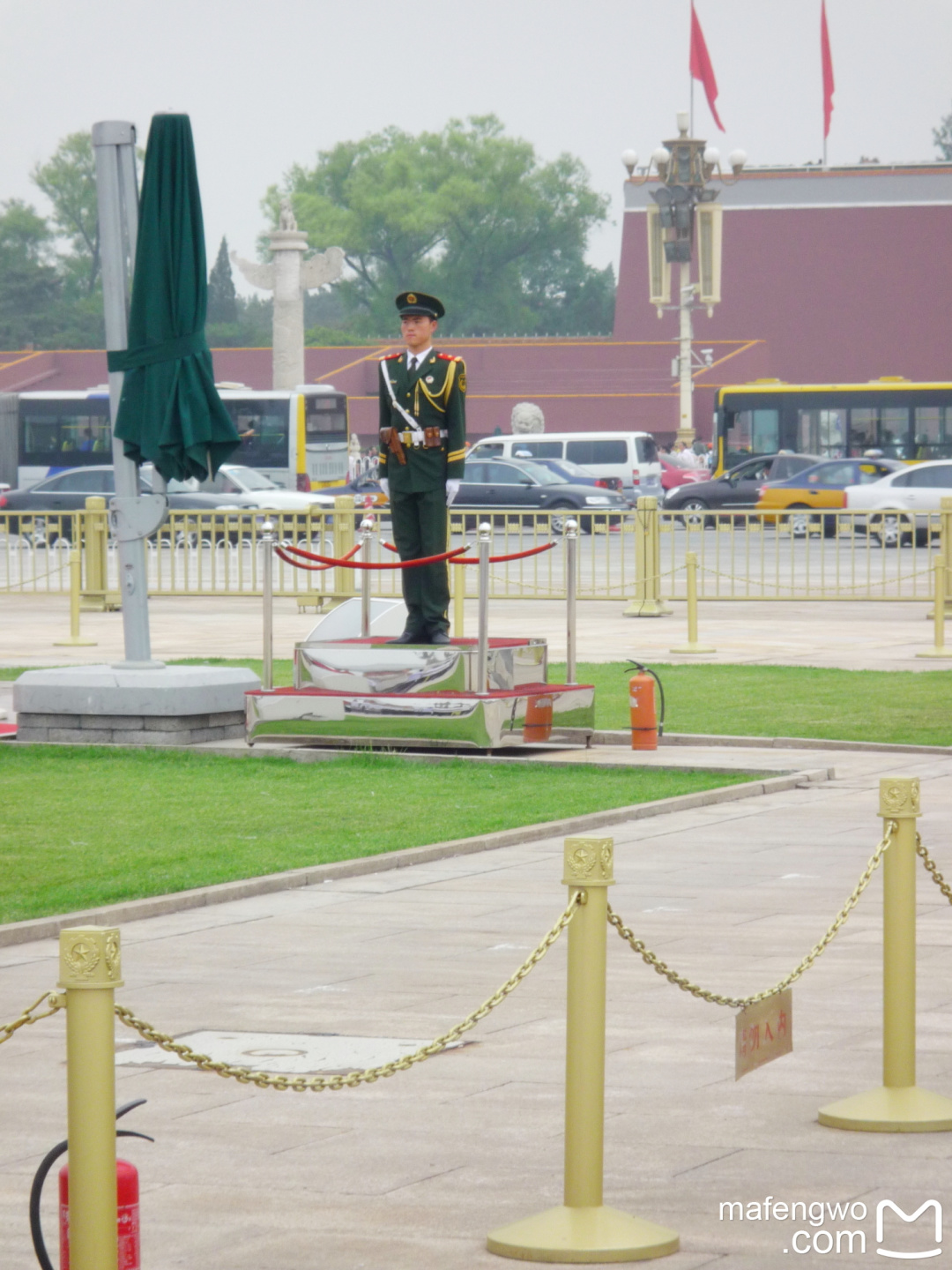
Few rituals capture the spirit of modern China like the daily flag-raising ceremony at Tiananmen. But this tradition has evolved dramatically over the decades:
- 1949–1950: The Beijing Public Security Correctional Corps handled the task
- 1951–1976: Hu Qijun, a single worker from the Power Supply Bureau, raised and lowered the flag alone each day
- 1977–1982: Two soldiers from the garrison force took over, though they still yielded to traffic
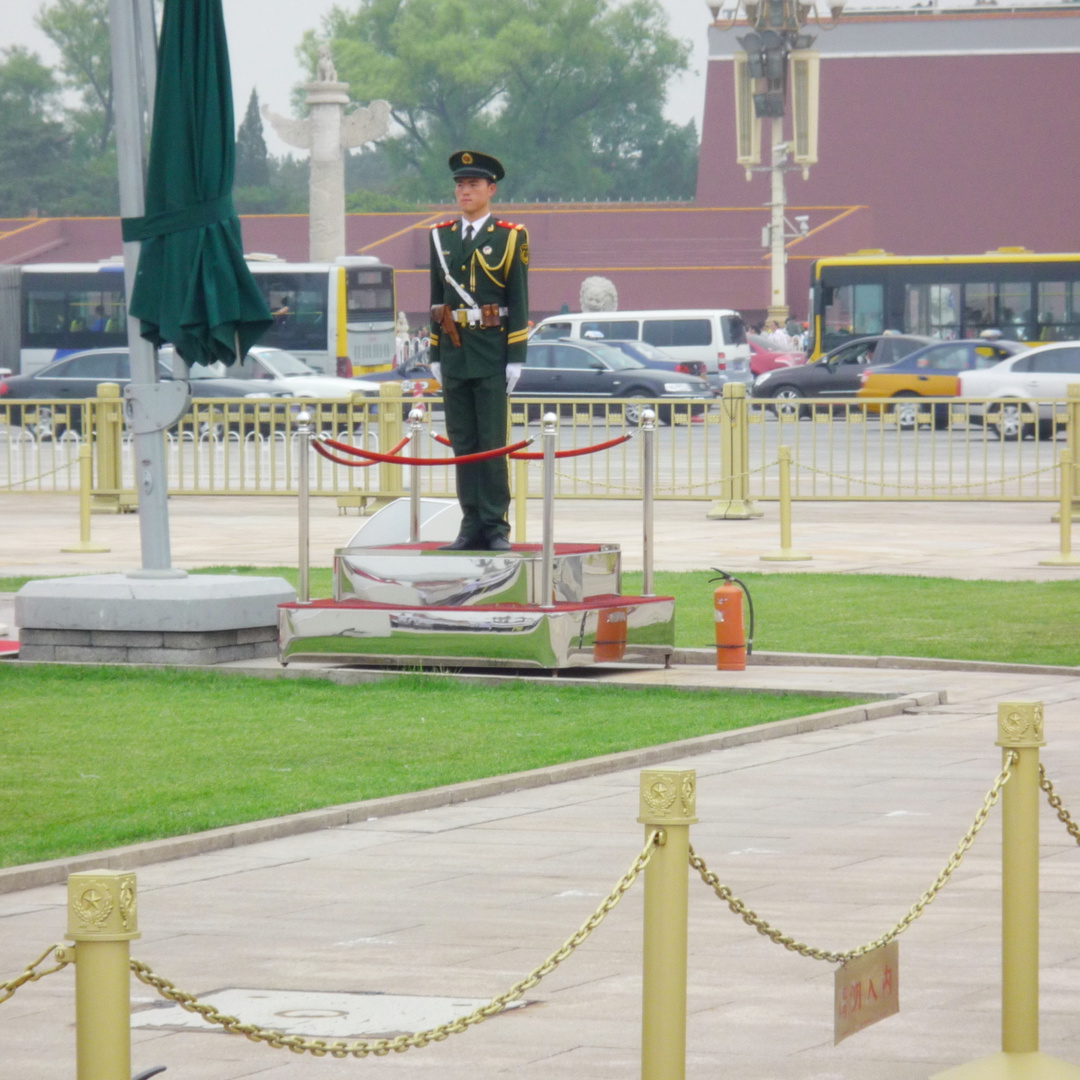
- December 28, 1982: The Beijing Armed Police Corps established China's first standardized flag-raising ceremony
- 1991: A 36-member "National Flag Guard" made its official debut
- January 1, 2018: The People's Liberation Army assumed responsibility
Today, watching the flag rise at sunrise remains one of Beijing's most moving experiences, drawing thousands of spectators daily.
Duanmen and Wumen: The Prelude to Imperial Power
Duanmen: Gate of Uprightness
Passing through Tiananmen, visitors encounter Duanmen (Gate of Uprightness), built in 1420. While its structure nearly mirrors Tiananmen, its purpose was entirely different. Duanmen served as the imperial storage facility for ceremonial paraphernalia. During grand court sessions, the ceremonial procession stretched from the Hall of Supreme Harmony all the way to Tiananmen—a distance of approximately one kilometer—creating an awe-inspiring spectacle of imperial majesty.
Wumen: The Meridian Gate
Wumen (Meridian Gate) marks the official entrance to the Forbidden City. Its concave layout rises to a height of 37.95 meters. The name derives from its position at the center, facing the sun and aligned with the meridian (north-south line).
The gate features a clever architectural design known as "three visible, five hidden"—from the front, it appears to have only three gateways, but five actually exist. Access was strictly regulated:
- Central main gate: Reserved exclusively for the emperor
- Central gate (special occasions): The empress could enter once during the imperial wedding; the top three scholars in the palace examination could exit through it once
- Left gate: Civil and military officials
- Right gate: Imperial clansmen and nobles
- Side gates: Normally closed, opened only for grand ceremonies in the Hall of Supreme Harmony
[Link: Forbidden City ticket booking tips and best visiting hours]
Taihemen and Taihedian: The Heart of the Empire
Taihemen: Gate of Supreme Harmony
Taihemen (Gate of Supreme Harmony) serves as the main entrance to the Outer Court. In 1888, a fire at Zhendumen spread to Taihemen and Zhaodemen, requiring reconstruction the following year. Before the gate lies a 26,000-square-meter square, through which the Inner Golden Water River winds its way, spanned by five stone bridges.
During the Ming Dynasty, this was the site of "audiences at the gate," where the emperor received homage and handled state affairs. In the early Qing Dynasty, banquets were also held here before the practice moved to Qianqingmen.
The Hall of Supreme Harmony Square
Entering Taihemen reveals the Hall of Supreme Harmony Square, covering 30,000 square meters. The ground is paved with 15 layers of bricks and embedded with about 200 white stones called "ceremonial pedestals." During grand ceremonies, the ceremonial procession stood on these stone platforms.
Flanking the square are two important halls:
- Hall of Literary Glory (Tirenge): Where Emperor Kangxi held the "Erudite Scholars Examination"; later became the silk treasury
- Hall of Martial Valor (Hongyige): Served as the Qing Dynasty's Inner Affairs Treasury, storing gold, silver, and jewels
Taihedian: The Hall of Supreme Harmony
Taihedian (Hall of Supreme Harmony), commonly called the "Hall of Golden Bells," is the largest wooden structure in China and the most magnificent building in the Forbidden City. Standing 35.05 meters high, covering 2,377 square meters, its length-to-width ratio of 9:5 symbolizes the "supreme status of the emperor."
Architectural Marvels
The hall sits on a three-tiered white marble base, 8.13 meters high, surrounded by ornate railings. Four symbolic objects grace the front:
- Sundial: Represents time and imperial authority
- Grain measure: Symbolizes abundance and prosperity
- Bronze crane: Represents loyalty, purity, and the emperor's hope for immortality
- Bronze turtle (bixi): One of the nine sons of the dragon, symbolizing power and longevity
Both the turtle and crane are hollow, used for burning incense. Imagine the scene: all civil and military officials kneeling before the hall, incense smoke curling upward, the entire structure shrouded in a misty aura—transforming into what appeared as a celestial palace.
Inside the Hall
The interior features 72 large pillars, six of which surround the imperial throne and are decorated with gilded coiled dragons. At the center sits the gold-lacquered, carved dragon throne on a two-meter-high platform, behind which stands a seven-panel gold-lacquered screen carved with cloud and dragon motifs.
Major ceremonies held here included:
- The emperor's coronation
- New Year's Day celebrations
- The Winter Solstice
- The emperor's birthday
On the roof's eaves, ten mythical beasts line the corners: the dragon, phoenix, lion, and other legendary creatures—each representing different aspects of imperial power and cosmic harmony.
[Link: Top 10 things to see inside the Forbidden City]
Frequently Asked Questions About the Forbidden City
Q: How long does it take to visit the Forbidden City? A: A thorough visit requires 3–4 hours for the main halls and gardens. For a complete experience including the museum collections, plan for 5–6 hours.
Q: What is the best time of year to visit? A: Spring (April–May) and autumn (September–October) offer the most pleasant weather. Avoid Chinese national holidays (especially October 1–7) when crowds peak.
Q: Can I take photos inside the Forbidden City? A: Photography is allowed in outdoor areas and most exhibition halls, but flash photography is prohibited to protect artifacts. Some special exhibitions may have restrictions.
Q: Is the Forbidden City wheelchair accessible? A: The main route is wheelchair accessible, with ramps at major entrances. However, some side halls and upper levels may be difficult to access. Wheelchair rental is available at the entrance.
Q: What should I wear when visiting? A: Comfortable walking shoes are essential—you'll cover several kilometers. Dress modestly and bring sun protection in summer, as much of the route is exposed.
[Link: Beijing travel itinerary for first-time visitors]
Conclusion: Your Journey Awaits
The Forbidden City is more than a tourist attraction—it's a living museum of Chinese civilization, a testament to six centuries of imperial memory. From the solemn flag-raising at Tiananmen to the golden splendor of the Hall of Supreme Harmony, every stone tells a story of power, artistry, and cultural continuity.
Whether you're a history enthusiast, architecture lover, or curious traveler, the Forbidden City offers an unforgettable experience. Don't just walk through—understand the layers of history beneath your feet.
Ready to explore? Book your tickets in advance (reservations are required) and plan to arrive early to witness the flag-raising ceremony. The Forbidden City opens at 8:30 AM, but the square opens earlier for those who want to experience the morning rituals.
Have you visited the Forbidden City? Share your experience in the comments below—we'd love to hear about your favorite moments!
This article is part of the Beijing Chronicles series. Read Part 1: The Great Wall and Part 2: The Temple of Heaven for more insights into China's capital city.
You should also read:
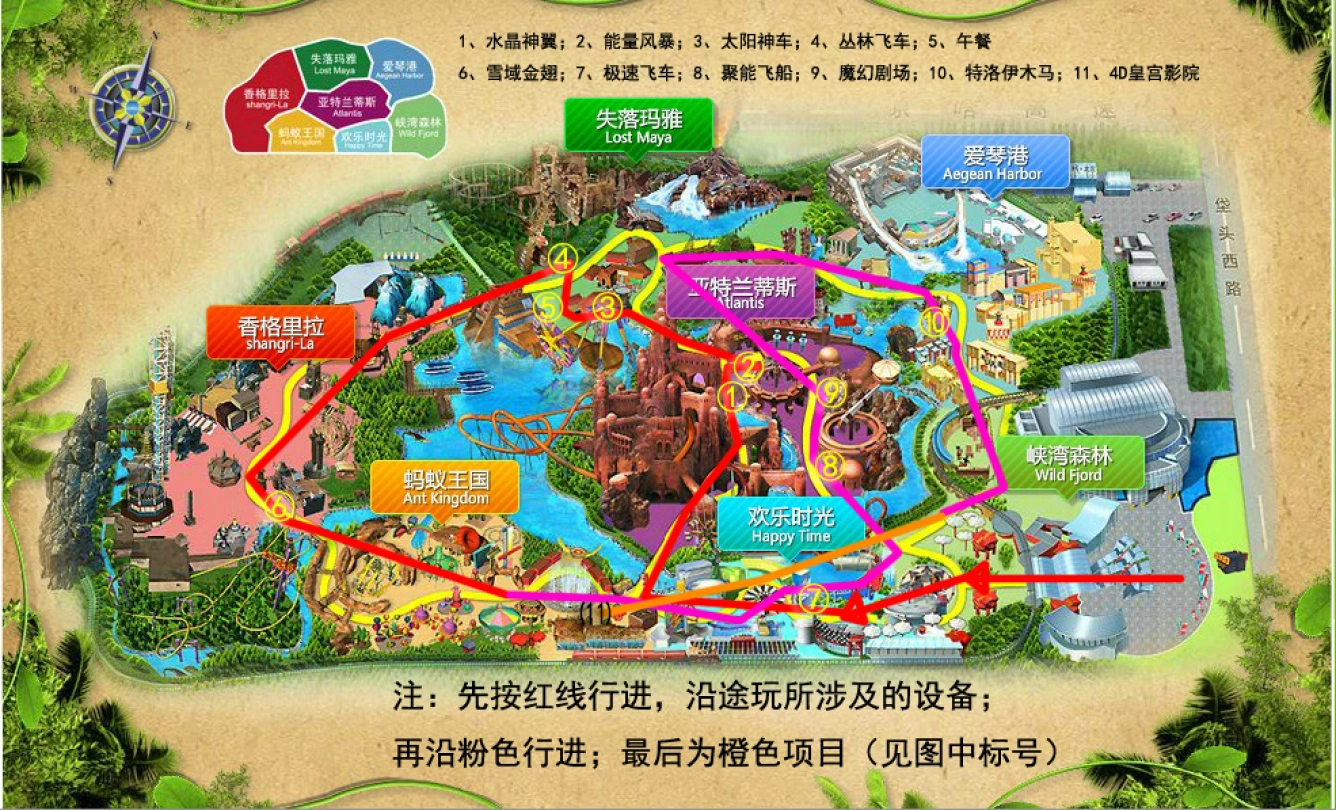
Beijing Happy Valley Ultimate Money-Saving Guide: Ride Everything, See Every Show in One Day
Here is the SEO-optimized, rewritten article based on the source material. It is structured for readability, keyword density, and user engagement, targeting approximately 1500 words. SEO Title: Beijing Happy Valley Ultimate Money-Saving Guide: Ride Everything & See Every Show in One Day Meta Description: Maximize…
Continue reading...
Peking: A Seven-Day Journey Between Old Dreams and New Realities – An SEO-Optimized Travel Guide
Meta Description: Explore Beijing in 7 days: from 798 Art District and Summer Palace to Houhai nightlife and Panjiayuan market. Discover hidden gems, local eats, and travel tips in this SEO-optimized itinerary. Some cities you never set foot in, yet you have painted them in…
Continue reading...
Four Seasons in Beijing: A Complete Guide to Experiencing the Capital's Year-Round Beauty
Meta Description: Discover Beijing through all four seasons in this comprehensive guide. From late summer ginkgo leaves to winter snow at the Forbidden City, explore the capital's hidden gems, cultural festivals, and timeless charm. On the first day of August, I boarded a northbound train…
Continue reading...