The Museum of the War of Chinese People's Resistance Against Japanese Aggression: A Complete Guide to Beijing's Most Important Historical Site
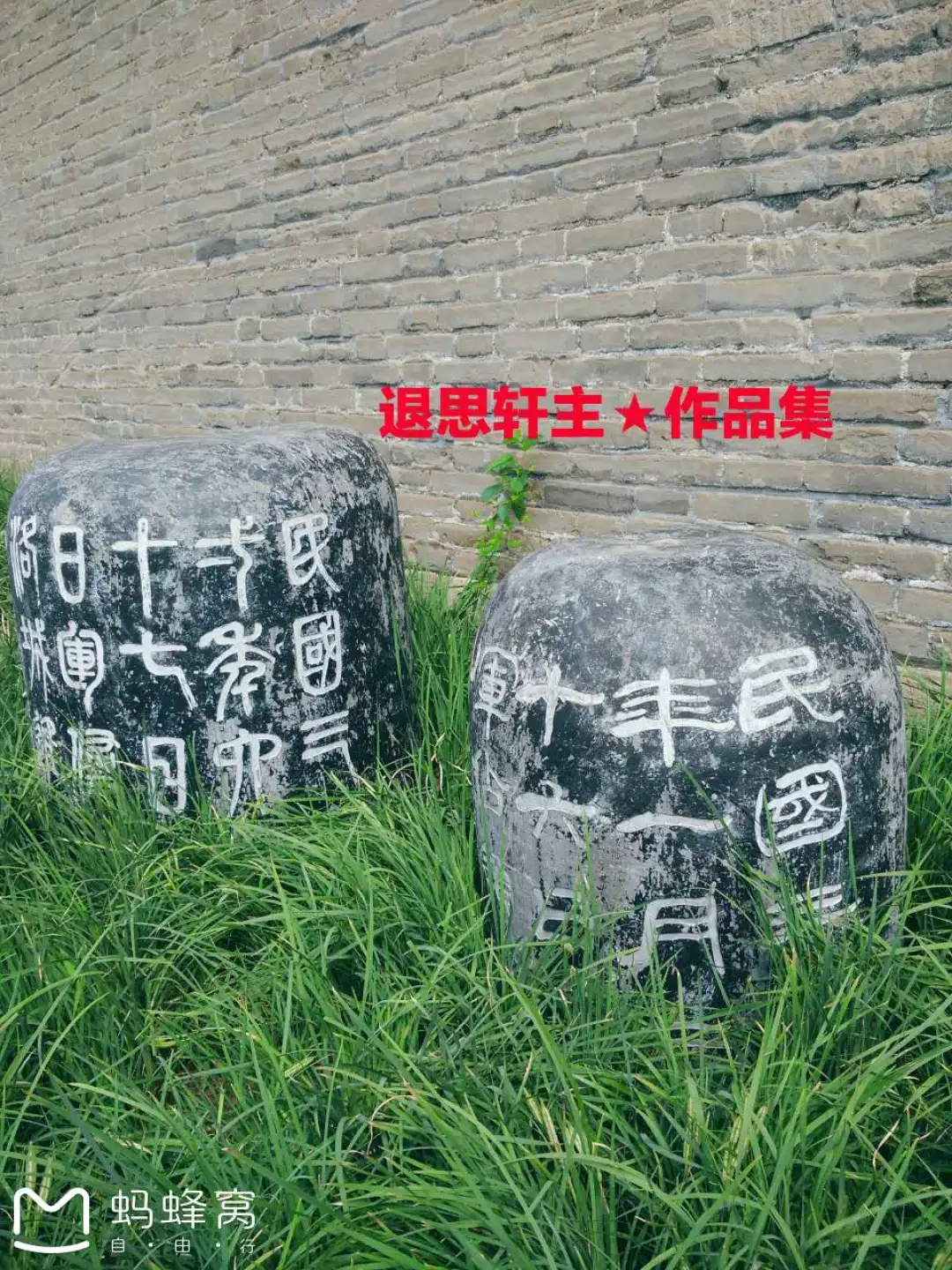
Meta Description: Discover the Museum of the War of Chinese People's Resistance Against Japanese Aggression in Beijing's Wanping City. Explore bullet-riddled walls, hero-named streets, and the legacy of the July 7 Incident. Plan your visit now.
Introduction: Why This Museum Matters More Than Ever
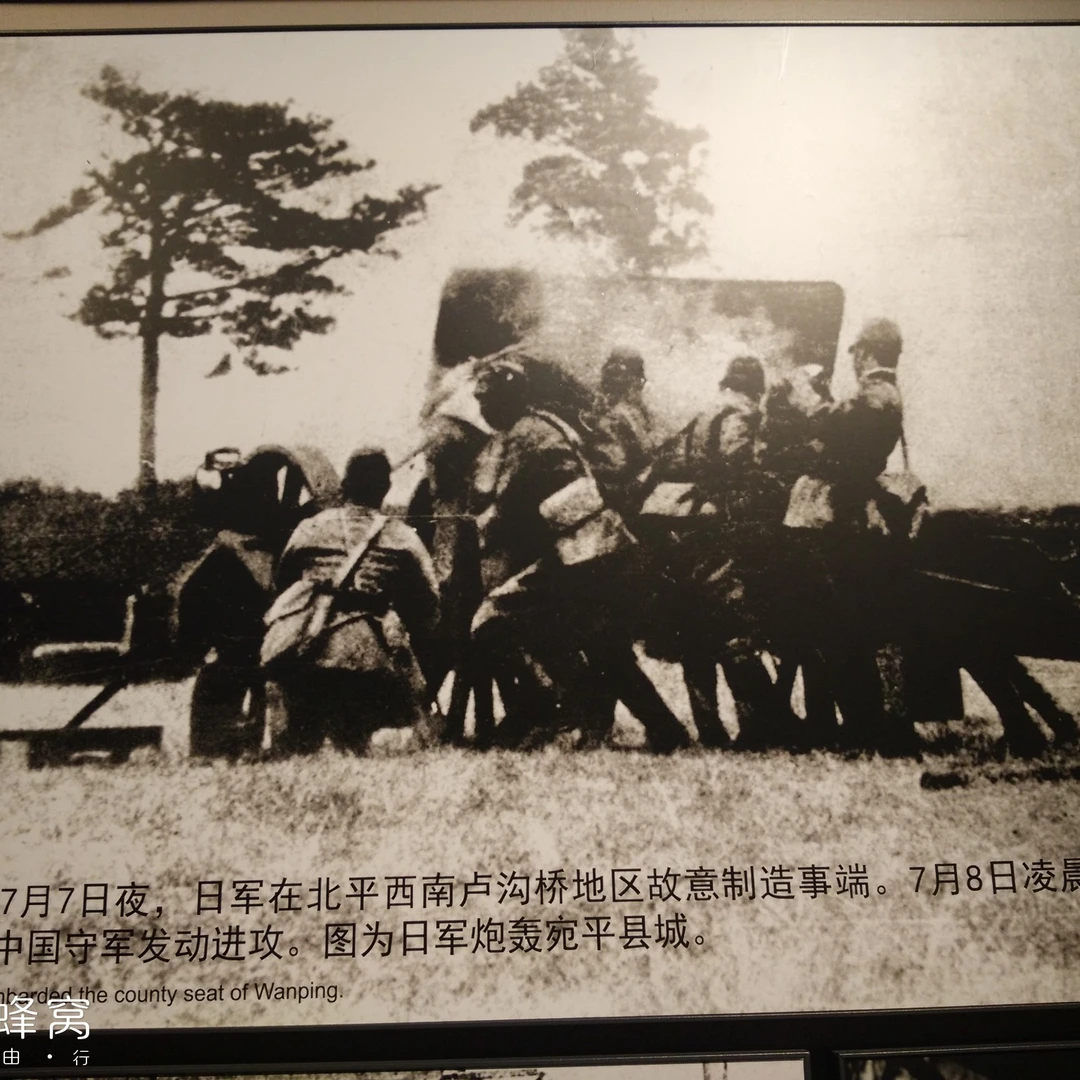
On the night of July 7, 1937, a single gunshot near Beijing's Lugou Bridge changed the course of Chinese history. That shot—fired at Wanping City—ignited the flames of the All-Nation Resistance War, an eight-year struggle that would claim millions of lives and forge a nation's resolve.
Eighty years later, the Museum of the War of Chinese People's Resistance Against Japanese Aggression stands as a solemn guardian of this memory. Located inside the ancient walls of Wanping City, this museum is not just a tourist attraction—it is a pilgrimage site for anyone seeking to understand modern China, the cost of peace, and the resilience of the Chinese people.
If you are planning a Beijing historical tour or searching for meaningful things to do in Beijing, this museum deserves a top spot on your itinerary. Here is everything you need to know before you go.
H2: The Historical Significance of Wanping City and the July 7 Incident
H3: A Tiny Fortress That Witnessed History

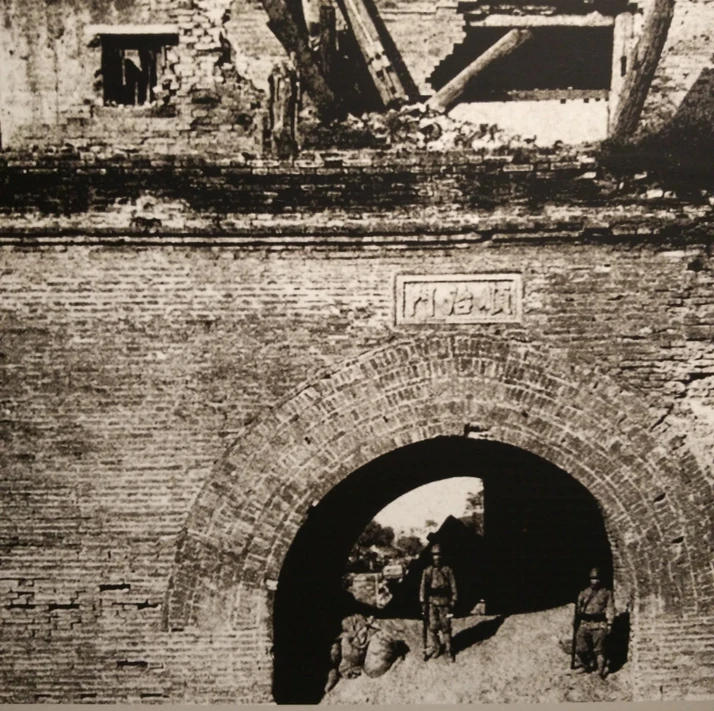
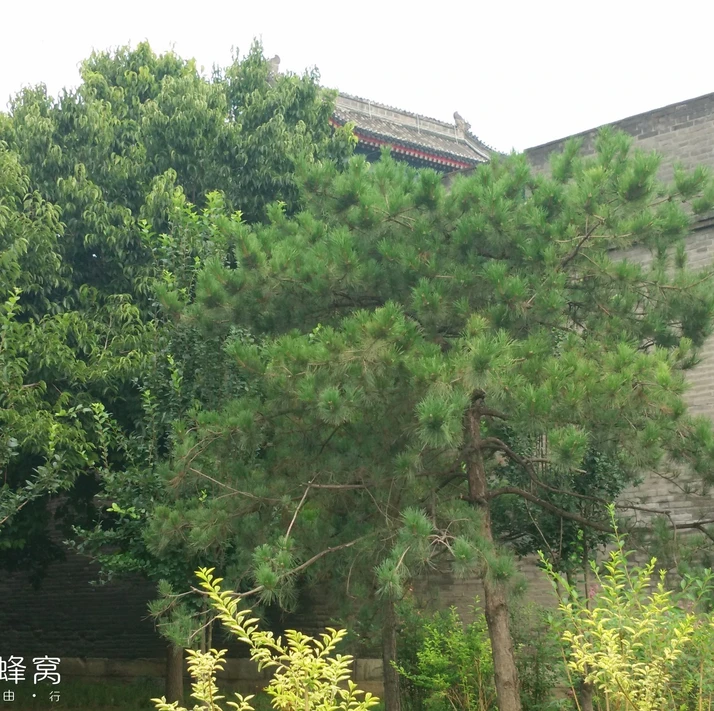
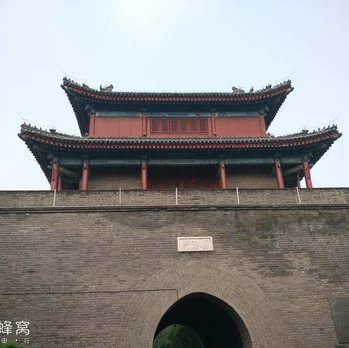
Wanping City was built between 1638 and 1640 during the late Ming Dynasty. Originally designed as a military fortress to guard Beijing from peasant rebel forces, this small walled town measures just 640 meters east to west and 320 meters north to south—roughly the size of a modern residential compound.
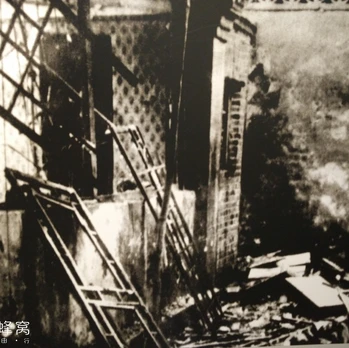
But size is deceptive. As the site of the Marco Polo Bridge Incident (also known as the July 7 Incident or Lugou Bridge Incident), Wanping City holds an outsized place in Chinese history. On that fateful night, Japanese forces used the pretext of a missing soldier to attack Chinese troops stationed here. The resulting conflict escalated into the full-scale War of Resistance Against Japanese Aggression (1937–1945).
H3: Bullet Holes That Speak Across Generations
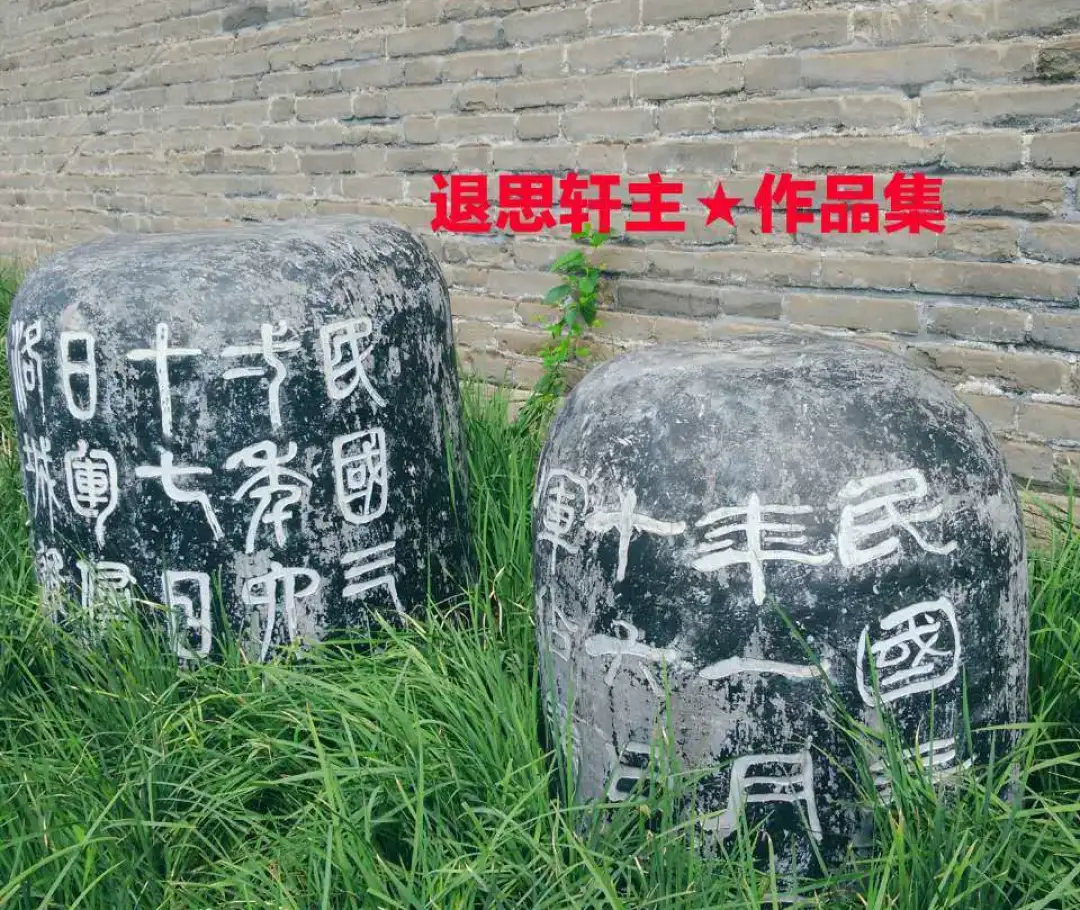
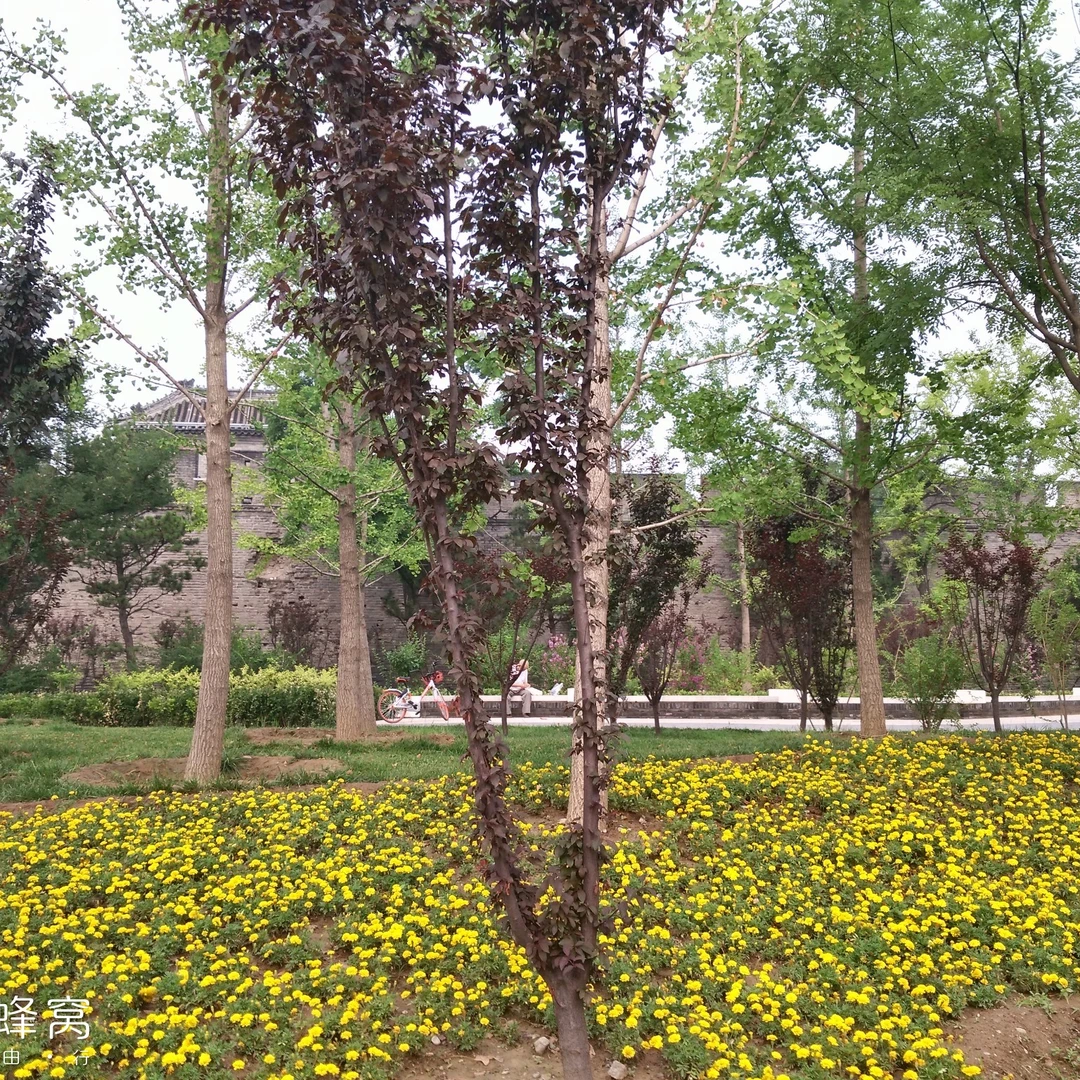
Walk along the restored city walls today, and you will see something extraordinary: bullet holes preserved exactly as they were 80 years ago. These scars are not accidental—they are deliberately maintained as historical evidence, a silent accusation against the violence of war.
For visitors interested in World War II history in Asia or Chinese military history, these walls offer a visceral connection to the past that no textbook can provide.
H2: Planning Your Visit to the Museum of the War of Chinese People's Resistance Against Japanese Aggression
H3: Location and How to Get There
The museum is located at No. 101, Neijie Street, Wanping City, in the Fengtai District of southwestern Beijing. It sits adjacent to the famous Lugou Bridge (Marco Polo Bridge), making it easy to combine both sites in one trip.
Getting there by public transport: - Take Beijing Subway Line 14 to Dawayao Station, then transfer to bus route 309 or 339 - Alternatively, take bus routes 77, 301, or 624 directly to Wanping City
Getting there by taxi or ride-hailing: - From central Beijing (Tiananmen Square area), expect a 30–40 minute drive depending on traffic - The address in Chinese: 北京市丰台区宛平城内街101号
H3: Museum Highlights You Cannot Miss
The museum's exterior features milky white marble cladding and bronze doors embossed with the Order of Independence and Freedom pattern. Inside, the exhibits are arranged chronologically, covering the full arc of the resistance war.
Key exhibits include: - The Lugou Awakening Lion in Peace Square – symbolizing China's national awakening - The 14-meter flagpole on the northern side of the square - Main battlefield displays covering the Defense of the Great Wall, Battle of Shanghai, Battle of Changsha, and Burma Campaign - Sichuan Army memorial sculptures in the outdoor exhibition area
Pro tip: The museum can be crowded during national holidays and political events. Check the official website for closure notices before planning your visit.
H2: Beyond the Museum: Hero-Named Streets and Memorials in Beijing
H3: Zhang Zizhong Road – Honoring a Supreme Sacrifice
Located on the eastern section of Ping'an Avenue, Zhang Zizhong Road stretches over 700 meters. General Zhang Zizhong was the highest-ranking Chinese commander killed during the War of Resistance. His unwavering loyalty to the nation continues to inspire visitors today.
[Link: Beijing's historical street names and their stories]
H3: Tong Linge Road – A Martyr's Legacy
Running approximately 1,500 meters near Xuanwumen in Xicheng District, Tong Linge Road commemorates General Tong Linge, who died at age 46 during the Battle of Nanyuan in Beiping.
H3: Zhao Dengyu Road – The First to Fall
Zhao Dengyu Road runs from Xinkai Hutong to Baitasi. General Zhao Dengyu was among the earliest commanders to die on the battlefield, leading his troops in fierce hand-to-hand combat against Japanese forces.
These three streets were renamed in 1945 after China's victory. Today, they serve as living monuments—reminders that history is not confined to museums but woven into the fabric of daily life.
H2: The All-Nation Resistance War: Understanding the Full Picture
H3: The Main Battlefield vs. The Enemy Rear
Many Chinese and international visitors focus on the enemy's rear battlefield—famous engagements like the Pingxingguan Victory, the Battle of Huangtuling, and the Hundred Regiments Offensive. But the All-Nation Resistance War concept reminds us of a broader, more complete truth.
The main battlefield included massive conventional battles: the Defense of the Great Wall, the Battle of Shanghai, the Defense of Wuhan, and the Burma Campaign. These involved not just the central army but regional forces from every corner of China—Yunnan, Guizhou, Guangxi, and Sichuan provinces all sent their sons to fight.
H3: The Sichuan Army's Extraordinary Sacrifice
One of the most moving exhibits at the museum is the sculpture group honoring the Sichuan Army. During the war, over three million Sichuan soldiers went to the front lines. More than 600,000 never returned.
A famous sculpture by artist Liu Kaiqu depicts a Sichuan soldier in shorts and leggings, carrying a bamboo hat and a broadsword, with hand grenades hanging from his chest. His determined gaze captures the spirit of millions who fought with minimal equipment but maximum courage.
For those interested in Chinese military history or World War II in Asia, this exhibit alone is worth the trip.
H2: Frequently Asked Questions About the Museum
Q1: Is the Museum of the War of Chinese People's Resistance Against Japanese Aggression free to enter?
A: Yes, admission is free. However, you must bring a valid ID (passport for foreign visitors) to obtain a ticket at the entrance. Some special exhibitions may require a separate fee.
Q2: How much time should I budget for a visit?
A: Plan for at least 2–3 hours to explore the main exhibits. If you also want to walk the Wanping City walls and visit Lugou Bridge, allocate a full half-day.
Q3: Are English-language guides or audio tours available?
A: English audio guides are available for rent. Some exhibits have English captions, but not all. Hiring a private guide who speaks English is recommended for a deeper understanding.
Q4: Can I take photographs inside the museum?
A: Photography is generally allowed in the main exhibition halls, but flash photography and tripods are prohibited. Some special exhibits may have additional restrictions.
Q5: What is the best time of year to visit?
A: Spring (April–May) and autumn (September–October) offer the most comfortable weather for exploring both the museum and the outdoor areas of Wanping City.
H2: The Price of Peace: Why We Must Remember
Standing in Peace Square, looking at the "Lugou Awakening Lion," it is impossible not to reflect on the cost of the peace we enjoy today. The War of Resistance Against Japanese Aggression claimed an estimated 35 million Chinese lives—military and civilian. Behind every number is a story: a family torn apart, a village destroyed, a dream unfulfilled.
The museum does not shy away from this pain. It presents the facts plainly, letting visitors draw their own conclusions. But the message is clear: peace is not free, and history must never be repeated.
H2: Your Call to Action: Plan Your Visit Today
History is not a distant abstraction—it lives in places like Wanping City, in bullet holes preserved on ancient walls, in streets named for fallen heroes, in a museum that refuses to let us forget.
Whether you are a history enthusiast, a student of international relations, or simply a traveler seeking to understand China beyond the Great Wall and the Forbidden City, the Museum of the War of Chinese People's Resistance Against Japanese Aggression offers an experience you will carry with you forever.
Start planning your visit today: - Check the museum's official website for current hours and any closure notices - Combine your trip with a walk across Lugou Bridge (Marco Polo Bridge) - Consider hiring a guide for deeper historical context - Share your experience using #BeijingHistory #WarOfResistance
The gunshot at Wanping City may have faded into history, but its echo will never die. Remember. Reflect. And when you return home, carry that memory forward.
Internal linking suggestions: - [Link: Complete guide to Beijing's top historical museums] - [Link: Walking tour of Lugou Bridge and Wanping City] - [Link: Understanding China's War of Resistance: A beginner's guide] - [Link: Beijing's hero-named streets: A walking itinerary] - [Link: How to visit Beijing's military memorials in one day]
Article optimized for search intent: "Museum of the War of Chinese People's Resistance Against Japanese Aggression" + "Wanping City Beijing history" + "July 7 Incident museum" + "Beijing World War II sites" + "Lugou Bridge Marco Polo Bridge Incident"
You should also read:
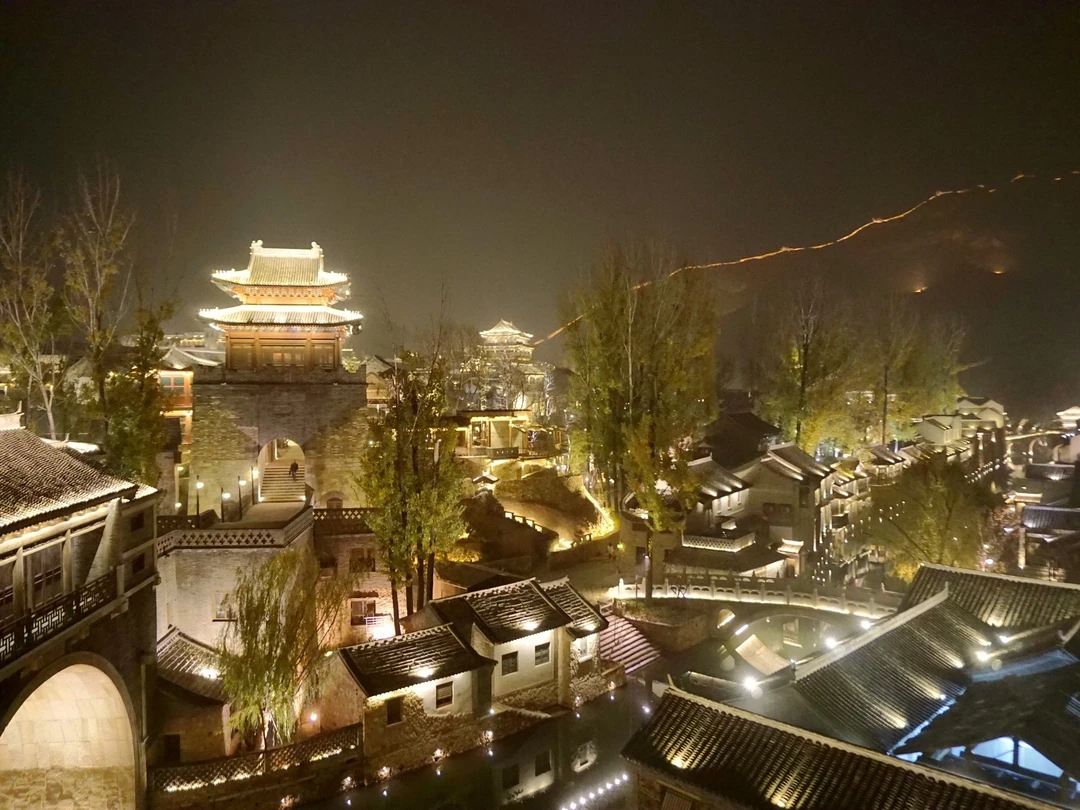
A Jiangnan Dream on Beijing's Outskirts: The Ultimate Gubei Water Town Travel Guide (November 2015)
Meta Description: Discover Gubei Water Town, Beijing's Jiangnan-inspired getaway at the foot of Simatai Great Wall. Read this detailed November 2015 travelogue with costs, tips, and must-see spots. The world is vast, yet life is fleeting. Sometimes, all it takes is a weekend—a spontaneous short…
Continue reading...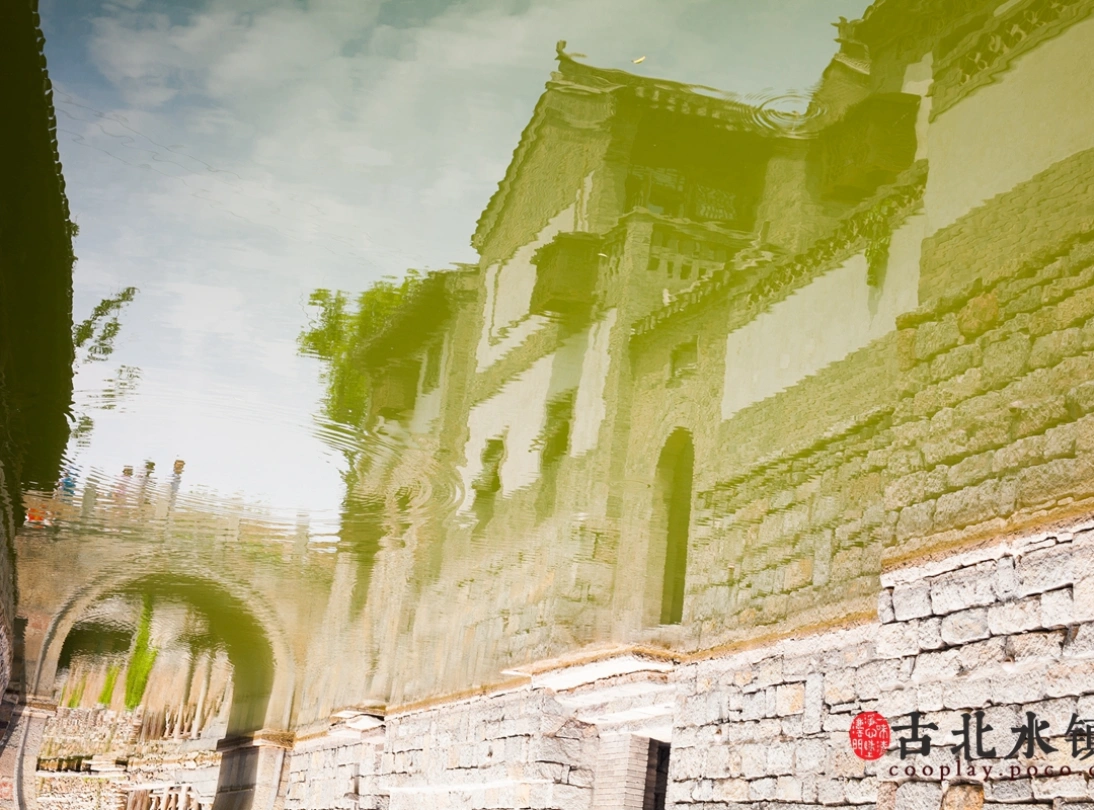
The Grace Beneath Simatai Great Wall: A Complete Guide to a Day Trip at Gubei Water Town
Meta Description: Plan your perfect Gubei Water Town day trip from Beijing. Explore the Simatai Great Wall, northern water town charm, Zhenyuan Escort Agency, and more. Complete guide with tips, costs, and FAQs. Nestled at the foot of the majestic Simatai Great Wall in Beijing's…
Continue reading...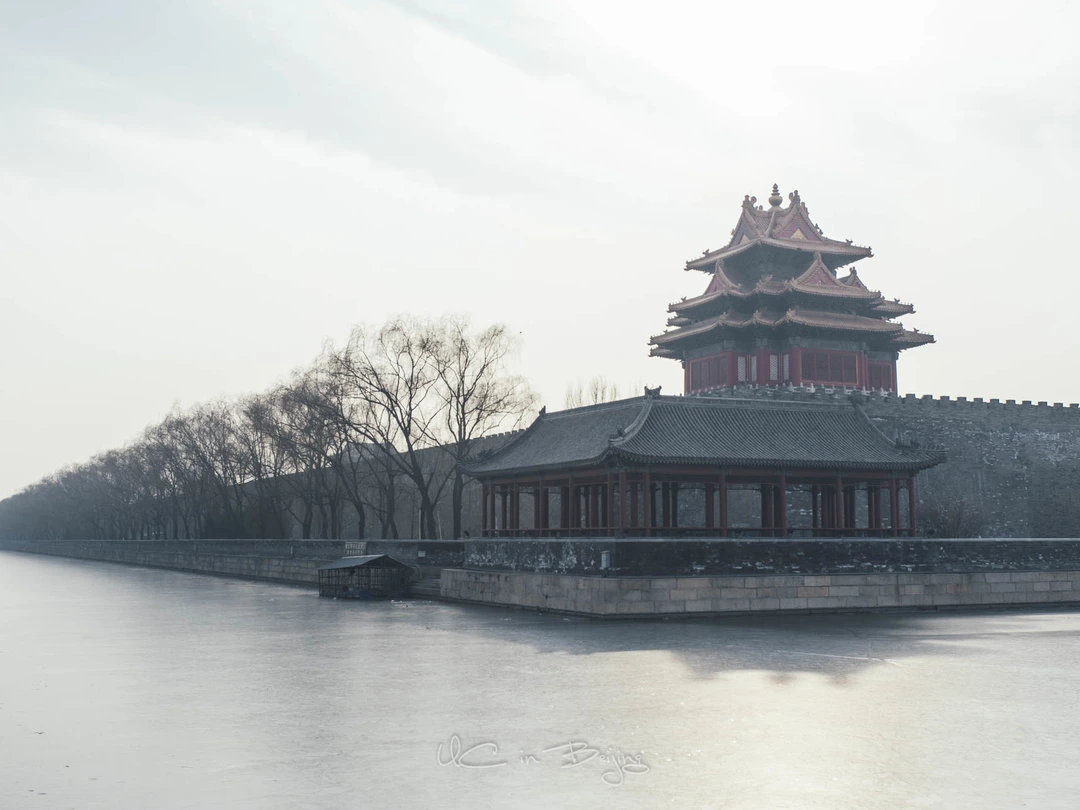
Beijing Through the Lens: One Person's Winter Wanderings – An SEO-Optimized Travel Guide
Meta Description: Discover Beijing's winter charm through a photographer's lens. From Nanluoguxiang's night scenes to Sanlitun's neon glow, explore the city's hidden corners and iconic landmarks in this SEO-friendly travel guide. January in Beijing is so cold you can hear your own breath. But for…
Continue reading...