The Northern Tibetan Plateau: A Complete Guide to Trekking the Changtang Wilderness
Meta Description
Discover the raw beauty of the Northern Tibetan Plateau. This comprehensive guide covers Changtang grassland trekking, survival tips, gear essentials, and the spiritual journey of wandering Tibet's "Forbidden Zone of Life." Plan your adventure today.
Introduction: When Wandering Becomes a Faith
I often introduce myself as a dreamer who happens to be a wanderer. It sounds simple, but it took me years to craft this definition—understated yet carrying a hint of rebellion, fitting my soul like a glove.
Over the years, I've never held a "proper" job. I've carried that so-called "home" on my back, drifting aimlessly across landscapes. To fend off the concerned inquiries of relatives and friends, I occasionally slap the label "traveler" on myself—just so I'm not mistaken for a good-for-nothing. By old-school standards, I probably belong to the same category as the beggars of old society.

But here's the truth: deep down, we all harbor dreams. Some people make family their everything. Others chase career success. Some find peace in simplicity, others are obsessed with money, and some are devoted to love. My choice is just one of countless possibilities—neither noble nor despicable.
I'm addicted to the sight of the sun rising over different landscapes. I crave the feeling of a free heart galloping across the wilderness. I thrive on the thrill of exploring the unknown.
And Tibet—this place that haunts my dreams—is like a sacred flame of desire, endlessly tempting me. Even from thousands of miles away, that fire flickers in my mind, luring me to throw myself into that passionate land of tranquility.
This time, the flame ignited from the Northern Tibetan Plateau.
Chapter One: Wandering the Northern Tibetan Plateau – A Hitchhiker's Tale
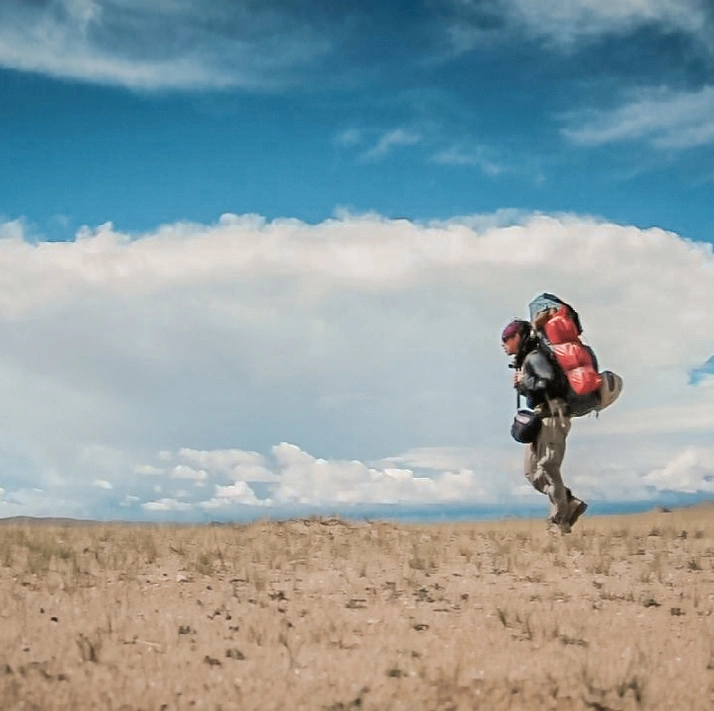
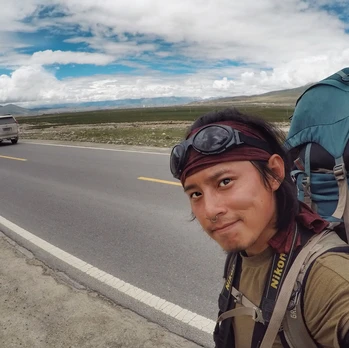
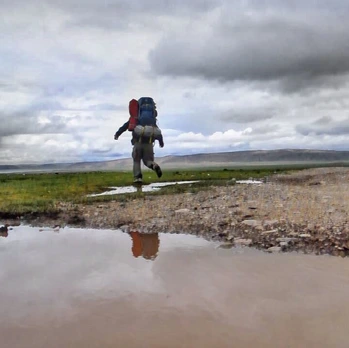
This story recounts my journey from Lhasa all the way to the vast grasslands of Northern Tibet. Before setting out, I had no clear destination—only a general direction. Every stop would follow my gut feeling.
"Wander with the utmost abandon" became my guiding motto.
I started writing this travelogue even before departure, updating it section by section as I went. This approach works especially well for forgetful people like me, and it captures more vividly the stories that unfolded and the emotions triggered by the scenery along the way.
Budget Travel in Tibet: Hiking and Hitchhiking
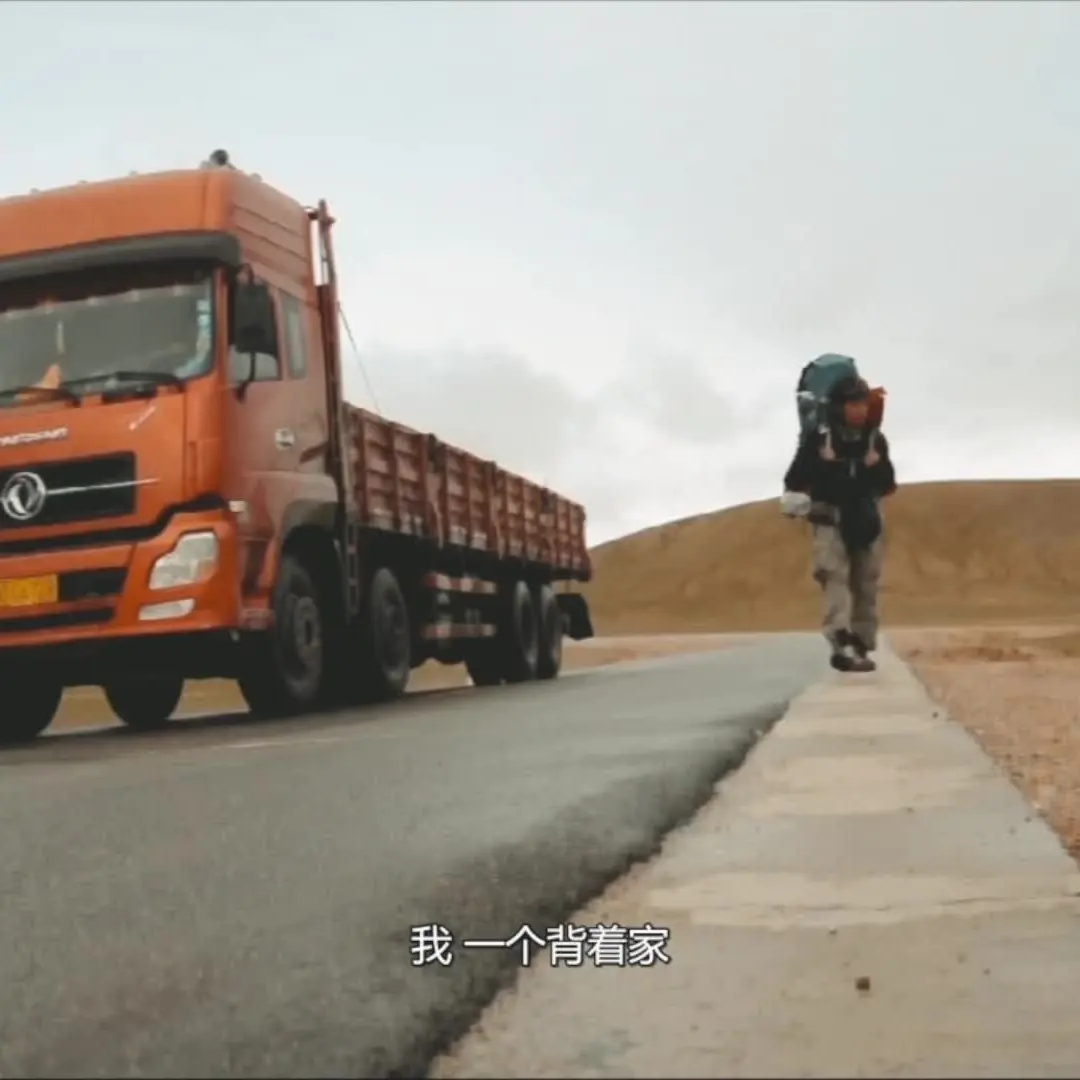
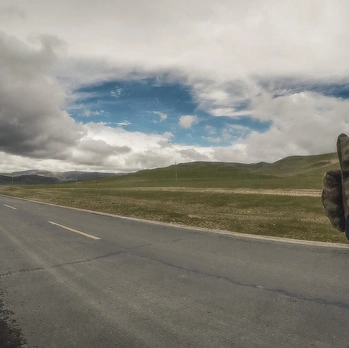
My mode of travel could be described as "ultimate budget level"—hiking plus hitchhiking. Many people look down on this, especially the drivers who've picked me up.
The reason is simple: too many ragged predecessors, after scoring a free ride, would get an inflated sense of confidence from their walking sticks, thinking they'd earned the ride through sheer charm, and then insist on showing off some fancy moves. A poor "beggar" pretending to be a carefree wanderer—scamming food and rides—eventually ruins the reputation for everyone.
On this point, I swore to distance myself from them. Once I get in a car, I become a humble "cog," carrying a grateful heart. We're all wanderers in this world—bragging too much just leaves a bad taste.
Important safety note: Although hitchhiking saves money and offers unique experiences, I don't necessarily recommend it. The risks are uncontrollable. If there's a traffic accident, insurance claims become void—there have even been cases where hitchhikers demanded compensation from drivers. For women, the risks double. The wilderness is not only enchanting; it can also awaken primal instincts. While most people in the world are good, nothing is black and white—good and evil often hang by a thread. Safety comes first.
Accommodation in the Northern Tibetan Wilderness
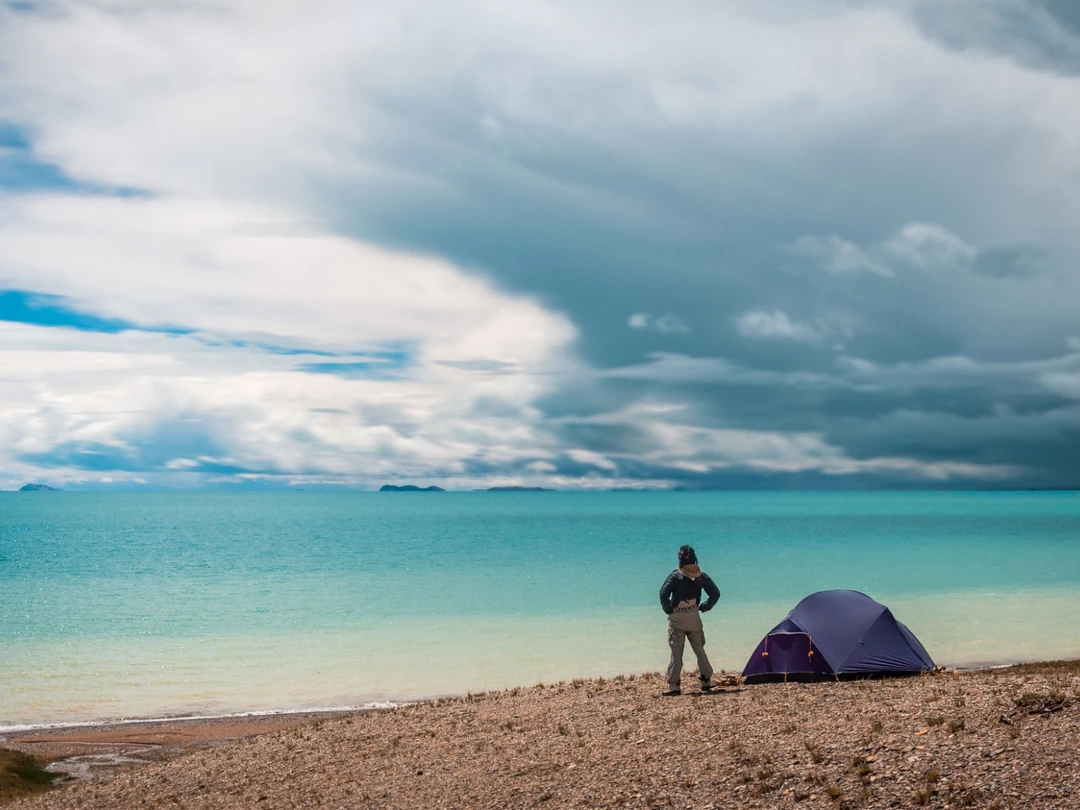
My accommodation was either my double tent or the mud houses of herders along the way. The one time I had a chance to stay at a hostel, I was turned away by a "stinky wall." My rating criteria for lodging were simple—price, comfort, and amenities were all irrelevant; only the environment earned any stars.
[Link: Best budget hostels in Lhasa for pre-trip planning]
Chapter Two: The Northern Tibetan Grassland – The Forbidden Zone of Life
The Northern Tibetan Grassland refers to the vast high plateau in northern Tibet, primarily the Changtang Grassland within Nagqu Prefecture. The average elevation exceeds 4,500 meters (14,764 feet) . Scholars and experts describe this barren land as desolate and terrifying, calling it the "Forbidden Zone of Life."
Yet, one hundred million years ago, this area was an ocean—part of the "Ancient Mediterranean Sea." As the Indian tectonic plate grew restless and began its northward "migration," the seabed was gradually uplifted, and the flat lines swelled into voluptuous curves.
Although traces of human activity from the Paleolithic era have been found on the southern edge of Changtang, it remains one of the few geographical blank spots on Earth still not fully understood by humans. The extreme altitude and harsh climate make survival nearly impossible—back in the day, customs officials stationed here would basically keel over.
It wasn't until 1976, with the development of the Northern Tibetan uninhabited region and the establishment of the Wenbu and Shuanghu administrative offices, that this wilderness truly saw permanent human settlement.
Climate Characteristics of the Changtang Plateau
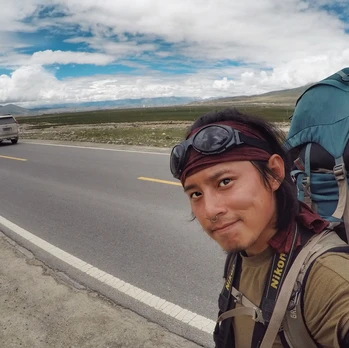
Solar radiation is extremely intense. During the hottest afternoon hours, if you don't wear sunglasses, you'll soon develop a "fiery-eyed" look—feel free to give it a try.
There are only two seasons here: cold and warm. Spring and autumn don't bother showing up. Often, you'll be wearing shorts one day, and wake up the next to snow as deep as those shorts. The annual average temperature hovers between -0.9°C and 0.3°C (30.4°F to 32.5°F) —low temperatures with a large annual variation.
The air is dry, with rainfall concentrated between May and September, mostly as night rain. On lonely nights, heavy downpours often accompany you, with thunder and lightning turning the natural world into a nightclub that keeps you partying all night long.
From November to March, it's the dry and windy season in Northern Tibet. Records show that fierce winds sometimes blow herders' livestock into lakes, causing severe economic losses. Good thing I didn't go up there during that season—otherwise, I might have discovered what it feels like to be an ant in a hurricane.
[Link: Best time to visit Tibet – seasonal guide]
Chapter Three: Preparation – Packing Your Home into a Backpack
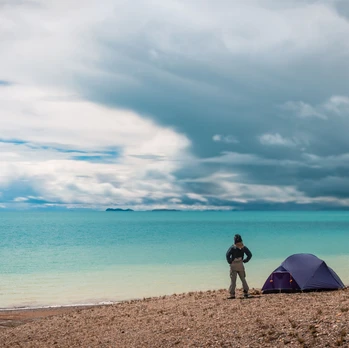
Due to my lack of knowledge, I spent months planning at home, covering everything from culture and geography to outdoor skills and photography. At thirty-something, having such a thirst for learning made me want to applaud myself—though reality was busy booing at my memory, which had lost billions of brain cells.
Camera Gear for Tibetan Plateau Photography
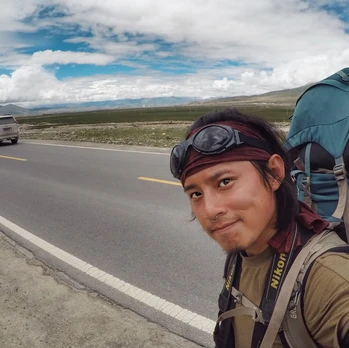
Nikon D90 DSLR – Why this "antique"? What other explanation is there besides that it matches my vibe? At least it performs better than my iPhone 5, and hey, it was borrowed from a friend.
GoPro – An action camera with a built-in "Parkinson's" video effect. Calling it an antique might be a stretch; I can only marvel at how fast technology has advanced. Its only redeeming quality is that it helps viewers exercise their necks—by bobbing along with the shaky footage.
Pro tip: For serious photography on the Tibetan Plateau, invest in a modern mirrorless camera with good low-light performance. The Changtang's vast landscapes demand wide-angle lenses.
Charging Solutions for Remote Travel
The unpredictability of the journey made charging a major issue. If I couldn't find a power source for several days, all my electronics would become useless junk. Fortunately, I had a magic tool to turn waste into treasure—a solar charging panel. This cost-effective gadget was custom-made by a skilled friend. Under stable, sunny conditions, it could charge up to 10,000 mAh in a day.
Recommended: Bring a high-capacity power bank (20,000 mAh or more) as backup for cloudy days.
Stove Selection for High-Altitude Cooking
This time, I went with a double safety measure, bringing both a gas stove and a liquid fuel stove. Currently, buying gas canisters in Tibet is becoming increasingly difficult. The one-size-fits-all approach to safety regulations has basically pushed gas canisters off the market in many areas.
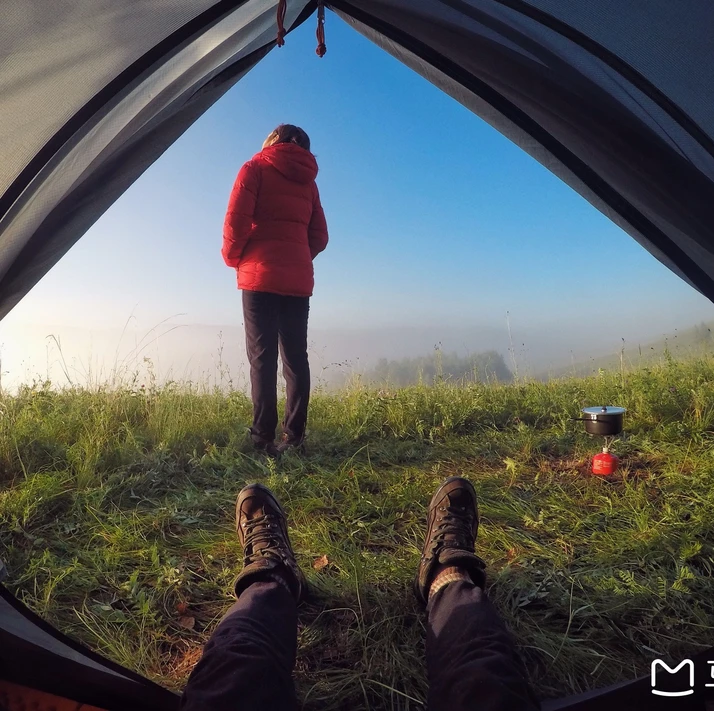
Why liquid fuel stoves are better for Tibet: They burn white gas, kerosene, or unleaded gasoline—all of which are easier to find in remote Tibetan towns. They also perform better at high altitudes where gas canisters lose efficiency.
[Link: Essential gear checklist for Tibetan Plateau trekking]
Chapter Four: The Spiritual Journey – Why the Northern Tibetan Plateau Calls
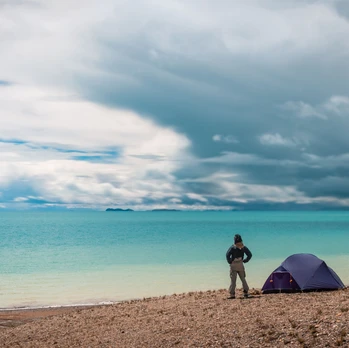
The Northern Tibetan Plateau isn't just a physical destination—it's a pilgrimage of the soul. When you stand on the Changtang Grassland, surrounded by nothing but wind, sky, and earth, you understand why wanderers like me keep coming back.
This is a place where silence speaks louder than words. Where the stars feel close enough to touch. Where the horizon stretches forever, and your problems shrink to nothing.
The Tibetan people call this land "Changtang" – the Northern Plain. But to those who have walked its vastness, it's a mirror reflecting your own inner wilderness.
Frequently Asked Questions About the Northern Tibetan Plateau
Q1: Is it safe to travel to the Northern Tibetan Plateau alone?
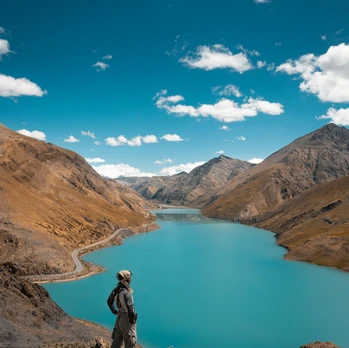 A: Solo travel in Northern Tibet carries significant risks. The extreme altitude (above 4,500m), harsh weather, and remote location make it essential to travel with at least one companion. If you go solo, inform someone of your itinerary, carry a satellite phone or personal locator beacon, and be prepared for emergencies. Hitchhiking adds additional risks, especially for women.
Q2: What is the best time to visit the Changtang Grassland?
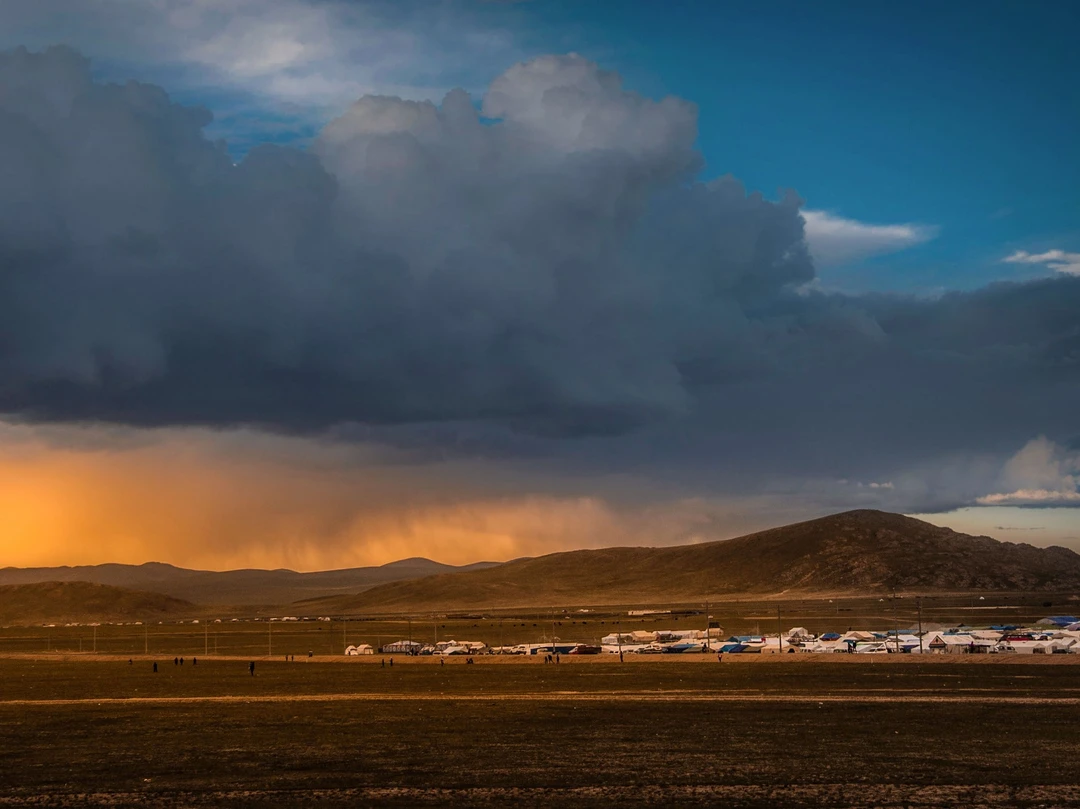 A: The best time is June to September, when temperatures are warmer and rainfall is concentrated. Avoid November to March, when dry, fierce winds can blow livestock into lakes and make travel extremely dangerous. Even in summer, be prepared for sudden snowstorms.
Q3: Do I need a permit to visit the Northern Tibetan Plateau?
 A: Yes. Foreign nationals require a Tibet Travel Permit and an Alien's Travel Permit for areas beyond Lhasa. Some remote areas of Changtang may require additional military permits. Always check current regulations with a licensed travel agency before planning your trip.
Q4: What should I pack for a Northern Tibet trek?
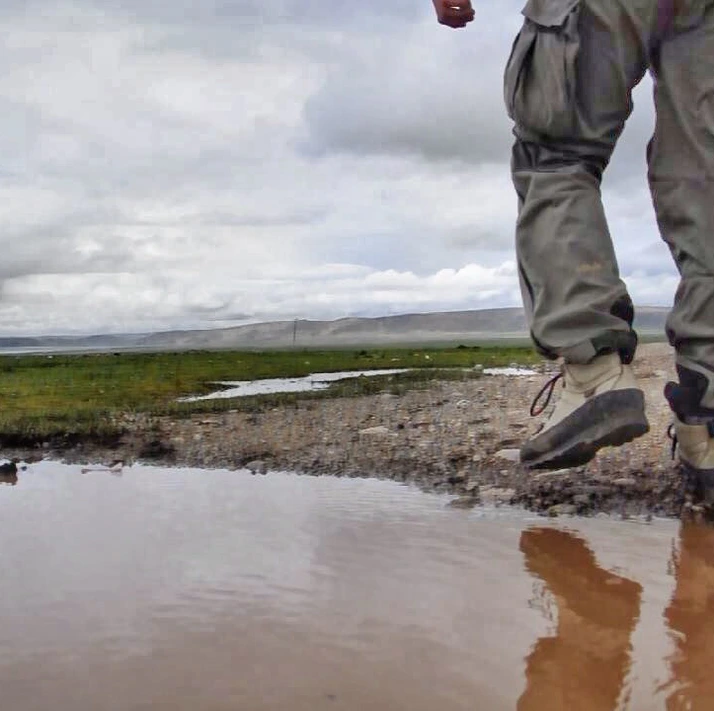 A: Essentials include: high-quality tent, sleeping bag rated to -10°C, solar charger, liquid fuel stove (gas canisters are hard to find), satellite phone, first-aid kit, altitude sickness medication, sunglasses (UV protection is critical), waterproof boots, and warm layers. Don't forget a camera—the landscapes are unforgettable.
Q5: How do I deal with altitude sickness on the Tibetan Plateau?
A: Acclimatize in Lhasa (3,650m) for at least 2-3 days before heading north. Stay hydrated, avoid alcohol, eat light meals, and ascend slowly. Carry Diamox (acetazolamide) as a preventive measure. If symptoms worsen (severe headache, vomiting, confusion), descend immediately. The Changtang's average elevation of 4,500m+ is no joke.
Conclusion: Your Journey Begins Now
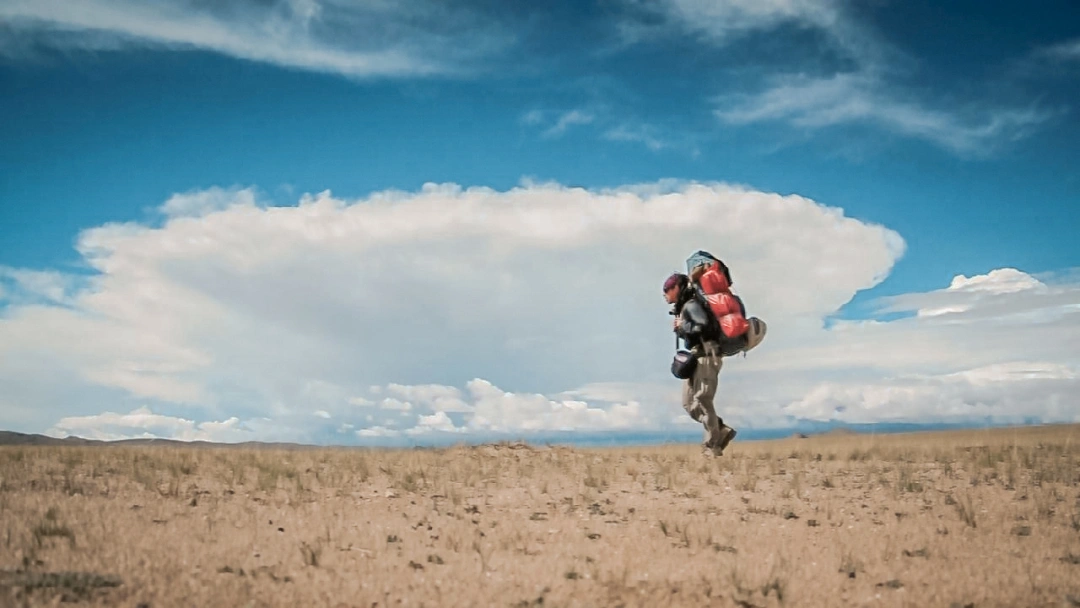
The Northern Tibetan Plateau is not for everyone. It's harsh, unforgiving, and demands respect. But for those who answer its call, it offers something priceless: a chance to stand at the edge of the world and discover who you really are.
Whether you're a seasoned trekker or a dreamer like me, the Changtang Grassland awaits. Pack your bag, check your gear, and let the wilderness change you.
Ready to start your own Northern Tibetan adventure? [Link: Book your Tibet travel permit and guided tour today]
"Wander with the utmost abandon" – and let the Northern Plateau write your story.
Internal Linking Suggestions: - [Link: How to get a Tibet Travel Permit in 2024] - [Link: Best hiking trails on the Tibetan Plateau] - [Link: Altitude sickness prevention guide for Tibet] - [Link: Budget travel tips for backpacking in Tibet] - [Link: Tibetan Plateau photography gear recommendations]
You should also read:
The Grace Beneath Simatai Great Wall: A Complete Guide to a Day Trip at Gubei Water Town
Meta Description: Plan your perfect Gubei Water Town day trip from Beijing. Explore the Simatai Great Wall, northern water town charm, Zhenyuan Escort Agency, and more. Complete guide with tips, costs, and FAQs. Nestled at the foot of the majestic Simatai Great Wall in Beijing's…
Continue reading...
A Winter Journey in Beijing: Romance and Misery at Minus Five Degrees – An SEO-Optimized Travel Guide
Meta Description: Discover the romance and misery of a winter trip to Beijing at -5°C. Explore snowy Jingshan Park, historic hutongs, and budget-friendly tips for a 4-day Spring Festival adventure. Some say Beijing is a city you both love and hate. You love its profound…
Continue reading...
Beijing Through the Lens: One Person's Winter Wanderings – An SEO-Optimized Travel Guide
Meta Description: Discover Beijing's winter charm through a photographer's lens. From Nanluoguxiang's night scenes to Sanlitun's neon glow, explore the city's hidden corners and iconic landmarks in this SEO-friendly travel guide. January in Beijing is so cold you can hear your own breath. But for…
Continue reading...