The Poetic Spring of the 600-Year-Old Forbidden City: A Complete Guide to Spring Blossoms & Ancient Poetry
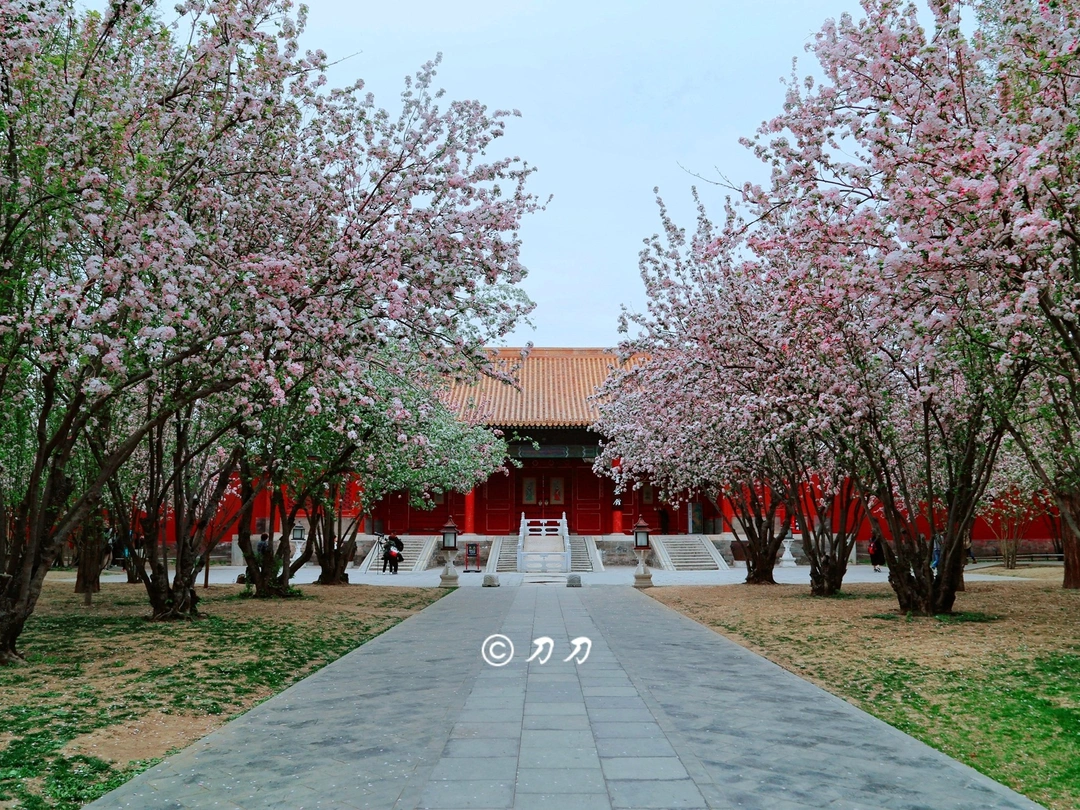
Meta Description: Discover the poetic spring of Beijing's Forbidden City, where 600-year-old architecture meets seasonal blossoms. Our guide reveals top viewing spots, ancient poetry connections, and why it takes years to witness perfect blooms.
Introduction: Why the Forbidden City's Spring Blossoms Are Worth a Three-Year Wait
The most moving journeys in life are often not to the farthest corners of the earth, but to a familiar corner where you encounter a long-awaited moment of wonder. For me, that corner is the Forbidden City in spring—a place where 600-year-old imperial architecture and fleeting blossoms create a symphony of beauty that took me three full years to fully experience.
When the spring breeze stirs, this ancient imperial city—witness to six centuries of shifting tides—quietly "refreshes" itself. The normally stern golden tiles and vermilion walls suddenly soften, as if even iron-hearted men have a tender side. The flowers and trees here are all "limited editions"—you can almost count them on your fingers: three pear trees, five apricot trees. But each one seems deliberately placed, blooming in sequence like a spring symphony rehearsed to perfection.
In 2019, storms made me miss the apricot blossoms and wisteria. In 2020, the Forbidden City closed due to the pandemic—"Lonely courtyard, late spring dusk; pear blossoms carpet the ground, doors shut tight." By the time it reopened in May, only roses and peonies remained. In 2021, winter's chill finally faded, and within the palace walls, a riot of colors emerged. Three years later, I had finally witnessed the brightest spring and the most splendid blossoms of the Forbidden City—and understood the poems that have been sung for a thousand years.
[Link: Best time to visit Forbidden City]
When Spring Blossoms Meet Ancient Poetry: The Forbidden City's 50-Day Floral Calendar
From the apricot blossoms in mid-March to the roses in early May, the Forbidden City's spring lasts about fifty days. During these fifty days, flowers bloom in succession. I selected ten of my favorite spring blossoms and called them the "Top Ten Spring Flowers"—a perfect ten for perfection.
Spring flowers can be found everywhere, and poetry has been sung for generations. But only when standing within the 600-year-old ancient architecture of the Forbidden City do you truly feel that beautiful appearances and interesting souls can be perfectly united.
Standing beneath a flowering tree, I often can't help wondering: Did the ancients, long ago, stand in the same spot, gaze at the same blossoms, and recite the same poems?
"Spring outing, apricot blossoms falling all over the hair. On the path, whose youthful son, full of grace?" — Wei Zhuang's apricot blossoms are the most brilliant sight of spring.
"After rain, the chill is light; before the wind, the fragrance is soft; spring resides in the pear blossoms." — Monk Zhongshu captures the spring equinox when pear blossoms fall like snow.
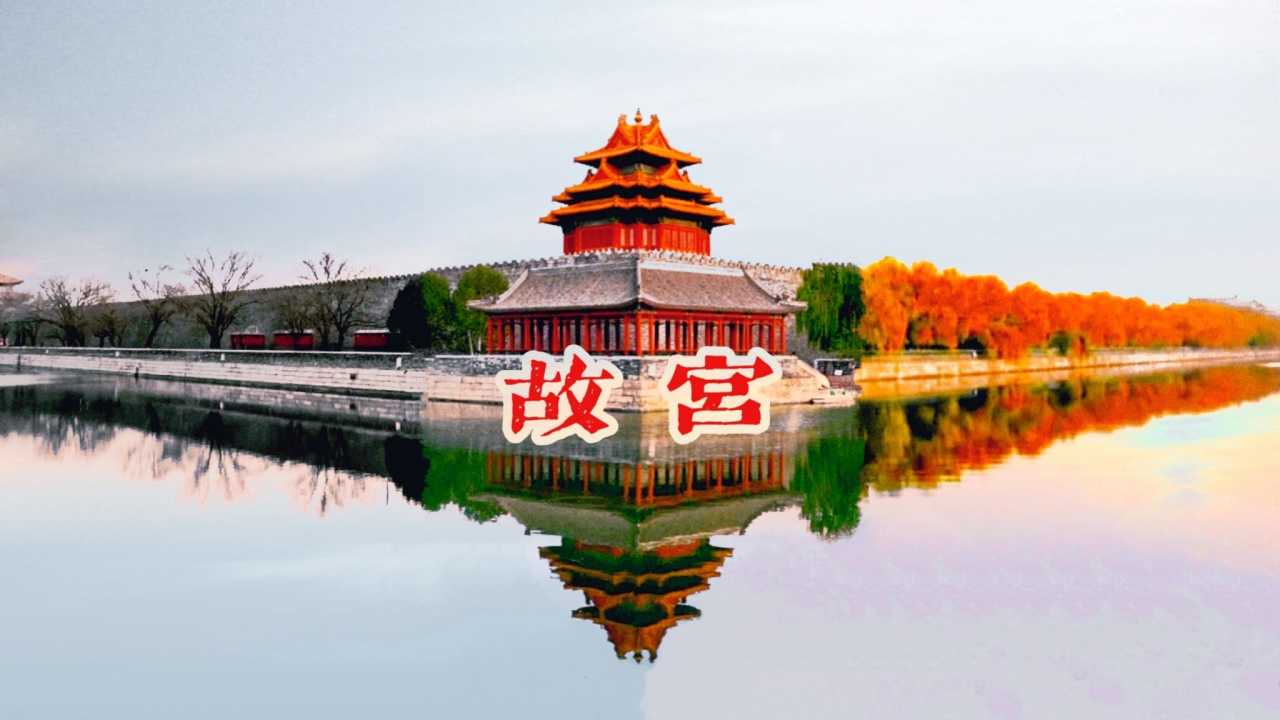
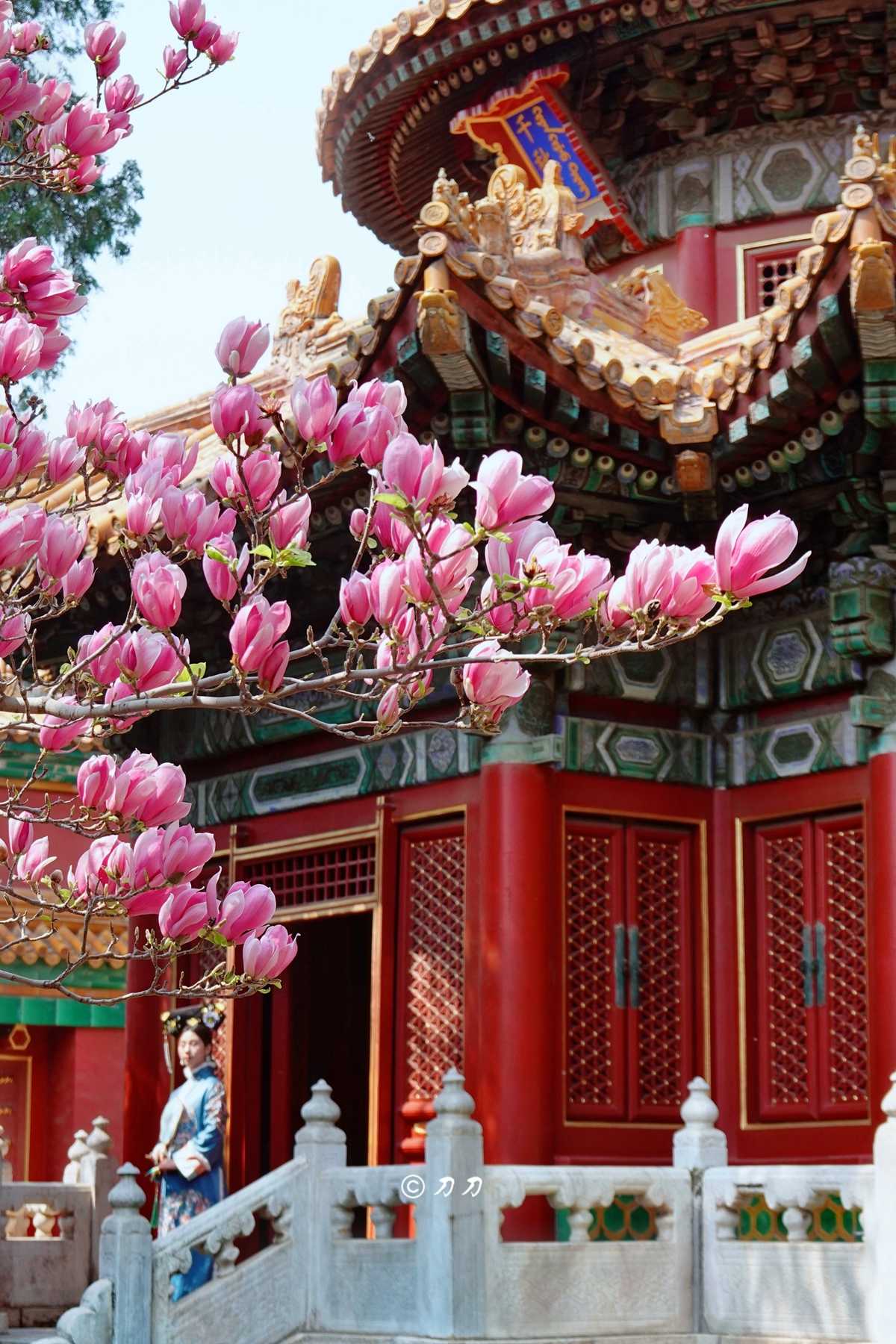
"Languidly leaning by the magnolia, watching the halo of the moon; words come softly, fragrance draws near." — Nalan Xingde's lovers brave the wind and rain to meet.
"The peach tree is young and elegant; brilliant are its flowers." — From the Book of Songs, peach blossoms burst forth in thousands of blooms.
"Heaven never ages, love never ends. The heart is like a double-threaded net, with a thousand thousand knots within." — Zhang Xian on eternal love.
"I ask the maid rolling up the screen, who says the crabapple is still the same. Don't you know, don't you know? It should be lush leaves and fading blooms." — Li Qingzhao's famous crabapple lament.
"The national beauty, drunk at dawn with wine; the heavenly fragrance, dyeing robes by night." — Li Zhengfeng's peonies became synonymous with "national beauty and heavenly fragrance."
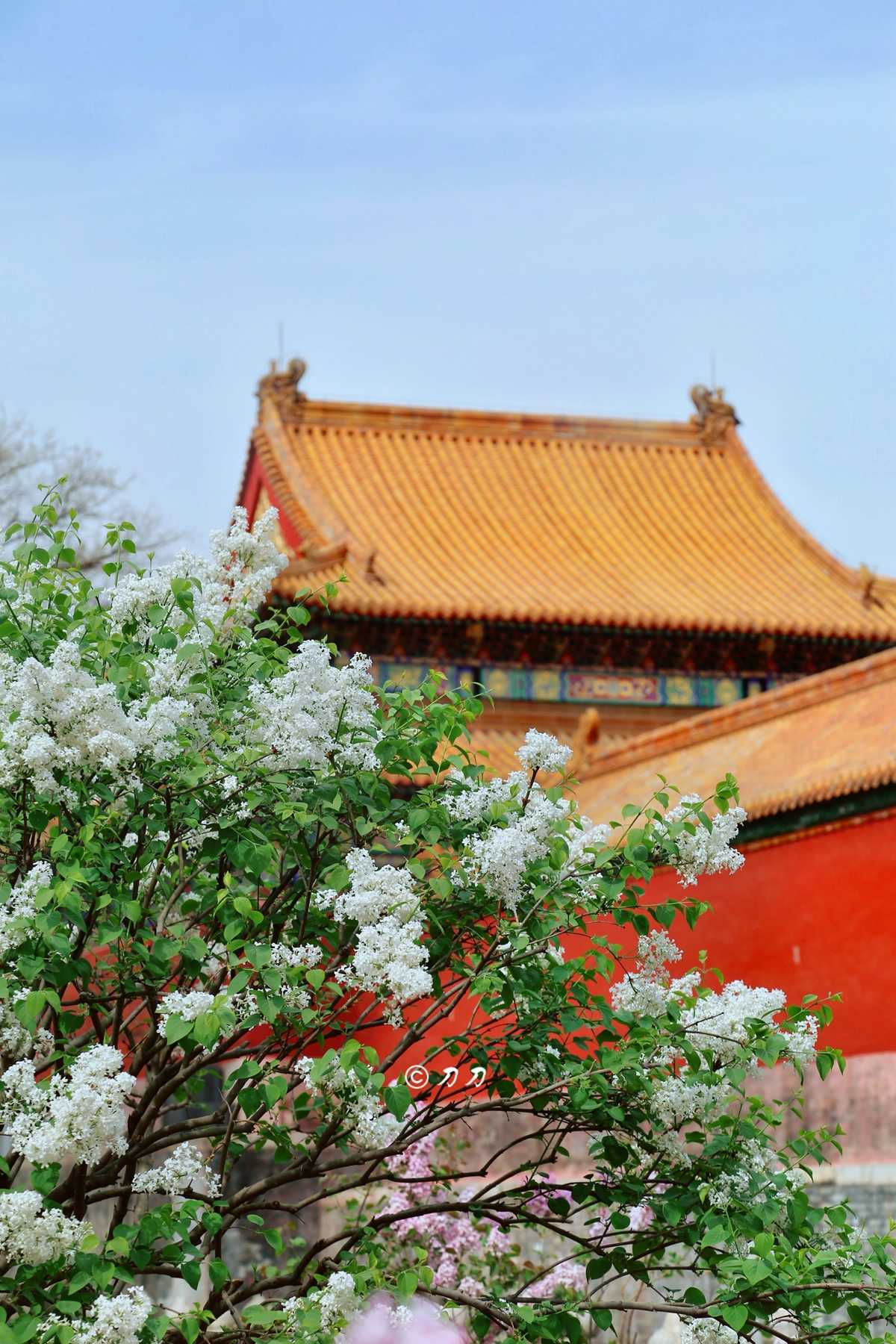
"Wisteria hangs from cloud-touching trees; its flowering vines love the sunny spring." — Li Bai on the third lunar month when wisteria blooms most profusely.
"They say no flower stays red for ten days, but this flower faces spring every day without fail." — Yang Wanli marvels at the rose's enduring beauty.
I. Apricot Blossoms: Spring Outing, Apricot Blossoms Falling All Over the Hair

Apricot blossoms are the most brilliant flowers of spring, yet also the most delicate. Their blooming period is notoriously hard to predict—still in bud one weekend, then a rise in temperature overnight, and suddenly, the Forbidden City's apricot trees are quietly in full bloom.
Fascinating trait: Apricot blossoms change color. When still in bud, they are like dots of rouge, clouds of red—just as the poem says, "The spring garden cannot be closed; a red apricot branch peeps out over the wall." When fully open, they turn pure white, like auspicious white clouds drifting down to earth.
Best viewing spots: Jade Emerald Pavilion, West Courtyard of Kun Ning Palace, Shoukang Palace, Zhongcui Palace
Apricot Blossom Rain Dampening the Clothes | Shoukang Palace
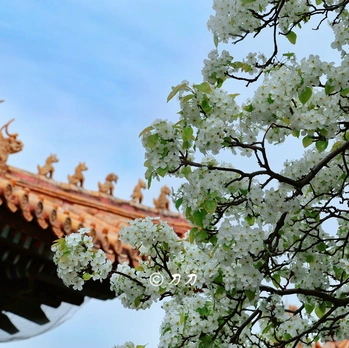
Shoukang Palace is located west of Cining Palace. Its first resident was Empress Dowager Chongqing—the historical inspiration for the character Zhen Huan in the popular TV series Empresses in the Palace. Every late March, beside the Shoukang Gate outside Cining Palace, an apricot tree stands alone, like a gentle woman admiring herself against the wall. Standing beneath it, you can almost hear Zhen Huan say, "That year, in the drizzling apricot blossom rain..."
The apricot blossoms are most beautiful at the moment of first bloom—thousands of rouge-red dots, flowers lush and graceful, capturing the essence of the spring breeze.
[Link: Forbidden City history and architecture]
A Red Apricot Branch Peeping Over the Wall | West Courtyard of Kun Ning Palace
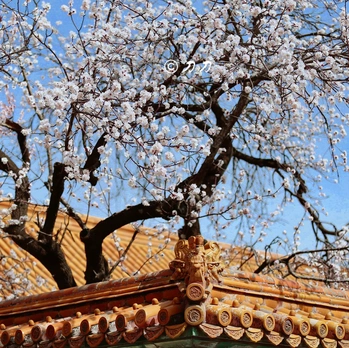
When you walk through the central axis of the Forbidden City, past the last of the rear three palaces—Kun Ning Palace—you'll inevitably recite Ye Shaoweng's famous line and feel it deeply.
The West Courtyard of Kun Ning Palace has two apricot trees, and they are very special—they are the only plants in the core area of the front three main halls and rear three palaces. The two trees are weathered and majestic, with large crowns and drooping branches that fill the small courtyard with a canopy of blossoms.
II. Pear Blossoms: Spring Resides in the Pear Blossoms
Pear blossoms are the most ethereal of the Forbidden City's spring flowers. Their pure white petals, when caught in a gentle breeze, create a scene that seems to pause time itself.

Best viewing spot: The pear tree at the Hall of Supreme Harmony's eastern side is the most famous—and most photographed—pear tree in the entire Forbidden City.
Pro tip: Visit early in the morning before the crowds arrive. The soft morning light filtering through the white petals creates a dreamlike atmosphere that photographers dream of.
III. Peach Blossoms: Brilliant Are Its Flowers
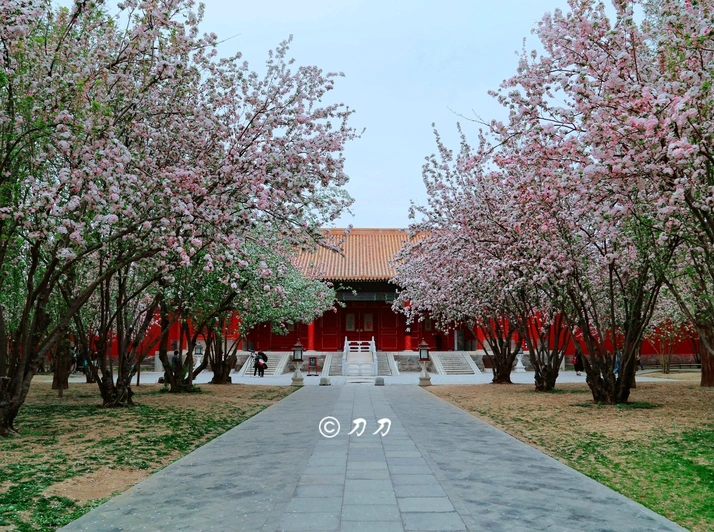
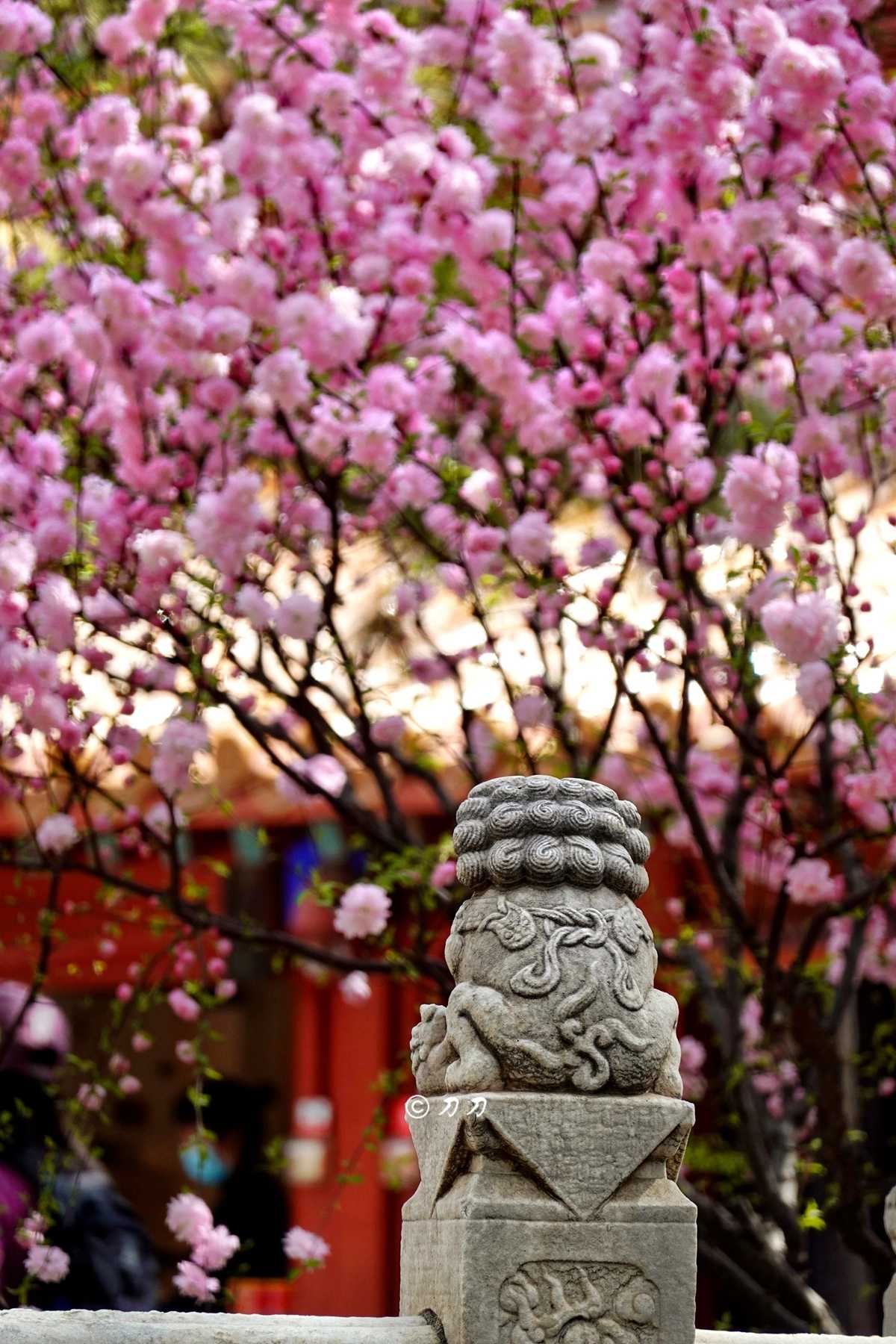
Peach blossoms bring a burst of vibrant pink to the Forbidden City's spring palette. As the Book of Songs says, "The peach tree is young and elegant; brilliant are its flowers."
Best viewing spots: The peach trees near the Palace of Earthly Tranquility and the Imperial Garden offer stunning contrasts against the deep red palace walls.
IV. Crabapple Blossoms: Lush Leaves and Fading Blooms
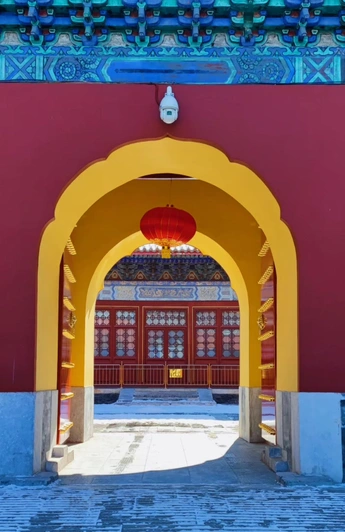
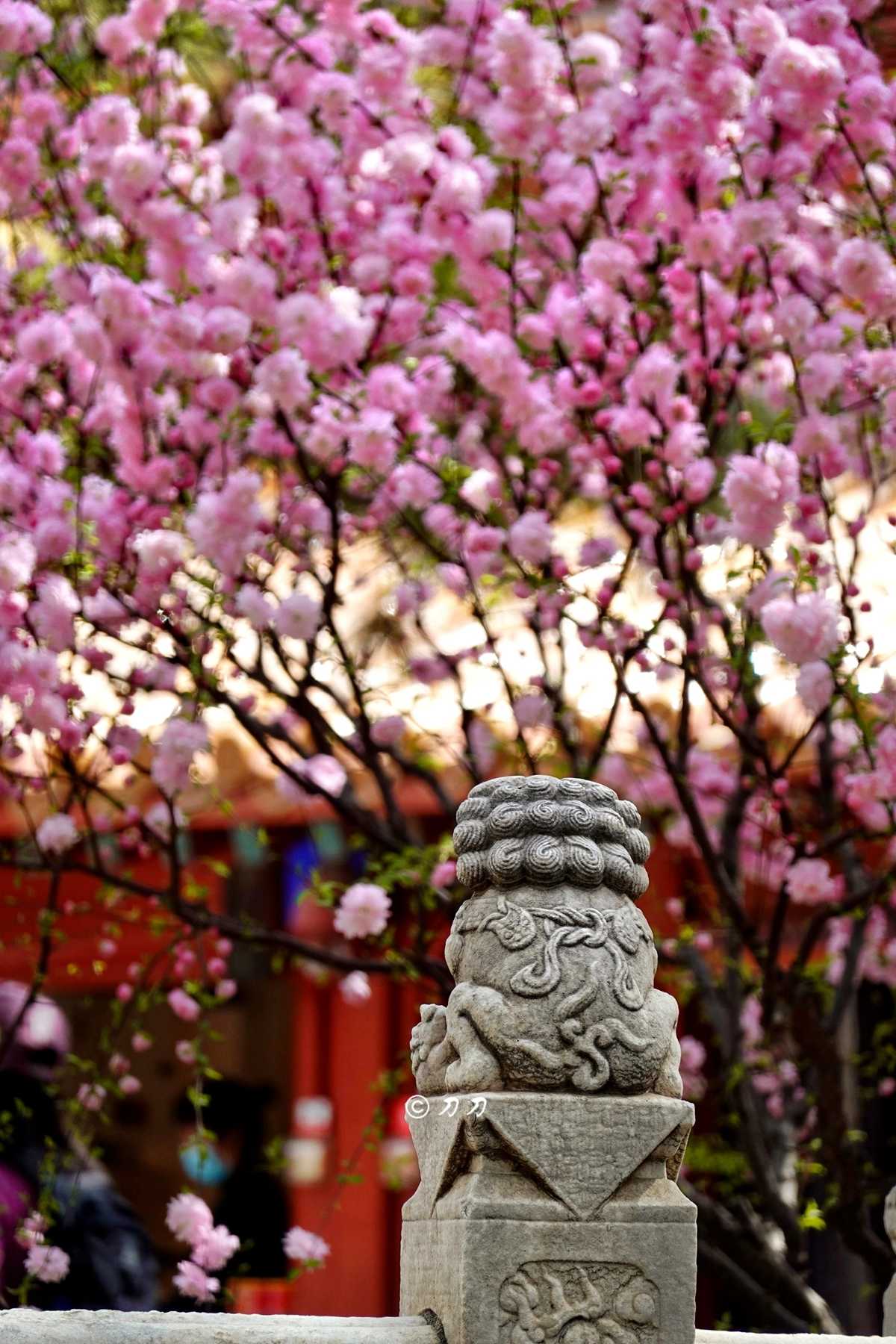
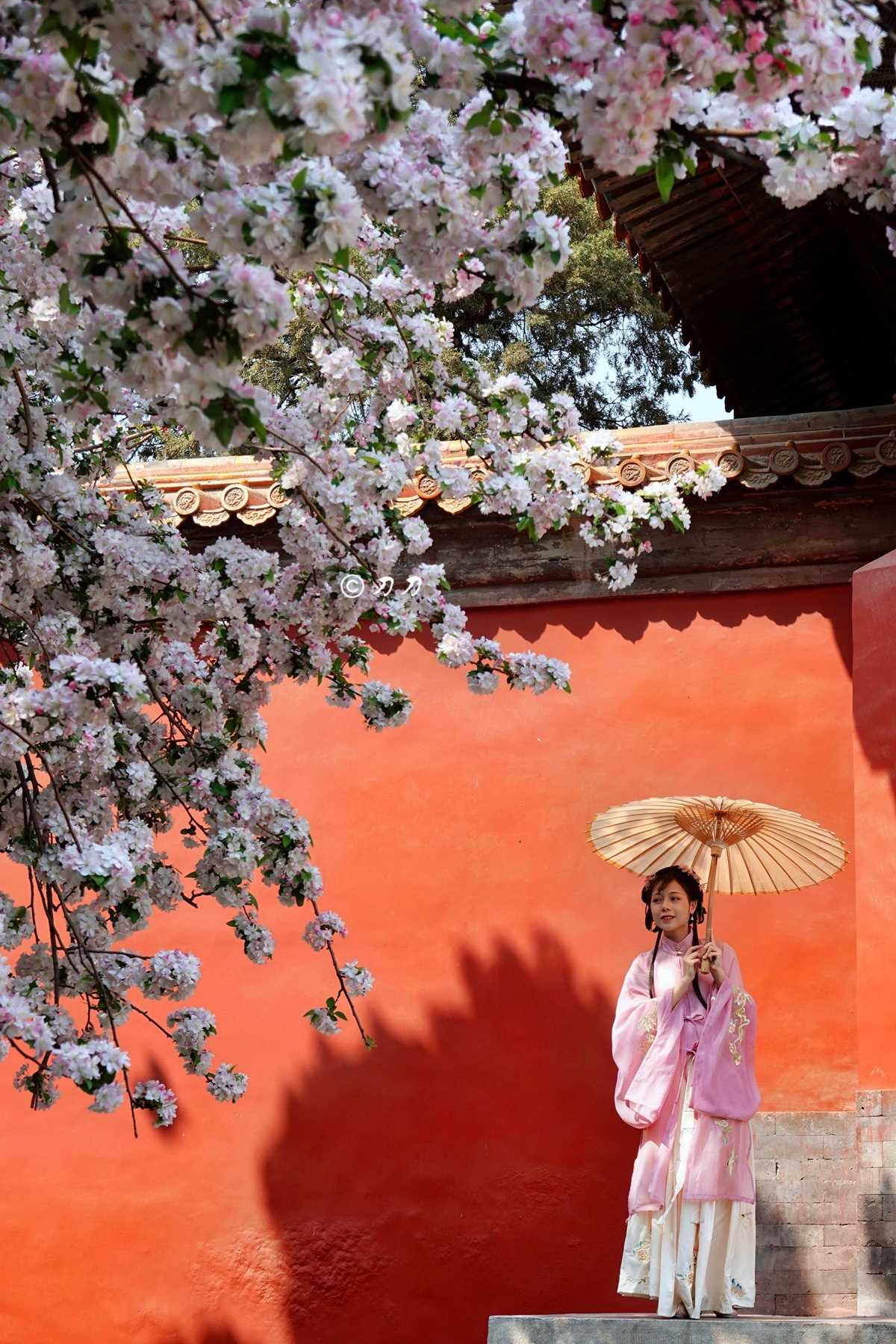
Crabapple blossoms are beloved for their delicate pink-and-white petals that seem to blush in the spring sunlight. Li Qingzhao's famous poem captures their fleeting beauty perfectly.
Best viewing spots: The crabapple trees at the Palace of Eternal Spring and the Garden of the Palace of Compassion and Tranquility are particularly magnificent.
V. Peonies: National Beauty and Heavenly Fragrance
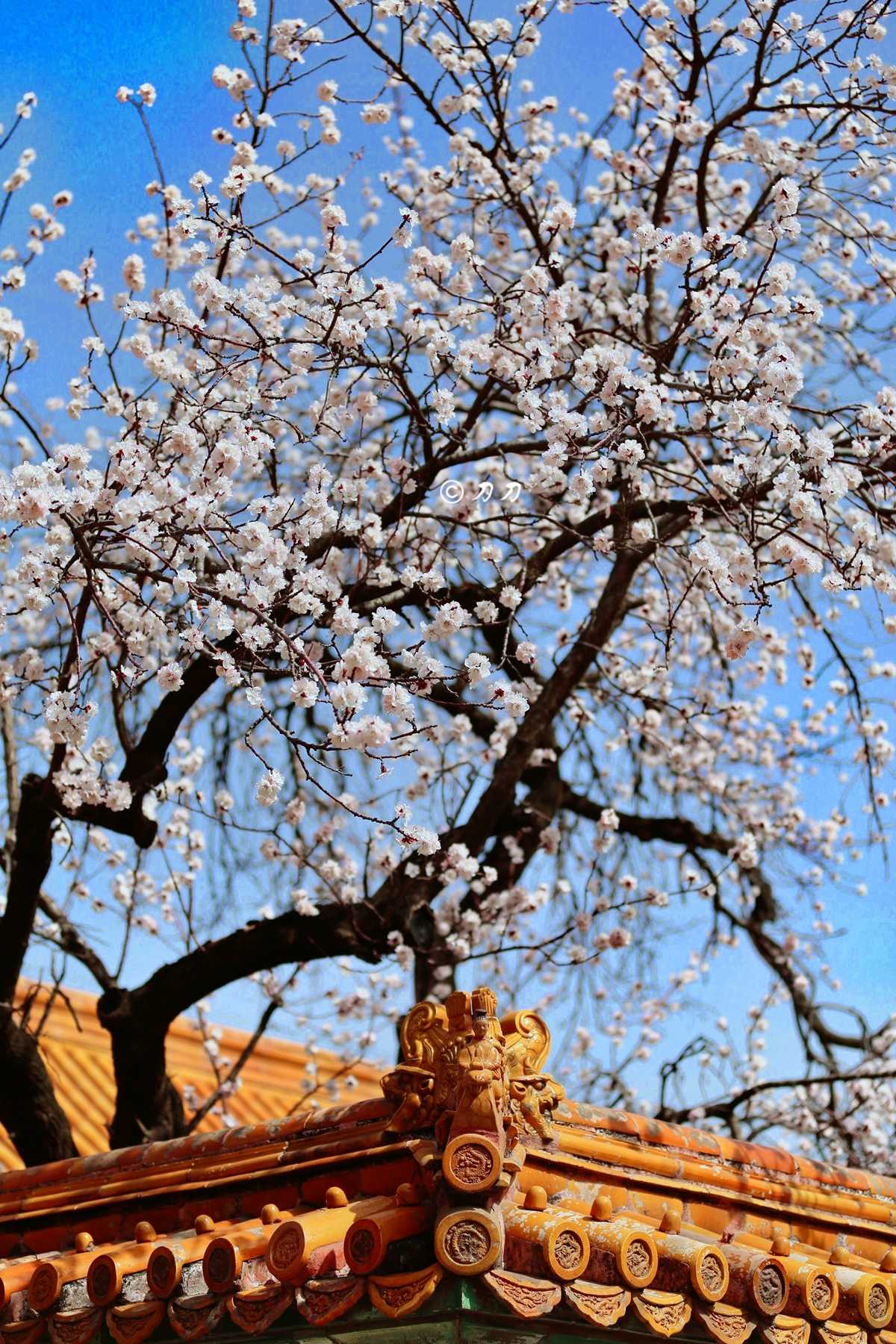
Peonies are the undisputed queens of the Forbidden City's spring flowers. Their luxurious, layered petals and rich colors have made them symbols of wealth and honor for centuries.
Best viewing spots: The peony garden at the Palace of Earthly Tranquility is the largest concentration of peonies in the Forbidden City. Visit in late April to early May for peak bloom.
VI. Wisteria: Its Flowering Vines Love the Sunny Spring
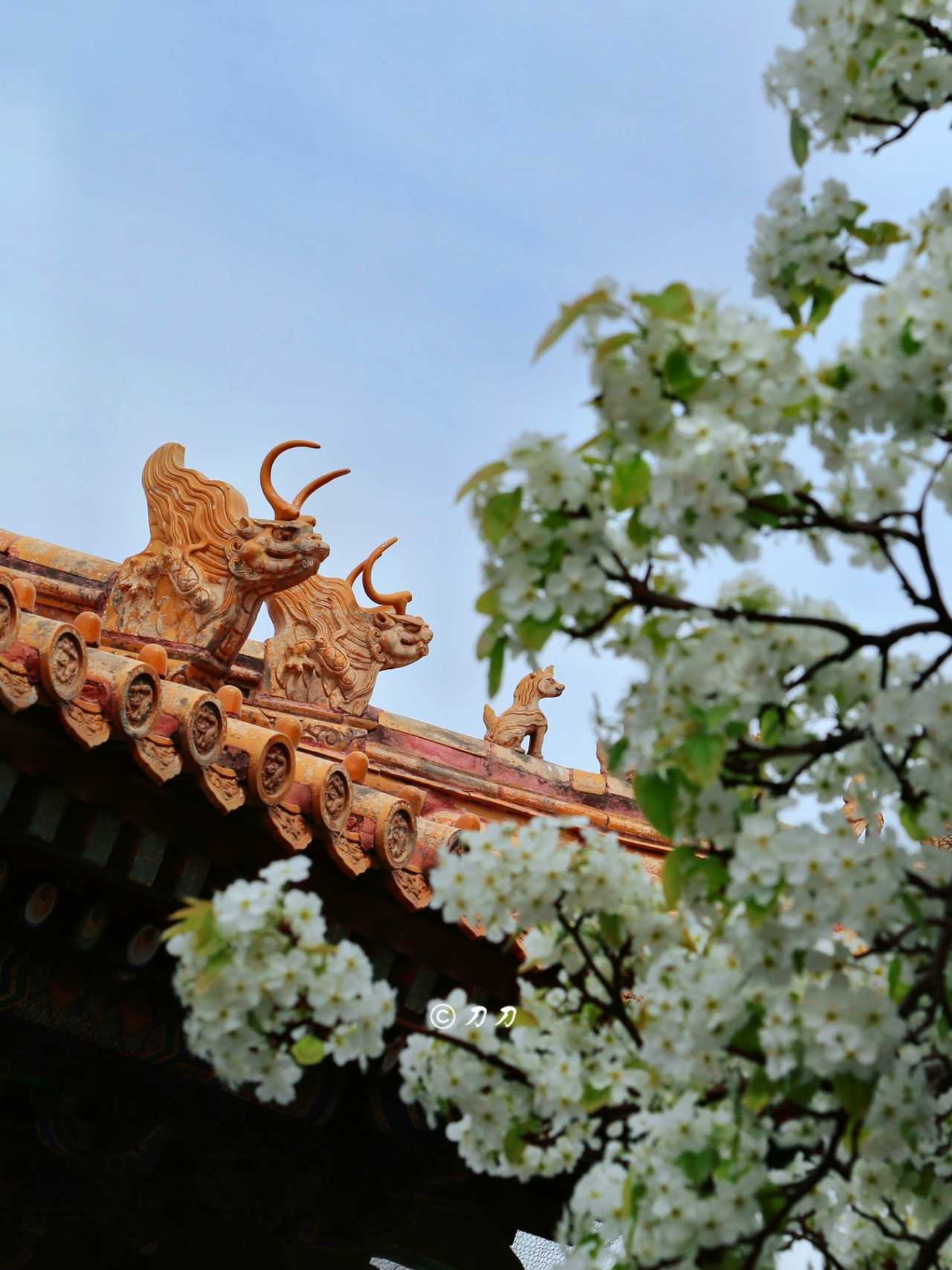
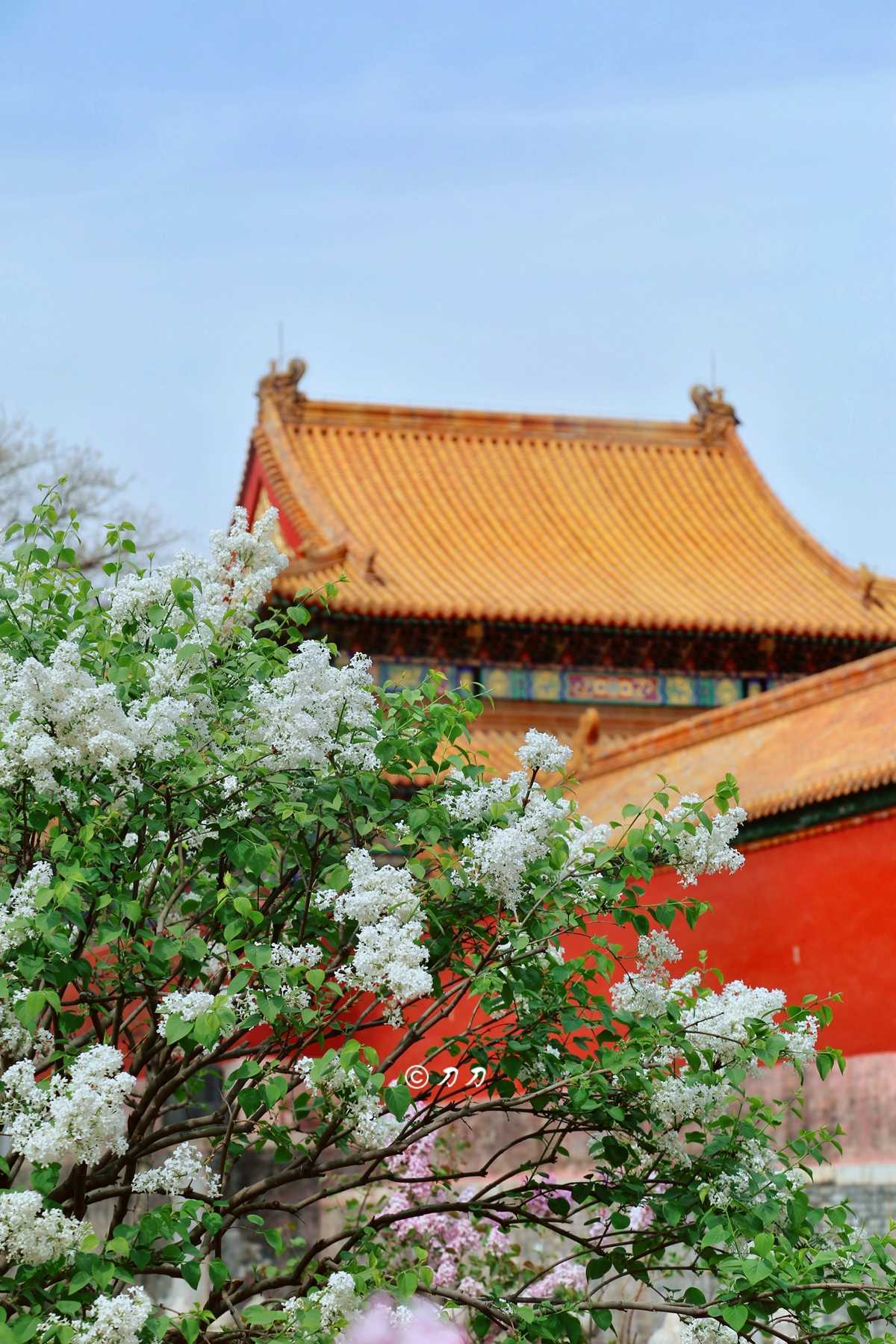
Wisteria creates one of the most magical scenes in the Forbidden City. The cascading purple clusters hanging from ancient trellises create a natural canopy that feels like stepping into a fairy tale.
Best viewing spots: The wisteria at the Palace of Eternal Harmony and the Garden of the Palace of Compassion and Tranquility are the most impressive.
VII. Roses: Facing Spring Every Day Without Fail
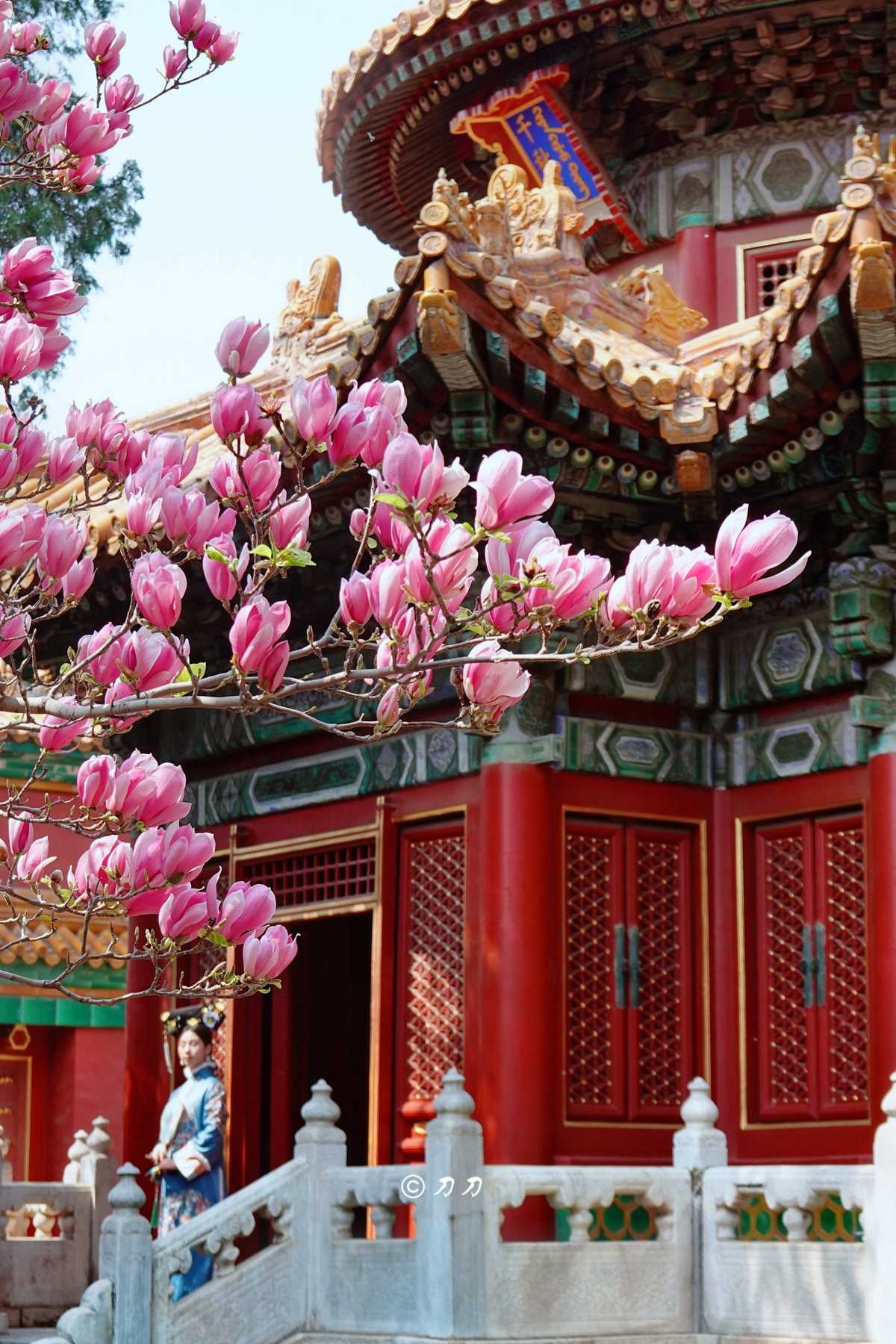
Roses are the last of the Forbidden City's spring flowers, blooming from late April into early May. Their resilience and enduring beauty make them a fitting finale to the spring season.
Best viewing spots: The rose garden near the Palace of Earthly Tranquility and the Imperial Garden.
Frequently Asked Questions About Forbidden City Spring Blossoms
Q1: What is the best time to visit the Forbidden City for spring blossoms?
The Forbidden City's spring blossom season runs from mid-March to early May. For the best variety, plan your visit between late March and mid-April when apricot, pear, peach, and crabapple blossoms overlap.
Q2: How do I get tickets for the Forbidden City during spring blossom season?
Tickets must be booked in advance through the official Forbidden City website or authorized platforms. Spring is peak season, so book at least 1-2 weeks ahead. The Forbidden City is closed on Mondays.
Q3: Are there guided tours focused on spring blossoms?
Yes, several tour operators offer specialized spring blossom tours that combine history, architecture, and seasonal flower viewing. [Link: Forbidden City guided tours]
Q4: Can I take photos of the blossoms?
Absolutely! Photography is encouraged, but tripods and professional equipment may require special permits. Early morning (before 10 AM) offers the best lighting and fewer crowds.
Q5: What should I wear for a spring visit to the Forbidden City?
Spring weather in Beijing can be unpredictable. Dress in layers, wear comfortable walking shoes (you'll walk 5-8 miles), and bring a light jacket. Sunscreen and a hat are recommended for sunny days.
Conclusion: Your Spring Blossom Journey Awaits
The Forbidden City's spring blossoms are more than just flowers—they are living connections to six centuries of Chinese history, poetry, and culture. Each tree tells a story, each petal carries a verse from a poem written hundreds of years ago.
But here's the truth: you don't need to wait three years like I did. With proper planning and this guide, you can experience the Forbidden City's poetic spring in all its glory.
Your next step: Book your Forbidden City tickets today for late March to mid-April. Start with the apricot blossoms at Shoukang Palace, then follow the floral calendar through pear, peach, crabapple, peony, wisteria, and finally rose blossoms. Each stop will bring you closer to understanding why this 600-year-old palace remains one of the world's most poetic destinations.
Ready to witness the Forbidden City's spring miracle? [Link: Book Forbidden City tickets] | [Link: Beijing travel guide] | [Link: Spring blossom photography tips]
"Perhaps the meaning of spring lies in this: the revival of all things after the bleakness of a pandemic, the vitality after winter's silence, the vibrant colors of spring blossoms in full bloom, and the stirring of the heart when reciting ancient poetry."
Share your Forbidden City spring blossom photos with us on social media using #ForbiddenCitySpring – we'd love to see your captures of this timeless beauty!
You should also read:
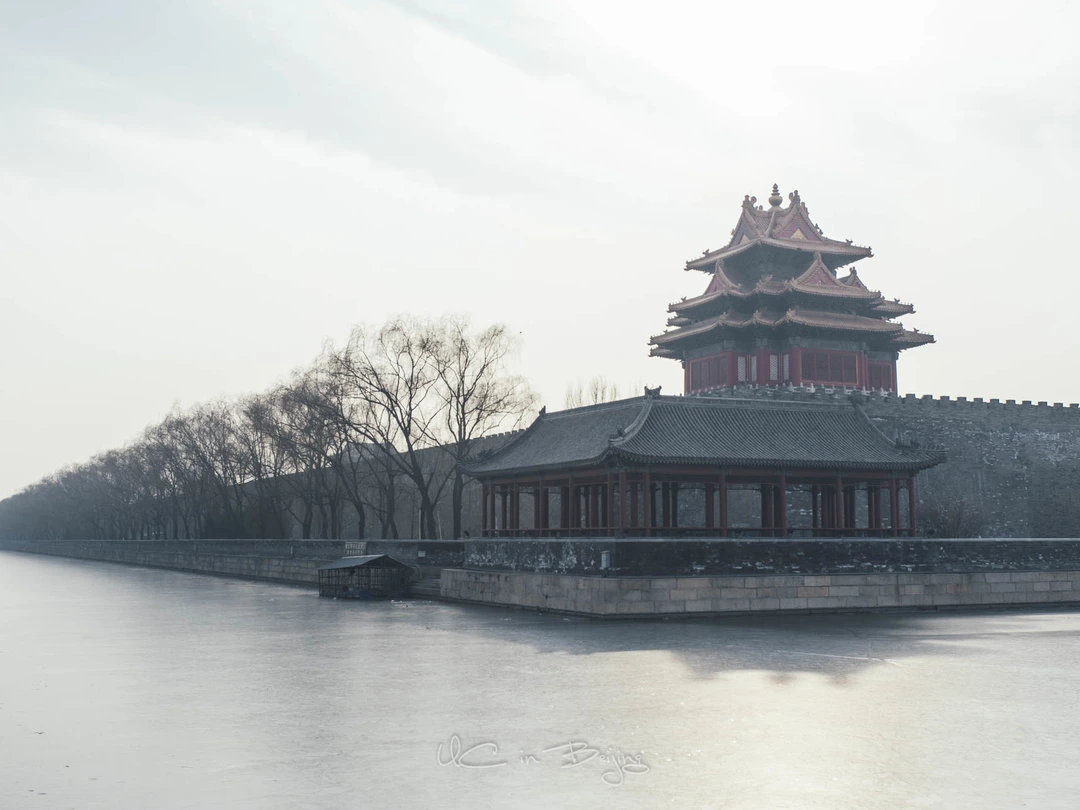
Beijing Through the Lens: One Person's Winter Wanderings – An SEO-Optimized Travel Guide
Meta Description: Discover Beijing's winter charm through a photographer's lens. From Nanluoguxiang's night scenes to Sanlitun's neon glow, explore the city's hidden corners and iconic landmarks in this SEO-friendly travel guide. January in Beijing is so cold you can hear your own breath. But for…
Continue reading...
Four Days, Three Nights in Beijing: A Super Practical Self-Guided Travel Guide (Including Food, Stay, and Transport Tips)
Here is the SEO-optimized, rewritten version of your article, structured for maximum search visibility and reader engagement. SEO Title: 4 Days 3 Nights in Beijing: The Ultimate Self-Guided Travel Guide (Food, Stay & Transport) Meta Description (160 chars): Plan the perfect 4-day Beijing itinerary. From…
Continue reading...
A Passionate Journey Through Beijing & Tianjin: Beijing Complete Guide – JOJO's In-Depth Travel Notes
Meta Description: Explore Beijing & Tianjin in 5 days with this complete travel guide. From the Forbidden City to the Great Wall, discover insider tips, transportation hacks, and must-see attractions. Plan your perfect China trip today. Beijing is not just a city—it's a living museum…
Continue reading...