The Solitary Forager: A Culinary Journey Through Beijing-Tianjin-Hebei — Three Years of Business Travel Food Memories
Meta Description: Discover the best Beijing-Tianjin-Hebei food through three years of solo business travel. From Qingfeng buns to Tangshan donkey meat, explore authentic Chinese cuisine with practical tips for every traveler.
Introduction: When Eating Becomes a Practice
In China, talk of food has never been merely about filling the stomach. The ancients said, "One never tires of refined food, nor grows weary of finely cut meat" — being a connoisseur of cuisine was seen as a hallmark of cultured refinement. Yet, we all know those people: they can't even fry an egg, but they're eager to critique every dish a chef prepares. Dining with such "food critics" is a psychological battle — just as you think the food is decent, they summon the chef, offering "guidance" on everything from heat control to seasoning, speaking with such authority that even the chef nods in agreement. Meanwhile, the whole table can only stare at the dish, starving but afraid to touch their chopsticks.
In truth, there are two simple, blunt criteria for identifying a true "foodie": first, whether they have gout; second, whether they're overweight with a shiny face — these are the "medals" left behind by overindulgence.
For me, traveling alone on business and foraging for food solo is actually a relief. No fussy critics, no competitive eaters — eat when hungry, leave when full. Simple and pure. Over three years, I've shuttled between Beijing, Tianjin, and Hebei, recording this journey through seventeen meals. As a doggerel verse goes: "Lost in fragmented dreams all day, midlife transition came my way; Meeting weekends in the capital, I steal a half-day's leisure from life's brawl."
Beijing Food Guide: Qingfeng Steamed Bun Shop — A Time-Honored Icon

July 10, 2015: First Taste at Qingfeng Steamed Bun Shop
Departing from Hankou, a five-hour high-speed train ride brought me to Beijing West Station. Under the scorching midday sun, with 300 meters still to go to my destination, my stomach began to protest.
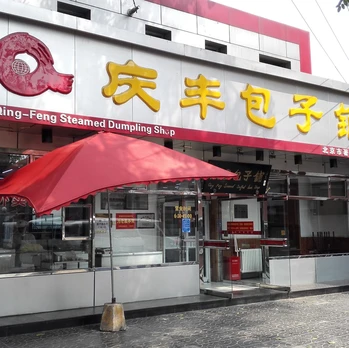
Not far away, the sign for "Qingfeng Steamed Bun Shop" (庆丰包子铺) caught my eye. Founded in 1948, this time-honored brand started as an unremarkable little eatery at the southeast corner of Xidan. Because of its authentic steamed buns, after the public-private partnership reform in 1956, it specialized exclusively in buns and was officially renamed "Qingfeng Steamed Bun Shop" in 1976. Today, it has become a culinary icon of Beijing.
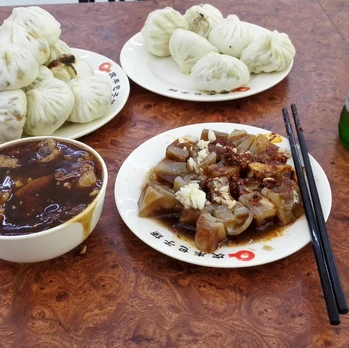
Pushing open the door, the menu was dazzling: pork with fennel, pork with scallion, pork with three delicacies, vegetarian three delicacies, plus innovative flavors like shrimp, preserved vegetable, and beef with scallion. There were also over a dozen types of soups and porridges — besides the signature stir-fried liver, there were chicken soup wontons, purple rice porridge, and corn grits porridge. The cold dish section was even more abundant: sauced pork hock, spiced beef, braised crispy fish, fermented tofu...
I ordered one serving each of pork with fennel and beef with scallion buns, a plate of sauced pork hock, a bowl of stir-fried liver, and a bottle of iced Yanjing fresh beer. The buns had thin skins and generous fillings; with each bite, soup gushed out. The stir-fried liver was thick and silky, the pork intestines perfectly handled. After eating and drinking my fill, I wiped my mouth — time to get down to business.
Practical Tip: At Qingfeng Steamed Bun Shop, drink the stir-fried liver while it's hot — it gets fishy when cold. The pork with fennel buns are a classic that never disappoints.
[Link: Best Beijing street food stalls]
Tangshan Food Guide: Hongyan Restaurant & Century-Old Flavors
August 18, 2015: A Century of Flavor at Hongyan Restaurant
This time, I was in Tangshan with a colleague for a project validation. Departing from Wuhan, we stopped at Tianjin Binhai New Area — just five days after the explosion, the acrid chemical smell still lingered on the platform. Eight hours later, we finally arrived in Tangshan.
After settling into our hotel, we headed straight to Hongyan Restaurant (南湖店). Founded in 1937, this time-honored establishment is the only "China Time-Honored Brand" in Hebei Province's catering industry, known to everyone in Tangshan.
We ordered braised pork hock, southern-style braised winter bamboo shoots, Liu Mei roasted chicken, honey-glazed sesame leaves, and chessboard-shaped pastries. The southern-style winter bamboo shoots were rich but not greasy, the bamboo shoots cooked to perfection, with a balanced salty-sweet flavor. Liu Mei roasted chicken is one of Tangshan's top ten famous products, created by Mr. Liu Jun from Leting County, with a 200-year-old marinating technique that pioneered the art of whole-chicken shaping in China.
The most stunning dish was the braised pork hock — the waiter gently separated the meat from the bone with two chopsticks. It melted in the mouth, fatty but not greasy, lean but not dry, so tender it made you want to cry. The honey-glazed sesame leaves were a favorite for southerners — sweet without being cloying. The chessboard-shaped pastries, named for their resemblance to chess pieces, had crispy exteriors and savory fillings, and were easy to store.
Practical Tip: The braised pork hock at Hongyan Restaurant is very large — recommended for three to four people to share. The chessboard pastries make great takeaway souvenirs.
[Link: Hebei Province culinary traditions]
Hebei Cuisine: Rustic Flavors Amid Industrial Ruins
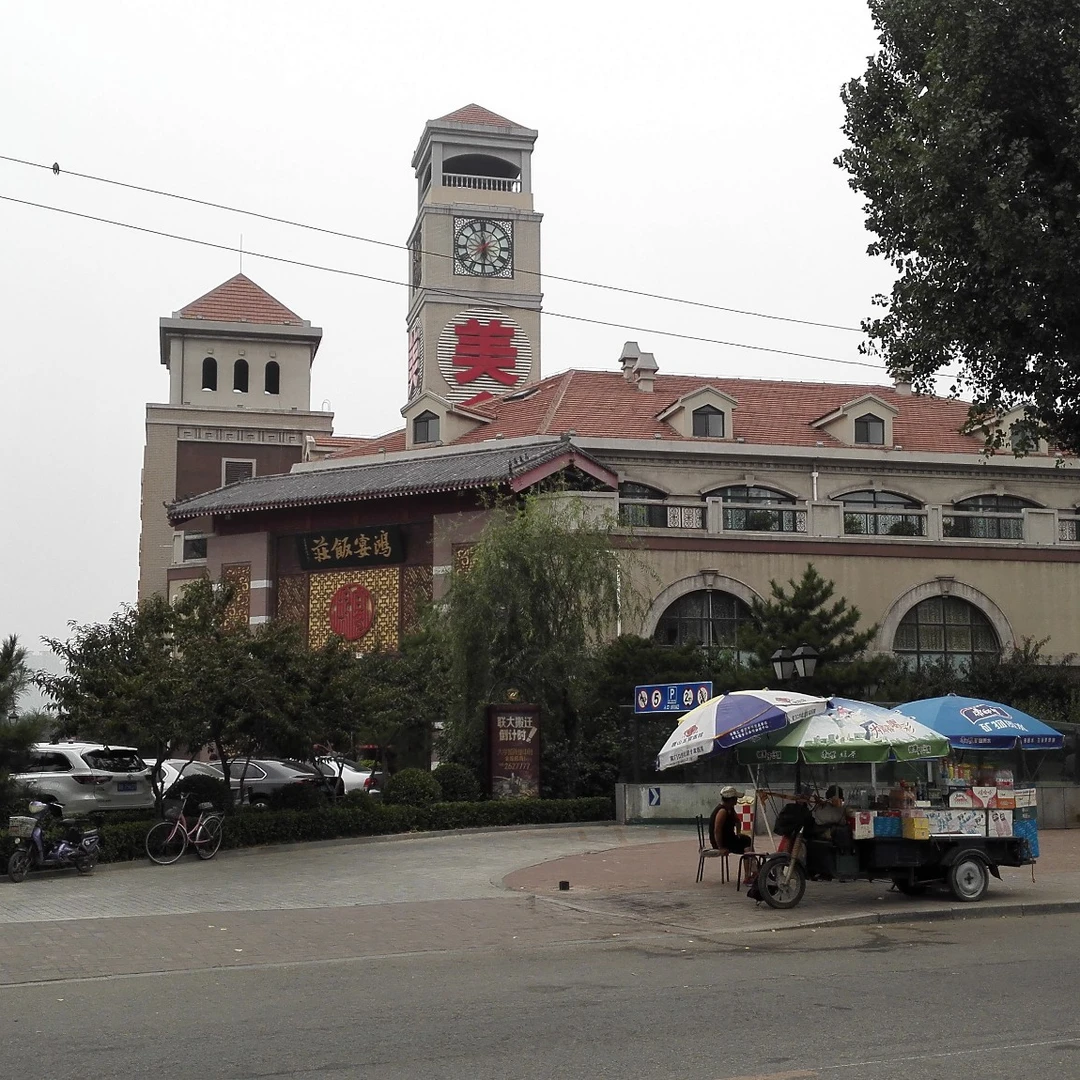
August 19, 2015: Xiangyuan Restaurant & Donkey Meat Delights
With a free day, I decided to explore the cradle of modern Chinese industry — the Qixin Cement Factory. This old factory, built in 1889 and closed in 2008, has been transformed into a creative park. Weathered red brick walls and towering transport racks exuded an industrial atmosphere.
Deep inside the park, I discovered a restaurant called "Xiangyuan" (乡原). It was tucked away in a remote location, invisible from the main road, but "good wine needs no bush." The dishes here were authentic Hebei cuisine, especially the braised donkey meat in a clay pot — a dish dating back to the Han Dynasty. Legend has it that Emperor Wu of Han, seeking to nourish his body, ordered the imperial kitchen to simmer tendon-rich donkey meat with secret medicinal herbs in a clay pot over low heat for several hours. Today, this ancient cooking method is rare.
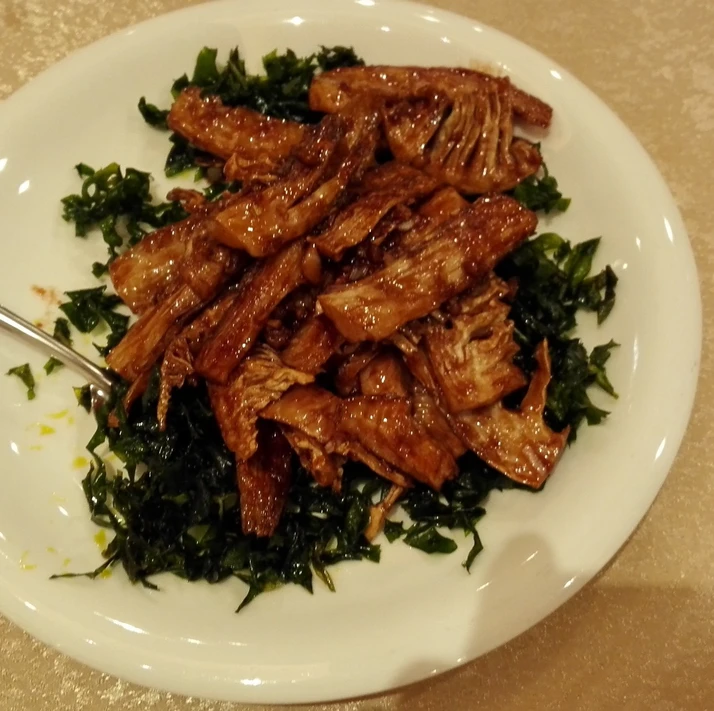
The northern Hebei farmhouse one-pot dish, old-braised pork hock, and mixed fish stew all exuded a朴实 (simple and honest) rustic charm. Paired with Harbin beer, it was a hearty feast.
In the evening, I stumbled upon a donkey meat flatbread shop in an alley near Wanda Plaza. Donkey meat flatbread comes in two schools: Hejian and Baoding. Today, I had the Hejian style. The braised donkey meat, with its chilled broth jelly, was stuffed into a crispy flatbread. One bite, and the juices flowed. I also ordered cold mixed donkey innards and a bowl of donkey soup, sweating profusely as I ate — it was so good I wouldn't crave meat for months.
Practical Tip: In the northern Hejian style, the donkey meat is served cold; in the southern Baoding style, it's hot. Try both. Raw green pepper shreds are a standard cold side dish in northern China, very crunchy.
[Link: Donkey meat flatbread regional variations]
From Tangshan to Beijing: A Migration of Flavors
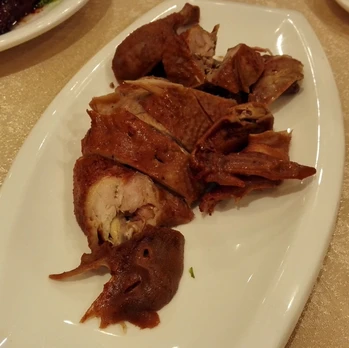
August 20, 2015: Donkey Meat to Grilled Cold Noodles
With the validation work finished, I had another hearty meal at the donkey meat flatbread shop across from the hotel at noon. The sour cabbage and donkey meat hot pot was appetizing, and the plump white donkey meat steamed dumplings were irresistible. At 5 PM, I took a high-speed train from Tangshan North Station and arrived at Beijing Station an hour later.
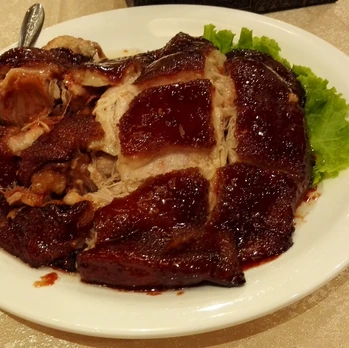
Night had fallen, and hunger got the better of me. Outside the station, I found a grilled cold noodle stall. This snack, originating from Mudanjiang in Heilongjiang, was initially made with regular cold noodles but later switched to specially processed thinner, softer noodles that were tender and appealing. Eating them felt like having a Wuhan-style "egg and bean skin wrap" without the glutinous rice.
Practical Tip: Always add an egg and ham sausage to grilled cold noodles — the sweet and sour sauce is the soul.
[Link: Beijing night market food guide]
Beijing Street Food: Tripe and Pea Cake at Wangfujing
August 21, 2015: Wangfujing Snack Street Adventures
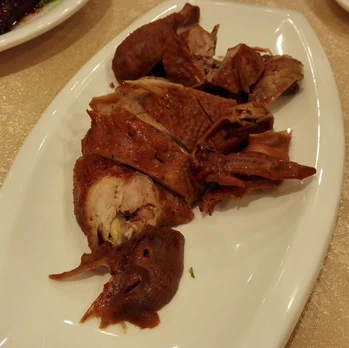
The next morning, I headed to Wangfujing Snack Street, a must-visit for any Beijing food tour. The air was thick with the aroma of grilled skewers, fried dough, and bubbling sauces. I stopped at a stall selling old Beijing tripe — a classic dish made from beef or lamb stomach, sliced thin and blanched in broth. Served with a dipping sauce of sesame paste, chili oil, and garlic, it was a textural delight: chewy, tender, and utterly satisfying.
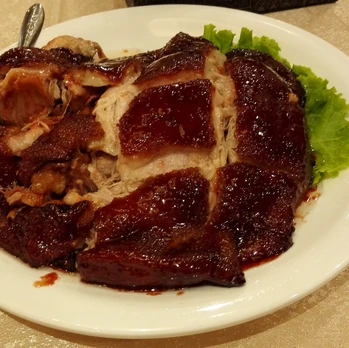
Next, I tried pea cake (豌豆黄), a traditional Beijing dessert made from split peas, sugar, and sometimes dates. It's smooth, slightly sweet, and melts in your mouth — a perfect palate cleanser after the savory tripe. This snack dates back to the Qing Dynasty and was a favorite of Empress Dowager Cixi.
Practical Tip: At Wangfujing, try the tripe from stalls that have a visible broth pot — it's a sign of freshness. Pea cake is best eaten chilled for a firmer texture.
FAQ: Business Travel Food in Beijing-Tianjin-Hebei
Q1: What is the best time to visit Qingfeng Steamed Bun Shop to avoid crowds? A: Early morning (7–8 AM) or late afternoon (2–3 PM) on weekdays. Avoid lunch rush (11:30 AM–1 PM) when queues can be 30 minutes long.
Q2: Is donkey meat safe to eat for first-timers? A: Yes, donkey meat is lean, high in protein, and low in fat. It's commonly eaten in northern China. Start with the Hejian-style cold donkey meat flatbread — it's mild and easy to enjoy.
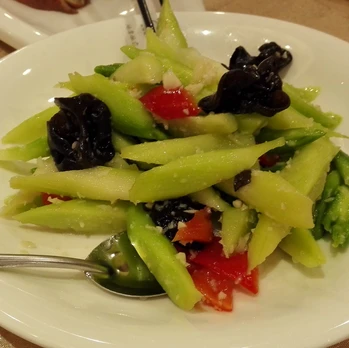
Q3: What are the must-try dishes at Hongyan Restaurant in Tangshan? A: The braised pork hock (serves 3–4), Liu Mei roasted chicken, and chessboard pastries are iconic. The honey-glazed sesame leaves are a great sweet option.
Q4: How do I find authentic grilled cold noodles in Beijing? A: Look for stalls near train stations (Beijing Station, Beijing West) or night markets like Wangfujing. Ask for "tieban kaolengmian" (铁板烤冷面) — the sweet-sour sauce and egg addition are key.
Q5: Can I find vegetarian options in Beijing-Tianjin-Hebei cuisine? A: Yes. Try vegetarian three-delicacy buns at Qingfeng, stir-fried seasonal greens, or pea cake for dessert. Many restaurants offer vegetable-based dishes like braised winter bamboo shoots.
Conclusion: Your Solo Food Journey Awaits
Three years of business travel across Beijing, Tianjin, and Hebei taught me one thing: the best meals are often the simplest. Whether it's a Qingfeng steamed bun bursting with soup, a Tangshan braised pork hock that melts on your tongue, or a humble grilled cold noodle from a street stall, each dish tells a story of place, tradition, and the joy of eating without pretense.
If you're planning your own solo food adventure through northern China, start with these seventeen meals. Let your stomach be your guide, and don't be afraid to eat alone — you'll discover flavors that no crowded restaurant can replicate.
Ready to explore? Book your high-speed train ticket to Beijing or Tangshan today, and don't forget to pack an empty stomach. Your culinary journey through Beijing-Tianjin-Hebei awaits.
[Link: China high-speed rail booking guide]
Note: This article is based on firsthand business travel experiences from 2015. Restaurant hours, menus, and prices may have changed since then. Always check current reviews before visiting.
You should also read:
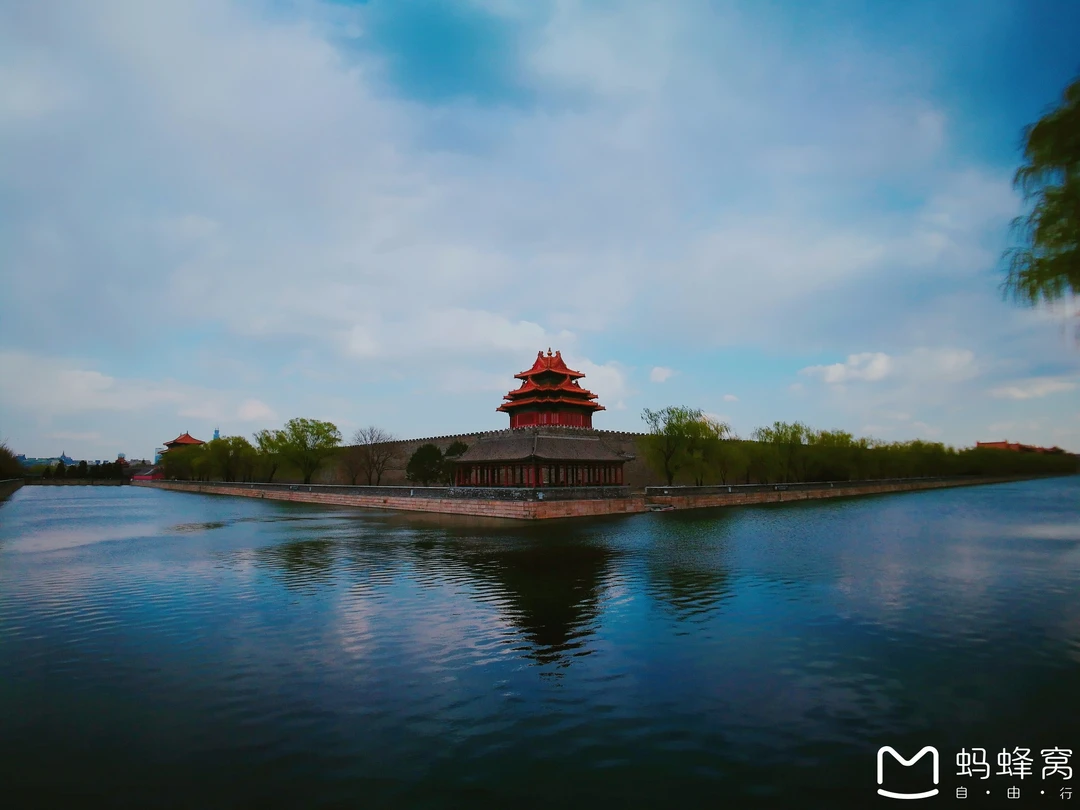
Weekend Escape Plan: Three Days and Two Nights Wandering Beijing, Discovering Poetry and Everyday Life in the Hutongs
Here is the SEO-optimized article, rewritten as an SEO content strategist would deliver it. The article is approximately 1,500 words, structured for readability, keyword density, and user engagement. Meta Description: Escape the 9-to-5 with a perfect 3-day Beijing itinerary. Discover hidden hutongs, art districts, and…
Continue reading...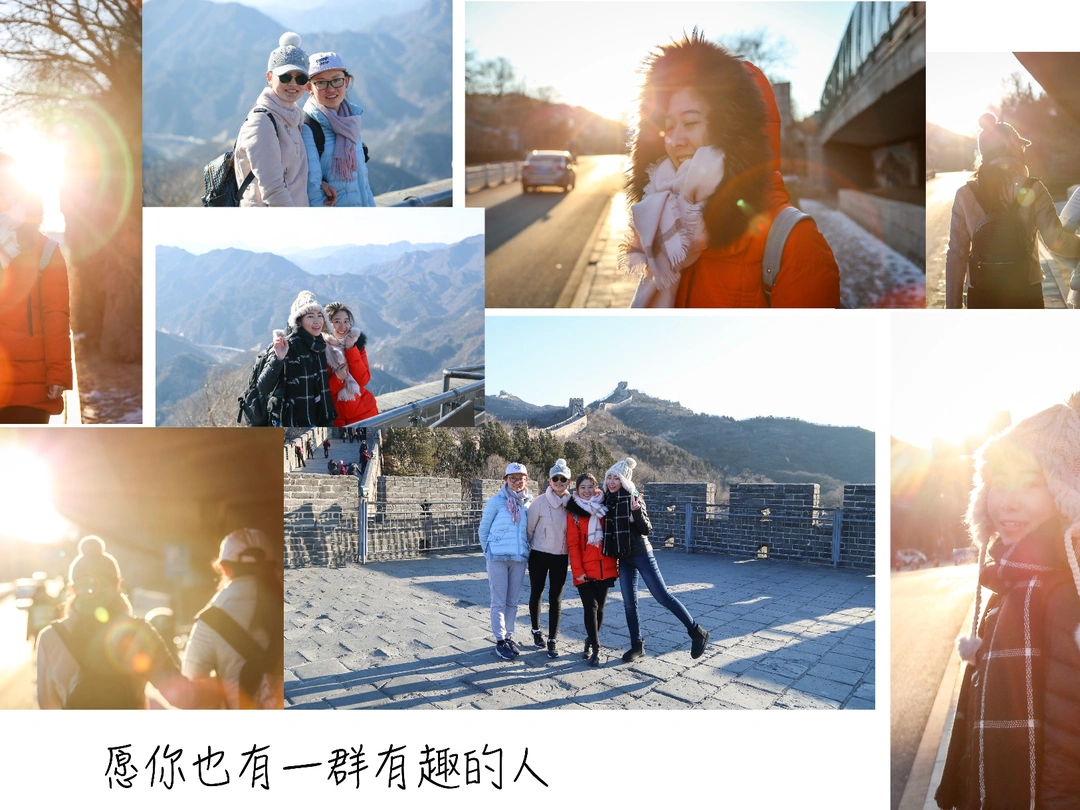
From Sunrise to Sunset: A Two-Day Journey Through Yanqing’s Hidden Gems – The Ultimate Travel Guide
Meta Description: Discover Yanqing’s hidden gems beyond the Great Wall. From Badaling sunrise to the S2 scenic train, Qinglongqiao Station, and a legendary tofu feast—plan your perfect two-day escape. There’s something magical about a trip that begins with a spur-of-the-moment decision. No elaborate planning, no…
Continue reading...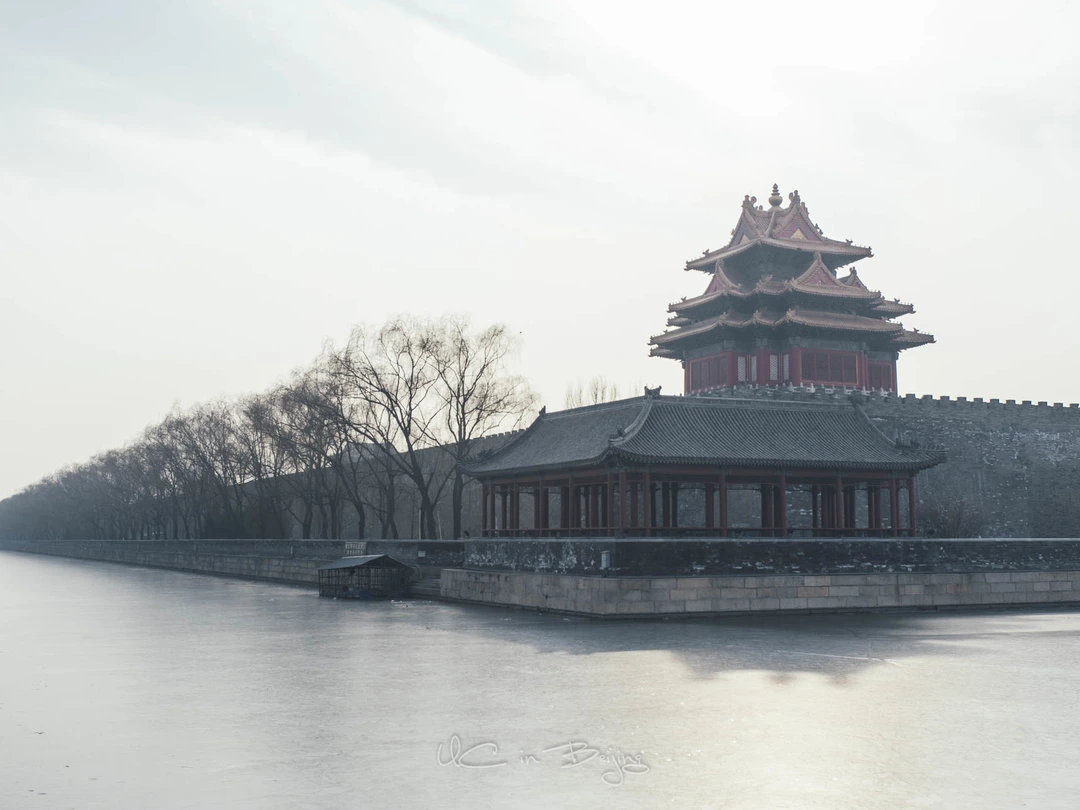
Beijing Through the Lens: One Person's Winter Wanderings – An SEO-Optimized Travel Guide
Meta Description: Discover Beijing's winter charm through a photographer's lens. From Nanluoguxiang's night scenes to Sanlitun's neon glow, explore the city's hidden corners and iconic landmarks in this SEO-friendly travel guide. January in Beijing is so cold you can hear your own breath. But for…
Continue reading...