The Tenderness of Minus Twenty Degrees: Your Ultimate Guide to Winter Travel in Harbin
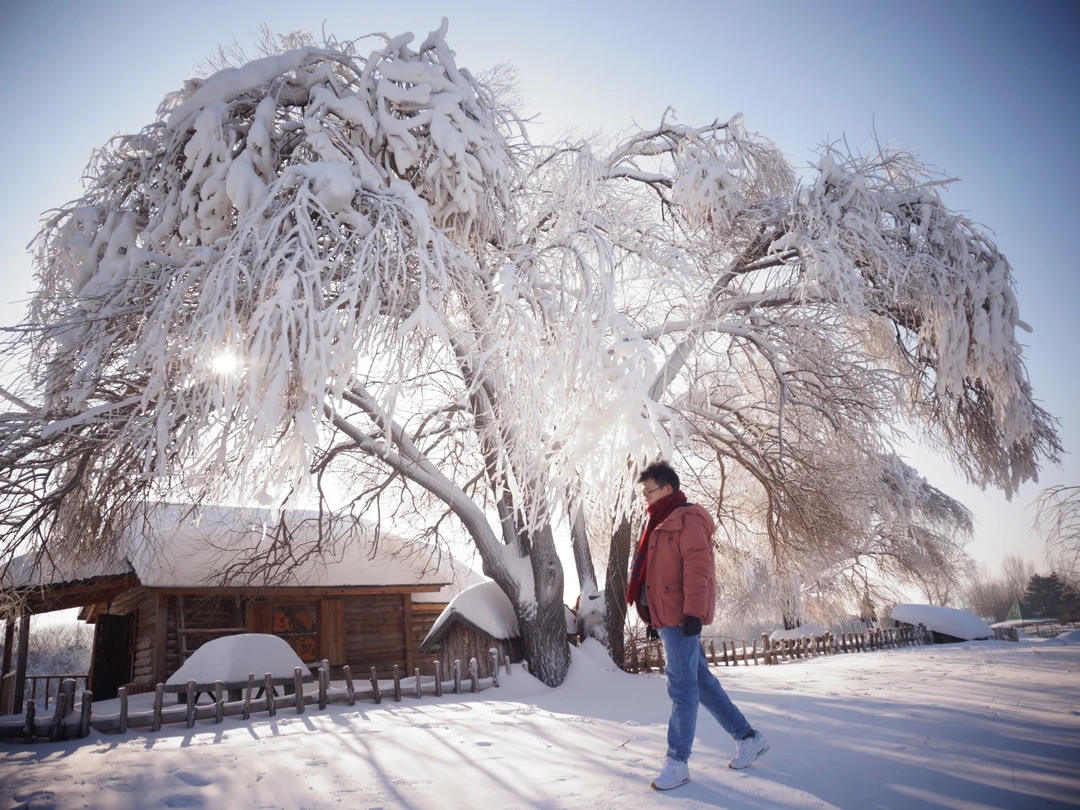
Meta Description: Discover the raw beauty of Harbin in winter with this first-hand guide to surviving -20°C temperatures, exploring Central Street, visiting Saint Sophia, and experiencing authentic Northeast Chinese culture. Includes packing tips, food recommendations, and bathhouse etiquette.
Introduction: Why Harbin in Winter Is a Bucket-List Destination
Harbin, the capital of Heilongjiang Province in Northeast China, transforms into a frozen wonderland each winter. With temperatures plunging to minus twenty degrees Celsius, this city of ice and snow offers an experience unlike any other—a place where the cold becomes a character in your travel story. From the moment you step off the plane at Harbin Taiping International Airport, the air laced with ice crystals delivers an unforgettable greeting.
This guide shares a personal journey through Harbin's winter landscape, complete with survival strategies, cultural insights, and honest recommendations for first-time visitors. Whether you're a seasoned cold-weather traveler or a tropical dweller venturing north for the first time, this article will help you navigate the city's frozen charm.
[Link: Best time to visit Harbin for winter festivals]
Surviving Minus Twenty Degrees: Essential Winter Travel Tips

The Temperature Shock: From Tropical to Arctic
For travelers from southern China—particularly those from Guangdong or other subtropical regions—the transition is jarring. The moment you step outside, your nasal passages sting from the ice-cold air. Indoors, however, the heating is so intense that you might feel like shedding layers immediately. This extreme temperature difference can confuse your body, leading to allergic reactions, dry skin, or cold symptoms.
Pro tip: Pack both cold medicine and allergy medication. You'll likely need both as your body adjusts to the drastic indoor-outdoor temperature swings.
The Art of Layering: Go Light on Top, Armor Up Below
Many first-time visitors make the mistake of over-layering their upper body. Wearing thermal underwear, a thick sweater, a hoodie, and a heavy cotton coat will leave you sweating indoors and struggling to remove layers in restaurants.
The correct approach: - Upper body: Wear a high-quality down jacket with light inner layers (thermal shirt + thin sweater) - Lower body: Thermal leggings, fleece-lined pants, and thick wool socks - Footwear: Insulated winter boots with at least two pairs of socks - Accessories: Gloves (non-negotiable), scarf, earmuffs, and a hat that covers your ears
Without earmuffs, your ears will ache within ten minutes of exposure. Hand warmers are helpful but won't make you feel warm in extreme cold—they'll only prevent frostbite.
[Link: Best winter gear for China travel]
Camera and Battery Survival Guide
Cold weather wreaks havoc on electronics. A fully charged camera battery may last only 90 minutes outdoors. Keep spare batteries in an inner pocket close to your body heat. When entering warm buildings, condensation can fog your lens—place your camera in a sealed bag before going indoors to allow gradual temperature adjustment.
Exploring Harbin's Iconic Winter Attractions
Central Street: The Heart of Harbin Tourism
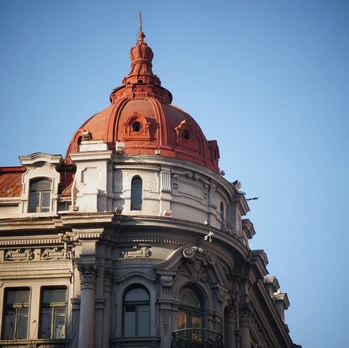
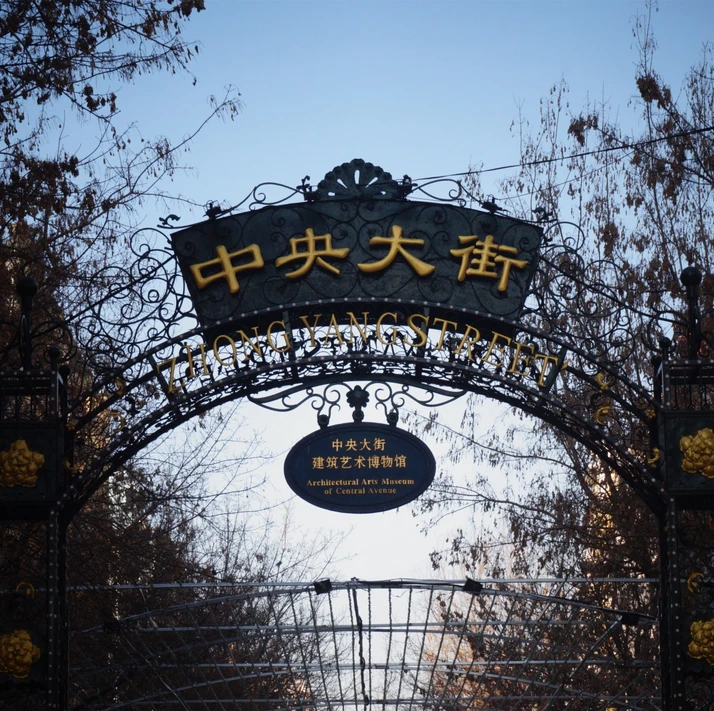
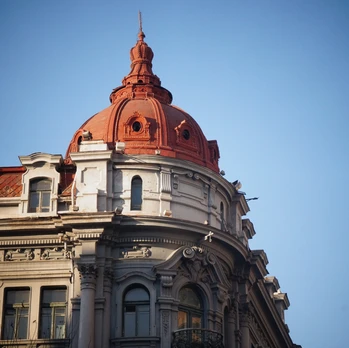
Central Street (Zhongyang Dajie) is the bustling pedestrian boulevard every tourist city needs. By day, admire the European-style architecture; by night, watch the streetlights illuminate the snow-covered buildings. This is where you'll find Harbin's famous Modern ice cream bars (马迭尔雪糕), though honestly, they taste like ordinary ice cream.
Better alternative: Try Lao Ding Feng (老鼎丰) popsicles instead. At the same price of 5 yuan, they offer superior flavor—especially the rum variety. Skip the tourist hype and go local.
The Songhua River: Frozen Beauty with a Catch
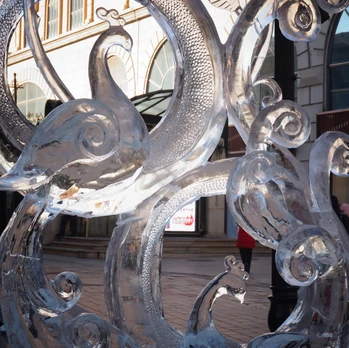
The Songhua River freezes solid in winter, but accessing the ice for recreation requires a ticket. Private companies have fenced off sections for ice amusement parks, with additional fees for each activity. While this feels like a tourist trap, the distant view of the frozen river is still worth seeing.
Old Daowai: A Glimpse of Disappearing History
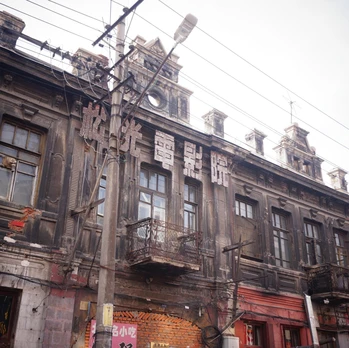
Old Daowai (Dao Wai) district showcases Harbin's historic "Chinese Baroque" architecture. Unfortunately, many buildings are either reconstructed or cordoned off as dangerous structures. The government has walled off crumbling buildings, making photography difficult.
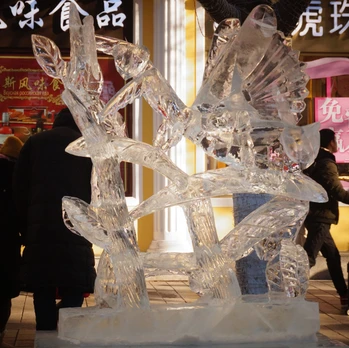
Cultural connection: Walking along Jingyu Street, you might think of Xiao Hong, the passionate female writer who set out from here during wartime toward a broader world. History is vanishing, and we are powerless to stop it.
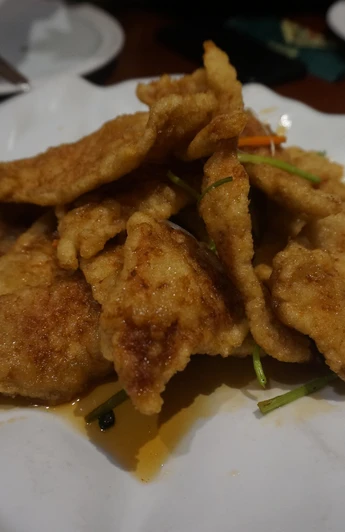
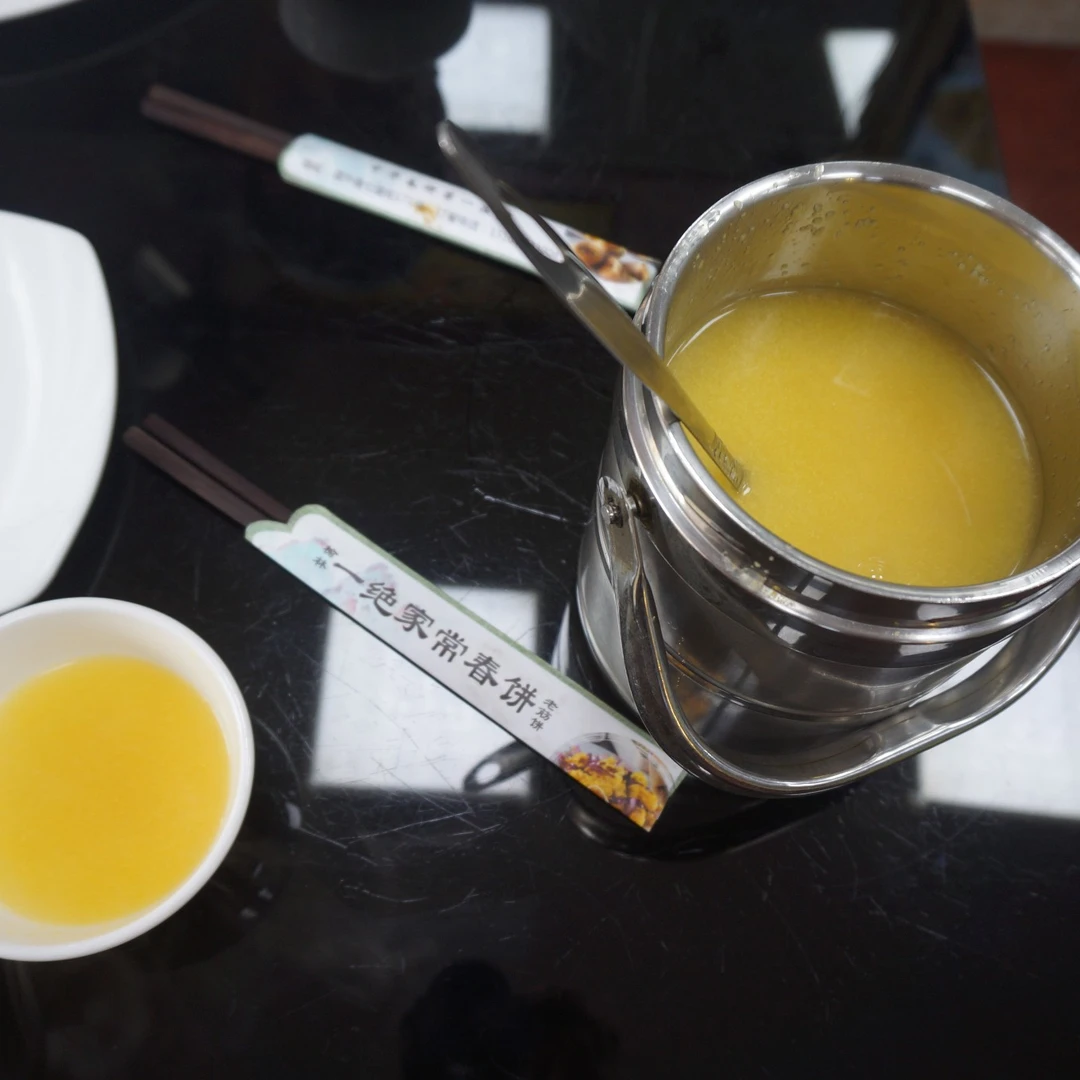
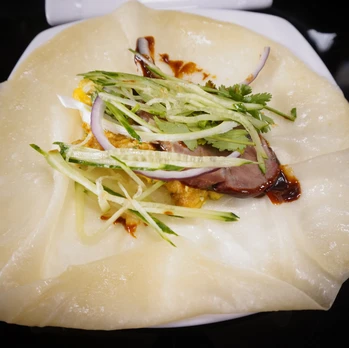
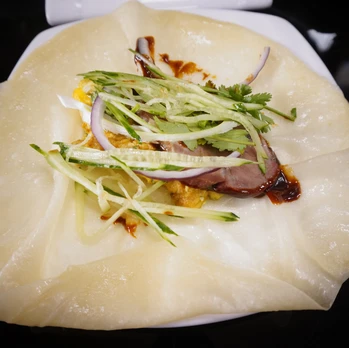
Where to eat: Try "一绝家常春饼" (Unique Home-style Spring Pancakes) for authentic Northeastern cuisine. Dishes like toona sinensis with eggs, smoked meat, and shredded pork with pickled cucumbers come in enormous portions. Three people can eat for just over 60 yuan—incredible value.
[Link: Best budget restaurants in Harbin]
Saint Sophia Cathedral: A Pilgrimage Worth Planning
Saint Sophia Cathedral is Harbin's most iconic religious structure, but it's frequently under renovation. If you visit during restoration, seek alternatives:
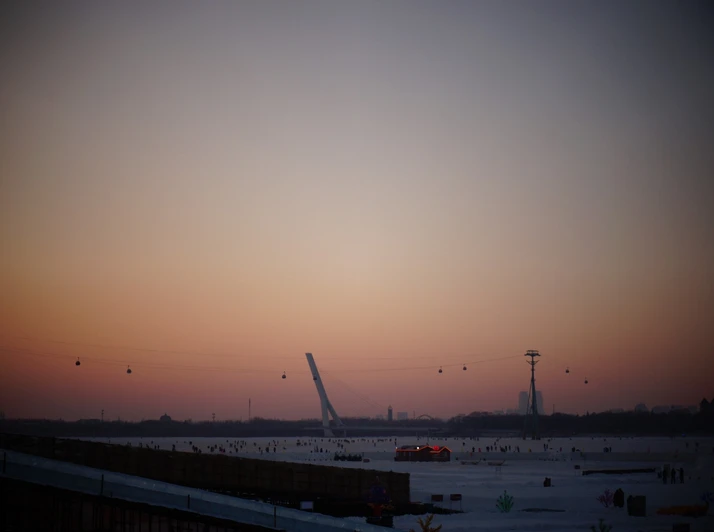
- East Dazhi Street: Three small churches (closed to visitors)
- Saint Alexeyev Church on Gogol Street: Second only to Saint Sophia, with fewer crowds
- Gogol Bookstore: A nearby café-style bookstore perfect for warming up (though the appeal is debatable)
Warning: Spending too long indoors can trigger cold symptoms. If your throat starts hurting, switch from allergy medication to cold medicine immediately.
The First Bathhouse Experience: A Cantonese Guide to Scrubbing
One of Harbin's most authentic cultural experiences is visiting a traditional Northeast Chinese bathhouse. For southerners unaccustomed to public bathing, this can be intimidating—but it's essential for surviving the cold.
What to expect: 1. Undress completely in the locker area 2. Soak in hot pools to warm your core 3. Undergo a thorough scrubbing by an attendant (yes, it's intense) 4. Move to steam rooms for detoxification 5. Cool down in the common area with tea and snacks
The heat will soothe your cold-stressed muscles and clear your sinuses. Many locals visit bathhouses weekly during winter.
[Link: Complete guide to Chinese bathhouse etiquette]
FAQ: Your Harbin Winter Travel Questions Answered
1. Is Harbin safe for solo travelers in winter?
Yes, Harbin is generally safe for solo travelers. The main challenges are weather-related: frostbite, slippery sidewalks, and cold-induced fatigue. Stay in central areas, dress properly, and keep your phone charged.
2. How much does a week in Harbin cost?
Budget travelers can manage on 300-500 RMB per day including accommodation, food, and attractions. Street food and local restaurants are very affordable. Entry to major attractions costs 50-150 RMB.
3. What should I pack for Harbin in January?

Essentials include: down jacket, thermal underwear, fleece-lined pants, insulated boots, wool socks, gloves, scarf, earmuffs, hand warmers, lip balm, moisturizer, cold medicine, and allergy medication.
4. Can I see the Ice and Snow Festival without a tour?
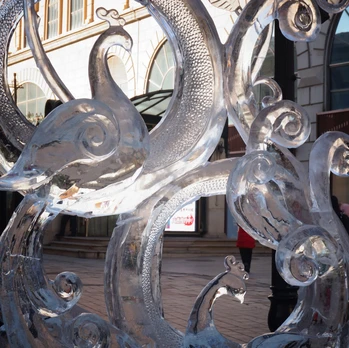
Yes, the Harbin International Ice and Snow Sculpture Festival is open to the public. Tickets for Ice and Snow World cost around 330 RMB. Visit in late afternoon to see both daylight and illuminated sculptures.
5. How do I get around Harbin in winter?
The metro system covers major attractions. Taxis and ride-hailing apps like Didi are affordable (starting at 8 RMB). Walking is possible but limit outdoor exposure to 30 minutes at a time.
Conclusion: Embrace the Cold, Find Your Rebirth
Harbin in winter is not a vacation—it's an experience that tests your limits and rewards your courage. The cold will challenge you, the food will comfort you, and the history will inspire you. Whether you're escaping a tropical climate or seeking a new perspective, this frozen city offers something unique: the chance to discover warmth in unexpected places.
Ready to plan your Harbin winter adventure? Start by booking flights to Harbin Taiping International Airport between December and February. Pack smart, embrace the cold, and prepare for a journey that will change how you see winter forever.
Your turn: Have you visited Harbin in winter? Share your tips and experiences in the comments below. And if you're planning your first trip, download our free Harbin winter packing checklist [Link: Free download].
Note: All prices and conditions mentioned reflect the author's experience in 2018-2019. Check current information before traveling.
You should also read:
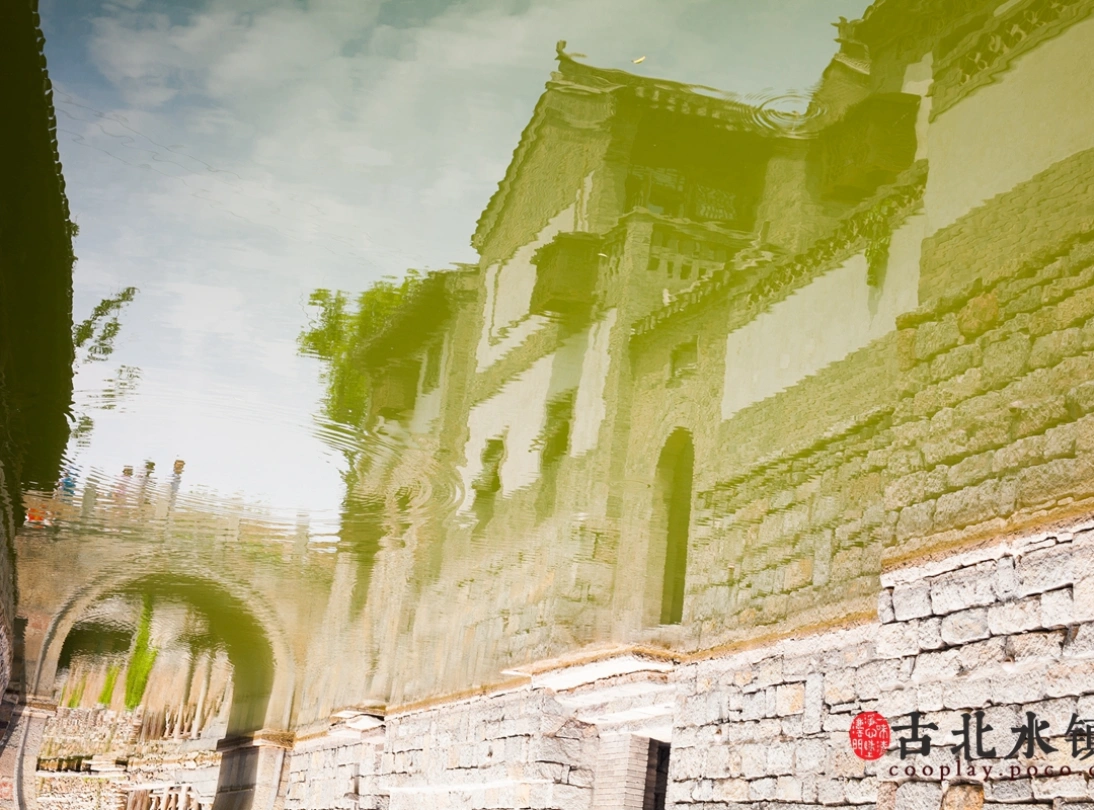
The Grace Beneath Simatai Great Wall: A Complete Guide to a Day Trip at Gubei Water Town
Meta Description: Plan your perfect Gubei Water Town day trip from Beijing. Explore the Simatai Great Wall, northern water town charm, Zhenyuan Escort Agency, and more. Complete guide with tips, costs, and FAQs. Nestled at the foot of the majestic Simatai Great Wall in Beijing's…
Continue reading...
A Winter Journey in Beijing: Romance and Misery at Minus Five Degrees – An SEO-Optimized Travel Guide
Meta Description: Discover the romance and misery of a winter trip to Beijing at -5°C. Explore snowy Jingshan Park, historic hutongs, and budget-friendly tips for a 4-day Spring Festival adventure. Some say Beijing is a city you both love and hate. You love its profound…
Continue reading...
Beijing Through the Lens: One Person's Winter Wanderings – An SEO-Optimized Travel Guide
Meta Description: Discover Beijing's winter charm through a photographer's lens. From Nanluoguxiang's night scenes to Sanlitun's neon glow, explore the city's hidden corners and iconic landmarks in this SEO-friendly travel guide. January in Beijing is so cold you can hear your own breath. But for…
Continue reading...