The Ultimate Beijing Deep-Dive: A Local’s Guide to Culture, Cuisine, and Hidden Gems
Meta Description: Discover Beijing like a local with this insider's guide to imperial palaces, authentic hutong culture, and secret eateries. Skip the tourist traps and find the city's real soul.
Introduction: Why This Beijing Travel Guide is Different
As a Beijing native who's spent three decades wandering ancient alleyways and modern boulevards, I've lost count of how many friends have asked: "What should I really do in Beijing?" Not the tourist traps. Not the overcrowded selfie spots. The real Beijing.
This isn't a checklist—it's a way to feel the city. From the Forbidden City's winter solitude to the best local zhajiangmian in a hidden hutong, I've organized this guide by cultural themes, drawing from places I've visited hundreds of times and food I've eaten for twenty-odd years.
Understanding Beijing's Cultural DNA

Before you dive into attractions, ask yourself: What do I want to feel? Travel is about connecting with a place's identity. Beijing's identity is a layered cake—imperial grandeur, folk traditions, theatrical flair, and a stubborn love for good food. Let's slice it open.
1. Imperial Culture: Beijing's Dynastic Grandeur
Beijing has been the capital for over 800 years, spanning the last three feudal dynasties. The remnants aren't just old buildings—they're statements of power, cosmology, and craftsmanship.
Forbidden City Guide: A Universe in Red and Gold
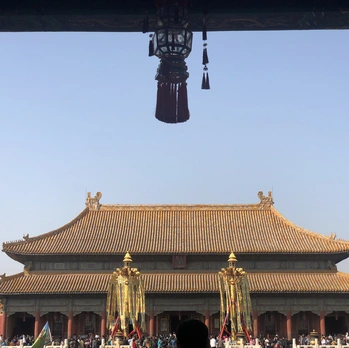
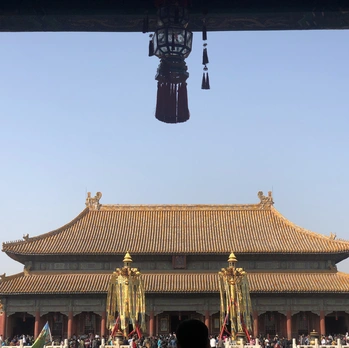
The Forbidden City is the pinnacle of Chinese architectural theory. It follows the principles of the ancient construction manual Zhou Li·Kao Gong Ji, yin-yang balance, and the Five Elements. Everything from heating systems to drainage to fire prevention was engineered with imperial precision.
Best time to visit: Winter. Seriously. The crowds thin out, and you can actually see the place. I've walked through the Hall of Supreme Harmony in January with only a dozen other people—magical.
What to see: - The Three Great Halls (front court) and the Palace of Heavenly Purity (back court) - The Six Eastern Palaces (residential quarters) - The Treasure Gallery and Clock Gallery – If you only choose one, pick the Treasure Gallery. It's 20 RMB extra, but you'll see imperial jewelry, religious artifacts, and things that make you say, "How did they even make that?"
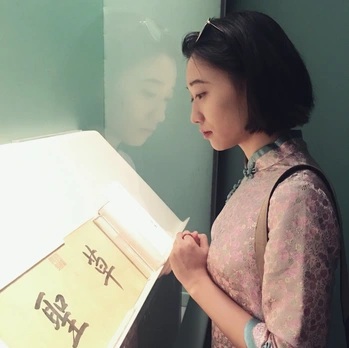
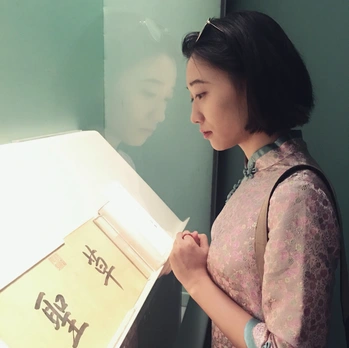
Pro tip on exhibitions: The temporary shows at the Meridian Gate, Hall of Martial Valor, and Hall of Literary Glory are mostly calligraphy and painting. Unless you're a connoisseur, skip them. The exception? The 2019 Lunar New Year exhibition was a crowd-pleaser—but those are rare.
Lunch logistics: The Palace Restaurant (Gu Gong Can Ting) offers decent meals. The Ice Cellar restaurant (Bing Jiao) has a beef rice bowl for around 50 RMB—reasonable for a tourist spot.
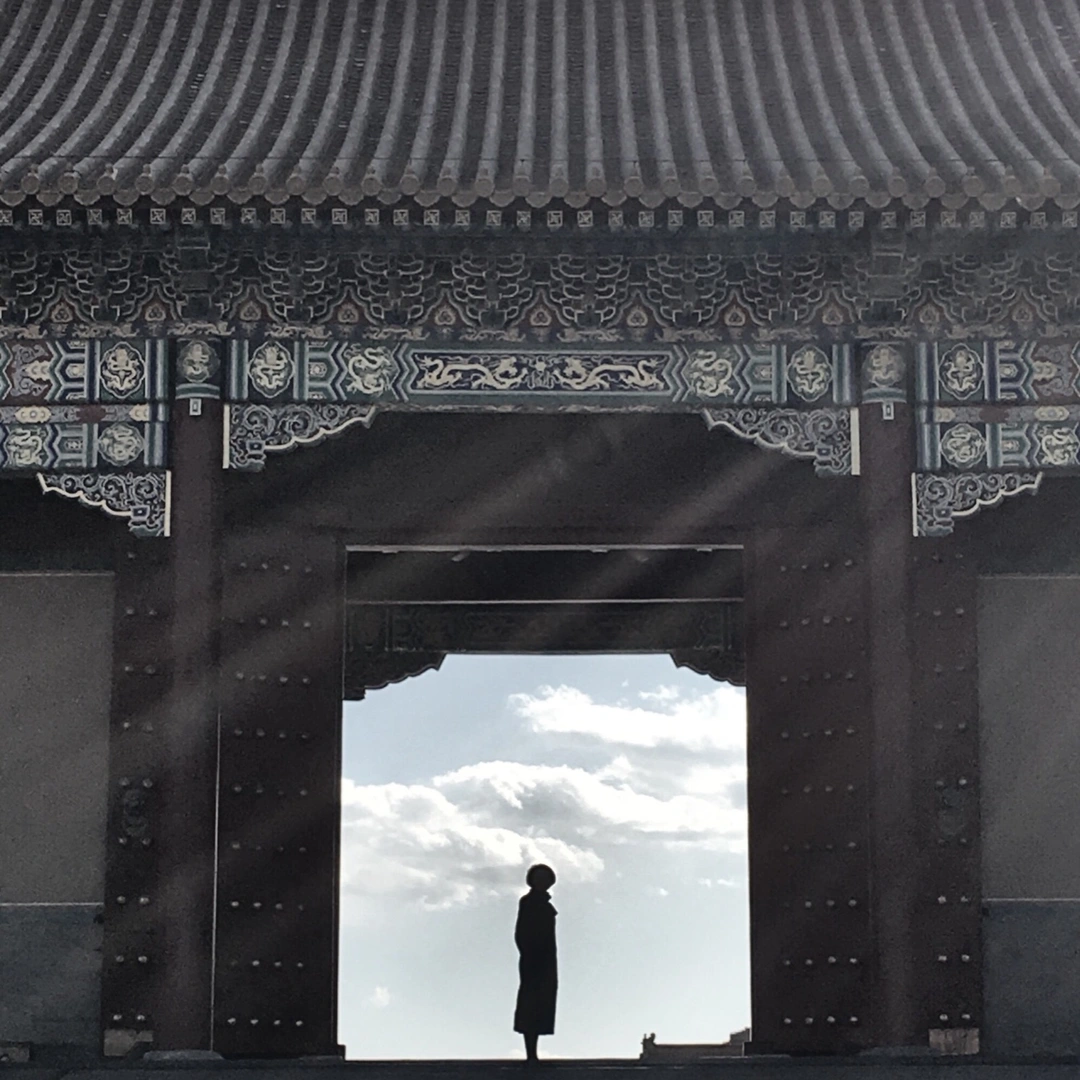
Don't miss: Before you exit through the Gate of Divine Might, walk along the city wall. The view of the palace complex from above is unparalleled. Imagine stepping back 200 years: within those walls were the highest, most sacred buildings in all of Beijing.
Getting there: - Metro Line 1, Tiananmen East Station: Exit through Tiananmen Gate → Meridian Gate. But expect long security lines in peak season. - Alternative route: Same station, but walk along Nanchizi Street to Donghuamen, then follow the moat to the Meridian Gate. Less crowded, no Tiananmen security, but you miss the iconic gate.
Leaving: Public buses to Xidan or Dongdan are easiest. Or rent a bike.
Nearby eats: Di'anmen's Emei Restaurant (E Mei Jiu Jia)—Sichuan-style. Or Four Seasons Minfu (Si Ji Min Fu) Roast Duck near the East Gate—delicious but expect a queue.
Summer Palace vs. Old Summer Palace: Which to Visit?
Summer Palace (Yi He Yuan) wins for me. It's the quintessential imperial garden: artificial lakes, winding corridors, painted ceilings, and the feeling of walking through a living painting. Take a boat ride on Kunming Lake, stroll the Long Corridor, and end at the Seventeen-Arch Bridge.
Avoid: National holidays. I once tried to push a wheelchair through on Labor Day—we moved at a snail's pace.
Getting there: Taxi or private car is best. Enter through one gate, exit through another to avoid backtracking.
Great Wall Hiking Tips: Choose Wisely
The Wall is a symbol of imperial might, but not all sections are equal. Badaling and Mutianyu are tourist magnets. Juyongguan and Shuiguan are slightly less crowded. Jiankou is for serious hikers.
My team runs tours to an ancient, unrestored section near Shixia Village. When Badaling is shoulder-to-shoulder, this place feels like a forgotten world. Combine it with local folk experiences for a full day—otherwise, the commute is brutal.
Food tip: Near Shixia, the local banquet known as Chuang Wang Yan (a feast named after a rebel leader) is a lifesaver. After a day of climbing, it'll restore your soul.
For solo travelers: Join a day tour to save on transport logistics. Bring packed lunch.
Beijing Altars: Temple of Heaven, Earth, and Agriculture
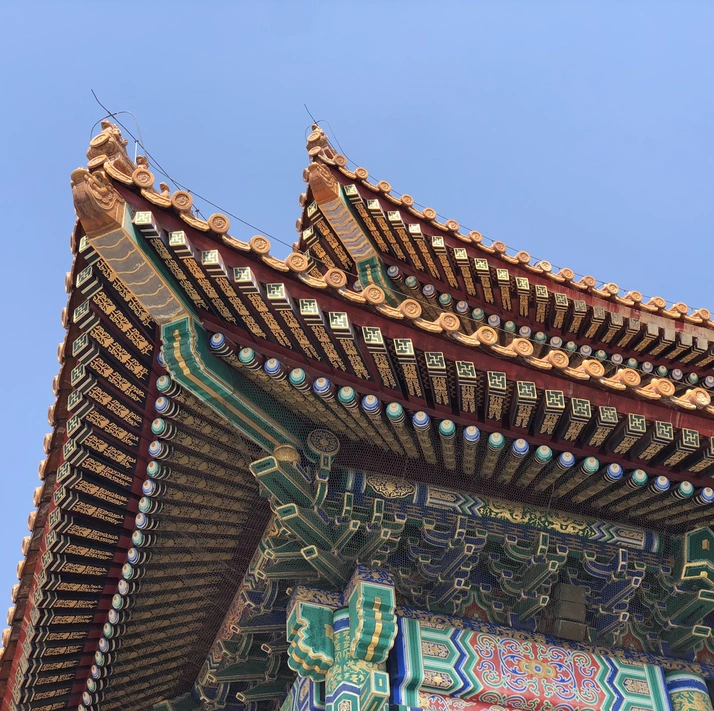
- Temple of Heaven (Tian Tan): Tourist staple. The Hall of Prayer for Good Harvests is iconic. The Echo Wall is fun.
- Altar of Earth (Di Tan): Skip unless you're a die-hard fan of the writer Shi Tiesheng. The central altar is closed to the public.
- Altar of Agriculture (Xian Nong Tan): My personal favorite. It now houses the Ancient Architecture Museum. The exhibits on building models (tang yang) and the stunning caisson ceiling (zao jing) are worth the trip. Plus, it's almost empty.
Getting there: Metro Line 5, Tiantan East Gate. Walk west to Xian Nong Tan.
Nearby eats: South Gate Hotpot (Nan Men Shuan Rou) at Tiantan's South Gate. Essential.
Imperial Afternoon Tea in Beijing
Fuhuazhai Pastry Shop (Fu Hua Zhai Bo Bo Pu) – A restored imperial pastry shop. The décor is palace-style, complete with a traditional heated brick bed (kang). Try pea cake (wan dou huang), donkey roll (lv da gun), cloud bean roll (yun dou juan), and dried fruit (guo zi gan). It's now an internet-famous spot, so expect a wait.
Metro: Line 4, Ping'anli Station.
Nearby: Liuquanju (Liu Quan Ju) and Shaguoju (Sha Guo Ju)—both old Beijing institutions.
2. Folk Culture: The Heartbeat of Beijing Hutongs
To understand Beijing, you must understand the hutong—the narrow alleys lined with siheyuan (courtyard houses). They're not just streets; they're living history.
Best Hutongs to Explore in Beijing
Skip Nanluoguxiang (Nan Luo Gu Xiang) and Yandai Xiejie (Yan Dai Xie Jie)—they're overpriced souvenir alleys. Instead, head to:
- Dongsi Sitiao (Dong Si Si Tiao)
- Shijia Hutong (Shi Jia Hu Tong)
- Zongbu Hutong (Zong Bu Hu Tong)
- Dongjiaominxiang (Dong Jiao Min Xiang) – Former legation quarter, favored by director Jiang Wen for its cinematic atmosphere.
Four Ways to Experience a Siheyuan
- Stay in one: Boutique hotels and guesthouses offer courtyard living.
- Visit a famous one: Prince Gong's Mansion (Gong Wang Fu) is the largest siheyuan outside the Forbidden City.
- Explore museum-siheyuan: Shijia Hutong Museum features traditional artifacts; Dongsi Hutong Museum has a contemporary art vibe.
- Live the experience: Join a folk experience—learn handcrafts, make dumplings, eat zhajiangmian (noodles with fried sauce) in a real courtyard. (Yes, this is a shameless plug for the kind of tours I organize.)
Packing tip: Bring mosquito repellent. Herbal bundles don't work.
Intangible Cultural Heritage: Beijing Handicrafts
Beijing's crafts split into two worlds:
Imperial (Yan Jing Ba Jue): Jade carving, ivory carving, gold-inlaid lacquer, cloisonné, palace carpets—these were made for the court. See them at the Capital Museum. [Link: Capital Museum Guide]
Folk crafts: - Rabbit God (Tu Er Ye): A clay figurine—great souvenir. - Monkey King Miniatures (Mao Hou): Made from magnolia buds and cicada shells. Incredibly creative. - Pigeon Whistles (Ge Shao): The sound of old Beijing. - Shadow Puppets & Face-changing dolls: Fun and portable.
I always gift Rabbit God figurines to out-of-town friends—they capture the whimsy of Beijing's folk soul.
3. Beijing Street Food Guide: Where Locals Eat
Beijing's culinary scene is a universe unto itself. Here's where to find the real flavors—not the tourist menus.
Must-Try Local Dishes
- Zhajiangmian (Noodles with Fried Sauce): The quintessential Beijing comfort food. Look for a hole-in-the-wall with a long queue.
- Beijing Roast Duck: Skip the famous chains. Try Four Seasons Minfu near the Forbidden City's East Gate—but expect a wait.
- Lamb Hotpot (Shuan Yang Rou): The South Gate Hotpot at Tiantan's South Gate is legendary.
- Chuang Wang Yan: A feast near Shixia Village—perfect after a Great Wall hike.
Best Food Streets in Beijing
- Guijie (Ghost Street): Open 24/7, famous for spicy crayfish and late-night eats.
- Wangfujing Snack Street: Tourist-heavy but worth a stroll for novelty snacks.
- Hutong food stalls: Follow your nose. If it smells good and locals are eating there, join in.
FAQ: Beijing Travel Questions Answered
Q: What is the best time to visit Beijing?
 A: Spring (April-May) and autumn (September-October) offer mild weather. Winter is best for empty attractions like the Forbidden City, but pack warm layers. Summer is hot and crowded.
Q: How many days do I need in Beijing?
A: At least 4-5 days to cover the Forbidden City, Great Wall, Summer Palace, and hutongs. Add 2 more days for side trips or deeper cultural experiences.
Q: Is Beijing safe for solo travelers?
 A: Yes, Beijing is very safe. Petty theft exists in crowded areas, but violent crime is rare. Solo travelers can easily join day tours for the Great Wall or hutong walks.
Q: What's the best way to get around Beijing?
 A: The metro is efficient and cheap. Taxis are affordable but avoid rush hour. For hutong exploration, rent a bike or walk.
Q: Can I visit the Forbidden City without a guide?
A: Absolutely. Audio guides are available at the entrance. But a local guide adds context and hidden stories—consider a small group tour for a richer experience.
Internal Linking Suggestions
- [Link: Ultimate Beijing Itinerary for 5 Days]
- [Link: Best Hutong Tours in Beijing]
- [Link: Capital Museum Guide: Imperial Artifacts]
- [Link: Great Wall Hiking: Which Section to Choose]
- [Link: Beijing Street Food: Where to Eat Like a Local]
Conclusion: Your Beijing Adventure Awaits
Beijing isn't a city you visit—it's a city you experience. From the silent grandeur of the Forbidden City in winter to the steam rising from a bowl of zhajiangmian in a hidden hutong, every corner holds a story.
Ready to dive deeper? Join one of our local-led tours and discover the Beijing most tourists never see. We'll take you to ancient Great Wall sections, teach you dumpling-making in a siheyuan, and introduce you to the Rabbit God himself.
Book your authentic Beijing experience today. [Link: Contact Us / Book Now]
Your journey into the soul of China's capital starts here.
You should also read:
A Passionate Journey Through Beijing & Tianjin: Beijing Complete Guide – JOJO's In-Depth Travel Notes
Meta Description: Explore Beijing & Tianjin in 5 days with this complete travel guide. From the Forbidden City to the Great Wall, discover insider tips, transportation hacks, and must-see attractions. Plan your perfect China trip today. Beijing is not just a city—it's a living museum…
Continue reading...
A Solo Journey Through Beijing: One Girl's Seven-Day Adventure
Here is the SEO-optimized, rewritten article based on your source material. It is structured for high readability, keyword density, and user engagement, targeting approximately 1500 words. SEO Title: Solo Travel in Beijing: One Girl’s 7-Day Budget Adventure (2,000 Yuan Itinerary) Meta Description: Discover the ultimate…
Continue reading...
Four Seasons in Beijing: A Complete Guide to Experiencing the Capital's Year-Round Beauty
Meta Description: Discover Beijing through all four seasons in this comprehensive guide. From late summer ginkgo leaves to winter snow at the Forbidden City, explore the capital's hidden gems, cultural festivals, and timeless charm. On the first day of August, I boarded a northbound train…
Continue reading...