The Ultimate One-Day Forbidden City Marathon: A Maddeningly Detailed Guide to Conquering Beijing's Imperial Palace
Meta Description: Conquer the Forbidden City in one day with this obsessive guide. From 3:30 AM flag-raising to sunset panoramas, learn step-by-step routes, insider tips, and mistakes to avoid for a 13-hour imperial marathon.
Introduction: Is the Forbidden City Marathon for You?
Let's be honest from the start: this itinerary is not for casual strollers, families with young children, or anyone who values their feet remaining attached to their legs by the end of the day. This is a full-contact, 13-hour endurance test disguised as a sightseeing tour.
But if you're the kind of traveler who wakes up at 3:30 AM just to watch a flag rise, who considers "I walked 30,000 steps today" a badge of honor, and who has secretly memorized the floor plan of the Forbidden City from documentaries—welcome, fellow obsessive. You've found your people.
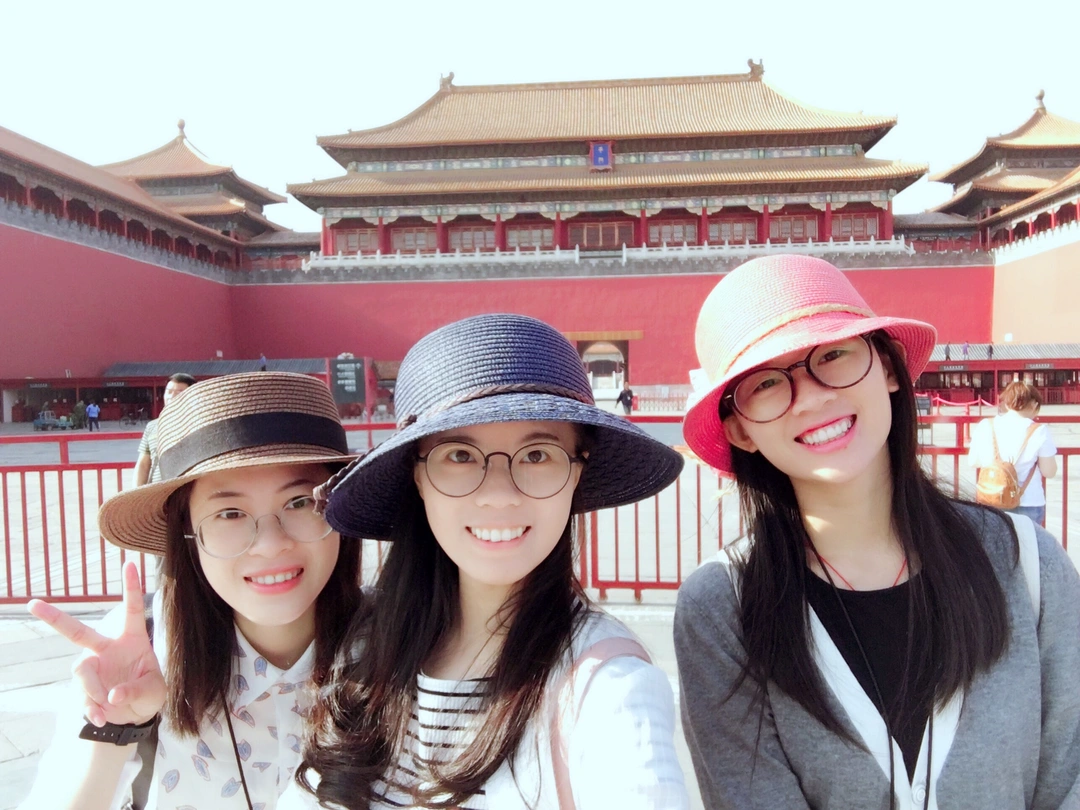
This one-day Forbidden City guide covers every publicly accessible area of the Imperial Palace, based on firsthand experience. We visited in late May 2017 with two friends, and we conquered everything except two sections: the under-renovation Hall of Mental Cultivation (养心殿, expected to reopen in 2020) and the Clock Gallery (钟表馆), which we missed due to sheer exhaustion.
Here's how we did it—complete with every shortcut, mistake, and hard-won lesson along the way.
Pre-Game Preparation: What You Need Before You Go
Golden Rules of Forbidden City Domination
1. Sleep is not optional. We learned this the hard way. After a 3:30 AM wake-up call for the flag-raising ceremony, we were running on fumes by 4 PM. If you value your sanity, consider watching the flag-raising on a separate day.
2. Bring your own supplies. The palace has limited food options, and bottled water costs a small fortune. Pack a full day's worth of hydration and calorie-dense snacks. We learned this lesson mid-afternoon when our energy crashed and the only thing available was overpriced, lukewarm water.
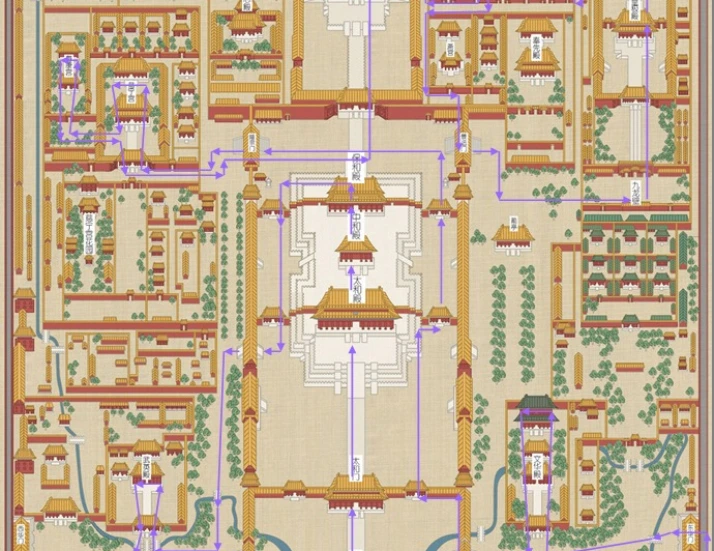
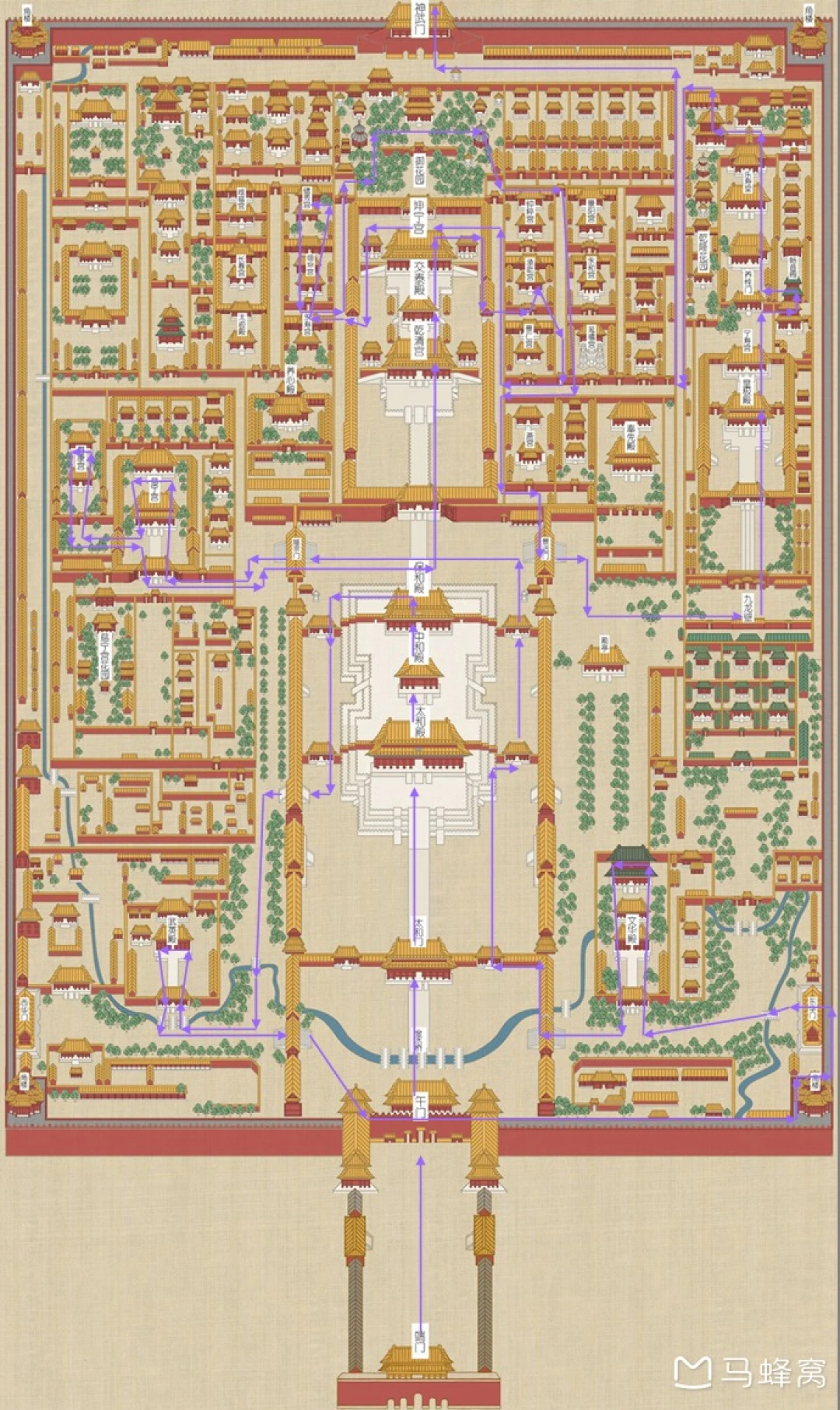
3. Print a map. Download a high-resolution map of the Forbidden City and print it out. The official maps are fine, but having your own annotated version lets you track your progress and plan detours. We used the purple route marked on our printout to navigate the entire complex.
4. Buy the combo ticket. During peak season (April–October), basic admission is ¥60 (about $8.50 USD). Add the Treasure Gallery (珍宝馆) and Clock Gallery for a combined ¥80 (about $11.30 USD). If you're only walking the central axis, the basic ticket suffices. But if you're attempting the full Forbidden City one-day itinerary, spring for the full package.
5. Wear comfortable walking shoes. You'll be covering 30,000+ steps. This is not the day for fashion.
[Link: Best walking shoes for Beijing sightseeing]
The Dawn Assault: Flag-Raising and the Early Morning Grind

3:30 AM – The Wake-Up Call That Almost Broke Us
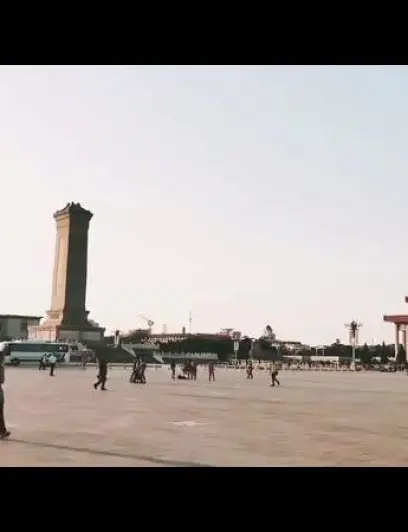
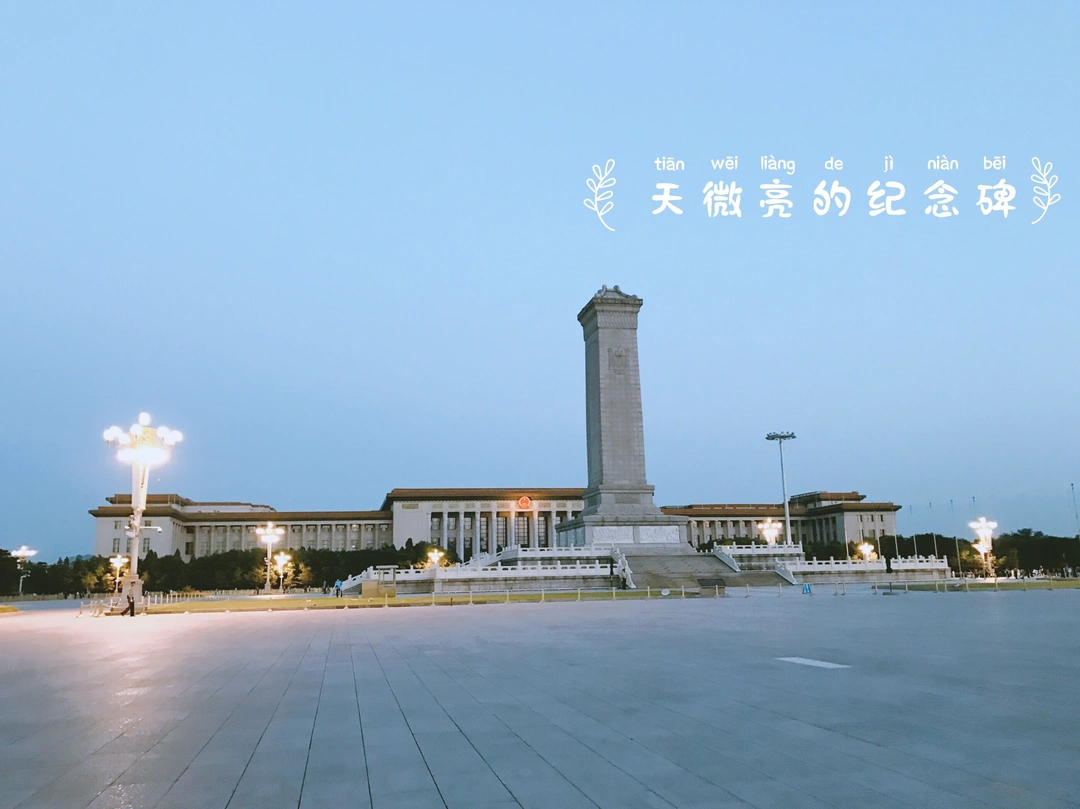
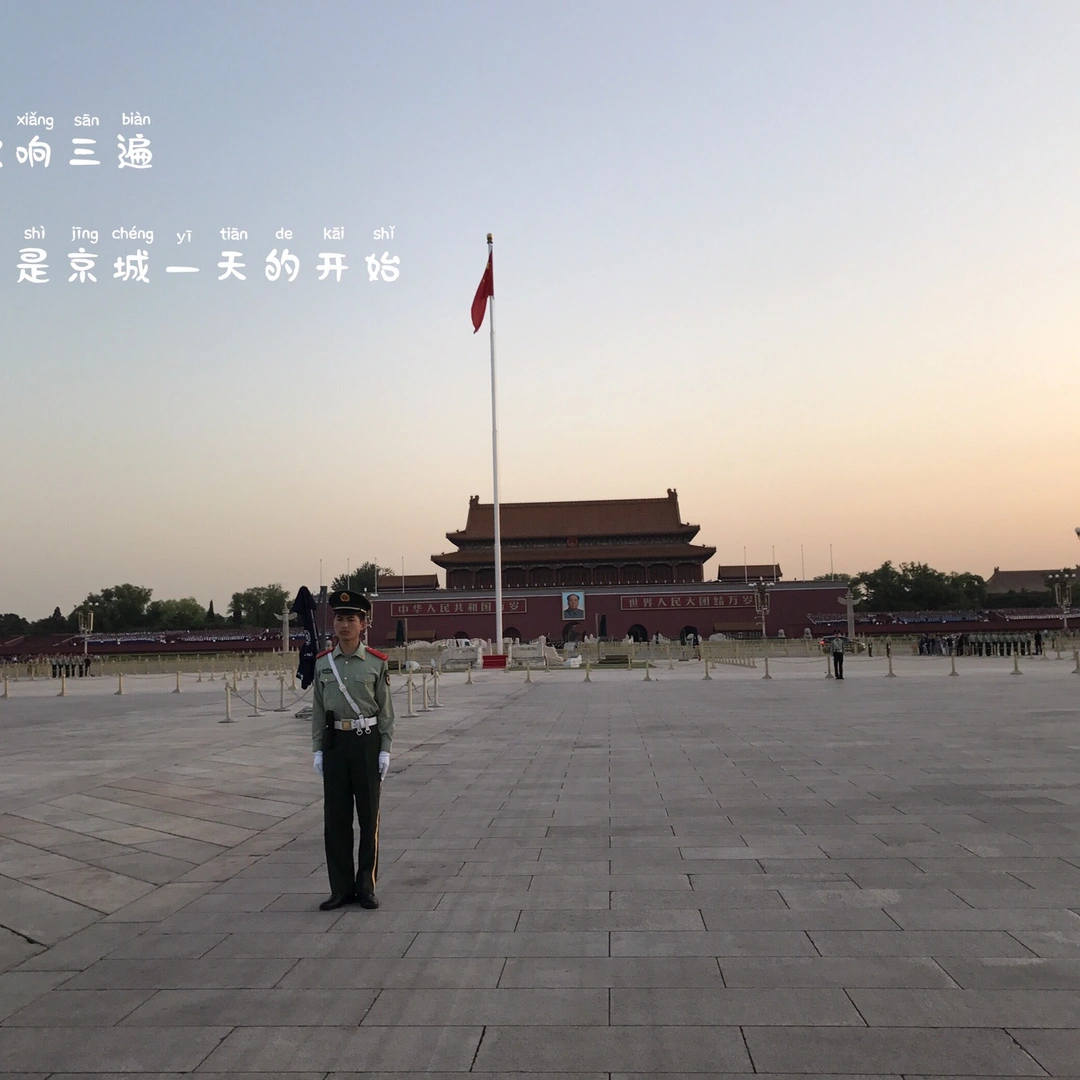
My travel companion's alarm went off at 3:30 AM, playing a soundtrack that somehow made us want to sleep more. But we had a mission: watching the national flag-raising ceremony at Tiananmen Square.
Pro tip: The flag-raising time changes daily based on sunrise. Look it up online the night before. On our visit, it was 4:51 AM.
We arrived early, thinking we'd secured prime positions. We were wrong. The crowd was already three deep, and we ended up relying on selfie sticks to catch the moment. The ceremony itself was moving—three rounds of the national anthem, the flag catching the first light—but the aftermath was brutal. The square doesn't have benches, and Tiananmen doesn't open until 8 AM. So we stood there, shivering in the May morning chill, for three hours.
Honest verdict: Don't combine the flag-raising with your Beijing Forbidden City tour. The sleep deprivation catches up with you. We were zombies by noon.
[Link: Best time to visit Tiananmen Square]
8:00 AM – The Gates Open: Entering Through the Meridian Gate
From Duanmen to the Meridian Gate
We shuffled through Tiananmen, past the Duanmen (端门, the Gate of Uprightness), where a digital experience center now offers VR encounters and costume changes. Worth a peek if you have time.
At 8:30 AM, the doors to the Meridian Gate (午门, the South Gate) finally swung open. Here's a rookie mistake we made: we stood at the central gate, assuming that's where everyone enters. Turns out, only the side gates open for visitors. The central gate? Reserved for the emperor. We quickly joined the queue at the nearest side entrance, slipped through security with our ID cards, and—whoosh—we were inside.
The First Sight: Hall of Supreme Harmony Square
Running through the Meridian Gate, we emerged into the vast Hall of Supreme Harmony Square (太和门广场). It looked exactly like I'd imagined: five marble bridges arching over the Golden Water River, the imposing Hall of Supreme Harmony (太和殿) in the distance. The scale is deceptive in photos—it's enormous.
We paused for a quick selfie on the Golden Water Bridge, flanked by the largest bronze lions in the palace. The male lion, with his paw on an embroidered ball, symbolizes imperial power. The female, cradling a cub, represents prosperity. (We only photographed the male. Classic tourist mistake.)
9:00 AM – The Outer Court: Where Emperors Held Court
The Hall of Supreme Harmony (太和殿)
This is the crown jewel of the Forbidden City: the largest and highest-ranking wooden structure in the complex, sitting atop a three-tiered white marble terrace. Peering inside, we glimpsed the gilded columns, the "Supreme Harmony" plaque, and the golden throne. No wonder they call it the Golden Throne Hall.
The square is flanked by two symmetrical halls: Hongyi Pavilion (弘义阁, the Pavilion of Spreading Righteousness) on the west and Tiren Pavilion (体仁阁, the Pavilion of Embodying Benevolence) on the east. Most tour groups march straight through the center, so if you want to avoid crowds, slip through the side gates.
The Hall of Central Harmony (中和殿)
Behind the main hall sits the smaller, more intimate Central Harmony Hall, distinguished by its gilded dome. Emperors used this space to rest and review ceremonial texts before major events.
The Hall of Preserving Harmony (保和殿)
Further back, we found the Hall of Preserving Harmony, slightly smaller than its predecessor but historically significant. During the Ming dynasty, emperors changed clothes here before ceremonies. In the Qing era, it hosted imperial banquets and the highest level of the civil service examinations. Remarkably, this hall has had five different names over the centuries—a record even among the ever-renamed palaces.
Behind this hall lies a magnificent cloud-and-dragon marble carving, quarried from Fangshan and transported to the palace on ice paths during winter. It marks the boundary between the outer court (where emperors ruled) and the inner court (where they lived).
10:00 AM – The Great Detour: Our First Mistake
We were about to enter the inner court when I remembered: we'd completely forgotten the Hall of Martial Valor (武英殿) and Hall of Literary Glory (文华殿), both located on the eastern and western flanks of the outer court. In our excitement, we'd charged straight ahead like bulls in a china shop.
So we backtracked. From the Hall of Preserving Harmony, we slipped through the Right Rear Gate, crossed the Right Central Gate, and found ourselves in a completely empty section of the palace. No tourists. No guides. Just us and the ancient walls.
The Hall of Martial Valor (武英殿)
Walking through the Right Wing Gate, the scenery changed dramatically. The central axis has no vegetation—a fire prevention measure—but here, trees shaded the pathway and a cool breeze swept through.
We passed the Broken Rainbow Bridge (断虹桥), a relic from the Yuan dynasty that predates the Forbidden City itself. Then we reached the Hall of Martial Valor. This building has a fascinating history: Li Zicheng, the rebel who toppled the Ming dynasty, crowned himself emperor here for a single day. The Qing prince Dorgon later used it as his office, and by the Kangxi era, it had become the imperial printing house.
Pro tip: This area is almost always empty. If you need a break from crowds, come here.
[Link: Forbidden City hidden gems]
11:00 AM – The Inner Court: Where Emperors Lived
The Palace of Heavenly Purity (乾清宫)
We returned to the central axis and entered the inner court through the Gate of Heavenly Purity (乾清门). The Palace of Heavenly Purity was the emperor's main residence during the Ming dynasty and early Qing. Inside, the "Uprightness and Honor" plaque (正大光明匾) hangs prominently—the same one that famously hid the imperial succession decree during the Qing era.
The Hall of Union and Peace (交泰殿)
Between the Palace of Heavenly Purity and the Palace of Earthly Tranquility sits the Hall of Union and Peace. This is where the empress received birthday congratulations and where the imperial seal was kept. The interior features a stunning gilded coffered ceiling and a water clock (clepsydra) that once kept time for the entire palace.
The Palace of Earthly Tranquility (坤宁宫)
This was the official residence of the empress, though by the Qing dynasty, it was primarily used for shamanic rituals and wedding ceremonies. The interior is surprisingly modest compared to the grandeur of the outer court.
12:00 PM – The Six Eastern and Western Palaces
The Six Eastern Palaces (东六宫)
We turned east from the central axis to explore the Six Eastern Palaces. These smaller courtyards housed imperial concubines and consorts. Each palace has its own personality:
- Palace of Eternal Harmony (景仁宫) – Known for its elegant garden
- Palace of Great Brilliance (承乾宫) – Home to the infamous Consort Xiang
- Palace of Accumulated Purity (钟粹宫) – Now houses a jade exhibition
The Six Western Palaces (西六宫)
Crossing back through the central axis, we explored the Six Western Palaces. These are generally less crowded than their eastern counterparts. Highlights include:
- Palace of Eternal Spring (长春宫) – Famous for its "Twelve Beauties" murals
- Palace of Gathering Excellence (储秀宫) – Where Empress Dowager Cixi lived
Time-saving tip: You don't need to visit every palace. Pick 3-4 that interest you most. We spent too much time here and regretted it later.
[Link: Forbidden City must-see palaces]
1:00 PM – The Imperial Garden (御花园)
A Brief Respite
By now, our feet were screaming. We entered the Imperial Garden through the Gate of Earthly Tranquility. This is the only significant green space in the Forbidden City, featuring ancient cypress trees, rockeries, and pavilions.
The garden is surprisingly small—only about 120 meters by 90 meters—but it's a welcome break from the endless halls and courtyards. We sat on a stone bench, ate our packed snacks, and watched the tour groups stream past.
Note: The garden gets crowded by early afternoon. Visit during the first hour of opening if you want photos without people.
The Hall of Imperial Peace (钦安殿)
At the center of the garden stands the Hall of Imperial Peace, a Taoist temple dedicated to the Dark Warrior (Xuanwu). This is the only Taoist structure in the Forbidden City, and its distinctive bronze roof sets it apart from surrounding buildings.
2:00 PM – The Treasure Gallery and the Back Gate
The Treasure Gallery (珍宝馆)
If you bought the combo ticket, don't skip the Treasure Gallery. Located in the northeastern section of the inner court, this exhibition houses the most dazzling artifacts from the imperial collection: gold filigree, jade carvings, pearl-studded crowns, and the famous Jadeite Cabbage (翠玉白菜)—a piece of jade carved to resemble a bok choy with a katydid and locust on its leaves.
Pro tip: The Treasure Gallery is often overlooked by tour groups. Visit during lunch hours (12:30-2:00 PM) when crowds thin out.
The Back Gate (神武门)
Exiting through the Back Gate (Gate of Divine Might), we found ourselves on Jingshan Front Street. From here, you have two options:
- Climb Jingshan Hill for the iconic panoramic view of the Forbidden City from above
- Visit the nearby Beihai Park for a more relaxed ending
We chose Jingshan Hill. The climb is steep but short (about 15 minutes), and the view at the top is worth every step. The Forbidden City stretches before you like a golden sea, the central axis perfectly aligned with the distant hills.
Lessons Learned: What We'd Do Differently
Skip the flag-raising ceremony – The sleep deprivation isn't worth it. Watch a video online instead.
Start at 8:30 AM sharp – Arrive at the Meridian Gate before it opens. You'll have 1-2 hours of relative quiet before the crowds arrive.
Eat a proper lunch – We relied on snacks and regretted it. The palace has a restaurant near the Imperial Garden, but it's expensive and mediocre. Consider bringing a picnic.
Prioritize the Treasure Gallery – We almost skipped it. Don't. The artifacts are breathtaking.
Leave by 4:00 PM – The palace closes at 5:00 PM (4:30 PM in winter), and the last hour is chaos as staff herd visitors toward the exits. Plan to be at the Back Gate by 4:00 PM.
Frequently Asked Questions
How long does it take to walk through the Forbidden City?
A thorough visit covering all open areas takes 6-8 hours. The full "marathon" itinerary described here takes 10-13 hours, including the flag-raising and Jingshan Hill climb.
What is the best time of year to visit the Forbidden City?
Spring (April-May) and autumn (September-October) offer the most comfortable temperatures and clear skies. Summer is hot and crowded; winter is cold but less crowded. Avoid Chinese national holidays (October 1-7) when the palace reaches capacity.
Can I bring food and water into the Forbidden City?
Yes, you can bring food and water. There are no restrictions on outside food, and it's highly recommended. The palace's food options are limited, expensive, and often crowded.
Is the Forbidden City wheelchair accessible?
The main pathways are wheelchair accessible, but many side palaces and exhibition halls have stairs. The palace offers wheelchair rentals at the Meridian Gate entrance.
How do I buy tickets for the Forbidden City?
Tickets must be purchased online in advance through the official website or authorized platforms. Same-day tickets are rarely available, especially during peak season. Bring your passport or ID card for entry.
Conclusion: Your Forbidden City Marathon Awaits
The Forbidden City is not a place you visit—it's a place you conquer. This one-day itinerary pushes you to your limits, but the reward is unmatched: you'll have seen every corner of the world's largest imperial palace complex.
Remember the golden rules:
- Prepare your supplies and map
- Prioritize the Treasure Gallery and outer flanks
- Pace yourself with breaks in the Hall of Martial Valor or Imperial Garden
- Protect your feet with comfortable shoes
And most importantly: book your tickets in advance. The Forbidden City limits daily visitors to 80,000, and tickets sell out days or weeks ahead during peak season.
Ready to start planning your Beijing Forbidden City tour? Check out our complete guide to [Beijing travel itineraries] and [top-rated guided tours of the Forbidden City].
Your mission, should you choose to accept it: Walk every open path, photograph every bronze lion, and stand where emperors once stood. The Forbidden City is waiting. Are you ready to conquer it?
Have you attempted the Forbidden City marathon? Share your tips and experiences in the comments below—we'd love to hear your story.
You should also read:
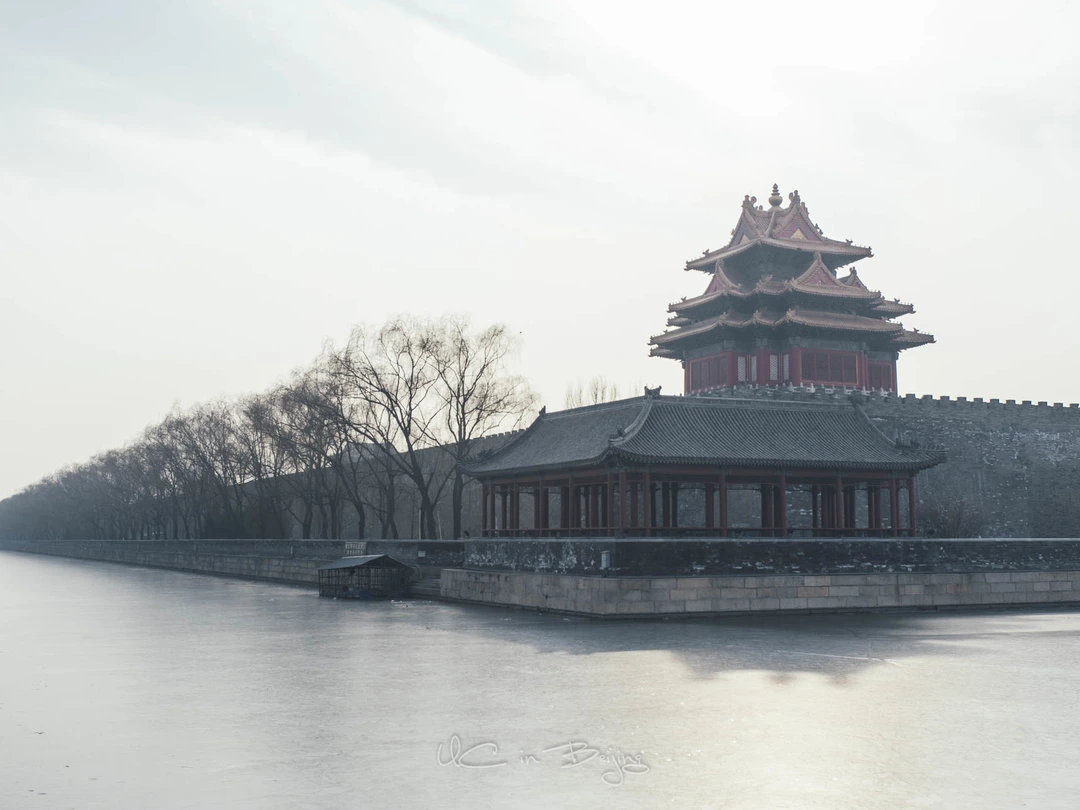
Beijing Through the Lens: One Person's Winter Wanderings – An SEO-Optimized Travel Guide
Meta Description: Discover Beijing's winter charm through a photographer's lens. From Nanluoguxiang's night scenes to Sanlitun's neon glow, explore the city's hidden corners and iconic landmarks in this SEO-friendly travel guide. January in Beijing is so cold you can hear your own breath. But for…
Continue reading...
Dreaming of Beijing: A City of Flames and Embers
Here is the SEO-optimized, rewritten article based on the source material. It has been restructured for search intent, readability, and keyword density while preserving the original poetic and narrative essence. SEO Title: Dreaming of Beijing: A City of Flames, Embers, and 3,000 Years of History…
Continue reading...
A Different Beijing: The Ultimate Guide to Traveling with Parents in China's Capital
Meta Description: Discover how to plan a multi-generational Beijing trip that balances iconic sights with parental comfort. From the Great Wall to IKEA, this 7-day itinerary proves traveling with parents is a gentle journey in reverse. We often say, "The world is so big, I…
Continue reading...